
Best Wearable Stress Trackers for 2024: Unlocking Your Calm


Welcome to Mind Care Guide, your sanctuary for cultivating inner peace.
Feeling overwhelmed? You're not alone. In today's fast-paced world, stress can feel inescapable. But what if you could gain a deeper understanding of your body's stress signals and learn to manage them more effectively? This guide delves into the world of wearable technology, offering insightful stress tracker wearable reviews to help you find the perfect tool to unlock your calm. Curious to discover how these innovative devices can empower you to take control of your well-being? Let's explore.
Best Wearable Stress Trackers for 2024: Unlocking Your Calm | Mind Care Guide
- Introduction: Finding Your Inner Peace with Wearable Stress Trackers
-
Stress Tracker Wearable Reviews: Top Picks for 2024
- Comparing the Best Wearable Stress Trackers: Features and Accuracy
- Whoop 4.0: A Deep Dive into Physiological Data
- Fitbit Sense 2: Comprehensive Health Monitoring with Stress Management
- Garmin Venu 3: Smartwatch with Advanced Stress Tracking Capabilities
- Muse S (Gen 2): Meditation Headband for Real-Time Biofeedback
- Apple Watch Series 9 (with Stress Tracking Apps): The Smartwatch Ecosystem for Stress Relief
-
Choosing the Right Stress Tracker Wearable for You: A Buying Guide
- Understanding Your Stress Triggers: Identifying What Causes You Anxiety
- Defining Your Needs: Features and Functionality that Matter Most
- Accuracy is Key: Ensuring Reliable Data for Effective Stress Management
- Budget Considerations: Finding a Stress Tracker Wearable That Fits Your Price Range
- Case Study: How Sarah Used the Garmin Venu 3 to Manage Work-Related Stress
-
Maximizing the Benefits of Your Stress Tracker: Tips and Tricks
- Integrating Your Wearable Data with Mindfulness Practices
- Setting Realistic Goals: Tracking Progress and Staying Motivated
- Consulting with a Mental Health Professional: Seeking Expert Guidance
- Example: Utilizing guided breathing exercises available on the Fitbit app in conjunction with stress tracker data.
- Beyond Wearable Tech: Holistic Approaches to Stress Management
- Conclusion: Embracing Technology for a Calmer, Healthier You
-
Frequently Asked Questions
- What are the key benefits of using a wearable stress tracker?
- How accurate are wearable stress trackers in measuring stress levels?
- What features should I look for when choosing a wearable stress tracker?
- Can wearable stress trackers replace professional mental health support?
- Where can I find reliable reviews and comparisons of different wearable stress trackers?
- Final Reflection: Finding Calm in a Connected World
- Unlock Your Inner Calm: Take Control of Your Stress Today!
Introduction: Finding Your Inner Peace with Wearable Stress Trackers
The Growing Need for Stress Management in 2024
In today's fast-paced world, stress has become an almost constant companion for many. The demands of work, personal life, and the ever-present digital noise contribute to rising stress levels, impacting both our mental and physical health. According to recent surveys, a significant percentage of adults report experiencing high levels of stress regularly, leading to issues like sleep disturbances, anxiety, and decreased productivity. Managing this pervasive stress is no longer a luxury but a necessity for maintaining overall well-being.
The landscape of stress in 2024 is complex, influenced by global events, economic pressures, and the increasing blurring lines between work and home life. This heightened awareness of stress's detrimental effects has fueled a demand for accessible, proactive tools to help individuals monitor and manage their internal state. Traditional methods like meditation and therapy remain vital, but technology is now offering new avenues, providing data-driven insights into our body's stress responses throughout the day.
How Wearable Stress Trackers Can Help You Achieve Calm
Wearable stress trackers are emerging as valuable allies in the quest for calm. These devices, worn on the wrist or body, continuously collect physiological data such as heart rate, heart rate variability (HRV), skin conductance, and sleep patterns. By analyzing these metrics, they can provide insights into your body's physiological stress response, often before you even consciously feel overwhelmed. This objective data offers a new layer of self-awareness, helping you identify patterns, triggers, and the effectiveness of your coping strategies.
Beyond simple data collection, many wearable stress trackers offer features designed to actively help you manage stress in the moment. This can include guided breathing exercises, mindfulness prompts, or personalized recommendations based on your daily stress levels. By making the invisible physiological signs of stress visible and offering tools for immediate intervention, these wearables empower users to take proactive steps towards reducing tension and cultivating a greater sense of peace throughout their day.
What to Look For in a Top-Rated Stress Tracker Wearable
Choosing the right stress tracker wearable involves considering several key factors to ensure it meets your specific needs and provides reliable insights. First and foremost, evaluate the types of physiological data the device tracks. Look for metrics known to correlate with stress, such as heart rate variability (HRV) and skin conductance (often measured via EDA or electrodermal activity). The more comprehensive the data, the more nuanced the understanding of your stress response can be.
Accuracy is paramount; the data needs to be reliable for the device to be truly useful. While no consumer wearable is a medical device, look for information regarding the sensors used and any validation studies the manufacturer references. Consider the device's form factor and comfort, as you'll likely wear it frequently.
Battery life is also crucial for continuous tracking. Finally, assess the accompanying app – is it user-friendly, does it provide actionable insights, and does it offer supportive features like guided exercises or educational content? These elements combine to determine the effectiveness of a stress tracker wearable in helping you on your journey to unlocking calm.
Stress Tracker Wearable Reviews: Top Picks for 2024
Comparing the Best Wearable Stress Trackers: Features and Accuracy
The market for wearable technology is constantly evolving, bringing increasingly sophisticated tools for health monitoring, including stress management. Our stress tracker wearable reviews focus on devices that stand out for their dedicated stress-tracking capabilities, the depth of data they provide, and their potential to offer actionable insights. While many wearables track basic health metrics, those truly focused on stress management utilize specific sensors and algorithms designed to interpret physiological signals related to the body's stress response.
When comparing these top contenders in stress tracker wearable reviews, we examine not just the list of features but also the reported accuracy and how well the device translates raw data into understandable and useful information. We look at how different devices measure stress indicators like HRV or EDA, the consistency of their readings, and how their proprietary algorithms generate stress scores or insights. The goal is to help you understand which device offers the most reliable and helpful perspective on your personal stress levels.
Whoop 4.0: A Deep Dive into Physiological Data
Features: Heart Rate Variability (HRV), Sleep Tracking, Strain Score
The Whoop 4.0 is designed as a 24/7 physiological monitor, placing a strong emphasis on recovery and strain, which are intimately linked with stress. Its core metrics include continuous heart rate monitoring and, crucially, heart rate variability (HRV) tracking. HRV is a key indicator of the autonomic nervous system's state, and lower HRV is often associated with higher stress or fatigue. Whoop tracks HRV during sleep, providing a daily recovery score that reflects how well your body is prepared to handle strain (physical and mental) for the day ahead.
Beyond HRV, Whoop provides detailed sleep tracking, analyzing sleep stages, disturbances, and efficiency, all of which impact stress levels and recovery. It also calculates a "Strain Score" based on cardiovascular exertion throughout the day. The interplay between Strain and Recovery scores gives users a comprehensive picture of their body's load and ability to cope, offering a unique perspective on managing the physiological impact of stress. The device itself is screenless, relying entirely on the accompanying app for data interpretation.
Accuracy: Clinical Validation and User Reviews
Whoop has invested in clinical validation studies to support the accuracy of its physiological measurements, particularly heart rate and heart rate variability. These studies, often published or presented at scientific conferences, compare Whoop data against gold-standard medical devices like ECGs. While user experiences can vary, the device is generally regarded by its user base as providing consistent and reliable physiological data for tracking trends over time.
The accuracy of Whoop's derived metrics, such as the Recovery Score which incorporates HRV, sleep, and resting heart rate, is based on proprietary algorithms developed from extensive data analysis. User reviews frequently highlight the consistency of these scores in reflecting their subjective feelings of fatigue, stress, or readiness. While not a medical device, its strength lies in providing a continuous, high-resolution stream of physiological data that users can correlate with their daily activities and perceived stress levels.
Monetization: Subscription Model, Affiliate Links to Accessories
Whoop operates primarily on a subscription model. Users purchase the Whoop strap itself at a minimal cost or sometimes receive it free with a long-term commitment, but access to the data, analysis, and coaching features within the app requires an ongoing monthly or annual membership fee. This model ensures continuous updates to the platform and algorithms.
Additional revenue streams for Whoop include the sale of accessories like bands, apparel, and charging accessories through their website and retail partners. While the core device functionality is tied to the subscription, users often personalize their strap with different band styles. The business model relies on the value of continuous physiological data and insights delivered through the subscription service.
Fitbit Sense 2: Comprehensive Health Monitoring with Stress Management
Features: EDA Scan App, ECG App, Skin Temperature Tracking
The Fitbit Sense 2 is positioned as a health-focused smartwatch with robust stress management capabilities. Its standout feature for stress tracking is the continuous electrodermal activity (cEDA) sensor, an evolution of the EDA Scan app found on previous models. This sensor measures tiny electrical changes in the skin's surface, which are often associated with sympathetic nervous system activity – a key component of the body's stress response. The Sense 2 can detect these changes passively throughout the day, providing alerts about potential stress moments.
In addition to cEDA, the Sense 2 includes an ECG app to assess heart rhythm for signs of atrial fibrillation (though not related to stress tracking itself, it's part of the overall health suite), and a skin temperature sensor which can sometimes indicate illness or menstrual cycle phases, indirectly affecting stress perception or physiological state. It also offers guided breathing exercises and mindfulness sessions directly on the watch and through the associated Fitbit app, making it a comprehensive tool for both monitoring and managing stress.
Accuracy: Stress Management Score and its Correlation with Perceived Stress
Fitbit's approach to stress tracking culminates in a daily "Stress Management Score." This score is calculated based on a combination of physiological data, including cEDA responses, heart rate, heart rate variability (HRV), and sleep patterns. The algorithm analyzes how your body responded physiologically throughout the day and night. While the specific weighting of factors is proprietary, the score is designed to give users a single metric reflecting their body's ability to handle stress on a given day.
User feedback and some independent reviews suggest that the Stress Management Score often correlates reasonably well with perceived stress levels, though individual experiences can vary. The accuracy of the underlying cEDA sensor for detecting physiological arousal is generally accepted, but interpreting those signals specifically as "stress" is a complex algorithmic task. The value lies in observing trends in the score over time and using it as a prompt for self-reflection or engaging in stress-reducing activities.
Monetization: Fitbit Premium Subscription, Affiliate Links to Bands
Fitbit's monetization strategy involves the sale of the hardware device itself, but also leverages a subscription service called Fitbit Premium. While the basic data and some features are available with the device purchase, accessing deeper insights, personalized guidance, historical data trends, and a wider library of mindfulness and fitness content requires a Fitbit Premium subscription.
Like other wearable companies, Fitbit also generates revenue through the sale of watch bands, chargers, and other accessories compatible with the Sense 2. These are available directly from Fitbit's website and various retail partners. The subscription model is key to unlocking the full potential of the stress tracking and health analysis features.
Garmin Venu 3: Smartwatch with Advanced Stress Tracking Capabilities
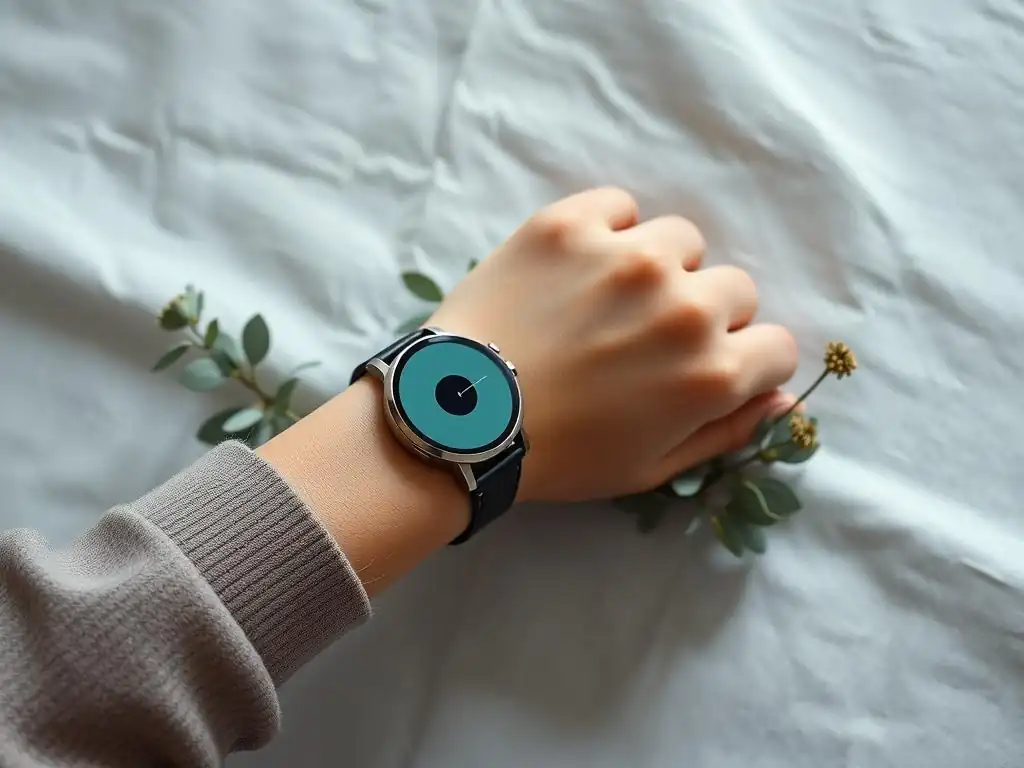
Features: Body Battery Energy Monitoring, Respiration Rate Tracking, Guided Breathing Exercises
The Garmin Venu 3 is a feature-rich smartwatch that includes several tools relevant to stress tracking and overall well-being. A core feature is "Body Battery" energy monitoring. This metric uses a combination of heart rate variability (HRV), stress levels, sleep quality, and activity data to estimate your body's energy reserves throughout the day. A low Body Battery score often correlates with high stress or insufficient recovery.
The Venu 3 also tracks respiration rate, which can be influenced by stress. It provides a continuous stress score based on HRV fluctuations, displayed on the watch and in the Garmin Connect app. When the watch detects periods of high stress, it may prompt the user to perform a guided breathing exercise, available directly on the device. These integrated features make the Venu 3 a strong contender in stress tracker wearable reviews for those seeking a blend of fitness and wellness tracking.
Accuracy: Correlation with Physical Activity and Stress Levels
Garmin's stress tracking feature, primarily based on HRV analysis, is generally considered reliable for identifying trends in physiological stress over time. The algorithm analyzes the variation in time between heartbeats, interpreting lower variability during periods of rest as potential stress. Numerous user accounts and reviews indicate that the stress score and Body Battery metric often align with their subjective feelings of being stressed or fatigued.
The accuracy of the Body Battery feature relies on the combined accuracy of the underlying metrics (HRV, sleep, activity). While not a direct measurement of stress itself, the Body Battery provides a practical, easy-to-understand representation of your body's recovery state and its capacity to handle load, which is closely tied to stress resilience. The stress score specifically aims to highlight moments or periods of physiological strain.
Monetization: Garmin Connect Subscription, Affiliate Links to Accessories
Garmin's primary monetization model for its devices like the Venu 3 is through the initial purchase of the hardware. Unlike some competitors, Garmin provides access to its comprehensive platform, Garmin Connect, and most of the data and analysis features without a mandatory ongoing subscription fee. Garmin Connect is where users view their stress data, Body Battery, sleep stats, and activity logs.
While the core software features are included, Garmin does offer optional premium services in some regions or for specific features, though the essential stress tracking and Body Battery functionality are typically included with the device purchase. Revenue is also generated through the sale of replacement bands, charging cables, and other accessories through their website and retail network.
Muse S (Gen 2): Meditation Headband for Real-Time Biofeedback
Features: EEG Brainwave Tracking, Guided Meditation Programs
The Muse S (Gen 2) is a unique entry in stress tracker wearable reviews as it's specifically designed as a meditation aid using biofeedback, rather than a general activity tracker. It is a soft headband worn across the forehead and behind the ears that uses electroencephalography (EEG) sensors to measure brainwave activity. During meditation, the Muse app translates this activity into real-time audio feedback – for example, calm brain activity might be represented by peaceful bird sounds, while a wandering mind might produce stormy weather sounds.
Beyond brainwave tracking, the Muse S also incorporates PPG (photoplethysmography) sensors to track heart rate and respiration, providing additional layers of biofeedback. The accompanying app offers a wide library of guided meditations, sleep stories, and soundscapes, all designed to help users train their minds and improve their meditation practice. The focus is on providing immediate, objective feedback on your mental state during meditation.
Accuracy: Real-Time Feedback on Mental State During Meditation
The accuracy of Muse lies in its ability to detect and interpret specific patterns in brainwave activity (EEG) and physiological signals (heart rate, respiration) that correspond to different mental states, particularly during focused meditation. While consumer EEG is not the same as clinical-grade equipment, Muse has been used in research studies to explore meditation and sleep. The real-time biofeedback is the core value proposition; it provides objective data on how your brain and body respond while you are actively trying to calm your mind.
User experience suggests that the feedback is responsive and helps users learn to recognize and return to a calmer state during meditation sessions. The accuracy is less about providing a daily stress score and more about giving precise, in-the-moment feedback to guide the user towards a more focused or relaxed state during a specific practice session. This makes it a powerful tool for training the mind to better manage stress.
Monetization: Muse Premium Subscription, Direct Sales of Headband
Muse's monetization strategy involves the initial purchase of the Muse S headband hardware. Access to the basic meditation sessions and real-time biofeedback is included with the device. However, to unlock the full library of guided meditations, sleep content, historical data tracking beyond a basic level, and advanced features, users need to subscribe to Muse Premium.
The company primarily sells the headband directly through its website and select retail partners. The subscription service is crucial for users who want to deepen their practice and access a wider range of content and personalized insights offered by the platform.
Apple Watch Series 9 (with Stress Tracking Apps): The Smartwatch Ecosystem for Stress Relief
Features: Mindfulness App, Third-Party Stress Tracking Apps
The Apple Watch Series 9, while not having a dedicated, built-in 'stress score' like some competitors, is a highly capable platform for stress management when combined with its native features and the vast ecosystem of third-party apps. It includes a native Mindfulness app offering guided reflections and breathing exercises. It tracks core health metrics like heart rate, HRV, and sleep, which are foundational for understanding physiological stress.
The true power for stress tracking on the Apple Watch comes from third-party applications available on the App Store. Apps like Athlytic, Heart Analyzer, or dedicated stress apps utilize the rich data stream from the Apple Watch sensors (HRV, resting heart rate, sleep) to provide their own stress analysis, recovery scores, and insights. Some apps also leverage features like skin temperature (tracked during sleep on newer models) or even provide guided exercises based on user input or detected patterns.
Accuracy: Relies on Heart Rate Data and App Algorithm
The accuracy of stress tracking using the Apple Watch Series 9 heavily depends on the accuracy of its underlying sensor data (particularly heart rate and HRV) and the algorithms used by the specific third-party app chosen. Apple's sensors for heart rate and HRV are generally considered accurate for a consumer wearable, backed by numerous studies and comparisons.
However, translating this physiological data into a meaningful stress score or recovery metric is the domain of the third-party app's algorithm. The accuracy and reliability of these scores can vary significantly from one app to another. Users should research specific apps and read stress tracker wearable reviews for those applications to understand how they derive their insights and how well they correlate with subjective feelings of stress or readiness. The Apple Watch provides the robust hardware platform; the intelligence for stress analysis often comes from the software layer.
Monetization: App Store Purchases, Apple Watch Accessories
Apple's monetization for the Apple Watch Series 9 is primarily through the initial sale of the hardware. Once purchased, the basic health tracking features and the native Mindfulness app are included. However, accessing advanced stress tracking analysis and features often requires purchasing or subscribing to third-party apps available on the App Store.
Many of the most sophisticated stress and recovery tracking apps operate on a subscription basis (monthly or annual) or require a one-time purchase. Additionally, Apple generates significant revenue through the sale of official and third-party Apple Watch bands, chargers, and other accessories. The flexibility of the app ecosystem means users can often find a stress-tracking solution that fits their specific needs, though it may come with additional software costs.
Choosing the Right Stress Tracker Wearable for You: A Buying Guide
Understanding Your Stress Triggers: Identifying What Causes You Anxiety
Before diving into stress tracker wearable reviews, take time to reflect on your personal experience with stress. What situations, people, or activities typically make you feel anxious or overwhelmed? Is your stress primarily work-related, social, or perhaps tied to specific events?
Understanding your common triggers can help you determine what kind of data might be most useful to track. For instance, if your stress is tied to activity peaks or lack of recovery, a device strong in HRV and Body Battery might be ideal. If it's tied to specific emotional responses, a device with real-time biofeedback or a strong focus on detecting moments of physiological arousal could be more beneficial.
Defining Your Needs: Features and Functionality that Matter Most
Consider what you hope to gain from using a stress tracker wearable. Do you want a passive monitor that simply provides data trends? Or do you need a device that offers real-time alerts and guided interventions like breathing exercises?
Are you looking for a dedicated stress tool, or do you want a comprehensive health and fitness tracker that also includes stress features? Make a list of the features that are non-negotiable for you, such as specific data points (HRV, EDA), form factor (wristband vs. watch vs. headband), or integration with other apps you use. This clarity will significantly narrow down your options when reading stress tracker wearable reviews.
Accuracy is Key: Ensuring Reliable Data for Effective Stress Management
The utility of any stress tracker wearable hinges on the accuracy of the data it collects and the insights it provides. While consumer wearables are not medical diagnostic tools, look for devices that have demonstrated reliability in their physiological measurements. Pay attention to what metrics the device tracks and how validated those tracking methods are (e.g., how accurately does it measure HRV compared to clinical standards?).
Remember that a stress score is often an interpretation based on multiple data points; focus on whether the score consistently reflects your subjective experience or helps you identify patterns, rather than expecting perfect, moment-by-moment correlation. Reliable data over time is essential for making informed decisions about managing your stress.
Budget Considerations: Finding a Stress Tracker Wearable That Fits Your Price Range
Wearable stress trackers vary significantly in price, from more affordable fitness bands with basic stress features to premium smartwatches and dedicated biofeedback devices with ongoing subscriptions. Determine your budget upfront. Remember to factor in potential ongoing costs, such as monthly or annual subscription fees that unlock the full feature set of some devices. Sometimes a slightly higher initial investment in a device with no subscription might be more cost-effective long-term than a cheaper device with a required recurring fee. Compare the total cost of ownership over a year or two when evaluating options from stress tracker wearable reviews.
Sarah, a marketing manager, often felt overwhelmed by tight deadlines, leading to poor sleep and increased anxiety. After reading stress tracker wearable reviews, she chose the Garmin Venu 3 to gain objective insight into her stress levels. She started monitoring her Body Battery, noticing it would consistently plummet on days with back-to-back meetings. Her stress score would also spike during intense work periods.
Using the Venu 3's data, Sarah identified that taking a 10-minute walk outside during her lunch break significantly improved her Body Battery and lowered her stress score in the afternoon. She also started using the guided breathing exercises on the watch before stressful calls. Over several weeks, by correlating her Venu 3 data with her schedule and activities, Sarah developed a personalized routine incorporating micro-breaks and breathing techniques, reporting feeling more in control and less physiologically strained by her work demands.
Maximizing the Benefits of Your Stress Tracker: Tips and Tricks
Integrating Your Wearable Data with Mindfulness Practices
Your stress tracker wearable provides valuable data, but its true power is unlocked when combined with active stress management techniques. Use the insights from your device to inform your mindfulness practice. For example, if your wearable indicates high stress or low recovery, dedicate extra time to meditation or deep breathing exercises. If your stress score consistently rises at a certain time of day, schedule a short mindfulness break during that period. Many wearables offer guided mindfulness or breathing sessions directly through their apps, making it easy to integrate these practices based on your real-time data.
Setting Realistic Goals: Tracking Progress and Staying Motivated
Using a stress tracker wearable is a journey, not a quick fix. Set realistic goals for what you hope to achieve, whether it's reducing the frequency of high-stress periods, improving your recovery score, or simply becoming more aware of your body's signals. Track your progress using the historical data provided by the device's app. Seeing trends over time – perhaps a gradual increase in HRV or a more stable Body Battery – can be incredibly motivating. Celebrate small victories and be patient with yourself; managing stress is an ongoing process.
Consulting with a Mental Health Professional: Seeking Expert Guidance
While wearable stress trackers offer valuable self-awareness, they are not a substitute for professional medical or mental health advice. If you are experiencing significant or persistent stress, anxiety, or other mental health challenges, it is crucial to consult with a qualified therapist, counselor, or doctor. The data from your wearable can be a useful tool to share with your professional, providing objective insights into your physiological state. They can help you interpret the data in the context of your overall health and develop effective, personalized coping strategies.
Example: Utilizing guided breathing exercises available on the Fitbit app in conjunction with stress tracker data.
Imagine your Fitbit Sense 2 buzzes, indicating a detected stress moment or that your daily Stress Management Score is lower than usual. Instead of ignoring it, you open the Fitbit app or navigate to the Mindfulness app on the watch. You see your data suggests physiological tension.
This is the perfect prompt to engage in a guided breathing exercise offered directly within the app. The app might offer a 2-minute or 5-minute session. By following the on-screen prompts to inhale and exhale deeply, you actively work to lower your heart rate and calm your nervous system, using the wearable's data as the trigger for immediate stress intervention.
Beyond Wearable Tech: Holistic Approaches to Stress Management
The Importance of Sleep Hygiene: Optimizing Your Sleep for Stress Reduction
Sleep is a cornerstone of both physical and mental health, and optimizing your sleep hygiene is fundamental to managing stress effectively. Poor sleep exacerbates stress, while sufficient, quality sleep improves your body's resilience. Aim for 7-9 hours of sleep per night. Establish a consistent sleep schedule, even on weekends. Create a relaxing bedtime routine, ensure your bedroom is dark, quiet, and cool, and avoid screens, caffeine, and heavy meals close to bedtime. Many wearable stress trackers provide detailed sleep analysis, offering data that can help you identify areas for improvement in your sleep habits.
The Power of Exercise: Physical Activity as a Stress Reliever
Regular physical activity is a powerful stress reliever. Exercise reduces the levels of stress hormones like cortisol and adrenaline and stimulates the production of endorphins, natural mood boosters. Engaging in activities you enjoy, whether it's brisk walking, running, yoga, or dancing, can help clear your mind, reduce muscle tension, and improve your overall sense of well-being. Aim for at least 30 minutes of moderate-intensity exercise most days of the week. Your stress tracker wearable can help you monitor your activity levels and see how exercise impacts your stress metrics over time.
Nourishing Your Body: Diet and Nutrition for Mental Well-being
What you eat significantly impacts your mood, energy levels, and ability to cope with stress. A balanced diet rich in whole foods, fruits, vegetables, lean proteins, and healthy fats provides the nutrients your brain and body need to function optimally. Avoid excessive caffeine, sugar, and processed foods, which can contribute to energy crashes and mood swings. Staying hydrated is also crucial. Consider incorporating foods known for their stress-reducing properties, such as those high in omega-3 fatty acids, magnesium, and B vitamins. Fueling your body properly enhances your resilience to daily stressors.
Conclusion: Embracing Technology for a Calmer, Healthier You
The Future of Wearable Stress Tracking
The field of wearable stress tracking is continuously advancing. We can anticipate future devices incorporating even more sophisticated sensors and algorithms, potentially offering deeper insights into individual stress responses and personalized interventions. Integration with AI could lead to more predictive insights, warning users of potential stress triggers based on their patterns. As technology improves, wearable stress trackers are poised to become even more integral tools in proactive mental wellness strategies, offering more nuanced and actionable data to help users navigate the complexities of modern stress.
Investing in Your Mental Well-being: A Worthwhile Pursuit.
Ultimately, choosing and utilizing a stress tracker wearable is an investment in your mental and physical health. While no device is a magic cure, the self-awareness gained from tracking physiological data can be a powerful catalyst for positive change.
By understanding how stress impacts your body and using the tools provided to manage it, you take an active role in cultivating calm and resilience. Whether you opt for a dedicated biofeedback device or a comprehensive smartwatch, exploring stress tracker wearable reviews is the first step towards finding a tool that can help you unlock your inner peace and build a calmer, healthier life.
Frequently Asked Questions
What are the key benefits of using a wearable stress tracker?
Wearable stress trackers can offer real-time insights into your stress levels, helping you identify stress triggers and implement coping mechanisms more effectively. They can also provide data to share with therapists.
How accurate are wearable stress trackers in measuring stress levels?
The accuracy varies depending on the device, but most rely on heart rate variability (HRV) and skin conductance (EDA), which are indicators of stress. While helpful, they are not a perfect measure.
What features should I look for when choosing a wearable stress tracker?
Consider features like continuous stress monitoring, personalized insights, guided breathing exercises, and sleep tracking. Battery life and comfort are also important factors.
Can wearable stress trackers replace professional mental health support?
No, wearable stress trackers are not a replacement for professional help. They are tools to supplement your well-being journey and should be used in conjunction with therapy or other treatments if needed.
Where can I find reliable reviews and comparisons of different wearable stress trackers?
Websites like "Mind Care Guide" often publish comprehensive reviews and comparisons. Look for articles that analyze accuracy, features, and user experience across different brands and models, like "Best Wearable Stress Trackers for 2024: Unlocking Your Calm".
Final Reflection: Finding Calm in a Connected World
The relentless pace of modern life demands we prioritize our mental wellbeing, and wearable stress trackers are emerging as powerful tools in this pursuit. The sheer volume of information and constant connectivity can leave us feeling overwhelmed, but these innovative devices offer a path towards self-awareness and ultimately, a calmer existence. Understanding our stress levels isn't just about identifying spikes; it's about building a foundation for proactive self-care.
The impact of stress on our daily lives is undeniable, affecting everything from our sleep quality to our interpersonal relationships. The rise in popularity of these trackers reflects a growing societal recognition of the importance of mental health. Stress is the tax we pay for the privilege of living.
– Arnold Bennett. This quote highlights the unavoidable nature of stress, but the tools discussed in this article empower us to manage its impact more effectively, transforming it from a debilitating force into a manageable challenge.
Now, consider your own relationship with stress. What are your personal triggers? What coping mechanisms do you currently employ? This article has presented a range of options, but the most effective stress management strategy is the one you personally tailor to your needs and lifestyle. Take the time to explore the options presented, find the tracker that resonates with you, and embark on a journey towards a more balanced and peaceful life. Your well-being is worth the investment.
Unlock Your Inner Calm: Take Control of Your Stress Today!
Thanks for taking the time to explore the world of wearable stress trackers with us! We hope you now feel more equipped to choose the right device to support your wellbeing journey. Ready to take the next step?
- Invest in your well-being: Research and purchase the wearable stress tracker that best suits your needs and budget. Consider the features highlighted in the article that resonate most with your lifestyle.
- Share your experience: Tell us (and others!) which tracker you choose and why. Leave a comment below and share your insights!
- Explore mindfulness practices: Complement your tracker with mindfulness techniques. Try a guided meditation or even just a few minutes of deep breathing each day.
Are you ready to discover a calmer, more balanced you in 2024?