
Your Personal Stress Dashboard: Getting the Most from Wearable Apps

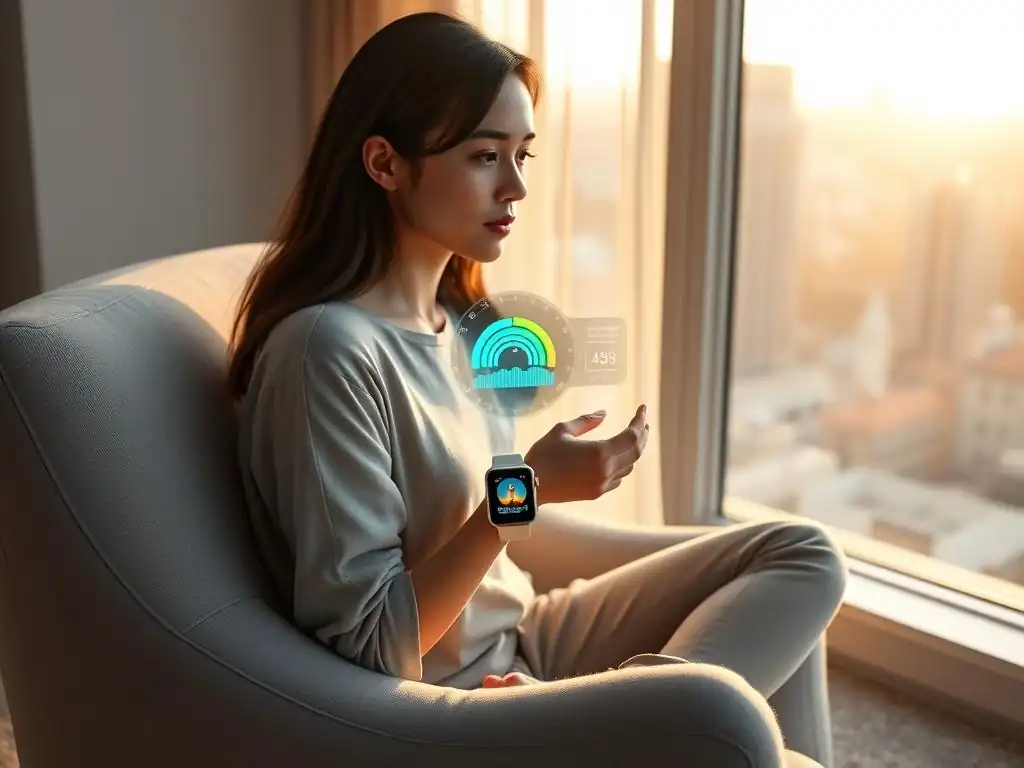
Welcome to Mind Care Guide, a sanctuary dedicated to your mental well-being. Feeling overwhelmed? You're not alone. Discover how wearable tech, particularly our comprehensive guide on "Stress management wearable app tips", can transform your daily life. Curious how these devices can become your personal stress dashboard? Let's explore the possibilities together and unlock a calmer, more balanced you.
Your Personal Stress Dashboard: Maximizing Insights from Wearable Technology
- Introduction: Leveraging Wearable Technology for Stress Management
- Building Your Stress Dashboard: Practical Tips for Stress Management Wearable Apps
- Advanced Stress Management Wearable App Strategies
- Maximizing Your Investment: Sustained Stress Management with Wearables
- Conclusion: Enhancing Mental Well-being with Stress Management Wearable Apps
-
Frequently Asked Questions
- How can wearable apps help with stress management?
- What features should I look for in a stress management wearable app?
- How accurate are stress management wearable apps in measuring stress?
- Can stress management wearable apps replace professional mental health support?
- What are some practical tips for using a stress management wearable app effectively?
- Final Reflection: Harnessing Technology for Inner Peace
- Unlock Your Inner Calm: Take Control of Your Stress Today!
Introduction: Leveraging Wearable Technology for Stress Management
Understanding the Role of Wearable Apps in Stress Monitoring and Reduction
Wearable apps serve as the crucial interface between the sophisticated sensors on your wrist or body and your understanding of your personal stress levels. These applications collect raw physiological data – such as heart rate variability (HRV), skin temperature, and sleep patterns – and translate it into digestible metrics and actionable insights.
For example, a sudden dip in your HRV paired with restless sleep might be flagged by the app as an indicator of elevated stress, prompting you to reflect on the previous day's events or anticipate potential stressors. By continuously monitoring these subtle physiological shifts, stress management wearable app tips enable users to move beyond simply feeling stressed to seeing and understanding its physical manifestations.
Furthermore, the insights provided by these apps can be instrumental in evaluating the effectiveness of stress reduction techniques. If you've started a new meditation practice or incorporated more physical activity, tracking your stress scores or HRV trends over time through the app can show whether these interventions are having a positive impact.
Many apps offer features like daily summaries, weekly reports, and trend analysis, presenting the data in charts and graphs that make patterns easier to spot. This data-driven approach empowers individuals to make informed adjustments to their routines and coping strategies, effectively building a personalized stress management plan based on their unique physiological responses.
Benefits and Considerations When Choosing a Wearable for Stress Tracking
Choosing a wearable device for stress tracking offers numerous benefits, primarily centered around gaining continuous, objective data about your body's state. Unlike sporadic check-ins with how you feel, a wearable provides a constant stream of physiological information that can reveal patterns you might not otherwise notice. For instance, you might discover that your stress levels consistently spike around a specific time of day, or that a particular activity reliably lowers your stress score.
This granular insight is a powerful tool for self-awareness. Additionally, many wearable apps integrate guided breathing exercises, mindfulness prompts, or gentle vibration alerts when elevated stress is detected, offering immediate, in-the-moment support. These features provide practical stress management wearable app tips right on your wrist.
However, there are important considerations when selecting a wearable for this purpose. Accuracy is paramount; while consumer wearables have improved significantly, their stress metrics are often based on derived data (like HRV from optical heart rate sensors) rather than clinical-grade measurements. It's crucial to view the data as indicative trends rather than precise medical diagnostics.
Battery life is another practical factor, as continuous monitoring drains power. Comfort and design are also important since the device needs to be worn consistently, including during sleep, for comprehensive data collection. Finally, evaluating the associated app's user-friendliness, the depth of its insights, data privacy policies, and subscription costs is essential to ensure the technology genuinely supports your stress management goals.
Building Your Stress Dashboard: Practical Tips for Stress Management Wearable Apps

Step 1: Selecting the Ideal Stress Tracking Wearable App
Selecting the right app is as critical as choosing the wearable itself, as the app is where you'll interact with your data and receive insights. An ideal stress management wearable app should have a clear, intuitive interface that makes it easy to view your stress levels, understand the contributing factors (like sleep or activity), and track trends over time.
Look for apps that offer more than just a single "stress score"; detailed breakdowns of metrics like HRV, resting heart rate, and sleep stages provide a richer picture. Features like the ability to log daily events, moods, or specific stressors can help you connect physiological data with real-life experiences, adding valuable context to the numbers.
Beyond basic tracking, consider the app's advanced features. Does it offer personalized recommendations based on your data? Does it integrate guided meditations, breathing exercises, or biofeedback tools? Some apps provide educational content explaining what your metrics mean and how they relate to stress, which is invaluable for building understanding. Compatibility is also key; ensure the app works seamlessly with your chosen device and potentially other health platforms you use. Reading reviews and potentially trying a free trial (if available) can provide insight into the app's usability and the quality of its stress management wearable app tips.
Comparing Popular Options: Fitbit Sense 2 vs. Garmin Venu 3 vs. Apple Watch Series 9 for Stress Monitoring
Feature Breakdown: Heart Rate Variability (HRV), Electrodermal Activity (EDA), and Sleep Tracking
Popular wearables approach stress monitoring through various physiological signals. The Fitbit Sense 2, for example, heavily utilizes Electrodermal Activity (EDA) via its Sense app, measuring tiny changes in sweat gland activity on your wrist, which are linked to sympathetic nervous system activation often associated with stress.
It also tracks HRV during sleep and provides a daily "Stress Management Score." The Garmin Venu 3 focuses significantly on Heart Rate Variability (HRV) analysis throughout the day and night, offering a "Body Battery" metric that estimates your energy reserves based on stress, recovery, and activity.
It also provides detailed sleep tracking, including sleep stages and respiration rate, which contribute to its overall stress assessment. The Apple Watch Series 9, while not having a dedicated EDA sensor like the Sense 2, tracks HRV extensively through its heart rate sensor and utilizes this, along with activity and sleep data, to inform its mindfulness features and overall health assessments, though it doesn't provide a singular "stress score" in the same way as Fitbit or Garmin, instead focusing on metrics like HRV trends and resting heart rate as indicators.
Each device's app presents these features differently. Fitbit's app emphasizes the daily Stress Management Score and provides guided meditations accessible directly from the watch. Garmin Connect focuses on the "Body Battery" and detailed physiological metrics, offering insights into how activities and rest impact your stress and recovery.
The Apple Health app consolidates data from the Apple Watch, allowing users to view HRV trends, resting heart rate, and sleep data, often encouraging the use of third-party apps like Calm or Headspace for active stress reduction. Understanding these differences in feature implementation and app presentation is vital for choosing the device and app that best aligns with your desired stress management wearable app tips and data insights.
Accuracy Assessment: Evaluating the Validity of Wearable Stress Metrics
Evaluating the accuracy of wearable stress metrics requires understanding that they provide an estimate based on physiological proxies rather than a direct measurement of the psychological state of stress. Heart Rate Variability (HRV), a key metric, is typically measured by wearables using optical sensors (PPG) that detect changes in blood flow, whereas the gold standard in clinical settings uses ECG.
While many studies show a good correlation between PPG-derived HRV and ECG-derived HRV, especially during rest or sleep, accuracy can be affected by movement, sensor fit, and individual physiology. For example, Fitbit has reported that its EDA sensor on the Sense series can detect small electrical changes indicative of stress responses, but interpreting these signals requires sophisticated algorithms to differentiate them from other factors.
Sleep tracking, which heavily influences stress assessments in many apps, also varies in accuracy. Wearables estimate sleep stages (light, deep, REM) based on movement and heart rate patterns. While useful for identifying general sleep duration and consistency, the accuracy of specific sleep stage detection is not yet comparable to polysomnography (PSG), the clinical standard.
Therefore, when using stress management wearable app tips based on these metrics, it's best to focus on identifying trends and patterns over time rather than relying on the precise value of a single reading. For instance, consistently low HRV or fragmented sleep patterns over several days are strong indicators of potential stress or fatigue, regardless of the exact numerical value reported by the device.
Step 2: Configuring Your Wearable App for Effective Stress Monitoring
Configuring your wearable app correctly is crucial for turning raw data into meaningful insights for stress management. One of the first steps is ensuring your personal profile information (age, sex, height, weight) is accurate, as this can influence the algorithms used to calculate certain metrics. Take time to explore the app's settings related to stress tracking. Can you adjust the sensitivity of stress detection?
Can you categorize different types of stress or log specific events that occurred when stress levels were high? Many apps allow you to set a baseline period (often several days or weeks) where the app learns your typical physiological responses before providing personalized insights. Maximizing these initial setup options is a fundamental stress management wearable app tip.
Beyond basic profile setup, delve into the app's features for logging and context. Some apps allow you to manually log your mood, perceived stress level, or activities like meditation or exercise. Consistently using these logging features helps the app correlate your subjective experience with the objective data it collects.
For example, logging a 15-minute walk might show a subsequent improvement in your stress score or HRV, reinforcing the benefit of that activity. Configuring the app to remind you to log your mood or review your daily summary can help build a habit of engaging with your data, making the stress management wearable app tips more actionable.
Customizing Notifications and Alerts: Balancing Awareness with Overwhelm for Proactive Stress Reduction
Customizing notifications is a delicate balance when using stress management wearable apps. While timely alerts about elevated stress can prompt immediate action, too many notifications can paradoxically increase anxiety and overwhelm. Start by identifying which types of alerts are genuinely helpful.
Do you want to be notified every time a stress spike is detected, or only when your overall daily stress level is high? Some apps offer "in-the-moment" stress prompts, suggesting a breathing exercise when a rise in stress is detected – for example, the Fitbit Sense might buzz gently and suggest a 2-minute EDA scan during a high-stress period.
Consider setting up alerts that reinforce positive behaviors, such as reminders to take a few deep breaths, stand up and move, or practice mindfulness. You can often customize the timing and frequency of these reminders within the app settings. For instance, you might set a reminder for a guided breathing session mid-morning or before a known stressful event.
Experiment with different notification settings to find what works best for you – perhaps starting with minimal alerts and gradually adding more as you become comfortable. The goal is to use notifications as proactive stress management wearable app tips, not as constant reminders that you are stressed.
Integrating with Other Health and Wellness Apps: Connecting Calm or Sleep Cycle for a Holistic View
Integrating your stress management wearable app with other health and wellness applications can provide a more holistic view of your well-being. Many wearable ecosystems, like Apple Health or Google Fit, act as central hubs where data from various apps can be consolidated.
By allowing your wearable app to share data with, say, a meditation app like Calm or a sleep tracking app like Sleep Cycle, you can see how different aspects of your health interact. For example, you might notice that days following a night of poor sleep (as tracked by Sleep Cycle and shared with your wearable app) correlate with higher stress scores or lower HRV readings reported by your wearable.
Similarly, integrating with fitness apps can show how different types or intensities of exercise impact your stress levels and recovery. Connecting with journaling apps can help you manually add context to your data, noting specific events or feelings that coincided with stress spikes. Check your wearable app's settings for options to connect with third-party apps. This often involves granting permissions for data sharing. While not all apps are compatible, leveraging available integrations enhances the value of your stress data by placing it within the broader context of your lifestyle, offering richer stress management wearable app tips.
Step 3: Interpreting Your Stress Data: Understanding Key Metrics
Interpreting the data presented by your stress management wearable app is key to translating numbers into actionable insights. While apps often provide simplified scores or indicators, understanding the underlying metrics gives you a deeper appreciation of your body's signals. Common metrics include Heart Rate Variability (HRV), Electrodermal Activity (EDA), and various sleep parameters.
It's important to remember that these metrics fluctuate naturally throughout the day and are influenced by many factors beyond psychological stress, including physical activity, hydration, illness, and even digestion. Therefore, the most valuable insight comes from observing trends and patterns over time rather than focusing on single data points.
Many apps provide educational resources within the app itself or on their associated websites to help users understand what their metrics mean. Take advantage of these resources. For example, learning that a higher HRV is generally associated with better resilience and recovery, while a lower HRV can indicate fatigue, stress, or illness, empowers you to interpret your daily readings more effectively.
Similarly, understanding that EDA responses reflect sympathetic nervous system activity helps you recognize moments when your body is reacting to a perceived stressor, even if you don't consciously feel overwhelmed. Engaging with these explanations is a fundamental stress management wearable app tip for maximizing the utility of your device.
Deciphering HRV Readings: Understanding Heart Rate Variability
Heart Rate Variability (HRV) is arguably one of the most significant metrics for assessing stress and recovery tracked by wearables. It measures the variation in the time interval between consecutive heartbeats, not the heart rate itself. A healthy, well-recovered individual typically has higher HRV, meaning the time between beats is more variable.
This reflects a balanced autonomic nervous system, capable of adapting quickly to demands. Conversely, lower HRV often indicates that the sympathetic nervous system (responsible for the "fight or flight" response) is dominating, which can be a sign of stress, fatigue, overtraining, or illness. For example, after a particularly stressful day or a poor night's sleep, your app might show a noticeable drop in your average HRV.
Interpreting your HRV readings involves looking at trends over days and weeks, rather than fixating on a single number. Most apps will provide an average HRV for your sleep period or throughout the day. Your personal baseline is crucial; what is "high" or "low" varies significantly from person to person.
Focus on how your HRV changes in response to different activities, stressors, or recovery strategies. A consistent downward trend in HRV over several days without a clear explanation (like illness) might signal chronic stress or insufficient recovery, prompting you to prioritize rest or stress reduction techniques. Conversely, seeing your HRV increase after incorporating regular meditation or improved sleep indicates that these strategies are positively impacting your body's resilience.
Analyzing EDA Responses: Identifying Stress Triggers Through Electrodermal Activity
Electrodermal Activity (EDA), also known as skin conductance, measures changes in the electrical conductivity of your skin, which are influenced by sweat gland activity. These changes are not necessarily related to temperature regulation but are a direct physiological response triggered by the sympathetic nervous system, often associated with emotional or psychological arousal, including stress. Devices like the Fitbit Sense use dedicated sensors to detect these micro-fluctuations. When you experience something that triggers a stress response, your sympathetic nervous system may activate sweat glands, leading to a measurable change in skin conductivity.
Analyzing EDA responses in your app can help you identify specific moments or situations that trigger a physiological stress reaction. The app might show a timeline of EDA responses throughout the day, highlighting periods where significant fluctuations occurred. By correlating these spikes with your activities or thoughts at that time – perhaps reviewing your calendar, receiving a difficult email, or anticipating a meeting – you can gain valuable insight into your personal stress triggers.
For instance, if you notice consistent EDA spikes every Monday morning, it might point to stress related to starting the work week. This objective data can empower you to proactively manage these triggers or prepare coping mechanisms in advance, providing concrete stress management wearable app tips.
Sleep Patterns and Stress: The Interplay Between Sleep and Stress Levels
Sleep is intricately linked with stress, and your wearable's sleep tracking data provides critical insights into this relationship. Stress can significantly disrupt sleep quality and duration, making it harder to fall asleep, stay asleep, or achieve deep, restorative sleep. Conversely, insufficient or poor-quality sleep can increase stress levels and reduce your ability to cope with stressors during the day. Your wearable app tracks metrics like total sleep time, time spent in different sleep stages (light, deep, REM), sleep consistency (bedtime and wake time), and wake-ups during the night.
Analyzing these sleep patterns in conjunction with your stress metrics can reveal important connections. For example, you might notice that on nights following a day with high reported stress, your deep sleep percentage is lower, or you experienced more restless periods. Similarly, consistently getting less than the recommended 7-9 hours of sleep might correlate with higher average stress scores throughout the week.
Use the data to identify how stress impacts your sleep and, conversely, how improving your sleep hygiene might reduce your stress. Many apps offer stress management wearable app tips related to sleep, such as suggesting a consistent bedtime or highlighting the impact of late-night activities on sleep quality and subsequent stress levels.
Advanced Stress Management Wearable App Strategies
Personalized Insights and Recommendations: Utilizing AI-Driven Stress Management
Many modern stress management wearable apps go beyond simply presenting data; they utilize artificial intelligence and sophisticated algorithms to provide personalized insights and recommendations. By analyzing the complex interplay between your HRV, sleep patterns, activity levels, and potentially logged events, the app can identify unique patterns specific to you. For example, it might notice that your stress levels are consistently higher on days when you skip your morning walk, or that your HRV significantly improves after you practice a specific breathing exercise. These AI-driven insights are designed to move from data observation to practical guidance.
These personalized insights often appear as daily summaries or weekly reports, highlighting key findings and suggesting specific actions you can take. An app might recommend prioritizing sleep tonight because your recovery metrics are low, or it might suggest trying a guided meditation during a period when your stress levels are typically elevated. The goal is to provide stress management wearable app tips that are tailored to your individual data, making them more relevant and potentially more effective than generic advice. This level of personalization is a key advantage of leveraging technology for mental well-being.
Example: How Welltory's Personalized Insights Help Reduce Daily Stress
Welltory is an example of an app that specializes in providing personalized insights based on physiological data, particularly HRV. While it can connect to various wearables and smartphones, its core strength lies in its analytical engine. Welltory collects data like HRV, steps, sleep, and even information from other apps (like calendar events or weather) and uses algorithms to calculate a "Battery" score (representing energy/capacity) and a "Stress" score each morning. For instance, your morning "Battery" might be low and "Stress" high if your overnight HRV was suppressed and sleep quality poor, even if you felt okay upon waking.
The app then provides actionable insights based on these scores and your historical data. If your stress is high, it might recommend taking a break, doing a short breathing exercise, or delaying an intense workout. If your energy is low, it might suggest prioritizing rest or a light activity.
It can also identify specific factors that negatively impact your metrics, such as late-night meals or specific work activities, providing stress management wearable app tips based on these correlations. By highlighting these connections and offering timely suggestions, Welltory aims to help users make small, data-informed adjustments throughout the day to better manage their energy and stress levels.
Gamification and Motivation: Making Stress Management Engaging
Gamification elements within stress management wearable apps can significantly boost motivation and encourage consistent engagement with healthy habits. Features like daily streaks for meeting mindfulness goals, earning badges for consistent sleep patterns, or participating in challenges can turn the often-difficult process of stress management into a more rewarding experience. For instance, achieving a "Mindful Monday" badge might encourage you to continue incorporating mindfulness into your routine throughout the week. These small rewards and progress indicators provide positive reinforcement, helping to solidify new behaviors.
Challenges are another popular gamification tool. Many apps allow users to join challenges with friends or other users, such as a "Sleep Consistency Challenge" or a "Daily Meditation Streak Challenge." The social aspect and friendly competition can provide an extra layer of motivation. Seeing your progress alongside others can foster a sense of community and accountability. While stress management is a deeply personal journey, these gamified elements can make the process feel less isolating and more like a collaborative effort towards well-being, offering engaging stress management wearable app tips.
Using Fitbit's Challenges and Rewards to Cultivate Healthy Habits
Fitbit is well-known for integrating gamification into its ecosystem, which can be leveraged for stress management indirectly and directly. While many of their challenges focus on physical activity (like step challenges or active zone minutes), cultivating regular exercise is a powerful stress reliever. Participating in a "Weekend Warrior" step challenge with friends can motivate you to be more active, which in turn can help lower stress levels. The app's badges for reaching milestones (e.g., hitting a certain number of steps or climbing floors) provide a sense of accomplishment, reinforcing positive activity habits.
Beyond physical activity, Fitbit's Premium service offers guided programs and content, including mindfulness sessions and breathing exercises. Completing these sessions can contribute to daily goals or streaks related to stress management. For example, consistently logging mindfulness minutes might earn you specific badges or contribute to a "Mindfulness Streak." These built-in rewards and challenges provide concrete stress management wearable app tips by encouraging engagement with activities known to reduce stress, making the process more interactive and motivating for the user.
Integrating Wearable Data with Professional Support: Sharing Insights with Healthcare Providers
Integrating the data collected by your stress management wearable app with professional support, such as a mental healthcare provider or doctor, can add significant value to your well-being journey. While wearable data is not a substitute for clinical assessment, it can provide objective, long-term insights into physiological patterns that you might not otherwise be aware of. For example, sharing trends in your HRV, sleep quality, or periods of high stress (identified by EDA or stress scores) can help your therapist or doctor understand how your body is responding to stress over time and in relation to specific life events.
This data can be particularly useful in identifying potential triggers, assessing the severity of stress responses, or monitoring the effectiveness of treatments or coping strategies. If you're discussing anxiety or sleep difficulties with a therapist, showing them periods where your app indicated high stress or poor sleep quality can provide concrete examples for discussion.
However, it's important to approach this integration thoughtfully; discuss with your provider how they would prefer to receive and interpret this data, as not all healthcare professionals are familiar with wearable metrics. The goal is to use the data as a supplementary tool to inform conversations and treatment plans, enhancing the efficacy of professional stress management wearable app tips.
The Value of Sharing Your Stress Data with a Mental Healthcare Professional
Sharing your stress data from a wearable app with a mental healthcare professional offers several potential benefits. Firstly, it provides objective data points that can complement your subjective reports of how you are feeling. You might feel okay, but your data could show persistently low HRV or fragmented sleep, indicating underlying physiological stress. This can help validate your experiences or bring attention to stress you weren't fully conscious of. For instance, a therapist might notice a consistent pattern of high stress scores on specific days of the week, prompting a deeper dive into what happens on those days.
Secondly, the data can help track progress over time. If you are working on stress reduction techniques with your therapist, reviewing your stress metrics from the app over several weeks or months can provide tangible evidence of improvement or highlight areas where strategies might not be working. For example, seeing your average overnight HRV gradually increase after implementing relaxation techniques recommended by your therapist provides positive reinforcement. This data-driven approach can make therapy more targeted and effective, turning your wearable data into valuable stress management wearable app tips for both you and your provider.
Maximizing Your Investment: Sustained Stress Management with Wearables
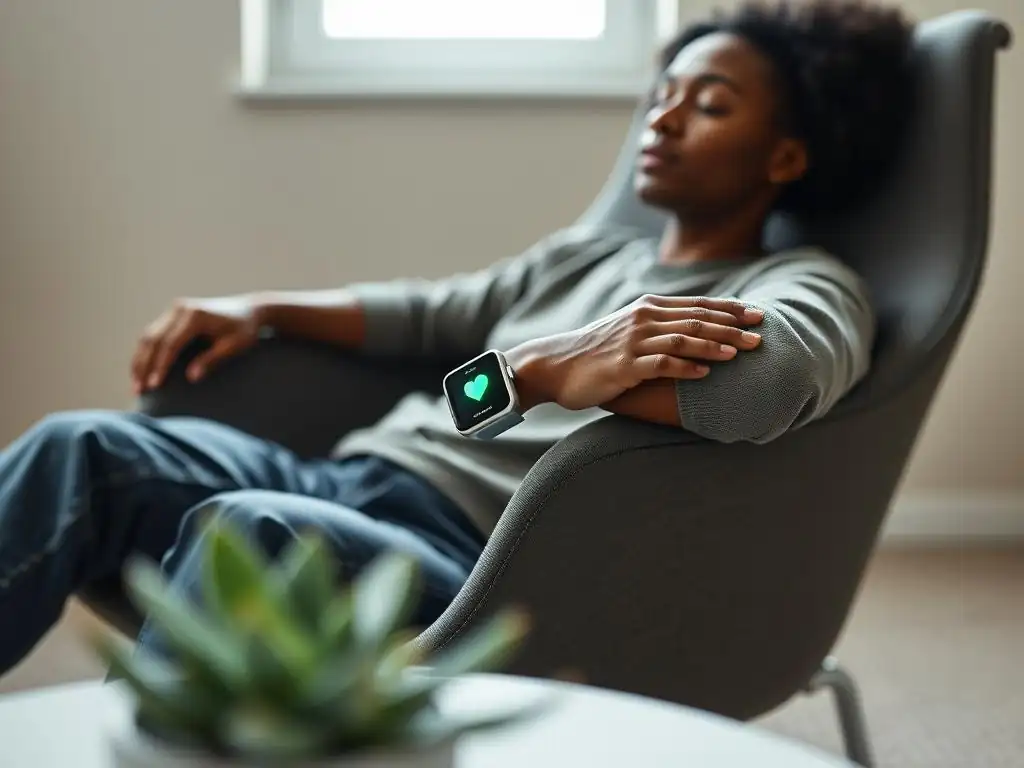
Maintaining Your Wearable and App: Ensuring Optimal Performance and Longevity
Ensuring your wearable device and its associated app are properly maintained is crucial for sustained, accurate stress monitoring. For the device itself, this includes keeping it clean, especially the sensors that contact your skin, as dirt or sweat residue can affect accuracy, particularly for optical heart rate and EDA readings.
Follow the manufacturer's instructions for charging to maintain battery health; consistent charging habits ensure the device is always ready to collect data, especially overnight when key metrics like HRV and sleep stages are measured. A comfortable and secure fit is also vital; a loose band can lead to inaccurate heart rate and movement data, impacting stress assessments.
For the app, regular updates are essential. Developers frequently release updates that improve algorithms, fix bugs, add new features, and enhance compatibility. Keeping your app updated ensures you are benefiting from the latest advancements in stress management wearable app tips and data analysis. Periodically check the app's permissions to ensure it has access to the necessary data from your device and any integrated apps. Taking these simple steps helps guarantee that your wearable system is functioning optimally, providing reliable data for your stress management journey.
Regularly Reviewing Your Data: Identifying Patterns and Adapting Your Stress Management Strategies
Collecting data is only the first step; regularly reviewing and interpreting it is where the real value lies for stress management. Schedule dedicated time each day or week to look at your app's dashboard, summaries, and trends. Don't just glance at your daily stress score; delve into the contributing factors. How was your sleep the previous night? How did your activity levels fluctuate? Did any specific events correlate with spikes in stress or drops in recovery metrics? Identifying these patterns is fundamental to effective stress management wearable app tips.
Over weeks and months, look for larger trends. Do you consistently experience higher stress during certain periods (e.g., end of the month, during travel)? Does implementing a new habit, like morning journaling or limiting screen time before bed, correlate with improved stress scores or HRV? Use these insights to adapt your stress management strategies.
If you notice that late-night scrolling consistently disrupts your sleep and increases your stress the next day, commit to a digital curfew. If your data shows that even short walks significantly improve your recovery metrics, make them a non-negotiable part of your routine. This iterative process of data review and strategy adaptation is key to sustained benefit.
Beyond Basic Tracking: Exploring Advanced Features and Integrations for Enhanced Stress Relief
To fully maximize your investment in a stress management wearable app, explore its advanced features and potential integrations beyond basic data tracking. Many apps offer built-in stress reduction tools like guided breathing exercises, biofeedback sessions, or mindfulness content. Actively using these features, especially when prompted by the app during periods of detected stress, can provide immediate relief and build coping skills. For example, if your app alerts you to high stress, taking two minutes to follow a guided deep breathing exercise on your wrist can help regulate your nervous system in the moment.
Consider how your wearable app can integrate with or complement other tools for stress relief. As mentioned, connecting with meditation apps like Calm or Headspace allows you to log your practice and potentially see its impact on your stress metrics.
Some apps might integrate with environmental data (like weather or air quality) or even calendar apps to help identify external stressors. Exploring these integrations and utilizing the active stress reduction features available within or linked to your app enhances its utility from a passive tracker to an active partner in your stress management efforts, providing richer stress management wearable app tips.
Utilizing guided breathing exercises with Calm or mindfulness exercises with Headspace.
While some wearable apps include basic breathing exercises, integrating with dedicated mindfulness and meditation apps like Calm or Headspace can significantly enhance your stress relief toolkit. Many wearables allow you to initiate or track sessions from these apps, and some share data back. For example, you might start a 10-minute guided meditation in the Calm app, and your wearable will track your heart rate during the session, potentially showing a calming effect in your data afterwards. Similarly, completing a mindfulness course in Headspace might correlate with improved HRV trends over several weeks, as seen in your wearable app.
Even without direct integration, using these apps in conjunction with your wearable data is powerful. If your stress management wearable app tips highlight high stress or low recovery, you can use that as a prompt to open Calm or Headspace for a guided session. Conversely, seeing positive changes in your stress metrics after consistently using these meditation apps provides motivation to continue the practice. This synergistic approach, combining objective tracking with active stress reduction techniques from specialized apps, offers a comprehensive strategy for managing stress and enhancing mental well-being.
Conclusion: Enhancing Mental Well-being with Stress Management Wearable Apps
Embracing Technology for a Calmer, More Balanced Lifestyle
Embracing stress management wearable apps represents a modern approach to enhancing mental well-being by leveraging technology for increased self-awareness and data-driven action. These tools move beyond subjective feelings, providing objective physiological insights into how stress impacts our bodies daily. By tracking metrics like HRV, EDA, and sleep, wearable apps create a personal stress dashboard, allowing users to identify triggers, understand patterns, and monitor the effectiveness of coping strategies.
For instance, seeing a consistent dip in HRV after a specific type of meeting can provide concrete motivation to implement pre-meeting stress reduction techniques. The practical stress management wearable app tips derived from this data empower individuals to take proactive steps towards a calmer, more balanced life.
Furthermore, the evolution of these apps, incorporating personalized insights, gamification, and integration with other wellness tools, makes stress management more accessible and engaging. They offer not just data, but guidance, nudges, and resources tailored to individual needs. While not a replacement for professional medical advice, the data collected can be a valuable tool for discussions with healthcare providers, offering a more complete picture of one's physiological state under stress. Ultimately, by providing continuous feedback and actionable information, stress management wearable apps serve as powerful allies in the ongoing journey towards improved mental resilience and overall well-being.
The Evolving Landscape of Wearable Technology in Mental Health
The landscape of wearable technology for mental health is rapidly evolving, promising even more sophisticated tools for stress management in the future. As sensors become more advanced and algorithms more refined, the accuracy and depth of physiological data collected will continue to improve.
We can anticipate wearables incorporating a wider range of biomarkers, potentially including real-time cortisol levels or other biochemical indicators linked to stress. The integration of AI will likely become even more seamless, offering predictive insights – perhaps alerting you to a high probability of stress before it peaks based on your historical data and current physiological state.
Furthermore, the connectivity between wearables and other digital health platforms, including potential links to telemental health services or personalized therapy programs, is likely to expand. This could allow for more integrated care, where data from your daily life informs professional support in real-time.
As research into the physiological correlates of mental states progresses, wearable apps will likely offer increasingly nuanced stress management wearable app tips, moving beyond general recommendations to highly individualized interventions. This ongoing innovation signifies a future where technology plays an even more integral role in supporting mental well-being, making data-driven stress management more precise, predictive, and personalized.
Frequently Asked Questions
How can wearable apps help with stress management?
Wearable apps can help by tracking physiological data like heart rate variability, sleep patterns, and activity levels. This data provides insights into your stress responses and triggers. They can also offer guided relaxation exercises.
What features should I look for in a stress management wearable app?
Prioritize apps with real-time stress tracking, personalized insights, and evidence-based techniques like mindfulness exercises or breathing techniques. Consider apps that offer customizable alerts for high-stress moments.
How accurate are stress management wearable apps in measuring stress?
Accuracy varies, but most apps use heart rate variability (HRV) as a key indicator. While not a perfect measure of stress, HRV changes can reflect physiological stress responses. Consider them as trend indicators, not definitive diagnoses.
Can stress management wearable apps replace professional mental health support?
No, wearable apps are not a substitute for professional help. They can be a useful tool for self-monitoring and awareness, but if you're experiencing significant stress or mental health challenges, seek guidance from a qualified therapist or doctor.
What are some practical tips for using a stress management wearable app effectively?
Use the app consistently to build a baseline of your stress levels. Actively engage with the app's features, like guided meditations or breathing exercises. Review your data regularly to identify patterns and triggers.
Final Reflection: Harnessing Technology for Inner Peace
The relentless pace of modern life demands effective stress management strategies, and wearable technology offers a powerful, readily accessible tool in this pursuit. The ability to track physiological data, coupled with personalized insights and guided exercises, is no longer a futuristic fantasy; it's a tangible reality that can significantly impact our well-being. This shift towards proactive self-care, facilitated by wearable apps, represents a crucial step in prioritizing mental health in an increasingly demanding world.
The integration of stress management into our daily routines, aided by these technological advancements, is profoundly altering our relationship with ourselves and our understanding of well-being. It's not just about numbers on a screen; it's about gaining a deeper awareness of our internal landscape, recognizing patterns, and developing coping mechanisms. This journey of self-discovery, empowered by data, is incredibly personal and deeply impactful. The greatest discovery of all time is that a person can change his future by merely changing his attitude.
– Oprah Winfrey. This quote perfectly encapsulates the potential for transformation offered by these apps – a change in attitude, informed by data, leading to a change in future well-being.
Consider the insights you've gained from this article. What steps will you take to integrate these stress management techniques into your daily life? Start small, perhaps by exploring a free app or dedicating just five minutes a day to mindful breathing exercises. Remember, the journey to a calmer, more balanced self is a marathon, not a sprint. Embrace the technology, but prioritize the self-awareness and self-compassion it helps you cultivate. Your well-being is worth the investment – both in time and in technology.
Unlock Your Inner Calm: Take Control of Your Stress Today!
Thanks for taking the time to explore the power of wearable tech for stress management! We hope you've gained valuable insights into how these tools can help you better understand and manage your wellbeing. Now it's time to put that knowledge into practice.
- Prioritize Your Wellbeing: Start tracking your stress levels using a wearable app today. Even a few days of data can reveal patterns you never noticed before.
- Share Your Journey: Connect with others on Mind Care Guide's forums to share your experiences and learn from others who are also working on reducing their stress.
- Discover Your Ideal Approach: Experiment with different stress-reduction techniques—from mindfulness exercises to adjusting your daily routine—based on your wearable data. What approach resonates most with you?
Ready to take charge of your stress and unlock a calmer, more balanced you? What small step will you take today to prioritize your wellbeing?