
Comparing the Best Stress Trackers: Find Your Perfect Mental Wellness Aid

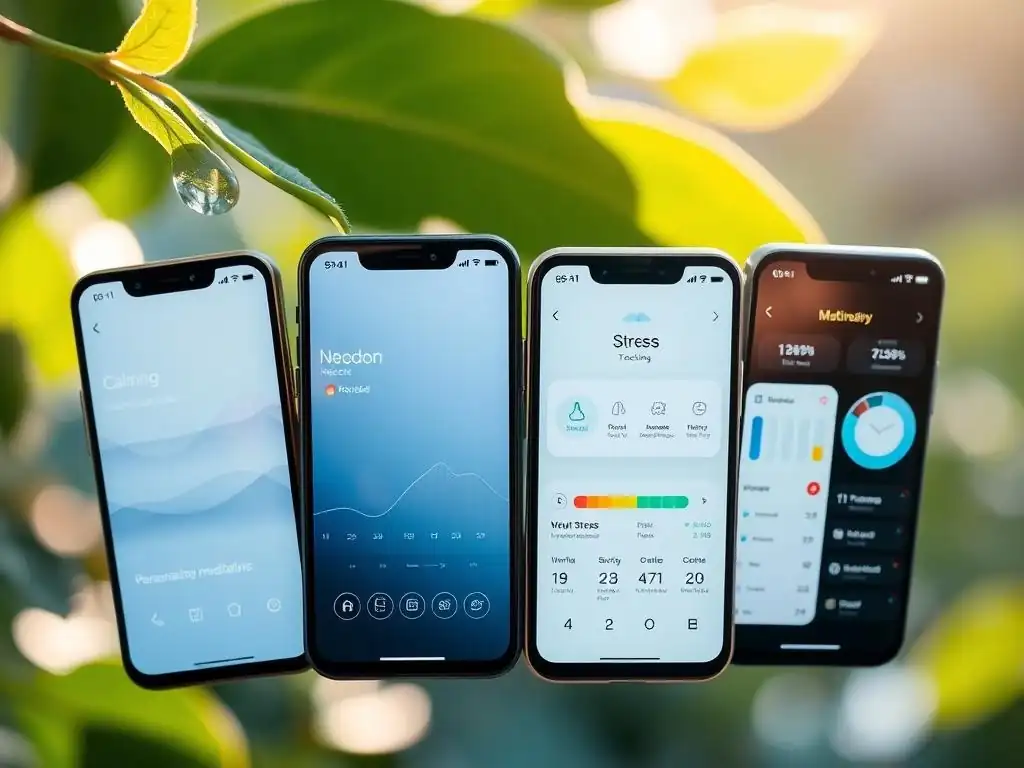
Welcome to Mind Care Guide, your trusted companion on the journey to mental well-being.
Feeling overwhelmed by stress? You're not alone. Discover how wearable technology can help you regain control. Our in-depth Stress tracker app comparison unveils the most effective tools for monitoring and managing your daily anxieties. Curious which one is right for you? Let's explore the world of wearable tech for stress management and find your perfect mental wellness aid, starting now...
Comparing the Best Stress Trackers: Find Your Perfect Mental Wellness Aid
- Understanding Stress and the Need for Stress Tracking
- Stress Tracker App Comparison: Top Contenders in 2024
-
Choosing the Right Stress Tracker: Factors to Consider
- Accuracy of Stress Measurement: Validating Claims with Scientific Studies
- Data Privacy and Security: Protecting Your Personal Information
- User-Friendliness and Design: A Seamless Experience for Daily Use
- Battery Life and Durability: Longevity and Reliability
- Compatibility with Your Smartphone: iOS and Android Support
- Real-World Examples: How Stress Trackers Have Helped Users
- Maximizing the Benefits of Your Stress Tracker
- Stress Tracker Apps Comparison Table: A Quick Overview
- Conclusion: Finding the Best Stress Tracker for Your Mental Wellness Journey
-
Frequently Asked Questions
- What is a stress tracker app and why should I use one?
- How does a stress tracker app actually work?
- What factors should I consider when doing a stress tracker app comparison?
- Are stress tracker apps accurate in measuring my stress levels?
- Where can I find a reliable stress tracker app comparison to help me choose the right one?
- Final Reflection: Charting a Course to Inner Peace Through Technology
- Unlock Your Path to Better Stress Management
Understanding Stress and the Need for Stress Tracking
The Impact of Chronic Stress on Mental Health
Chronic stress is a significant contributor to a wide range of physical and mental health issues. Prolonged exposure to stress hormones like cortisol can disrupt various bodily systems, leading to conditions such as cardiovascular disease, digestive problems, weakened immune function, and chronic pain. Mentally, chronic stress is strongly linked to anxiety disorders, depression, burnout, and impaired cognitive function, including difficulty concentrating and memory problems. The pervasive nature of long-term stress means it doesn't just affect our mood; it fundamentally alters our physiological and psychological landscape, making effective management crucial for overall wellbeing.
The statistics paint a clear picture of the impact of stress. For example, surveys consistently show that a large percentage of adults report experiencing high levels of stress, often citing work, finances, or personal relationships as major stressors. The American Psychological Association's annual Stress in America survey frequently highlights that reported stress levels exceed what individuals consider healthy. This persistent elevation of stress contributes directly to the rising prevalence of mental health conditions globally, underscoring the urgent need for tools and strategies that help individuals identify, understand, and mitigate their stress responses before they lead to severe health consequences.
Why Use a Stress Tracker? Identifying Stress Patterns for Better Wellbeing
Utilizing a stress tracker offers a proactive approach to understanding and managing your mental state. These devices and apps collect physiological data, such as heart rate variability (HRV), sleep patterns, and activity levels, which are known indicators of stress. By continuously monitoring these metrics, stress trackers can identify patterns in your daily life that correlate with elevated stress levels.
For instance, you might discover that your stress spikes every Tuesday morning before a standing meeting, or that poor sleep on consecutive nights significantly impacts your stress resilience the following day. This objective data moves beyond subjective feelings, providing concrete insights into when and potentially why you experience stress.
Armed with the data from a stress tracker, you gain the power to make informed decisions about your wellbeing. Identifying specific triggers or times of day when stress is highest allows you to implement targeted coping strategies. This might involve scheduling short breaks during peak stress times, adjusting your sleep hygiene based on sleep data, or incorporating mindfulness exercises when the tracker indicates high stress levels.
A stress tracker isn't just a passive monitor; it's a tool for self-discovery and behavioral change, empowering you to take control of your stress response and build healthier habits that support long-term mental wellness. A good stress tracker app comparison can help you find the right tool for this journey.
Key Features to Look for in a Stress Tracking App: Accuracy, Functionality, and Integration
When considering a stress tracker, several key features are paramount for an effective experience. Firstly, accuracy is critical. While consumer devices may not match clinical-grade equipment, look for trackers that use scientifically validated metrics like Heart Rate Variability (HRV) and Electrodermal Activity (EDA). The device or app should provide consistent readings that correlate with your perceived stress levels and ideally offer context or explanation for the data collected. Reading reviews and looking for information on the underlying technology can help gauge a tracker's reliability in providing meaningful stress data.
Beyond accuracy, consider the overall functionality and how well the stress tracking integrates into your daily life and existing health ecosystem. A good stress tracking app comparison should evaluate features like continuous monitoring versus spot checks, the types of insights provided (e.g., daily scores, trend analysis, trigger identification), and built-in tools for stress management like guided breathing exercises or meditation content.
Furthermore, check for compatibility with your smartphone (iOS, Android) and integration capabilities with other health platforms like Apple Health or Google Fit, allowing for a more holistic view of your health data. The user interface should be intuitive and easy to navigate, making it simple to access and understand your stress data without feeling overwhelmed.
Stress Tracker App Comparison: Top Contenders in 2024
Comprehensive Stress Monitoring with Apple Watch: A Detailed Review
The Apple Watch has evolved into a powerful health and wellness tool, offering several features that can contribute to stress monitoring and management. While it doesn't provide a single "stress score" like some dedicated fitness trackers, it collects valuable physiological data that can be interpreted in the context of stress.
Its ability to measure Heart Rate Variability (HRV), perform ECG readings (detecting atrial fibrillation, which can be impacted by stress), and track sleep patterns provides a robust dataset for understanding your body's response to stress over time. The built-in Mindfulness app, with guided breathing exercises and reflections, also offers tools for real-time stress reduction.
Analyzing the data collected by the Apple Watch, often through the Apple Health app on the iPhone, allows users to identify trends. For example, consistently low HRV might indicate chronic stress or insufficient recovery. High resting heart rate could also be a stress indicator.
While the watch doesn't explicitly label periods as "stressed," the combination of metrics like elevated heart rate during periods of inactivity, changes in sleep quality, and HRV trends gives users significant insight into their physiological state, which is deeply intertwined with stress levels. This comprehensive approach makes the Apple Watch a versatile device in a stress tracker app comparison.
Features of Apple Watch: Heart Rate Variability (HRV), ECG, and More
The Apple Watch boasts a suite of sensors that capture diverse health data. Its optical heart sensor continuously monitors heart rate, calculating metrics like resting heart rate, walking average, and workout heart rates. Crucially for stress tracking, it measures Heart Rate Variability (HRV) during sleep or via third-party apps, providing insight into the balance of the autonomic nervous system – a key indicator of stress and recovery. The electrical heart sensor on newer models enables users to take an electrocardiogram (ECG), detecting signs of atrial fibrillation, a condition that can be exacerbated by stress.
Beyond heart metrics, the Apple Watch tracks sleep stages, duration, and quality, all of which are significantly impacted by stress. Activity tracking encourages physical movement, a known stress reliever. The built-in Blood Oxygen sensor (on Series 6 and later) and temperature sensing (on Series 8 and later, primarily for cycle tracking but reflecting overall health) add further layers of data. The Mindfulness app offers guided breathing sessions and reflection prompts, providing immediate tools to manage stress when needed, making the Apple Watch a multifaceted device for health and potential stress monitoring.
Accuracy of Stress Detection: Real-World Performance and User Reviews
While Apple Watch doesn't claim to provide a direct, real-time "stress score" based on a specific algorithm like some competitors, the accuracy of its underlying physiological measurements is generally considered high for a consumer wearable. Its HRV measurements, when taken consistently (e.g., during sleep), are used by many third-party apps and health professionals for trend analysis related to stress, recovery, and training readiness. The ECG feature has received regulatory clearances in many regions for detecting AFib.
User reviews often highlight the utility of tracking trends in metrics like resting heart rate and HRV over time to correlate with periods of high stress or burnout. While the watch itself doesn't interpret this data as stress, users report that observing significant deviations from their baseline in these metrics often aligns with how stressed they feel. The accuracy lies more in the reliable collection of raw physiological signals, which users then interpret, sometimes with the help of integrated health apps that provide more context or analysis, making this approach valuable in a detailed stress tracker app comparison.
Pros and Cons: Is Apple Watch Right for You?
A major pro of using Apple Watch for stress tracking is its versatility as a comprehensive health and wellness device. Users often already own or plan to purchase an Apple Watch for notifications, fitness tracking, or other health features, meaning the stress-relevant data collection comes as an added benefit without needing a separate device. The accuracy of its core physiological measurements (HRV, heart rate) is generally reliable for tracking trends, and the integration with the robust Apple Health ecosystem allows for deep data analysis and compatibility with numerous third-party apps that specialize in stress and recovery analysis.
However, a significant con is the lack of a dedicated, real-time stress score or alert system built into the core watch interface, unlike some competitors. Interpreting the data (HRV, sleep, heart rate) requires a degree of user effort or reliance on third-party apps to connect the dots back to stress levels. The battery life is typically around 18 hours with normal use, requiring daily charging, which can be inconvenient for continuous 24/7 tracking, especially sleep.
Furthermore, Apple Watch is only compatible with iPhones, limiting its use for Android users. This makes a stress tracker app comparison crucial based on your existing ecosystem.
Pricing and Subscription Options: Understanding the Cost
The cost of using Apple Watch for stress tracking involves the initial purchase price of the device itself. The current lineup includes models ranging from the more affordable Apple Watch SE, starting around $249, to the premium Apple Watch Series 9, starting around $399, and the high-end Apple Watch Ultra 2, starting around $799. The price varies based on the model, size, connectivity (GPS-only vs. GPS + Cellular), and band choice. There are no mandatory subscriptions from Apple to access the core health tracking features, including HRV, sleep, and ECG capabilities.
While the core stress-relevant features are included with the device purchase, some users may opt for third-party apps available on the App Store that specialize in interpreting Apple Watch data for stress, recovery, or training readiness. These apps may offer subscription models ranging from a few dollars per month to upwards of $100 per year, adding to the overall cost if you desire more advanced analysis or personalized insights beyond what Apple Health provides natively.
Calm: A Holistic Approach to Stress Management and Mental Wellbeing
Calm is primarily known as a leading meditation and sleep aid app, but its features extend into a holistic approach to mental wellbeing that indirectly addresses stress. While Calm doesn't use biometric data from your phone or a wearable to provide a real-time stress score, its core offerings are designed to reduce stress, anxiety, and improve sleep quality – key components of stress management. The app provides a vast library of guided meditations, breathing exercises, sleep stories, calming music, and masterclasses on topics like mindfulness and resilience.
The app's focus is on providing tools and techniques to manage stress rather than just track it physiologically. By incorporating daily meditation or using sleep stories, users actively engage in practices proven to lower cortisol levels and promote relaxation. The journaling feature allows users to reflect on their emotional state, which can help identify subjective stress triggers and patterns over time. In a stress tracker app comparison, Calm stands out as a tool for intervention and prevention through mindfulness and relaxation techniques.
Combining Mindfulness Exercises with Tracking: A Unique Feature
Calm's unique strength lies in its deep integration of mindfulness and meditation practices. While it doesn't offer traditional physiological stress tracking metrics like HRV or EDA, the act of using the app's guided sessions can inherently serve as a form of self-monitoring and intervention. Users can subjectively track how they feel before and after a meditation session, noticing changes in their stress levels. The app allows users to track their meditation streaks and total time spent meditating, providing a form of progress tracking for their mindfulness practice.
Furthermore, the journaling feature within Calm allows users to log their feelings and reflections, creating a personal record that can reveal subjective stress patterns. By noting when they felt stressed and what was happening, combined with their usage of the app's calming tools, users can build a clearer picture of their personal stress landscape and the effectiveness of their coping strategies. This blend of guided practice and reflective logging offers a different, but valuable, perspective in a stress tracker app comparison focused on active stress management.
User Interface and Experience: Is Calm Easy to Use?
Calm is widely praised for its serene and intuitive user interface, designed to promote a sense of peace from the moment you open the app. The main screen typically features calming nature scenes or abstract visuals, with easy access to key sections like Meditate, Sleep, Music, and More. Navigating the extensive library of content is straightforward, with clear categories and search functionality. Starting a guided meditation or selecting a sleep story is usually just a few taps away.
The overall user experience is crafted to be calming and non-intimidating, making mindfulness and meditation accessible even to beginners. The app guides users through introductory programs and allows for personalization based on their goals (e.g., reducing anxiety, improving focus, better sleep). The simplicity and aesthetic appeal contribute significantly to making Calm a pleasant tool to use regularly, encouraging consistent engagement with stress-reducing practices.
Integration with Apple Health: Connectivity and Data Sharing
Calm offers integration with Apple Health, allowing users to share data related to their mindfulness sessions. Specifically, the time spent meditating within the Calm app can be logged as "Mindful Minutes" in the Apple Health app. This integration helps users consolidate their wellness data in one place and see how their meditation practice contributes to their overall health picture as tracked by other devices or apps connected to Apple Health.
While the integration primarily focuses on logging mindful activity rather than receiving physiological data from Apple Health for stress analysis within Calm, it still provides value. It allows users to see their meditation habits alongside other health metrics like activity, sleep, and heart rate data (if tracked by a device like Apple Watch), potentially revealing correlations between their mindfulness practice and objective health indicators. This level of integration is a plus in a comprehensive stress tracker app comparison, even if Calm's primary function isn't physiological tracking.
Benefits of Calm: Reducing Anxiety and Improving Sleep Quality
The primary benefits of using Calm, as reported by millions of users and supported by research on mindfulness, include significant reductions in anxiety and marked improvements in sleep quality. Regular meditation practice, a core offering of Calm, has been shown to decrease levels of stress hormones like cortisol and promote feelings of calm and relaxation. Users often report feeling less overwhelmed, more present, and better equipped to handle daily stressors after incorporating Calm into their routine.
Furthermore, Calm's extensive library of sleep stories, sleep music, and guided sleep meditations helps users quiet racing thoughts and relax their bodies before bed, addressing common causes of insomnia and poor sleep. Improved sleep quality directly contributes to better stress resilience and overall mental health. While not a physiological stress tracker, Calm provides powerful tools that directly mitigate the effects of stress and anxiety, making it a valuable component in a holistic mental wellness strategy.
Calm Pricing Plans: Value for Money?
Calm operates on a freemium model, offering some basic content for free, but the vast majority of its library and premium features require a paid subscription. The most common plan is Calm Premium, which is typically billed annually at around $70 USD per year, though pricing can vary slightly by region and promotions. A lifetime subscription is also sometimes offered at a higher one-time cost, often around $400 USD.
Considering the sheer volume and quality of content available – thousands of hours of meditations, sleep stories narrated by celebrities, music, and masterclasses – many users find the annual subscription to be good value for money, especially when used consistently. Compared to the cost of therapy or other mental health interventions, Calm offers a relatively affordable way to access a wide range of tools for self-guided stress reduction and mental wellness. In a stress tracker app comparison where you prioritize active stress management techniques over passive physiological tracking, Calm's subscription can be a worthwhile investment.
Garmin Stress Tracking: Continuous Monitoring and Actionable Insights
Garmin is well-regarded in the fitness tracking world, and many of its devices include sophisticated stress tracking features. Garmin's approach centers around continuously monitoring Heart Rate Variability (HRV) throughout the day and night. Using this data, combined with other metrics like activity and sleep, Garmin calculates a real-time "Stress Level" score, typically on a scale of 0 to 100, categorizing it into states like Rest, Low, Medium, or High Stress. This continuous monitoring provides users with dynamic insights into their physiological state throughout their day.
Beyond just providing a score, Garmin devices offer actionable insights. They can send alerts during periods of high stress, prompting the user to engage in a short guided breathing exercise directly on the watch. The "Body Battery" feature, derived from stress, HRV, and activity data, gives users a metric for their overall energy reserves, helping them understand how stress depletes their energy and how rest and recovery recharge it. This integrated system makes Garmin a strong contender in a stress tracker app comparison for users who want continuous monitoring and guidance.
Garmin's Body Battery Feature: Understanding Your Energy Reserves
Garmin's Body Battery is a unique and popular feature that provides a simplified, yet insightful, metric for understanding your physiological state related to stress and recovery. Calculated using a combination of Heart Rate Variability (HRV), stress levels, activity, and sleep data, the Body Battery score ranges from 0 to 100, representing your current energy reserves. The idea is that activities and stress deplete your Body Battery, while rest, sleep, and recovery recharge it.
Tracking your Body Battery throughout the day helps you visualize the impact of different activities and stressors on your energy levels. For example, a stressful meeting might cause your Body Battery to drop significantly, while a good night's sleep will typically show it recharging substantially. This feature provides a tangible way to understand the connection between stress, activity, and recovery, empowering users to make better decisions about pacing themselves and prioritizing rest. It's a powerful tool for managing energy and stress proactively.
Stress Level Throughout the Day: Identifying Peak Stress Periods
Garmin devices continuously measure your stress level throughout the day using HRV data, displaying it as a score and categorizing it into zones (Rest, Low, Medium, High). This allows users to see their stress levels fluctuate in near real-time. The Garmin Connect app provides detailed graphs showing stress levels over hours, days, and weeks, making it easy to identify patterns and correlate high-stress periods with specific activities or times of day.
Identifying peak stress periods is invaluable for stress management. For example, a user might notice their stress consistently spikes during their morning commute or right before a specific task at work. This awareness allows them to proactively implement coping strategies during these predictable times, such as taking a few deep breaths, going for a short walk, or listening to calming music. The ability to see stress levels mapped out over time provides objective data to support subjective feelings and pinpoint triggers, making Garmin's approach a highlight in a stress tracker app comparison for data-driven users.
Breathing Exercises and Relaxation Reminders: Managing Stress in Real-Time
A practical feature of Garmin's stress tracking is the integration of relaxation tools. When the device detects a period of elevated stress, it can optionally send a "Relax Reminder." This prompt suggests taking a moment to calm down and offers a guided breathing exercise directly on the watch screen. These short, structured breathing exercises (like the "Fourfold Breath") help guide the user through slow, deep breaths designed to lower heart rate and reduce physiological signs of stress in the moment.
Having these tools readily available on the wrist allows users to respond to stress as it happens, rather than waiting until later. By interrupting the stress response cycle with a brief, guided exercise, individuals can potentially prevent stress levels from escalating further. This combination of continuous monitoring and immediate, actionable relaxation prompts makes Garmin devices practical tools for real-time stress management, a crucial consideration in a stress tracker app comparison focused on actionable insights.
Comparing Garmin's Stress Tracking Accuracy to Competitors
Garmin's stress tracking, based primarily on Heart Rate Variability (HRV), is generally considered one of the more robust implementations among consumer wearables. While the exact algorithm is proprietary, using HRV is a scientifically recognized method for assessing autonomic nervous system balance, which is directly affected by stress. Garmin's continuous measurement throughout the day provides a more dynamic picture than devices that only measure HRV during sleep or spot checks.
Compared to devices that might rely solely on step counts or subjective input, Garmin's use of physiological data like HRV offers a more objective measure of the body's stress response. While it may not match the precision of clinical-grade equipment, for tracking trends and identifying periods of physiological stress in daily life, Garmin's accuracy is generally well-regarded by users and reviewers in the fitness and wellness space. In a stress tracker app comparison, Garmin often scores highly for its consistent and data-rich approach to stress monitoring.
Cost of Garmin Devices with Stress Tracking: A Detailed Breakdown
Garmin offers stress tracking on a wide range of its devices, from entry-level fitness trackers to high-end smartwatches and sports watches. This means there's a significant price range depending on the model and its other features (GPS, music storage, advanced sports metrics, etc.). Basic fitness trackers with stress tracking like the Vivosmart series might start around $130-$150. Mid-range smartwatches in the Venu or Vivoactive series, which offer more features and better displays, typically range from $200 to $450.
Higher-end multisport watches like the Forerunner or Fenix series also include stress tracking as part of their comprehensive physiological monitoring suite, but their prices are significantly higher, often starting from $350 and going up to $800 or more. There are no ongoing subscription fees from Garmin to access the stress tracking data or the Garmin Connect app features. The cost is primarily the upfront purchase of the device, making it a one-time investment for accessing the stress monitoring capabilities. This is a key point in a stress tracker app comparison based on overall ownership cost.
Fitbit Stress Management Score: Personalized Insights for Better Health
Fitbit has integrated stress management deeply into its ecosystem, offering a unique "Stress Management Score" on many of its newer devices. This score is calculated daily and takes into account various factors, including your Heart Rate Variability (HRV), sleep patterns, and activity levels from the previous day. It provides a single, easy-to-understand number (typically from 1 to 100) that reflects your body's ability to handle stress on that specific day, with a higher score indicating better resilience.
Beyond the score, Fitbit provides a breakdown of the factors influencing it, allowing users to see whether their sleep, activity, or HRV had the biggest impact. The app also offers tools to help manage stress, including guided breathing sessions and access to a library of mindfulness content (some requiring a premium subscription). This combination of a personalized score and integrated resources makes Fitbit a strong contender in a stress tracker app comparison focused on actionable insights and ease of understanding.
Daily Stress Score: Understanding Your Overall Stress Level
Fitbit's daily Stress Management Score is designed to give users a snapshot of their physiological stress response from the previous day. The score, ranging from 1 to 100, is a composite metric derived from several data points: responsiveness (analyzed from HRV and resting heart rate), exertion balance (impact of physical activity), and sleep patterns. A score closer to 100 indicates that your body showed fewer physical signs of stress and was likely better prepared to handle challenges, while a lower score suggests higher stress or less recovery.
Understanding this daily score helps users connect their lifestyle choices and experiences to their body's stress response. For example, a late night or an intense workout followed by poor sleep might result in a lower score, visually confirming the physiological toll. Conversely, prioritizing rest and recovery could lead to a higher score. This simplified metric provides a quick, daily check-in that is easy to grasp, making Fitbit's approach accessible for many users exploring a stress tracker app comparison.
EDA Scan App: Detecting Electrodermal Activity for Stress Measurement
A key feature contributing to Fitbit's stress tracking, particularly on models like the Charge 5, Sense, and Sense 2, is the Electrodermal Activity (EDA) Scan app. EDA measures tiny electrical changes in the skin's sweat levels, which are controlled by the sympathetic nervous system – the part of the nervous system activated during stress responses. By placing your palm over the device's sensors for a few minutes, the EDA Scan app can detect these responses.
The EDA scan results provide insight into your body's physical response to stressors during that specific moment or session. The Fitbit app shows the number of EDA responses detected during the scan and allows you to log how you were feeling (e.g., stressed, calm, neutral). Over time, tracking EDA responses and correlating them with your emotional state and circumstances can help you identify specific triggers for your physiological stress response. This objective measurement of a physical stress indicator is a significant feature in a stress tracker app comparison.
Guided Breathing Sessions and Mindfulness Content: Stress Reduction Techniques
Fitbit integrates practical tools for stress reduction directly within its ecosystem. The Relax app on many devices offers guided deep breathing sessions that can be performed directly on the wrist. These sessions are often tied to your real-time heart rate variability, guiding you to breathe in a way that helps calm the nervous system. This provides an immediate intervention when you feel stressed or when prompted by a high stress score.
Furthermore, the Fitbit app, especially with a Premium subscription, provides access to a library of mindfulness content. This includes guided meditations, relaxation exercises, and audio tracks designed to help users manage stress, improve focus, and sleep better. This combination of physiological tracking (Stress Management Score, EDA) and integrated stress reduction tools makes Fitbit a comprehensive platform for both understanding and actively managing stress, a valuable aspect to consider in a stress tracker app comparison.
Fitbit Premium: Unlocking Additional Features and Personalized Guidance
While basic stress tracking features and the daily Stress Management Score are available on compatible Fitbit devices with the standard app, a Fitbit Premium subscription unlocks additional, more personalized insights and content. Premium provides a detailed breakdown of your Stress Management Score, showing exactly how each factor (responsiveness, exertion balance, sleep patterns) contributed to your score. It offers deeper analysis of your trends over time and how they relate to your wellbeing.
Crucially, Fitbit Premium grants access to the full library of mindfulness content, including guided programs, advanced meditation sessions, and partner content from services like Calm (though the full Calm app requires a separate subscription). Premium also provides personalized insights and guidance based on your data, helping you understand how to improve your score and manage stress more effectively. The cost of Fitbit Premium is typically around $10 USD per month or $80 USD per year, representing an additional investment for users seeking enhanced stress management tools and detailed analysis.
Fitbit Device Options for Stress Tracking: Choosing the Right Model
Stress tracking features are available on several Fitbit devices, but the level of detail and specific features vary by model. The Stress Management Score is available on devices like the Fitbit Charge 5, Charge 6, Luxe, Versa 3, Versa 4, Sense, and Sense 2. The unique EDA Scan app, which measures electrodermal activity as a direct indicator of physiological stress response, is currently found on the Fitbit Charge 5, Sense, and Sense 2 models.
When choosing a Fitbit for stress tracking, consider whether you prioritize the daily score and basic insights (available on a wider range of devices) or if you specifically want the ability to perform EDA scans for real-time stress measurement (requiring a Sense or Charge 5/6). The price of these devices varies, with the Charge series being more affordable (starting around $150), the Versa series in the mid-range ($200-$230), and the Sense series being the most feature-rich and expensive ($250-$300+). Your budget and desired features will guide your choice in this stress tracker app comparison.
Choosing the Right Stress Tracker: Factors to Consider
Accuracy of Stress Measurement: Validating Claims with Scientific Studies
When evaluating stress trackers, the accuracy of their measurements is paramount. While consumer wearables are not medical devices (unless specifically certified), their utility relies on providing reasonably accurate data that reflects your physiological state. Look for trackers that base their stress metrics on scientifically validated indicators like Heart Rate Variability (HRV) and Electrodermal Activity (EDA), rather than just activity levels or heart rate alone. Some companies publish white papers or reference studies supporting their algorithms, although detailed validation data compared to clinical standards is often limited or proprietary.
It's important to understand what "accuracy" means in this context. For most consumer stress trackers, it's less about pinpoint clinical precision at any given moment and more about the reliability of tracking trends over time and identifying periods of physiological stress response. Reading independent reviews, looking for comparisons with research-grade equipment (where available), and understanding the underlying physiological principles (like how HRV relates to autonomic nervous system balance) can help you gauge the potential accuracy of a device's stress measurement capabilities in a stress tracker app comparison.
Data Privacy and Security: Protecting Your Personal Information
Using a stress tracker means sharing sensitive personal health data, including physiological metrics that could reveal information about your stress levels, sleep patterns, and overall health. Therefore, the data privacy and security practices of the device manufacturer and app provider are critical considerations. Before committing to a device or app, review their privacy policy to understand what data is collected, how it is stored, whether it is anonymized or aggregated, and who it might be shared with (e.g., third-party research partners, advertisers).
Prioritize companies with strong data encryption practices and clear policies about not selling your individual health data. Look for options that allow you to control how your data is used or shared, if at all, beyond providing you with personal insights. Given the intimate nature of the data collected by a stress tracker, ensuring its security and privacy is just as important as the accuracy of the measurements themselves. This is a crucial, though sometimes overlooked, aspect of a comprehensive stress tracker app comparison.
User-Friendliness and Design: A Seamless Experience for Daily Use
A stress tracker is only effective if you actually use it consistently. Therefore, the user-friendliness of the device and its companion app is a major factor. Consider how easy it is to navigate the interface on the device itself to view your stress data or initiate features like breathing exercises. The companion app should be intuitive, well-designed, and provide clear, easy-to-understand visualizations of your stress levels and trends over time.
Think about how the device fits into your daily routine. Is it comfortable to wear all day and night (if tracking sleep and continuous stress)? Is the app easy to open and quickly check your data? Features like clear notifications, simple data logging (if required, like in Calm), and easy access to stress management tools contribute significantly to consistent usage. A clunky interface or confusing data presentation can quickly lead to frustration and abandonment, no matter how accurate the underlying technology. Look for reviews that comment on the daily user experience in your stress tracker app comparison.
Battery Life and Durability: Longevity and Reliability
For continuous stress tracking, especially if you want to monitor sleep patterns and daytime fluctuations without interruption, battery life is a critical factor. Devices that require daily charging (like many smartwatches) can make 24/7 tracking challenging. Fitness trackers or watches with multi-day battery life (ranging from 4-5 days up to 10+ days for some models) are often more convenient for uninterrupted data collection, providing a more complete picture of your stress and recovery cycles.
Durability is also important, particularly if you plan to wear the device during various activities, including exercise, showering, or swimming. Check the water resistance rating and read reviews about the device's build quality and how well it holds up to daily wear and tear. A reliable device that doesn't require constant worrying about charging or potential damage is more likely to be used consistently, providing the long-term data needed for effective stress pattern identification and management. Consider these practical aspects in your stress tracker app comparison.
Compatibility with Your Smartphone: iOS and Android Support
Most stress trackers and their companion apps require a smartphone for setup, data syncing, and viewing detailed insights. It is essential to ensure that the device and its app are compatible with your specific smartphone operating system, whether it's iOS (Apple) or Android. Some devices, like the Apple Watch, are exclusively compatible with iPhones, while others work with both platforms.
Check the requirements listed by the manufacturer carefully. Consider which platform you currently use and whether you plan to switch in the future. Choosing a device with cross-platform compatibility offers more flexibility, although some features might vary slightly between the iOS and Android versions of the app. Ensuring seamless connectivity between your tracker and smartphone is fundamental for accessing your stress data and utilizing the app's features effectively. Don't overlook this basic compatibility check in your stress tracker app comparison.
Real-World Examples: How Stress Trackers Have Helped Users
Case Study 1: Managing Workplace Stress with Apple Watch
Sarah, a marketing manager, often felt overwhelmed by her demanding job, experiencing tension and difficulty sleeping during busy periods. She used her Apple Watch primarily for fitness, but started paying attention to her Heart Rate Variability (HRV) and resting heart rate data in the Apple Health app. Over several weeks, she noticed a clear pattern: her HRV would consistently drop significantly on days following intense project deadlines or challenging meetings, and her resting heart rate would be slightly elevated. This objective data confirmed her subjective feeling of being stressed and physically taxed.
Armed with this insight, Sarah began proactively using the Apple Watch's built-in breathing exercises before meetings she knew would be stressful. She also scheduled short walking breaks when her heart rate seemed higher than normal during non-active periods. By visualizing the correlation between her work activities and physiological stress markers, she felt more empowered to implement coping strategies in real-time. She also used the data to justify setting clearer boundaries around her work hours, explaining to her partner that her "recovery" metrics (HRV and sleep quality) were suffering during periods of overwork, leading to better work-life balance.
Case Study 2: Improving Sleep Quality Using a Stress Tracking App
David struggled with falling asleep and staying asleep, often waking up feeling unrested. He decided to use a stress tracking app that integrated with his wearable to see if stress was a factor. The app tracked his sleep stages and duration, but also correlated his sleep quality with his stress levels from the previous day, based on HRV data from his device. He discovered that on days his stress level score was high (due to financial worries), his deep sleep percentage was consistently lower, and he experienced more nighttime awakenings.
This concrete data motivated David to implement evening stress-reduction techniques. He started using the app's guided meditation feature for 10 minutes before bed on nights when his tracker indicated medium or high stress. He also adjusted his evening routine to avoid checking work emails late and incorporated a calming herbal tea.
Within a month, his sleep tracking showed an increase in deep sleep and fewer awakenings on nights he used the stress management techniques, leading to him feeling more rested and better able to handle stress the following day. The stress tracker app comparison helped him find a tool that provided insights leading to actionable changes.
Case Study 3: Gaining Awareness of Anxiety Triggers with Garmin
Maria experienced generalized anxiety, often feeling keyed up without understanding why. She started using a Garmin device with continuous stress tracking and the Body Battery feature. She noticed that her stress level would unexpectedly spike, and her Body Battery would rapidly deplete, during certain situations that she hadn't consciously identified as particularly stressful, such as being in crowded public transport or attending large social gatherings. Conversely, she saw her stress level drop significantly during quiet time spent reading or walking in nature.
By reviewing her daily stress graphs in the Garmin Connect app and cross-referencing them with her activities logged manually or tracked automatically, Maria gained objective insight into her subtle anxiety triggers. This awareness was a breakthrough; she realized her body was reacting physically even when her mind wasn't consciously registering intense stress. She used this information to prepare for potentially triggering situations, employing breathing exercises suggested by the watch beforehand, or planning routes that avoided overly crowded areas. This helped her manage her anxiety more effectively by understanding its physiological manifestations.
Maximizing the Benefits of Your Stress Tracker
Setting Realistic Goals for Stress Reduction
Simply tracking stress isn't enough; the data should inform action. To maximize the benefits of your stress tracker, set realistic and achievable goals for stress reduction. Instead of aiming to eliminate stress entirely (which is often impossible), focus on managing your response or reducing the frequency/intensity of high-stress periods. For example, a goal might be to reduce your average daily stress score by 5 points over a month, or to increase your Body Battery recovery overnight by consistently getting 7-8 hours of sleep.
Your goals should be specific and measurable, allowing you to use the tracker's data to monitor progress. If your stress tracker app comparison led you to a device that shows stress spikes during certain activities, a goal could be to implement a 5-minute mindfulness break before that activity three times a week. Celebrate small improvements, such as a slightly higher HRV or a better night's sleep following a day where you actively used stress-reducing techniques. Realistic goals make the process less daunting and more sustainable.
Combining Stress Tracking with Other Mental Wellness Practices
Stress tracking is a powerful tool, but it's most effective when integrated into a broader mental wellness strategy. Use the insights from your tracker to inform other practices known to reduce stress and improve mental health. For instance, if your data shows poor sleep is impacting your stress score, focus on improving sleep hygiene. If your stress spikes during sedentary periods, incorporate regular physical activity, which is a proven stress reliever.
Combine stress tracking with practices like meditation (perhaps using an app like Calm), yoga, spending time in nature, or engaging in hobbies. The tracker can help you see the physiological benefits of these activities – perhaps a lower stress score after a yoga session or better HRV after a walk. Consider using the data to guide when you schedule these practices for maximum impact. A comprehensive approach, where tracking informs and supports other wellness efforts, yields the best results for managing stress.
Consulting with a Mental Health Professional: When to Seek Additional Support
While stress trackers provide valuable data and tools for self-management, they are not a substitute for professional medical or mental health support. If your stress levels are consistently high, significantly impacting your daily life, relationships, or work, or if you are experiencing symptoms of anxiety or depression, it is crucial to consult with a qualified mental health professional. Therapists, counselors, and psychiatrists can provide personalized strategies, therapy, or medication if needed, addressing the root causes of chronic stress and mental health conditions.
Use the data from your stress tracker as a point of discussion with your healthcare provider. Sharing trends in your stress score, sleep patterns, or HRV can provide objective information that complements your subjective experience, helping the professional understand your situation better. A stress tracker can be a supportive tool in your mental wellness journey, but knowing when to seek expert help is essential for addressing complex or persistent challenges.
Stress Tracker Apps Comparison Table: A Quick Overview
| Feature | Apple Watch | Calm | Garmin | Fitbit |
|---|---|---|---|---|
| Stress Measurement | HRV, ECG (indirectly), Sleep, Activity | Mindfulness Exercises, Journaling (subjective) | HRV, Body Battery (continuous) | EDA Scan, HRV, Sleep, Activity (daily score) |
| Accuracy | High (for raw metrics), Interpretation needed for 'stress' | N/A (not a physiological tracker) | Medium-High (for trend tracking) | Medium-High (for daily score/EDA) |
| Price | Varies by Model ($249-$799+) | Subscription-Based (~$70/year) | Varies by Model ($130-$800+) | Varies by Model ($150-$300+) |
| Key Benefit | Comprehensive health tracking platform | Guided mindfulness and relaxation | Continuous monitoring & Body Battery insight | Daily Stress Management Score & EDA |
Conclusion: Finding the Best Stress Tracker for Your Mental Wellness Journey
Choosing the best stress tracker depends heavily on your individual needs, preferences, and budget. If you're already invested in the Apple ecosystem and want a device that offers broad health monitoring alongside stress-relevant metrics like HRV and sleep, the Apple Watch is a strong contender, though it requires interpreting the data yourself or using third-party apps for specific stress scores. For those prioritizing guided stress reduction techniques like meditation and sleep aids over physiological tracking, Calm offers a comprehensive and well-designed app experience.
Garmin excels with continuous physiological stress monitoring based on HRV and its unique Body Battery feature, providing actionable insights throughout the day across a wide range of device types. Fitbit offers an accessible approach with its daily Stress Management Score and the innovative EDA Scan feature on select models, making it easy to understand your body's stress response.
Ultimately, the value of a stress tracker lies not just in the technology, but in how you use the information it provides to make positive changes in your life. Whether you choose a device that gives you a daily score, continuous monitoring, or subjective tracking through mindfulness, the goal is to gain awareness of your stress patterns and implement effective coping strategies. This stress tracker app comparison highlights that each option has its strengths, catering to different user needs and preferences in the pursuit of better mental wellness.
The Future of Wearable Tech for Stress Management: What's Next?
The field of wearable tech for stress management is rapidly evolving. We can anticipate future devices incorporating even more sophisticated biometric sensors, potentially including real-time cortisol monitoring via sweat or advanced AI algorithms that provide more personalized and predictive stress insights. Integration with smart home ecosystems might allow for environmental adjustments (like lighting or sound) based on detected stress levels. Furthermore, the integration between physiological tracking data and mental wellness apps is likely to deepen, offering seamless transitions from detecting stress to accessing tailored relaxation or therapeutic content.
The trend is moving towards wearables becoming proactive wellness coaches, not just passive monitors. Future stress trackers may offer more nuanced feedback, suggest specific interventions based on your current physiological state and historical patterns, and provide more concrete guidance on building resilience. As the technology becomes more accurate, affordable, and integrated, wearable tech will play an increasingly significant role in helping individuals understand, manage, and ultimately reduce their stress burden, contributing significantly to global mental wellbeing.
Investing in Your Mental Health: The Value of Stress Tracking and Awareness
Investing in a stress tracker or a stress management app is an investment in your mental health. Chronic stress has tangible, negative effects on both physical and psychological wellbeing. Tools that help you understand when, why, and how your body responds to stress provide invaluable awareness. This self-knowledge is the first step towards implementing effective strategies to mitigate stress, build resilience, and prevent burnout.
By using a stress tracker and engaging with the data, you move from passively experiencing stress to actively managing it. Whether it's using the Body Battery to plan your day, relying on a daily score to gauge your recovery, or using objective data to identify triggers, these tools empower you to take control. In a world where stress is increasingly prevalent, leveraging technology to gain insight into your own stress patterns is a proactive and worthwhile step towards cultivating greater peace, improving your overall health, and enhancing your mental wellness journey.
Frequently Asked Questions
What is a stress tracker app and why should I use one?
A stress tracker app is a mobile or web-based tool designed to help you monitor and understand your stress levels. They can provide valuable insights into triggers and patterns, empowering you to manage your stress more effectively.
How does a stress tracker app actually work?
Most apps work by having you log activities, moods, and physical symptoms associated with stress. Some apps also integrate with wearable devices to track physiological data like heart rate variability, providing a more objective measure.
What factors should I consider when doing a stress tracker app comparison?
Consider factors such as ease of use, features offered (e.g., mood tracking, meditation integration), data privacy, and cost. Also, think about whether it integrates with devices you already own.
Are stress tracker apps accurate in measuring my stress levels?
While apps can provide useful insights, remember they are not a substitute for professional medical advice. They offer a subjective and objective assessment, but accuracy varies based on the technology and user input.
Where can I find a reliable stress tracker app comparison to help me choose the right one?
Websites like Mind Care Guide offer comprehensive stress tracker app comparisons, evaluating various apps based on features, user reviews, and expert opinions to help you find the best fit for your needs.
Final Reflection: Charting a Course to Inner Peace Through Technology
The quest for mental wellness is no longer a solitary journey; technology offers powerful tools to navigate the complexities of stress. The sheer volume of stress-tracking apps available underscores a growing societal need for accessible and personalized mental health support. This burgeoning market reflects a crucial shift: we're increasingly recognizing the importance of proactive self-care and the role technology can play in achieving it.
This exploration of stress tracker apps has highlighted not only the diverse functionalities available but also the profound impact technology can have on our understanding of our own mental well-being. The ability to quantify stress levels, identify triggers, and track progress over time offers a level of self-awareness previously unattainable. This data-driven approach empowers individuals to take control of their mental health, fostering a sense of agency and hope. The greatest weapon against stress is our ability to choose one thought over another.
– William James. This quote resonates deeply, as the apps reviewed provide the tools to consciously choose healthier thought patterns and coping mechanisms.
The journey to managing stress is ongoing, and the perfect app is a personal discovery. Consider this article a starting point, a guide to help you navigate the options and find the tool that best suits your needs and preferences. Don't hesitate to experiment, to find what works best for you. Embrace the opportunity to understand your stress patterns, to build resilience, and to cultivate a more peaceful and fulfilling life. The technology is there; now it's time to harness its power for your own well-being.
Unlock Your Path to Better Stress Management
Thanks for taking the time to explore the world of stress trackers with us! We hope you now feel more confident in understanding which tool might best suit your needs. Ready to take the next step towards a calmer, more centered you?
- Find your perfect match: Based on our comparison, which stress tracker resonates most with your lifestyle and goals? Take some time to revisit the details and consider your personal preferences.
- Share your insights: What are your thoughts on the trackers we reviewed? Did we miss a favorite of yours? Share your experiences in the comments below – let's build a supportive community for better stress management!
- Try a mindful moment: Even without a tracker, commit to one simple mindfulness practice today. This could be five minutes of deep breathing or a short walk in nature.
What small step will you take today to prioritize your mental wellness?