
TopRated Wearable Stress Trackers by Accuracy and User Reviews

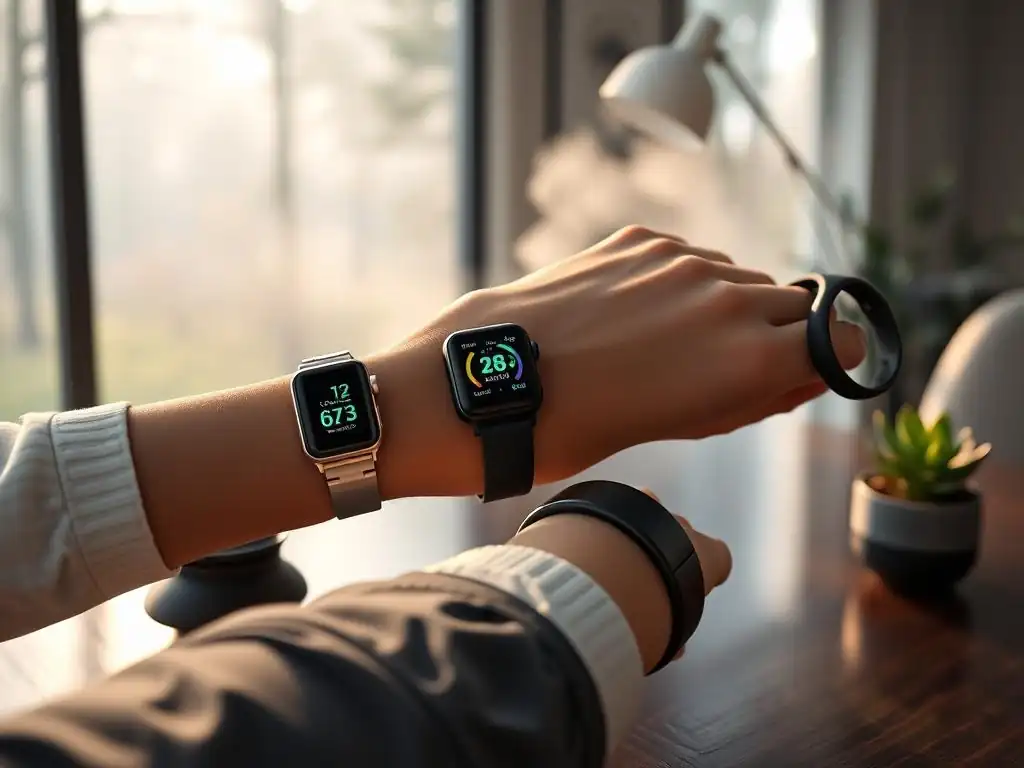
Welcome to Mind Care Guide, your sanctuary for navigating the complexities of mental well-being. Feeling overwhelmed? You're not alone. We understand the daily pressures life throws our way, and we're here to help you find practical solutions. Curious about harnessing technology to better understand your stress levels? Dive into our in-depth review of the best wearable stress trackers, meticulously evaluated for accuracy and based on real user experiences. Let's explore how these innovative tools can empower you to take control and prioritize your mental health. Ready to discover which one is right for you?
Top-Rated Wearable Stress Trackers by Accuracy and User Reviews
- Introduction: Finding the Best Wearable Stress Tracker for Your Needs
- Understanding Stress Tracking Technology in Wearables
-
Top 5 Wearable Stress Trackers: Accuracy and User Review Comparison
- 1. Garmin Vivosmart 5: Comprehensive Stress Monitoring and User Satisfaction
- 2. Fitbit Sense 2: EDA Scan App for Stress Management and Review Analysis
- 3. Apple Watch Series 9 (with Stress Tracking Apps): A Smartwatch Approach to Stress Monitoring
- 4. Whoop 4.0: Recovery-Focused Stress Analysis for Athletes and High Performers
- 5. Muse S (Gen 2): Brainwave Tracking for Meditation and Stress Reduction
- Key Factors to Consider When Choosing a Wearable Stress Tracker
- Tips for Using Wearable Stress Trackers to Manage Stress Effectively.
-
Frequently Asked Questions
- What are the key benefits of using a wearable stress tracker?
- How accurate are wearable stress trackers in measuring stress?
- What factors should I consider when choosing a wearable stress tracker?
- Can a wearable stress tracker replace professional mental health support?
- Where can I find reliable reviews and comparisons of the Best wearable stress trackers?
- Final Reflection: The Path to Inner Peace Through Technology?
- Unleash Your Inner Calm: Take Control of Your Stress
Introduction: Finding the Best Wearable Stress Tracker for Your Needs
Navigating the complexities of modern life often means confronting stress daily. For many, finding effective tools to monitor and manage this stress is a crucial step towards better mental well-being. Wearable technology has emerged as a popular aid, offering insights into physiological responses that can indicate stress levels throughout the day.
However, with a growing market, choosing the right device requires understanding what makes a stress tracker effective, particularly concerning the accuracy of its data and the real-world experiences of users. This article aims to provide a comprehensive overview, helping you identify the Best wearable stress trackers review based on technical capabilities and user feedback.
Selecting the ideal wearable involves more than just picking a popular brand; it requires evaluating how well the device captures relevant physiological signals and how useful the presented data is for making lifestyle changes. Factors like heart rate variability (HRV), electrodermal activity (EDA), and sleep patterns are key indicators often tracked by these devices. By examining the performance of leading models through the lens of both technical accuracy and extensive user reviews, we can gain a clearer picture of which devices truly deliver on their promise of aiding stress management.
Understanding Stress Tracking Technology in Wearables
Wearable devices designed for stress tracking utilize a variety of sensors to gather physiological data. The underlying principle is that stress, whether acute or chronic, elicits measurable changes in the body's autonomic nervous system. By monitoring these subtle shifts, the wearable attempts to quantify a user's stress level or recovery state. This process involves sophisticated algorithms that analyze raw sensor data and translate it into actionable insights, such as daily stress scores, recovery recommendations, or prompts to engage in calming activities.
The effectiveness of these devices hinges on the quality and consistency of the data collected. While no wearable can replace clinical assessment, the best wearable stress trackers review should demonstrate a reasonable correlation between the device's readings and a user's perceived stress or known physiological responses to stressors. Understanding the technology behind these trackers is essential for interpreting their data correctly and leveraging them effectively in a personal stress management plan.
How Wearable Stress Trackers Work: A Technical Overview
Most wearable stress trackers rely heavily on analyzing heart rate variability (HRV). HRV measures the variation in time between consecutive heartbeats, which is controlled by the autonomic nervous system. A higher HRV is generally associated with a more relaxed state and better resilience to stress, while a lower HRV can indicate stress, fatigue, or illness. Devices typically use an optical heart rate sensor (photoplethysmography, or PPG) on the wrist to capture the timing of heartbeats, then apply algorithms to calculate HRV metrics over specific periods.
Beyond HRV, some advanced trackers incorporate additional sensors. Electrodermal Activity (EDA), also known as galvanic skin response (GSR), measures changes in sweat gland activity on the skin's surface. Stress and emotional arousal can trigger small, often imperceptible increases in sweating, which alter the electrical conductivity of the skin. Devices with EDA sensors detect these tiny changes to provide another layer of data related to physiological stress responses. Sleep tracking is also crucial, as poor sleep significantly impacts stress levels and recovery. Wearables monitor sleep stages and duration, integrating this information into overall stress and recovery assessments.
The Importance of Accurate Stress Data for Effective Management
Accurate stress data is paramount because it forms the foundation upon which users make decisions about their well-being. If a wearable consistently provides inaccurate readings, a user might dismiss genuine stress signals or, conversely, become overly anxious about false alarms. For example, relying on inaccurate HRV data could lead someone to push themselves too hard during a stressful period when their body actually needs rest, or to incorrectly attribute physical symptoms to stress when another factor is at play.
Reliable data allows individuals to identify patterns, understand their personal triggers, and assess the effectiveness of their coping strategies. A best wearable stress trackers review should highlight devices that demonstrate consistency and plausible correlation with real-world stress factors. While wearable data should always be considered alongside subjective feelings and professional medical advice, accurate tracking empowers users with objective insights, enabling more informed decisions about exercise, rest, mindfulness practices, and workload management, ultimately contributing to more effective stress reduction.
Top 5 Wearable Stress Trackers: Accuracy and User Review Comparison
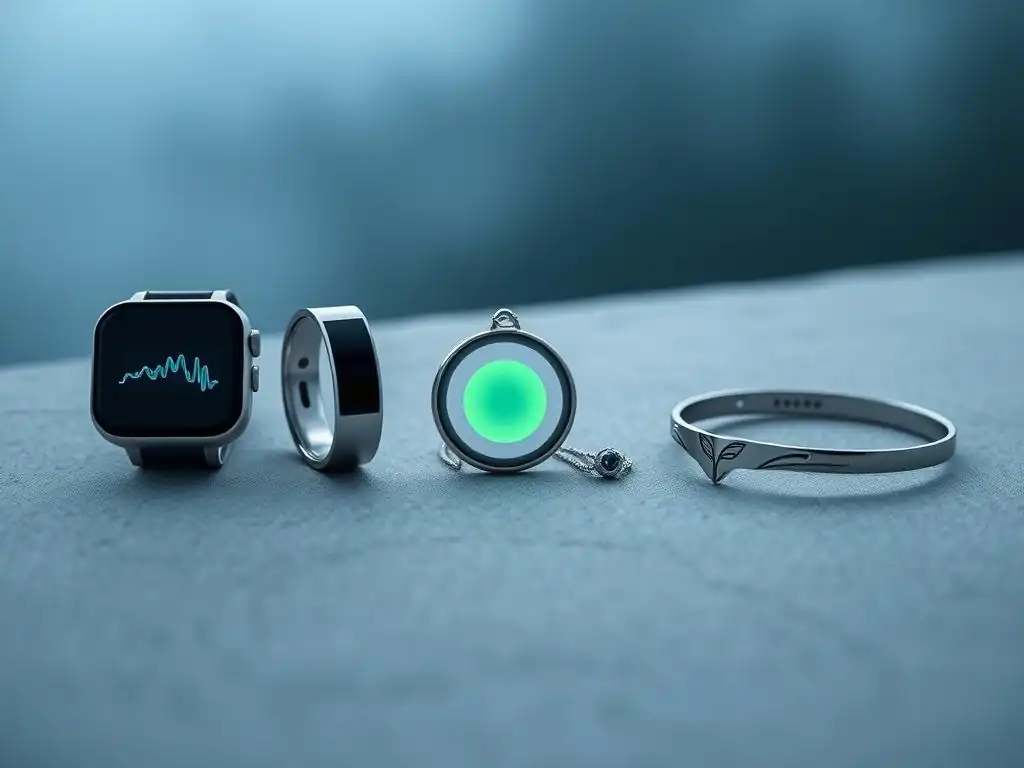
Choosing from the array of available devices can be challenging. This section delves into some of the most popular and highly-regarded wearable stress trackers, examining their specific methodologies for assessing stress and summarizing key points from user reviews to provide a balanced perspective on their performance and utility in real-world scenarios. We will compare their approaches to stress monitoring and evaluate how well they meet user expectations.
1. Garmin Vivosmart 5: Comprehensive Stress Monitoring and User Satisfaction
The Garmin Vivosmart 5 is a fitness tracker that includes robust stress monitoring features as part of its comprehensive health suite. It primarily uses Heart Rate Variability (HRV) measured throughout the day to provide a continuous stress score from 0 to 100. The device prompts users to perform short breathing exercises when elevated stress is detected, offering real-time interventions. Its body battery feature, which combines stress, HRV, sleep, and activity data, provides an overall energy level assessment, a key indicator of recovery and readiness to handle stress.
User feedback on the Vivosmart 5's stress tracking is generally positive. Many users appreciate the continuous nature of the tracking and find the numerical stress score and Body Battery metric intuitive and helpful for understanding their daily fluctuations. Reviews frequently mention that the stress data aligns well with their subjective feelings, providing objective validation. However, some users note that while the tracking is consistent, the interpretation requires learning how external factors like caffeine or illness can also impact HRV, which the device might register as stress.
- Garmin Vivosmart 5 Review: Accurate HRV Tracking for Daily Stress Assessment:
Based on multiple user reviews and tech analyses, the Garmin Vivosmart 5 is often cited for its reliable HRV-based stress tracking within the fitness band category. Its ability to provide a continuous, all-day stress score is a significant advantage, allowing users to see how different activities or periods impact their physiological state. The Body Battery feature, integrating stress with other metrics, is particularly praised for offering a holistic view of energy reserves, which directly correlates with stress resilience.
Accuracy reports suggest that while wrist-based PPG for HRV is not as precise as chest strap ECG, the Vivosmart 5's implementation is considered among the more consistent for daily trends. Users report that the stress scores tend to rise during known stressors (like difficult meetings) and fall during relaxation, suggesting a good correlation for tracking personal patterns. The simplicity of the score (0-100) makes it easy to digest, though some advanced users might desire more detailed HRV metrics which are available in the Garmin Connect app but less prominent on the device itself.
2. Fitbit Sense 2: EDA Scan App for Stress Management and Review Analysis
The Fitbit Sense 2 distinguishes itself with its continuous Electrodermal Activity (cEDA) sensor, designed for all-day stress tracking. Unlike the manual spot checks of its predecessor, the Sense 2 automatically monitors EDA responses throughout the day and night. This data, combined with heart rate, HRV, and skin temperature variations, contributes to a daily Stress Management Score in the Fitbit app, ranging from 1 to 100. The app also prompts users to reflect on their emotional state when significant EDA changes are detected, linking physiological data with subjective feelings.
User reviews for the Fitbit Sense 2's stress features are somewhat mixed but lean positive regarding the concept. Many find the automatic cEDA tracking intriguing and appreciate the proactive prompts to log their mood. The Stress Management Score is seen as a useful daily summary.
However, some users report difficulty understanding exactly why their score is high or low, wishing for more detailed insights into which specific factor (EDA, HRV, etc.) contributed most. The premium subscription is often mentioned as necessary to unlock the full depth of stress insights and guided sessions, which is a point of contention for some reviewers.
- Fitbit Sense 2 Stress Management: EDA Scan and User Experience Feedback:
The integration of continuous EDA monitoring is the flagship stress feature of the Fitbit Sense 2, offering a unique approach compared to purely HRV-based trackers. User experience feedback frequently highlights the convenience of automatic detection, removing the need for manual scans. The device's ability to correlate physiological stress signals with user-logged emotional states is a powerful concept, helping individuals build self-awareness.
Reviewers often note that while the EDA data provides a different perspective on stress than HRV, its interpretation within the app can sometimes feel abstract. Users report that the correlation between their subjective stress levels and the daily Stress Management Score is generally good, but not always perfect. The guided breathing and mindfulness sessions offered through the Fitbit app are frequently praised as valuable tools for managing stress once detected, although access to the most beneficial content typically requires the paid Fitbit Premium service, which impacts the overall value proposition highlighted in many a best wearable stress trackers review.
3. Apple Watch Series 9 (with Stress Tracking Apps): A Smartwatch Approach to Stress Monitoring
The Apple Watch Series 9, while not having a built-in, dedicated "stress score" feature in its core health app, offers robust physiological data collection capabilities that allow third-party applications to provide sophisticated stress monitoring. It tracks heart rate continuously, including resting heart rate and heart rate variability (HRV), and also monitors respiratory rate. Developers leverage the HealthKit framework to access this data and build apps that analyze these metrics to infer stress levels, recovery status, and even provide guided mindfulness exercises.
User reviews for stress tracking on the Apple Watch are highly dependent on the specific third-party app used. Users generally praise the watch's reliable hardware for collecting accurate raw data like HRV. Apps like Athlytic, Training Today, and others are frequently mentioned for their ability to interpret this data into actionable recovery and stress metrics, often comparable to dedicated trackers.
The convenience of having stress insights on a device already worn for communication and other purposes is a major plus. However, the fragmentation across different apps and the potential need for separate subscriptions for the most advanced stress analysis tools are noted drawbacks in some reviews.
- Apple Watch Series 9: Stress Tracking Through Third-Party Apps and User Reports:
The Apple Watch Series 9 serves as a powerful platform for stress tracking, primarily through its accurate collection of core physiological data like HRV and resting heart rate. User reports consistently highlight the reliability of the watch's sensors for capturing this data, which is crucial for any stress analysis algorithm. The flexibility to choose from numerous third-party apps allows users to find a stress tracking approach that best suits their needs, whether it's focused on daily stress scores, recovery for training, or mindfulness integration.
Reviews of specific stress tracking apps on the Apple Watch often indicate that while the potential for insightful data is high, the user experience varies greatly depending on the app's design and the clarity of its data presentation. Many users find apps that provide a daily "readiness" or "recovery" score, derived from HRV and other metrics, particularly useful for gauging their capacity to handle stress or intense activity.
The primary limitation cited in a best wearable stress trackers review context is the lack of a unified, native Apple solution for stress scoring, requiring users to navigate a marketplace of third-party options, some of which require additional costs.
4. Whoop 4.0: Recovery-Focused Stress Analysis for Athletes and High Performers
The Whoop 4.0 band takes a slightly different approach, focusing heavily on recovery and strain, which are intrinsically linked to stress. It continuously monitors HRV, resting heart rate, respiratory rate, and sleep, using these metrics to generate a daily Recovery score (0-100%). This score indicates how prepared the user's body is to take on physiological strain, including that caused by physical activity and psychological stress. While it doesn't provide a direct "stress score" in the traditional sense, its recovery metric serves as a powerful proxy for assessing the body's ability to handle stressors.
User reviews for Whoop 4.0, particularly among athletes and individuals with demanding lifestyles, are often very positive regarding its recovery insights. Users report that the daily Recovery score is remarkably accurate in reflecting how they feel and their readiness for physical or mental challenges.
The detailed analysis of sleep stages and the impact of behaviors (like alcohol or late meals) on recovery are frequently praised. The subscription-only model is a significant factor in reviews; while many find the data and coaching valuable enough to justify the cost, it represents a higher barrier to entry compared to devices with a one-time purchase price.
- Whoop 4.0 Review: HRV and Recovery Metrics for Optimal Performance and Stress Reduction:
The Whoop 4.0's strength lies in its deep analysis of physiological recovery, driven primarily by precise HRV tracking during sleep. User reviews consistently highlight the accuracy and actionable nature of the daily Recovery score. Many users report using this metric to adjust their training intensity, workload, and daily schedules to optimize performance and avoid burnout, which are direct outcomes of managing physiological stress.
The detailed sleep tracking, including time spent in different stages (light, deep, REM), is also a cornerstone of the Whoop experience, and users find the insights into how sleep quality impacts recovery invaluable for stress management. While it lacks a simple "stress score," its comprehensive approach to quantifying the body's capacity to handle strain makes it a powerful tool for those who view stress management through the lens of recovery and performance optimization.
The subscription model is the most debated aspect in a best wearable stress trackers review of Whoop, but those who benefit from its detailed data often find the recurring cost justified by the insights gained.
5. Muse S (Gen 2): Brainwave Tracking for Meditation and Stress Reduction
The Muse S (Gen 2) band is distinct from other wearables on this list as it focuses specifically on guiding meditation and providing real-time biofeedback, including brainwave activity (EEG), heart rate, and respiratory rate. While not providing continuous, all-day stress tracking in the same way as wrist-worn devices, it is designed as a tool for actively reducing stress through guided meditation sessions informed by physiological data. It provides feedback on mental activity (calm, neutral, active), heart rate, and posture during sessions.
User reviews for the Muse S (Gen 2) are overwhelmingly positive from individuals seeking a tool to improve their meditation practice and, consequently, reduce stress. Users find the real-time audio feedback based on brainwave activity to be highly effective in helping them learn to quiet their minds. The integration of heart rate and breath tracking adds further dimensions to the biofeedback.
While it doesn't track stress throughout the day, users report that consistent use during meditation sessions leads to a significant reduction in overall stress levels and improved emotional regulation. The comfort of wearing it during sleep for sleep tracking and soundscapes is also a noted positive.
- Muse S (Gen 2) Review: EEG-Powered Meditation and Stress Reduction:
The Muse S (Gen 2) stands out in the best wearable stress trackers review landscape because its primary function is stress reduction through guided meditation, rather than passive all-day tracking. Its use of EEG sensors is a key differentiator, providing a more direct measure of brain state during meditation compared to wearables relying solely on peripheral physiological signals. User feedback consistently emphasizes the effectiveness of the real-time biofeedback (represented by sounds like weather changes) in making meditation more accessible and impactful, helping users understand when their mind is wandering.
Reviews highlight that the value of the Muse S is directly tied to a user's willingness to engage in regular meditation practice. It's not a device that passively tells you your stress level; it's an active tool to help you manage it. The integration with guided meditations and soundscapes, accessible through the Muse app (some requiring a subscription), is crucial to the user experience. While its utility for passive, continuous stress monitoring is limited compared to wrist devices, its focused approach to improving mindfulness and meditation for stress reduction is highly praised by its user base.
Key Factors to Consider When Choosing a Wearable Stress Tracker

Selecting the right wearable to help manage stress involves weighing several important factors. Beyond just the brand or appearance, the device's core functionality, the accuracy of its data, and how well it fits into your lifestyle are paramount. Considering these elements carefully will help you find a tracker that is not only effective but also sustainable for long-term use in your stress management journey.
Accuracy of Stress Data: Understanding HRV, EDA, and Other Metrics
The foundation of effective stress tracking lies in the accuracy of the physiological data the device collects. As discussed, Heart Rate Variability (HRV) is a primary metric, and devices vary in how accurately they capture the precise timing between heartbeats, especially from the wrist during different activities. Electrodermal Activity (EDA) provides another layer of insight into sympathetic nervous system arousal. Respiratory rate, skin temperature, and sleep quality are also integrated by some trackers to build a more complete picture.
When evaluating a device, consider how it measures these metrics and look for information on its validation. While clinical-grade accuracy is rare in consumer wearables, consistency and reliability are key. A best wearable stress trackers review should ideally touch upon how the device's readings compare to established methods or at least how consistent they are day-to-day under similar conditions. Understand which metrics the device prioritizes and whether those align with your interest in tracking either physiological stress responses (like EDA) or overall resilience and recovery (like HRV).
User Reviews and Feedback: What Are People Saying About These Stress Trackers?
Real-world user experiences provide invaluable insights that go beyond technical specifications. User reviews shed light on practical aspects like comfort, battery life, app usability, data interpretation, and whether the device's stress insights actually feel relevant and helpful in daily life. Pay attention to reviews that discuss the consistency of the stress data, how well the device's readings correlate with the user's subjective feeling of stress, and the clarity of the explanations provided by the companion app.
Look for patterns in feedback across multiple reviews. Are users finding the data actionable? Is the device comfortable enough to wear continuously, including during sleep? Is the battery life sufficient for uninterrupted tracking? A collection of user reviews offers a realistic perspective on the strengths and weaknesses of a device in everyday use, helping to temper expectations based solely on marketing claims and contributing significantly to any comprehensive best wearable stress trackers review.
Features and Functionality: Beyond Basic Stress Monitoring
While stress tracking is the primary goal, most wearables offer a suite of other features that can enhance their utility and value. Consider what other health and fitness metrics are important to you. Do you need detailed sleep analysis, activity tracking (steps, distance, calories), specific workout tracking modes, GPS, or smart notifications? Some devices integrate stress data with these other features, for example, by recommending rest days based on high stress and low recovery.
Also, consider the form factor and interface. Do you prefer a discreet band or a full-featured smartwatch? Is the display easy to read? Is the companion app intuitive and easy to navigate, particularly for viewing and interpreting stress data? The overall functionality and user experience play a significant role in how likely you are to use the device consistently, which is crucial for gathering enough data to identify meaningful stress patterns.
Price and Subscription Costs: Finding the Best Value for Your Needs
Wearable stress trackers vary significantly in price, from relatively affordable fitness bands to premium smartwatches and subscription-based models. The initial purchase price is just one part of the equation. Many advanced stress tracking features, detailed insights, personalized guidance, and access to content like guided meditations or workout plans are locked behind monthly or annual subscription fees.
Evaluate the total cost of ownership over a year or two. Is the value provided by the subscription features worth the recurring expense for your specific needs? For some, the basic stress score on a one-time purchase device is sufficient, while others might find the in-depth analysis and coaching offered by a subscription service indispensable. Carefully assess what features are included with the device purchase and what requires an ongoing fee when determining the best wearable stress trackers review for your budget and desired level of detail.
Tips for Using Wearable Stress Trackers to Manage Stress Effectively.
Acquiring a wearable stress tracker is the first step; effectively integrating its insights into your daily routine is the key to unlocking its potential for stress management. Don't treat the device as a diagnostic tool, but rather as a source of data to inform self-awareness and behavioral changes.
Here are some tips for getting the most out of your wearable stress tracker:
- Understand the Metrics: Take time to learn what HRV, EDA, and other metrics mean and how they relate to stress. The companion app should provide explanations, but additional research can deepen your understanding.
- Look for Patterns: Don't fixate on a single high-stress reading. Instead, look for trends over days and weeks. When does your stress score tend to be high? What activities or situations precede it?
- Correlate Data with Feelings: Pay attention to how you feel when your device reports high or low stress. Does the data validate your subjective experience? This helps build trust in the device and your own intuition.
- Use Insights for Action: If your device reports high stress or low recovery, consider adjusting your plans. This might mean skipping an intense workout, prioritizing sleep, or taking a few minutes for a breathing exercise.
- Experiment with Coping Strategies: Use the device to see how different stress-reducing activities impact your metrics. Does meditation lower your stress score? Does a walk improve your recovery?
- Be Patient: It takes time to collect enough data to see meaningful patterns. Wear the device consistently and give yourself a few weeks to understand its insights before making significant changes.
- Combine Data with Professional Advice: Wearable data is a tool for self-improvement, not a substitute for medical or mental health support. If you have concerns about stress or mental health, consult a healthcare professional.
Frequently Asked Questions
What are the key benefits of using a wearable stress tracker?
Wearable stress trackers can provide real-time insights into your stress levels, helping you identify patterns and triggers. This awareness enables you to take proactive steps to manage stress and improve your overall well-being.
How accurate are wearable stress trackers in measuring stress?
Accuracy varies between devices, but the TopRated Wearable Stress Trackers by Accuracy and User Reviews focuses on models known for their reliability and consistency. Consider user reviews and sensor technology when choosing a device for optimal accuracy.
What factors should I consider when choosing a wearable stress tracker?
Beyond accuracy, consider features like battery life, comfort, compatibility with your smartphone, and the specific metrics it tracks, such as heart rate variability (HRV) and skin conductance. TopRated Wearable Stress Trackers by Accuracy and User Reviews provides guidance on these points.
Can a wearable stress tracker replace professional mental health support?
No. Wearable stress trackers are tools for self-monitoring and awareness, not replacements for professional mental healthcare. Consult a qualified therapist or doctor for diagnosis and treatment of mental health conditions.
Where can I find reliable reviews and comparisons of the Best wearable stress trackers?
Mind Care Guide's TopRated Wearable Stress Trackers by Accuracy and User Reviews offers comprehensive analysis and user feedback. Look for independent reviews and compare features to find the best fit for your needs.
Final Reflection: The Path to Inner Peace Through Technology?
The quest for stress management is no longer a solitary journey; wearable technology is increasingly becoming a vital companion in navigating the complexities of modern life. The sheer volume of data generated by these devices, as explored in this review of top-rated stress trackers, highlights a growing societal need for accessible and quantifiable methods of self-care. This isn't simply about tracking numbers; it's about gaining a deeper understanding of our own internal landscapes.
The impact of these devices extends beyond personal well-being; they represent a shift in how we approach mental health, moving towards a more proactive and data-driven approach. This change is significant, as it fosters a culture of self-awareness and encourages open conversations about stress and anxiety. The greatest weapon against stress is our ability to choose one thought over another.
– William James. This quote resonates deeply with the potential of these trackers – to empower individuals to choose healthier thought patterns by understanding the physiological triggers of stress.
Consider the information presented in this review. What resonated most with you? Which features are most important to your personal journey towards stress management? I encourage you to take this opportunity to reflect on your own relationship with stress and explore how technology, used mindfully, can become a valuable tool in your self-care toolkit. Don't just passively track your data; actively use the insights gained to cultivate a more balanced and fulfilling life.
Unleash Your Inner Calm: Take Control of Your Stress
Thanks for taking the time to explore the world of wearable stress trackers with us! We hope you now feel more confident in choosing a device that truly fits your needs. Ready to prioritize your well-being?
- Invest in your peace of mind: Research and purchase the stress tracker that resonates most with you, based on the information provided. Consider factors like features, budget, and personal preferences.
- Share your experience: Tell us (and others!) which tracker you chose and why! Leave a comment below sharing your thoughts and experiences.
- Discover more self-care strategies: Explore our other articles on stress management techniques for a holistic approach to well-being.
So, what self-care step will you take today to reduce stress and enhance your well-being?