
HRV, EDA, and Sleep: How Wearables Measure Your Stress Levels

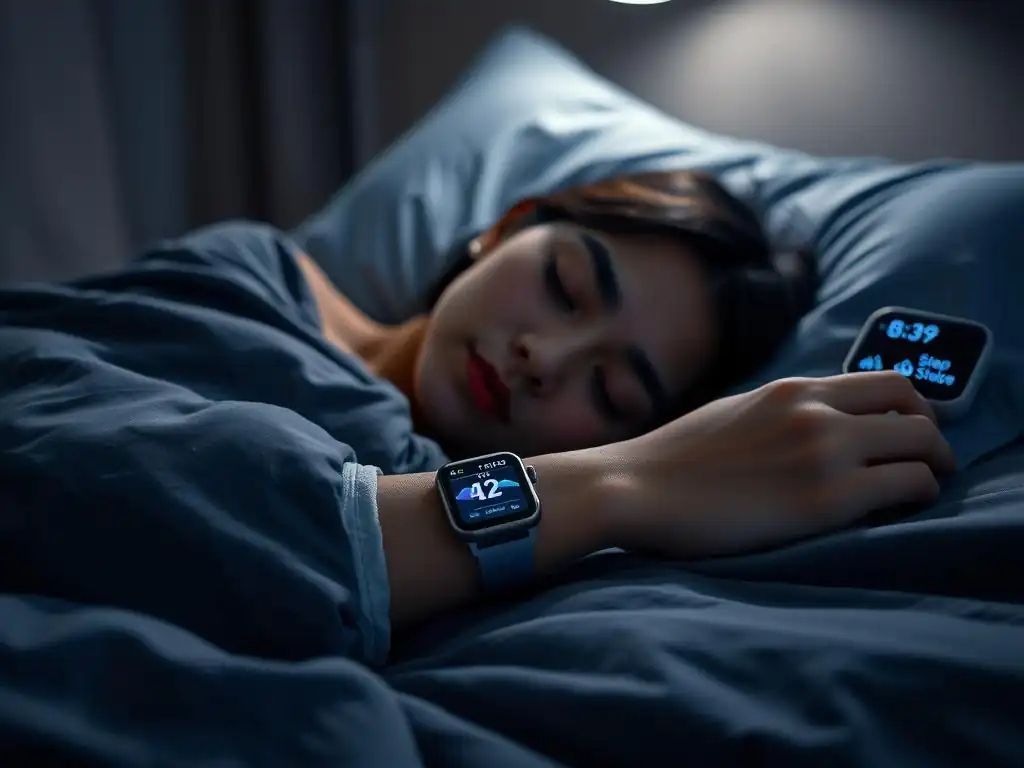
Welcome to Mind Care Guide, your sanctuary for nurturing mental well-being.
Feeling overwhelmed? Discover how wearable technology is revolutionizing stress management. In this article, we'll delve into wearable stress level measurement techniques, exploring how HRV, EDA, and sleep patterns can provide invaluable insights into your mental state. Curious to understand what your smartwatch is really telling you? Let's begin.
HRV, EDA, and Sleep: How Wearables Measure Your Stress Levels
- Understanding Wearable Stress Level Measurement Techniques
-
How Wearables Use HRV for Stress Detection: A Deep Dive
- What is Heart Rate Variability (HRV) and Why Does it Matter for Stress?
- Calculating HRV: RMSSD (Root Mean Square of Successive Differences) Explained
- Wearables Leading the Way in HRV Monitoring: Apple Watch Series 9 & its HRV Tracking Feature
- Interpreting Your HRV Data: What High and Low HRV Scores Mean
- Using HRV data for stress management: Guided Breathing Exercises and Lifestyle Adjustments.
-
EDA Sensors: Measuring Stress Through Skin Conductance
- Electrodermal Activity (EDA): The Science Behind Sweat and Stress
- How EDA Sensors in Wearables Work: A Technical Overview
- Wearables with EDA Sensors: Google Pixel Watch 2's Body Response Feature
- The Benefits of EDA-Based Stress Tracking
- Integrating EDA Insights into Your Daily Routine: Identifying Stressors and Practicing Relaxation Techniques.
-
Sleep Analysis as a Window into Stress Levels
- The Connection Between Sleep Quality and Stress
- Key Sleep Metrics Tracked by Wearables: Sleep Stages, Duration, and Disturbances
- Wearables with Advanced Sleep Tracking: Fitbit Sense 2's Sleep Score and Detailed Analysis
- Interpreting Your Sleep Data in Relation to Stress
- Using Sleep Insights to Reduce Stress: Optimizing Sleep Environment and Establishing a Consistent Bedtime Routine.
- Combining HRV, EDA, and Sleep Data for a Comprehensive Stress Assessment
-
Choosing the Right Wearable for Your Stress Management Needs
- Factors to Consider: Accuracy, Comfort, Battery Life, and Price
- Top Wearable Recommendations for Stress Tracking: Garmin Venu 3, Fitbit Sense 2
- Comparing Features and Accuracy: HRV, EDA, and Sleep Tracking Capabilities
- Apple Watch Series 9 vs. Garmin Venu 3: A Detailed Comparison for Stress Monitoring
- Investing in Your Mental Well-being: The Long-Term Value of Wearable Stress Trackers.
-
Frequently Asked Questions
- How do wearable devices use Heart Rate Variability (HRV) to measure stress?
- What is Electrodermal Activity (EDA) and how does it relate to stress measurement in wearables?
- Can wearables accurately measure stress levels based on sleep patterns?
- Are wearable stress level measurements always accurate, or are there limitations?
- Which wearable stress level measurement techniques are considered the most reliable?
- Final Reflection: Unlocking the Power of Wearable Stress Management
- Unlock Your Inner Calm: Take Control of Your Stress
Understanding Wearable Stress Level Measurement Techniques
The Growing Need for Stress Monitoring and the Rise of Wearable Tech
In today's fast-paced world, chronic stress has become a significant challenge affecting millions. Surveys consistently show high levels of reported stress; for instance, some estimates suggest that around 77% of people experience physical symptoms caused by stress regularly. This pervasive issue impacts not just mental well-being but also physical health, contributing to conditions like heart disease, anxiety, and sleep disorders. Recognizing and managing stress early is crucial for maintaining overall health, yet traditional methods often rely on subjective self-reporting, which can be inaccurate or delayed.
The increasing awareness of stress's impact has fueled demand for accessible, objective monitoring tools. This is where wearable technology has stepped in, offering innovative wearable stress level measurement techniques. Devices worn on the wrist or body can continuously collect physiological data, providing insights into how the body is responding to daily stressors in near real-time. These devices empower individuals by making invisible physiological responses visible, enabling a more proactive approach to stress management and potentially mitigating its long-term effects.
Introduction to Heart Rate Variability (HRV), Electrodermal Activity (EDA), and Sleep Analysis
Wearable devices employ a combination of sophisticated physiological metrics to gauge stress levels. Among the most prominent are Heart Rate Variability (HRV), Electrodermal Activity (EDA), and detailed Sleep Analysis. Each of these metrics captures a different facet of the body's response to stress and recovery, offering a multi-dimensional view of an individual's physiological state throughout the day and night.
HRV reflects the balance of the autonomic nervous system, which is directly influenced by stress. EDA measures changes in skin conductivity due to sweat gland activity, a response triggered by the sympathetic nervous system during stress. Sleep analysis provides critical context, as sleep quality is both affected by stress and essential for recovery. By integrating these wearable stress level measurement techniques, modern wearables aim to provide a more accurate and holistic picture of your personal stress load and recovery capacity.
How Wearables Use HRV for Stress Detection: A Deep Dive
What is Heart Rate Variability (HRV) and Why Does it Matter for Stress?
Heart Rate Variability (HRV) is not simply your heart rate (beats per minute), but rather the variation in the time intervals between consecutive heartbeats. While it might seem counterintuitive, a higher HRV generally indicates a healthier, more resilient autonomic nervous system (ANS). The ANS controls involuntary bodily functions like heart rate, digestion, and breathing, and it has two main branches: the sympathetic (fight or flight) and the parasympathetic (rest and digest). Stress activates the sympathetic system, reducing HRV, while relaxation and recovery activate the parasympathetic system, increasing HRV.
Monitoring HRV with wearable stress level measurement techniques offers a powerful, objective window into your body's stress response and recovery status. A consistently low HRV can signal chronic stress, overtraining, or insufficient recovery, prompting you to adjust your lifestyle. Conversely, an increase in HRV might indicate improved fitness, better stress management, or adequate rest. Understanding your personal HRV baseline and how it fluctuates can provide actionable insights for optimizing both your physical training and mental well-being efforts.
Calculating HRV: RMSSD (Root Mean Square of Successive Differences) Explained
While there are several mathematical methods to calculate HRV, one of the most commonly used by wearable devices for short-term measurements, particularly during sleep or brief resting periods, is the Root Mean Square of Successive Differences (RMSSD). This specific metric focuses on the beat-to-beat variances in heart rate, specifically the differences between adjacent R-R intervals (the time between successive heartbeats). The RMSSD value is expressed in milliseconds (ms).
RMSSD is considered a good indicator of parasympathetic nervous system activity. A higher RMSSD value suggests stronger parasympathetic influence, typically associated with a state of rest, recovery, and lower stress. Because it is less influenced by breathing rate compared to some other HRV metrics, RMSSD is often preferred for analyzing data collected during less controlled conditions, such as throughout an entire night's sleep captured by a wearable. Wearables take the series of R-R intervals measured by their optical heart rate sensors and apply the RMSSD formula to derive the daily or nightly HRV score.
Wearables Leading the Way in HRV Monitoring: Apple Watch Series 9 & its HRV Tracking Feature
Many modern smartwatches and fitness trackers include HRV tracking among their wearable stress level measurement techniques. The Apple Watch Series 9, for example, automatically measures HRV data, often capturing it periodically throughout the day and, importantly, during sleep. This data is typically collected using the watch's optical heart sensor, which detects blood flow to determine heartbeats and the timing between them.
The Apple Health app displays your HRV data, usually presenting it as an average for the day or night, often using the SDNN (Standard Deviation of NN intervals) or RMSSD metric. While the Apple Watch doesn't always display a real-time 'stress score' based solely on HRV like some other devices, it provides the raw data that can be incredibly insightful when viewed over time. Users can see trends in their HRV, correlating dips or rises with periods of high stress, illness, or effective recovery strategies, making it a valuable component of their overall health monitoring.
Interpreting Your HRV Data: What High and Low HRV Scores Mean
Interpreting HRV data requires understanding that there isn't a single "normal" score; it's highly individual and varies based on age, fitness level, genetics, and lifestyle. However, general principles apply: a higher HRV is typically associated with better cardiovascular fitness, resilience to stress, and a more balanced autonomic nervous system. For instance, a well-trained athlete might have an average resting HRV (RMSSD) in the range of 80-100+ ms, while a sedentary individual might be in the 20-40 ms range.
Conversely, a lower HRV than your personal baseline often suggests that your body is under strain. This strain could be due to psychological stress, lack of sleep, illness, overexertion from exercise, or poor nutrition. A sudden drop in HRV from your usual range could be an early warning sign that you need to prioritize rest and recovery. Tracking trends over weeks and months is more informative than daily fluctuations alone, helping you identify patterns and understand how different factors impact your body's ability to adapt.
Using HRV data for stress management: Guided Breathing Exercises and Lifestyle Adjustments.
Leveraging HRV data from wearable stress level measurement techniques can directly inform stress management strategies. Many wearables that track HRV offer features like guided breathing exercises, which are specifically designed to stimulate the parasympathetic nervous system and can visibly increase HRV in the short term. Practicing these techniques regularly, especially when your HRV data suggests you are under stress, can help regulate your body's response.
Beyond immediate interventions like breathing, HRV data provides valuable long-term feedback for lifestyle adjustments. If your average HRV is consistently low, it's a strong signal to evaluate broader habits: are you getting enough sleep? Is your workload manageable? Are you incorporating sufficient recovery days into your exercise routine? Seeing your HRV improve over time as you implement changes like prioritizing sleep, meditating, or engaging in gentle activities confirms the positive impact of these strategies on your physiological stress resilience.
EDA Sensors: Measuring Stress Through Skin Conductance
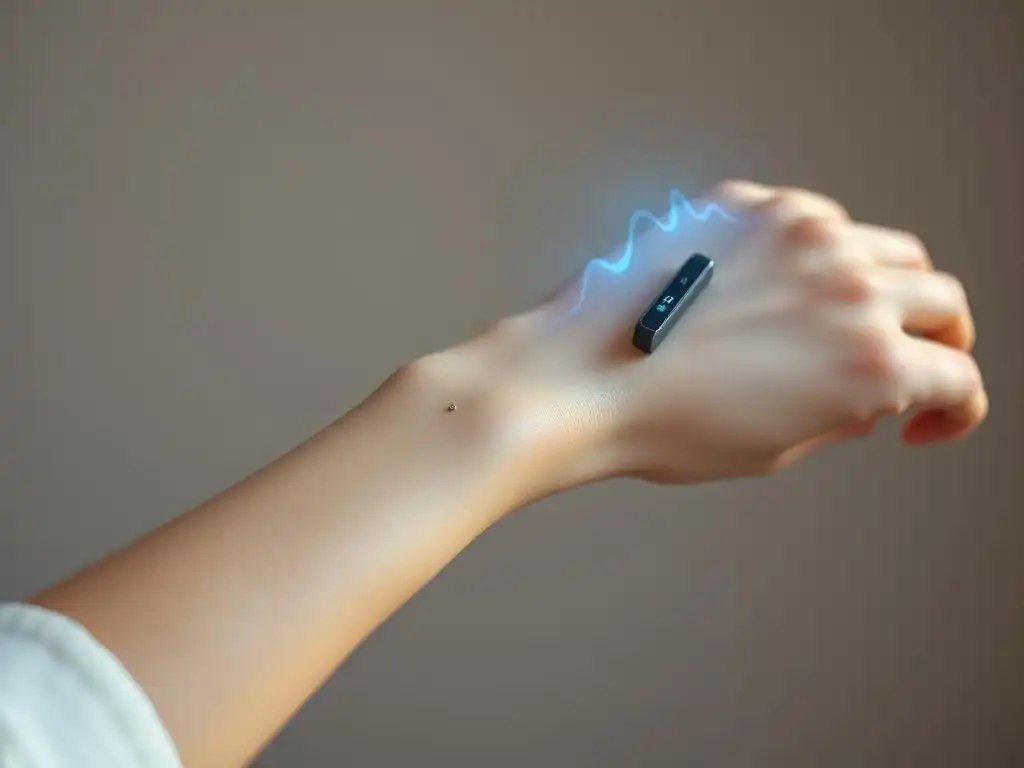
Electrodermal Activity (EDA): The Science Behind Sweat and Stress
Electrodermal Activity (EDA), also known as skin conductance or galvanic skin response (GSR), is a physiological phenomenon where the electrical conductivity of the skin changes in response to sweat gland activity. These sweat glands, particularly those on the palms of the hands and soles of the feet, are primarily innervated by the sympathetic nervous system – the same branch activated during the "fight or flight" response. Even subtle emotional or physiological arousal, including stress, triggers these glands to produce tiny amounts of sweat, making the skin momentarily more conductive.
While we might not consciously feel ourselves sweating in response to mild stress, the changes in conductivity are measurable. EDA provides a real-time, objective indicator of sympathetic nervous system activation, offering a different perspective on physiological arousal compared to heart rate-based metrics. By tracking these minute changes, EDA sensors offer a unique wearable stress level measurement technique that complements data from HRV and sleep.
How EDA Sensors in Wearables Work: A Technical Overview
EDA sensors in wearables typically consist of two small electrodes that make contact with the skin, usually on the wrist or fingers. These electrodes apply a tiny, imperceptible electrical voltage across the skin between the two points. The sensor then measures the resulting electrical current flow. When sympathetic activity increases due to stress or excitement, the sweat glands become more active, increasing moisture on the skin surface and within the sweat ducts.
This increase in moisture lowers the electrical resistance of the skin and, consequently, increases its conductivity. The EDA sensor detects this change in conductivity. By continuously monitoring this metric, the wearable can identify fluctuations in sympathetic arousal. These fluctuations are often interpreted by the device's algorithms to identify moments of potential stress or significant physiological responses throughout the day or during specific events.
Wearables with EDA Sensors: Google Pixel Watch 2's Body Response Feature
While HRV tracking is widespread, EDA sensors are less common but are being integrated into more advanced wearables as part of their wearable stress level measurement techniques. The Google Pixel Watch 2 is a notable example, featuring a multi-path EDA sensor. This sensor works in conjunction with an optical heart rate sensor and skin temperature sensor to power its "Body Response" feature.
When the Pixel Watch 2 detects signs of potential stress or excitement based on changes in heart rate, heart rate variability, and skin temperature, it prompts the user to perform an EDA scan. The user places their palm over the watch face to complete a short scan using the electrodes on the side of the watch.
The watch analyzes the EDA data collected during this scan, combined with other signals, to provide insights into whether the body is showing signs of a "Body Response" potentially linked to stress, prompting the user to reflect on their emotional state at that moment.
The Benefits of EDA-Based Stress Tracking
EDA tracking offers distinct advantages as a wearable stress level measurement technique. Unlike HRV, which provides a snapshot of autonomic balance over longer periods (minutes to hours), EDA can capture rapid, transient sympathetic responses. This makes it particularly useful for identifying acute stressors or moments of heightened physiological arousal in real-time. For example, an EDA spike might correspond to a stressful meeting, a sudden scare, or even excitement.
By capturing these immediate physiological reactions, EDA sensors can help users become more aware of their body's responses to specific situations or triggers. This heightened awareness is a crucial first step in managing stress. It allows individuals to connect their internal physiological state with external events, providing objective data to validate subjective feelings of stress and empowering them to identify patterns and develop targeted coping strategies.
Integrating EDA Insights into Your Daily Routine: Identifying Stressors and Practicing Relaxation Techniques.
Integrating EDA insights from your wearable into your daily routine can significantly enhance stress management. By reviewing periods where your wearable detected high EDA activity, you can start to pinpoint specific situations, interactions, or times of day that trigger a strong physiological stress response. For instance, you might notice consistent EDA spikes during your commute, before public speaking, or during certain challenging tasks at work.
Once potential stressors are identified through these wearable stress level measurement techniques, you can proactively practice relaxation techniques during or immediately after these moments. Many wearables that feature EDA tracking also offer guided mindfulness sessions, deep breathing exercises, or gentle movement suggestions. Using these tools when the watch indicates a "Body Response" allows you to actively work on calming your sympathetic nervous system and promoting a sense of ease, building resilience over time.
Sleep Analysis as a Window into Stress Levels
The Connection Between Sleep Quality and Stress
The relationship between sleep quality and stress is profoundly bidirectional and forms a critical component of comprehensive wearable stress level measurement techniques. Stress can significantly disrupt sleep patterns, making it harder to fall asleep, stay asleep, or achieve restorative deep and REM sleep. Worry and racing thoughts keep the mind active, while stress hormones like cortisol can interfere with the body's natural sleep-wake cycle.
Conversely, poor sleep itself is a major physiological stressor. Lack of adequate sleep impairs cognitive function, emotional regulation, and physical recovery, making individuals more susceptible to the negative effects of stress the following day. A vicious cycle can easily develop where stress causes poor sleep, which in turn increases stress levels. Tracking sleep metrics provides vital clues about both the impact of stress and the opportunity for recovery.
Key Sleep Metrics Tracked by Wearables: Sleep Stages, Duration, and Disturbances
Modern wearables track a variety of key sleep metrics to provide a detailed picture of your nightly rest. These typically include total sleep duration, the amount of time spent in different sleep stages (light, deep, and REM sleep), and the frequency and duration of awakenings or restless periods. Some advanced devices also track metrics like sleep consistency (going to bed and waking up at similar times) and breathing regularity during sleep.
These metrics offer valuable insights into sleep quality, which is directly relevant to stress. Adequate duration is fundamental, but the quality of sleep, reflected in sufficient time spent in deep and REM stages, is crucial for physical and mental restoration. Frequent awakenings or long periods of wakefulness during the night can indicate disrupted sleep, often linked to stress, anxiety, or other underlying issues, providing key data points for wearable stress level measurement techniques.
Wearables with Advanced Sleep Tracking: Fitbit Sense 2's Sleep Score and Detailed Analysis
Fitbit devices, including the Fitbit Sense 2, are well-regarded for their advanced sleep tracking capabilities, which contribute significantly to their wearable stress level measurement techniques. The Sense 2 provides a daily "Sleep Score" (out of 100) based on duration, deep and REM sleep, and restoration (which includes resting heart rate and restlessness). Alongside the score, users receive detailed graphs showing time spent in each sleep stage throughout the night.
The Fitbit app offers further analysis, comparing your sleep patterns to others in your age group and highlighting trends over time. It can identify nights where sleep was particularly poor, allowing users to correlate this with their daily activities and stress levels. This detailed breakdown helps users move beyond simply knowing how long they slept to understanding the quality of their sleep and how it impacts their overall recovery and stress resilience.
Interpreting Your Sleep Data in Relation to Stress
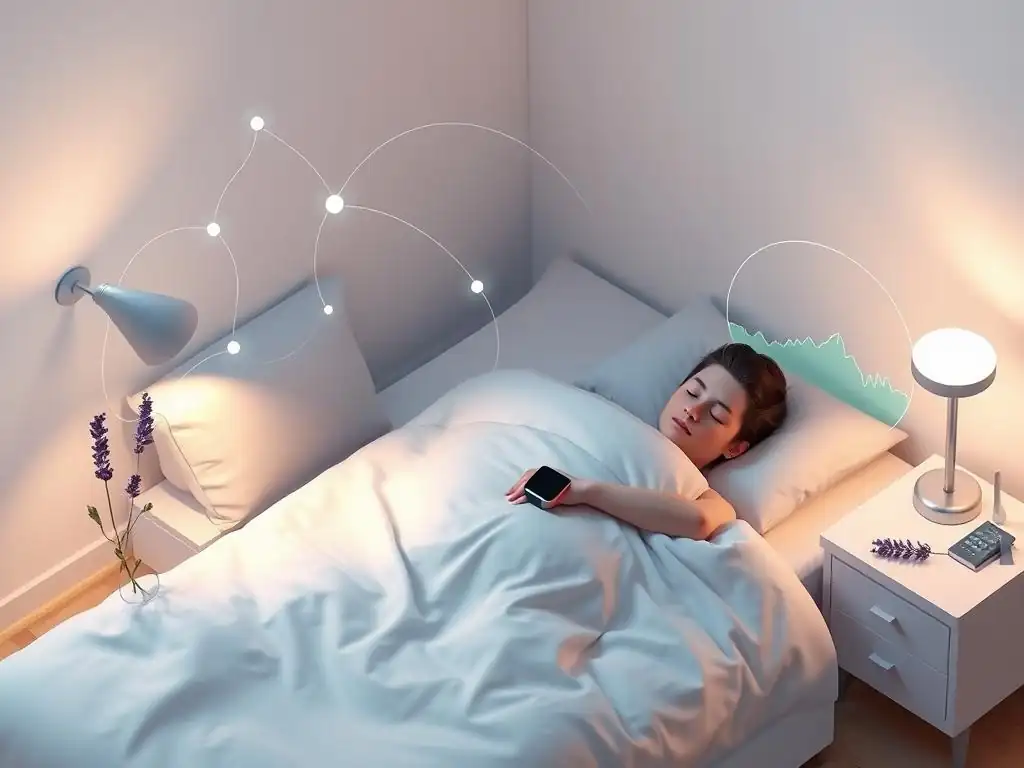
Interpreting your sleep data through the lens of stress involves looking for patterns and anomalies. Consistent sleep duration below the recommended 7-9 hours is a clear indicator of potential stress or a contributor to it. However, even with sufficient duration, poor sleep quality metrics – such as significantly less time spent in deep or REM sleep than your baseline, or an unusually high number of awakenings – can strongly suggest that stress is impacting your rest.
For example, if your wearable shows a night with very little deep sleep following a particularly demanding day, it highlights how that stressor disrupted your body's restorative processes. Similarly, frequent awakenings might be linked to anxiety or rumination. By comparing your sleep data on different nights and correlating it with your daily experiences and perceived stress levels, you can gain a deeper understanding of how stress manifests in your sleep patterns, using these wearable stress level measurement techniques to inform your actions.
Using Sleep Insights to Reduce Stress: Optimizing Sleep Environment and Establishing a Consistent Bedtime Routine.
Sleep insights provided by wearables offer practical avenues for reducing stress. If your data reveals poor sleep quality or insufficient duration, it's a clear signal to prioritize sleep hygiene. This involves optimizing your sleep environment – ensuring the bedroom is dark, quiet, and cool (ideally between 60-67°F or 15-19°C). Removing electronic devices from the bedroom and avoiding screens close to bedtime can also significantly improve sleep quality.
Establishing a consistent bedtime routine is another powerful strategy informed by sleep data. Going to bed and waking up at roughly the same time each day, even on weekends, helps regulate your body's internal clock. If your wearable shows variable sleep times or difficulty falling asleep, a relaxing pre-sleep routine – perhaps reading, taking a warm bath, or doing gentle stretches – can signal to your body that it's time to wind down. By using sleep data as feedback, you can refine these habits to improve rest and, consequently, enhance your stress resilience.
Combining HRV, EDA, and Sleep Data for a Comprehensive Stress Assessment
The Power of Multi-Sensor Data Fusion
While each metric – HRV, EDA, and sleep – offers valuable insights on its own, the true power of advanced wearable stress level measurement techniques lies in combining and analyzing data from multiple sensors simultaneously. This process, known as data fusion, allows for a more comprehensive and nuanced understanding of your physiological state than any single metric could provide. Stress is a complex phenomenon affecting multiple bodily systems, and capturing these diverse responses paints a more complete picture.
For example, a low HRV might indicate chronic stress or fatigue, but combining it with high EDA activity during the day points towards moments of acute sympathetic arousal. Similarly, poor sleep metrics after a day with high stress signals detected by HRV and/or EDA reinforce the impact of that stress on recovery. By fusing these data streams, wearables can differentiate between different types of stress responses and recovery needs, offering more sophisticated and potentially more accurate stress assessments.
How Wearable Algorithms Integrate HRV, EDA, and Sleep Data
Modern wearable devices use sophisticated algorithms to integrate the continuous streams of data from HRV, EDA, sleep tracking, and often other sensors like heart rate, skin temperature, and activity levels. These algorithms look for correlations and patterns across the different metrics over time. For instance, they might analyze how a drop in HRV correlates with reduced deep sleep and an increase in resting heart rate, interpreting this combination as a strong indicator of physiological strain or stress.
The algorithms are designed to move beyond simply presenting raw data points. They process the information to generate actionable insights, often presented as a single "stress score," "body battery" metric, or "recovery index." This processing typically involves comparing current data against your personal baseline, identifying significant deviations, and using machine learning models trained on large datasets to interpret the combined physiological signals in the context of stress and recovery, providing refined wearable stress level measurement techniques.
Examples of Wearables That Offer Holistic Stress Scores: Garmin's Body Battery Feature
Several wearables have implemented features that exemplify this multi-sensor data fusion approach to stress assessment. Garmin's "Body Battery" is a prominent example. This feature provides a single score, typically ranging from 0 to 100, representing your energy reserves throughout the day. It's calculated using a combination of HRV data (measured during rest and sleep), activity levels, and sleep quality data.
Body Battery serves as an intuitive wearable stress level measurement technique, showing how activities (including exercise and stress, which drain the battery) and rest (which recharges it, with sleep being the most significant factor) impact your physiological resources. A low Body Battery score might prompt you to prioritize rest or relaxation, while a high score indicates readiness for demanding tasks or workouts. This consolidated metric makes it easier for users to understand their overall physiological state without having to interpret multiple individual data points.
Case Studies: How Users Have Benefited from Comprehensive Stress Tracking
Real-world examples highlight the benefits of using comprehensive wearable stress level measurement techniques. Consider a user who consistently felt exhausted despite getting eight hours of sleep. Their wearable data, combining sleep analysis with HRV and potentially EDA, revealed that while duration was sufficient, sleep quality was poor (low deep/REM sleep) and their HRV was chronically low, indicating underlying stress or overtraining. This insight prompted them to reduce intense evening workouts and incorporate mindfulness practices, leading to improved sleep quality and a gradual increase in HRV and Body Battery score over several weeks.
Another user might notice their Body Battery consistently depleting rapidly on specific workdays, correlated with high EDA spikes detected by their watch during client meetings. This data helped them identify these meetings as significant stressors. They began implementing short breathing exercises before and after these meetings, and scheduling brief breaks to allow for recovery, using the objective data to guide targeted stress reduction strategies and improve their overall well-being.
Choosing the Right Wearable for Your Stress Management Needs
Factors to Consider: Accuracy, Comfort, Battery Life, and Price
Selecting the right wearable for monitoring your stress levels involves considering several practical factors to ensure the device meets your needs and integrates seamlessly into your life. Accuracy of the sensors is paramount; research different models and read reviews regarding the reliability of their HRV, EDA, and sleep tracking capabilities. While no consumer wearable is medical-grade, some offer better consistency and correlation with clinical measurements than others.
Comfort is crucial for continuous wear, especially for sleep tracking. Consider the size, weight, and strap material. Battery life is also a significant factor; devices that require daily charging are less convenient for uninterrupted tracking, particularly sleep. Finally, price varies widely, from budget fitness trackers to high-end smartwatches. Determine which features are essential for your stress management goals and choose a device that offers the best balance of features, accuracy, comfort, and battery life within your budget.
Top Wearable Recommendations for Stress Tracking: Garmin Venu 3, Fitbit Sense 2
Several wearables stand out for their robust wearable stress level measurement techniques and features. The Garmin Venu 3 is often recommended for its comprehensive health tracking suite, including detailed sleep analysis, Pulse Ox (blood oxygen) monitoring, and the popular Body Battery feature, which integrates HRV, activity, and sleep to provide an overall energy level assessment. It also offers guided meditation and breathing exercises.
The Fitbit Sense 2 is another excellent choice, particularly known for its advanced EDA sensor ("Body Response" feature) which provides real-time stress detection prompts, alongside its detailed sleep tracking (Sleep Score, sleep stages) and heart rate variability monitoring. Both devices offer strong platforms for understanding your physiological responses to stress and recovery, providing actionable insights through their respective apps.
Comparing Features and Accuracy: HRV, EDA, and Sleep Tracking Capabilities
When comparing wearable stress level measurement techniques across different devices, look closely at the specifics of their HRV, EDA, and sleep tracking implementations. For HRV, check if the device measures it automatically throughout the night (like Apple Watch or Garmin) or requires manual spot checks. Understand which HRV metric is reported (e.g., RMSSD, SDNN). For EDA, confirm if it's continuous monitoring or requires a manual scan (like Pixel Watch 2).
The depth and presentation of sleep data also vary. Some devices offer basic sleep stages, while others provide more granular data, such as sleep consistency, restlessness maps, and detailed analysis of how different factors impact your sleep. While consumer wearables are not medical devices, reputable brands often publish white papers or studies on the accuracy of their health sensors compared to gold standards, providing some indication of reliability for their wearable stress level measurement techniques.
Apple Watch Series 9 vs. Garmin Venu 3: A Detailed Comparison for Stress Monitoring
Comparing the Apple Watch Series 9 and Garmin Venu 3 for stress monitoring highlights different approaches to wearable stress level measurement techniques. The Apple Watch Series 9 provides HRV data (often SDNN) automatically tracked, typically during sleep, which is viewable in the Health app. It also offers mindfulness and breathing exercises. However, it lacks a dedicated, prominent real-time stress score or EDA sensor like some competitors.
The Garmin Venu 3, on the other hand, excels in presenting a holistic view with its Body Battery feature, which synthesizes HRV, activity, and sleep data into a single, easy-to-understand metric. It offers automatic all-day stress tracking based primarily on HRV during periods of inactivity, alongside detailed sleep analysis and guided wellness features. While the Apple Watch is a powerful smartwatch with broad health capabilities including HRV, the Garmin Venu 3 is often preferred by users specifically seeking a comprehensive, integrated physiological stress and recovery tracking system.
Investing in Your Mental Well-being: The Long-Term Value of Wearable Stress Trackers.
Investing in a wearable device capable of sophisticated wearable stress level measurement techniques is an investment in your long-term mental and physical well-being. These tools move beyond passive monitoring, providing objective data that can increase self-awareness regarding your body's response to stress. They offer insights that can inform healthier choices, from optimizing sleep and activity levels to recognizing triggers and implementing timely relaxation strategies.
Over time, consistently tracking HRV, EDA, and sleep can help you identify personal patterns of stress and recovery, build resilience, and proactively manage your response to life's challenges. While they are not a substitute for professional medical or mental health support, wearable stress trackers serve as powerful allies, empowering you with data-driven insights to navigate stress more effectively and cultivate a more balanced and healthier life.
Frequently Asked Questions
How do wearable devices use Heart Rate Variability (HRV) to measure stress?
Wearables analyze the variations in time intervals between heartbeats. Lower HRV often indicates higher stress levels, as the body is in a more reactive "fight or flight" state.
What is Electrodermal Activity (EDA) and how does it relate to stress measurement in wearables?
EDA measures changes in skin conductance, which is influenced by sweat gland activity. Increased sweat gland activity is often a response to stress or anxiety, thus wearable devices use EDA to infer stress levels.
Can wearables accurately measure stress levels based on sleep patterns?
Yes, by tracking sleep duration, sleep stages (like REM sleep), and sleep disturbances, wearables can provide insights into stress. Poor sleep quality is often linked to increased stress levels and can be a key indicator.
Are wearable stress level measurements always accurate, or are there limitations?
While helpful, wearable measurements aren't perfect. Factors like physical activity, caffeine intake, and underlying health conditions can influence readings. They should be used as one piece of the puzzle in assessing stress.
Which wearable stress level measurement techniques are considered the most reliable?
A combination of HRV, EDA, and sleep analysis generally provides a more comprehensive and reliable assessment. Analyzing trends over time is also more informative than relying on single, isolated measurements for accurate stress level monitoring.
Final Reflection: Unlocking the Power of Wearable Stress Management
The ability to accurately measure stress levels using wearable technology is no longer a futuristic fantasy; it's a rapidly evolving reality with profound implications for our health and well-being. The data presented on HRV, EDA, and sleep analysis demonstrates a clear pathway towards personalized stress management, moving beyond subjective assessments to objective, quantifiable insights. This shift empowers individuals to take proactive steps towards a healthier, less stressful life.
The integration of these wearable technologies into our daily lives is subtly but significantly altering our relationship with stress. We are moving from a culture of ignoring or passively managing stress to one of active monitoring and intervention. This proactive approach has the potential to revolutionize mental health care, preventative medicine, and even workplace wellness programs. The greatest weapon against stress is our ability to choose one thought over another.
– William James. This quote highlights the power of awareness, a power amplified by the objective data provided by wearables.
Consider the information presented in this article. Think about your own stress levels and how you currently manage them. Are you ready to take control of your well-being by leveraging the power of data-driven insights? Explore the available wearable technologies, experiment with different tracking methods, and discover the personalized approach that best suits your needs. By understanding your stress response, you can begin to build resilience, improve your mental health, and ultimately, live a more fulfilling life.
Unlock Your Inner Calm: Take Control of Your Stress
Thanks for exploring the fascinating world of biofeedback with us! You've now learned how wearable technology can provide valuable insights into your stress levels. Ready to put this knowledge into action?
- Prioritize your HRV: Start tracking your heart rate variability daily, even if it's just for a few minutes. Notice patterns and identify triggers for stress. This simple act can dramatically improve your self-awareness.
- Experiment with relaxation techniques: After tracking your HRV, try a mindful breathing exercise or meditation session – see if you can impact your numbers!
- Share your experience: Tell us in the comments what strategies you're using to manage stress, and what insights your wearables are revealing. Let's build a supportive community!
What small step will you take today to better understand and manage your stress levels?