
How to Use Your Wearable Stress Data for Better Mental Wellbeing

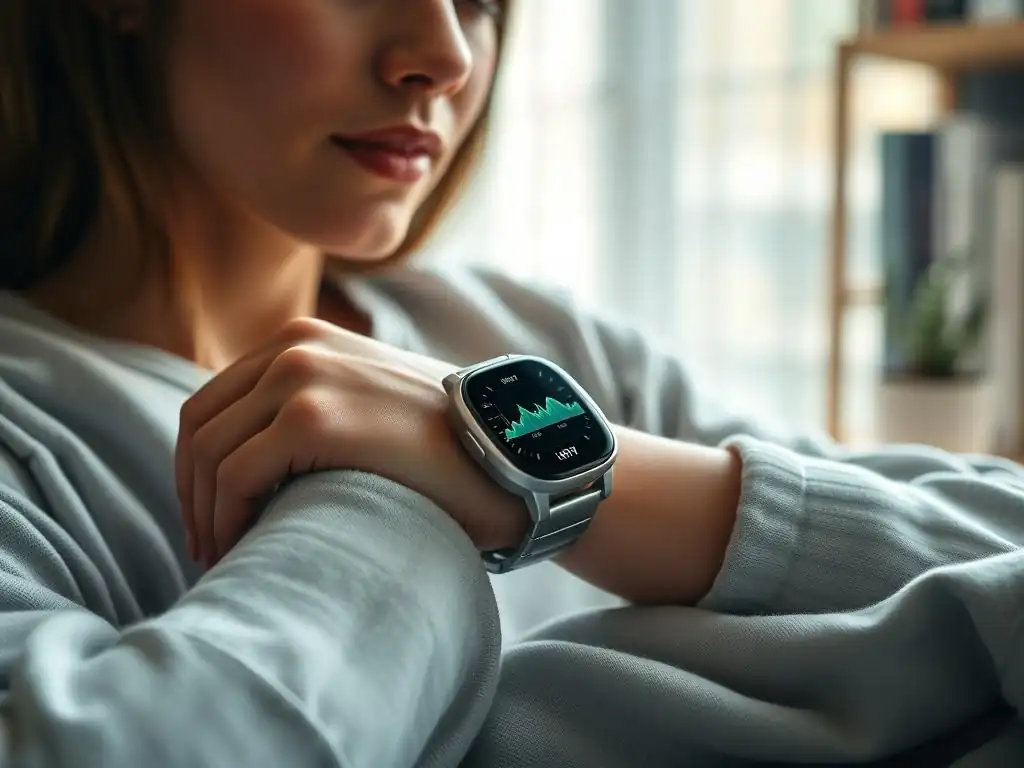
Welcome to Mind Care Guide, your sanctuary for nurturing mental well-being.
Feeling overwhelmed by the constant demands of modern life? Are you curious about what your wearable is actually telling you about your stress levels? In this article, we delve into Wearable Stress Data Wellbeing, exploring how understanding and utilizing the information from your devices can unlock powerful insights into your mental state. Discover practical strategies to transform those data points into actionable steps towards a calmer, more balanced you. Ready to take control of your wellbeing? Let's begin.
- How to Use Your Wearable Stress Data for Better Mental Wellbeing | Mind Care Guide
- Deciphering Your Wearable's Stress Metrics: A Comprehensive Guide
- Actionable Strategies: Using Stress Data to Improve Mental Wellbeing
- Choosing the Right Wearable: Matching Technology to Your Needs
- Beyond the Data: Combining Wearable Insights with Professional Guidance
- Conclusion: Empowering Your Mental Wellbeing with Wearable Stress Data
- Frequently Asked Questions
- Final Reflection: Weaving Wearable Data into the Tapestry of Wellbeing
- Unlock Your Inner Calm: Actionable Steps to Better Mental Wellbeing
How to Use Your Wearable Stress Data for Better Mental Wellbeing | Mind Care Guide
Introduction: Understanding Stress and the Role of Wearable Tech
Stress is a natural part of life, but chronic or overwhelming stress can significantly impact our mental and physical health. Understanding our personal stress responses is the first step towards managing them effectively. Traditional methods of tracking stress often rely on subjective self-reporting, which can be influenced by mood or memory. This is where objective data comes in, offering a more consistent picture of our physiological state. The pursuit of improved wearable stress data wellbeing involves leveraging technology to gain deeper insights into our body's reaction to daily pressures.
The past decade has seen a remarkable rise in wearable technology, moving beyond simple step counting to sophisticated health monitoring. Devices worn on the wrist, finger, or even ear can now capture a wealth of physiological data points related to stress. These include heart rate variability (HRV), skin conductance, and sleep patterns. This technological advancement provides individuals with unprecedented access to personal health metrics, transforming how we approach stress management. Utilizing this wearable stress data for wellbeing empowers individuals to move from reactive stress coping to proactive stress prevention and management.
Linking the data captured by these devices to improved mental health involves more than just looking at numbers. It's about identifying patterns, understanding triggers, and implementing targeted strategies. For instance, noticing a consistent dip in HRV during specific work meetings might indicate that this situation is a significant stressor.
Armed with this insight, an individual can explore techniques like mindful breathing before or after the meeting. This data-driven approach personalizes stress management, making interventions more effective and fostering a greater sense of control over one's mental state. The goal is to translate raw wearable stress data wellbeing into tangible improvements in daily life.
Deciphering Your Wearable's Stress Metrics: A Comprehensive Guide
Understanding Key Stress Metrics from Wearables
Heart Rate Variability (HRV) is one of the most commonly used metrics by wearables to estimate stress and recovery. It measures the variation in time between consecutive heartbeats. A higher HRV generally indicates a more relaxed state and a well-functioning autonomic nervous system (ANS), which regulates involuntary bodily functions like heart rate and digestion.
Conversely, a lower HRV can signal stress, fatigue, or illness, suggesting the ANS is working harder to maintain stability. Many wearables provide an HRV score or status; for example, some devices might show a daily average HRV ranging from 20 milliseconds (ms) to over 100ms, with typical healthy ranges varying significantly between individuals but generally higher values being associated with better resilience. Understanding your baseline HRV is key to interpreting changes.
Skin Conductance, also known as Electrodermal Activity (EDA), measures tiny changes in the electrical conductivity of your skin, which are influenced by sweat gland activity. Sweat glands are controlled by the sympathetic nervous system, part of the ANS that is activated during stress responses. An increase in skin conductance can indicate a physiological stress reaction.
Devices like the Fitbit Sense use EDA sensors to detect these micro-changes, often prompting users to log their emotional state during these periods to help them connect physiological signals with feelings. While EDA is a more immediate indicator of acute stress or emotional arousal, tracking it over time can reveal patterns related to specific situations or thoughts, contributing valuable wearable stress data for wellbeing analysis.
Resting Heart Rate (RHR) is the number of times your heart beats per minute while you are at rest, typically measured during sleep or immediately upon waking. While RHR is influenced by many factors, including fitness level, a sustained increase in your typical RHR baseline can be a sign of physical or mental stress, poor sleep, or impending illness.
For example, if your usual RHR is around 60 bpm and it consistently rises to 68-70 bpm for several days without a clear reason like increased exercise, it might indicate an elevated stress load or inadequate recovery. Monitoring RHR trends provides a foundational piece of wearable stress data for wellbeing, offering insight into your body's overall state of rest and recovery.
Sleep quality data, including duration, sleep stages (light, deep, REM), and disturbances, is intrinsically linked to stress. Poor sleep can be both a cause and a symptom of stress. Wearables track sleep patterns using a combination of movement and heart rate data. Analyzing this data can highlight how stress is impacting your sleep.
For instance, high stress levels might correlate with increased time spent in light sleep, reduced deep or REM sleep, or more frequent awakenings during the night. Many devices provide a sleep score (e.g., out of 100), where lower scores often align with periods of higher reported stress or reduced recovery metrics. Understanding this connection is vital, as improving sleep is a powerful strategy for enhancing overall wearable stress data wellbeing.
Interpreting Your Data: Identifying Stress Patterns
Interpreting your wearable stress data wellbeing starts with identifying daily triggers. Pay attention to when your stress metrics, such as a dip in HRV or a spike in EDA, fluctuate throughout the day. Do you consistently see elevated stress scores during your morning commute, right before a challenging meeting, or during interactions with certain individuals?
Many apps associated with wearables allow you to annotate your data, adding context like "difficult conversation," "tight deadline," or "skipped lunch." Over time, this practice helps you correlate specific events or situations with your physiological stress response, making abstract data points concrete and actionable. This process is crucial for recognizing the immediate sources of stress in your life.
Beyond daily fluctuations, analyzing your wearable stress data wellbeing over longer periods—weeks, months, or even a year—can reveal chronic stress trends. Are your average daily stress scores consistently high? Is your baseline HRV gradually decreasing?
These long-term patterns can indicate that you are experiencing chronic stress, which may not always feel obvious subjectively because the body adapts. For example, reviewing three months of data might show that your average RHR has slowly crept up by 5 bpm, or your sleep efficiency has dropped from 90% to 82%. Identifying these trends is critical because chronic stress is associated with numerous health problems, including anxiety, depression, and cardiovascular issues.
Many popular wearables offer specific tools for interpreting stress data. Garmin Connect, for instance, provides a "Stress Score" calculated from HRV data, presented on a scale typically from 0 to 100, where lower numbers indicate lower stress. The app visualizes your stress levels throughout the day, highlighting periods of rest and activity.
It also tracks your "Body Battery," a metric combining stress, HRV, sleep, and activity data to estimate your energy reserves. Analyzing trends in your Stress Score and Body Battery within the Garmin Connect platform can help you see how different activities, sleep patterns, and daily events impact your physiological stress load and recovery, offering actionable insights for improving your wearable stress data wellbeing.
While comparing your wearable stress data wellbeing to population averages can provide some context, it's essential to approach this with caution. Wearable metrics like HRV are highly individual and influenced by factors like age, fitness level, genetics, and lifestyle. What is a "normal" HRV for one person might be low for another.
Some apps might show how your metrics compare to users in your age group, but this is often based on aggregated, anonymized data and should not be used as a definitive measure of your health or stress level. The most valuable comparison is against your own baseline data over time. Focus on identifying significant deviations or trends unique to your physiology rather than striving to match an arbitrary population average.
Actionable Strategies: Using Stress Data to Improve Mental Wellbeing

Implementing Data-Driven Stress Reduction Techniques
Using your wearable stress data wellbeing insights can help tailor stress reduction techniques for maximum effectiveness. For example, if your wearable consistently shows elevated stress levels during quiet periods at home, it might suggest mental rumination rather than external triggers. This could indicate that mindfulness and meditation are particularly beneficial for you.
Some apps integrate with wearables to offer guided meditation sessions when high stress is detected, or they allow you to track how meditation impacts your stress metrics in real-time. Setting a goal to meditate for 10 minutes each time your stress score exceeds a certain threshold, based on your wearable data, is a direct application of data-driven stress management.
Breathing exercises are a powerful tool for regulating the autonomic nervous system and can be guided by wearable stress data wellbeing. Devices that track HRV or respiratory rate can provide biofeedback, showing you how your breathing patterns affect your physiological state. Slow, deep breathing typically increases HRV, signaling a shift towards the parasympathetic nervous system (the "rest and digest" state).
If your wearable indicates high stress, practicing paced breathing (e.g., 4 seconds inhale, 6 seconds exhale) while observing your real-time stress metrics can help you see the immediate impact of the technique. Many wearables offer guided breathing exercises, often prompting you when stress levels rise, turning data points into prompts for calming action.
Physical activity is well-known for its stress-reducing benefits, but your wearable stress data wellbeing can help you tailor your workouts. While intense exercise can temporarily lower HRV, consistent moderate exercise over time typically improves baseline HRV and overall stress resilience. If your data shows high stress and low recovery, opting for a gentle yoga session or a leisurely walk instead of a high-intensity interval training (HIIT) workout might be more beneficial for your nervous system on that particular day.
Conversely, if your data shows good recovery, a more vigorous workout could be appropriate. Monitoring how different types and intensities of exercise impact your stress and recovery metrics helps you optimize your physical activity for both fitness and mental wellbeing.
Optimizing sleep quality based on wearable stress data wellbeing is a fundamental strategy. Your wearable provides objective data on your sleep duration, efficiency, and stages. If your data consistently shows insufficient deep sleep or frequent awakenings, it suggests your sleep is not restorative, which can exacerbate stress.
Actionable steps based on this data might include setting a consistent bedtime, reducing screen time before sleep (as indicated by poorer sleep quality on nights with late device use), or optimizing your bedroom environment. For example, if your data shows disturbed sleep on nights you consume caffeine late, the data supports adjusting that habit. Using the sleep score or detailed sleep stage data to track the impact of these lifestyle changes provides concrete evidence of their effectiveness.
Lifestyle Adjustments Based on Your Wearable Stress Data
Managing workload and prioritizing tasks becomes more strategic when informed by wearable stress data wellbeing. If your data shows consistently high stress levels during demanding work weeks, it signals a need for better workload management. This could involve setting clearer boundaries between work and personal life, delegating tasks, or practicing time-blocking techniques.
For instance, if your stress metrics peak consistently between 3 PM and 5 PM, you might schedule breaks or less demanding work during that time. The data doesn't solve the problem, but it provides objective evidence that can motivate you to make necessary adjustments to your schedule and priorities to reduce chronic strain.
Improving communication and relationships can be indirectly supported by wearable stress data wellbeing. While a wearable can't measure relationship quality, it can show how interactions with certain people or situations affect your physiological stress. If you notice a consistent spike in stress metrics after specific social engagements or difficult conversations, it's a cue to reflect on those interactions.
This might prompt you to work on communication skills, set healthier boundaries, or seek support if a relationship is causing significant chronic stress. The data serves as an objective signal that a situation is physiologically taxing, encouraging you to address the underlying issue for better mental wellbeing.
Creating a relaxing home environment is another area where wearable stress data wellbeing can provide guidance. If your stress levels remain elevated even when you are home, it might indicate that your living space isn't as conducive to relaxation as it could be. You might notice your stress score drops significantly when you spend time in a particular room or engage in a specific relaxing activity at home.
This data can encourage you to invest more time in creating a calming space, whether it's decluttering, adding plants, adjusting lighting, or setting aside a specific area for relaxation. Using your data to identify when and where you feel most relaxed helps you intentionally cultivate those conditions at home.
Healthy eating habits also impact stress levels, and while wearables don't typically track diet directly, your wearable stress data wellbeing might show correlations. For example, you might notice higher stress scores or lower HRV on days when you consume excessive sugar, caffeine, or processed foods. Conversely, consuming balanced meals might correlate with better stress metrics and recovery scores.
While this connection requires careful self-observation alongside the data, recognizing potential dietary impacts on your physiological stress can motivate you to make healthier food choices, which in turn supports better mental wellbeing. The data acts as a subtle indicator of how internal factors influence your stress response.
-
Case Study: How Data Helped Identify and Address Workplace Stress.
Sarah, a project manager, used a wearable that tracked her stress score, HRV, and sleep. Initially, she felt generally stressed but couldn't pinpoint why. After analyzing her wearable stress data wellbeing for a month, she noticed a clear pattern: her stress score consistently spiked every Tuesday morning during the weekly team meeting, and her HRV significantly dropped on those days. Furthermore, her sleep quality was often poor the night before.
- Data Insight: The data clearly indicated the team meeting was a major stressor.
- Action Taken: Sarah started practicing deep breathing exercises for 5 minutes before the meeting, using a guided session on her wearable. She also discussed the meeting structure with her manager, suggesting a slight change in format.
- Result: Within a few weeks, her wearable data showed a noticeable reduction in the stress spike during the Tuesday meeting, and her HRV on those days began to improve. This data-driven approach helped her identify a specific trigger and implement targeted, effective strategies, significantly improving her overall wearable stress data wellbeing related to work.
Choosing the Right Wearable: Matching Technology to Your Needs
Comparing Top Wearable Stress Trackers
The Fitbit Sense 2 is a popular choice for comprehensive health tracking, including advanced stress management features. It utilizes an EDA sensor (called the Body Response sensor) to detect physiological signs of stress throughout the day, not just during spot checks. It also tracks HRV, resting heart rate, and sleep, integrating these metrics into a daily Stress Management Score and providing reflections on how you cope with stress. Its focus on continuous EDA monitoring makes it particularly useful for identifying subtle stress triggers as they occur, contributing significantly to understanding your wearable stress data wellbeing.
The Garmin Vivosmart 5 offers a more discreet form factor while still providing robust stress tracking. It calculates a continuous stress score based on HRV data, displaying it on the device and within the Garmin Connect app. It also features the "Body Battery" metric, which helps users understand their energy levels based on stress, recovery, and activity. While it lacks an EDA sensor, its consistent HRV-based stress monitoring and integration with other activity and recovery data points make it a strong contender for tracking overall physiological stress load and informing your wearable stress data wellbeing.
The Whoop 4.0 takes a different approach, focusing heavily on recovery and performance optimization, with stress being a key component. It tracks HRV, resting heart rate, respiratory rate, and sleep accurately. Whoop's algorithm provides a daily "Recovery" score and "Strain" score, helping users understand their body's readiness. While it doesn't give a moment-to-moment stress score like some others, its detailed recovery analytics are directly linked to managing physiological stress and can provide deep insights into how lifestyle choices impact your overall wearable stress data wellbeing. It operates on a subscription model.
The Apple Watch Series 9, while not solely focused on stress, integrates well with mental wellness apps and offers key metrics. It tracks HRV (measured intermittently) and resting heart rate. The watch's Mindfulness app includes breathing exercises and reflections. Third-party apps can leverage the health data collected by the Apple Watch to provide more specific stress insights or guided interventions. Its strength lies in its versatility and integration within the Apple ecosystem, allowing users to connect their health data with a wide range of mental wellness tools to support their wearable stress data wellbeing.
The Muse S (Gen 2) is specifically designed for meditation and sleep, using EEG (brainwave sensing) technology. While not a traditional all-day stress tracker, it excels at providing real-time biofeedback during meditation, showing you how calm your mind is and guiding you towards a more relaxed state. It also offers sleep tracking features. For individuals whose primary stress management technique is meditation, the direct brainwave feedback offered by Muse provides a unique level of insight into the effectiveness of their practice, complementing other wearable stress data wellbeing tools focused on physiological signals.
The Oura Ring offers discreet, continuous tracking of key health metrics from the finger, including HRV, resting heart rate, respiratory rate, and body temperature, primarily focusing on sleep and recovery. Its "Readiness Score" is a comprehensive metric incorporating sleep, recovery, and activity, providing a daily snapshot of your body's capacity to handle stress and perform. While it doesn't offer real-time stress detection throughout the day like EDA-based devices, its focus on overnight recovery metrics provides crucial insights into how well your body is bouncing back from daily stressors, contributing valuable context to your overall wearable stress data wellbeing.
Factors to Consider When Choosing a Wearable for Stress Management
When selecting a wearable to help with your wearable stress data wellbeing, the accuracy of the stress metrics is paramount. Different devices use varying methodologies to calculate stress scores or interpret physiological signals like HRV and EDA. Research reviews often compare the accuracy of these sensors against clinical-grade equipment, though it's important to remember that consumer wearables are not medical devices. Look for devices from reputable brands with established track records in health tracking. While perfect accuracy is elusive, consistency in measurement is key for identifying personal trends over time.
Battery life and comfort significantly impact how consistently you can wear the device and, therefore, the quality and completeness of your wearable stress data wellbeing. A device that needs charging daily might miss overnight recovery data, which is crucial for stress analysis. Consider how the device feels on your wrist or finger during different activities and sleep. A comfortable device you can wear continuously ensures you capture a full 24/7 picture of your physiological responses, providing more reliable data for identifying stress patterns and evaluating the effectiveness of your management strategies.
Compatibility with your smartphone and the associated app is essential for accessing and interpreting your wearable stress data wellbeing. Ensure the wearable works seamlessly with your iOS or Android device. The accompanying app is where you'll view your data, track trends, receive insights, and potentially access guided exercises. A user-friendly and informative app enhances the value of the hardware, making it easier to understand your metrics and take action based on them. Look for apps that present data clearly and offer actionable insights rather than just raw numbers.
Subscription costs and data privacy are critical considerations. Some wearables require a monthly or annual subscription fee to access the full suite of features, including detailed stress analysis, historical data, and personalized insights (e.g., Whoop, Oura, some Fitbit features). Factor these ongoing costs into your decision. Furthermore, understand how your health data is collected, stored, and used. Read the privacy policy carefully to ensure you are comfortable with how your sensitive wearable stress data wellbeing is handled and protected.
Finally, consider the features and functionality that are most relevant to your specific needs for wearable stress data wellbeing. Are you primarily interested in real-time stress detection throughout the day (like with EDA)? Or are you more focused on understanding how well you recover from stress overnight (like with HRV and sleep-focused devices)? Do you want guided breathing exercises or meditation built into the app? Do you need GPS for tracking outdoor activities alongside stress? Prioritize the features that align with your goals for using wearable technology to improve your mental wellbeing.
Beyond the Data: Combining Wearable Insights with Professional Guidance

When to Seek Professional Help
While wearable stress data wellbeing provides valuable insights, it's crucial to recognize its limitations. Wearables are tools for monitoring, not diagnosing. If your data consistently indicates high stress levels, poor recovery, or disrupted sleep over a prolonged period (e.g., several weeks or months), and these patterns correlate with subjective feelings of being overwhelmed, anxious, or depressed, it might be a sign of chronic stress or burnout. Recognizing these persistent signs, coupled with feelings of exhaustion, detachment, or reduced performance, indicates that professional help is necessary. Don't rely solely on the numbers; listen to your body and mind.
The importance of therapy and counseling cannot be overstated when dealing with significant or chronic stress and mental health challenges. Therapists and counselors are trained to help you understand the root causes of your stress, develop effective coping mechanisms, and address underlying issues like anxiety or depression. They provide a safe space to explore your feelings and experiences. Wearable data can complement therapy by providing objective information about your physiological state, but it is never a replacement for the guidance and support offered by a qualified mental health professional. Seeking help is a sign of strength, not weakness.
Integrating wearable stress data wellbeing into therapy sessions can be a powerful approach. With your consent, sharing insights from your wearable data (like stress scores, HRV trends, or sleep patterns) can provide your therapist with an objective view of how your body is responding. For example, showing your therapist that your stress score consistently spikes before therapy sessions might indicate anxiety about opening up.
Or, demonstrating that your sleep quality improves on weeks you implement coping strategies discussed in therapy provides tangible evidence of progress. This data can help your therapist tailor interventions, track the effectiveness of strategies, and gain a more complete picture of your daily experience of stress.
Leveraging Wearable Data for Proactive Mental Healthcare
Sharing your wearable stress data wellbeing with your doctor or therapist, with proper consent and consideration for privacy, can enhance proactive mental healthcare. While not all healthcare providers are familiar with wearable data, bringing it to appointments can open discussions about your stress levels and overall wellbeing. For example, consistent high stress scores or low HRV might prompt your doctor to consider stress-related factors during routine check-ups or when discussing symptoms like headaches or digestive issues. It provides an additional data point that can contribute to a more holistic understanding of your health.
Personalized treatment plans can potentially be informed by objective wearable stress data wellbeing. If a healthcare provider incorporates this data, they might use it to help tailor recommendations. For instance, if your data shows that your stress levels are particularly high in the mornings, a therapist might suggest specific morning routines or coping techniques. If your sleep data reveals significant disturbances linked to stress, a doctor might explore sleep hygiene strategies or rule out underlying sleep disorders. The data helps move beyond general advice to strategies specifically relevant to your physiological responses and patterns.
Monitoring progress and adjusting strategies is where wearable stress data wellbeing shines in a proactive healthcare context. Once you implement lifestyle changes, stress reduction techniques, or therapeutic strategies, your wearable data can provide objective feedback on their effectiveness. Are your stress scores decreasing over time? Is your HRV improving? Is your sleep becoming more restorative? Tracking these metrics allows you and your healthcare provider to see what's working and adjust strategies that aren't yielding the desired results. This continuous feedback loop empowers you to take an active role in managing your mental wellbeing based on tangible data.
Conclusion: Empowering Your Mental Wellbeing with Wearable Stress Data
The future of wearable technology and mental health is promising, with devices becoming more sophisticated in capturing subtle physiological signals related to stress and emotional states. As algorithms improve and data integration becomes more seamless, wearables have the potential to offer even more personalized insights and timely interventions. Imagine a future where your wearable not only detects rising stress but also prompts you with a personalized coping strategy proven effective for you, based on your historical wearable stress data wellbeing. This evolution promises to make mental wellness support more accessible and integrated into our daily lives.
Taking control of your stress and improving your quality of life is the ultimate goal of using wearable stress data wellbeing. By understanding your physiological responses to stress, identifying your personal triggers and patterns, and implementing data-informed strategies, you gain a powerful advantage in managing your mental health. The data from your wearable is not just a set of numbers; it's a window into your body's internal state, providing objective feedback that can guide you towards healthier habits and more effective coping mechanisms. Empowering yourself with this knowledge is a significant step towards a more balanced and resilient life.
Remember, however, that wearables are tools to support your mental wellbeing journey, not replacements for professional care. While wearable stress data wellbeing can provide valuable insights and help you monitor your progress, they cannot diagnose mental health conditions or substitute the expertise of doctors, therapists, or counselors. If you are struggling with significant or chronic stress, anxiety, depression, or any other mental health challenge, please seek help from a qualified professional. Use your wearable data as a complement to professional guidance and self-care practices, building a comprehensive approach to nurturing your mental health.
Frequently Asked Questions
How can wearable devices track my stress levels?
Wearable devices use sensors to monitor physiological indicators like heart rate variability (HRV), skin conductance, and sleep patterns, which can indicate stress levels. Algorithms then analyze this data to provide an estimated stress score.
What does "wearable stress data wellbeing" actually mean?
It refers to using the data gathered by wearable devices about your stress levels to actively improve your mental and emotional wellbeing. This involves understanding your stress triggers and developing coping mechanisms.
How can I use the data from my wearable device to improve my wellbeing?
By identifying patterns in your stress data, you can pinpoint specific situations or times of day that trigger stress. This awareness allows you to implement stress management techniques, like mindfulness or breathing exercises, proactively.
Are wearable devices accurate in measuring stress?
While wearable devices can provide valuable insights, they aren't perfect. They offer an estimation of stress levels and should be used as a tool for self-awareness, not a definitive diagnosis.
What are some potential drawbacks of relying on wearable stress data?
Over-reliance on data can lead to anxiety about stress levels themselves. It's important to use the data as a guide and not become obsessed with achieving a perfectly stress-free life, which is unrealistic.
Final Reflection: Weaving Wearable Data into the Tapestry of Wellbeing
The ability to quantify stress, once a distant dream, is now a tangible reality thanks to advancements in wearable technology. This data, however, is only as useful as our understanding and application of it. This article has explored how to effectively utilize the insights gleaned from wearable stress monitors to cultivate a more mindful and balanced approach to mental wellbeing. The potential for positive change is immense.
The impact of readily available stress data is profound, shifting the conversation from vague feelings of anxiety to concrete, measurable patterns. This allows for a more proactive and personalized approach to mental health management. It's no longer about guessing what triggers stress; it's about seeing it unfold in real-time and understanding the nuances of our individual responses. The greatest discovery of all time is that a person can change his future by merely changing his attitude.
– Oprah Winfrey. This quote resonates deeply because wearable data empowers us to actively change our attitudes towards stress by providing the knowledge to make informed choices.
Now, consider your own relationship with stress. What patterns have you observed in your own wearable data? What small, actionable steps can you take today to address the insights you've gained? Perhaps it's scheduling a mindful break during a period of high stress, or adjusting your sleep schedule based on the correlation between sleep quality and stress levels. Embrace this opportunity to actively participate in your mental wellbeing journey. The power to shape a healthier, happier you lies within your grasp, one data point at a time.
Unlock Your Inner Calm: Actionable Steps to Better Mental Wellbeing
Thanks for taking the time to explore how your wearable data can help improve your mental health! We hope you discovered valuable insights into managing stress and understanding your body's signals. Now, it's time to put that knowledge into action.
- Prioritize one stress-reducing technique: Based on your data and the article's suggestions, choose one specific strategy (meditation, exercise, journaling, etc.) to focus on this week. Track your progress and see how it impacts your wearable readings.
- Share your journey: Connect with others on social media and share your experience using #MindCareData. Let's build a supportive community around wearable tech and mental wellbeing!
- Dive deeper: Explore the Mind Care Guide website for more articles and resources to support your mental health journey. We're here to help you on this path.
What small step will you take today to improve your mental wellbeing based on your wearable data insights?