
Wearable Stress Trackers: Do They Really Work? Accuracy Explored


Welcome to Mind Care Guide, your trusted companion on the journey to mental well-being.
Feeling overwhelmed by stress? You're not alone. We understand the challenges in managing daily pressures. That's why we're diving deep into the world of wearable technology. Are those sleek wearable stress trackers truly accurate, or just another gadget promising too much? Join us as we explore the accuracy of these devices and uncover whether they can genuinely help you navigate the complexities of stress management. Let's find out together!
Wearable Stress Trackers: Do They Really Work? Accuracy Explored
- Understanding Wearable Stress Trackers and Their Role in Mental Well-being
- Wearable Stress Tracker Accuracy Review: Unveiling the Truth
- Comparing Top Wearable Stress Trackers: Features and Accuracy
- Real-World Case Studies: Wearable Stress Trackers in Action
-
Maximizing the Benefits of Wearable Stress Trackers for Mental Wellness
- Interpreting Your Stress Data: Understanding HRV and Other Metrics
- Combining Wearable Data with Other Stress Management Techniques (Meditation, Exercise, Therapy)
- Setting Realistic Expectations: Wearable Stress Trackers as a Tool, Not a Solution
- The Role of Professional Guidance: When to Seek Help from a Mental Health Professional
- Choosing the Right Wearable Stress Tracker for Your Needs
- Wearable Stress Trackers: Potential Downsides and Ethical Considerations
- Conclusion: Are Wearable Stress Trackers Worth It?
-
Frequently Asked Questions
- How accurate are wearable stress trackers in measuring stress levels?
- What physiological indicators do wearable stress trackers typically monitor?
- Can wearable stress trackers be used as a substitute for professional mental health assessment?
- What are the limitations of using wearable stress trackers for stress management?
- What should individuals consider when choosing a wearable stress tracker?
- Final Reflection: The Evolving Landscape of Wearable Stress Management
- Unlock Your Inner Calm: Take Control of Your Stress
Understanding Wearable Stress Trackers and Their Role in Mental Well-being
What is a Wearable Stress Tracker and How Does It Work?
A wearable stress tracker is a personal electronic device, typically worn on the wrist, that monitors various physiological signals to provide insights into a user's stress levels. These devices don't directly measure the subjective feeling of stress itself, which is a complex psychological and emotional state.
Instead, they measure physiological indicators that are known to change in response to stress, such as heart rate variability (HRV), resting heart rate (RHR), skin temperature, and electrodermal activity (EDA), also known as skin conductance. Sophisticated algorithms process this raw data to generate a score, graph, or other representation intended to reflect the user's stress state over time.
The core technology often relies on optical heart rate sensors (photoplethysmography or PPG) to capture heart rate and HRV. HRV, in particular, is a key metric, measuring the variation in time between consecutive heartbeats. Higher HRV is generally associated with a more relaxed state and better autonomic nervous system regulation, while lower HRV is often linked to stress, fatigue, or illness.
Some advanced trackers also include EDA sensors, which measure tiny changes in sweat gland activity on the skin's surface, another physiological response triggered by the sympathetic nervous system during stress or emotional arousal. By combining data from multiple sensors and potentially factoring in activity levels and sleep patterns, these devices aim to offer a holistic view of how a user's body is responding to daily demands.
The Growing Demand for Stress Monitoring Technology
In today's fast-paced world, stress is a pervasive issue affecting millions globally. According to a 2023 survey by the American Psychological Association, 68% of U.S. adults reported stress levels of 4 or more on a 10-point scale, indicating moderate to high stress. This widespread experience has fueled a significant interest in tools that can help individuals understand and manage their stress more effectively. Wearable stress tracking technology has emerged as a promising avenue, offering continuous, passive monitoring that can provide users with objective data about their body's stress responses throughout the day and night.
The appeal lies in the potential for self-awareness and proactive management. By seeing how specific activities, environments, or even thoughts correlate with changes in their physiological stress indicators, users can gain valuable insights into their personal stress triggers. This data can empower individuals to make informed decisions about lifestyle adjustments, time management, or the adoption of stress-reducing practices like mindfulness or exercise. The market for these devices has grown substantially, reflecting a desire for data-driven approaches to mental wellness and a greater public awareness of the physical toll chronic stress can take.
Mind Care Guide's Perspective on Stress Management and Wearable Tech
At Mind Care Guide, we view wearable technology, including stress trackers, as potentially valuable tools within a broader framework of mental well-being. Our perspective is that these devices can serve as helpful aids for self-awareness and motivation, providing objective data points that complement subjective feelings and traditional stress management strategies. We emphasize that while these trackers offer fascinating insights into physiological responses, they are not diagnostic tools and do not replace the guidance of mental health professionals.
We believe that a responsible approach to using wearable stress trackers involves understanding their limitations and integrating the data they provide thoughtfully. For example, a wearable stress tracker accuracy review is crucial to setting realistic expectations about what the device can actually measure.
Data from a wearable should ideally be used as a conversation starter with oneself or a professional, prompting reflection on potential stressors and effective coping mechanisms. Mind Care Guide advocates for a balanced view, seeing wearables as supportive technology that, when used mindfully alongside established practices like therapy, meditation, and healthy lifestyle choices, can contribute positively to a user's journey towards better mental health.
Wearable Stress Tracker Accuracy Review: Unveiling the Truth
How Accurate Are Wearable Stress Trackers at Measuring Stress Levels?
The accuracy of wearable stress trackers is a complex topic because, as mentioned, they don't directly measure stress itself but rather physiological correlates like HRV and EDA. The accuracy of the sensors in measuring these physiological signals can be reasonably high under ideal conditions. For instance, optical heart rate sensors used for HRV can achieve accuracy comparable to chest straps in controlled, non-motion environments, often within a few percentage points.
However, accuracy can decrease significantly during vigorous exercise or if the device fit is poor. EDA sensors are generally sensitive to changes in skin conductance, which are indeed linked to sympathetic nervous system activity.
Where the challenge arises is in translating these raw physiological data points into a meaningful "stress score" or state. The algorithms used by different manufacturers vary significantly and are often proprietary. Validating these algorithms against established psychological stress assessments (like questionnaires) or laboratory-induced stress protocols yields mixed results. While studies often show a correlation between wearable metrics (especially low HRV and high EDA) and self-reported stress or stressful events, this correlation is not perfect.
A low HRV might indicate stress, but it could also signal illness, lack of sleep, or recent intense exercise. Therefore, the accuracy of a wearable stress tracker's interpretation of your physiological state as "stressed" is better understood as its ability to reflect physiological changes associated with stress, rather than a precise reading of your emotional state. A thorough wearable stress tracker accuracy review must consider both sensor precision and algorithmic interpretation.
Factors Affecting the Accuracy of Stress Tracking Wearables
Several factors can significantly influence the accuracy of the data collected by wearable stress trackers and the subsequent interpretation of stress levels. One major factor is the individual wearer: physiological responses to stress vary widely from person to person. What causes a significant HRV drop in one person might have a minimal effect on another. Lifestyle factors such as sleep quality, hydration, caffeine intake, alcohol consumption, recent exercise, and even diet can all impact physiological metrics like HRV and RHR, potentially being misinterpreted as stress by the algorithm if not accounted for.
Environmental conditions also play a role. Temperature and humidity can affect EDA readings. The fit of the wearable device is critical; a loose fit can lead to inaccurate heart rate and HRV data due to motion artifact. Furthermore, the sophistication and specific metrics used by the device's algorithm are paramount.
Devices that rely solely on HRV might be less accurate than those combining HRV, RHR, EDA, sleep data, and activity levels. Finally, the user's own perception and reporting of stress are subjective and can fluctuate, making direct validation against a universal standard difficult. A comprehensive wearable stress tracker accuracy review must consider these variables, acknowledging that the "accuracy" is relative to the individual and the context.
Comparing Top Wearable Stress Trackers: Features and Accuracy
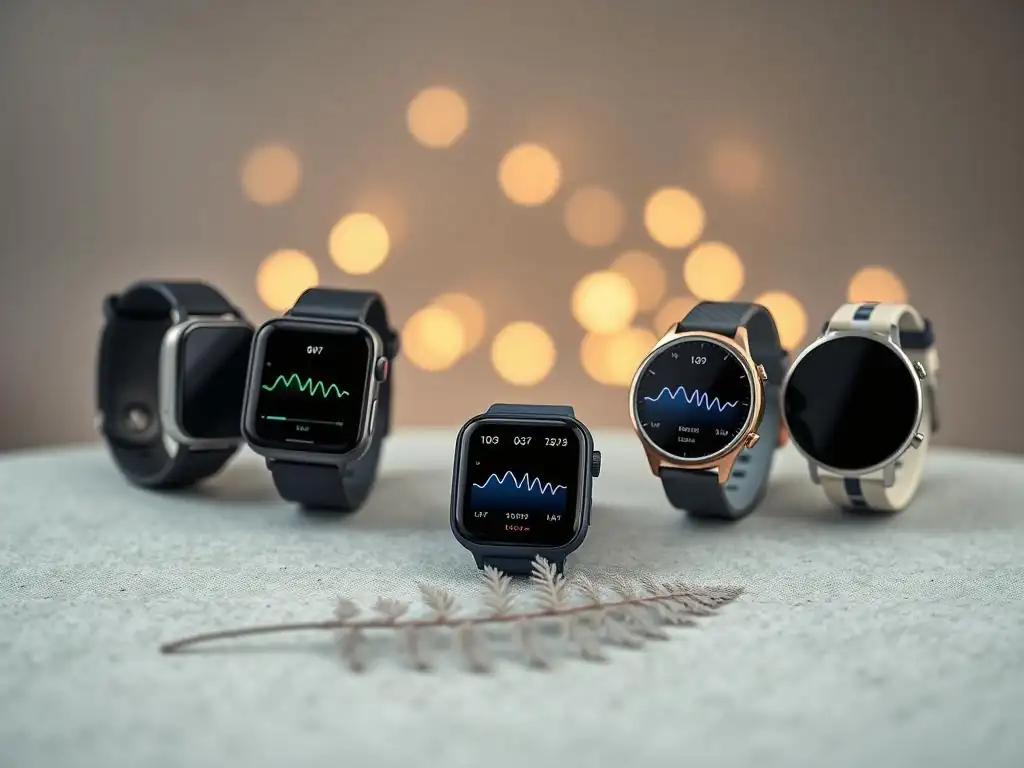
Garmin's Body Battery vs. Actual Stress: A Comparative Analysis
Garmin's Body Battery feature is a popular metric that estimates a user's energy reserves throughout the day, correlating periods of high stress or strenuous activity with depletion and rest/sleep with recharging. It primarily uses heart rate variability (HRV) data, alongside activity levels and sleep quality, to generate a score typically ranging from 1 to 100. While not a direct "stress score" in the traditional sense, Garmin explicitly links lower Body Battery scores and rapid depletion to periods of physiological stress. The idea is that stress, whether physical or mental, consumes energy, and Body Battery aims to quantify this drain.
Studies and user feedback suggest Body Battery often aligns well with subjective feelings of fatigue and stress. For example, users frequently report seeing their Body Battery drop significantly during stressful work meetings or emotionally taxing situations, and recharge during restful sleep or periods of relaxation. However, it's important to note that Body Battery is an estimation based on physiological signals.
Its accuracy in reflecting "actual stress" depends on the accuracy of the underlying HRV measurement and the proprietary algorithm's ability to correctly interpret the complex interplay of stress, activity, and recovery. A wearable stress tracker accuracy review of Body Battery would focus on how well its fluctuations correlate with known stressors and periods of recovery for the individual user.
Garmin Venu 3 Stress Tracking Features
The Garmin Venu 3 incorporates advanced features for stress monitoring, primarily through its all-day stress tracking and the Body Battery energy monitor. The device continuously measures heart rate variability (HRV) in the background, using this data to calculate an all-day stress score ranging from 0 (rest) to 100 (very high stress).
This score is displayed in the Garmin Connect app and often on the watch face, showing peaks and troughs throughout the day. The Venu 3 also offers "Relax Reminders," prompting the user to perform a guided breathing exercise if a period of high stress is detected while they are inactive.
In addition to the numerical stress score, the Venu 3 leverages the same underlying HRV data to power the Body Battery feature. This gives users another perspective on how stress, alongside physical activity and sleep, impacts their overall energy levels. The device also tracks respiration rate and pulse oximetry (blood oxygen saturation), metrics that can provide additional context when reviewing physiological responses to stress, although they are not typically the primary drivers of the stress score itself. The integration of these features aims to provide a comprehensive picture of physiological well-being and stress load.
Garmin Venu 3 Accuracy: Real-World Testing and User Reviews
Real-world testing and user reviews for the Garmin Venu 3's stress tracking and Body Battery features generally report that they provide useful insights, though precision varies. Users often find that the stress score and Body Battery fluctuations align well with their subjective experiences – seeing high stress scores during demanding tasks and Body Battery drops during stressful days or poor sleep. Many users appreciate the correlation between recorded stressful events (like important meetings or difficult commutes) and peaks in their stress graph or drops in Body Battery.
However, it's acknowledged that the metrics are indicators, not perfect measures. Some users report high stress scores during activities that don't feel stressful, or low stress scores when they feel overwhelmed. This highlights that the accuracy is dependent on the algorithm's interpretation of physiological signals, which don't always directly map to subjective emotional states.
The accuracy of the underlying HRV data itself is generally considered reliable during sedentary periods, but can be affected by movement. Overall, the consensus from a wearable stress tracker accuracy review perspective is that the Venu 3's features are effective at identifying patterns and trends in physiological stress responses over time, providing valuable self-awareness, even if momentary readings aren't always a perfect match for subjective feeling.
Body Battery Interpretation for Stress Management
Interpreting your Body Battery score effectively is key to using it as a tool for stress management. A high score (e.g., 80-100) suggests you are well-rested and have high energy reserves, potentially a good time for challenging tasks or workouts. A low score (e.g., under 25) indicates significant depletion, suggesting a need for rest or recovery.
Seeing your Body Battery drop rapidly during specific times of the day or during particular activities can help identify potential stressors. For instance, if your Body Battery consistently plummets during your commute, it might signal that your journey is a significant source of physiological stress.
The most valuable insight comes from tracking Body Battery trends over days and weeks. Consistent low scores, even after sleep, could indicate chronic stress, overtraining, or impending illness, prompting you to prioritize rest or seek professional advice. Conversely, seeing your Body Battery consistently recharge during sleep or periods of relaxation validates the effectiveness of your recovery strategies. Body Battery serves as a tangible representation of your body's energy balance, providing a data-driven nudge to listen to your body and adjust your activities and recovery efforts based on how stress and exertion are impacting your physiological reserves.
Fitbit's Stress Management Score: A Deep Dive into its Reliability
Fitbit's Stress Management Score, available on models like the Sense and Charge 5, aims to provide a daily assessment of how well your body is handling stress. It’s calculated based on three main components: Responsiveness (using heart rate, HRV, and electrodermal activity via the EDA sensor), Exertion Balance (impact of physical activity), and Sleep Patterns. The score ranges from 1 to 100, with a higher score indicating that your body is showing fewer physical signs of stress. This holistic approach attempts to capture the multifaceted nature of stress and recovery.
Reliability of the Stress Management Score depends heavily on the accuracy of the underlying sensor data and the proprietary algorithm. The EDA sensor, in particular, is a key differentiator for models like the Sense, as it directly measures physiological arousal linked to stress. Studies and user reports suggest the score often reflects periods of high demand or poor recovery, with scores dropping during busy weeks or after inadequate sleep.
However, like other metrics, it's an interpretation based on physiological signals, not a direct measure of subjective stress. A wearable stress tracker accuracy review of Fitbit's score would look at the correlation between the score and self-reported stress levels or known stressors, acknowledging that external factors and individual variability play a significant role.
Fitbit Sense 2 Stress Tracking Features (EDA Scan & HRV)
The Fitbit Sense 2 is equipped with advanced features specifically designed for stress tracking, notably the continuous electrodermal activity (cEDA) sensor and heart rate variability (HRV) monitoring. The cEDA sensor works by measuring tiny changes in skin conductance on your wrist, which are correlated with sympathetic nervous system activity – the "fight or flight" response often triggered by stress. The Sense 2 can alert you to periods of high stress detected by the cEDA sensor, prompting you to log your mood or engage in a guided mindfulness session.
In addition to cEDA, the Sense 2 tracks HRV during sleep, providing insights into autonomic nervous system balance. Lower HRV during sleep is often associated with higher stress or insufficient recovery. The device combines data from cEDA, HRV, heart rate, sleep, and activity to generate the daily Stress Management Score. It also offers reflections and guided sessions within the app, allowing users to connect their physiological data with their emotional state and practice stress-reducing techniques. These features collectively aim to provide users with objective data and tools to understand and manage their stress responses.
Fitbit Sense 2 Accuracy: Independent Studies and User Feedback
Independent studies and user feedback on the Fitbit Sense 2's stress tracking, particularly the cEDA feature, offer insights into its accuracy. Studies have shown that EDA measurements from wearables like the Sense can detect physiological responses associated with stressful stimuli in controlled environments. For example, research indicates that EDA activity captured by the Sense correlates with self-reported stress during specific tasks. User feedback often highlights that the cEDA sensor picks up physiological changes during moments of anxiety or stress, sometimes even before the user consciously recognizes the feeling.
However, it's crucial to understand the limitations. EDA is sensitive to many factors, including movement, temperature, and even applying lotion. While the cEDA sensor aims for continuous monitoring, its readings contribute to an overall score, not a moment-by-moment precise stress reading.
The Stress Management Score's accuracy in reflecting subjective stress varies among users. Some find it highly insightful and correlated with their feelings, while others report discrepancies. A wearable stress tracker accuracy review of the Sense 2 would conclude that its cEDA and HRV sensors provide valuable physiological data points strongly associated with stress, and the algorithm attempts to synthesize these into a useful score, but individual validation and context are necessary for meaningful interpretation.
Utilizing Fitbit Premium for Enhanced Stress Insights
Fitbit Premium enhances the stress insights offered by devices like the Sense 2 by providing more detailed analysis and personalized guidance. With a Premium subscription, users get a breakdown of their daily Stress Management Score, seeing how each component (Responsiveness, Exertion Balance, Sleep Patterns) contributed to the final number. This allows users to pinpoint whether stress is primarily impacting their physiological response (low HRV/high EDA), recovery from exercise, or sleep quality.
Premium also unlocks access to a wider library of guided mindfulness sessions, meditations, and breathing exercises directly integrated with the stress tracking features. For instance, if the Sense 2 detects a high stress moment, Premium can quickly suggest relevant content.
The subscription often includes more detailed historical data views, allowing users to identify long-term patterns in their stress responses and how they correlate with lifestyle changes. By providing deeper dives into the data and offering actionable tools, Fitbit Premium aims to make the Stress Management Score a more powerful and personalized tool for actively managing stress and improving overall well-being.
Apple Watch's Stress Monitoring Capabilities: Is it a Reliable Tool?
The Apple Watch approaches stress monitoring indirectly, primarily through its focus on mindfulness, heart rate variability (HRV), and resting heart rate (RHR). While there isn't a single "stress score" like on some other devices, the watch captures key physiological data that is strongly indicative of stress levels. The Breathe app (now part of the Mindfulness app) encourages users to take moments to relax, which is a direct nod to stress reduction. The watch also passively measures HRV throughout the day and, more reliably, overnight, providing valuable insights into autonomic nervous system function.
Reliability of the Apple Watch as a stress monitoring tool stems from the accuracy of its underlying heart rate and HRV sensors, which are generally considered high quality, particularly during rest. However, interpreting the data requires user effort and understanding. Low HRV trends might indicate stress, poor recovery, or illness, but the watch itself doesn't explicitly label this as "stress."
Users must look at their HRV data in the Health app and correlate it with their daily experiences. Therefore, while the Apple Watch provides accurate physiological data, its reliability as a stress monitoring tool depends on the user's ability to interpret that data in the context of their life, making a comprehensive wearable stress tracker accuracy review more about the data quality and interpretation framework than a single score.
Apple Watch Series 9 Stress Tracking Features (Mindfulness App & HRV)
The Apple Watch Series 9 supports stress awareness primarily through its physiological data collection and the Mindfulness app. It continuously monitors heart rate and, crucially, collects heart rate variability (HRV) data periodically throughout the day when you are still, and more consistently during sleep if sleep tracking is enabled. This HRV data, accessible in the Health app on your iPhone, is a key metric for understanding your body's response to stress and recovery. A declining trend in HRV can be a strong indicator of increased stress load, inadequate rest, or illness.
The Mindfulness app on the Series 9 offers guided breathing exercises and reflection prompts. While not a direct "stress reading," engaging with the Mindfulness app can help users actively manage stress in the moment. The watch also tracks resting heart rate, which can be elevated during periods of chronic stress. By reviewing trends in HRV, RHR, and activity levels in the Health app, users can gain insights into how their body is coping with daily demands, providing an indirect but data-rich approach to monitoring stress responses.
Apple Watch Series 9 Accuracy: Limitations and Strengths
The Apple Watch Series 9's strength in terms of accuracy lies in the precision of its heart rate and HRV sensors, especially when the user is relatively still. The optical heart rate sensor is generally considered highly accurate for resting and non-exercise readings, which are crucial for reliable HRV data collection. Numerous studies have validated the Apple Watch's HR and HRV accuracy against clinical standards in controlled settings, often finding strong correlation with ECG measurements.
However, the primary limitation from a wearable stress tracker accuracy review perspective is that the Apple Watch does not provide an integrated, real-time stress score or direct interpretation of stress levels based on this data. The user must actively view and interpret the HRV and RHR trends in the Health app, correlating them with their life events. While the data is accurate, the application of that data to understanding subjective stress requires user input and analysis.
Furthermore, HRV readings can be affected by movement, so the periodic daytime readings might be less consistent than overnight data. Despite this, the accuracy of the fundamental physiological data makes the Apple Watch a reliable source for metrics associated with stress.
Integrating Apple Health Data for Comprehensive Stress Analysis
Integrating Apple Watch data with the broader Apple Health ecosystem allows for a more comprehensive analysis of potential stress factors and their impact on well-being. The Health app on the iPhone serves as a central repository for data from the Apple Watch and potentially other sources (like third-party apps for meditation, sleep tracking, or nutrition). By viewing HRV, resting heart rate, sleep duration and quality, mindful minutes logged, and activity levels side-by-side, users can identify correlations that might indicate stress.
For example, a user might notice a consistent drop in HRV coinciding with a period of reduced sleep and increased work deadlines. Or they might see their resting heart rate elevate during a particularly stressful week.
The ability to see trends over weeks and months allows for a deeper understanding of how lifestyle choices, work periods, and recovery efforts impact physiological signs of stress. While the Apple Watch doesn't provide a single stress score, the richness and accuracy of the raw physiological data within the integrated Health platform offer powerful insights for those willing to actively engage with their data for a personal wearable stress tracker accuracy review.
Whoop 4.0: A Data-Driven Approach to Stress and Recovery
The Whoop 4.0 strap takes a distinctly data-driven approach to understanding the body's state, focusing heavily on recovery, sleep, and strain (activity). While it doesn't provide a direct, real-time "stress score" in the same way some other wearables do, its core metrics – Recovery, Sleep, and Strain – are deeply intertwined with how the body handles stress.
The Recovery score, in particular, is heavily influenced by heart rate variability (HRV), resting heart rate (RHR), and sleep quality, all of which are significantly impacted by physiological stress. A low Recovery score on Whoop often indicates that the body is under significant physiological load, which could be due to physical exertion, illness, or mental/emotional stress.
Whoop positions itself as a tool for optimizing performance by balancing strain (stressors, both physical and mental) with recovery. The accuracy of its insights relies on the precision of its continuous physiological data collection (HRV, RHR, respiratory rate, skin temperature) and the sophistication of its algorithms in calculating Recovery and Strain scores.
Users often report finding the Recovery score to be a reliable indicator of how well their body is prepared to handle the day's demands, frequently correlating low scores with feeling stressed, tired, or being on the verge of illness. This focus on recovery as a proxy for stress handling capability provides a unique angle in a wearable stress tracker accuracy review.
Whoop 4.0 Stress Tracking Features
Whoop 4.0's approach to stress tracking is integrated into its overall physiological monitoring system, rather than being a separate, dedicated feature. The primary metrics that indirectly reflect stress are the daily Recovery score and the analysis of sleep and strain. The Recovery score (0-100%) is calculated each morning based on your overnight heart rate variability (HRV), resting heart rate (RHR), sleep performance, and respiratory rate. A low Recovery score (in the red or yellow) indicates that your autonomic nervous system is likely under stress, whether from training, poor sleep, or psychological factors.
While Whoop doesn't give you a real-time stress level throughout the day, it does allow you to log daily behaviors and how you felt, which can be correlated with your Recovery and Strain data over time. The "Strain" metric measures cardiovascular load from both exercise and daily activities, providing insight into the stressors you are imposing on your body.
By observing how different levels of strain impact your next day's recovery, users can better understand their physiological resilience to stress. The focus is on understanding the impact of stressors on the body's ability to recover, using metrics that are highly sensitive to physiological stress responses.
Whoop 4.0 Accuracy: User Experiences and Affordability
User experiences with Whoop 4.0 generally praise its accuracy in tracking HRV, RHR, and sleep stages, which are foundational for its Recovery metric. Many users find the daily Recovery score to be highly correlated with how they feel subjectively, often accurately predicting days when they feel tired or stressed. Athletes, in particular, frequently use Whoop's data to guide training decisions, adjusting intensity based on their Recovery score, which implicitly accounts for physiological stress from various sources. The continuous, high-frequency data collection (100Hz sensor) is often cited as a strength contributing to data quality.
From a wearable stress tracker accuracy review standpoint focusing on physiological response, Whoop is considered quite accurate in measuring the underlying metrics like HRV and RHR. Its algorithmic interpretation of these metrics into a Recovery score is generally well-regarded by its user base for reflecting the body's readiness.
However, Whoop operates on a subscription model (typically around $20-30/month), which makes its affordability a consideration compared to outright purchase of other devices. While the upfront cost of the strap is minimal or included, the ongoing subscription is necessary to access the data and insights, which is a different cost structure than competitors.
Real-World Case Studies: Wearable Stress Trackers in Action
Sarah, a marketing manager, often felt overwhelmed by her demanding job but struggled to pinpoint exactly when and why her stress peaked. She started wearing a Garmin Venu 3 and noticed a consistent pattern: her Body Battery would plummet every Tuesday afternoon, coinciding with her team's intense brainstorming sessions and a tight deadline review. Her all-day stress score also showed significant spikes during these times. By conducting a personal wearable stress tracker accuracy review, she saw a clear correlation between these specific work activities and her physiological stress response as measured by the Garmin.
Armed with this objective data, Sarah implemented changes. She scheduled short walking breaks immediately after the Tuesday meetings, incorporated a 10-minute guided meditation using the watch's Mindfulness feature, and made a conscious effort to wind down more effectively on Monday evenings to start Tuesday with a higher Body Battery. Over a few weeks, she observed less drastic drops in her Body Battery on Tuesdays and slightly lower peak stress scores during the meetings. This case illustrates how wearable data can help identify specific stressors and validate the effectiveness of targeted management strategies.
Case Study 2: Leveraging Fitbit's EDA Scan to Improve Mindfulness Practices
David began using a Fitbit Sense 2 to help manage his anxiety. He was trying to incorporate daily mindfulness meditation but often felt unsure if he was truly relaxing. He started using the Sense 2's EDA Scan feature during his meditation sessions. Initially, the EDA readings during meditation were still quite active, indicating physiological arousal. This was a surprising insight from his personal wearable stress tracker accuracy review, suggesting his attempts at calming his mind weren't fully translating to a relaxed physiological state.
Working with a therapist, David adjusted his meditation technique, focusing more on somatic relaxation alongside breathwork. He continued to use the EDA Scan during these sessions. Over time, he observed a noticeable decrease in EDA activity during meditation, indicating a calmer physiological response. This objective feedback from the Fitbit's sensor helped him feel more confident in his practice and motivated him to continue. The EDA data provided a concrete, physiological marker of progress in his ability to elicit a relaxation response.
Case Study 3: Monitoring Stress Levels During Pregnancy with Apple Watch
Maria, in her second trimester of pregnancy, was concerned about the impact of stress on her health and the baby's development. She used her Apple Watch Series 9 to track her heart rate variability (HRV) and resting heart rate (RHR) via the Health app. She noticed that during weeks when she had poor sleep or faced significant personal challenges, her overnight HRV would dip noticeably, and her RHR would slightly increase – physiological signs often associated with stress. She conducted her own informal wearable stress tracker accuracy review by comparing these trends to how she felt subjectively.
While the Apple Watch didn't give her a "stress score," the consistent physiological data provided a valuable objective perspective. When her HRV dipped significantly, it served as a reminder to prioritize rest, gentle movement, and stress-reducing activities like prenatal yoga or connecting with her support system. She shared these trends with her healthcare provider, who affirmed that monitoring such physiological indicators could be a helpful part of her overall wellness plan during pregnancy. The data empowered her to be more proactive in managing her stress levels during a critical period.
Maximizing the Benefits of Wearable Stress Trackers for Mental Wellness
Interpreting Your Stress Data: Understanding HRV and Other Metrics
Effectively using a wearable stress tracker for mental wellness requires understanding the metrics it provides. Heart Rate Variability (HRV) is perhaps the most central metric for many stress trackers. A higher HRV generally indicates that your autonomic nervous system is balanced and adaptable, reflecting a state of readiness and lower physiological stress. Conversely, a lower HRV suggests that your body is potentially under stress, fatigued, or ill. Resting Heart Rate (RHR) is another key indicator; a consistently elevated RHR (compared to your baseline) can be a sign of chronic stress or insufficient recovery.
Other metrics like electrodermal activity (EDA) directly measure sympathetic nervous system arousal, showing physiological reactivity. Some devices also track respiration rate, which can increase during stress. Interpreting this data isn't just about looking at a single number; it's about observing trends over time and correlating them with your daily activities, sleep patterns, and how you feel subjectively.
For instance, seeing your HRV consistently low on weekdays but recovering on weekends can highlight work-related stress. Understanding what each metric signifies and how it relates to your overall physiological state is the first step in conducting a meaningful personal wearable stress tracker accuracy review.
Combining Wearable Data with Other Stress Management Techniques (Meditation, Exercise, Therapy)
The data from wearable stress trackers is most powerful when used in conjunction with established stress management techniques. Seeing a high stress score or low Body Battery on your wearable might serve as a prompt to engage in a planned stress-reducing activity. For example, if your tracker indicates elevated stress, it could be the perfect time to practice mindfulness meditation, go for a brisk walk (exercise is a known stress reliever), or engage in deep breathing exercises suggested by the device.
Wearable data can also provide objective feedback on the effectiveness of these techniques. By checking your stress metrics before and after a meditation session or a therapy appointment, you might observe positive changes (e.g., a slight increase in HRV or a decrease in EDA activity), reinforcing the benefit of these practices. This integration turns the wearable from a passive monitor into an active partner in your stress management journey, helping you to see the tangible impact of your efforts and motivating you to continue incorporating healthy habits into your routine.
Setting Realistic Expectations: Wearable Stress Trackers as a Tool, Not a Solution
It is crucial to approach wearable stress trackers with realistic expectations. These devices are sophisticated tools that provide valuable data about your physiological responses, but they are not a magic solution for stress. They measure indicators associated with stress, not the complex, subjective emotional experience itself. A high stress score doesn't necessarily mean you feel stressed, and conversely, you might feel overwhelmed even if your physiological metrics don't show extreme deviation, perhaps because you've developed coping mechanisms.
Thinking of your wearable as a biofeedback device can be helpful – it shows you how your body is reacting, which can increase self-awareness. However, managing stress effectively involves addressing its root causes, which often requires lifestyle changes, psychological strategies, and sometimes, professional support. A wearable stress tracker accuracy review helps in understanding precisely what the device is capable of measuring and where its limitations lie.
Relying solely on a device to manage stress risks ignoring the psychological and environmental factors that contribute to it. Use the data as a guide and a motivator, not a definitive diagnosis or the only tool in your stress management toolkit.
The Role of Professional Guidance: When to Seek Help from a Mental Health Professional
While wearable stress trackers can offer valuable insights into your physiological state, they are not a substitute for professional medical or mental health advice. If you are experiencing persistent feelings of overwhelm, anxiety, depression, or if your stress is significantly impacting your daily life, work, or relationships, it is important to seek help from a qualified mental health professional. Therapists, counselors, and psychiatrists are trained to help you understand the psychological and emotional aspects of stress, identify underlying causes, and develop effective coping strategies tailored to your specific needs.
Data from your wearable stress tracker can be a useful starting point for conversations with a professional. For example, showing your therapist trends in your HRV or Body Battery during specific periods might provide objective context to your subjective feelings. However, the professional's expertise in diagnosing conditions, providing therapeutic interventions, and offering personalized guidance is invaluable and goes far beyond what any wearable device can offer. Mind Care Guide strongly advocates for seeking professional support when needed, viewing wearable technology as a complementary tool to support, not replace, expert care.
Choosing the Right Wearable Stress Tracker for Your Needs
Key Features to Consider When Buying a Stress Tracker
When looking for a wearable stress tracker, several key features are worth considering to ensure the device meets your needs. First and foremost, examine the type of physiological data it collects – does it measure HRV, RHR, EDA, or a combination? Devices with EDA sensors (like Fitbit Sense) offer insights into sympathetic nervous system arousal during the day, while strong HRV tracking (common in Garmin, Whoop, Apple Watch) is excellent for assessing recovery and overall autonomic balance, particularly overnight.
Consider how the device presents the stress data. Do you prefer a simple daily score (Fitbit, Garmin Body Battery), detailed graphs of physiological metrics (Apple Health, Whoop), or real-time alerts? Look into the accompanying app – is it user-friendly, does it provide context for the data, and does it offer guided stress-relief features?
Battery life is also important for continuous tracking. Finally, consider comfort and style, as you'll need to wear the device consistently for meaningful data collection. A thorough wearable stress tracker accuracy review of potential devices should weigh these features against how they measure and present indicators of stress.
Understanding Your Personal Stress Triggers and Monitoring Goals
Before purchasing a wearable stress tracker, take some time to understand your personal relationship with stress and what you hope to gain from using the device. Are you trying to identify specific situations or activities that cause you stress? Do you want to see how well your body is recovering overnight? Are you hoping to find objective evidence that your stress management techniques are working? Your goals will influence which features are most important.
For example, if you want to identify real-time stressors, a device with a sensitive, continuous EDA sensor might be beneficial. If your focus is on overall recovery and how well your body is handling accumulated stress, devices emphasizing HRV and sleep quality (like Whoop or Garmin) might be more suitable.
Reflecting on your known stress triggers (e.g., public speaking, tight deadlines, lack of sleep) and how you feel during those times can help you evaluate how well a device's metrics align with your subjective experience once you start using it, forming the basis of your personal wearable stress tracker accuracy review.
Budget Considerations: Finding a Balance Between Accuracy and Affordability
Wearable stress trackers range significantly in price, from more affordable fitness bands with basic stress tracking features to high-end smartwatches and dedicated subscription-based trackers. It's important to find a balance between the desired accuracy and features and what fits within your budget. Generally, devices that collect more types of physiological data (like EDA in addition to HRV) and offer more sophisticated analysis tend to be more expensive. Dedicated trackers focused purely on health metrics (like Whoop) often come with a recurring subscription fee.
While higher-priced devices may offer more advanced sensors and algorithms, it doesn't automatically guarantee that their "stress score" will be perfectly aligned with your subjective feeling or that their wearable stress tracker accuracy review will be universally superior for every individual. Sometimes, a mid-range device that reliably tracks HRV and RHR can provide sufficient data for insightful trends. Consider the specific features that are most important for your goals and research user reviews and independent tests focused on the accuracy of those particular features on devices within your price range.
Wearable Stress Trackers: Potential Downsides and Ethical Considerations
Data Privacy Concerns: Protecting Your Personal Information
Using a wearable stress tracker involves sharing sensitive personal health data, including physiological metrics like heart rate, HRV, and potentially sleep patterns and activity levels. This data is typically collected by the device and synced to a smartphone app and often stored on the company's servers. Data privacy is a significant concern. It's crucial to understand how the company collects, stores, uses, and protects your data. Review the device manufacturer's privacy policy carefully before purchasing.
Consider where the data is stored (e.g., within your country, on cloud servers) and whether it is anonymized or encrypted. Think about who might have access to this data – is it shared with third parties for research, marketing, or other purposes? While companies state they protect user data, breaches can occur. Users should be aware of the potential risks associated with sharing such intimate health information and take steps to secure their accounts with strong passwords and enabling two-factor authentication if available.
The Risk of Over-Reliance on Technology for Stress Management
One potential downside of wearable stress trackers is the risk of becoming overly reliant on the technology to tell you how you feel. If you begin to trust the device's stress score or Body Battery more than your own internal cues (like feeling tired, irritable, or overwhelmed), you might disconnect from your body's natural signals. This can lead to ignoring intuitive feelings of stress or fatigue if the device says you are "recovered" or "not stressed," or conversely, feeling stressed simply because the device shows a high score, even if you felt fine moments before.
An over-reliance can also discourage exploring non-tech-based coping mechanisms. Stress management is a skill that involves self-awareness, emotional regulation techniques, lifestyle adjustments, and building resilience. While a wearable can provide data points, the work of managing stress happens internally and through engaging with the world. It's vital to remember that the wearable is a tool to support self-awareness and motivate action, not a replacement for developing your own capacity to understand and respond to stress.
Potential for Increased Anxiety: Obsessing Over Stress Levels
For some individuals, constantly monitoring physiological stress metrics can paradoxically increase anxiety. Checking your stress score, HRV, or Body Battery throughout the day and seeing unfavorable numbers can lead to worry, rumination, and even hyper-focus on bodily sensations. This can be particularly challenging for individuals prone to health anxiety or those who feel pressured to constantly optimize their well-being. Seeing a persistent low Recovery score, even when you feel relatively okay, might cause distress and uncertainty.
A wearable stress tracker accuracy review often highlights that these devices provide indicators of physiological response, which don't always perfectly align with subjective experience. Understanding this nuance is key to avoiding obsession. If you find yourself compulsively checking your stress data, feeling anxious about the numbers, or letting the data dictate your mood or activities in an unhealthy way, it might be beneficial to take a break from tracking or discuss your experience with a mental health professional. The goal is to use the technology to reduce stress, not become another source of it.
Conclusion: Are Wearable Stress Trackers Worth It?
Weighing the Pros and Cons of Wearable Stress Monitoring
Weighing the pros and cons of wearable stress monitoring reveals a nuanced picture. On the positive side, these devices offer objective physiological data (like HRV, RHR, EDA) that can provide valuable insights into how your body is responding to stressors and recovering. They can increase self-awareness, help identify patterns and triggers, and serve as prompts to engage in stress-reducing activities.
For many, the data provides motivation and a tangible way to track the impact of lifestyle changes on their physiological state. A thorough wearable stress tracker accuracy review can help users pick a device that aligns with their needs for reliable data.
However, there are significant drawbacks. The accuracy of translating physiological signals into a meaningful "stress score" is limited and varies between devices and individuals. They measure physiological correlates, not subjective stress itself. There's a risk of over-reliance on the technology, potentially disconnecting from internal bodily cues. The constant monitoring can also increase anxiety for some users. Data privacy is a concern, and these devices are not diagnostic tools nor a replacement for professional mental health support.
Mind Care Guide's Final Recommendation on Wearable Stress Trackers for Mental Well-being
Mind Care Guide views wearable stress trackers as potentially beneficial tools for enhancing self-awareness and supporting stress management efforts, provided they are used mindfully and with realistic expectations. Based on our wearable stress tracker accuracy review, we recommend choosing a device that accurately tracks key physiological metrics like HRV and RHR, as these provide the most reliable indicators of autonomic nervous system state. We emphasize that the data should be interpreted as insights into physiological responses associated with stress, rather than a definitive measure of your emotional state.
Our final recommendation is to use wearable stress trackers as a complement to other evidence-based stress management techniques such as mindfulness, exercise, healthy sleep habits, and, importantly, professional therapy or counseling when needed. The data can be a valuable conversation starter with yourself or a professional. Avoid becoming overly focused on the numbers; instead, use them to identify patterns and motivate positive behavioral changes. When used responsibly, wearable stress trackers can be a helpful addition to your mental well-being toolkit.
The Future of Wearable Technology in Stress Management
The field of wearable technology for stress management is rapidly evolving. Future developments are likely to focus on improving the accuracy of sensors, particularly for continuous, real-time measurement of metrics like EDA and HRV during various activities. Algorithms will become more sophisticated, potentially incorporating more contextual data (like location, calendar events, or even vocal tone analysis via integrated smart assistants, assuming privacy concerns are addressed) to provide more personalized and accurate stress assessments.
Integration with mental health apps and telehealth platforms is also a promising area. Imagine a future where your wearable data could be securely shared with your therapist to inform sessions, or where the device could deliver personalized, just-in-time stress interventions based on detected physiological patterns. As our understanding of the mind-body connection grows and technology advances, wearable stress trackers have the potential to become even more powerful allies in promoting mental wellness, offering increasingly insightful data to support individuals on their journey towards better stress management and resilience.
Frequently Asked Questions
How accurate are wearable stress trackers in measuring stress levels?
Wearable stress trackers offer estimates of stress levels, but their accuracy varies. They typically rely on physiological indicators like heart rate variability, which can be influenced by factors other than stress.
What physiological indicators do wearable stress trackers typically monitor?
Most wearable stress trackers primarily monitor heart rate variability (HRV). Some may also incorporate data from skin conductance and sleep patterns to infer stress levels.
Can wearable stress trackers be used as a substitute for professional mental health assessment?
No, wearable stress trackers should not be used as a replacement for professional mental health assessment. They provide general insights, but a qualified professional is needed for diagnosis and treatment.
What are the limitations of using wearable stress trackers for stress management?
Limitations include potential inaccuracy, over-reliance on technology, and the risk of increased anxiety due to constant monitoring. Also, they might not capture the root causes of stress.
What should individuals consider when choosing a wearable stress tracker?
Consider factors like accuracy, comfort, features (e.g., sleep tracking), and battery life. Also, compare independent reviews and consider the specific needs and goals related to stress management.
Final Reflection: The Evolving Landscape of Wearable Stress Management
The quest for accurate wearable stress trackers remains a critical pursuit in our increasingly demanding world. While technology offers promising solutions for managing stress and mental well-being, the accuracy and reliability of these devices are still evolving, demanding a discerning approach from consumers. The journey to truly understanding and mitigating stress requires more than just a number on a screen; it necessitates a holistic understanding of our individual needs and limitations.
The impact of stress on our lives is undeniable, permeating every aspect of our social and cultural landscape. The very desire for these devices highlights a growing awareness of the pervasive nature of stress and the need for effective coping mechanisms. Stress is the tax we pay for the privilege of living.
– Arnold Bennett. This quote underscores the inherent challenge of managing stress, a challenge that technology can assist with, but not entirely solve. The exploration of wearable stress trackers, therefore, is not just about the technology itself, but about our collective journey towards a more mindful and balanced existence.
Consider the information presented in this review, and reflect on your own relationship with stress. Are you relying on technology to manage your well-being, or are you actively engaging in practices that promote holistic health? Don't let the allure of a quick technological fix overshadow the importance of self-awareness and proactive stress management techniques.
Explore mindfulness, exercise, healthy eating, and strong social connections – these are the cornerstones of a truly resilient and fulfilling life. Embrace the journey towards understanding your own stress response, and remember that true well-being is a multifaceted pursuit that goes beyond the capabilities of any single device.
Unlock Your Inner Calm: Take Control of Your Stress
Thanks for taking the time to explore the world of wearable stress trackers with us! We hope you gained valuable insights into their accuracy and potential benefits. Now it's time to put that knowledge into action.
- Prioritize your well-being: Identify your primary stress triggers and start implementing strategies to manage them – even small changes can make a big difference. This might involve journaling, mindful breathing exercises, or simply setting aside dedicated relaxation time.
- Share your insights: Discuss your thoughts on wearable stress trackers with friends or family. Have they considered using one? Sharing your experience can help others on their journey to better stress management.
- Dive deeper: Explore different stress-reduction techniques beyond technology. Consider researching mindfulness apps, yoga, or other relaxation methods that resonate with you. What feels like the perfect next step for you?
Ready to embark on your path to a calmer, more centered you? What stress-reduction technique are you most excited to try?