
Caffeine, Alcohol & Anxiety: Navigating the Pitfalls with Smart Sleep Hygiene


Welcome to Mind Care Guide, where we understand the delicate balance of mental well-being. Feeling trapped in a cycle of caffeine jitters, alcohol-induced anxiety, and restless nights? You're not alone. This week, we're diving deep into the interconnected world of caffeine, alcohol, anxiety, and sleep hygiene, exploring how these seemingly separate elements can profoundly impact your mental health. Curious to learn how to break free and reclaim restful sleep and a calmer mind? Let's begin...
Caffeine, Alcohol & Anxiety: Navigating the Pitfalls with Smart Sleep Hygiene
- Understanding the Interplay: Caffeine, Alcohol, Anxiety, and Sleep
- The Science Behind Sleep Hygiene and Mental Health
- Caffeine Consumption: Strategies for Anxiety and Sleep
- Alcohol Consumption: Minimizing the Impact on Anxiety and Sleep
- Smart Sleep Hygiene Practices for Managing Anxiety
- Dietary Considerations for Better Sleep and Reduced Anxiety
- When to Seek Professional Help for Anxiety and Sleep Issues
- Long-Term Strategies for Managing Anxiety and Improving Sleep Hygiene
-
Frequently Asked Questions
- How do caffeine and alcohol impact anxiety levels?
- What role does sleep hygiene play in managing anxiety related to caffeine and alcohol consumption?
- How can I identify if caffeine or alcohol is contributing to my anxiety?
- What are some practical sleep hygiene tips to improve my sleep quality and reduce anxiety?
- Are there alternative beverages I can use to avoid the anxiety-inducing effects of caffeine and alcohol?
- Final Reflection: Unraveling the Anxiety Knot: Sleep, Caffeine, and Alcohol
- Unlock Your Best Sleep: Take Control of Your Anxiety
Understanding the Interplay: Caffeine, Alcohol, Anxiety, and Sleep
The complex relationship between what we consume and how we rest is profound, particularly when considering substances like caffeine and alcohol. For individuals grappling with anxiety, this dynamic becomes even more critical. Understanding how these elements – caffeine, alcohol, anxiety, and sleep – interact is the first step towards establishing effective sleep hygiene practices that can significantly improve mental well-being.
How Caffeine Impacts Anxiety and Sleep Quality
Caffeine, a central nervous system stimulant, is widely consumed globally, often for its ability to increase alertness and combat fatigue. Its primary mechanism involves blocking adenosine, a neurotransmitter that promotes relaxation and sleepiness. While this can provide a temporary boost, it directly interferes with the body's natural sleep-wake cycle. For someone prone to anxiety, this stimulation can heighten physiological symptoms like increased heart rate, jitters, and racing thoughts, effectively mimicking or worsening anxiety symptoms.
The half-life of caffeine, which is the time it takes for half of the substance to be eliminated from the body, is typically around 5 hours, but can range significantly from 1.5 to 9.5 hours depending on individual factors. This means a cup of coffee consumed in the late afternoon could still have a substantial amount of caffeine circulating in your system hours later, making it difficult to fall asleep. Studies indicate that caffeine intake, especially later in the day, can reduce total sleep time, decrease sleep efficiency, and negatively impact sleep continuity, leading to fragmented rest. For instance, consuming 400mg of caffeine (roughly four cups of coffee) even 6 hours before bedtime has been shown to significantly disrupt sleep architecture compared to a placebo. This disrupted sleep then fuels the cycle of fatigue, potentially increasing reliance on caffeine the next day, while simultaneously making anxiety symptoms harder to manage.
Alcohol's Deceptive Effects on Sleep and Anxiety Levels
Alcohol is often mistakenly viewed as a sleep aid due to its initial sedative effects. It can help some people fall asleep faster by increasing adenosine levels. However, this effect is short-lived and significantly disrupts the quality and structure of sleep later in the night. As alcohol is metabolized, its sedative effects wear off, often leading to awakenings in the latter half of the sleep period. Furthermore, alcohol suppresses REM sleep (Rapid Eye Movement sleep), the stage associated with dreaming and emotional processing, which is crucial for cognitive function and mental resilience.
Beyond disrupting sleep architecture, alcohol can exacerbate anxiety. While it may temporarily reduce social inhibition or numb difficult feelings, this is often followed by a rebound effect as the alcohol leaves the system. This rebound can lead to increased anxiety, restlessness, and even panic attacks, particularly during the night or the following day.
For example, someone who drinks alcohol to unwind after a stressful day might fall asleep quickly but then wake up at 3 AM with a racing heart and heightened anxious thoughts, unable to return to restful sleep. Regular alcohol consumption can also interfere with neurotransmitter balance, including serotonin and GABA, which are critical for mood regulation and calming the nervous system, thereby contributing to chronic anxiety and poor sleep hygiene.
The Vicious Cycle: Anxiety Leading to Caffeine/Alcohol Use and Worsening Sleep
Anxiety can profoundly disrupt sleep, often manifesting as difficulty falling asleep, staying asleep, or experiencing restless, unrefreshing sleep. The racing thoughts, worries, and physical tension associated with anxiety make it challenging to relax and transition into sleep. Faced with persistent fatigue from poor sleep, individuals may turn to caffeine to boost energy and stay alert during the day. A 2019 study found that individuals with higher anxiety levels were more likely to report sleep disturbances and higher caffeine consumption.
Conversely, the fatigue and cognitive impairment caused by sleep deprivation can intensify anxiety symptoms, making it harder to cope with daily stressors. This creates a detrimental feedback loop: anxiety impairs sleep, poor sleep increases fatigue and anxiety, leading to increased caffeine use to manage fatigue, which further disrupts sleep, and potentially alcohol use to "relax" or fall asleep, which also impairs sleep quality, ultimately worsening both anxiety and sleep issues. Breaking this cycle requires addressing the underlying anxiety and implementing smart sleep hygiene strategies alongside mindful caffeine and alcohol consumption.
The Science Behind Sleep Hygiene and Mental Health
Understanding the mechanisms by which sleep impacts our mental state is crucial for appreciating the value of good sleep hygiene. Sleep is not merely a period of rest; it is an active and vital process essential for cognitive function, emotional regulation, and overall physical health. Poor sleep hygiene directly undermines these processes, particularly affecting those susceptible to or currently experiencing anxiety.
What is Sleep Hygiene? A Comprehensive Overview
Sleep hygiene refers to a set of practices and habits that are necessary to get good quality sleep. It involves regulating your sleep environment, adopting healthy lifestyle choices, and establishing consistent behaviors around bedtime. The goal is to create conditions conducive to falling asleep easily and staying asleep throughout the night, thereby optimizing the restorative processes that occur during sleep.
Effective sleep hygiene encompasses various aspects, including maintaining a consistent sleep schedule, ensuring the bedroom is dark, quiet, and cool, avoiding stimulants like caffeine and nicotine close to bedtime, limiting alcohol consumption, engaging in regular physical activity (but not too close to sleep), and developing a relaxing pre-sleep routine. Adhering to these practices helps regulate the body's internal clock, the circadian rhythm, which governs sleep-wake cycles and is intricately linked to mood and anxiety levels. Implementing good caffeine alcohol anxiety sleep hygiene is a cornerstone of mental well-being.
The Crucial Role of Sleep in Managing Anxiety
Sleep plays a critical role in processing emotions and consolidating memories, functions that are vital for managing anxiety. During REM sleep, the brain actively processes emotional experiences, helping to "detoxify" them and reduce their intensity. Sleep deprivation disrupts this process, leaving the emotional centers of the brain, like the amygdala, hyper-reactive to stressors. Studies using fMRI scans have shown that after just one night of sleep deprivation, the amygdala shows significantly increased activity in response to negative stimuli, while the prefrontal cortex, responsible for rational thought and emotional regulation, becomes less connected to the amygdala.
Furthermore, chronic sleep deprivation impairs the body's ability to regulate stress hormones like cortisol. Elevated cortisol levels can contribute to feelings of anxiety and stress. Prioritizing sleep and implementing good sleep hygiene provides the brain with the necessary time and conditions to perform these crucial regulatory tasks.
Consistently getting adequate, quality sleep can help dampen the anxiety response, improve emotional resilience, and provide a stronger foundation for coping with daily challenges, thus mitigating the impact of caffeine alcohol anxiety sleep hygiene issues. For example, research indicates that improving sleep quality can be as effective as some therapeutic interventions in reducing symptoms of generalized anxiety disorder.
Establishing a Bedtime Routine for Reduced Anxiety and Improved Sleep
A consistent bedtime routine signals to your brain and body that it's time to wind down and prepare for sleep, which is particularly beneficial for calming an anxious mind. This routine should be relaxing and performed consistently every night, ideally starting 30 to 60 minutes before your target bedtime. The predictability and structure of a routine can help reduce the uncertainty and racing thoughts often associated with bedtime anxiety.
Examples of activities that can be part of a calming bedtime routine include taking a warm bath or shower, reading a physical book (avoiding screens), listening to quiet music or a calming podcast, gentle stretching or yoga, or practicing mindfulness or meditation. The key is to avoid stimulating activities, stressful conversations, or work-related tasks during this time.
For instance, someone struggling with anxiety might incorporate 20 minutes of gentle yoga followed by 15 minutes of reading before turning off the lights. Over time, this sequence of actions becomes a powerful cue for sleep, helping to ease the transition from wakefulness to rest and reduce the physiological arousal associated with anxiety, thereby enhancing overall caffeine alcohol anxiety sleep hygiene.
Caffeine Consumption: Strategies for Anxiety and Sleep
Given its stimulating effects, managing caffeine intake is a vital component of effective sleep hygiene, especially for individuals prone to anxiety. Thoughtful consumption can help mitigate negative impacts, while poor habits can significantly worsen sleep and heighten anxious feelings. Developing strategies around caffeine can directly improve your ability to manage caffeine alcohol anxiety sleep hygiene challenges.
Identifying Caffeine Sources: Beyond Coffee
While coffee is the most well-known source of caffeine, it's present in many other foods and beverages, and being aware of these hidden sources is essential for accurate tracking and management. Tea, particularly black and green tea, contains significant amounts, though often less than coffee. Energy drinks are notorious for high caffeine content, sometimes exceeding 200mg per serving, often coupled with other stimulants.
Other sources include various sodas (like cola and mountain dew), chocolate (especially dark chocolate), and certain over-the-counter medications for pain relief, weight loss, and alertness. Some flavored waters or snacks may also contain added caffeine. For example, a 12-ounce can of cola can contain around 30-40mg of caffeine, a standard chocolate bar around 10-20mg, and a large energy drink could have 150-300mg or more. Being mindful of all sources throughout the day is crucial for understanding total intake and its potential impact on sleep and anxiety, a key aspect of mastering caffeine alcohol anxiety sleep hygiene.
Determining Your Caffeine Sensitivity and Anxiety Levels
Individuals vary significantly in how they metabolize and react to caffeine. Genetic factors influence the speed at which your liver enzymes break down caffeine, affecting how long it stays in your system and how strongly you feel its effects. Some people are "slow metabolizers" and feel the effects for longer, while "fast metabolizers" process it more quickly. Your sensitivity is also influenced by regular consumption – frequent users develop tolerance, requiring more caffeine for the same effect, while infrequent users may be highly sensitive.
To determine your sensitivity, observe your reaction to different amounts of caffeine. Do small amounts (e.g., a cup of tea) make you feel jittery or anxious? Does caffeine consumed early in the day still prevent you from falling asleep at night?
Pay attention to physical symptoms like increased heart rate, restlessness, digestive upset, and heightened worry or nervousness after consumption. Tracking your caffeine intake alongside your anxiety levels and sleep quality (e.g., using a journal or app) over a week or two can reveal patterns and help you understand your personal threshold for caffeine's negative effects on your sleep and anxiety, informing your caffeine alcohol anxiety sleep hygiene strategy.
Tapering Caffeine Intake for Better Sleep and Reduced Anxiety
If you consume significant amounts of caffeine daily and experience anxiety or sleep issues, reducing your intake gradually is often more manageable than quitting cold turkey, which can lead to withdrawal symptoms like headaches, fatigue, irritability, and difficulty concentrating. A tapering strategy involves slowly decreasing the amount of caffeine consumed over several days or weeks.
For example, if you drink three cups of coffee per day, you might switch to two cups of coffee and one cup of black tea for a few days. Then, transition to one cup of coffee and two cups of tea, then perhaps switch one tea to green tea (lower caffeine), and eventually move to decaf coffee or herbal teas. Another method is to reduce the size of your usual drink or brew it weaker.
Reducing intake gradually minimizes withdrawal symptoms and allows your body and mind to adjust, leading to improvements in both sleep quality and anxiety levels over time. This mindful reduction is a critical part of improving caffeine alcohol anxiety sleep hygiene.
Best Times to Consume Caffeine (If Necessary) to Avoid Sleep Disruption
If you choose to consume caffeine, timing is paramount to minimize its impact on sleep. Due to its relatively long half-life (averaging around 5 hours), the general recommendation is to avoid caffeine for at least 6-8 hours before your planned bedtime. For someone aiming to go to bed at 11 PM, this means finishing all caffeine consumption by 3 PM or 5 PM at the absolute latest.
For most people, consuming caffeine earlier in the day, such as with breakfast or in the late morning, allows sufficient time for the majority of the substance to be cleared from the system before sleep. For instance, having your last caffeinated beverage by noon is a common strategy to ensure it doesn't interfere with evening wind-down. Experimenting with the cutoff time and observing your sleep onset and quality can help you determine the latest time you can consume caffeine without negative consequences, tailoring your caffeine alcohol anxiety sleep hygiene approach.
Alcohol Consumption: Minimizing the Impact on Anxiety and Sleep
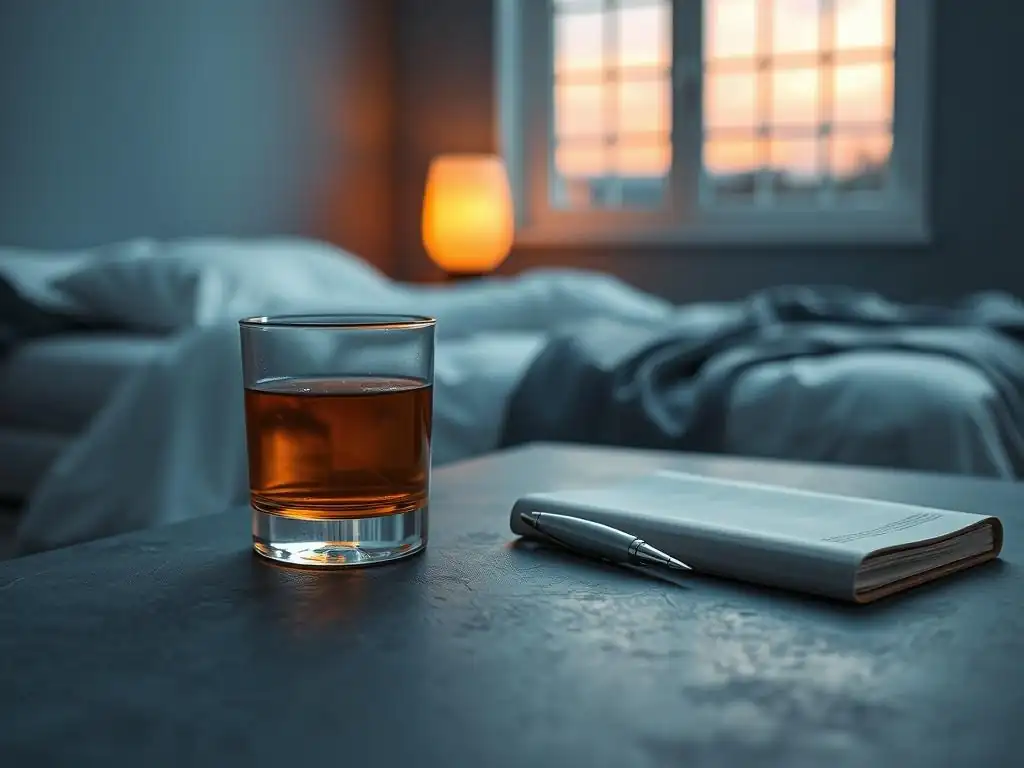
While alcohol may offer a temporary sense of relaxation, its detrimental effects on sleep quality and potential to exacerbate anxiety make it a substance to approach with caution, especially when focusing on mental well-being. Understanding these impacts is key to improving your caffeine alcohol anxiety sleep hygiene.
Understanding Alcohol's Short-Term and Long-Term Effects on Sleep
In the short term, alcohol acts as a sedative, which might help some individuals fall asleep faster. It primarily affects the first half of the night's sleep, increasing deep sleep (slow-wave sleep). However, as the body metabolizes the alcohol, typically in the second half of the night, sleep becomes fragmented. Alcohol suppresses REM sleep, which is vital for cognitive function, memory consolidation, and emotional regulation. This suppression leads to less restorative sleep overall.
Over the long term, regular alcohol consumption can lead to chronic sleep disturbances, including insomnia symptoms, reduced total sleep time, and frequent nighttime awakenings. It can also worsen sleep disorders like sleep apnea by relaxing throat muscles.
A pattern of relying on alcohol to fall asleep also disrupts the body's natural sleep-wake cycle and can lead to dependency. For example, someone who has 2-3 glasses of wine nightly might find they fall asleep quickly but consistently wake up around 2 or 3 AM, unable to return to deep sleep, feeling unrefreshed in the morning – a clear sign of disrupted sleep architecture due to alcohol.
Strategies for Reducing Alcohol Consumption to Improve Sleep and Mental Well-being
Reducing or eliminating alcohol intake can lead to significant improvements in both sleep quality and anxiety levels. If you consume alcohol regularly, especially in the evenings, consider strategies for cutting back. Setting specific limits, such as deciding how many drinks you will have before you start, or designating alcohol-free days each week, can be helpful.
Replacing alcoholic drinks with non-alcoholic alternatives, particularly in social settings or during wind-down time, is another effective strategy. For instance, instead of a glass of wine with dinner, try sparkling water with lime or an herbal tea in the evening. If you use alcohol to manage stress or anxiety, exploring healthier coping mechanisms, such as exercise, mindfulness, or talking to a friend, is crucial.
Tracking your consumption and noticing the correlation with your sleep and mood can also provide motivation. Even a moderate reduction, like switching from 3 drinks nightly to 1 or 0, can often yield noticeable improvements in sleep continuity and reduced morning anxiety, directly supporting better caffeine alcohol anxiety sleep hygiene.
Finding alternative ways to relax and socialize that don't involve alcohol is important for long-term well-being and better sleep. For relaxation, consider activities like reading, listening to calming music, taking a warm bath, practicing meditation or deep breathing exercises, or engaging in a hobby. These activities promote genuine relaxation without the disruptive effects of alcohol on sleep and mood.
When socializing, explore options that don't center around drinking or choose non-alcoholic beverages. Many bars and restaurants now offer sophisticated "mocktails" or a wider selection of non-alcoholic beers and wines. Suggesting activities with friends that don't typically involve heavy drinking, such as going for a walk, attending a class, playing board games, or hosting a gathering focused on food or non-alcoholic drinks, can also shift the social dynamic. Discovering enjoyable alcohol-free ways to unwind and connect supports your overall health and reinforces positive caffeine alcohol anxiety sleep hygiene habits.
Smart Sleep Hygiene Practices for Managing Anxiety
Beyond managing substance intake, implementing smart sleep hygiene practices creates an environment and routine conducive to restful sleep, which is paramount for calming an anxious mind. These practices work synergistically to support your body's natural sleep processes and improve your overall caffeine alcohol anxiety sleep hygiene.
Creating a Relaxing Bedtime Environment
Your bedroom environment plays a significant role in your ability to relax and fall asleep. It should be a sanctuary dedicated primarily to sleep and intimacy, free from work, stress, or stimulating activities. The goal is to make it as comfortable and calming as possible to signal to your body that it's time to rest.
Ensure your bedroom is tidy and free from clutter, which can contribute to feelings of stress or unease. Comfortable bedding, including a supportive mattress and pillows, is essential. Consider using calming colors in your decor. Many people find that creating a specific atmosphere helps them transition to sleep; this might involve dimming the lights, using essential oils like lavender, or playing soft, ambient sounds. Making the bedroom a dedicated space for sleep helps associate the room with rest, reinforcing positive sleep patterns and reducing anxiety related to bedtime.
The Importance of a Consistent Sleep Schedule
Maintaining a consistent sleep schedule, even on weekends, is one of the most powerful tools for regulating your body's internal clock, the circadian rhythm. This rhythm dictates your natural sleep-wake cycle and influences numerous physiological processes, including hormone release and body temperature regulation. Going to bed and waking up at roughly the same time each day helps synchronize your circadian rhythm, making it easier to fall asleep when you go to bed and wake up feeling refreshed.
Significant variations in sleep times, often referred to as "social jetlag" when occurring on weekends, can disrupt this rhythm, leading to fatigue, difficulty sleeping during the week, and potentially exacerbating anxiety. Aiming for an average bedtime and wake-up time within an hour or two each day, even after a late night, helps solidify your sleep pattern.
For example, if you typically go to bed at 11 PM and wake up at 7 AM on weekdays, try to stick to a similar schedule, perhaps 12 AM to 8 AM, on weekends rather than staying up until 2 AM and sleeping until 10 AM. This consistency is foundational for effective caffeine alcohol anxiety sleep hygiene.
Optimizing Your Bedroom for Sleep: Light, Temperature, and Noise
Optimizing the physical conditions of your bedroom is crucial for promoting uninterrupted sleep. Light is a powerful cue for the circadian rhythm; darkness signals the body to produce melatonin, the sleep hormone. Ensure your bedroom is as dark as possible using blackout curtains or blinds. Even small amounts of light, such as from electronic devices or streetlights, can disrupt sleep quality.
Temperature also significantly impacts sleep. Most sleep experts recommend a cool room temperature, typically between 60-67°F (15-19°C), as it helps facilitate the slight drop in core body temperature needed for sleep onset. Noise can be a major disruptor, especially for those with anxiety whose minds may be more alert to sounds. Use earplugs, a fan, or a white noise machine to block out unpredictable noises and create a consistent, soothing sound environment. Implementing these environmental controls creates an optimal setting for rest, combating common obstacles to sleep and improving overall caffeine alcohol anxiety sleep hygiene.
Managing Screen Time Before Bed: A Digital Detox
Electronic devices like smartphones, tablets, and computers emit blue light, which is particularly effective at suppressing melatonin production and signaling to the brain that it's daytime. Using these devices close to bedtime can therefore make it harder to fall asleep and disrupt the quality of sleep. The stimulating content often consumed on screens (social media, news, stressful emails) can also heighten anxiety and make winding down difficult.
Establishing a "digital curfew" is a recommended practice. Aim to put away all electronic devices that emit blue light at least 60-90 minutes before your target bedtime. Use this time for relaxing activities as part of your bedtime routine. If you must use a screen in the evening, enable night mode or use blue light filtering apps or glasses, although complete avoidance is most effective. Reducing screen time before bed is a simple yet impactful step in improving sleep onset, reducing anxiety-fueled scrolling, and enhancing your caffeine alcohol anxiety sleep hygiene.
Relaxation Techniques for Anxiety and Sleep: Mindfulness and Meditation
Anxiety often manifests as a busy, racing mind, making it difficult to quiet thoughts and transition to sleep. Relaxation techniques, such as mindfulness and meditation, can be powerful tools to calm the nervous system and prepare for rest. Mindfulness involves focusing your attention on the present moment without judgment, which can help detach from anxious thought patterns.
Simple mindfulness exercises like body scans (systematically focusing attention on different parts of the body) or guided meditations specifically designed for sleep can be practiced in bed. Deep breathing exercises, such as the 4-7-8 technique (inhale for 4 counts, hold for 7, exhale for 8), activate the body's relaxation response. Regular practice of these techniques, even for just 10-15 minutes before sleep, can reduce physiological arousal, decrease the intensity of anxious thoughts, and make it easier to drift off to sleep. Incorporating these practices into your routine significantly supports effective caffeine alcohol anxiety sleep hygiene.
Dietary Considerations for Better Sleep and Reduced Anxiety

What you eat and drink throughout the day, and especially in the hours leading up to bedtime, can have a significant impact on your ability to sleep and manage anxiety. Making mindful dietary choices is another layer of smart sleep hygiene.
Foods and Drinks to Promote Sleep
Certain foods contain nutrients or compounds that can support sleep-promoting processes in the body. Foods rich in tryptophan, an amino acid that the body converts into serotonin and then melatonin (the sleep hormone), can be beneficial. Examples include turkey, chicken, nuts (like almonds and walnuts), seeds (like pumpkin and sesame), dairy products, and oats. Combining tryptophan-rich foods with carbohydrates can help facilitate its uptake into the brain.
Magnesium is another mineral linked to improved sleep quality; it helps regulate neurotransmitters involved in sleep. Sources include leafy greens, nuts, seeds, and whole grains. Calcium also plays a role in melatonin production. Consuming a light, sleep-friendly snack about an hour before bed, such as a small bowl of oatmeal, a handful of almonds, or a glass of warm milk, may help some individuals. Certain herbal teas like chamomile or valerian root are also traditionally used for their calming properties and potential to aid sleep.
Foods and Drinks to Avoid Before Bed
Just as some foods can help, others can hinder sleep and potentially increase anxiety. Beyond caffeine and alcohol, it's generally advisable to avoid heavy or fatty meals close to bedtime, as they can cause indigestion and discomfort that interfere with sleep. Spicy foods can also trigger heartburn in some individuals.
Sugary snacks or drinks can cause blood sugar spikes followed by crashes, which can disrupt sleep later in the night. While a small, balanced snack is okay, large amounts of sugar should be avoided in the hours before sleep. It's also wise to limit fluid intake in the hour or two before bed to reduce the need to wake up during the night to use the bathroom. Being mindful of these dietary pitfalls complements good caffeine alcohol anxiety sleep hygiene practices.
The Role of Hydration in Sleep Quality
Staying properly hydrated throughout the day is important for overall health, including sleep. Dehydration can lead to symptoms like muscle cramps, headaches, and dry mouth, all of which can interfere with sleep comfort. Conversely, over-hydrating right before bed can lead to frequent awakenings to urinate.
The key is balanced hydration. Drink plenty of water during the day, aiming for consistent intake. Reduce fluid consumption in the last 1-2 hours before your planned bedtime. Listen to your body – if you are thirsty, drink, but avoid consuming large volumes of liquid late in the evening unless necessary. Maintaining appropriate hydration levels supports your body's functions and contributes to a more comfortable and less interrupted night's sleep, reinforcing positive caffeine alcohol anxiety sleep hygiene.
When to Seek Professional Help for Anxiety and Sleep Issues
While implementing smart sleep hygiene and managing caffeine and alcohol intake are powerful self-help strategies, sometimes anxiety and sleep problems are persistent and require professional intervention. Knowing when to seek help is crucial for effective treatment and recovery.
Recognizing Signs of a Sleep Disorder
Persistent difficulty falling or staying asleep, even after practicing good sleep hygiene for several weeks, could indicate an underlying sleep disorder. Other signs include excessive daytime sleepiness despite sleeping for 7-9 hours, loud snoring or gasping for air during sleep (potential sleep apnea), an irresistible urge to move your legs at night (Restless Legs Syndrome), or falling asleep uncontrollably during the day (narcolepsy).
If sleep problems are significantly impacting your daily functioning, work performance, relationships, or overall quality of life, it's time to consult a healthcare professional. They can conduct a thorough assessment, which may include a sleep study (polysomnography), to diagnose the specific sleep disorder. Addressing an underlying sleep disorder is often necessary for improving both sleep and associated anxiety. For instance, treating sleep apnea with a CPAP machine can dramatically improve sleep quality and energy levels.
Identifying Symptoms of an Anxiety Disorder
While occasional worry is normal, persistent, excessive anxiety that is difficult to control and interferes with daily activities may be a sign of an anxiety disorder. Symptoms vary depending on the specific disorder (e.g., Generalized Anxiety Disorder, Panic Disorder, Social Anxiety Disorder) but often include feeling restless or on edge, being easily fatigued, difficulty concentrating, irritability, muscle tension, and sleep disturbances (insomnia, restless sleep).
If you experience these symptoms regularly for six months or more, or if anxiety is causing you significant distress or impairment in your life, it's important to talk to a mental health professional. They can provide an accurate diagnosis and recommend appropriate treatment. Recognizing that your anxiety might be more than just situational stress is the first step towards getting the help you need to manage it effectively, which in turn often improves sleep quality, complementing efforts in caffeine alcohol anxiety sleep hygiene.
Finding a Qualified Mental Health Professional
Finding the right mental health professional is a key step in addressing anxiety and related sleep issues. Qualified professionals include psychiatrists (medical doctors who can prescribe medication), psychologists (who provide therapy), licensed clinical social workers, and licensed professional counselors. You can find professionals through referrals from your primary care physician, your insurance provider's network, or online directories of mental health professionals.
When choosing a therapist, consider their areas of expertise (e.g., anxiety disorders, sleep problems, Cognitive Behavioral Therapy), their approach to therapy, and whether you feel comfortable talking to them. Many therapists offer a brief initial consultation to see if it's a good fit. Don't hesitate to meet with a few different professionals until you find someone you feel confident working with. A good therapeutic relationship is foundational for successful treatment of issues like caffeine alcohol anxiety sleep hygiene challenges.
Exploring Therapy, Medication, and Support Group Options
Treatment for anxiety disorders often involves a combination of therapy, medication, and support. Cognitive Behavioral Therapy (CBT) is a highly effective therapy for both anxiety and insomnia (CBT-I is specifically tailored for sleep problems). CBT helps individuals identify and change negative thought patterns and behaviors that contribute to anxiety and sleep difficulties. Other therapy types like Acceptance and Commitment Therapy (ACT) or Psychodynamic Therapy may also be helpful.
Medication, such as anti-anxiety medications (like SSRIs) or sleep medications (usually for short-term use), may be prescribed by a psychiatrist or medical doctor, often in conjunction with therapy. Support groups, either in-person or online, can provide a sense of community and shared experience, reducing feelings of isolation and offering practical coping strategies learned from others facing similar challenges. A comprehensive treatment plan tailored to your specific needs is often the most effective way to manage chronic anxiety and improve long-term sleep hygiene, addressing the interconnectedness of caffeine alcohol anxiety sleep hygiene.
Long-Term Strategies for Managing Anxiety and Improving Sleep Hygiene
Sustainable management of anxiety and sleep issues requires a long-term commitment to healthy habits and self-awareness. Developing personalized strategies and consistently applying them is key to building resilience and maintaining well-being.
Developing a Personalized Sleep Hygiene Plan
While general sleep hygiene principles are widely applicable, creating a personalized plan that fits your lifestyle and specific needs is most effective. Start by assessing your current habits related to sleep, caffeine, and alcohol. Identify areas where you can make realistic changes based on your sensitivity levels and daily schedule.
Your personalized plan might include specific steps like "finish coffee by 2 PM daily," "limit alcohol to 1 drink on weekends only," "start wind-down routine at 10 PM," "meditate for 10 minutes before bed," or "ensure bedroom temperature is 65°F." Write down your plan and place it where you can see it as a reminder. Be flexible and adjust the plan as needed, but strive for consistency. A tailored approach to caffeine alcohol anxiety sleep hygiene is more likely to be sustainable.
Maintaining Consistency with Your Sleep Schedule and Routine
Consistency is arguably the most important aspect of long-term sleep hygiene success. While life events can sometimes disrupt schedules, aiming to adhere to your target bedtime and wake-up time as closely as possible, even on days off, reinforces your body's natural sleep-wake cycle. This regularity helps stabilize your circadian rhythm, which in turn supports mood stability and reduces vulnerability to anxiety.
Similarly, maintaining your personalized bedtime routine consistently signals to your body that it's time to prepare for sleep. Even on nights when you feel less anxious, going through the steps of your routine can help facilitate sleep onset. Think of consistency not as rigidity, but as building a strong foundation for healthy sleep and reduced anxiety over time. Small, consistent efforts yield significant long-term benefits for caffeine alcohol anxiety sleep hygiene.
Tracking Your Sleep and Anxiety Levels to Identify Patterns
Regularly tracking your sleep patterns and anxiety levels can provide valuable insights into what helps and what hinders your progress. Use a sleep diary, a simple notebook, or a sleep-tracking app to record:
- Bedtime and wake-up time
- Time spent awake during the night
- Estimated total sleep time
- How rested you feel upon waking
- Caffeine and alcohol consumption (type, amount, time)
- Anxiety levels (e.g., on a scale of 1-10)
- Daily activities (exercise, stressful events)
Reviewing this data periodically can help you identify patterns and correlations between your habits (like late-day caffeine or evening alcohol) and their impact on your sleep and anxiety. For instance, you might notice that on days you skip your evening wind-down routine, your anxiety is higher and sleep is poorer. This information allows you to make informed adjustments to your personalized caffeine alcohol anxiety sleep hygiene plan.
Addressing Potential Challenges and Strategies for Overcoming Them
Maintaining good sleep hygiene and managing anxiety is an ongoing process, and you will likely face challenges along the way. Stressful life events, travel, illness, or social pressures can disrupt routines and trigger anxiety. It's important to anticipate these challenges and have strategies ready.
Develop coping mechanisms for stress that don't involve relying on caffeine or alcohol. This might include leaning on your support network, practicing mindfulness during the day, engaging in regular physical activity, or utilizing relaxation techniques when feeling overwhelmed. If your sleep or anxiety significantly worsens during a challenging period, revisit your personalized plan, reinforce your consistent habits, and don't hesitate to seek professional support if needed. Learning to navigate setbacks is part of the journey towards sustained well-being and mastering caffeine alcohol anxiety sleep hygiene.
Frequently Asked Questions
How do caffeine and alcohol impact anxiety levels?
Caffeine can stimulate the nervous system, potentially worsening anxiety symptoms. Alcohol, while initially calming, can lead to rebound anxiety as it wears off, disrupting sleep and exacerbating anxiety long-term.
Good sleep hygiene is crucial. It helps regulate the nervous system and reduce the impact of caffeine and alcohol on anxiety by promoting consistent and restful sleep.
How can I identify if caffeine or alcohol is contributing to my anxiety?
Keep a detailed journal of your caffeine and alcohol intake, noting any corresponding changes in your anxiety levels. This can help you identify triggers and patterns.
What are some practical sleep hygiene tips to improve my sleep quality and reduce anxiety?
Establish a consistent sleep schedule, create a relaxing bedtime routine, and ensure your bedroom is dark, quiet, and cool. Avoid caffeine and alcohol close to bedtime for optimal sleep.
Are there alternative beverages I can use to avoid the anxiety-inducing effects of caffeine and alcohol?
Consider herbal teas, decaffeinated beverages, and non-alcoholic cocktails. These options can provide hydration and social enjoyment without the negative impact on anxiety and sleep.
Final Reflection: Unraveling the Anxiety Knot: Sleep, Caffeine, and Alcohol
The intricate relationship between caffeine, alcohol, anxiety, and sleep is not merely an academic exercise; it's a daily struggle for millions. Understanding these interconnected factors is crucial in navigating the modern world's relentless demands and fostering genuine well-being. Ignoring this interplay only exacerbates the problem, leading to a vicious cycle of poor sleep, heightened anxiety, and reliance on substances that ultimately worsen the situation.
This exploration into the impact of caffeine and alcohol on anxiety and sleep has underscored the profound influence these seemingly innocuous substances have on our mental and physical health. The subtle ways in which they disrupt our natural sleep-wake cycles and amplify feelings of anxiety are often overlooked. We are what we repeatedly do. Excellence, then, is not an act, but a habit.
– Aristotle. This quote rings true when considering our relationship with these substances; mindful choices, repeated consistently, are key to breaking negative cycles and building healthier habits.
Now, consider your own relationship with caffeine, alcohol, and sleep. Are you aware of the subtle ways these elements interact in your life? I invite you to reflect on your personal consumption habits and their impact on your anxiety levels and sleep quality. Take small steps towards positive change – perhaps reducing your caffeine intake in the afternoons, opting for a calming herbal tea instead of alcohol before bed, or establishing a consistent sleep schedule. By making conscious choices and prioritizing your well-being, you can unravel the anxiety knot and cultivate a healthier, more balanced life.
Unlock Your Best Sleep: Take Control of Your Anxiety
Thanks for taking the time to explore the complex relationship between caffeine, alcohol, and anxiety! We hope you gained valuable insights into how to improve your sleep hygiene. Now it's time to put that knowledge into action.
Here’s how to start building better sleep habits:
- Prioritize your sleep schedule: Commit to a consistent sleep-wake cycle, even on weekends, to regulate your body's natural rhythm. This is the single most impactful step you can take.
- Track your caffeine and alcohol intake: Keep a journal for a week, noting your consumption and its correlation with your sleep quality and anxiety levels. This will give you concrete data to work with.
- Share your experience: Discuss your insights and progress with a friend, family member, or in the comments below – sharing your journey can be surprisingly powerful!
What small change can you make today to prioritize better sleep and reduce anxiety?