
The GutBrain Axis Explained: How What You Eat Affects How You Feel

Welcome to Mind Care Guide, a sanctuary for your mental well-being.
Feeling disconnected? Did you know the key to a happier mind might lie closer than you think - right in your gut? This month, we're diving deep into the fascinating world of the gut brain axis nutrition tips, exploring how the food you eat profoundly impacts your mood and mental clarity. Prepare to unlock the secrets to a healthier, happier you as we unravel the connection between your gut and your brain. Ready to nourish your mind from the inside out?
The Gut-Brain Axis Explained: How What You Eat Affects How You Feel
- Introduction to the Gut-Brain Connection and Mental Well-being
- What is the Gut-Brain Axis? A Deep Dive
- The Impact of Gut Health on Mental Health: Exploring the Link
-
Gut-Brain Axis Nutrition Tips: Optimizing Your Diet for a Healthier Mind
- Dietary Strategies to Support a Healthy Gut Microbiome for Mental Well-being
- Prebiotic Foods for Gut Health: Fueling Beneficial Bacteria
- Probiotic Foods and Supplements: Boosting Gut Microbiome Diversity
- The Role of Fiber in Gut Health and Mental Clarity
- Avoiding Processed Foods and Added Sugars: Minimizing Gut Inflammation
- The Mediterranean Diet and Gut-Brain Health: A Powerful Combination
- Specific Nutrients for Gut-Brain Axis Support: Vitamins and Minerals
- Practical Tips for Improving Gut Health and Mental Well-being
- Gut-Brain Axis and Specific Mental Health Conditions
- Beyond Diet: Lifestyle Factors Affecting the Gut-Brain Axis
- Conclusion: Nurturing Your Gut for a Healthier Mind and a Better Mood
-
Frequently Asked Questions
- How does the Gut-Brain Axis relate to mental well-being?
- What role does nutrition play in the Gut-Brain Axis?
- What are some practical Gut-Brain Axis nutrition tips I can implement today?
- Can a damaged gut negatively affect my mental health?
- Where can I find more resources and support for improving my Gut-Brain Axis health?
- Final Reflection: Nourishing the Mind, One Gut at a Time
- Unlock Your Gut's Wisdom: Take Charge of Your Well-being!
Introduction to the Gut-Brain Connection and Mental Well-being
Understanding the Gut-Brain Axis: A Comprehensive Guide
The gut-brain axis represents a complex, bidirectional communication system linking the central nervous system (brain and spinal cord) and the enteric nervous system (ENS), which governs the gastrointestinal tract. This intricate network involves neural, hormonal, and immunological pathways, forming a constant dialogue between your gut and your brain. Think of it as a superhighway where signals travel in both directions, influencing everything from digestion and nutrient absorption to mood, cognitive function, and overall mental well-being. Disruptions in this communication can profoundly impact how we feel, think, and behave.
Research into the gut-brain axis has exploded in recent years, revealing its critical role in health and disease. Studies show that changes in the gut microbiome – the trillions of bacteria and other microbes living in your digestive tract – can directly influence brain chemistry and function. For instance, some studies suggest that individuals with certain mental health conditions, like depression or anxiety, often exhibit different microbial compositions in their gut compared to healthy individuals. While causality is still being investigated, this correlation highlights the significant potential for targeting the gut to support mental health.
The Importance of Nutrition for Mental Health: The Food-Mood Connection
Nutrition plays a foundational role in fueling the gut-brain axis and, consequently, impacting mental health. The foods we consume provide the building blocks for neurotransmitters, influence inflammation levels, and directly shape the composition and activity of our gut microbiome. A diet rich in processed foods, sugar, and unhealthy fats can negatively alter the gut environment, potentially leading to dysbiosis (an imbalance of gut microbes) and increased inflammation, both of which are linked to mood disturbances and cognitive issues.
Conversely, a diet emphasizing whole foods, fiber, fermented foods, and healthy fats can nourish beneficial gut bacteria, reduce inflammation, and support optimal brain function. This connection between what we eat and how we feel mentally is often referred to as the "food-mood connection." Understanding and leveraging this connection through strategic gut brain axis nutrition tips can be a powerful tool in promoting mental well-being and resilience against stress and mood fluctuations.
What is the Gut-Brain Axis? A Deep Dive
Defining the Gut-Brain Axis: The Two-Way Communication System
The gut-brain axis is best understood as a dynamic, integrated system where signals flow constantly between the digestive tract and the brain. This communication isn't limited to just digestion; it involves complex interactions that affect immune responses, hormonal regulation, and even our emotional state. The gut, often called the "second brain" due to its extensive network of neurons (the ENS), can operate somewhat independently but is in continuous contact with the central nervous system via multiple pathways, creating a sophisticated feedback loop.
This bidirectional signaling means that while your brain can influence gut function (e.g., stress causing digestive upset), your gut can also influence your brain (e.g., gut microbes producing substances that affect mood). Disruptions in this communication can manifest in various ways, from digestive disorders like Irritable Bowel Syndrome (IBS) to mental health challenges such as anxiety and depression. Optimizing this axis through lifestyle and gut brain axis nutrition tips is key to holistic health.
Key Components of the Gut-Brain Axis: Brain, Gut Microbiota, Vagus Nerve, and Enteric Nervous System
The gut-brain axis comprises several critical components working in concert. The brain, the command center, receives and sends signals. The gut microbiota, the diverse community of microorganisms in the digestive tract, is a crucial player, influencing the gut environment and producing various compounds. The vagus nerve, a major nerve pathway, acts as a direct neural link, transmitting signals rapidly between the brainstem and the gut. Finally, the enteric nervous system (ENS), a vast network of neurons embedded in the gut wall, manages digestive processes and communicates with the central nervous system.
Beyond these primary components, the axis also involves immune cells (many of which reside in the gut), endocrine cells that release hormones, and metabolic products produced by gut bacteria, such as short-chain fatty acids (SCFAs). These elements interact in intricate ways. For example, SCFAs produced by microbial fermentation of fiber can cross the blood-brain barrier and influence brain function directly, highlighting the diverse mechanisms by which the gut influences the brain.
How the Gut Microbiome Influences Brain Function and Mental Health
The gut microbiome exerts a profound influence on brain function and mental health through multiple mechanisms. These include the production of neuroactive compounds, modulation of the immune system, and direct signaling via the vagus nerve. Gut microbes produce neurotransmitters like serotonin, GABA, and dopamine precursors, which can influence mood, sleep, and stress responses. In fact, an estimated 90% of the body's serotonin is produced in the gut.
Furthermore, the gut microbiome significantly impacts inflammation. An imbalanced microbiome can contribute to chronic low-grade inflammation, which is increasingly linked to various mental health disorders, including depression. Microbes also influence the integrity of the gut lining; a compromised barrier ("leaky gut") can allow inflammatory molecules to enter the bloodstream and potentially reach the brain. Understanding these interactions underscores why gut brain axis nutrition tips are so relevant for mental well-being.
The Impact of Gut Health on Mental Health: Exploring the Link
Gut Dysbiosis and Mental Health Disorders: Anxiety, Depression, and More
Gut dysbiosis, an imbalance in the composition and function of the gut microbiota, is increasingly associated with a range of mental health disorders. Research indicates that individuals with anxiety and depression often exhibit lower diversity in their gut microbiome and different ratios of specific bacterial species compared to healthy control groups. For example, some studies have shown reduced levels of Faecalibacterium prausnitzii and Bifidobacteria in depressed individuals. This imbalance can disrupt the production of beneficial compounds, increase inflammatory signals, and impair gut-brain communication.
While research is still unraveling the exact causal pathways, observational studies and animal models strongly suggest a link. For instance, transferring gut microbiota from depressed human patients to germ-free mice has been shown to induce depressive-like behaviors in the mice. This fascinating area of study highlights how altering the gut environment, potentially through targeted gut brain axis nutrition tips, could become a therapeutic avenue for mental health conditions.
Inflammation and the Gut-Brain Axis: The Role of Diet
Chronic low-grade inflammation is a key factor linking poor gut health to mental health issues. The gut is a major site of immune activity, and when the gut lining is compromised or the microbiome is imbalanced, it can trigger an inflammatory response. This inflammation isn't confined to the gut; inflammatory molecules can enter the bloodstream and travel throughout the body, including to the brain. Neuroinflammation, inflammation within the brain, is implicated in the pathology of depression, anxiety, and cognitive decline.
Diet plays a critical role in modulating inflammation via the gut. A diet high in processed foods, refined sugars, and unhealthy fats (like trans fats) can promote the growth of pro-inflammatory bacteria and damage the gut lining. Conversely, a diet rich in fiber, omega-3 fatty acids, antioxidants, and probiotics can foster a healthy, anti-inflammatory gut environment. Adopting anti-inflammatory gut brain axis nutrition tips is therefore crucial for supporting both gut and brain health.
The Gut's Influence on Neurotransmitter Production: Serotonin, Dopamine, and GABA
The gut, particularly its microbial inhabitants, is a significant producer of neurotransmitters and their precursors, which are crucial for regulating mood, sleep, appetite, and stress response. As mentioned, a vast majority of the body's serotonin, often dubbed the "feel-good" neurotransmitter, is synthesized in the gut. Gut cells and certain bacteria can produce serotonin, which acts locally in the gut to regulate motility but also influences brain function via the gut-brain axis.
Gut microbes also produce gamma-aminobutyric acid (GABA), the primary inhibitory neurotransmitter in the brain, which helps regulate anxiety. Certain Lactobacillus and Bifidobacterium species are known to produce GABA. While direct transport of these gut-derived neurotransmitters to the brain is limited by the blood-brain barrier, they can influence brain function through signaling via the vagus nerve or by affecting the production of other neuroactive compounds. Supporting a healthy gut microbiome through specific gut brain axis nutrition tips can therefore potentially support balanced neurotransmitter levels.
Gut-Brain Axis Nutrition Tips: Optimizing Your Diet for a Healthier Mind
Dietary Strategies to Support a Healthy Gut Microbiome for Mental Well-being
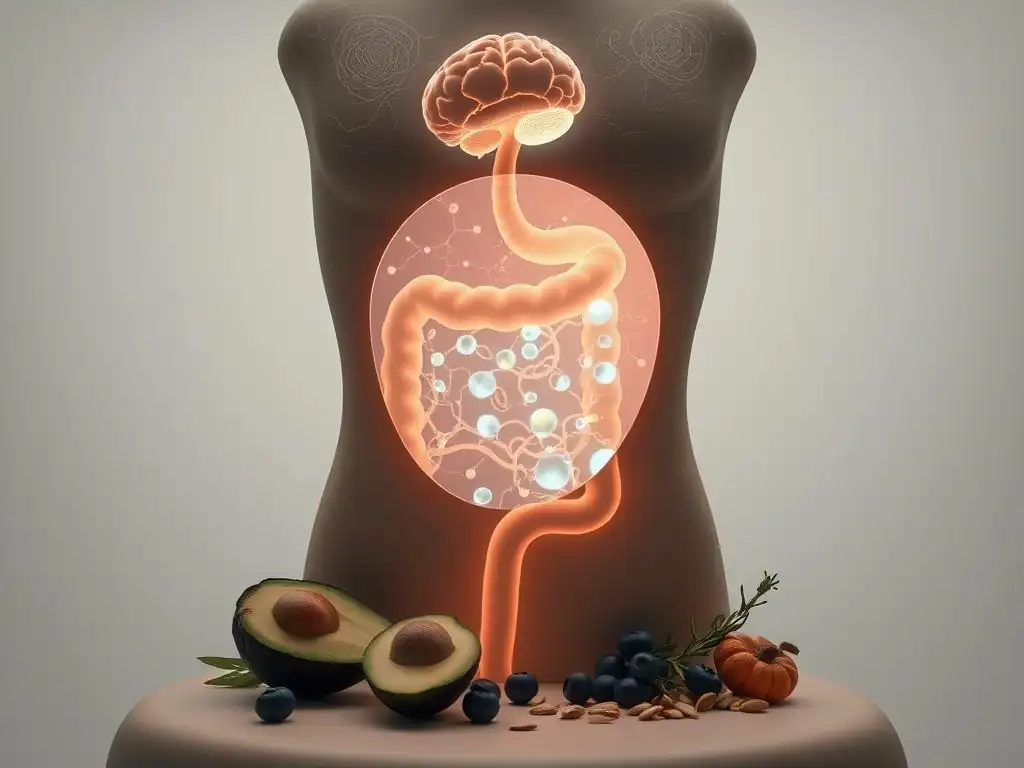
Optimizing your diet is one of the most effective ways to positively influence the gut-brain axis and support mental well-being. The goal is to nourish beneficial gut bacteria, reduce inflammation, and ensure the gut lining remains healthy. This involves shifting towards a whole-foods-based diet rich in diverse plant matter, fermented foods, and healthy fats, while significantly reducing intake of processed items, sugary drinks, and unhealthy fats. Making conscious choices about what you eat directly impacts the trillions of microbes residing in your gut, who in turn influence your brain.
Implementing diverse gut brain axis nutrition tips focuses on variety and quality. Including a wide range of fruits, vegetables, legumes, nuts, and seeds provides different types of fiber and polyphenols, which feed distinct beneficial bacterial species. This diversity in food leads to diversity in the microbiome, which is associated with better gut health and overall resilience. Consider aiming for 30 different plant-based foods per week, a target suggested by some researchers to promote microbial diversity.
Prebiotic Foods for Gut Health: Fueling Beneficial Bacteria
Prebiotics are non-digestible fibers that selectively feed beneficial bacteria in the gut. When these fibers are fermented by microbes, they produce beneficial compounds like short-chain fatty acids (SCFAs), such as butyrate, propionate, and acetate. Butyrate, in particular, is a primary energy source for colon cells, helps maintain the integrity of the gut lining, and has anti-inflammatory effects. It can also influence brain function and mood.
Excellent sources of prebiotics include garlic, onions, leeks, asparagus, bananas (especially slightly green ones), oats, apples, chicory root, and dandelion greens. Incorporating a variety of these foods into your daily meals provides the necessary fuel for beneficial gut bacteria to thrive. Aiming for around 25-30 grams of fiber daily from diverse plant sources is a good target for prebiotic intake, contributing significantly to effective gut brain axis nutrition tips.
Probiotic Foods and Supplements: Boosting Gut Microbiome Diversity
Probiotics are live beneficial bacteria that, when consumed in adequate amounts, can confer health benefits, including supporting gut health and potentially influencing the gut-brain axis. Consuming probiotics can help increase the numbers of beneficial microbes, improve microbial diversity, and compete with potentially harmful bacteria. Fermented foods are natural sources of probiotics.
Examples of probiotic-rich foods include yogurt with live and active cultures, kefir, sauerkraut, kimchi, tempeh, and miso. When choosing these, ensure they are traditionally fermented and not pasteurized, as pasteurization kills the beneficial bacteria. While probiotic foods are a great way to incorporate beneficial microbes, some individuals may also benefit from probiotic supplements. If considering a supplement, look for products with diverse strains and Colony Forming Units (CFUs) in the billions, and consider consulting with a healthcare professional to choose one appropriate for your needs, aligning with comprehensive gut brain axis nutrition tips.
The Role of Fiber in Gut Health and Mental Clarity
Fiber is arguably the single most important nutrient for gut health and a cornerstone of effective gut brain axis nutrition tips. Dietary fiber, found in plant-based foods, passes undigested into the large intestine, where it is fermented by gut bacteria. This fermentation process yields SCFAs, which have widespread benefits, including nourishing colon cells, reducing inflammation, and influencing brain function. Adequate fiber intake promotes regular bowel movements, helps prevent constipation, and supports a healthy gut environment.
Beyond SCFAs, fiber helps regulate blood sugar levels, which can prevent energy crashes and mood swings. Different types of fiber (soluble and insoluble) feed different types of bacteria, emphasizing the importance of consuming a variety of fiber sources. Aiming for the recommended daily intake of fiber – about 25 grams for women and 38 grams for men – from sources like whole grains, fruits, vegetables, legumes, nuts, and seeds is fundamental for supporting both gut health and mental clarity.
Avoiding Processed Foods and Added Sugars: Minimizing Gut Inflammation
Highly processed foods and those high in added sugars are detrimental to gut health and contradict beneficial gut brain axis nutrition tips. These foods often lack fiber and beneficial nutrients, while being high in unhealthy fats, artificial additives, and simple sugars. This dietary pattern can feed pro-inflammatory bacteria, reduce microbial diversity, and contribute to a "leaky gut" by damaging the intestinal lining.
Excessive sugar intake, in particular, can lead to rapid shifts in blood sugar, contributing to mood instability. Moreover, some studies suggest that diets high in sugar can negatively impact cognitive function over time. Reducing or eliminating processed foods, sugary drinks, candies, and refined grains is a crucial step in reducing gut inflammation and fostering an environment where beneficial microbes can thrive, thereby supporting mental well-being.
The Mediterranean Diet and Gut-Brain Health: A Powerful Combination
The Mediterranean diet is consistently ranked as one of the healthiest dietary patterns and aligns perfectly with gut brain axis nutrition tips. It emphasizes whole, unprocessed foods, including abundant fruits, vegetables, legumes, whole grains, nuts, and seeds, along with olive oil as the primary fat source, moderate consumption of fish and poultry, and limited red meat and sweets. This dietary pattern is naturally high in fiber, prebiotics, antioxidants, and healthy fats (particularly omega-3s and monounsaturated fats).
Studies have shown that adhering to a Mediterranean-style diet is associated with greater gut microbial diversity and a higher abundance of beneficial bacteria. Furthermore, research has linked this dietary pattern to a lower risk of depression and anxiety. Its emphasis on plant diversity, healthy fats, and fermented foods (like yogurt) makes it an ideal template for supporting the gut-brain axis and promoting mental resilience.
Specific Nutrients for Gut-Brain Axis Support: Vitamins and Minerals
Vitamin D and Mental Health: The Gut-Brain Connection
Vitamin D, often synthesized in the skin upon sun exposure, is increasingly recognized for its role beyond bone health, including its influence on the gut-brain axis and mental health. Receptors for Vitamin D are found throughout the gut and the brain. In the gut, Vitamin D can help maintain the integrity of the intestinal barrier, potentially reducing inflammation and preventing "leaky gut." It may also influence the composition of the gut microbiome.
Low levels of Vitamin D have been associated with an increased risk of depression and seasonal affective disorder. While the exact mechanisms linking Vitamin D status to mood are complex, its roles in reducing inflammation, supporting gut barrier function, and potentially influencing neurotransmitter pathways highlight its importance. Ensuring adequate Vitamin D levels through sun exposure, diet (fatty fish, fortified foods), or supplementation (if necessary, after testing levels) is a valuable component of gut brain axis nutrition tips.
Omega-3 Fatty Acids: Reducing Inflammation and Supporting Brain Function
Omega-3 fatty acids, particularly EPA (eicosapentaenoic acid) and DHA (docosahexaenoic acid), are essential fats known for their powerful anti-inflammatory properties. Chronic inflammation is a major disruptor of the gut-brain axis and is linked to mental health issues. Omega-3s can help reduce systemic inflammation, including neuroinflammation. They are also crucial structural components of brain cell membranes and play a role in neurotransmitter function.
Sources of EPA and DHA include fatty fish like salmon, mackerel, and sardines. Alpha-linolenic acid (ALA), found in flaxseeds, chia seeds, and walnuts, is a precursor that the body can convert to EPA and DHA, although the conversion rate is often low. Including regular sources of omega-3s in your diet aligns with effective gut brain axis nutrition tips aimed at reducing inflammation and supporting brain structure and function, which can positively impact mood and cognition.
Magnesium: Essential for Nerve Function and Mood Regulation
Magnesium is a mineral involved in over 300 enzymatic reactions in the body, including those critical for nerve function, energy production, and neurotransmitter synthesis. It plays a role in the activity of GABA receptors, which are involved in calming the nervous system and reducing anxiety. Magnesium deficiency has been linked to increased stress, anxiety, and depression. While its direct impact on the gut microbiome is less studied than fiber or probiotics, it is essential for overall nervous system health which is intricately linked to the gut-brain axis.
Adequate magnesium intake is vital for maintaining the health and proper function of the enteric nervous system within the gut itself, which is a key component of the gut-brain axis. Good dietary sources include leafy green vegetables (like spinach), nuts, seeds, legumes, and whole grains. Ensuring sufficient magnesium intake through diet or supplementation (if recommended) supports overall neurological health and complements gut brain axis nutrition tips for mood regulation.
B Vitamins: Crucial for Neurotransmitter Synthesis and Energy Production
B vitamins, including B6, B12, and folate, are essential cofactors for the synthesis of neurotransmitters like serotonin, dopamine, and norepinephrine, all of which play critical roles in mood regulation. Deficiencies in certain B vitamins, particularly B12 and folate, have been associated with an increased risk of depression and cognitive impairment. While the gut microbiome can produce some B vitamins, relying solely on microbial production is insufficient; dietary intake is crucial.
These vitamins are also vital for energy metabolism within brain cells. A lack of adequate B vitamins can impair brain function and contribute to fatigue, irritability, and low mood. Ensuring a diet rich in B vitamins through sources like whole grains, leafy greens, legumes, meat, fish, and eggs is fundamental for supporting the metabolic pathways necessary for healthy brain function and neurotransmitter balance, reinforcing the importance of diverse gut brain axis nutrition tips.
Practical Tips for Improving Gut Health and Mental Well-being

Mindful Eating Practices: Connecting with Your Body and Food
Mindful eating is a practice that involves paying full attention to the food you are eating, savoring each bite, and noticing the physical and emotional sensations that arise. This goes beyond just what you eat and focuses on how you eat, which can significantly impact digestion and the gut-brain connection. Eating while stressed, rushed, or distracted can impair digestion and potentially disrupt gut function.
By practicing mindful eating, you become more aware of your hunger and fullness cues, make healthier food choices, and potentially reduce stress during meals. This slower, more deliberate approach can improve digestion and nutrient absorption, reducing the likelihood of digestive upset that can send negative signals up the gut-brain axis. Integrating mindful eating into your routine complements the specific gut brain axis nutrition tips by creating a more supportive environment for digestion and overall well-being.
Stress Management Techniques: Reducing the Impact on Gut Health
Stress has a profound and immediate impact on the gut. The brain's stress response can alter gut motility, increase gut permeability ("leaky gut"), change gut microbial composition, and reduce blood flow to the digestive system. Chronic stress is a major contributor to digestive issues like IBS and can exacerbate gut dysbiosis, negatively affecting the gut-brain axis and mental health.
Implementing effective stress management techniques is therefore crucial for supporting gut health and, consequently, mental well-being. Practices such as meditation, deep breathing exercises, yoga, spending time in nature, engaging in hobbies, or seeking therapy can help regulate the body's stress response. By reducing the physiological impact of stress on the gut, these techniques work synergistically with gut brain axis nutrition tips to promote a healthier internal environment.
The Importance of Sleep for Gut-Brain Axis Function
Sleep is a fundamental pillar of health, and its disruption significantly impacts the gut-brain axis. Poor sleep or chronic sleep deprivation can negatively alter the composition of the gut microbiome within as little as a few days. Studies have shown that sleep deprivation can lead to changes in gut bacteria that are associated with metabolic issues and inflammation.
Furthermore, the gut microbiome has its own circadian rhythm, and disruptions to sleep patterns can throw off this rhythm, further impacting gut function and communication with the brain. Prioritizing 7-9 hours of quality sleep per night is essential for allowing both the gut and brain to function optimally and maintain their intricate communication. Establishing a consistent sleep schedule is a vital lifestyle factor supporting the effectiveness of gut brain axis nutrition tips.
Hydration and Gut Health: Staying Properly Hydrated
Adequate hydration is often overlooked but is essential for healthy digestion and gut function. Water is needed to help break down food, absorb nutrients, and form stool. Sufficient fluid intake, particularly water, helps prevent constipation, which can negatively impact the gut environment and contribute to discomfort.
Staying well-hydrated supports the mucosal lining of the gut, which acts as a protective barrier. While water doesn't directly feed gut bacteria in the same way fiber does, it is necessary for the overall efficient functioning of the digestive system, which in turn supports a healthy microbial balance. Making sure you drink enough water throughout the day is a simple yet effective practice that complements all other gut brain axis nutrition tips.
Gut-Brain Axis and Specific Mental Health Conditions
Managing Anxiety Through Gut Health: Dietary Interventions
Emerging research suggests that targeting gut health through dietary interventions may be a promising strategy for managing anxiety. Studies have shown that certain probiotics, particularly strains like Lactobacillus rhamnosus and Bifidobacterium longum, can influence anxiety-like behaviors in animal models and show some promise in human studies. These probiotics may act by influencing GABA production, reducing inflammation, or modulating stress hormones.
Beyond probiotics, a diet rich in fiber, prebiotics, and omega-3 fatty acids, while limiting processed foods and sugar, can help reduce the inflammation and dysbiosis often associated with anxiety. For example, a study involving young adults found that consuming fermented foods was associated with reduced social anxiety. Implementing specific gut brain axis nutrition tips focused on calming the gut environment and supporting beneficial microbes offers a complementary approach to traditional anxiety management strategies.
Addressing Depression with Gut-Focused Nutrition Strategies
The link between gut health and depression is increasingly recognized, with inflammation and gut dysbiosis being potential contributing factors. Dietary strategies aimed at improving gut health may therefore play a role in alleviating depressive symptoms. A meta-analysis published around 2019, for instance, found that dietary changes, such as increasing fruit, vegetable, and fiber intake and reducing processed foods, were associated with a significant reduction in depressive symptoms.
Specific gut brain axis nutrition tips for depression often focus on increasing the intake of fermented foods, prebiotic-rich foods, and omega-3 fatty acids, while reducing inflammatory foods. The PREDIMED study, a large trial on the Mediterranean diet, found that participants adhering to the diet had a significantly lower risk of developing depression. This highlights how a comprehensive dietary approach supporting gut health can positively influence mood.
Supporting Cognitive Function with a Healthy Gut Microbiome
The gut-brain axis plays a significant role in cognitive function, including memory, learning, and concentration. The SCFAs produced by gut bacteria, particularly butyrate, can cross the blood-brain barrier and have neuroprotective effects. Gut microbes also influence the production of neurotrophic factors, such as Brain-Derived Neurotrophic Factor (BDNF), which are essential for neuronal growth and plasticity, crucial for cognitive processes.
Dysbiosis and inflammation in the gut are linked to impaired cognitive function and an increased risk of neurodegenerative diseases. Dietary patterns that promote a healthy gut microbiome, such as those high in fiber and polyphenols, have been associated with better cognitive performance and slower cognitive decline. Applying gut brain axis nutrition tips that prioritize diverse plant foods and limit inflammatory agents is a proactive step in supporting long-term brain health and cognitive clarity.
Gut Health and Autism Spectrum Disorder: Exploring the Connection
Research exploring the gut-brain axis connection in Autism Spectrum Disorder (ASD) is a rapidly evolving field. Many individuals with ASD experience gastrointestinal symptoms, and studies have reported differences in the gut microbiome composition of children with ASD compared to neurotypical children. These differences often include lower diversity and alterations in the abundance of specific bacterial groups.
While the relationship is complex and causality is not yet fully understood, it's hypothesized that gut dysbiosis and associated inflammation or production of microbial metabolites could influence behavior and neurological symptoms in some individuals with ASD. Dietary interventions, such as probiotics, prebiotics, or specific exclusion diets targeting potential food sensitivities, are being explored as potential supportive strategies, although more robust research is needed. These gut brain axis nutrition tips are still considered experimental for ASD but represent a promising area of investigation.
Beyond Diet: Lifestyle Factors Affecting the Gut-Brain Axis
The Role of Exercise in Gut Health and Mental Wellness
Exercise is a powerful lifestyle factor that positively impacts both the gut and the brain. Regular physical activity has been shown to increase the diversity and abundance of beneficial bacteria in the gut microbiome. For example, studies comparing athletes to sedentary individuals often find greater microbial diversity in the athletes. Exercise may also improve gut motility and reduce transit time, which is beneficial for digestive health.
Furthermore, exercise is a well-established stress reliever and mood enhancer. By reducing stress, exercise indirectly benefits the gut, as stress negatively impacts gut function. The combined effects of exercise on the gut microbiome, gut function, and stress reduction make it a crucial component of a holistic approach to supporting the gut-brain axis and overall mental wellness, working alongside effective gut brain axis nutrition tips.
Minimizing Antibiotic Use: Protecting Your Gut Microbiome
Antibiotics are powerful medications designed to kill bacteria, but they do not discriminate between harmful pathogens and beneficial gut microbes. A single course of antibiotics can significantly alter the composition of the gut microbiome, reducing diversity and potentially leading to long-term changes. This disruption can impact the gut-brain axis and has been linked in some studies to an increased risk of certain health issues, including potentially affecting mood or cognitive function in susceptible individuals.
While antibiotics are sometimes necessary and life-saving, it is important to use them judiciously, only when prescribed by a healthcare professional, and only for bacterial infections. Avoiding unnecessary antibiotic use helps preserve the delicate balance and diversity of your gut microbiome. If you do need to take antibiotics, discussing strategies with your doctor to support gut recovery, such as consuming fermented foods or potentially taking a probiotic supplement (often spaced away from the antibiotic dose), is advisable as part of comprehensive gut brain axis nutrition tips.
The Impact of Environmental Toxins on Gut Health and Mental Well-being
Exposure to various environmental toxins can also negatively impact gut health, subsequently affecting the gut-brain axis and mental well-being. Pesticides, herbicides (like glyphosate), heavy metals, and plastics (like BPA) have been shown in some studies to alter the composition and function of the gut microbiome, increase gut permeability, and contribute to inflammation.
These toxins can disrupt the delicate balance of gut microbes and impair the gut barrier, potentially allowing harmful substances to enter the bloodstream and affect the brain. While complete avoidance is difficult, minimizing exposure by choosing organic foods when possible, using filtered water, opting for non-toxic household products, and storing food in glass or stainless steel containers can help protect gut health. Reducing toxin exposure complements dietary gut brain axis nutrition tips for a healthier gut environment.
Conclusion: Nurturing Your Gut for a Healthier Mind and a Better Mood
The Future of Gut-Brain Axis Research and Mental Health Treatment
The field of gut-brain axis research is rapidly advancing, offering exciting possibilities for future mental health treatments. Scientists are actively exploring the potential of using probiotics, prebiotics, fecal microbiota transplantation (FMT), and postbiotics (beneficial compounds produced by microbes) as therapeutic interventions for conditions like depression, anxiety, and even neurodevelopmental disorders. Personalized nutrition based on an individual's unique microbiome profile may become a reality.
Understanding the intricate communication pathways and identifying specific microbial profiles associated with different mental states could lead to highly targeted therapies. While these approaches are still largely experimental and require more rigorous clinical trials, the potential for modulating the gut to improve mental health is significant. This ongoing research underscores the foundational importance of understanding the gut-brain link when considering mental well-being strategies.
Implementing Gut-Brain Axis Nutrition Tips for Long-Term Well-being
Taking steps to nurture your gut health through diet and lifestyle is a powerful investment in your long-term mental well-being. While the connection between gut and brain is complex, implementing practical gut brain axis nutrition tips can yield tangible benefits for mood, stress resilience, and cognitive function. Focus on consuming a diverse, whole-foods-based diet rich in fiber, prebiotics, and healthy fats, while minimizing processed foods and added sugars.
Remember that improving gut health is a journey, not a quick fix. Consistency in applying these gut brain axis nutrition tips and lifestyle changes is key. Be patient with yourself, listen to your body, and consult with healthcare professionals or registered dietitians if you need personalized guidance. By caring for your gut, you are actively supporting your brain and paving the way for a healthier mind and a better mood.
Frequently Asked Questions
How does the Gut-Brain Axis relate to mental well-being?
The Gut-Brain Axis is a bidirectional communication system linking the digestive system and the brain. Its health significantly impacts mental well-being through neurotransmitter production and inflammation levels.
What role does nutrition play in the Gut-Brain Axis?
Nutrition is crucial because the gut needs diverse nutrients to function optimally. A healthy diet supports a balanced gut microbiome, which in turn influences brain function and mood.
What are some practical Gut-Brain Axis nutrition tips I can implement today?
Focus on incorporating fiber-rich foods, like fruits and vegetables, into your diet. Also, consider adding probiotic-rich fermented foods, such as yogurt or kimchi, to support gut health.
Can a damaged gut negatively affect my mental health?
Yes, a damaged gut, often referred to as leaky gut, can lead to inflammation, which can disrupt brain function. This disruption can manifest as anxiety, depression, and other mental health issues.
Where can I find more resources and support for improving my Gut-Brain Axis health?
Mind Care Guide offers a range of articles, resources, and support related to mental well-being and the Gut-Brain Axis. You can also consult with a qualified healthcare professional for personalized advice.
Final Reflection: Nourishing the Mind, One Gut at a Time
The intricate connection between our gut and brain, the gut-brain axis, is no longer a niche scientific concept; it's a fundamental truth shaping our daily experiences. Understanding this powerful relationship is crucial for optimizing not only our physical health but also our mental well-being, impacting everything from mood regulation to cognitive function. Ignoring this connection is akin to neglecting half of our overall health.
The impact of the gut-brain axis on our lives is profound and far-reaching. From the rise of functional foods and probiotics to the increasing awareness of the role of gut health in mental disorders, we are witnessing a cultural shift towards a more holistic understanding of health. You are what you eat
takes on a whole new meaning when we consider the direct communication pathways between our digestive system and our brain. This understanding is not just about trendy diets; it's about recognizing the deep interconnectedness of our being and the power we hold to influence our own well-being through conscious dietary choices.
Now, consider your own plate. What are you nourishing your gut—and therefore, your mind—with today? This isn't about restrictive diets or unattainable perfection. It's about making mindful choices, incorporating diverse, nutrient-rich foods, and prioritizing gut-friendly practices. Take a moment to reflect on your relationship with food and its impact on your overall health. Embrace the opportunity to cultivate a healthier gut and, in turn, a happier, more resilient you. The journey towards a healthier gut-brain axis begins with a single, conscious bite.
Unlock Your Gut's Wisdom: Take Charge of Your Well-being!
Thank you for exploring the fascinating world of the gut-brain connection! You've now learned how powerful the link between your diet and your mood truly is. Ready to put this knowledge into action?
- Prioritize gut-friendly foods: Start incorporating more fiber-rich fruits, vegetables, and fermented foods into your diet this week. Notice how you feel!
- Share your discoveries: Tell a friend or family member about the gut-brain axis and encourage them to explore healthier eating habits with you.
- Experiment with mindful eating: Pay closer attention to your body's signals of hunger and fullness. Try a simple mindfulness exercise while eating your next meal.
What small change will you make today to nurture your gut and improve your overall well-being?