
Yoga for Mood: Poses and Practices to Calm the Storm Within

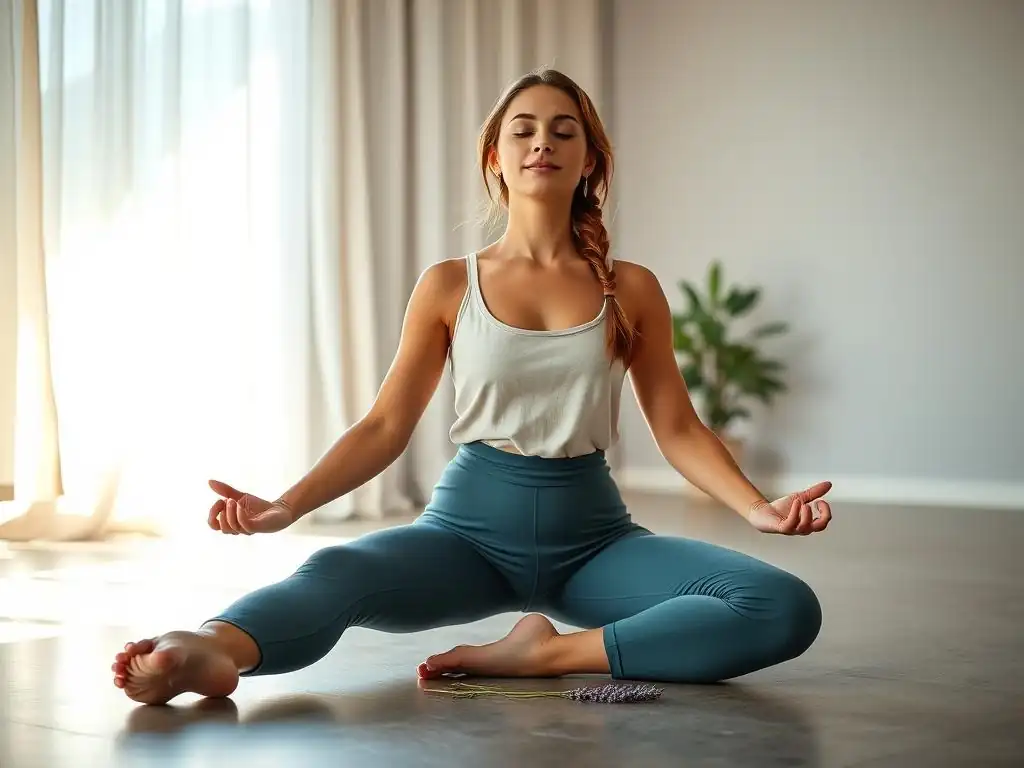
Welcome to Mind Care Guide, your sanctuary for navigating the complexities of mental well-being. Feeling overwhelmed by anxiety's grip? You're not alone. Discover the gentle power of yoga for anxiety relief in our featured article, and begin your journey toward a calmer, more centered you. Curious to learn how specific poses and mindful practices can soothe the storm within? Let's explore.
Yoga for Mood: Poses and Practices to Calm the Storm Within
- Understanding the Connection Between Yoga and Mental Well-being
- Yoga Poses for Anxiety Relief and Emotional Regulation
- Breathing Techniques (Pranayama) for Mood Enhancement
- Mindfulness and Meditation Practices in Yoga for Mental Health
- Creating a Personalized Yoga Practice for Emotional Well-being
- Tips for Maintaining a Consistent Yoga Practice for Anxiety and Mood Disorders
- The Benefits of Yoga for Long-Term Mental Well-being
- Beyond Poses: Other Lifestyle Factors to Support Your Yoga Journey
- Resources for Learning More About Yoga for Mental Health
-
Frequently Asked Questions
- How does yoga help with anxiety relief?
- What are some specific yoga poses that are particularly effective for anxiety?
- How often should I practice yoga to experience anxiety relief?
- Can yoga completely replace medication for anxiety?
- Where can I find resources and support for practicing yoga for anxiety?
- Final Reflection: Finding Stillness in the Storm
- Unleash Your Inner Calm: Start Your Yoga Journey Today!
Understanding the Connection Between Yoga and Mental Well-being
Yoga is far more than just physical postures; it is a holistic practice encompassing movement, breath, and meditation, all of which have profound effects on our mental and emotional states. For centuries, practitioners have recognized its power to cultivate inner peace and resilience. In the context of modern mental health, yoga offers a complementary path alongside traditional treatments, providing tools to navigate challenging emotions and build a stronger connection with oneself.
This ancient discipline provides a structured yet flexible framework for exploring the mind-body connection. By consciously linking breath with movement, yoga helps to interrupt the cycle of negative thought patterns that often accompanies mood disorders and anxiety. It encourages a shift from a state of constant doing and worrying to one of being and observing, fostering a sense of presence that can be incredibly grounding, particularly when seeking yoga for anxiety relief.
The Science Behind Yoga's Impact on Mood
The benefits of yoga for mental health are increasingly supported by scientific research. Studies have shown that regular yoga practice can influence the nervous system, shifting it from a sympathetic "fight or flight" state towards a parasympathetic "rest and digest" state. This shift is crucial for reducing the physiological symptoms associated with anxiety and stress, such as rapid heart rate, shallow breathing, and muscle tension.
Furthermore, yoga has been linked to changes in brain chemistry. Research suggests that practicing yoga can increase levels of gamma-aminobutyric acid (GABA), a neurotransmitter that helps regulate nerve activity and is often found at lower levels in individuals with anxiety disorders and depression. Increasing GABA can have a calming effect, helping to quiet the racing thoughts and feelings of unease. Some studies have even indicated that consistent yoga can lead to measurable changes in brain structure related to emotional regulation, such as increased grey matter volume in areas like the hippocampus and prefrontal cortex.
How Yoga Reduces Stress and Promotes Relaxation
One of the primary ways yoga helps manage mood is through its direct impact on the body's stress response. The practice encourages mindful movement and deep, conscious breathing, which act as immediate counterpoints to stress activation. By focusing on the physical sensations and the rhythm of the breath, the mind is pulled away from stressors and into the present moment. This simple act of presence can significantly lower cortisol levels, the body's main stress hormone.
Regular engagement in yoga also builds a greater awareness of physical tension held in the body, often a manifestation of psychological stress. Poses and stretches help release this physical tension, creating a feedback loop where physical relaxation promotes mental calm. The intentional slowing down and conscious relaxation practiced in yoga, particularly in poses like Savasana, train the body and mind to enter a state of deep rest, improving the body's ability to recover from stress and promoting overall relaxation that is vital for effective yoga for anxiety relief.
Yoga for Anxiety Relief: A Holistic Approach
Addressing anxiety requires a multifaceted strategy, and yoga offers a powerful holistic component. It doesn't merely mask symptoms but works on multiple levels – physical, mental, and emotional – to build resilience against anxious feelings. The physical postures help release pent-up energy and tension, common symptoms of anxiety, while the focus on breath provides a tool for immediate self-regulation during moments of panic or heightened stress.
Beyond the physical and respiratory aspects, the philosophical underpinnings of yoga encourage acceptance, non-judgment, and mindfulness. These principles help individuals observe their anxious thoughts and feelings without getting swept away by them. By fostering self-compassion and a sense of inner stability, yoga empowers individuals to navigate their anxiety with greater awareness and less reactivity, making it an invaluable practice for those seeking sustainable yoga for anxiety relief.
Yoga Poses for Anxiety Relief and Emotional Regulation
Specific yoga poses can be particularly effective in targeting symptoms of anxiety and promoting emotional balance. Gentle, grounding poses can soothe an agitated nervous system, while more active poses can help release restless energy and build confidence. Incorporating a variety of poses tailored to one's current state can significantly enhance the practice's benefits for mood.
The selection of poses is key when practicing yoga for anxiety relief. It's important to listen to your body and choose poses that feel safe and nurturing. The aim is not to achieve perfect form, but to connect with the sensation and the breath, allowing the pose to facilitate release and calm. Start with poses known for their calming effects and gradually explore others as your comfort and practice deepen.
Gentle Yoga Poses for Calming Anxiety
Gentle poses are often the most accessible and immediately soothing for someone experiencing anxiety. They focus on grounding, gentle stretching, and promoting relaxation without requiring significant physical effort. These poses can be held for longer durations, allowing for deeper relaxation and integration of breathwork.
Incorporating these gentle shapes into your routine provides moments of quiet introspection and physical release. They are particularly useful during times of acute stress or as part of a wind-down routine before sleep. Practicing these poses regularly can train your body and mind to access a state of calm more readily, enhancing your overall capacity for yoga for anxiety relief.
Child’s Pose (Balasana): Finding Inner Peace
This pose is a fundamental resting pose, offering a sense of security and comfort. Kneel on the floor, bringing your big toes to touch and spreading your knees wide or keeping them hip-width apart. Fold forward, resting your torso between or on your thighs, and let your forehead rest on the mat. Extend your arms forward or rest them back alongside your body.
Child's Pose gently stretches the back and hips while allowing the forehead to connect with the ground, which can be incredibly grounding. The enclosed shape provides a feeling of being held and safe, helping to quiet an overactive mind and providing immediate comfort when seeking yoga for anxiety relief.
Legs-Up-the-Wall Pose (Viparita Karani): Easing Tension
This restorative pose helps to calm the nervous system and reduce fatigue. Lie on your back and scoot your hips close to a wall. Extend your legs up the wall, resting them comfortably. You can place a cushion or bolster under your hips for added support. Rest your arms alongside your body or on your belly.
Legs-Up-the-Wall reverses the effects of gravity on the legs, helping to drain stagnant fluid and reduce swelling. It also promotes relaxation by gently stretching the back of the legs and calming the mind, making it an excellent pose for winding down and finding yoga for anxiety relief before sleep.
Corpse Pose (Savasana): Deep Relaxation and Mindfulness
Savasana is the final resting pose in most yoga practices and is crucial for integrating the benefits of the session. Lie flat on your back with your arms resting alongside your body, palms facing up, and your legs extended, allowing your feet to fall open naturally. Close your eyes and consciously relax every part of your body, from your toes to the crown of your head.
Though seemingly simple, Savasana requires active relaxation and can be challenging for an anxious mind. It cultivates mindfulness by encouraging non-judgmental observation of thoughts and sensations without engagement. Mastering Savasana is a powerful tool for deep relaxation and is a cornerstone of effective yoga for anxiety relief.
Yoga Poses for Boosting Mood and Combating Depression
While calming poses help with anxiety, certain poses are more energizing and uplifting, which can be beneficial for combating feelings of low mood and depression. These poses often involve backbends, standing poses, and inversions (or modified inversions) that open the chest and increase circulation.
Incorporating these mood-boosting poses can help shift stagnant energy and create a feeling of expansiveness and vitality. They can be particularly helpful in the morning to start the day with more energy and a positive outlook. Remember to move mindfully and connect with the breath in these more dynamic poses as well.
Sun Salutations (Surya Namaskar): Energizing the Body and Mind
Sun Salutations are a sequence of poses linked together with the breath, typically performed at the beginning of a yoga practice. They warm up the body, increase circulation, and synchronize movement with breath, creating a moving meditation. A typical sequence involves forward folds, backbends (like Cobra or Upward-Facing Dog), and downward-facing dog.
Practicing Sun Salutations builds heat and prana (life force energy) within the body. The rhythmic flow and deep breathing can help clear mental fog and invigorate the spirit, providing a significant uplift for those experiencing low mood. While primarily energizing, the mindful flow can also contribute to overall well-being and complement yoga for anxiety relief by promoting presence.
Warrior II (Virabhadrasana II): Building Strength and Confidence
Warrior II is a strong standing pose that builds heat, strengthens the legs and core, and opens the hips and chest. Stand with your feet wide apart, turn one foot out 90 degrees and the back foot slightly in. Bend deeply into the front knee, keeping it stacked over the ankle. Extend your arms out to the sides at shoulder height, gazing over your front fingertips.
Holding Warrior II requires focus and physical strength, which can translate into a feeling of mental resilience and confidence. The expansive nature of the pose, with arms reaching wide and chest open, can counteract feelings of being withdrawn or closed off, often associated with low mood. This pose embodies strength and stability, which can be empowering.
Bridge Pose (Setu Bandhasana): Uplifting the Spirit
Bridge Pose is a gentle backbend that opens the chest and shoulders and strengthens the back and glutes. Lie on your back with knees bent and feet flat on the floor, hip-width apart, close to your sit bones. Pressing into your feet and arms, lift your hips off the floor, creating a line from your shoulders to your knees. You can clasp hands beneath your back for support or keep arms alongside you.
Bridge Pose is considered an uplifting pose because it gently inverts the body (hips are higher than the heart) and opens the chest, symbolizing an open heart and a release of vulnerability. It stimulates the thyroid gland, which can sometimes impact mood, and promotes a sense of expansion and lightness, helping to alleviate feelings of heaviness associated with depression.
Breathing Techniques (Pranayama) for Mood Enhancement
Pranayama, or yogic breathing exercises, are powerful tools for directly influencing the nervous system and altering mood states. Conscious control of the breath can calm an anxious mind, energize a sluggish one, and bring a greater sense of balance and control. Integrating pranayama into your yoga practice or using it independently is a key component of using yoga for anxiety relief and mood regulation.
The breath is intimately connected to our emotional state. When we are stressed or anxious, our breath tends to become shallow and rapid. When we are relaxed, it is deeper and slower. By consciously regulating the breath, we can signal to our nervous system that we are safe, initiating the relaxation response.
Deep Breathing Exercises for Anxiety Reduction
Specific breathing techniques are particularly effective at calming the nervous system and reducing the physical and mental symptoms of anxiety. These techniques focus on slowing the breath, extending the exhalation, and engaging the diaphragm. Practicing these regularly can build resilience against anxious feelings and provide immediate relief during moments of panic.
Incorporating just a few minutes of these practices daily can make a significant difference in managing anxiety levels. They can be done anywhere, anytime, providing an accessible tool for self-soothing. Using these techniques is a direct way to leverage yoga for anxiety relief, offering tangible control over physiological responses.
Diaphragmatic Breathing: Calming the Nervous System
Also known as belly breathing, this technique focuses on engaging the diaphragm for deep, full breaths. Sit or lie comfortably. Place one hand on your chest and the other on your belly. Inhale slowly through your nose, feeling your belly rise while your chest remains relatively still. Exhale slowly through your mouth, feeling your belly fall. Aim for longer exhales than inhales.
Diaphragmatic breathing stimulates the vagus nerve, which is a major component of the parasympathetic nervous system. This stimulation helps to slow the heart rate, lower blood pressure, and promote a state of calm relaxation. It's a foundational technique for learning to control the stress response and is highly effective for yoga for anxiety relief.
Alternate Nostril Breathing (Nadi Shodhana): Balancing Energy
Nadi Shodhana is a balancing breath technique that is said to harmonize the left and right hemispheres of the brain and balance the body's energy channels. Sit comfortably with a straight spine. Close your right nostril with your right thumb. Inhale slowly through your left nostril. Close the left nostril with your ring finger, release the thumb, and exhale through the right nostril. Inhale through the right nostril. Close the right nostril, release the ring finger, and exhale through the left nostril. Continue alternating.
This practice is deeply calming and helps to clear the mind, reduce stress, and promote mental clarity. It is particularly useful for quieting racing thoughts and preparing the mind for meditation or sleep, making it a valuable technique within the practice of yoga for anxiety relief.
Energizing Breathwork for Combating Low Mood
While some breathwork calms, others are designed to invigorate and awaken the body and mind. These techniques can help shake off feelings of lethargy and apathy often associated with low mood or depression, increasing energy levels and mental alertness.
These energizing practices are best done earlier in the day. They help to stimulate circulation and vital energy, providing a natural lift without the jitters sometimes associated with stimulants. When used thoughtfully, they can complement calming practices, creating a balanced approach to mood regulation.
Breath of Fire (Kapalabhati): Igniting Vitality
Kapalabhati is a powerful cleansing and energizing breath practice involving short, forceful exhalations and passive inhalations. Sit comfortably with a straight spine. Inhale normally. Exhale forcefully through your nose, drawing your belly quickly towards your spine. Allow the inhale to happen passively and automatically. Repeat rapid, forceful exhalations. Start with short rounds (e.g., 20-30 breaths) and gradually increase.
Kapalabhati is known for its invigorating effect. It increases oxygen supply, warms the body, and is said to clear the nasal passages and sinuses. The rapid rhythmic movement can help to clear mental cobwebs and bring a sense of alertness and vitality, helping to combat feelings of sluggishness.
Ujjayi Breath (Victorious Breath): Focusing the Mind
Ujjayi breath is a calming yet warming breath often used throughout a physical yoga practice. It involves breathing in and out through the nose with a slight constriction in the back of the throat, creating a soft oceanic sound. This constriction helps to regulate the flow of breath and adds a meditative quality to the practice.
Ujjayi breath helps to focus the mind, linking movement and breath seamlessly. The audible sound provides an anchor for attention, drawing awareness inward and away from distractions or anxious thoughts. While it is a warming breath, its rhythmic nature is deeply soothing and helps to maintain a steady state throughout the practice, supporting both energy and calm.
Mindfulness and Meditation Practices in Yoga for Mental Health
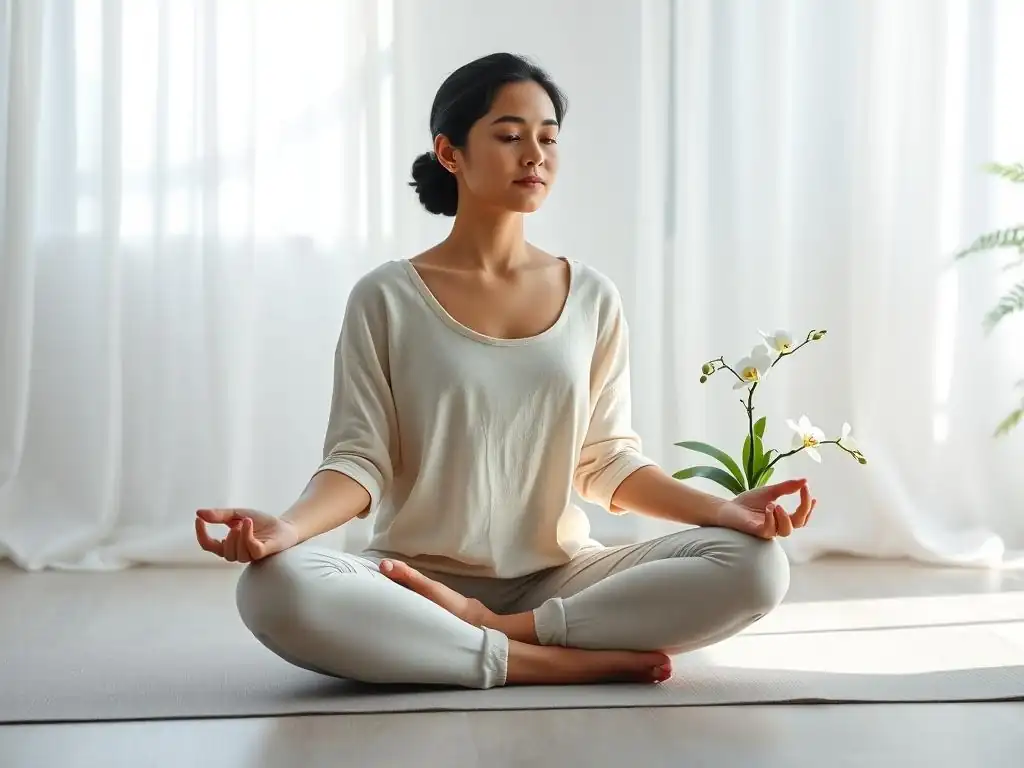
Mindfulness and meditation are integral components of yoga, extending beyond the physical poses and breathing exercises. They cultivate awareness of the present moment without judgment, a skill that is profoundly beneficial for managing challenging emotional states like anxiety and depression. Integrating these practices helps to retrain the mind, reducing reactivity to negative thoughts and feelings.
While physical yoga prepares the body and calms the nervous system, meditation and mindfulness directly address the mental patterns associated with mood disorders. They provide tools to observe thoughts and emotions from a distance, creating space between the feeling and the reaction. This capacity for non-reactive observation is a cornerstone of sustained mental well-being.
Cultivating Present Moment Awareness Through Yoga
Yoga naturally encourages present moment awareness by requiring focus on breath and physical sensations. As you move through poses, your attention is directed to how your body feels, the rhythm of your breath, and the subtle shifts occurring within. This intentional focus pulls the mind out of ruminating on the past or worrying about the future, which are common patterns in anxiety and depression.
By repeatedly bringing your attention back to the present moment during practice, you strengthen your capacity for mindfulness off the mat. This increased awareness allows you to notice early signs of stress or anxiety arising and apply coping strategies learned through yoga, such as deep breathing or gentle movement. This consistent practice of presence is a fundamental aspect of using yoga for anxiety relief and emotional regulation.
Guided Meditations for Anxiety and Depression
Guided meditations can be particularly helpful for beginners or those struggling to quiet a busy mind. These meditations involve listening to an instructor who guides you through relaxation techniques, body scans, visualizations, or affirmations designed to cultivate calm, self-compassion, or positive reframing. Many guided meditations specifically target anxiety or low mood, offering tailored support.
Listening to a calming voice and following simple instructions can make meditation feel more accessible and less daunting. The structure provided in guided meditations can help maintain focus and prevent the mind from wandering into anxious or depressive thought loops. Regularly using guided meditations can reinforce the calming benefits derived from the physical practice of yoga for anxiety relief.
Integrating Mindfulness into Daily Yoga Practice
Mindfulness isn't just about sitting still; it's about bringing conscious awareness to every aspect of your yoga practice. This means paying attention to the transitions between poses, the subtle sensations in your body, the quality of your breath in each movement, and the thoughts and emotions that arise without judgment.
By integrating mindfulness into your daily yoga, you transform the physical practice into a moving meditation. This deepens the connection between mind and body and enhances the therapeutic benefits. It teaches you to approach challenges on the mat (like holding a difficult pose) with the same non-reactive awareness you can apply to challenges in life, building resilience and reinforcing the power of yoga for anxiety relief and overall emotional balance.
Creating a Personalized Yoga Practice for Emotional Well-being
Just as mental health treatment is often individualized, so too should your yoga practice be. What works for one person may not work for another, and your needs may change from day to day. Creating a personalized practice involves understanding your current emotional state and tailoring your poses, breathwork, and meditation accordingly.
A personalized approach ensures that your yoga is a supportive tool, not another source of stress or frustration. It empowers you to take an active role in your well-being, using the principles of yoga to address your specific challenges, whether they relate to anxiety, low mood, or other emotional difficulties. This adaptability is key to making yoga for anxiety relief a sustainable and effective strategy.
Assessing Your Current Mood and Needs
Before stepping onto your mat, take a moment to check in with yourself. How are you feeling physically and emotionally? Are you feeling restless and anxious, or sluggish and low? Are you holding tension anywhere in your body? Are your thoughts racing, or is your mind quiet?
This simple assessment helps you choose the right type of practice for that day. If you're anxious, you might prioritize grounding poses and calming breathwork. If you're feeling low, you might opt for energizing sequences and heart-opening poses. Tuning into your needs makes your practice more effective and responsive to your current state, optimizing your yoga for anxiety relief or mood uplift.
Sequencing Yoga Poses for Specific Moods
Sequencing refers to the order in which poses are practiced. A thoughtful sequence can build energy, promote relaxation, or target specific areas of the body where tension is held. For anxiety, a sequence might start with grounding poses, move through gentle stretches to release tension, include calming forward folds, and end with restorative poses and breathwork.
For low mood, a sequence might begin with energizing breath, move into dynamic standing poses and Sun Salutations, include heart-opening backbends, and conclude with a brief, uplifting meditation. Learning how different categories of poses affect your energy and mood allows you to create sequences that directly support your emotional goals, making your yoga for anxiety relief or mood boost more targeted.
Adapting Yoga for Physical Limitations and Mental Health Conditions [e.g., Generalized Anxiety Disorder, Bipolar Disorder]
It's crucial to adapt your yoga practice to any physical limitations or specific mental health conditions you may have. Modifications to poses can make them accessible and safe. For example, using props like blocks, blankets, or straps can provide support and stability. If certain inversions or stimulating breathwork trigger anxiety or are contraindicated for your condition (like Bipolar Disorder), they should be avoided or modified significantly.
Individuals with conditions like Generalized Anxiety Disorder (GAD) might benefit most from consistently gentle, calming practices, while someone managing Bipolar Disorder might need different practices depending on whether they are experiencing depressive or manic phases – calming during elevated mood, energizing during low mood, always in consultation with healthcare providers. Always listen to your body and mind, and consider working with a trauma-informed yoga teacher or a therapist who incorporates yoga, especially when using yoga for anxiety relief or other significant mental health challenges.
Tips for Maintaining a Consistent Yoga Practice for Anxiety and Mood Disorders
Consistency is key to experiencing the long-term benefits of yoga for mental well-being. Short, regular practices are often more effective than infrequent, long ones. However, maintaining a consistent practice can be challenging, especially when dealing with the symptoms of anxiety or depression, such as lack of motivation or energy. Establishing routines and finding support can help.
Building yoga into your life as a regular habit, much like taking medication or attending therapy appointments, reinforces its role as a tool for managing your mental health. It's about creating sustainable patterns that you can return to, even on difficult days. These tips can help you integrate yoga for anxiety relief and mood support into your daily or weekly routine.
Setting Realistic Goals and Expectations
Avoid pressuring yourself to practice for an hour every day or master complex poses immediately. Start small, perhaps 10-15 minutes a few times a week. Focus on consistency rather than duration or intensity. Recognize that some days it might just be a few minutes of deep breathing or a single calming pose like Child's Pose.
Setting realistic goals prevents discouragement. Celebrate showing up on your mat, even if it's just for a short time. Understand that the benefits of yoga for anxiety relief accumulate over time, and progress isn't always linear. Be patient and compassionate with yourself throughout the process.
Finding a Supportive Yoga Community
Practicing yoga doesn't have to be a solitary endeavor. Joining a local studio, participating in online classes, or finding a yoga buddy can provide motivation, accountability, and a sense of connection. Many studios offer classes specifically tailored for stress reduction or mental health.
A supportive community can offer encouragement and shared experience. Practicing alongside others can create a sense of belonging and reduce feelings of isolation, which can be particularly helpful for those experiencing depression or social anxiety. Sharing your journey can reinforce your commitment to using yoga for anxiety relief and overall wellness.
Tracking Your Progress and Celebrating Successes
Keeping a simple journal can help you track how your mood and anxiety levels are influenced by your yoga practice. Note how you felt before and after practicing, what poses or breathing techniques were most helpful, and any changes you notice over time in your ability to manage stress or lift your mood.
Acknowledging small successes, like making it to your mat on a tough day or noticing a subtle shift in your mood after practice, is important. Celebrating these milestones reinforces positive behavior and provides motivation to continue. Tracking progress offers tangible evidence of how yoga for anxiety relief is positively impacting your life.
The Benefits of Yoga for Long-Term Mental Well-being
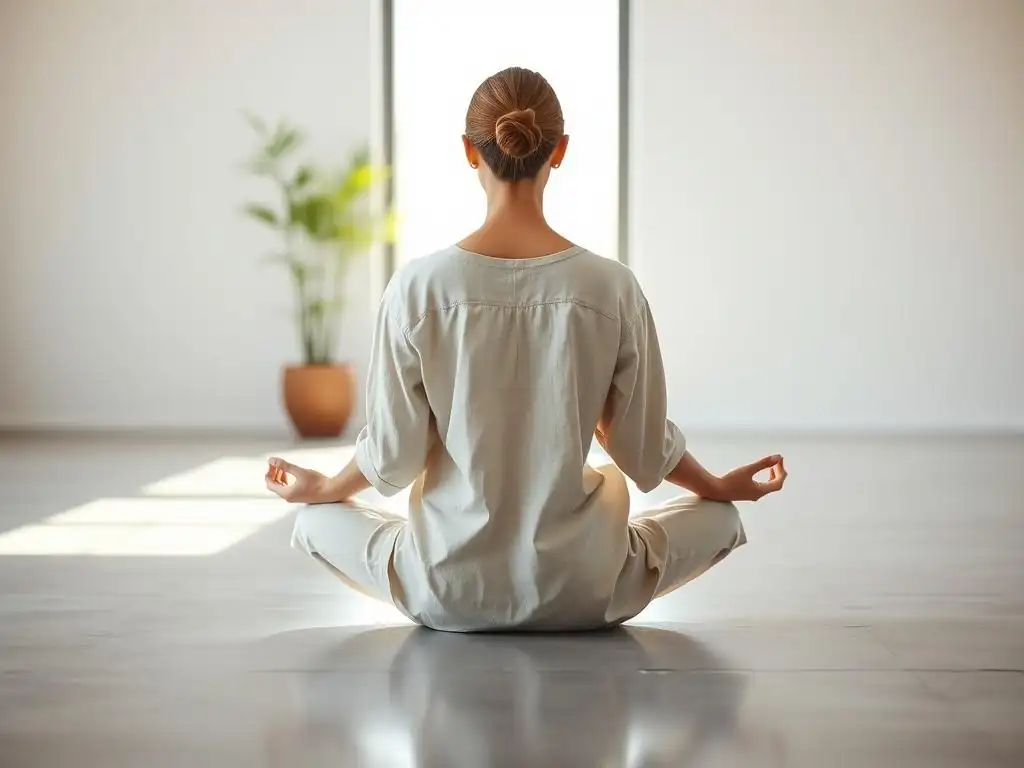
Committing to a regular yoga practice yields cumulative benefits for mental health that extend far beyond the mat. Over time, yoga can fundamentally change how you experience and respond to stress, anxiety, and negative emotions, building a stronger foundation for emotional resilience and overall well-being.
These long-term effects are what make yoga a powerful tool for sustained mental health management, not just a temporary fix. By addressing the root causes of imbalance and building internal resources, yoga empowers individuals to navigate life's challenges with greater ease and stability, solidifying its role as a profound practice for yoga for anxiety relief and mood enhancement.
Reduced Anxiety and Stress Levels
Consistent yoga practice has been shown to lead to a significant and lasting reduction in overall anxiety and stress levels. By regularly activating the parasympathetic nervous system and reducing stress hormones like cortisol, the body learns to return to a state of calm more quickly. Studies, including those published in the Journal of Alternative and Complementary Medicine, have demonstrated that participants in yoga programs show marked decreases in self-reported anxiety symptoms compared to control groups.
The development of mindfulness through yoga also allows individuals to observe anxious thoughts without being overwhelmed by them, reducing the frequency and intensity of anxious episodes. This learned ability to detach from distressing thoughts is a key component of long-term anxiety management, directly contributing to the effectiveness of yoga for anxiety relief.
Improved Mood and Emotional Regulation
Regular yoga can significantly improve mood and enhance the ability to regulate emotions. By increasing levels of neurotransmitters like GABA and potentially serotonin, yoga can help lift feelings of depression and improve emotional stability. The physical activity itself also releases endorphins, natural mood boosters.
Furthermore, yoga cultivates a greater awareness of emotional patterns. This allows individuals to recognize and process emotions more effectively, rather than suppressing or being controlled by them. The practice fosters self-compassion and acceptance, creating a more positive internal environment that supports improved mood and emotional resilience over time.
Enhanced Self-Awareness and Resilience
Yoga encourages a deep connection with the self – body, mind, and spirit. This increased self-awareness allows individuals to better understand their triggers, emotional patterns, and physical responses to stress. This insight is invaluable for anticipating challenges and responding proactively rather than reactively.
By consistently navigating physical and mental challenges on the mat (like holding a pose or staying present during meditation), individuals build resilience. They learn that they can tolerate discomfort, observe difficult experiences without being consumed by them, and emerge stronger. This enhanced self-awareness and resilience are enduring benefits that support mental well-being in all aspects of life.
Beyond Poses: Other Lifestyle Factors to Support Your Yoga Journey
While yoga poses, breathwork, and meditation are powerful in themselves, their effectiveness for mental health is amplified when supported by other healthy lifestyle choices. Integrating yoga with conscious nutrition, adequate sleep, and meaningful social connections creates a holistic approach to well-being that addresses the interconnectedness of mind, body, and environment.
Focusing solely on yoga without considering these other factors is like trying to fill a leaky bucket. Addressing diet, sleep, and social needs provides a stable foundation that allows the benefits of yoga for anxiety relief and mood regulation to flourish and become more deeply integrated into your life.
Nutrition for Mental Wellness
The food we eat directly impacts our brain chemistry and mood. A diet rich in whole foods, fruits, vegetables, lean proteins, and healthy fats provides the necessary nutrients for optimal brain function and neurotransmitter production. Conversely, diets high in processed foods, sugar, and unhealthy fats can contribute to inflammation and negatively affect mood and energy levels.
Ensuring adequate intake of omega-3 fatty acids, B vitamins, and minerals like magnesium is particularly important for mental health. Staying hydrated is also crucial. By nourishing your body with nutrient-dense foods, you create a biochemical environment that supports mental stability and enhances the positive effects of your yoga practice on your mood and anxiety.
Sleep Hygiene for Mood Regulation
Sufficient and quality sleep is fundamental to emotional regulation and cognitive function. Chronic sleep deprivation is strongly linked to increased anxiety, irritability, and depression. Yoga, particularly calming evening practices and breathwork, can help improve sleep quality by reducing stress and promoting relaxation.
Establishing a consistent sleep schedule, creating a relaxing bedtime routine (which could include gentle yoga or meditation), ensuring your sleep environment is dark and quiet, and avoiding screens before bed are all vital components of good sleep hygiene. Prioritizing sleep provides the restorative rest your brain needs to manage emotions and stress effectively, supporting your efforts in using yoga for anxiety relief.
Humans are social beings, and meaningful connections with others are essential for mental well-being. Social support can buffer stress, provide perspective, and combat feelings of loneliness or isolation, which are often present in mood disorders. Engaging in shared activities, talking with friends and family, or joining support groups can have a profound positive impact.
Finding a yoga community, as mentioned earlier, is one way to foster social connection. Beyond yoga, actively nurturing relationships and seeking out positive social interactions provides emotional nourishment that complements the internal work done on the mat. A strong social network enhances resilience and supports overall mental health.
Resources for Learning More About Yoga for Mental Health
Exploring yoga for mental health is a journey, and having access to reliable resources can support your practice and understanding. Whether you're looking for specific styles, qualified teachers, or further information, these resources can guide you in deepening your practice and maximizing its benefits for your emotional well-being.
Finding the right resources can help you tailor your approach, learn new techniques, and stay motivated. It's important to seek out resources that are reputable and align with your personal needs and goals, particularly when using yoga for anxiety relief or managing other mental health conditions.
Recommended Yoga Styles and Teachers
Certain styles of yoga may be more conducive to mental health goals than others. Gentle Hatha, Restorative Yoga, and Yin Yoga are often recommended for their calming and grounding qualities, making them excellent for anxiety relief. Vinyasa or more dynamic styles can be beneficial for combating low mood, but it's important to find a pace that feels sustainable and not overwhelming. Trauma-Informed Yoga is a specialized approach that is particularly sensitive to the needs of individuals who have experienced trauma, which often co-occurs with anxiety and mood disorders.
Finding a qualified and empathetic teacher is crucial. Look for instructors who have experience working with students with mental health challenges or who teach styles known for their therapeutic benefits. A good teacher can offer modifications, guidance on breathwork, and create a safe and supportive class environment.
Books and Online Platforms for Yoga Practice
Numerous books offer guidance on using yoga for specific mental health conditions, providing pose sequences, breathing exercises, and philosophical insights. Online platforms and apps offer a wide variety of classes, from short meditations to full-length practices, allowing you to practice at home on your own schedule.
When choosing online resources, look for platforms with experienced instructors and clear guidance. Many offer filtered searches for classes focused on stress, anxiety, depression, or relaxation. While online resources are convenient, they should ideally supplement, not replace, learning from qualified teachers, especially if you are new to yoga or have specific health concerns.
Mental Health Professionals Who Integrate Yoga Therapy
Yoga therapy is a specialized field where trained therapists use yoga techniques within a therapeutic framework to address specific physical, mental, and emotional health challenges. A yoga therapist conducts an initial assessment and designs a personalized yoga program tailored to your individual needs and goals, working alongside other mental health treatments.
If you are dealing with significant anxiety, depression, or trauma, working with a mental health professional who incorporates yoga therapy or is knowledgeable about the benefits of yoga for anxiety relief can provide a powerful integrated approach to your care. They can help you safely incorporate yoga into your overall treatment plan and ensure it complements other therapeutic interventions.
Frequently Asked Questions
How does yoga help with anxiety relief?
Yoga helps by combining physical postures, breathwork, and meditation, which calms the nervous system and reduces stress hormones like cortisol. This leads to a feeling of calm and improved mood.
What are some specific yoga poses that are particularly effective for anxiety?
Poses like Child's Pose, Forward Fold, and Corpse Pose are known to be beneficial. These poses promote relaxation and grounding, which can help alleviate anxiety symptoms.
How often should I practice yoga to experience anxiety relief?
Even short, consistent practice can make a difference. Aim for at least 3-4 times a week, even if it's just for 15-20 minutes each session, to see noticeable improvements in your anxiety levels.
Can yoga completely replace medication for anxiety?
Yoga can be a valuable tool for managing anxiety, but it's not always a replacement for medication. It's best to consult with a healthcare professional to determine the most appropriate treatment plan for your individual needs.
Where can I find resources and support for practicing yoga for anxiety?
Mind Care Guide offers a comprehensive guide to mental well-being, including information and resources on yoga. You can also find qualified yoga instructors and online classes specializing in anxiety relief.
Final Reflection: Finding Stillness in the Storm
The pervasive anxiety of modern life demands accessible tools for self-care, and the ancient practice of yoga offers a powerful antidote. Its ability to calm the nervous system and cultivate inner peace is not merely a trend; it's a vital resource for navigating the complexities of our increasingly stressful world. This exploration of yoga poses and practices for anxiety relief highlights the profound connection between physical movement and mental well-being, offering a pathway to a more balanced and resilient self.
The impact of yoga on the cultural landscape is undeniable, moving beyond the confines of fitness studios and into mainstream wellness practices. Its accessibility, coupled with its demonstrable benefits for mental health, has made it a cornerstone of self-care for millions. The integration of mindfulness and breathwork, central to many yoga styles, reflects a growing societal awareness of the mind-body connection. Yoga is not about touching your toes; it's about what you learn on the way down.
– Jigar Gor. This quote encapsulates the journey of self-discovery that yoga facilitates, a journey that extends far beyond the physical postures and into the depths of our inner selves.
Consider the ways in which you can incorporate even a few minutes of mindful movement and breathwork into your daily routine. Perhaps it's a simple sun salutation before your workday begins, or a few deep breaths during a stressful moment. You don't need to be a seasoned yogi to reap the benefits; the power lies in the intention and the consistency. Embrace the opportunity to cultivate inner peace, to find stillness amidst the storm, and to discover the transformative potential of yoga for your own well-being. Start today. Your calmer, more centered self awaits.
Unleash Your Inner Calm: Start Your Yoga Journey Today!
Thanks for taking the time to explore the power of yoga for mood improvement! We hope you discovered some valuable techniques to help navigate those challenging moments. Now, let's put that knowledge into practice.
- Begin your personalized yoga practice: Select one or two poses from the article that resonated with you and try them out today. Even 5 minutes can make a difference!
- Share your experience: Tell us (or a friend!) about your practice. What pose felt most impactful? What small shifts did you notice?
- Explore further: Dive deeper into the resources mentioned in the article or search for beginner-friendly yoga videos online – find what sparks your interest and commitment.
Ready to cultivate a calmer, more balanced you? What's the first pose you'll try?