
The First Responder Role: Providing Immediate Help in Mental Health Crisis


Welcome to Mind Care Guide, a space dedicated to nurturing your mental well-being.
Feeling overwhelmed? You're not alone. Many face unique pressures, especially those on the front lines. Dive into our article, "The First Responder Role: Providing Immediate Help in Mental Health Crisis," to understand the critical role these individuals play and, more importantly, explore vital resources for first responder mental health support. Discover practical strategies and compassionate guidance to help yourself or someone you know navigate challenging times. What support systems are truly effective, and how can we build stronger, more resilient communities? Let's find out together.
The First Responder Role: Providing Immediate Help in Mental Health Crisis
- Understanding the Crucial Role of First Responders in Mental Health Crises
- Recognizing a Mental Health Crisis: Key Indicators and Warning Signs
- Immediate Steps for First Responders: Providing On-the-Spot Mental Health Support
- Essential Mental Health First Aid Techniques for Crisis Intervention
- Connecting Individuals to Mental Health Resources: A First Responder's Guide
- Self-Care for First Responders: Maintaining Your Own Mental Well-being
- The Importance of Training and Education for First Responders in Mental Health
- Legal and Ethical Considerations for First Responders in Mental Health Crises
- Case Studies: Real-Life Examples of Effective First Responder Mental Health Support
- Building a More Supportive Community: The Role of Everyone in Mental Health Crisis Intervention
-
Frequently Asked Questions
- What unique mental health challenges do first responders face?
- What is the importance of "First Responder Mental Health Support" in a crisis situation?
- What types of resources are available for first responders seeking mental health support?
- How can communities better support the mental health of their first responders?
- What role does the "Mind Care Guide" play in providing "First Responder Mental Health Support"?
- Final Reflection: The Urgent Need for First Responder Mental Health Support
- Unleash Your Inner First Responder: Take Action Now!
Understanding the Crucial Role of First Responders in Mental Health Crises
Defining the First Responder in Mental Health
First responders are typically the first professional individuals on the scene during an emergency. This broad category encompasses law enforcement officers, paramedics, firefighters, and emergency medical technicians (EMTs). While their primary training often focuses on medical emergencies, crime scenes, or fire suppression, they are increasingly finding themselves on the front lines of mental health crises. Their role extends beyond providing immediate physical safety or medical aid; they are often the first point of contact for individuals experiencing severe psychological distress, requiring them to possess skills in de-escalation and initial psychological support.
In the context of mental health, a first responder acts as a crucial bridge between a person in acute crisis and the appropriate mental healthcare system. They are tasked with quickly assessing a complex and volatile situation, ensuring the safety of the individual in crisis, themselves, and the public, and making critical decisions under pressure.
This often involves navigating situations where individuals may be experiencing psychosis, severe depression, panic attacks, or suicidal ideation, requiring a unique blend of compassion, tactical skill, and immediate access to resources. The ability of these professionals to provide effective first responder mental health support can significantly impact the outcome of a crisis, potentially preventing harm and facilitating access to necessary care.
The Growing Need for First Responder Mental Health Support
The demand for first responder mental health support is escalating across the globe. Data from various regions indicates a significant portion of emergency calls involve a mental health component. For instance, some studies suggest that between 20% and 30% of police calls for service may involve individuals with mental illness, and this number can be even higher in specific urban areas.
Similarly, paramedics and EMTs frequently encounter individuals in psychiatric distress or those experiencing substance abuse issues intertwined with mental health conditions. This rising tide of mental health emergencies places immense pressure on first responders, who are often ill-equipped by traditional training alone to handle such complex situations effectively.
This growing need highlights a critical gap in emergency response capabilities and underscores the necessity for specialized training and resources focused on mental health crisis intervention for these professionals. Without adequate first responder mental health support training, individuals in crisis may experience unnecessary trauma, and responders themselves face increased risk of burnout and psychological distress. Investing in comprehensive training programs and providing ongoing support services for first responders is not just beneficial for the individuals they serve, but also essential for maintaining the well-being and effectiveness of the emergency response workforce itself.
Addressing the Stigma Surrounding Mental Health Crises
Addressing the deep-seated stigma surrounding mental health crises is paramount for effective first responder intervention. Stigma can manifest in many ways, including public misunderstanding, fear, discrimination, and reluctance among individuals to seek help. For first responders, encountering someone in a mental health crisis often involves navigating these societal prejudices, which can complicate interactions and exacerbate the individual's distress. Individuals experiencing a crisis may be labeled or judged, making them resistant to help, particularly from authority figures.
First responders play a vital role in breaking down this stigma by approaching individuals in crisis with empathy, respect, and a non-judgmental attitude. By demonstrating compassion and understanding, they can help de-escalate situations and build trust. Furthermore, educating first responders about mental health conditions helps dispel myths and reduces their own potential biases. This informed and empathetic approach is a crucial component of effective first responder mental health support, creating a safer and more supportive environment for those experiencing a crisis and encouraging them to engage with the mental healthcare system.
Recognizing a Mental Health Crisis: Key Indicators and Warning Signs
Identifying Behavioral Changes Suggestive of a Crisis
Behavioral changes are often the most visible indicators that an individual may be experiencing a mental health crisis. These changes can range from subtle shifts to dramatic deviations from a person's typical conduct. A first responder might observe sudden, unpredictable aggression or agitation in someone usually calm, or conversely, extreme withdrawal and unresponsiveness in an otherwise social person.
Other signs include erratic or disorganized behavior, such as incoherent speech, bizarre actions unrelated to the environment, or difficulty following simple instructions. A person might also exhibit significant changes in activity levels, either becoming hyperactive and restless or showing a marked decrease in energy and motivation.
Furthermore, changes in self-care habits can be telling. Neglecting personal hygiene, not eating or sleeping properly, or engaging in risky behaviors like substance abuse or reckless actions are significant warning signs. For example, encountering someone who is wandering aimlessly in a dangerous location with a disheveled appearance and exhibiting signs of severe paranoia could indicate a behavioral manifestation of a psychotic episode or other severe mental health crisis. Recognizing these deviations from expected behavior is a critical skill for first responders providing immediate help and is a core part of initial first responder mental health support assessment.
Understanding Emotional Distress Signals in Mental Health Emergencies
Emotional distress signals provide crucial insight into an individual's internal state during a mental health emergency. While behavior is observable, understanding the underlying emotions is key to an empathetic response. Signs of severe emotional distress can include intense and uncontrollable crying, profound sadness or despair, overwhelming anxiety or panic attacks, and extreme irritability or rage that seems disproportionate to the situation. A person might express feelings of hopelessness, worthlessness, or intense fear. They may appear highly agitated, trembling, or visibly distressed.
In some cases, emotional distress can manifest as emotional flatness or an inability to express any emotion at all, which can be just as concerning as outward displays of distress. For example, a first responder might encounter an individual who is completely withdrawn, speaks in a monotone, and shows no reaction to external stimuli, which could indicate severe depression or a dissociative state.
Being attuned to these emotional cues, both overt and subtle, allows first responders to approach the individual with greater sensitivity and tailor their communication and de-escalation strategies effectively, enhancing the provision of first responder mental health support.
Recognizing Cognitive Impairment as a Crisis Indicator
Cognitive impairment, or changes in a person's thinking processes, is a significant indicator of a potential mental health crisis. This can present as confusion, disorientation regarding time, place, or identity, or difficulty concentrating and processing information. A person might exhibit disorganized thinking, jumping between unrelated ideas, or expressing delusional beliefs – fixed, false beliefs that are not based in reality. Hallucinations, such as hearing voices or seeing things that aren't there, are also clear signs of cognitive distortion.
Memory problems, difficulty making decisions, or a noticeable decline in problem-solving abilities can also signal a crisis, especially if they are sudden or severe. For instance, a first responder might talk to someone who is convinced they are being persecuted by a specific group (a delusion) or is responding to internal stimuli (hallucinations), clearly indicating a break from reality.
Recognizing these cognitive impairments is essential for first responders to understand that the individual's perception of the situation may be distorted, guiding them to use clear, simple language and adjust their expectations during the interaction. This recognition is fundamental to providing appropriate first responder mental health support in complex situations.
Immediate Steps for First Responders: Providing On-the-Spot Mental Health Support
Approaching an Individual in Crisis: Communication Techniques
Approaching an individual in a mental health crisis requires a careful and strategic communication style focused on safety and de-escalation. The initial approach should be calm, slow, and non-threatening. Maintaining a safe distance, avoiding sudden movements, and keeping hands visible can help reduce perceived threats. Establishing clear, simple, and respectful communication is paramount. Address the person by name if known, and speak in a calm, steady tone. Avoid jargon, complex sentences, or asking too many questions at once. The goal is to build rapport quickly and establish a sense of safety.
Effective communication involves active listening, which includes paying full attention, making eye contact (if culturally appropriate and not perceived as threatening), and using verbal and non-verbal cues to show you are listening, such as nodding or saying "I understand." Reflecting back what you hear can help clarify their feelings and show empathy ("It sounds like you are feeling very scared right now"). Avoid arguing, confronting delusions or hallucinations directly, or making false promises.
Patience is key; allow pauses and give the person time to process information and respond. These techniques are fundamental to providing effective first responder mental health support in the field.
De-escalation Strategies: Calming and Stabilizing the Situation
De-escalation is a core skill for first responders encountering individuals in distress, aiming to reduce tension and prevent the situation from worsening. Creating a calm environment is crucial; this might involve reducing noise, minimizing the number of people present, or moving to a less stimulating location if possible. Offering simple choices can give the individual a sense of control ("Would you like to sit down here or over there?
"), which can be empowering. Validate their feelings without necessarily agreeing with their distorted thoughts ("I can see that you are very upset," or "It sounds like you are going through a difficult time").
Focusing on the present moment and what you can do to help right now is more effective than dwelling on the past or arguing about reality. For example, instead of debating a delusion, a first responder might say, "While I don't see [the perceived threat], I can see that you are very distressed by it, and I'm here to help you feel safer." Offering practical assistance, such as a glass of water or a place to sit, can also be grounding.
Knowing when to back off slightly if the individual becomes more agitated is also part of strategic de-escalation. These deliberate actions are essential components of providing effective first responder mental health support and ensuring a safer resolution to the crisis.
Ensuring Safety: Prioritizing the Well-being of Everyone Involved
Ensuring the safety of the individual in crisis, the first responders, and any bystanders is the absolute top priority in any mental health emergency. This involves a continuous risk assessment throughout the interaction. First responders must quickly evaluate the potential for self-harm, harm to others, or the presence of weapons. This assessment informs decisions about how to approach the situation, whether to involve additional resources, and what level of caution is necessary. Maintaining situational awareness – being aware of the environment, potential escape routes, and the positions of everyone involved – is non-negotiable.
Physical safety measures, such as clearing the area of potential hazards or ensuring backup is available, may be necessary. If there is an immediate threat of violence, first responders are trained to use appropriate, and ideally the least restrictive, methods to ensure safety, which may involve safe restraint techniques if absolutely necessary and legally permissible.
The goal is always to stabilize the situation safely before focusing entirely on mental health support. Balancing the need for compassion and de-escalation with the imperative of safety is a complex task that requires significant training and is central to effective first responder mental health support.
Essential Mental Health First Aid Techniques for Crisis Intervention

Active Listening and Empathy: Building Trust and Rapport
Active listening and empathy are cornerstones of effective mental health first aid provided by first responders. Active listening goes beyond simply hearing words; it involves fully concentrating on, understanding, responding to, and remembering what is being said. Techniques include maintaining appropriate eye contact, using encouraging nods and verbal affirmations ("I hear you," "Go on"), avoiding interruptions, and summarizing or paraphrasing what the person has said to confirm understanding ("So, if I understand correctly, you're feeling overwhelmed because...?"). This shows the individual that they are being heard and taken seriously.
Empathy is the ability to understand and share the feelings of another person. For a first responder, this means trying to see the situation from the perspective of the individual in crisis, even if their perception is distorted by illness. Expressing empathy does not mean agreeing with delusions or condoning harmful behavior, but rather acknowledging the person's emotional state and distress ("That sounds incredibly frightening," or "It must be very difficult to feel that way").
This empathetic approach helps build trust and rapport, which is crucial for de-escalating the situation and encouraging the individual to accept help. Integrating these skills is fundamental to providing compassionate first responder mental health support.
Assessing Risk: Evaluating the Potential for Self-Harm or Harm to Others
A critical component of mental health first aid for first responders is rapidly assessing the immediate risk of the individual harming themselves or others. This involves asking direct yet sensitive questions about suicidal ideation or intent, such as "Are you having thoughts of harming yourself?" or "Have you thought about how you might do that?"
While asking these questions can feel difficult, it does not plant the idea in someone's head; rather, it provides an opportunity for them to share their distress and for the first responder to intervene. It is estimated that a significant percentage of individuals contemplating suicide will give some warning sign.
Assessing risk also involves looking for warning signs like talking about death or dying, giving away possessions, sudden mood improvements after a period of depression (which could indicate a decision has been made), or access to means of self-harm. Similarly, assessing the risk of harm to others involves evaluating threats made, history of violence, level of agitation, and presence of weapons.
First responders must be trained to recognize these signs and understand that a high-risk assessment necessitates immediate action, such as ensuring safety, staying with the individual, and initiating transport to a facility that can provide higher-level care. Accurate risk assessment is a non-negotiable aspect of providing responsible first responder mental health support.
Providing Reassurance: Instilling Hope and Reducing Anxiety
Providing appropriate reassurance is a key technique for first responders aiming to reduce anxiety and instill a sense of hope in someone experiencing a mental health crisis. Reassurance should be realistic and based on what the first responder can do, rather than making promises that cannot be kept. Simple statements like "You are not alone," "I am here to help you," or "We can get through this together" can be powerful.
Focusing on immediate safety and the next steps in getting help can also be reassuring. For example, "My priority right now is to make sure you are safe," or "We are going to find someone who can help you with what you're going through."
Avoid minimizing the person's feelings or telling them to "calm down," as this can invalidate their experience and increase agitation. Instead, validate their distress while offering a sense of stability and support. Remind them that crises are often temporary and that help is available.
For someone experiencing intense panic, guiding them through simple breathing exercises can be a form of practical reassurance. The presence of a calm, confident, and compassionate first responder who offers realistic hope and safety is a vital source of comfort during a time of extreme vulnerability. This empathetic approach is central to effective first responder mental health support.
Connecting Individuals to Mental Health Resources: A First Responder's Guide
Local Mental Health Services: Identifying Available Support Systems
Connecting individuals experiencing a mental health crisis with appropriate follow-up care is a critical function of the first responder role, extending beyond immediate crisis intervention. First responders should have a working knowledge of the local mental health landscape. This includes identifying accessible resources such as community mental health centers, psychiatric hospitals, crisis stabilization units, and outpatient clinics. Knowing the typical intake processes, eligibility criteria, and hours of operation for these services allows first responders to provide accurate information and facilitate a smooth transition to care.
Building relationships with local mental health service providers can also be beneficial, fostering better collaboration and understanding between emergency services and mental healthcare. For instance, some jurisdictions have established formal agreements or protocols outlining how first responders should connect individuals with specific local providers. Providing a person in crisis, or their family, with concrete information – like the name of a local center, a phone number, or even arranging direct transport – is a tangible form of first responder mental health support that goes beyond the initial emergency response and helps ensure continuity of care.
Crisis Hotlines and Helplines: Immediate Telephone Support Options
Crisis hotlines and helplines offer immediate, confidential telephone support and are invaluable resources that first responders can utilize or recommend. Services like the National Suicide Prevention Lifeline (often reachable via a three-digit dialing code like 988 in some regions) or local county crisis lines are staffed by trained counselors who can provide support, de-escalation, and resource referrals over the phone. These lines are available 24/7 and can be a lifeline for individuals in distress who may not require immediate in-person intervention but need someone to talk to or guidance on next steps.
First responders can use these hotlines themselves while on scene, perhaps consulting with a crisis counselor about how to best handle a situation, or they can provide the number to the individual or their family once the immediate crisis is stabilized. Encouraging someone to call a helpline can empower them to seek help independently. Having readily available cards or pamphlets with local and national crisis line numbers is a simple yet effective tool for first responders providing mental health support, ensuring individuals have immediate access to help even after the responder has left the scene.
Mobile Crisis Teams: On-Site Mental Health Crisis Intervention
Mobile Crisis Teams (MCTs) represent a specialized resource that is increasingly being integrated into emergency response systems to enhance first responder mental health support. These teams typically consist of mental health professionals, such as social workers, counselors, or nurses, who are dispatched to the scene of a mental health crisis, often alongside or instead of traditional first responders like police. Their expertise allows for more thorough on-site assessment, de-escalation, and connection to appropriate services than may be possible for responders without specialized mental health training.
The presence of an MCT can lead to better outcomes, including fewer arrests, reduced need for emergency department visits, and increased connections to community-based mental health treatment. For first responders, partnering with MCTs can provide valuable support, allowing them to focus on safety while mental health professionals address the clinical aspects of the crisis. Knowing when and how to request an MCT dispatch is a crucial piece of a first responder's knowledge base, representing an optimal level of integrated first responder mental health support in many communities.
Self-Care for First Responders: Maintaining Your Own Mental Well-being
Recognizing the Impact of Trauma: Addressing Secondary Trauma
First responders are routinely exposed to traumatic events, including those involving severe mental health crises, suicide attempts, and tragic outcomes. This exposure can take a significant toll on their own mental well-being, leading to conditions like Post-Traumatic Stress Disorder (PTSD), depression, anxiety, and burnout. Beyond direct exposure, first responders often experience secondary or vicarious trauma, which results from repeated exposure to the trauma of others. Hearing harrowing stories, witnessing profound suffering, and dealing with the emotional intensity of mental health emergencies can deeply affect a responder's psychological state, even if they were not directly harmed.
Recognizing the signs of secondary trauma is the first step towards addressing it. These signs can include emotional numbness, increased cynicism, difficulty sleeping, irritability, heightened anxiety, withdrawal from loved ones, and physical symptoms like headaches or fatigue. Ignoring these symptoms can lead to long-term mental health challenges and impact a responder's ability to function effectively. Acknowledging that providing first responder mental health support to others requires prioritizing one's own mental health is not a weakness, but a necessity for a sustainable career in emergency services.
Strategies for Stress Management: Coping Mechanisms for First Responders
Developing effective stress management and coping mechanisms is essential for first responders to mitigate the psychological impact of their challenging work, including responding to mental health crises. Healthy coping strategies can include regular physical exercise, which is proven to reduce stress hormones and improve mood. Practicing mindfulness or meditation techniques, even for a few minutes a day, can help responders stay grounded and manage stress in high-pressure situations. Engaging in hobbies or activities outside of work that provide joy and a sense of accomplishment is also crucial for maintaining perspective and preventing burnout.
Building a strong social support network is another vital strategy. Talking with trusted colleagues, friends, or family members about their experiences can provide emotional release and validation. Many departments also offer peer support programs, connecting responders with others who understand the unique stresses of the job. Establishing healthy sleep habits and maintaining a balanced diet also contribute significantly to overall resilience. Proactively implementing these strategies helps first responders stay resilient and capable of providing consistent first responder mental health support.
Seeking Support: Accessing Mental Health Services for First Responders
Despite the critical nature of their work in providing first responder mental health support to others, first responders often face significant barriers, including internal and external stigma, when it comes to seeking mental health help for themselves. Many fear that admitting they need support will be seen as a sign of weakness, jeopardize their career, or lead to loss of their badge or certification. However, accessing professional mental health services is a sign of strength and crucial for long-term well-being and career longevity.
Departments and communities must work to create a culture that encourages and facilitates access to confidential mental health support for their first responders. This can include providing access to therapists who specialize in trauma and first responder issues, offering Employee Assistance Programs (EAPs) with robust mental health coverage, and ensuring that seeking help is confidential and does not negatively impact their professional standing.
Regular debriefings after critical incidents and proactive mental wellness check-ins should also be standard practice. Prioritizing and facilitating access to support is an essential aspect of supporting the mental health of those who provide first responder mental health support.
The Importance of Training and Education for First Responders in Mental Health
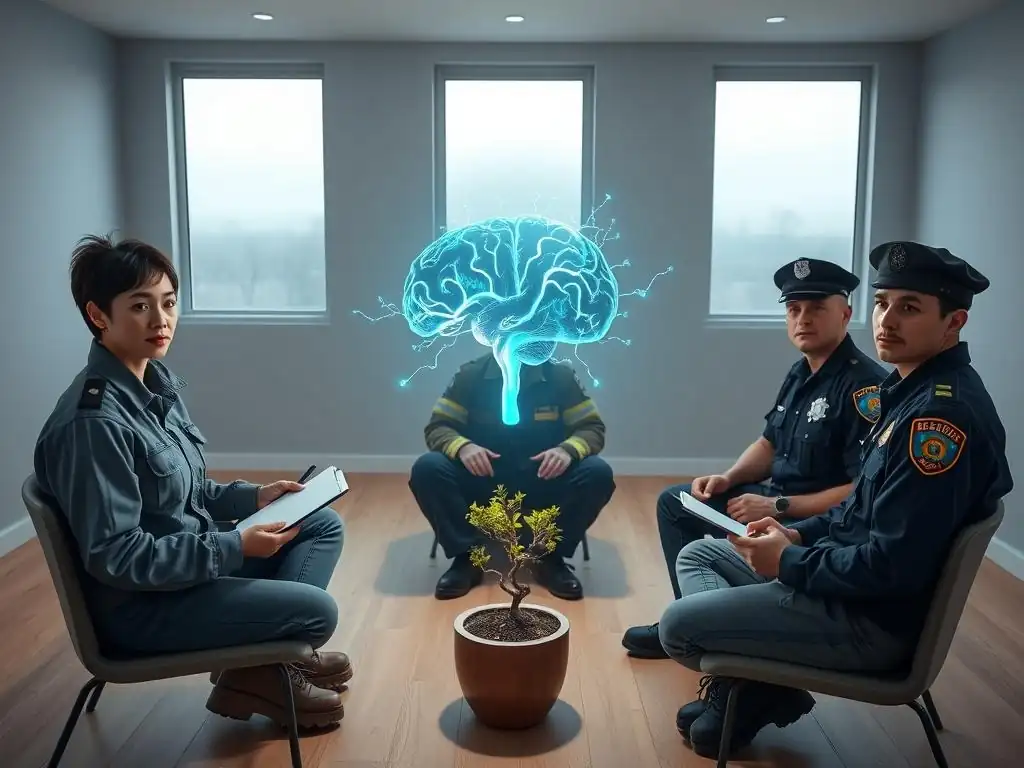
Mental Health First Aid Training Programs: Enhancing Skills and Knowledge
Specialized training programs like Mental Health First Aid (MHFA) are foundational for equipping first responders with the basic knowledge and skills to assist individuals experiencing mental health crises. MHFA training teaches participants how to identify, understand, and respond to signs of mental illnesses and substance use disorders. It provides a 5-step action plan (ALGEE: Assess for risk of suicide or harm, Listen non-judgmentally, Give reassurance and information, Encourage appropriate professional help, Encourage self-help and other support strategies) that responders can use in emergency situations.
These programs typically involve several hours of instruction and practical exercises, covering topics such as common mental health conditions, crisis signs and symptoms, and de-escalation techniques. Data suggests that participants in MHFA training report increased confidence in their ability to help someone in a mental health crisis and a greater likelihood of doing so. Implementing widespread MHFA training for all first responders significantly enhances their capacity to provide immediate, empathetic, and effective first responder mental health support.
Crisis Intervention Training (CIT): Specialized Techniques for De-escalation
Crisis Intervention Training (CIT) is a more intensive, specialized program specifically designed for law enforcement and sometimes extended to other first responders, focusing heavily on de-escalation techniques and understanding mental illness. Often referred to as the "Memphis Model," CIT programs typically involve around 40 hours of training, including classroom instruction, role-playing scenarios with actors portraying individuals with mental illness, and site visits to mental health facilities. The training emphasizes communication skills, active listening, and strategies for safely resolving crises without resorting to force.
CIT aims to improve the safety of both the individual in crisis and the responding officer, increase referrals to mental health services instead of jail, and reduce stigma. Studies have shown that officers who have completed CIT are more likely to use de-escalation techniques, less likely to use force, and more successful in connecting individuals with mental health treatment. Expanding access to comprehensive CIT programs is a critical step in improving the quality and effectiveness of first responder mental health support, particularly in complex and potentially volatile situations.
Ongoing Professional Development: Staying Updated on Best Practices in Mental Health Crisis Intervention
Given the evolving understanding of mental health conditions and crisis intervention techniques, ongoing professional development is crucial for first responders. Initial training, whether MHFA or CIT, provides a strong foundation, but regular refreshers, advanced courses, and access to current research are necessary to maintain proficiency and adopt best practices. This can include training on specific populations, such as veterans or youth, or emerging issues like the intersection of substance use and mental health.
Continuous learning can take many forms, including workshops, online modules, conferences, and peer learning opportunities. Providing responders with updated information on local resources, changes in mental health legislation, and new de-escalation strategies ensures they remain highly effective in their role. Investing in ongoing education demonstrates a commitment to providing the highest level of first responder mental health support possible and supports the professional growth and competence of the emergency response workforce.
Legal and Ethical Considerations for First Responders in Mental Health Crises
Confidentiality and Privacy: Protecting Individuals' Rights
First responders, while not typically bound by the same strict confidentiality laws as healthcare providers (like HIPAA in the United States), still operate under ethical guidelines and sometimes state-specific regulations regarding the privacy of individuals they assist, including those in mental health crises. Information gathered during a mental health emergency should be shared only on a need-to-know basis, primarily for the purpose of providing care, ensuring safety, or facilitating transfer to appropriate services. Discussing sensitive details outside of professional contexts is unethical and can erode public trust.
Maintaining privacy means being discreet on scene, avoiding public disclosure of an individual's mental health status, and securely handling any documentation. While the immediate priority is crisis resolution and safety, responders should be mindful of the individual's dignity and right to privacy. Understanding the limits and requirements regarding information sharing is a critical legal and ethical aspect of providing responsible first responder mental health support.
Duty to Report: Understanding Legal Obligations in Crisis Situations
First responders have legal obligations, often referred to as a "duty to report," in specific crisis situations, particularly concerning potential harm to self or others, or suspected abuse. If, during a mental health crisis intervention, a first responder assesses a credible and imminent risk of suicide or violence towards others, they have a legal and ethical responsibility to take action to prevent that harm. This action typically involves ensuring the individual's safety, initiating transport to a mental health facility for evaluation (often involuntarily if necessary and permitted by law), and informing relevant parties or authorities as required by law.
Similarly, if the crisis involves suspected child abuse, elder abuse, or abuse of a vulnerable person, first responders are often mandated reporters and must report their suspicions to the appropriate protective services agency. Navigating these reporting requirements while also providing empathetic care requires careful training and understanding of local laws and protocols. Balancing the need for intervention and reporting with respect for the individual's autonomy is a complex but essential part of providing responsible first responder mental health support.
Avoiding Liability: Acting Responsibly and Ethically
First responders face potential liability risks when responding to mental health crises, making it crucial to act responsibly, ethically, and within the scope of their training and legal authority. Proper documentation of the incident, including observations, actions taken, and reasons for decisions (such as a decision to transport involuntarily), is vital for legal protection. Following established protocols for crisis intervention and use of force (if applicable and necessary for safety) is also key.
Acting ethically involves treating individuals with respect, avoiding discriminatory practices, and making decisions based on the individual's needs and safety, rather than personal biases or convenience. It means using the least restrictive interventions necessary to ensure safety and facilitating access to appropriate care whenever possible. Continuous training, adherence to policy, accurate documentation, and a commitment to ethical practice are the best defenses against liability and ensure that first responders can confidently provide necessary first responder mental health support while protecting themselves legally.
Case Studies: Real-Life Examples of Effective First Responder Mental Health Support
Consider the case of Officer Ramirez, who responded to a call about a man yelling incoherently in a public park. Instead of immediately escalating, Officer Ramirez approached slowly, maintaining a calm demeanor and safe distance. He noticed the man seemed disoriented and frightened. Using his CIT training, Officer Ramirez spoke in a low, soothing voice, asking simple questions like, "Are you okay?"
and "What's happening right now?" He actively listened as the man expressed paranoid fears about being chased. Officer Ramirez validated the man's feelings of fear ("It sounds like you are very scared") without confirming the delusion. He offered the man a bottle of water and suggested they sit on a nearby bench, giving the man a sense of control and safety.
Officer Ramirez then asked if the man had family or knew someone who could help. When the man mentioned his sister, Officer Ramirez offered to call her. The sister confirmed the man had a history of schizophrenia and had stopped taking his medication.
With the sister's input and the man's tentative agreement, Officer Ramirez contacted a local mobile crisis team. The team arrived, conducted a more thorough assessment, and facilitated the man's voluntary transport to a crisis stabilization unit, where he received necessary medication and support. This outcome, achieved through patient communication, de-escalation, and effective resource connection, exemplifies best practices in first responder mental health support, preventing a potential arrest or more forceful intervention.
Building a More Supportive Community: The Role of Everyone in Mental Health Crisis Intervention
Raising Awareness: Educating the Public about Mental Health Issues
Building a community that is better equipped to support individuals in mental health crises begins with widespread public education and awareness about mental health issues. Many people lack basic understanding of common mental health conditions, crisis signs, and how to respond compassionately. Raising awareness through public campaigns, school programs, and community workshops can help demystify mental illness and encourage open conversations. Educated community members are more likely to recognize when someone is struggling and know how to offer initial help or connect them with resources before a situation escalates to an emergency requiring first responder intervention.
Initiatives like community-based Mental Health First Aid training for the general public empower individuals to provide initial support similar to how physical first aid is rendered. Increasing public literacy around mental health reduces fear and equips ordinary citizens with the confidence to act. This creates a more informed citizenry that can support first responders by knowing when to call for professional help versus when they might be able to offer peer support or guidance to local resources themselves. A well-informed public is a critical component in a comprehensive system of first responder mental health support and crisis prevention.
Reducing Stigma: Promoting Acceptance and Understanding
Reducing the pervasive stigma associated with mental illness is fundamental to creating a supportive community environment. Stigma prevents individuals from seeking help, isolates them, and can make crises more severe. Community-wide efforts to promote acceptance and understanding challenge negative stereotypes and foster empathy. This can involve sharing personal stories of recovery (when appropriate and consensual), using respectful language, and advocating for policies that support mental health parity.
When communities are less judgmental and more accepting of mental health challenges, individuals in crisis are more likely to feel safe reaching out for help, whether from a friend, family member, or professional. This cultural shift also impacts how first responders are perceived and how individuals in crisis interact with them. By actively working to reduce stigma, communities create an environment where first responder mental health support is seen as a form of healthcare and assistance, rather than a punitive or shameful intervention. This collective effort strengthens the safety net for vulnerable individuals.
Creating a Network of Support: Fostering Collaboration and Community Involvement
Effective mental health crisis intervention is not solely the responsibility of first responders; it requires a collaborative network involving various community stakeholders. This network should include mental health service providers, hospitals, social services, schools, faith-based organizations, family support groups, and community members. Fostering collaboration among these groups ensures that individuals in crisis receive coordinated and comprehensive care, from immediate response through long-term recovery.
This collaboration can manifest in joint training exercises between first responders and mental health professionals, shared protocols for crisis response, and the development of warm handoff procedures to connect individuals seamlessly from emergency care to ongoing treatment. Community involvement can include volunteer programs that support individuals with mental illness or initiatives that fund local crisis services. Building this robust network ensures that first responder mental health support is part of a larger, integrated system of care, providing multiple layers of support for individuals navigating mental health challenges.
Frequently Asked Questions
What unique mental health challenges do first responders face?
First responders often experience high levels of stress, trauma exposure, and sleep deprivation, leading to increased risks of PTSD, anxiety, and depression. The constant pressure and exposure to difficult situations create a unique set of mental health burdens.
What is the importance of "First Responder Mental Health Support" in a crisis situation?
Immediate support is crucial for first responders after a crisis. This support helps prevent long-term psychological damage and ensures they can continue to effectively serve their communities. Early intervention is key.
What types of resources are available for first responders seeking mental health support?
Resources range from peer support programs and counseling services to critical incident stress management (CISM) teams. Many organizations dedicated to mental well-being, like Mind Care Guide, offer specialized programs.
How can communities better support the mental health of their first responders?
Communities can provide funding for mental health programs, promote awareness of the challenges faced by first responders, and offer access to confidential support services. A culture of understanding and support is essential.
What role does the "Mind Care Guide" play in providing "First Responder Mental Health Support"?
Mind Care Guide offers information, resources, and articles specifically tailored to the mental health needs of first responders. It serves as a comprehensive platform for finding support and understanding mental health challenges.
Final Reflection: The Urgent Need for First Responder Mental Health Support
The mental health crisis facing our communities is not merely a statistic; it's a human tragedy unfolding daily, demanding immediate and effective intervention. Our exploration of the first responder role in addressing this crisis has highlighted the critical need for specialized training, readily available resources, and a societal shift in how we value and support those on the front lines. The burden placed on first responders, witnessing trauma and navigating complex situations, underscores the urgency of this issue.
The impact of inadequate mental health support for first responders reverberates far beyond the individual. It affects the quality of care provided to the public, impacting response times, decision-making, and overall effectiveness. The first to arrive are often the first to suffer.
This unspoken truth highlights the profound emotional toll taken on those who bravely face crisis situations daily. The systemic changes needed extend beyond simple training programs; they require a cultural transformation that prioritizes the well-being of those who dedicate their lives to protecting others. We must actively dismantle the stigma surrounding mental health and create a supportive environment where seeking help is seen as a strength, not a weakness.
You, the reader, are now equipped with a deeper understanding of the challenges and opportunities within first responder mental health support. Consider how you can contribute to this crucial cause. Whether it's advocating for improved policies, raising awareness in your community, or simply offering a listening ear to a first responder you know, your actions can make a tangible difference. Let us collectively commit to building a future where those who dedicate their lives to helping others receive the support they so richly deserve. The well-being of our first responders is not just their responsibility; it is ours.
Unleash Your Inner First Responder: Take Action Now!
Thanks for taking the time to learn about the crucial role of first responders in mental health crises. You've gained valuable insight into how to support those in need. Now, let's put that knowledge into action!
- Become a Certified Mental Health First Aider: This is the most impactful step you can take. Investing in this certification equips you with the skills to provide immediate and effective support during a mental health emergency.
- Share this article: Spread awareness about the importance of mental health first aid by sharing this article with your friends, family, and colleagues. Let's build a supportive community together!
- Explore local resources: Discover mental health organizations in your area and find out how you can volunteer your time or donate to support vital services. This will connect you with more opportunities to help.
Ready to make a real difference? What's one small step you can take today to become a more effective supporter of mental health?