
Choosing Your Calm Companion: A Guide to Selecting the Best Diffuser for Anxiety

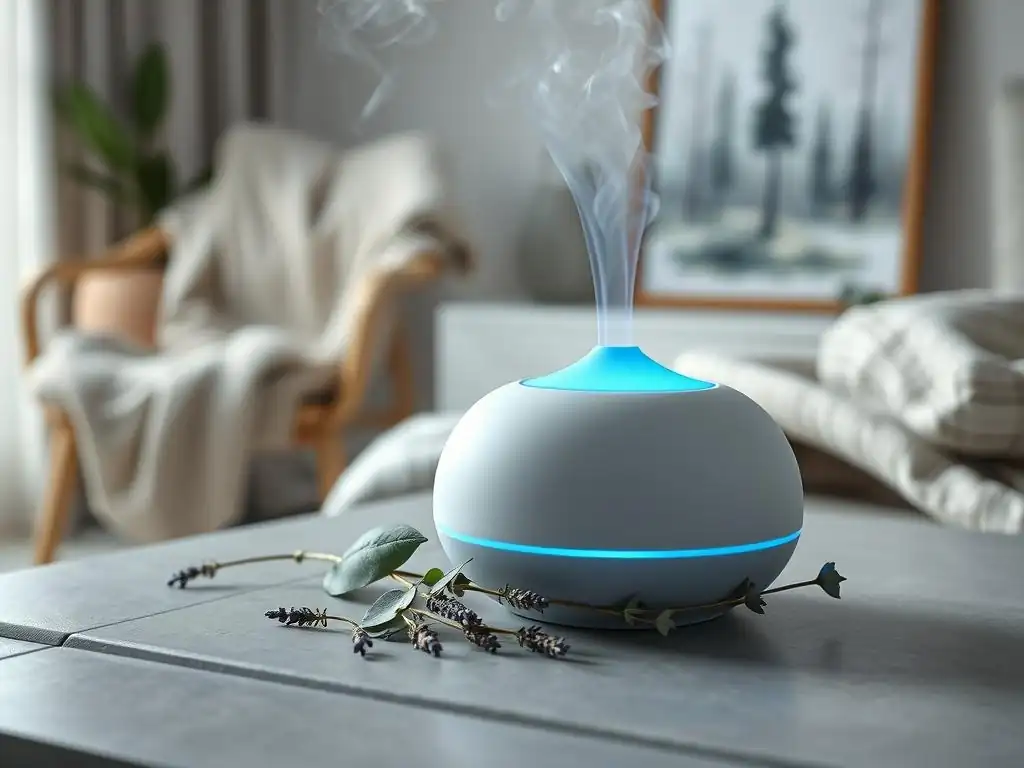
Welcome to Mind Care Guide, a sanctuary for your mental well-being.
Feeling overwhelmed? You're not alone. Discover how creating a calming atmosphere can be a powerful step towards managing anxiety. This guide delves into the world of essential oil diffusers and their potential for anxiety relief, exploring how these gentle tools can become your personal calm companions. Intrigued? Let's unlock the secrets to choosing the perfect diffuser to support your journey to inner peace.
Choosing Your Calm Companion: A Guide to Selecting the Best Diffuser for Anxiety
- Understanding Anxiety and the Power of Aromatherapy for Relief
- Essential Oil Diffuser Anxiety Relief: Finding the Right Device
-
Key Features to Consider When Buying a Diffuser for Stress and Anxiety
- Tank Size and Run Time: Finding the Perfect Balance for All-Day Anxiety Management
- Noise Level: Ensuring a Peaceful Environment for Relaxation
- Timer Settings: Customizing Your Aromatherapy Schedule for Optimal Relief
- Ease of Cleaning: Maintaining Hygiene for Long-Term Use
- Safety Features: Auto Shut-Off for Peace of Mind
- Top Diffusers for Anxiety Relief: Our Expert Recommendations
- Creating Your Anxiety-Free Sanctuary: Tips for Using Your Diffuser Effectively
- Beyond Diffusers: Complementary Strategies for Managing Anxiety
-
Frequently Asked Questions
- What types of essential oil diffusers are most effective for anxiety relief?
- Which essential oils are commonly used in diffusers to help reduce anxiety symptoms?
- How often should I use an essential oil diffuser to experience anxiety relief?
- Are there any safety precautions to consider when using essential oil diffusers for anxiety management?
- Can essential oil diffusers completely replace other anxiety treatments?
- Final Reflection: Breathing Easy: The Power of Choice in Anxiety Relief
- Breathe Easier: Unlock Your Calm
Understanding Anxiety and the Power of Aromatherapy for Relief
Anxiety is a common human experience, but for many, it can become overwhelming, impacting daily life, sleep, and overall well-being. It manifests in various ways, from persistent worry and restlessness to physical symptoms like a racing heart or difficulty breathing. Finding effective, accessible tools to manage these feelings is crucial for fostering mental peace.
Aromatherapy, the practice of using natural plant extracts (essential oils) for therapeutic benefit, has been used for centuries to influence mood and promote relaxation. The simple act of inhaling specific scents can trigger responses in the brain that help alleviate stress and anxiety, making it a popular complementary approach for those seeking calm. Understanding how scent works on our nervous system is the first step in harnessing this ancient practice for modern stress relief.
The Link Between Scent and Serenity: How Aromatherapy Impacts Anxiety
Our sense of smell is directly connected to the limbic system, the part of the brain that controls emotions, memory, and behavior. When we inhale an essential oil, the scent molecules travel through the olfactory system to the olfactory bulb, which then transmits signals directly to the limbic system, including the amygdala (associated with fear and anxiety) and the hippocampus (involved in memory).
This direct pathway means that certain aromas can rapidly influence our emotional state and even trigger memories linked to specific scents. For individuals experiencing anxiety, inhaling calming essential oils through an essential oil diffuser for anxiety relief can help signal the brain to relax, reduce the activity in the amygdala, and potentially lower stress hormones like cortisol. Research, such as studies exploring the effects of lavender on hospital patients, has shown positive correlations between exposure to certain scents and reduced anxiety scores, sometimes demonstrating a decrease in self-reported anxiety levels by 10-15% in controlled settings.
Essential Oils for Anxiety: A Natural Path to Calm
Certain essential oils are particularly renowned for their anxiolytic (anxiety-reducing) properties. Using an essential oil diffuser for anxiety relief allows you to disperse these therapeutic scents safely and effectively into your environment, creating a calming atmosphere throughout your home or office.
Choosing high-quality, pure essential oils is paramount to experiencing their full therapeutic benefits. Look for oils that are labeled "100% pure essential oil" and preferably organic or wildcrafted. Diluting oils properly when applying topically is also important, but for diffusion, the concentration is naturally dispersed in the air.
-
Lavender Oil: The King of Calm
Perhaps the most well-known essential oil for relaxation and anxiety relief, lavender is widely studied for its calming effects. Its aroma is thought to help slow heart rate and blood pressure, promoting a state of tranquility. Studies involving dental patients awaiting procedures, known for causing anxiety, showed that inhaling lavender significantly reduced their anxiety levels compared to a control group.
-
Chamomile: Gentle Soothing
Roman chamomile essential oil possesses gentle, soothing properties that can help calm the nervous system and ease feelings of restlessness and worry. It's often used to promote better sleep, which is frequently disrupted by anxiety. Its mild aroma makes it suitable for sensitive individuals or use around children.
-
Frankincense: Grounding and Centering
Frankincense has been used for centuries in spiritual and medicinal practices. Its earthy, resinous aroma is deeply grounding and can help quiet the mind, reduce feelings of stress, and promote a sense of peace. It's particularly useful during meditation or moments when you need to feel more centered and present.
-
Bergamot: Uplifting and Balancing
This citrus oil has a unique ability to be both uplifting and calming. Bergamot can help alleviate symptoms of depression and anxiety by balancing mood and reducing stress. Some research suggests inhaling bergamot essential oil can lower blood pressure and heart rate, contributing to a greater sense of calm.
Essential Oil Diffuser Anxiety Relief: Finding the Right Device
Once you understand the power of essential oils, the next step is selecting the best way to disperse them into your environment. An essential oil diffuser for anxiety relief is designed specifically for this purpose, offering a safe and convenient method compared to candles or potpourri. Different types of diffusers utilize various technologies, each with its own advantages and considerations for someone seeking calm.
Choosing the right device depends on factors like the size of the space, desired intensity of the aroma, noise tolerance, and budget. Understanding the mechanics of each type will help you make an informed decision to best support your anxiety management journey.
Types of Essential Oil Diffusers: A Detailed Comparison
Not all diffusers are created equal when it comes to therapeutic benefits and user experience. The method of diffusion significantly impacts the purity of the oil and its distribution in the air. For optimal essential oil diffuser anxiety relief, understanding these differences is key.
Each type offers a distinct approach to dispersing scent, from quiet, humidifying models to powerful, pure oil atomizers. Your choice will influence the intensity, coverage, and potential additional benefits (like humidification) you receive from your aromatherapy practice.
-
Ultrasonic Diffusers: Quiet, Humidifying, and Effective for Anxiety Relief
Ultrasonic diffusers use electronic frequencies to create vibrations that vaporize a mixture of water and essential oils. This creates a fine mist that is dispersed into the air, carrying the aroma with it. They are typically very quiet, making them ideal for bedrooms or offices where silence is valued.
A significant advantage is that they also add humidity to the air, which can be beneficial in dry environments. Most ultrasonic diffusers can cover rooms up to 300-500 square feet effectively, making them a popular choice for essential oil diffuser anxiety relief in average-sized spaces. However, because they use water, the concentration of essential oil in the mist is diluted, and the therapeutic effect might feel less intense compared to waterless methods.
Regular cleaning is also necessary to prevent mold and mineral buildup, which can affect performance and air quality. Despite this, their quiet operation and humidifying benefits make them a go-to option for many seeking a calm environment.
-
Nebulizing Diffusers: Pure Oil Diffusion for Maximum Therapeutic Benefit
Nebulizing diffusers work by using an air pump to atomize pure essential oil directly into a fine mist of micro-droplets without the use of water or heat. This method disperses the most concentrated form of the essential oil into the air, providing the strongest therapeutic effect. They are often recommended by aromatherapists for their ability to quickly saturate a large space (often up to 800 square feet or more) with pure aroma.
While highly effective for essential oil diffuser anxiety relief due to the potency of the dispersed oil, nebulizing diffusers can be louder than ultrasonic models due to the air pump mechanism. They also tend to be more expensive and use essential oil more quickly than ultrasonic diffusers. However, for those prioritizing the purest, most potent aromatherapy experience, a nebulizing diffuser is often considered the superior choice.
-
Evaporative Diffusers: Simple and Cost-Effective
Evaporative diffusers use a fan to blow air through a pad or filter that has been soaked with essential oil. As the air passes through, the oil evaporates and the scent is dispersed. These are typically the most affordable type of diffuser and require no water or heat. The main drawback is that the lighter components of the essential oil evaporate first, leaving the heavier components behind.
This means the aroma and therapeutic benefits can change over time, becoming less balanced. They also tend to have a smaller coverage area compared to ultrasonic or nebulizing diffusers and the fan can produce noticeable noise. While simple, they may not provide the consistent, broad-spectrum essential oil diffuser anxiety relief that other types offer.
-
Heat Diffusers: Not Recommended for Therapeutic Use
Heat diffusers use a heat source (like a candle or electric element) to warm the essential oil, causing it to evaporate. While they can effectively disperse scent, the heat can alter the chemical composition of the essential oils, potentially reducing their therapeutic properties. Using heat can damage the delicate compounds in essential oils, diminishing their intended benefits for anxiety or other health concerns.
For this reason, heat diffusers are generally not recommended for aromatherapy purposes where the goal is therapeutic effect. They are better suited for simply creating a pleasant aroma in a small space, but if your primary goal is essential oil diffuser anxiety relief, it's best to choose a different type.
Key Features to Consider When Buying a Diffuser for Stress and Anxiety
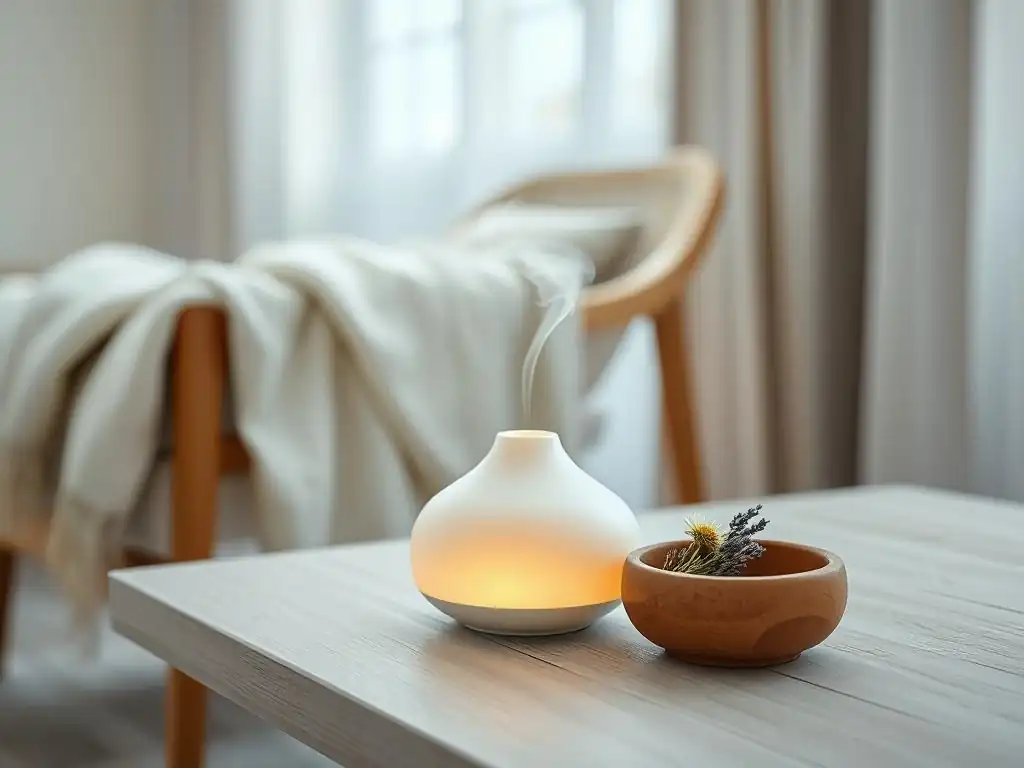
Selecting the right essential oil diffuser for anxiety relief involves looking beyond just the type of diffusion technology. Several practical features can significantly impact the usability, effectiveness, and overall value of the device in your daily routine. Thinking about how and where you plan to use the diffuser will help you prioritize these features.
Considering aspects like how long the diffuser can run, how noisy it is, and how easy it is to maintain will ensure you choose a device that seamlessly integrates into your life and consistently provides the calm you seek. These details contribute to a hassle-free experience, allowing you to focus on relaxation rather than device management.
Tank Size and Run Time: Finding the Perfect Balance for All-Day Anxiety Management
The size of the water tank (for ultrasonic diffusers) or reservoir (for nebulizing diffusers) directly correlates with how long the device can operate before needing a refill. For someone seeking continuous essential oil diffuser anxiety relief throughout the workday or night, a larger tank and longer run time are crucial.
Many ultrasonic diffusers offer run times ranging from 4 hours to 10 hours or even longer, depending on the tank size (common sizes range from 100ml to 500ml). A 200ml tank, for example, might provide approximately 6-8 hours of intermittent mist. Nebulizing diffusers, using pure oil, typically run for shorter periods per cycle (often 15-30 minutes on, with intervals off) but can operate intermittently for many hours on a single fill of oil, though they consume oil faster than ultrasonic types.
Consider your needs: do you want it to run all night (requiring 8+ hours) or just for a few hours during a stressful period? Choose a tank size and run time that matches your intended usage pattern.
Noise Level: Ensuring a Peaceful Environment for Relaxation
For a device intended to reduce stress and anxiety, the noise it produces is a critical factor. A loud, buzzing, or gurgling diffuser can counteract the calming effects of the aromatherapy. Ultrasonic diffusers are generally the quietest, producing only a very faint hum or the gentle sound of bubbling water. Many models are advertised as operating below 30 decibels, comparable to a whisper.
Nebulizing diffusers, while more potent, use an air pump that can generate a noticeable humming or buzzing sound. While some newer models are quieter, they are typically louder than ultrasonic options. Evaporative diffusers with fans also produce fan noise. If your anxiety is triggered by noise or if you plan to use the diffuser while sleeping or meditating, prioritize a model explicitly marketed as ultra-quiet. Reading user reviews can provide real-world insights into actual noise levels.
Timer Settings: Customizing Your Aromatherapy Schedule for Optimal Relief
Effective essential oil diffuser anxiety relief isn't always about continuous diffusion. Sometimes, shorter, timed bursts are more effective or desirable. Timer settings allow you to customize how long the diffuser operates (e.g., 1 hour, 3 hours, 6 hours) or set intermittent cycles (e.g., mist on for 15 seconds, off for 30 seconds).
These settings are invaluable for controlling the intensity of the aroma, conserving essential oil, and ensuring the diffuser doesn't run unnecessarily. For instance, you might use a 30-minute timer setting before bedtime to help you relax without the diffuser running all night, or use an intermittent setting in an office to maintain a subtle, calming presence throughout the day. Look for a diffuser with multiple timer options that suit your schedule and aromatherapy preferences.
Ease of Cleaning: Maintaining Hygiene for Long-Term Use
Regular cleaning is essential for all types of diffusers to prevent buildup, ensure optimal performance, and maintain hygiene, especially for ultrasonic diffusers using water. Mineral deposits from water and essential oil residue can clog the device and potentially affect the quality of the mist.
Look for diffusers with wide openings and easily accessible components that make cleaning straightforward. Many manufacturers recommend cleaning ultrasonic diffusers after every few uses or at least once a week using water and a little white vinegar. Nebulizing diffusers often require cleaning by running a small amount of rubbing alcohol through them. A diffuser that is difficult to clean is less likely to be maintained properly, which can shorten its lifespan and reduce its effectiveness for essential oil diffuser anxiety relief.
Safety Features: Auto Shut-Off for Peace of Mind
Safety features are particularly important when using electrical devices, especially in bedrooms or when left unattended. The most common and crucial safety feature is an automatic shut-off. For ultrasonic diffusers, this means the unit turns off automatically when the water level is too low.
This prevents damage to the device and eliminates a potential fire hazard. Nebulizing diffusers may have timers that shut the unit off after a set period or when the oil reservoir is empty. Choosing an essential oil diffuser for anxiety relief with reliable auto shut-off provides peace of mind, allowing you to relax without worrying about the device running dry or overheating.
Top Diffusers for Anxiety Relief: Our Expert Recommendations
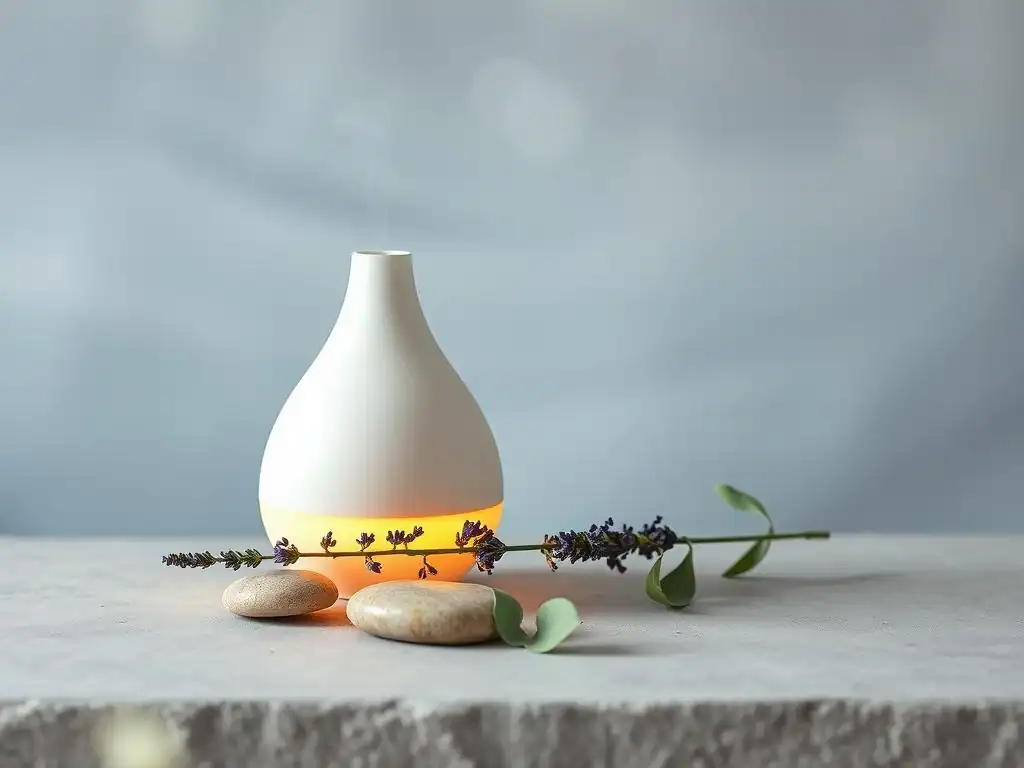
Based on the factors discussed – diffusion type, run time, noise level, timer options, and safety features – certain types and configurations of diffusers stand out as particularly well-suited for providing essential oil diffuser anxiety relief. While specific product names are beyond the scope here, we can describe the characteristics that make a diffuser a top choice in different categories.
Identifying a diffuser that aligns with your specific needs and environment is key. Consider the size of your space, your sensitivity to noise, and how often you plan to use the diffuser when evaluating these recommendations.
Best Ultrasonic Diffuser for Anxiety
A top ultrasonic diffuser for anxiety would typically feature a large water tank (e.g., 300ml or more) offering a long run time of 8+ hours, potentially with an intermittent setting for even longer operation. It would be exceptionally quiet, operating below 25-30 decibels, making it suitable for nighttime use. Look for models with multiple timer options (e.g., 1H, 3H, 6H, Continuous) and a reliable auto shut-off when the water runs low.
Ease of cleaning, perhaps with a wide-mouth opening, is also a significant plus. Such a diffuser provides consistent, quiet diffusion and adds a gentle humidity, creating a serene atmosphere perfect for essential oil diffuser anxiety relief in a bedroom or living area.
Best Nebulizing Diffuser for Anxiety
For those prioritizing the most potent aromatherapy experience, the best nebulizing diffuser for essential oil diffuser anxiety relief would be one designed for maximum coverage (e.g., up to 800-1000 square feet) while minimizing noise as much as possible for this type of technology. Look for models with adjustable intensity settings and programmable timers that allow for cycling (e.g., 10 minutes on, 20 minutes off) to conserve oil and prevent olfactory fatigue. While they will have some operational sound, the most effective ones balance powerful diffusion with the quietest pump available.
Ease of maintenance for the glass reservoir is also important. This type is ideal for quickly and powerfully filling a larger space with pure essential oil aroma.
Best Budget-Friendly Diffuser for Anxiety
A good budget-friendly essential oil diffuser for anxiety relief often falls into the ultrasonic category due to their widespread availability and lower manufacturing cost compared to nebulizers. Look for a simple ultrasonic model with a moderate tank size (100-200ml) providing a few hours of run time. While it may lack advanced features like multiple timer options or ultra-quiet operation below 25 decibels, it should still offer essential features like automatic shut-off and basic timer settings (e.g., 2-hour or 4-hour options).
Ensure it's relatively easy to clean. While it might not cover the largest spaces or offer the longest run times, a reliable, simple ultrasonic diffuser can still effectively provide essential oil diffuser anxiety relief in a personal workspace or small bedroom without a significant investment.
Creating Your Anxiety-Free Sanctuary: Tips for Using Your Diffuser Effectively
Simply owning an essential oil diffuser isn't enough; knowing how to use it optimally can significantly enhance its effectiveness as a tool for essential oil diffuser anxiety relief. Strategic placement, thoughtful oil selection, and consistent maintenance all play a role in maximizing the benefits of aromatherapy in your space.
Integrating your diffuser into your daily routine and environment with intention can transform a simple device into a powerful aid for managing stress and fostering a sense of calm. These tips will help you create a truly therapeutic sanctuary.
Choosing the Right Location: Optimizing Diffusion for Maximum Impact
The placement of your essential oil diffuser can greatly affect how well the aroma is dispersed and how effectively it reaches you. For essential oil diffuser anxiety relief, place the diffuser in areas where you spend the most time and where you feel anxiety most acutely. This might be your living room, bedroom, office desk, or a meditation corner.
Position the diffuser on a stable surface at a height where the mist or aroma can easily disperse into the air circulation of the room, avoiding direct placement near vents or open windows where the scent could be quickly carried away. In a bedroom, placing it on a bedside table is common. In a living room, a coffee table or side table works well. Ensure there's enough clearance above the diffuser for the mist to rise freely, typically at least a foot.
Essential Oil Blends for Anxiety: Creating Synergistic Effects
While single essential oils are effective, blending can create synergistic effects, combining the benefits of multiple oils to produce a more complex and potent aroma for essential oil diffuser anxiety relief. Experimenting with different combinations can help you find the perfect scent profile for your needs.
Popular calming blends often combine floral scents like lavender and chamomile with citrus notes like bergamot or grounding aromas like frankincense. A simple blend might be 3 drops of lavender, 2 drops of bergamot, and 1 drop of frankincense in your diffuser's water tank (adjusting total drops based on tank size and desired intensity, often starting with 3-5 drops per 100ml of water). Research common anxiety-reducing blends or create your own based on scents you find personally soothing. Keep track of blends that work well for you.
Diffuser Maintenance: Ensuring Longevity and Optimal Performance
Regular maintenance is crucial for keeping your essential oil diffuser functioning correctly and hygienically, ensuring it continues to provide effective essential oil diffuser anxiety relief. Buildup of oil residue and mineral deposits can reduce mist output, clog the mechanism, and even promote bacterial growth in ultrasonic models.
For ultrasonic diffusers, empty any remaining water and wipe the tank dry after each use if possible, or at least daily. Clean the unit thoroughly once a week by adding water and a teaspoon of white vinegar, letting it run for a few minutes (or soaking the ultrasonic plate), then rinsing and wiping clean. For nebulizing diffusers, run a small amount of rubbing alcohol through the unit periodically to dissolve oil residue. Always follow the manufacturer's specific cleaning instructions. Proper care ensures your diffuser remains a clean and effective tool for calm.
Beyond Diffusers: Complementary Strategies for Managing Anxiety
While an essential oil diffuser for anxiety relief can be a valuable tool in your self-care arsenal, it is most effective when used as part of a broader approach to managing anxiety. Aromatherapy works synergistically with other practices that promote relaxation, mindfulness, and emotional well-being.
Combining aromatherapy with other calming techniques can amplify their effects and provide a more comprehensive strategy for navigating anxious feelings. Consider incorporating these complementary methods into your routine alongside your diffuser use.
Mindfulness and Meditation: Combining Aromatherapy with Inner Peace
Mindfulness and meditation practices help train your mind to focus on the present moment, reducing worry about the past or future – common sources of anxiety. Integrating aromatherapy into these practices can deepen the experience and enhance their calming effects.
Before starting a meditation session or mindfulness exercise, turn on your essential oil diffuser with a grounding or calming oil like frankincense, sandalwood, or lavender. As you focus on your breath or body sensations, gently bring your awareness to the aroma filling the space. Use the scent as an anchor to the present moment, helping to quiet racing thoughts and deepen your state of relaxation. Studies have shown that combining aromatherapy with meditation can lead to greater reductions in stress markers compared to meditation alone.
Breathing Exercises: Utilizing Scent and Breath for Immediate Relief
Controlled breathing techniques are powerful tools for calming the nervous system and can provide immediate relief during moments of heightened anxiety. Combining these exercises with the inhalation of calming essential oils can create a potent, on-the-spot anxiety management strategy.
When you feel anxiety rising, find a quiet space and turn on your essential oil diffuser with a fast-acting oil like peppermint (for clarity and focus) or lavender (for immediate calm). Practice slow, deep breathing, inhaling the calming aroma deeply into your lungs. Try box breathing (inhale for 4, hold for 4, exhale for 4, hold for 4) or 4-7-8 breathing (inhale for 4, hold for 7, exhale for 8) while focusing on the scent. The aromatic molecules reach your brain quickly via the olfactory pathway, complementing the physiological calming effect of deep breathing.
Seeking Professional Help: When Aromatherapy Isn't Enough
While essential oil diffusers and aromatherapy offer wonderful support for managing mild to moderate anxiety and stress, they are not a substitute for professional medical or psychological care. If your anxiety is severe, persistent, significantly impacting your daily life, or accompanied by symptoms like panic attacks or debilitating worry, it is crucial to seek help from a qualified healthcare professional.
A therapist, counselor, psychiatrist, or doctor can provide diagnosis, tailored treatment plans (which may include therapy, medication, or a combination), and coping strategies that address the root causes of your anxiety. Aromatherapy can be a helpful addition to professional treatment, but it should not be used as the sole solution for clinical anxiety disorders. Be open with your healthcare provider about your interest in complementary practices like aromatherapy.
Frequently Asked Questions
What types of essential oil diffusers are most effective for anxiety relief?
The most effective diffusers for anxiety relief are typically ultrasonic diffusers and nebulizing diffusers. Ultrasonic diffusers are popular for their affordability and ability to add moisture to the air, while nebulizing diffusers offer a more concentrated aroma.
Which essential oils are commonly used in diffusers to help reduce anxiety symptoms?
Popular essential oils for anxiety include lavender, chamomile, frankincense, and bergamot. These oils are known for their calming and mood-boosting properties, often used in aromatherapy to promote relaxation.
How often should I use an essential oil diffuser to experience anxiety relief?
The frequency of use depends on individual sensitivity and the specific oil. A good starting point is 15-30 minutes at a time, several times a day, adjusting as needed. Pay attention to how your body responds.
Are there any safety precautions to consider when using essential oil diffusers for anxiety management?
Yes, it's crucial to use high-quality, pure essential oils and follow the diffuser's instructions carefully. Avoid over-diffusing, as it can lead to overexposure. Consult with a healthcare professional if you have any underlying health conditions or are pregnant.
Can essential oil diffusers completely replace other anxiety treatments?
No, essential oil diffusers should be considered a complementary therapy, not a replacement for professional medical treatment. They can be a helpful tool for managing anxiety symptoms, but consult a mental health professional for comprehensive care.
Final Reflection: Breathing Easy: The Power of Choice in Anxiety Relief
The quest for calm in our increasingly hectic world is more urgent than ever, and the simple act of choosing the right essential oil diffuser can be a powerful step towards reclaiming peace of mind. The information presented in this guide highlights not only the diverse range of diffusers available but also the profound impact aromatherapy can have on managing anxiety. This isn't just about finding a pretty gadget; it's about investing in a tool for self-care and well-being.
The journey towards understanding the relationship between scent, mood, and anxiety has been a deeply personal one for me. Witnessing the transformative power of aromatherapy on those struggling with anxiety underscores its importance. The scent of lavender has always been my sanctuary, a quiet place in a busy world.
This sentiment, echoed by countless others, highlights the deeply personal and often profoundly effective role aromatherapy plays in navigating the complexities of mental health. The choices we make, from the type of diffuser to the essential oils we select, reflect our commitment to nurturing our mental and emotional well-being.
Now, consider your own journey towards calm. What scents resonate most deeply with you? What kind of diffuser best suits your lifestyle and aesthetic? Take the time to explore the options presented in this guide, and then, most importantly, choose the companion that best supports your unique path to serenity. Don't underestimate the power of small, intentional choices in creating a more peaceful and balanced life. Your calm awaits.
Breathe Easier: Unlock Your Calm
Thank you for taking the time to explore the world of aromatherapy and anxiety relief with us! We hope this guide has empowered you to understand the power of diffusers in creating a peaceful sanctuary. Now, let's turn that knowledge into action.
- Find your perfect diffuser: Use what you've learned to research and purchase a diffuser that best suits your needs and lifestyle. Consider factors like size, functionality, and essential oil compatibility.
- Share your scent journey: Tell us (and others!) about your experience! Share your favorite essential oil blends or diffuser tips in the comments below. Let's build a supportive community around natural anxiety relief.
- Experiment with blends: Don't be afraid to try new essential oil combinations! Experiment with different scents and discover the unique calming properties that work best for you.
What calming scent will you diffuse first to create your personal oasis of tranquility?