
The Role of Primary Care Physicians in Western Mental Health

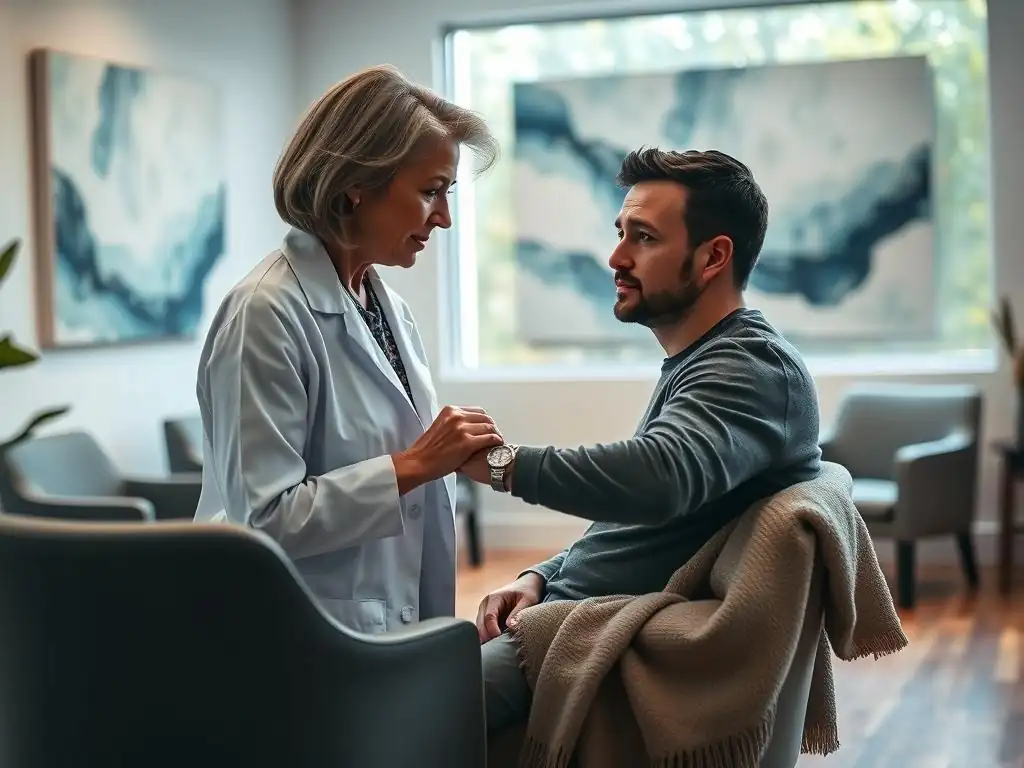
Welcome to Mind Care Guide.
Are you feeling lost navigating the complexities of mental well-being? You're not alone. The journey to mental health can often feel isolating, but it doesn't have to be. This week, we delve into a vital, often overlooked aspect of mental healthcare: the crucial role of primary care mental health support, particularly within Western medical systems. Discover how your family doctor can be a key ally in your journey to wellness and explore the cultural nuances that shape this vital connection. Intrigued? Let's unravel this important topic together.
- The Vital Role of Primary Care Physicians in Mental Healthcare: A Comprehensive Guide
- Primary Care Physicians: Frontline Providers for Mental Wellbeing
- Integrated Mental Healthcare in Primary Care: An Overview
- Core Mental Health Responsibilities of Primary Care Physicians
- Referral Guidelines: Recognizing the Need for Specialized Mental Healthcare
- Addressing Challenges to Mental Health Access in Primary Care
- The Evolving Landscape of Mental Healthcare in Primary Care
- Resources for PCPs: Enhancing Mental Health Skills and Knowledge
- Patient Advocacy: Partnering with Your PCP for Mental Wellness
-
Frequently Asked Questions
- How can my primary care physician (PCP) help with my mental health?
- What is primary care mental health support, and why is it important?
- What are some common mental health conditions that PCPs can help manage?
- When should I seek a referral to a mental health specialist from my PCP?
- How can I prepare for a discussion about my mental health with my PCP?
- Final Reflection: Reimagining Primary Care's Role in Mental Wellness
- Unlock Better Mental Wellbeing: Take Charge of Your Health Today
The Vital Role of Primary Care Physicians in Mental Healthcare: A Comprehensive Guide
The Increasing Demand for Mental Health Services in Primary Care
The landscape of healthcare in Western cultures is witnessing a significant shift, with an ever-growing demand for mental health services directly within primary care settings. This trend is driven by multiple factors, including increased awareness of mental health issues, reduced stigma, and persistent barriers to accessing specialized psychiatric care, such as long wait times and high costs. As a result, primary care physicians (PCPs) are increasingly becoming the first, and often the only, point of contact for individuals seeking help for mental health concerns.
Data consistently shows that a substantial portion of mental health conditions, estimated by some studies to be as high as 60% or more, are managed exclusively within primary care. This highlights the indispensable role PCPs play in providing initial primary care mental health support.
This surge in demand places considerable pressure on primary care practices, necessitating a more integrated approach to mental healthcare. Patients often present with complex physical and mental health needs that are intertwined. For instance, chronic conditions like diabetes or heart disease are frequently associated with higher rates of depression and anxiety.
Addressing these co-occurring conditions requires PCPs to be equipped to identify, assess, and manage mental health issues alongside physical ailments. The need for effective primary care mental health support is paramount, as it directly impacts patient outcomes, reduces the burden on specialized services, and improves overall community well-being. Without robust mental healthcare capabilities in primary care, many individuals would simply fall through the cracks, unable to access the help they need.
Common Mental Health Conditions Addressed in Primary Care
Primary care physicians regularly encounter and manage a wide spectrum of mental health conditions. While complex or severe cases are typically referred to specialists, PCPs are frontline providers for many common disorders. The most frequently managed conditions include depressive disorders, anxiety disorders (such as generalized anxiety disorder, panic disorder, and social anxiety), adjustment disorders, and stress-related issues.
These conditions are highly prevalent in the general population, and a significant percentage of individuals experiencing them first seek help from their PCP. Estimates suggest that depression and anxiety alone affect roughly 15-20% of adults in any given year, making them routine presentations in primary care.
Beyond depression and anxiety, PCPs also often address sleep disorders, somatoform disorders, and substance use disorders, particularly at the early stages. They may identify symptoms suggestive of eating disorders, bipolar disorder, or even early psychosis, although these often require referral for definitive diagnosis and management by mental health specialists.
The ability of PCPs to recognize the signs and symptoms of these varied conditions, even when they present alongside physical complaints, is critical for providing timely primary care mental health support. Effective screening and initial assessment by PCPs are foundational steps in ensuring patients receive appropriate care, whether that care is provided within the primary care setting or through referral to specialized services.
Primary Care Physicians: Frontline Providers for Mental Wellbeing
Early Identification and Intervention for Mental Health Issues by PCPs
Primary care physicians are uniquely positioned to identify mental health issues early, often before they become severe or debilitating. Their routine interactions with patients for physical health check-ups, acute illnesses, or chronic disease management provide frequent opportunities to observe subtle changes in mood, behavior, or functioning that might signal an emerging mental health problem.
Unlike specialized mental health settings, which patients must actively seek out for a specific mental health concern, primary care visits are regular occurrences for many. This allows PCPs to build ongoing relationships with patients, fostering trust and creating a comfortable environment for patients to potentially disclose mental health struggles, even if they initially came in for a physical complaint.
The ability of PCPs to integrate mental health screening into routine visits is a powerful tool for early identification. Using validated screening questionnaires, such as the Patient Health Questionnaire (PHQ-9) for depression or the Generalized Anxiety Disorder 7-item scale (GAD-7) for anxiety, can help systematically detect potential issues that might otherwise be missed. Early identification is crucial because it allows for prompt intervention, which can prevent conditions from worsening, reduce the duration of illness, and improve long-term outcomes. Providing this initial primary care mental health support through early detection is a cornerstone of preventive mental healthcare.
The Value of Routine Mental Health Assessments in Primary Care
Implementing routine mental health assessments within primary care practices offers substantial benefits for both patients and the healthcare system. Integrating screening questions about mood, stress levels, sleep patterns, and substance use into standard patient intake forms or during annual physicals normalizes discussions about mental well-being, helping to reduce the stigma associated with mental health issues. These routine checks act as a safety net, catching problems in individuals who might not otherwise voice their struggles due to shame, lack of awareness, or the belief that their PCP is only concerned with physical health.
Beyond simple screening, routine assessments allow PCPs to track a patient's mental health over time, identifying trends or responses to treatment. For example, a patient's PHQ-9 score can be monitored during follow-up visits to gauge the effectiveness of antidepressant medication or other interventions. This longitudinal perspective inherent in primary care is invaluable for managing chronic or recurrent mental health conditions. Making mental health assessment a standard part of primary care visits reinforces the message that mental health is integral to overall health, enhancing the quality of primary care mental health support provided.
Integrated Mental Healthcare in Primary Care: An Overview

Defining Integrated Primary Care Mental Health
Integrated primary care mental health refers to the systematic coordination of physical and behavioral healthcare within a single setting. It's not merely about having a mental health professional located in the same building as a primary care clinic, but rather about creating a collaborative, team-based approach where mental health services are fully embedded into the primary care workflow. In truly integrated models, PCPs, behavioral health clinicians (like psychologists, social workers, or licensed professional counselors), and sometimes psychiatrists work together as a unified team, sharing patient information and coordinating care plans.
This model contrasts with traditional fragmented care, where patients must navigate separate systems for physical and mental health needs, often leading to delays, poor communication between providers, and patients falling through the gaps. Integrated care aims to make mental health support as accessible and routine as physical healthcare. It often involves services such as brief interventions, consultation between providers, co-management of complex cases, and warm handoffs to behavioral health specialists within the same visit or clinic. This seamless approach enhances the delivery of primary care mental health support.
Advantages of Integrating Mental Health Services into Primary Care
Integrating mental health services into primary care offers numerous significant advantages. Firstly, it dramatically improves access to care. Patients can receive mental health support from providers they already trust, within a familiar setting, eliminating the need to find a separate mental health provider and navigate a different system. This is particularly beneficial for individuals in rural areas or those facing transportation or financial barriers. Studies have shown that integrated models increase the rate at which patients with identified mental health needs receive follow-up care compared to traditional referral systems.
Secondly, integration leads to better health outcomes. Addressing mental health issues in primary care can improve the management of co-occurring physical conditions, as mental health problems can negatively impact adherence to medical treatment and overall health behaviors. Integrated care facilitates better communication and collaboration among providers, leading to more comprehensive and coordinated treatment plans. Furthermore, it helps reduce stigma, as receiving mental health support becomes a routine part of healthcare. Overall, embedding mental health services enhances the capacity of primary care to deliver holistic and effective primary care mental health support.
Core Mental Health Responsibilities of Primary Care Physicians
Diagnosis and Management of Common Mental Health Disorders in Primary Care
Primary care physicians bear significant responsibility for the initial diagnosis and ongoing management of common mental health disorders. Following screening and initial assessment, PCPs evaluate symptoms, gather patient history, and rule out underlying medical conditions that might mimic mental health symptoms (e.g., thyroid dysfunction mimicking anxiety or depression). Based on clinical judgment and potentially using diagnostic criteria from resources like the DSM-5 (Diagnostic and Statistical Manual of Mental Disorders, 5th Edition), PCPs can diagnose conditions such as mild to moderate depression, various anxiety disorders, and adjustment disorders.
Once a diagnosis is made, PCPs often initiate treatment. For many common conditions, this may involve prescribing medication, providing psychoeducation about the condition and treatment options, and recommending lifestyle changes (e.g., exercise, sleep hygiene). They monitor patient progress, adjust treatment as needed, and provide ongoing support. While complex or severe cases are referred, PCPs manage a large volume of mental health patients, providing essential primary care mental health support on a daily basis.
Psychopharmacology in Primary Care: Prescribing and Monitoring
A key component of the PCP's role in mental healthcare involves the appropriate use of psychotropic medications. Primary care physicians write a substantial majority of prescriptions for psychiatric medications in Western countries, with some estimates suggesting they prescribe up to 80% of all antidepressants and a significant percentage of anxiolytics. PCPs are trained in the use of common classes of psychotropic drugs, such as Selective Serotonin Reuptake Inhibitors (SSRIs), Serotonin-Norepinephrine Reuptake Inhibitors (SNRIs), and certain benzodiazepines, for conditions like depression and anxiety.
Their responsibilities include selecting the appropriate medication based on the patient's symptoms, medical history, and potential drug interactions; educating the patient about the medication, including expected benefits, potential side effects, and duration of treatment; and monitoring the patient's response to the medication and managing any side effects. PCPs must stay updated on current prescribing guidelines and evidence-based practices.
While they typically manage straightforward cases, they must also recognize when a patient's condition is not responding to standard treatment or when side effects are severe, prompting consideration for consultation or referral to a psychiatrist. Effective psychopharmacology is a vital part of primary care mental health support.
Brief Counseling and Referral Practices in Primary Care
Beyond medication management, PCPs often provide brief counseling and support. This might involve motivational interviewing techniques to encourage lifestyle changes, offering basic stress management strategies, or providing supportive listening. While they do not typically provide long-term psychotherapy, these brief interventions can be very helpful for patients dealing with mild to moderate issues or those adjusting to a new diagnosis. PCPs can also offer psychoeducation, explaining the nature of the condition and empowering patients with knowledge about their mental health.
Crucially, PCPs are responsible for recognizing the limits of what they can manage within the primary care setting and making appropriate referrals to specialized mental healthcare when necessary. This involves identifying signs that indicate a need for more intensive or specialized treatment, such as severe symptoms, complex diagnoses, lack of response to initial treatment, or the presence of significant risk factors (e.g., suicidality). Developing clear referral pathways and maintaining collaborative relationships with mental health specialists are essential components of effective primary care mental health support.
Referral Guidelines: Recognizing the Need for Specialized Mental Healthcare
Identifying Patients Requiring Specialized Mental Health Services
Knowing when to refer a patient for specialized mental health services is a critical skill for primary care physicians. While PCPs manage a wide range of mental health conditions, certain presentations warrant consultation with or transfer of care to a psychiatrist, psychologist, or other mental health specialist. Key indicators for referral include:
- Severe symptoms (e.g., debilitating depression, severe anxiety impacting daily function).
- Presence of psychotic symptoms (hallucinations, delusions).
- Significant risk of harm to self or others (suicidal ideation with plan, homicidal ideation).
- Complex diagnoses (e.g., bipolar disorder, schizophrenia, severe personality disorders, eating disorders).
- Lack of response to initial, evidence-based treatment provided in primary care after an adequate trial.
- Diagnostic uncertainty or difficulty differentiating between conditions.
- Need for specialized therapies not available in primary care (e.g., specific types of psychotherapy, complex medication management).
PCPs use their clinical judgment, often guided by practice guidelines and risk assessment tools, to make these determinations. Recognizing these red flags ensures that patients with higher needs receive appropriate, specialized primary care mental health support.
Collaboration Strategies with Mental Health Specialists
Effective collaboration between primary care physicians and mental health specialists is paramount for providing seamless patient care. This collaboration can take various forms, from simple phone consultations to integrated care teams where specialists are physically present in the primary care clinic. Strategies for successful collaboration include establishing clear lines of communication, such as secure messaging systems or scheduled case discussions. Sharing relevant patient information, while respecting privacy regulations, ensures that both the PCP and the specialist have a complete picture of the patient's physical and mental health.
Developing clear referral protocols helps streamline the process and ensures patients are directed to the most appropriate level of care. For instance, having pre-arranged pathways for urgent referrals or establishing agreements with specific mental health clinics can improve access. In integrated models, co-location of mental health professionals allows for warm handoffs and direct consultation, significantly enhancing the coordination and quality of primary care mental health support. Building strong professional relationships based on mutual respect and shared goals is fundamental to effective collaboration.
Addressing Challenges to Mental Health Access in Primary Care

Reducing Stigma Surrounding Mental Health in Primary Care Settings
Stigma remains a significant barrier to individuals seeking help for mental health issues, even within the relatively accessible environment of primary care. Patients may fear judgment, discrimination, or simply feel embarrassed to discuss their struggles with their doctor. PCPs and their staff play a crucial role in creating a welcoming and non-judgmental environment that encourages open communication about mental health. This involves using sensitive language, normalizing mental health discussions during routine visits, and ensuring confidentiality.
Simple practices, such as including mental health questions on standard intake forms or having informational brochures visible in the waiting area, can signal that mental health is a valid and important part of overall health. Training staff to respond empathetically to patients who disclose mental health concerns is also vital. By actively working to destigmatize mental health within their practices, PCPs can make it easier for patients to access much-needed primary care mental health support.
Improving Access to Mental Health Resources for Primary Care Patients
Even when mental health issues are identified in primary care, accessing appropriate follow-up resources can be challenging. Barriers include long waitlists for therapists or psychiatrists, limited availability of specialists in certain geographic areas, and financial constraints related to insurance coverage or out-of-pocket costs. PCPs can help improve access by being knowledgeable about the available mental health resources in their community and helping patients navigate the system.
Maintaining an updated list of local mental health providers, community mental health centers, support groups, and online resources can be invaluable. Providing patients with specific referral information, including contact details and instructions on how to schedule an appointment, increases the likelihood that they will follow through. Exploring options like telepsychiatry or connecting patients with behavioral health staff embedded within the practice can also enhance access to primary care mental health support, bridging the gap between identification and effective treatment.
The Evolving Landscape of Mental Healthcare in Primary Care
Telepsychiatry and Remote Mental Health Services in Primary Care
Technology is rapidly transforming how mental healthcare is delivered in primary care. Telepsychiatry, which involves providing psychiatric consultation or therapy via videoconferencing, is becoming increasingly common. This modality allows patients in remote or underserved areas to access specialist expertise without traveling long distances. PCPs can use telepsychiatry for direct consultations with a psychiatrist regarding complex cases, or patients can have therapy sessions with a mental health professional located elsewhere, facilitated by the primary care clinic.
The expansion of remote mental health services enhances the capacity of primary care to offer comprehensive support. It can reduce wait times for specialty input and make follow-up care more convenient for patients. While challenges related to technology access, privacy, and reimbursement models exist, telepsychiatry represents a significant step forward in improving access to primary care mental health support and integrating specialized services more effectively.
Collaborative Care Models for Enhanced Mental Health Outcomes
Collaborative care models (CoCM) are an evidence-based approach that integrates behavioral health into primary care, often utilizing a team that includes a PCP, a care manager (e.g., a nurse or social worker), and a psychiatric consultant. In this model, the care manager works closely with patients, providing brief interventions, monitoring symptoms, and facilitating communication between the patient and the PCP. The psychiatric consultant provides guidance to the PCP and care manager, typically indirectly, without necessarily seeing every patient.
Studies have shown that CoCM leads to improved patient outcomes for common conditions like depression and anxiety compared to usual primary care. This model leverages the strengths of each team member, allowing PCPs to manage more patients with mental health needs effectively while providing access to specialist guidance for complex issues. Collaborative care models exemplify how structured, team-based approaches can significantly enhance the quality and effectiveness of primary care mental health support.
Resources for PCPs: Enhancing Mental Health Skills and Knowledge
Continuing Education and Training Opportunities in Mental Health for PCPs
Given the increasing role of primary care physicians in managing mental health, ongoing education and training are essential. Medical school and residency training provide foundational knowledge, but the field of mental health is constantly evolving with new research on diagnosis, treatment, and best practices. PCPs can enhance their skills through various continuing medical education (CME) programs specifically focused on mental health in primary care.
These opportunities include workshops on using screening tools, training in brief counseling techniques, updates on psychopharmacology, and courses on recognizing and managing specific conditions. Many professional organizations and academic institutions offer such programs. Investing in this training empowers PCPs to provide higher quality primary care mental health support and feel more confident in addressing the mental health needs of their patients.
Support Networks and Resources for PCPs Managing Mental Health Issues [Link to Relevant Resources - Placeholder]
Managing mental health issues can be complex and challenging, even for experienced PCPs. Dealing with patients in distress, assessing risk, and navigating limited resources can lead to stress and burnout. Access to support networks and resources is crucial for PCPs themselves. This can include peer support groups where PCPs can discuss challenging cases and share experiences, as well as access to consultation services from mental health specialists.
Many healthcare systems and professional organizations offer resources such as telephone consultation lines with psychiatrists or online portals providing clinical guidelines and decision support tools for mental health management in primary care. Having readily available resources to consult when faced with uncertainty or complex situations is vital for PCPs to provide effective and sustainable primary care mental health support. (Note: Specific links would be placed here in a live article, providing actionable resources for PCPs).
Patient Advocacy: Partnering with Your PCP for Mental Wellness
Effectively Communicating Mental Health Concerns with Your PCP
As a patient, effectively communicating your mental health concerns with your primary care physician is a crucial step in accessing the support you need. Remember that your PCP is a partner in your overall health journey, including your mental well-being. Be open and honest about how you are feeling, even if it feels difficult. You can prepare for your appointment by writing down your symptoms, when they started, how they affect your daily life, and any specific concerns you have.
Don't hesitate to bring up mental health proactively, even if the appointment is for a physical issue. You might start by saying something like, "I've been feeling more stressed lately," or "I'm also concerned about my mood." Be specific about your symptoms – for example, instead of just saying "stressed," describe feeling constantly worried, having trouble sleeping, or losing interest in activities you used to enjoy. Providing clear information helps your PCP understand the scope of your struggles and determine the best course of action, facilitating the primary care mental health support they can offer.
Fostering a Strong Patient-Physician Partnership for Mental Health
Building a strong, trusting relationship with your primary care physician is key to receiving comprehensive primary care mental health support. View your relationship as a partnership where you actively participate in decisions about your care. Ask questions about your diagnosis (if one is made), treatment options (including medication and counseling), potential side effects, and what you can expect. Discuss your preferences and any concerns you have about specific treatments.
Follow through on recommended treatments, whether it's taking medication as prescribed, trying recommended lifestyle changes, or attending referral appointments. Communicate with your PCP about how the treatment is working or if you are experiencing difficulties. Regular follow-up appointments, as recommended by your doctor, are important for monitoring your progress and adjusting your care plan as needed. By being an active participant and maintaining open communication, you empower your PCP to provide the most effective primary care mental health support tailored to your individual needs.
Frequently Asked Questions
How can my primary care physician (PCP) help with my mental health?
Your PCP can act as a first point of contact for mental health concerns, providing initial screening, basic counseling, and referrals to specialized mental health professionals. They can also manage medication for some mental health conditions.
What is primary care mental health support, and why is it important?
Primary care mental health support refers to the integration of mental health services into routine doctor visits. It's important because it increases access to care, reduces stigma, and allows for early detection and intervention.
What are some common mental health conditions that PCPs can help manage?
PCPs often manage common conditions like anxiety, depression, and stress-related disorders. They can also identify and address co-occurring physical and mental health issues.
When should I seek a referral to a mental health specialist from my PCP?
If your symptoms are severe or complex, or if your PCP's initial treatment isn't effective, they will likely refer you. This includes conditions like severe depression, psychosis, or bipolar disorder.
How can I prepare for a discussion about my mental health with my PCP?
Be honest and open about your symptoms and concerns. Write down any questions you have and bring a list of current medications or therapies you are undergoing.
Final Reflection: Reimagining Primary Care's Role in Mental Wellness
The integration of mental health support within primary care is no longer a luxury, but a critical necessity for a thriving society. The overwhelming demand for mental healthcare services, coupled with persistent stigma and access barriers, necessitates a fundamental shift in how we approach mental wellbeing. This requires a collaborative effort, placing primary care physicians at the forefront of early intervention and ongoing support.
The impact of this integrated approach is already being felt, subtly changing the landscape of healthcare and the patient experience. We've seen a shift from a purely biomedical model to one that acknowledges the interconnectedness of physical and mental health. This holistic approach is vital, as evidenced by the increasing prevalence of comorbid conditions. The mind and the body are not separate entities; they are intimately connected, and their health is interdependent.
This understanding is crucial for effective treatment and improved patient outcomes. The personal stories shared throughout this article highlight the transformative power of accessible, integrated mental health support within primary care settings.
Now, consider your own role in this evolving landscape. Are you actively seeking out primary care physicians who prioritize mental wellness? Are you advocating for better mental health resources in your community? The future of mental healthcare depends on our collective commitment to breaking down barriers and fostering a culture of understanding and support. Let this article serve as a catalyst for change, encouraging you to engage in open conversations, seek help when needed, and advocate for a system that prioritizes the holistic wellbeing of every individual.
Here's a Call to Action (CTA) tailored for an article on "The Role of Primary Care Physicians in Western Mental Health" published on MindCareGuide.org:
Unlock Better Mental Wellbeing: Take Charge of Your Health Today
Thanks for taking the time to learn about the crucial role primary care physicians play in mental health. You've gained valuable insights into accessing support and improving your wellbeing. Now, let's put that knowledge into action!
- Schedule a check-up with your PCP: This is your first step towards proactive mental health care. Discuss any concerns you have openly and honestly.
- Share this article with someone you care about: Help spread awareness about the importance of integrated physical and mental healthcare.
- Explore additional resources on MindCareGuide.org: Discover more articles and tools to support your mental wellness journey.
Ready to prioritize your mental and physical health? What's one small step you can take this week to improve your wellbeing?