
Releasing Fear: Guided Meditations to Confront and Calm Phobias


Welcome to Mind Care Guide, your trusted companion on the journey to mental well-being.
Ever feel trapped by overwhelming fear? This feeling is more common than you think, and we're here to help. In this space, we believe everyone deserves to experience a sense of calm and control, even in the face of intense anxiety. That's why we're diving deep into the power of guided meditations for phobia relief. Discover how these practices can gently guide you towards confronting your fears and reclaiming your peace of mind. Curious to learn how? Let's begin.
Releasing Fear: Guided Meditations to Confront and Calm Phobias
- Understanding Phobias and the Power of Meditation
- Preparing for Your Guided Meditation for Phobia Relief
- Guided Meditations for Phobia Relief: Techniques and Practices
- Specific Guided Meditation Scripts for Common Phobias
- Integrating Guided Meditation into Your Phobia Treatment Plan
- Tips for Deepening Your Meditation Practice for Phobia Reduction
- Maintaining Calm: Long-Term Strategies for Phobia Management with Meditation
-
Frequently Asked Questions
- How can guided meditations specifically help with phobias?
- What types of phobias are most suitable for relief through guided meditation?
- How often should I practice guided meditations for phobia relief to see results?
- Are there any risks associated with using guided meditations for phobia relief?
- Where can I find reliable guided meditations specifically designed for phobia relief?
- Final Reflection: Unburdening the Mind, Embracing Peace
- Unlock Your Inner Calm: Start Your Fear-Releasing Journey Today!
Understanding Phobias and the Power of Meditation
What is a Phobia? Defining Fear and Anxiety Disorders
A phobia is an intense, irrational fear of something that poses little or no actual danger. Unlike general anxiety, a phobia is usually tied to a specific object, situation, or activity. Common examples include arachnophobia (fear of spiders), acrophobia (fear of heights), and social phobia (social anxiety disorder).
When confronted with the source of their phobia, individuals can experience severe physical and psychological reactions, including panic attacks, rapid heartbeat, shortness of breath, dizziness, and an overwhelming urge to escape. These reactions are disproportionate to the actual threat and can significantly impair a person's daily life, limiting activities, social interactions, and overall well-being.
Phobias are classified as anxiety disorders in diagnostic manuals. They are characterized by persistent, excessive fear and worry that interferes with daily functioning. While it's normal to feel some fear in dangerous situations, phobias involve an exaggerated response to something that is generally safe.
For instance, someone with aviophobia (fear of flying) might avoid air travel entirely, even for important family events or work trips, despite statistical data showing air travel is one of the safest modes of transportation. Understanding that a phobia is a specific, treatable condition, distinct from general fear, is the first step towards seeking effective help, such as utilizing guided meditations for phobia relief.
The Science Behind Meditation for Anxiety Reduction
Research into the neurological effects of meditation has provided compelling evidence for its ability to reduce anxiety and fear responses. Studies using fMRI scans have shown that regular meditation practice can lead to measurable changes in brain structure and activity. Specifically, meditation has been observed to decrease the activity in the amygdala, often referred to as the brain's "fear center." The amygdala is responsible for processing emotions, particularly fear, and triggering the body's fight-or-flight response. By calming the amygdala, meditation helps to dampen this automatic fear reaction.
Furthermore, meditation has been linked to increased activity in the prefrontal cortex, the part of the brain responsible for executive functions like decision-making, attention, and emotional regulation. Strengthening the connection between the prefrontal cortex and the amygdala allows individuals to gain greater control over their emotional responses, including those triggered by phobic stimuli. Regular engagement with guided meditations for phobia relief can help build this neural pathway, enabling a more measured and less reactive response when encountering the feared object or situation, and promoting a state of calm.
How Guided Meditation Can Help Overcome Phobias: A Practical Approach
Guided meditation offers a structured and accessible way to learn and practice mindfulness and relaxation techniques specifically tailored to address fear and anxiety associated with phobias. Unlike unguided meditation, a guided session involves listening to an instructor's voice, which provides cues, suggestions, and a framework for the practice. This guidance can be particularly helpful for individuals whose minds are easily overwhelmed by fearful thoughts, providing an anchor and direction. Guided meditations for phobia relief often incorporate specific visualizations, affirmations, and body awareness exercises designed to directly target phobic responses.
A practical approach using guided meditation for phobias involves several steps. First, it teaches relaxation techniques that can be used in the moment of experiencing fear, helping to lower physiological arousal like rapid heart rate or shallow breathing. Second, it provides tools for observing fearful thoughts and feelings without judgment, creating distance from them rather than getting swept away.
Third, some guided practices use exposure techniques in a safe, imagined environment, helping individuals gradually confront their fear in a controlled setting. This systematic process, facilitated by guided meditations for phobia relief, empowers individuals to build resilience and reduce the intensity of their phobic reactions over time.
Preparing for Your Guided Meditation for Phobia Relief
Creating a Safe and Comfortable Meditation Space
Establishing a dedicated space for your meditation practice is crucial, especially when working with intense emotions like fear. Your meditation space should be somewhere you feel safe, undisturbed, and relaxed. This doesn't require a large area; a quiet corner in your bedroom, a comfortable chair in a seldom-used room, or even a spot in your garden can work. The key is consistency and minimizing distractions. Inform others in your household about your meditation time to avoid interruptions.
Consider the sensory aspects of your space. Is it quiet? Can you dim the lights or use natural light? Is the temperature comfortable? Some people find it helpful to use a specific cushion or chair, light a calming candle (ensure safety), or play soft, instrumental background music (though many guided meditations include their own audio). The goal is to create an environment that signals to your mind and body that this is a time for calm, focus, and self-care, making your practice of guided meditations for phobia relief more effective.
Setting Realistic Expectations for Phobia Management
It's important to approach guided meditation for phobia relief with realistic expectations. While meditation is a powerful tool, it is not a magic cure that will instantly erase a phobia. Phobias are deeply ingrained fear responses, and managing them takes time, patience, and consistent effort. You may not feel immediate relief after your first session, and that is perfectly normal. There might be days when your fear feels just as strong, or even stronger, during or after meditation.
View meditation as a marathon, not a sprint. Each session is an opportunity to practice observing your fear, cultivating calm, and building resilience. Progress often happens gradually, like chipping away at a stone. Celebrate small victories, such as being able to sit with discomfort for a few moments longer, or noticing a slight reduction in anxiety after a session. Understanding that fluctuations are part of the process helps prevent discouragement and keeps you committed to using guided meditations for phobia relief as a long-term strategy.
Identifying Your Specific Phobia and Tailoring Your Meditation Practice
To effectively use guided meditation for phobia relief, it's beneficial to clearly identify the specific object or situation that triggers your fear. While general anxiety-reducing meditations can be helpful, practices specifically designed for certain types of fears (like social anxiety, fear of heights, or fear of flying) can be more targeted and impactful. Understanding the nuances of your phobia allows you to select guided meditations that address its particular manifestations.
For example, if you have claustrophobia, a guided meditation might focus on creating feelings of spaciousness, using visualizations of open fields, or practicing breathing techniques to manage the physical sensation of being constricted. If your phobia is public speaking, a guided meditation might involve visualizing yourself confidently delivering a speech and practicing self-compassion for performance anxiety. Many resources offer guided meditations categorized by specific fears, allowing you to tailor your practice for maximum relevance and effectiveness in managing your particular phobia.
Guided Meditations for Phobia Relief: Techniques and Practices

Body Scan Meditation for Calming Physical Anxiety Symptoms
Phobias often manifest with intense physical symptoms: a racing heart, sweaty palms, shallow breathing, muscle tension, and stomach discomfort. A body scan meditation is a powerful technique to bring awareness to these sensations without judgment and can help interrupt the physical escalation of fear. The practice involves systematically bringing your attention to different parts of your body, from your toes to the crown of your head, noticing any sensations present – warmth, tingling, tension, or ease. The goal isn't to change the sensations, but simply to observe them with curiosity and acceptance.
By practicing the body scan, you develop a greater awareness of how fear impacts your physical self. This awareness allows you to catch the early signs of anxiety before they become overwhelming. Furthermore, the focused attention required for the body scan helps to pull your mind away from fearful thoughts and ground you in the present moment. Many guided meditations for phobia relief incorporate body scan elements to help individuals become more comfortable with their physical reactions to fear and learn to soothe them through mindful attention and gentle breathing.
Visualization Techniques for Confronting and Reframing Fears
Visualization is a core component of many guided meditations for phobia relief, offering a safe space to mentally encounter the feared object or situation. This technique involves creating vivid mental images and scenarios. Initially, visualizations might focus on calming imagery unrelated to the phobia – like a peaceful beach or a serene forest – to induce relaxation. As you progress, guided visualizations can gently introduce elements of the phobia in a controlled and manageable way.
For instance, someone with aviophobia might be guided to visualize themselves calmly boarding a plane, feeling relaxed during takeoff, and enjoying a smooth flight. The key is to pair these visualizations with feelings of safety, control, and peace. By repeatedly practicing these positive mental rehearsals in a relaxed state, you can begin to reframe your emotional response to the feared stimulus. This mental exposure, guided by a soothing voice, can help desensitize you to the trigger and build confidence in your ability to handle the situation in reality.
Mindfulness Meditation for Accepting and Observing Phobic Thoughts
Mindfulness meditation, at its core, is about paying attention to the present moment without judgment. When dealing with phobias, the mind often gets trapped in a cycle of fearful thoughts: "What if this happens?" "I can't handle this," "I'm going to panic." Mindfulness teaches you to observe these thoughts as just that – thoughts – rather than absolute truths or immediate threats. A guided mindfulness meditation will typically involve focusing on the breath or bodily sensations, and when the mind inevitably wanders to fearful thoughts, gently guiding it back to the anchor point.
This practice builds the skill of cognitive defusion – the ability to see thoughts as separate from reality. You learn to notice, "Oh, there's the thought about the spider," instead of instantly reacting as if a spider is present. This distance creates space for a different response than panic. Regular practice of mindfulness-based guided meditations for phobia relief helps to weaken the link between a fearful thought and the automatic panic response, allowing you to acknowledge the thought without being consumed by it.
Breathing Exercises for Immediate Anxiety Relief During Phobic Episodes
Controlled breathing is one of the most immediate and effective tools for calming the nervous system during moments of intense fear or panic triggered by a phobia. When we are afraid, our breathing becomes shallow and rapid, which can exacerbate feelings of anxiety and dizziness. Guided meditations often begin or end with focused breathing exercises, and these techniques can be practiced independently whenever needed. Simple techniques like deep diaphragmatic breathing (breathing into your belly) or 4-7-8 breathing (inhale for 4 counts, hold for 7, exhale for 8) can quickly activate the body's relaxation response.
Learning and practicing these breathing exercises through guided meditations for phobia relief provides you with a portable tool you can use anywhere, anytime you feel your phobia being triggered. During a moment of acute fear, pausing to focus on slow, deep breaths can help lower your heart rate, reduce physical tension, and bring a sense of groundedness. Consistent practice during meditation makes these techniques more accessible and effective when you need them most.
Specific Guided Meditation Scripts for Common Phobias
A guided meditation focused on social anxiety typically addresses the fear of judgment, embarrassment, and negative evaluation in social situations. Such a practice might involve visualizations of positive social interactions, where you feel confident, accepted, and at ease. The guidance might encourage you to notice and release physical tension often held in the shoulders, jaw, or stomach before or during social events. Affirmations like "I am worthy of connection" or "I am calm and confident in social settings" are often incorporated to challenge negative self-talk.
Furthermore, guided meditations for social anxiety often include techniques for grounding yourself in the present moment when feeling overwhelmed in a social setting, perhaps by focusing on the sensations of your feet on the ground or the sounds around you. They might also guide you through observing anxious thoughts about social interactions without getting caught up in them, practicing self-compassion for any perceived social missteps. These guided meditations for phobia relief provide mental rehearsal and coping strategies for navigating challenging social environments.
Guided Meditation for Reducing Fear of Flying
Guided meditations for aviophobia (fear of flying) are specifically designed to address the anxieties associated with air travel, such as turbulence, takeoff, landing, and being in a confined space. These meditations often use detailed visualizations of a smooth, safe, and comfortable flight experience from boarding to arrival. The guidance might walk you through each stage of a flight, pairing it with calming breathing exercises and reassuring affirmations like "I am safe and supported" or "The plane is designed for this journey."
Techniques might include body scans to release tension held during flight, particularly during moments of turbulence, and focusing on the steady rhythm of your breath rather than external sensations. Some guided meditations for phobia relief related to flying might also include reframing thoughts about control, accepting that while you don't control the plane, you can control your response to the experience. Regular practice can help reduce anticipatory anxiety leading up to a flight and provide tools to stay calm during the journey itself.
Guided Meditation for Managing Claustrophobia
Claustrophobia, the fear of confined spaces, often triggers intense feelings of being trapped or suffocated. Guided meditations for this phobia focus on creating a sense of spaciousness and expanding your internal sense of comfort, regardless of the external environment. Visualizations might involve imagining vast, open landscapes, the sky, or expanding your personal energy field beyond your physical body. The guidance often emphasizes the breath as an anchor, reminding you that your breath is always available and cannot be confined.
Breathing exercises are particularly important here, focusing on deep, calming breaths that signal safety to your nervous system. Guided meditations for phobia relief in the context of claustrophobia might also involve gently bringing awareness to the boundaries of the space you are in, while simultaneously cultivating an inner feeling of freedom and ease. The goal is to build tolerance for being in enclosed spaces by practicing relaxation and a feeling of spaciousness internally.
Guided Meditation for Alleviating Fear of Public Speaking
Glossophobia, or the fear of public speaking, is a very common phobia that can significantly impact career and personal life. Guided meditations aimed at this fear often focus on building confidence, managing performance anxiety, and reframing the experience of speaking in front of others. Visualizations might involve seeing yourself delivering your speech or presentation with confidence, clarity, and receiving positive feedback. The guidance might help you connect with your inner strength and voice.
These guided meditations for phobia relief often address the physical symptoms of public speaking anxiety, such as shaking, sweating, or a dry throat, by incorporating body scan techniques and calming breathing exercises. They also work with the mental aspect, helping you observe and challenge fearful thoughts about judgment or failure. Affirmations like "My voice is valuable" or "I am capable and prepared" are frequently used to build self-assurance and reduce anticipatory dread before speaking engagements.
Integrating Guided Meditation into Your Phobia Treatment Plan
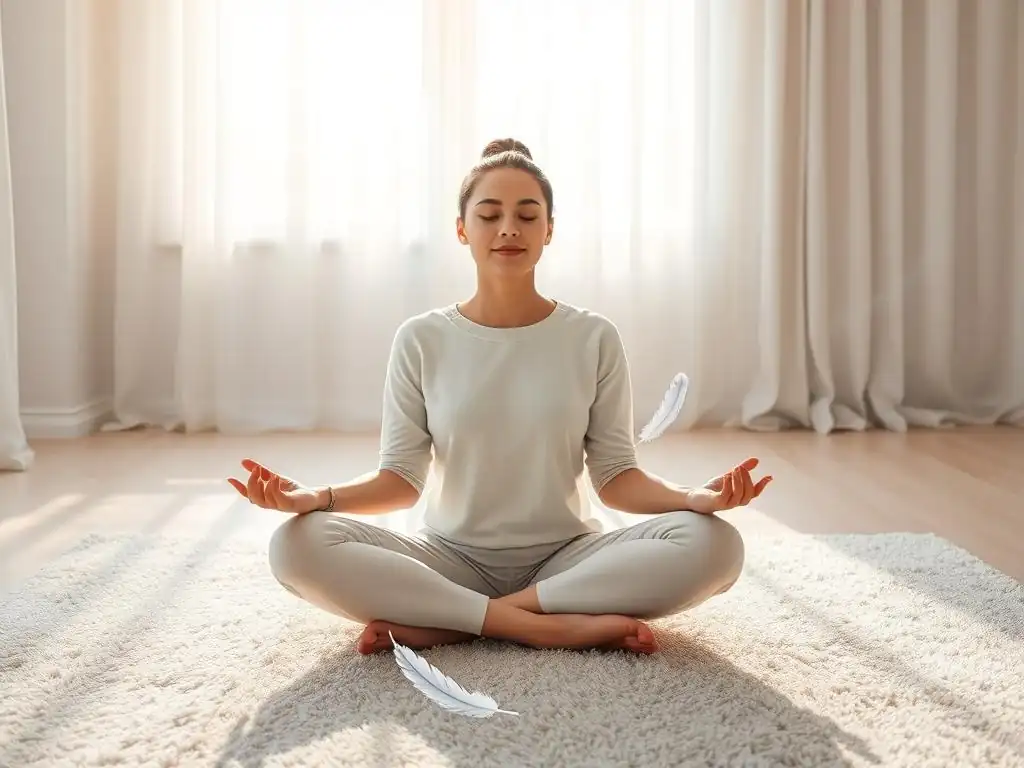
Combining Meditation with Cognitive Behavioral Therapy (CBT) and Exposure Therapy
Guided meditation is a powerful complementary tool when used alongside evidence-based psychotherapies like Cognitive Behavioral Therapy (CBT) and Exposure Therapy, which are widely recognized as effective treatments for phobias. CBT helps identify and challenge the irrational thought patterns that fuel phobias, while Exposure Therapy involves gradually and safely confronting the feared object or situation to reduce the fear response. Meditation enhances these therapies by building foundational skills.
For instance, the mindfulness skills learned through guided meditation for phobia relief make it easier to practice exposure therapy. Being able to observe the anxiety that arises during exposure without immediately reacting or trying to escape allows you to stay with the experience and learn that the feared outcome often doesn't occur, or that you can tolerate the discomfort. Similarly, meditation's ability to calm the nervous system and create distance from thoughts supports the cognitive restructuring work done in CBT, helping you implement new, healthier thought patterns more effectively.
Building a Consistent Meditation Practice for Long-Term Phobia Management
Consistency is key to realizing the full benefits of guided meditation for phobia relief. Just like building physical strength requires regular exercise, building mental and emotional resilience through meditation requires regular practice. Aim for a daily practice, even if it's just for 10-15 minutes. Finding a consistent time and place (as discussed earlier) can help establish a routine. It might be first thing in the morning, during a lunch break, or before bed.
Don't get discouraged if you miss a day or find your mind particularly restless. Simply acknowledge it without judgment and return to your practice the next day. Over time, consistent engagement with guided meditations for phobias helps to strengthen the neural pathways associated with calm and emotional regulation, making it easier to access a state of peace even when faced with triggers. This builds a sustainable foundation for long-term phobia management.
Tracking Your Progress and Adjusting Your Meditation Routine
Monitoring your progress can be highly motivating and help you identify what's working and what might need adjustment in your guided meditation practice for phobia relief. Consider keeping a simple journal where you note the date, the type of meditation you did, how long it was, how you felt before and after, and any insights or challenges you encountered. You might also track specific phobia-related metrics, such as how often you avoided a feared situation, or the intensity of your anxiety on a scale of 1-10 during a triggering event.
Reviewing your notes periodically can reveal patterns. Perhaps certain types of guided meditations are more effective for you, or maybe you notice that consistent practice correlates with reduced anxiety levels over time. Based on your observations, you can adjust your routine – try different guided meditations, change the time of day you practice, or increase the duration if you feel ready. This reflective process ensures your meditation practice remains a dynamic and effective part of your phobia management strategy.
| Date | Meditation Type | Duration | Before Anxiety (1-10) | After Anxiety (1-10) | Notes |
|---|---|---|---|---|---|
| 2023-10-27 | Body Scan (Claustrophobia focus) | 15 min | 7 | 5 | Noticed tension in chest. Felt calmer. |
| 2023-10-28 | Visualization (Open spaces) | 10 min | 6 | 5 | Difficult to focus, but felt slight relief. |
| 2023-10-29 | --- | --- | --- | --- | Skipped today, felt more anxious later. |
Tips for Deepening Your Meditation Practice for Phobia Reduction
Utilizing Affirmations to Challenge Negative Thoughts
Affirmations are positive statements that you repeat to yourself to challenge negative or fearful self-talk associated with your phobia. They are often incorporated into guided meditations for phobia relief but can also be used independently. The goal is to replace limiting beliefs with empowering ones. For example, if your phobia involves public speaking, instead of thinking "I'm going to fail," you might use the affirmation "I am prepared and capable of sharing my message."
Choosing affirmations that resonate with you is key. Write them down, repeat them aloud, or silently during your meditation practice. While it might feel awkward or untrue at first, consistent repetition, especially in a relaxed state cultivated by meditation, can help to gradually shift your mindset and build self-confidence in the face of your fears. It's not about denying the fear, but about reinforcing a more positive and resilient internal dialogue.
Practicing Self-Compassion and Acceptance During Difficult Moments
Working with phobias can be challenging, involving moments of intense fear, frustration, or self-criticism. Practicing self-compassion is vital during this process. Self-compassion involves treating yourself with the same kindness, understanding, and acceptance you would offer a friend who is struggling. This means acknowledging your fear and discomfort without judgment, recognizing that suffering is part of the human experience, and offering yourself warmth and comfort.
During guided meditations for phobia relief, especially when encountering difficult emotions or thoughts, consciously direct kindness towards yourself. You might place a hand over your heart and silently repeat phrases like, "This is difficult right now," "May I be kind to myself," or "May I accept myself as I am." Cultivating self-compassion helps reduce the secondary suffering that comes from criticizing yourself for having a phobia or for struggling with your practice. It creates a nurturing internal environment conducive to healing and growth.
Exploring Different Types of Guided Meditations for Phobia Relief
The world of guided meditation is vast, and exploring different styles, lengths, and instructors can help you find what resonates best with you and your specific phobia. Some guided meditations might be very calming and focus purely on relaxation, while others might be more active, incorporating visualization or mindful movement. Some might be short (5-10 minutes), perfect for a quick anxiety break, while others are longer (20-30 minutes) for deeper practice.
- Consider trying meditations focusing on:
- Mindful breathing
- Loving-kindness (Metta)
- Walking meditation
- Visualization specific to your fear
- Meditations incorporating affirmations
- Task List:
- [ ] Research different meditation apps or websites offering guided content.
- [ ] Try a new type of guided meditation this week.
- [ ] Note which styles feel most helpful for your phobia.
- [ ] Explore guided meditations led by different instructors.
Experimenting allows you to build a diverse toolkit of guided meditations for phobia relief that you can draw upon depending on your needs and how you are feeling on any given day.
Maintaining Calm: Long-Term Strategies for Phobia Management with Meditation
Recognizing and Addressing Triggers Effectively
A key aspect of long-term phobia management is becoming adept at recognizing your specific triggers – the situations, objects, or thoughts that initiate the fear response. These can be obvious, like seeing a spider for someone with arachnophobia, or more subtle, like a specific sound or even an internal thought pattern. Mindfulness practice, cultivated through guided meditations for phobia relief, helps you become more aware of these triggers as they arise, often at an earlier stage before the fear escalates.
Once a trigger is recognized, you can employ the coping strategies you've practiced in meditation. This might involve pausing to engage in focused breathing, using a calming affirmation, or gently shifting your attention away from the trigger towards the present moment. Addressing triggers effectively isn't about avoiding them entirely (though sometimes avoidance is necessary for safety), but about responding to them consciously rather than reacting automatically with panic.
Building Resilience to Prevent Phobia Relapse
Building resilience is crucial for maintaining long-term calm and preventing phobia relapse. Resilience isn't about never feeling fear; it's about having the capacity to bounce back from challenging experiences and navigate fear when it arises. Regular meditation practice strengthens your emotional resilience by improving your ability to tolerate discomfort, manage stress, and maintain perspective. It helps you develop a sense of inner stability that is less easily shaken by external triggers or fearful thoughts.
By consistently using guided meditations for phobia relief, you train your brain and body to return to a state of calm more readily. This creates a new baseline of reduced anxiety. Even if you encounter a particularly strong trigger or go through a stressful period that heightens your phobia, your established meditation practice provides a reliable method for grounding yourself and regaining composure. This proactive approach significantly reduces the likelihood of a full relapse into severe phobic symptoms.
Resources and Support for Continuing Your Phobia Recovery Journey
While guided meditation is an invaluable tool, remember that phobia recovery is often a journey best supported by multiple resources. Continuing to educate yourself about anxiety and phobias is empowering. Connecting with others who understand can provide comfort and shared strategies. Mental health professionals, such as therapists or counselors specializing in anxiety disorders, offer personalized guidance and evidence-based treatments that can work hand-in-hand with your meditation practice.
Don't hesitate to seek professional help if your phobia significantly impacts your life, or if you find meditation alone is not sufficient. Support groups, both online and in-person, can offer a sense of community and belonging. Utilizing resources from reputable mental health organizations provides access to validated information and support networks. Integrating guided meditations for phobia relief into a broader strategy that includes professional support and community connection can lead to more profound and lasting recovery.
Frequently Asked Questions
How can guided meditations specifically help with phobias?
Guided meditations provide a structured approach to exposure therapy, gently introducing phobic stimuli in a safe, controlled environment. They help individuals develop coping mechanisms and manage anxiety responses associated with their phobias.
What types of phobias are most suitable for relief through guided meditation?
While beneficial for many, guided meditation is particularly effective for phobias rooted in anxiety and fear responses, such as social phobia, agoraphobia, and specific phobias like fear of heights or spiders. It's less effective for phobias stemming from traumatic experiences without accompanying therapeutic intervention.
How often should I practice guided meditations for phobia relief to see results?
Consistency is key. Aim for daily practice, even if it's just for 10-15 minutes. Regular use helps reinforce new neural pathways and build resilience against phobic triggers over time.
Are there any risks associated with using guided meditations for phobia relief?
Rarely, some individuals may experience increased anxiety or discomfort initially, especially if the meditation directly addresses their phobia. It's important to start slowly, choose meditations that feel comfortable, and consult a mental health professional if needed.
Where can I find reliable guided meditations specifically designed for phobia relief?
Resources are available on platforms like Mind Care Guide, as well as through mental health apps and qualified therapists who offer personalized guided meditation sessions. Always vet the source to ensure its credibility.
Final Reflection: Unburdening the Mind, Embracing Peace
The power of guided meditation to alleviate the crippling grip of phobias is not merely a theoretical concept; it's a tangible pathway to freedom. More and more people are seeking alternative, holistic approaches to mental health, and the accessibility and effectiveness of guided meditation for phobia relief are making it a leading contender in this space. This growing interest underscores the urgent need for accessible and evidence-based techniques to manage anxiety disorders.
The journey through fear, as explored in this article, is deeply personal. It's a testament to the resilience of the human spirit and the incredible capacity of the mind to heal itself. The only way to do great work is to love what you do.
- Steve Jobs. This quote, while seemingly unrelated at first glance, speaks to the importance of finding inner peace and self-acceptance – crucial steps in overcoming phobias. The process of confronting deeply ingrained fears through meditation is not just about silencing the symptoms; it's about cultivating a deeper understanding of oneself and fostering a more loving relationship with the inner self.
Now, consider your own anxieties. What fears hold you back from living a full and vibrant life? This article has provided you with tools; it's now time to take action. Begin with a single guided meditation session. Observe the sensations, the thoughts, and the subtle shifts in your perspective. With consistent practice, you can unlock the transformative power of mindfulness and begin to release the weight of your fears, one breath at a time. Embrace the journey, and remember that you are not alone in this process. The path to peace and freedom is within your reach.
Unlock Your Inner Calm: Start Your Fear-Releasing Journey Today!
Thanks for taking the time to explore the power of guided meditation in overcoming phobias. You've learned valuable techniques to manage fear and anxiety – now it's time to put them into practice!
Here’s how you can continue your journey:
- Begin your personalized meditation practice: Start with the guided meditation most relevant to your specific fear. Even 5 minutes a day can make a difference!
- Share your experience: Connect with our community and share your progress – or even challenges – in the comments below. Your insights might help others!
- Explore our other resources: Discover more calming techniques and support articles on MindCareGuide.org to further enhance your well-being.
What small step will you take today to move closer to a life free from the grip of fear?