
Guided Meditation for Athletes: Enhancing Performance and Recovery

Welcome to Mind Care Guide, your sanctuary for nurturing mental well-being. Are you pushing your limits, striving for peak performance, and feeling the strain? Discover how harnessing the power of mindfulness can revolutionize your recovery. Let's explore how meditation can boost athletic recovery, offering a powerful tool to not only rebuild your body but also sharpen your mind. Intrigued? Let's dive in and uncover the profound benefits waiting for you.
Guided Meditation for Athletes: Enhancing Performance and Recovery
- Introduction: The Power of Meditation for Athletic Performance
- Meditation Boosts Athletic Recovery: The Science Behind It
- Types of Guided Meditation for Athletes
- Step-by-Step Guide to Guided Meditation for Athletes
- Benefits of Guided Meditation for Athletes: Beyond Recovery
- Integrating Guided Meditation into Your Training Routine
- Overcoming Challenges in Meditation for Athletes
- Real-Life Examples: Athletes Who Use Guided Meditation
- Resources for Guided Meditation for Athletes
- Conclusion: Unlock Your Potential with Guided Meditation
-
Frequently Asked Questions
- What is the primary benefit of guided meditation for athletes?
- How does meditation boost athletic recovery specifically?
- What types of guided meditation are most effective for athletes?
- How often should athletes practice guided meditation for optimal results?
- Where can athletes find reliable guided meditation resources?
- Final Reflection: Finding Stillness in the Storm of Sport
- Unlock Your Athletic Potential: Take Your Practice to the Next Level
Introduction: The Power of Meditation for Athletic Performance
In the demanding world of sports, where physical prowess is paramount, the mental game often separates the good from the truly great. Athletes constantly push their bodies to the limit, but neglecting the mind can hinder progress and recovery. Guided meditation, a practice rooted in ancient traditions, is emerging as a powerful tool for modern athletes seeking an edge not just in competition, but in their overall well-being and ability to bounce back stronger.
Why Athletes Should Embrace Guided Meditation
The pressures of training, competition, and the constant drive for improvement can take a significant toll on an athlete's mental state. Stress, anxiety, and the fear of failure are common hurdles. Guided meditation offers a structured way to train the mind, much like physical training conditions the body. It provides techniques to manage these mental challenges, fostering calmness under pressure and improving focus when it matters most. Embracing this practice can lead to more consistent performance and a healthier relationship with the sport.
Furthermore, the physiological benefits of meditation are well-documented. Studies indicate that regular meditation can lead to a decrease in cortisol levels, the body's primary stress hormone. High cortisol is associated with increased inflammation and impaired recovery. By mitigating stress through guided meditation, athletes can create a more optimal internal environment for healing and adaptation, directly contributing to how quickly and effectively they recover from intense training sessions and competitions.
Understanding the Mental Game in Sports
Success in sports isn't solely about physical strength or speed; it's heavily influenced by an athlete's mental fortitude, focus, and ability to handle pressure. The "mental game" encompasses everything from pre-competition nerves and mid-game distractions to managing setbacks and maintaining motivation through grueling training cycles. Athletes often describe entering a state of "flow," where performance feels effortless and focus is absolute – a state mindfulness practices aim to cultivate.
Training the mind through guided meditation can significantly enhance these aspects of the mental game. It teaches athletes to quiet the internal chatter, remain present in the moment (whether executing a skill or enduring a tough practice), and build resilience against negative self-talk or external pressures. This mental conditioning is as vital as physical conditioning, equipping athletes with the psychological tools needed to perform at their peak consistently and navigate the emotional rollercoaster inherent in competitive sports.
Meditation Boosts Athletic Recovery: The Science Behind It
Beyond the mental benefits, one of the most compelling reasons for athletes to adopt meditation is its tangible impact on physical recovery. The body's ability to repair itself after strenuous activity is crucial for preventing injury, adapting to training loads, and ensuring readiness for the next challenge. Meditation offers a unique pathway to accelerate and improve these vital recovery processes.
How Meditation Reduces Stress and Inflammation for Athletes
Intense physical training, while necessary for adaptation, places stress on the body, leading to physiological responses like increased inflammation and elevated stress hormones such as cortisol. Chronic stress and inflammation can impair muscle repair, suppress the immune system, and slow down overall recovery. Guided meditation activates the body's parasympathetic nervous system, often referred to as the "rest and digest" system. This counteracts the "fight or flight" response triggered by physical exertion and mental pressure.
Research suggests that regular meditation practice can lead to measurable reductions in inflammatory markers like C-reactive protein (CRP) and a decrease in cortisol levels. For athletes, this means less systemic inflammation post-exercise, potentially leading to faster muscle recovery and reduced soreness. A study involving collegiate athletes, for example, showed that a mindfulness intervention led to lower perceived stress and improved mood states, factors indirectly linked to better physiological recovery. By providing a direct method to lower stress and calm the nervous system, meditation boost athletic recovery on a fundamental biological level.
The Impact of Mindfulness on Recovery Time
Mindfulness, a core component of many guided meditation practices, involves paying attention to the present moment without judgment. For athletes, this translates to a heightened awareness of their body's signals – recognizing fatigue, soreness, or early signs of injury. This self-awareness is critical for making informed decisions about rest, nutrition, and seeking treatment, all of which impact recovery time.
Furthermore, the stress reduction achieved through mindfulness meditation directly influences recovery duration. When the body is in a relaxed, parasympathetic state, blood flow is optimized, and reparative processes are more efficient. While specific recovery time improvements vary widely based on the individual, sport, and training intensity, anecdotal evidence and some studies suggest that athletes who regularly practice mindfulness report feeling recovered sooner and experiencing less fatigue. This accelerated recovery allows for more consistent training and reduced risk of overtraining syndrome.
Meditation's Role in Muscle Recovery and Injury Prevention
Muscle damage is an inevitable consequence of intense training. Effective muscle recovery involves repairing damaged tissues and replenishing energy stores. While nutrition and rest are primary drivers, meditation contributes by optimizing the physiological environment for these processes. Reduced stress and inflammation create conditions conducive to faster cellular repair and protein synthesis in muscles.
Moreover, mindfulness cultivated through meditation enhances proprioception – the body's sense of its position and movement. Increased body awareness helps athletes identify muscular tension or imbalances before they lead to injury. By regularly scanning the body during meditation, athletes can become more attuned to subtle cues of fatigue or strain, prompting them to take necessary recovery steps or adjust training loads. This proactive approach, supported by how meditation boost athletic recovery and body awareness, plays a significant role in preventing common athletic injuries stemming from overuse or improper form due to fatigue.
Types of Guided Meditation for Athletes
Guided meditation comes in various forms, each offering unique benefits that can be tailored to an athlete's specific needs, whether that's pre-competition focus, post-training recovery, or general mental well-being. Exploring different types allows athletes to find the practice that resonates most and provides the desired outcome.
Visualization Meditation for Performance Enhancement
Visualization meditation involves creating vivid mental images of desired outcomes, successful performances, or executing specific skills flawlessly. This technique is particularly powerful for athletes as it allows them to mentally rehearse movements, strategies, and competitive scenarios. By repeatedly visualizing success, athletes can build confidence, refine technique in their minds, and prepare for the pressures of competition.
For example, a basketball player might visualize sinking free throws with perfect form and focus, or a runner might picture themselves maintaining pace and finishing strong. Neuroscientific studies suggest that mental rehearsal through visualization can activate similar brain regions as actually performing the action, helping to reinforce neural pathways associated with skilled movements. This mental training tool complements physical practice, enhancing muscle memory and improving execution under pressure.
Body Scan Meditation for Recovery and Body Awareness
Body scan meditation is a practice where attention is systematically brought to different parts of the body, observing sensations without judgment. This technique is invaluable for athletes focusing on recovery and injury prevention. It helps develop a deep awareness of physical sensations, allowing athletes to identify areas of tension, soreness, or discomfort that might require attention.
Regular body scans can help athletes differentiate between normal post-exercise fatigue and potential signs of injury. By becoming more attuned to their physical state, they can make better decisions about rest, stretching, or seeking treatment. This practice also promotes relaxation, which is crucial for activating the parasympathetic nervous system and facilitating physical repair. It's a direct way to connect with the body's needs and support its natural healing processes, demonstrating how meditation boost athletic recovery by fostering internal awareness.
Mindfulness Meditation for Focus and Present Moment Awareness
Mindfulness meditation involves paying attention to the present moment – sensations, thoughts, emotions, and the environment – with open curiosity and non-judgment. For athletes, this practice is fundamental for improving focus, managing distractions, and staying composed during competition. Competitive environments are often filled with external noise, internal chatter, and unexpected events.
By training the mind to return to the present moment, athletes can learn to block out distractions, whether it's a loud crowd, an opponent's tactic, or internal doubts. This enhanced focus allows them to fully engage in the task at hand – executing a play, maintaining form, or reacting quickly. Mindfulness also helps athletes accept challenging moments without being overwhelmed by them, fostering resilience and mental clarity when performance is on the line.
Breathwork and Meditation for Stress Reduction in Sports
Focused breathing techniques are often integrated into meditation practices and are particularly effective for managing stress and anxiety in high-pressure situations. By consciously regulating the breath – typically slowing it down and deepening it – athletes can directly influence their nervous system, shifting from a state of arousal to one of calm.
Simple breathwork exercises, such as deep diaphragmatic breathing or box breathing (inhaling, holding, exhaling, holding for equal counts), can be used before competition, during breaks, or whenever stress levels rise. Combining breath focus with meditation helps athletes cultivate a sense of control and calm, making them less susceptible to performance-inhibiting anxiety. This ability to regulate physiological responses through breath is a powerful tool for maintaining composure and optimal function under pressure, further illustrating how meditation boost athletic recovery by managing the physiological load of stress.
Step-by-Step Guide to Guided Meditation for Athletes
Starting a guided meditation practice doesn't require special equipment or extensive training. It's a skill that develops with consistent effort. This simple guide outlines the basic steps for athletes looking to incorporate this powerful tool into their routine.
Finding a Quiet Space and Comfortable Position
The first step is to find a location where you won't be easily disturbed for the duration of your meditation session. This could be a quiet room at home, a secluded spot outdoors, or even a calm corner in the locker room if necessary.
While traditionally meditation is often practiced sitting upright, athletes can choose any comfortable position – sitting on a cushion or chair, lying down, or even a comfortable standing position if that feels better for their body. The key is to find a posture that allows you to remain relaxed yet alert without creating physical discomfort that distracts you.
Ensure the environment is conducive to relaxation, minimizing noise and visual distractions. Even a few minutes in a peaceful setting can make a significant difference. The consistency of the location can also help signal to your mind that it's time to transition into a meditative state.
Setting Your Intention for the Meditation Session
Before beginning, take a moment to set a simple intention for your practice. This isn't about having expectations, but rather gently guiding your focus. For athletes, intentions might relate to specific goals like:
- Enhancing muscle recovery
- Reducing stress from training
- Improving focus for the next practice
- Increasing body awareness
- Cultivating calmness before competition
Having an intention helps direct your attention during the meditation. It provides a gentle anchor if your mind wanders. For instance, if your intention is meditation boost athletic recovery, you might gently bring your awareness back to sensations of relaxation and release in your muscles whenever your mind drifts.
Following a Guided Meditation Script or Audio
Especially when starting out, using a guided meditation script or audio recording is highly recommended. A guide provides structure and prompts, making it easier to stay focused and know what to do. There are numerous resources available specifically designed for athletes, focusing on themes like performance visualization, recovery, or stress reduction.
Choose a guide whose voice and style you find calming and easy to follow. The guide will typically lead you through relaxation techniques, body scans, visualizations, or breath focus. Following along takes the pressure off needing to "do it right" and allows you to simply experience the practice. As you become more experienced, you might find you can meditate without a guide, but guided sessions are excellent for building the habit and exploring different techniques.
Focusing on Breath and Body Sensations
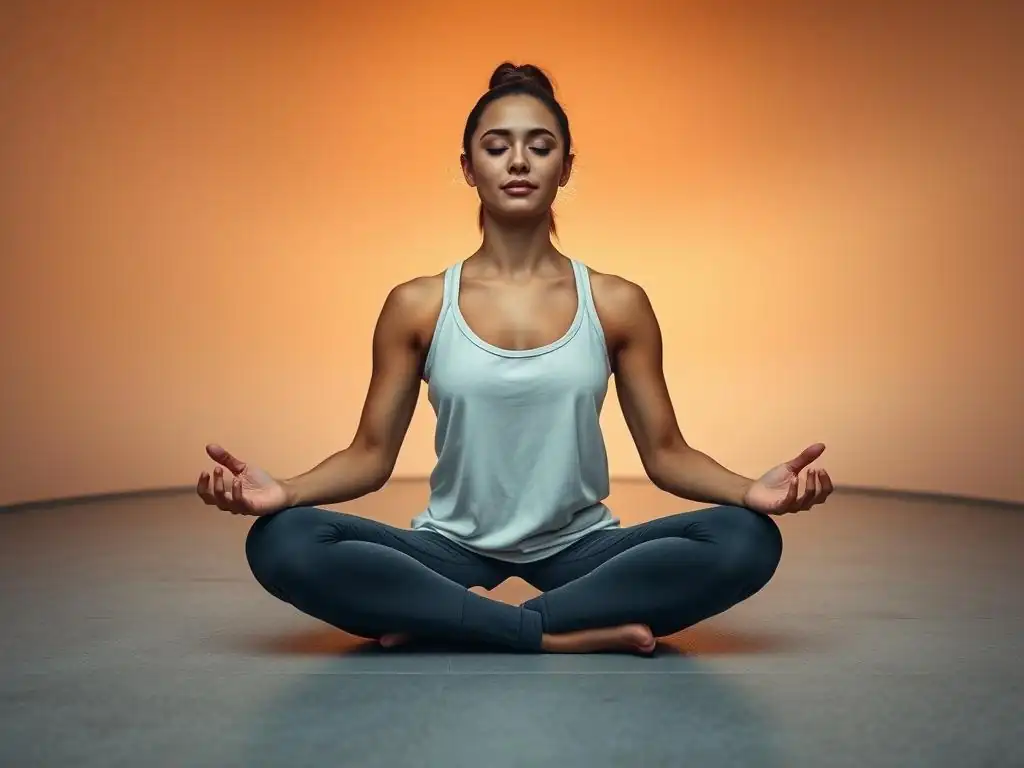
A core element of many meditation practices is focusing on the breath. The breath serves as an anchor to the present moment. Pay attention to the sensation of the breath entering and leaving your body – the rise and fall of your chest or abdomen, the feeling of air in your nostrils. When your mind inevitably wanders (which it will, it's completely normal! ), gently acknowledge the thought without judgment and guide your attention back to your breath.
Similarly, body scan meditations involve systematically bringing awareness to different parts of your body, noticing any sensations – warmth, coolness, tingling, tension, relaxation. This practice enhances body awareness, crucial for athletes. By focusing on physical sensations, you ground yourself in the present and develop a deeper connection with your physical state, which is essential for understanding how meditation boost athletic recovery.
Gradually Returning to Full Awareness
As the guided session concludes, the guide will typically lead you through a process of gradually returning to full awareness. This involves gently bringing your attention back to your surroundings, wiggling your fingers and toes, and perhaps taking a few deeper breaths. Avoid rushing this transition.
Take a moment to notice how you feel physically and mentally after the meditation. Did you notice any shift in your state? Acknowledge the effort you made to practice. This transition helps you integrate the calm and focus cultivated during the meditation into your everyday activities and prepare to move forward with renewed presence.
Benefits of Guided Meditation for Athletes: Beyond Recovery
While meditation's impact on recovery is significant, its benefits for athletes extend far beyond simply bouncing back faster. The mental conditioning it provides enhances numerous aspects of performance and overall well-being, creating a more resilient and effective athlete.
Improved Focus and Concentration During Competition
The ability to maintain unwavering focus is critical in the heat of competition, where split-second decisions and precise execution are paramount. Guided meditation trains the mind to resist distractions – both external (crowd noise, opponent actions) and internal (self-doubt, worries about outcomes). By practicing bringing attention back to a chosen anchor (like the breath) during meditation, athletes build the mental muscle needed to refocus quickly during a game or event.
This enhanced concentration allows athletes to stay present in the moment, fully engaged in the task at hand rather than being caught up in past mistakes or future possibilities. This improved focus can lead to better decision-making, fewer errors, and the ability to perform complex skills automatically, even under pressure. For example, a golfer using mindfulness might find it easier to block out distractions and focus solely on their swing.
Enhanced Mental Toughness and Resilience
Sports are filled with setbacks, failures, and challenging moments. Mental toughness isn't about suppressing emotions, but about the ability to navigate adversity, bounce back from disappointment, and maintain effort in the face of difficulty. Meditation cultivates resilience by helping athletes develop a non-judgmental awareness of their thoughts and emotions.
By observing difficult thoughts and feelings without getting swept away by them, athletes learn that these internal states are temporary and don't define their capability. This perspective allows them to respond to challenges with greater equanimity and persistence. Facing a tough opponent, recovering from an injury, or dealing with a loss becomes less about the overwhelming emotion and more about the next action, building true mental resilience.
Better Sleep Quality for Optimal Recovery
Quality sleep is foundational for athletic recovery and performance. It's during deep sleep cycles that the body repairs tissues, consolidates memories, and regulates hormones essential for physical and mental function. Stress and anxiety, common among athletes, can significantly disrupt sleep patterns.
Meditation is a proven technique for reducing anxiety and promoting relaxation, making it easier for athletes to fall asleep and stay asleep. By calming the nervous system and quieting a racing mind before bed, guided meditation can improve sleep onset and duration. Consistently getting adequate, high-quality sleep significantly impacts how effectively meditation boost athletic recovery processes overnight, leading to feeling more rested and prepared for training.
Reduced Anxiety and Performance Pressure
The pressure to perform, meet expectations, and win can be immense, often leading to debilitating anxiety. This anxiety can manifest physically as increased heart rate, muscle tension, and digestive issues, and mentally as intrusive worries and fear of failure, all of which impair performance.
Guided meditation provides athletes with tools to manage and reduce performance anxiety. Techniques like breath focus and body scanning help athletes become aware of physical symptoms of anxiety and learn to regulate them. Mindfulness teaches athletes to observe anxious thoughts without letting them take control, allowing them to approach competition with a calmer, more focused mindset. This reduction in anxiety frees up mental energy that can be directed towards executing skills and strategy.
Increased Self-Awareness and Emotional Regulation
Self-awareness is the ability to understand one's own emotions, thoughts, and values, and how they influence behavior. Emotional regulation is the ability to manage and respond to an emotional experience appropriately. Both are critical for athletes navigating the highs and lows of their careers.
Meditation cultivates self-awareness by providing a space to observe internal experiences without judgment. Athletes become more attuned to their emotional states – recognizing frustration, anger, fear, or excitement as they arise. This increased awareness is the first step towards effective emotional regulation. Instead of reacting impulsively to difficult emotions, athletes can learn to pause, acknowledge the feeling, and choose a more constructive response, whether that's taking a moment to recenter or communicating effectively with teammates and coaches. This emotional intelligence contributes not only to better performance but also to healthier relationships and overall well-being.
Integrating Guided Meditation into Your Training Routine
Making guided meditation a consistent part of your athletic journey is key to reaping its full benefits. It's not about adding another overwhelming task, but finding ways to weave it seamlessly into your existing schedule.
Best Times to Meditate: Pre-Workout, Post-Workout, or Daily
There's no single "right" time to meditate; the best time depends on your personal schedule and goals. Many athletes find meditating in the morning helps set a calm and focused tone for the day. Others prefer meditating before bed to unwind and improve sleep, which directly supports how meditation boost athletic recovery.
- Pre-Workout/Pre-Competition: A short meditation (5-10 minutes) can help calm nerves, sharpen focus, and mentally prepare for the physical demands ahead. Visualization can be particularly effective here.
- Post-Workout: Meditation can aid in the transition from high-intensity activity to rest and recovery. A body scan can help release physical tension and promote relaxation, facilitating the recovery process. This is a prime time to focus on meditation boost athletic recovery.
- Daily Practice (Anytime): Committing to a daily practice, even for a short duration (5-15 minutes), builds consistency and reinforces the mental skills learned. This could be upon waking, during a lunch break, or in the evening.
Experiment with different times to see what feels most beneficial and sustainable for you.
Creating a Consistent Meditation Practice
Consistency is more important than duration when starting out. Even 5-10 minutes of daily guided meditation is more effective than sporadic longer sessions. Start small and gradually increase the time as you become more comfortable.
Treat your meditation practice like any other important part of your training – schedule it into your day. Use reminders if necessary. Don't get discouraged if you miss a day; simply start again the next day. Building a habit takes time and patience. Finding guided meditations specifically for athletes can also help keep the practice relevant and engaging.
Sample Weekly Meditation Schedule for Athletes
Here is a sample schedule illustrating how an athlete might integrate guided meditation throughout their week:
- Monday (Hard Training): 10 minutes Body Scan Meditation post-workout to aid muscle recovery and identify tension.
- Tuesday (Recovery Day): 15 minutes Mindfulness Meditation in the morning to start the day with focus and presence.
- Wednesday (Hard Training): 5 minutes Breathwork before training for focus; 10 minutes Guided Relaxation before bed for sleep quality.
- Thursday (Lighter Training): 10 minutes Walking Meditation during an active recovery walk to practice mindfulness in motion.
- Friday (Pre-Competition Prep): 10 minutes Visualization Meditation focusing on successful performance.
- Saturday (Competition Day): 5 minutes Breath Focus Meditation shortly before the event to manage nerves and center focus.
- Sunday (Rest Day): 15 minutes longer Guided Meditation focusing on gratitude or self-compassion.
This is just a template; adjust it based on your training schedule, competition demands, and personal preferences, always considering how meditation boost athletic recovery and performance.
Overcoming Challenges in Meditation for Athletes
Like any skill, meditation comes with its own set of challenges. Athletes, often wired for action and external focus, might initially find the practice difficult. Recognizing common hurdles and having strategies to overcome them is key to maintaining a consistent practice.
Dealing with Distractions and Racing Thoughts
One of the most common misconceptions about meditation is that your mind needs to be completely empty of thoughts. This is not the goal. The mind is designed to think. For athletes, thoughts might revolve around training, performance, strategy, or personal life. The challenge isn't to stop thinking, but to notice when your mind has wandered and gently guide it back to your chosen anchor (like the breath or the guide's voice).
Think of it like training a puppy – it will wander off, and you gently bring it back, without scolding. Each time you notice your mind has drifted and return to the present, you are strengthening your mental muscle for focus and awareness. It's a practice of patience and non-judgment. Acknowledge the thought, let it go, and return your attention.
Staying Consistent with Your Meditation Practice
Finding the time and motivation to meditate, especially on demanding training days, can be difficult. Athletes are often exhausted and might feel like they don't have the energy for "just sitting." However, consistency is where the benefits accumulate.
Linking meditation to an existing habit (like right after brushing your teeth or immediately post-workout) can help. Start with a very short duration that feels manageable, even just 3-5 minutes. Use a meditation app or find a meditation buddy for accountability. Remind yourself why you are practicing – the performance benefits, stress reduction, and how meditation boost athletic recovery – to stay motivated. Don't strive for perfection, just progress.
Tips for Effective Meditation
- Start Small: Begin with short sessions (5-10 minutes) and gradually increase duration.
- Be Patient: Benefits accrue over time. Don't expect dramatic results after one session.
- Find Your Comfort: Experiment with different positions and types of guided meditations.
- Use a Guide: Especially when starting, a guided audio or app can provide structure and support.
- Be Non-Judgmental: Accept thoughts and distractions as normal parts of the process.
- Practice Regularly: Aim for daily practice, even if brief. Consistency is key.
- Integrate It: Look for ways to bring mindfulness into your daily activities, not just formal meditation sessions.
- Focus on the "Why": Remember your goals for performance, recovery, and well-being to maintain motivation for the practice.
Real-Life Examples: Athletes Who Use Guided Meditation
Many elite athletes across various sports have publicly shared how mindfulness and meditation practices have contributed to their success, highlighting the tangible impact on focus, composure, and resilience.
LeBron James: Basketball and Mindfulness
One of the most recognized basketball players globally, LeBron James, has spoken about using mindfulness and meditation as part of his preparation and recovery routine. While specific details of his practice are private, reports and interviews suggest he incorporates mental conditioning to maintain focus during high-pressure games and manage the physical and mental demands of a long NBA season.
His emphasis on mental readiness aligns with the principles of mindfulness – staying present, managing distractions, and maintaining composure. For an athlete constantly in the spotlight, the ability to quiet external noise and internal pressure is paramount. While not always labeled strictly "meditation," his acknowledged mental preparation techniques demonstrate the application of mindfulness principles at the highest level of sport, contributing to his sustained performance and longevity.
Michael Phelps: Swimming and Visualization
The most decorated Olympian in history, swimmer Michael Phelps, famously used visualization as a core component of his mental training long before each race. Under the guidance of his coach, Bob Bowman, Phelps would mentally rehearse every aspect of his race – from his pre-race routine and diving off the blocks to the feel of the water, each stroke, turn, and finish.
This wasn't just positive thinking; it was detailed, sensory-rich mental rehearsal practiced daily. Phelps would visualize winning, but also overcoming potential challenges, like his goggles filling with water (which famously happened in the 2008 Beijing Olympics, yet he still won the race, partly attributing his composure to having visualized that exact scenario). This powerful form of guided visualization meditation played a critical role in his preparation, allowing him to perform optimally even under immense pressure and contributing to his legendary success.
Resources for Guided Meditation for Athletes
Accessing guided meditation resources has become easier than ever, with numerous platforms and materials specifically tailored for athletes looking to enhance their performance and recovery.
Recommended Meditation Apps for Athletes
Several meditation apps offer guided sessions, programs, and tools that are beneficial for athletes:
- Headspace: Features specific sports-related content and guided meditations for focus, competition, and recovery.
- Calm: Offers guided meditations, sleep stories (helpful for recovery), and masterclasses, some relevant to performance and stress management.
- Insight Timer: Provides a vast library of free guided meditations from various teachers, allowing users to search by duration, topic (like "sports," "focus," "recovery"), and style. Many meditations specifically address how meditation boost athletic recovery.
- Waking Up (Sam Harris): Focuses more on the philosophical and psychological aspects of mindfulness, offering in-depth guided practices suitable for developing deep focus and self-awareness.
These apps make it convenient to access guided sessions anytime, anywhere, fitting practice into a busy training schedule.
Online Guided Meditation Scripts and Audios
For those who prefer not to use an app, many websites offer free guided meditation scripts and audio recordings. Searching online for "guided meditation for athletes script," "sports visualization meditation audio," or "meditation for muscle recovery" can yield numerous results.
Websites of mindfulness organizations, sports psychology professionals, and mental health resources often provide downloadable or streamable content. While not always as interactive as apps, these resources offer flexibility and a wide variety of voices and approaches. Look for scripts or audios specifically mentioning performance, focus, stress relief, or how meditation boost athletic recovery.
Books and Articles on Meditation for Athletes
Exploring books and articles can provide a deeper understanding of the principles behind meditation and mindfulness and how they apply to sports.
- Mindful Athlete by George Mumford: A renowned mindfulness coach who has worked with elite athletes, including Michael Jordan and Kobe Bryant, offering practical guidance.
- 10% Happier by Dan Harris: While not solely athlete-focused, it provides a relatable entry point into meditation for skeptics and discusses the science behind it.
- Academic articles and sports psychology journals often publish research on the effects of mindfulness interventions on athletic performance, stress, and recovery. Searching databases for terms like "mindfulness sports performance" or "meditation athletic recovery" can provide valuable insights and data points on how meditation boost athletic recovery.
These resources offer different avenues for learning and integrating meditation into an athlete's life, catering to various learning styles and preferences.
Conclusion: Unlock Your Potential with Guided Meditation
Guided meditation is far more than just a relaxation technique; it is a powerful mental training tool that can significantly enhance athletic performance and recovery. By cultivating focus, resilience, and self-awareness, athletes can navigate the mental demands of sport with greater ease and effectiveness. The physiological benefits, particularly in reducing stress and inflammation, directly contribute to faster and more efficient physical recovery, allowing athletes to train harder and more consistently while reducing injury risk.
The Future of Meditation in Sports Performance
As the understanding of the mind-body connection grows, mindfulness and meditation are becoming increasingly integrated into mainstream sports training programs. What was once considered a niche practice is now recognized by coaches, trainers, and sports psychologists as a vital component of comprehensive athlete development. Expect to see more teams and organizations incorporating guided meditation and mindfulness training alongside traditional physical conditioning, nutrition, and sports psychology. The data continues to build, supporting the tangible benefits, particularly in areas like stress management, focus, and how meditation boost athletic recovery.
Final Thoughts on Meditation and Athletic Success
Ultimately, athletic success is a blend of physical talent, technical skill, strategic understanding, and mental fortitude. While guided meditation won't replace hours in the gym or on the field, it provides a crucial edge by optimizing the athlete's most important asset: their mind.
By committing to a consistent meditation practice, athletes can unlock deeper levels of focus, manage pressure effectively, improve sleep, accelerate recovery, and build the mental resilience required to achieve their full potential, both in their sport and in life. Embracing meditation boost athletic recovery and performance, paving the way for a more sustainable and successful athletic career.
Frequently Asked Questions
What is the primary benefit of guided meditation for athletes?
The primary benefit is enhanced recovery, which includes reduced muscle soreness, improved sleep quality, and faster return to optimal performance levels. It helps manage stress and anxiety linked to competition.
How does meditation boost athletic recovery specifically?
Meditation aids recovery by promoting relaxation and reducing stress hormones like cortisol. This allows the body to shift into a rest-and-digest state, facilitating tissue repair and reducing inflammation.
What types of guided meditation are most effective for athletes?
Mindfulness meditation focusing on body scan techniques and breathing exercises is often highly effective. Visualization techniques can also aid in mental preparation and recovery.
How often should athletes practice guided meditation for optimal results?
Consistency is key; aim for 10-20 minutes daily. Even short, regular sessions can significantly improve mental resilience and recovery.
Where can athletes find reliable guided meditation resources?
Mind Care Guide and other reputable mental health websites offer guided meditations. Mobile apps specializing in mindfulness and meditation also provide a variety of athlete-specific programs.
Final Reflection: Finding Stillness in the Storm of Sport
The integration of mindfulness practices, like guided meditation, is no longer a fringe benefit for athletes; it's a crucial component of peak performance and sustainable success. The ability to manage stress, optimize focus, and accelerate recovery is no longer a luxury, but a necessity in the increasingly demanding world of professional and amateur sports. Ignoring the power of the mind to enhance physical capabilities is akin to ignoring half the equation.
The impact of meditation on athletic culture is profound and continues to grow. We've moved beyond the stereotype of the stoic, emotionless athlete; a new generation understands the importance of mental fortitude and emotional intelligence. The body achieves what the mind believes.
This quote, often attributed to Napoleon Hill, perfectly encapsulates the symbiotic relationship between mental and physical prowess, a relationship that guided meditation helps to cultivate and strengthen. The shift towards holistic athlete well-being, prioritizing mental health alongside physical training, is a testament to the growing recognition of this powerful connection.
Now, consider your own athletic journey, whatever its level. How can you incorporate even small moments of stillness into your training regimen? Perhaps a five-minute guided meditation before a competition, or a mindful breathing exercise during recovery. Don't underestimate the power of these small practices to create a ripple effect of positive change in your performance, your resilience, and your overall well-being. Embrace the quiet strength that lies within, and discover the transformative potential of guided meditation in your pursuit of athletic excellence.
Unlock Your Athletic Potential: Take Your Practice to the Next Level
Thanks for exploring the power of guided meditation for athletes! We hope you've gained valuable insights into enhancing your performance and recovery. Ready to integrate these techniques into your routine?
- Start your personalized meditation journey today: Download our free sample guided meditation specifically designed for athletes and experience the immediate benefits.
- Share your experience: Let us know in the comments below how this meditation practice impacts your training and recovery. We love hearing your stories!
- Explore further: Delve deeper into mindfulness practices by browsing our other resources on Mind Care Guide to discover additional techniques for optimizing your well-being.
What specific challenge in your athletic journey are you most excited to tackle with the help of meditation?