
Avoiding Pitfalls: Common Mistakes When Using Diffusers for Anxiety and How to Fix Them

Welcome to Mind Care Guide, a sanctuary for your mental well-being. Feeling overwhelmed when trying to find natural solutions for anxiety? You're not alone. Many turn to diffusers for a sense of calm, but are you making common mistakes that could be hindering their effectiveness? Dive into our guide, " Avoiding Pitfalls: Common Mistakes When Using Diffusers for Anxiety and How to Fix Them," to unlock the true potential of aromatherapy and discover simple adjustments that can make a world of difference. Ready to breathe easier and find genuine relief?
Avoiding Pitfalls: Common Mistakes When Using Diffusers for Anxiety and How to Fix Them
- Introduction: Harnessing the Calming Power of Diffusers for Anxiety Relief
-
Common Diffuser Anxiety Mistakes: Unveiling the Pitfalls
- Mistake #1: Choosing the Wrong Essential Oils for Anxiety (and How to Select the Right Ones)
- Mistake #2: Over-Diffusing and Sensory Overload: Finding the Right Balance
- Mistake #3: Neglecting Diffuser Maintenance: A Breeding Ground for Mold and Bacteria
- Mistake #4: Using Low-Quality Essential Oils: Compromising Purity and Potency
- Mistake #5: Ignoring Safety Precautions: Protecting Yourself and Your Loved Ones
- Troubleshooting Common Diffuser Anxiety Symptoms: Identifying and Addressing the Root Cause
- Maximizing Anxiety Relief with Diffusers: Best Practices and Expert Tips
- Conclusion: Embracing the Soothing Benefits of Diffusers for Anxiety Management (Responsibly).
-
Frequently Asked Questions
- How can using a diffuser incorrectly actually increase my anxiety?
- What are the most common mistakes people make when using diffusers to manage anxiety?
- Which essential oils are generally considered safe and effective for anxiety, and which should I avoid?
- How often and for how long should I use a diffuser to effectively reduce anxiety without causing adverse effects?
- What other factors, besides the diffuser itself, should I consider when trying to manage anxiety with aromatherapy?
- Final Reflection: Breathing Easier: The Ongoing Journey of Aromatherapy for Anxiety
- Unlock Your Calm: Mastering Diffuser Anxiety Relief
Introduction: Harnessing the Calming Power of Diffusers for Anxiety Relief
In the pursuit of finding natural ways to manage anxiety, many individuals turn to aromatherapy, and specifically, the use of essential oil diffusers. These devices disperse microscopic oil particles into the air, creating an aromatic environment that can influence mood and promote relaxation. For centuries, various cultures have utilized plant extracts for their therapeutic properties, and modern science is increasingly exploring the mechanisms by which scents can affect our limbic system, the part of the brain associated with emotions and memory.
Aromatherapy via diffusers offers a non-invasive and often pleasant method to create a calming atmosphere in one's home or office. The gentle diffusion of oils like lavender or chamomile is widely reported to help soothe racing thoughts, reduce tension, and prepare the mind and body for rest. However, while the potential benefits are significant, unlocking them requires more than just adding water and oil to a device. Awareness of common diffuser anxiety mistakes is crucial for a positive and effective experience.
Common Diffuser Anxiety Mistakes: Unveiling the Pitfalls
While diffusers can be powerful tools for anxiety relief, improper use can lead to disappointing results or even adverse effects. Understanding these common pitfalls is the first step toward truly harnessing their calming potential.
Mistake #1: Choosing the Wrong Essential Oils for Anxiety (and How to Select the Right Ones)
One of the most frequent diffuser anxiety common mistakes is simply selecting essential oils that are not well-suited for promoting calm or relaxation. Not all essential oils have the same properties; some are stimulating or uplifting, while others are grounding or sedating. Using an invigorating oil like peppermint or certain citrus oils in a space intended for winding down might counteract your goal of reducing anxiety. While some find bright scents uplifting, for anxiety relief, the focus is typically on oils known for their calming effects.
To effectively use your diffuser for anxiety, prioritize oils scientifically recognized or traditionally used for their calming properties. Lavender ( Lavandula angustifolia) is perhaps the most famous, known for its high levels of linalool and linalyl acetate, compounds that studies suggest can impact the nervous system. Other excellent choices include Roman Chamomile ( Chamaemelum nobile), Bergamot ( Citrus bergamia, ensure it's bergaptene-free if applying topically, though less of a concern for diffusion), Frankincense ( Boswellia carterii), and Ylang-Ylang ( Cananga odorata).
When selecting oils, consider your personal scent preferences, as a smell you find unpleasant will likely not aid relaxation, regardless of its known properties. Researching the specific therapeutic benefits of oils before purchasing is a vital step.
Mistake #2: Over-Diffusing and Sensory Overload: Finding the Right Balance
More is not always better, especially when it comes to diffusing essential oils for anxiety. A common mistake is running the diffuser continuously or adding too many drops of oil, leading to an overly saturated environment. This can result in sensory overload, triggering symptoms like headaches, nausea, dizziness, or even paradoxically increasing feelings of anxiety or irritation rather than reducing them. The goal is a subtle, pleasant aroma, not an overwhelming cloud of scent.
Finding the right balance involves paying attention to diffusion time and the concentration of oil used. Most experts recommend diffusing intermittently, such as 15-30 minutes on, followed by 30-60 minutes off. This allows the scent to linger in the air without becoming overpowering and prevents olfactory fatigue, where your nose becomes accustomed to the smell and you no longer perceive it or its benefits.
The number of drops depends on the diffuser size, room size, and oil potency, but starting with a lower number (e.g., 3-5 drops for a medium-sized room) and gradually adding more if needed is a safer approach than starting too strong. Observing how your body and mind respond is key to determining your personal sweet spot.
Mistake #3: Neglecting Diffuser Maintenance: A Breeding Ground for Mold and Bacteria
A frequently overlooked aspect of using diffusers is regular cleaning and maintenance. The water reservoir in ultrasonic diffusers, especially when left with standing water or oil residue, can become a breeding ground for mold, bacteria, and other microorganisms. When the diffuser is turned on, these contaminants are dispersed into the air along with the essential oil, potentially leading to respiratory irritation, allergic reactions, or other health issues that certainly won't help your anxiety.
To avoid this pitfall, make cleaning your diffuser a regular habit. Ideally, rinse and wipe the reservoir dry after each use. If using it daily, a thorough cleaning with water and a bit of white vinegar (followed by rinsing) at least once a week is recommended to disinfect and remove oil buildup. Refer to your diffuser's manual for specific cleaning instructions. Ensuring that you are diffusing clean air is just as important as diffusing the right oils for effective and healthy anxiety relief.
Mistake #4: Using Low-Quality Essential Oils: Compromising Purity and Potency
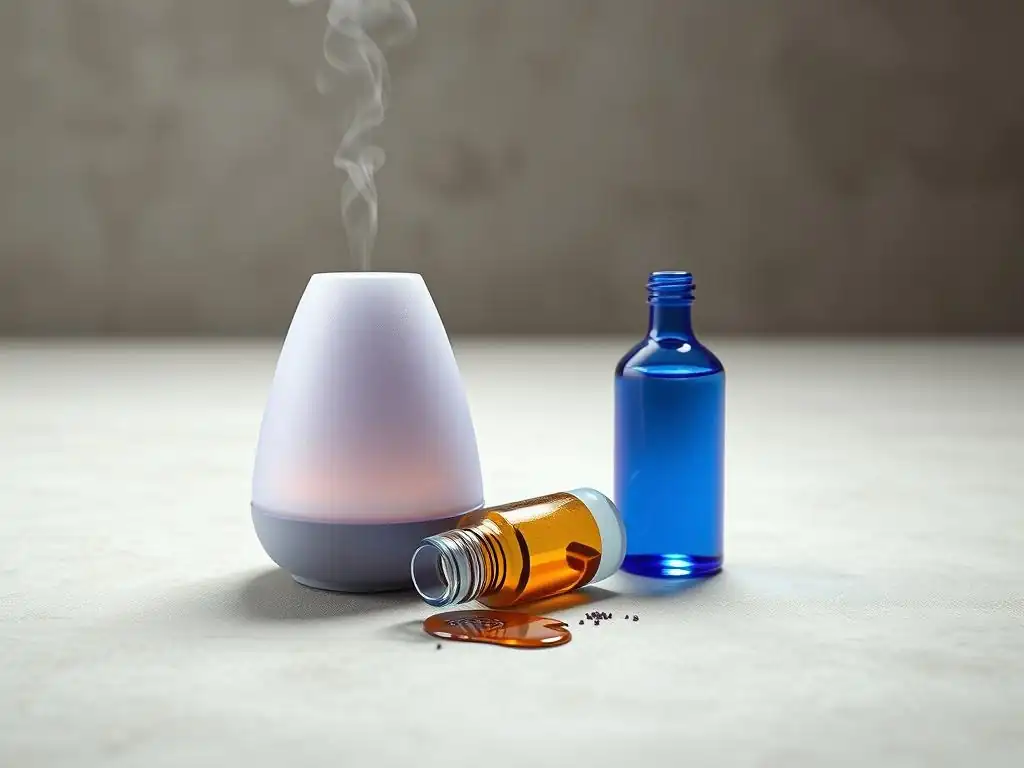
The market is flooded with essential oils of varying quality, and using low-quality or synthetic oils is another significant one of the diffuser anxiety common mistakes. Many products labeled "fragrance oil" or "perfume oil" are synthetic compounds that mimic natural scents but lack the complex chemical profile necessary for therapeutic effects. Even oils labeled "100% pure" can sometimes be diluted, adulterated, or sourced from plants grown with pesticides, compromising their purity and potency. Such oils may not only fail to provide anxiety relief but could also contain harmful chemicals that are irritating or toxic when inhaled.
Investing in high-quality, pure essential oils from reputable suppliers is crucial for both efficacy and safety. Look for companies that provide detailed information about their sourcing, extraction methods, and testing (preferably third-party GC/MS testing, which verifies the oil's chemical composition). The botanical name of the plant should be clearly listed (e.g., Lavandula angustifolia, not just "Lavender"). While pure essential oils can be more expensive, their concentrated nature means you use fewer drops, and their therapeutic benefits are genuine, ensuring you are getting the intended support for your anxiety.
Mistake #5: Ignoring Safety Precautions: Protecting Yourself and Your Loved Ones
Diffusing essential oils, while generally safe when done correctly, requires adherence to certain safety precautions, especially in homes with children, pets, or individuals with health sensitivities. Failing to consider these factors is a notable pitfall. Placing a diffuser where it can be easily knocked over, using oils toxic to pets, or diffusing constantly in a poorly ventilated space can pose risks beyond just ineffective anxiety management.
Always place your diffuser on a stable surface, out of reach of children and pets. Be particularly cautious with pets; some essential oils are highly toxic to cats and dogs (including common ones like tea tree, eucalyptus, citrus oils, and peppermint). Symptoms of essential oil poisoning in pets can range from lethargy and difficulty breathing to liver failure. Always ensure pets can leave the room if a diffuser is running.
For individuals with respiratory conditions like asthma or allergies, diffusing strong scents might trigger symptoms. It's also wise for pregnant individuals or those with medical conditions to consult a healthcare provider before using essential oils. Proper ventilation is key; ensure the room is not sealed tightly, allowing for air exchange.
Troubleshooting Common Diffuser Anxiety Symptoms: Identifying and Addressing the Root Cause
Sometimes, despite best efforts, using a diffuser might seem to worsen symptoms or cause new ones. This isn't necessarily a sign that diffusers don't work for you, but rather an indication that one of the common diffuser anxiety common mistakes might be at play or that a different approach is needed.
Experiencing Headaches After Diffusing? (Possible Causes and Solutions)
Headaches are a relatively common complaint among new diffuser users, and they often point back to one of the pitfalls already discussed. The most likely culprits include over-diffusing (too much scent saturation), using an oil that is too stimulating or has a strong, potentially irritating aroma for you personally, or using a low-quality oil that contains synthetic additives. Poor ventilation in the room can exacerbate the issue, as the air becomes heavy with scent.
If you experience headaches after diffusing, the first step is to stop immediately and ventilate the room thoroughly. When you try again, significantly reduce the diffusion time (e.g., try just 10-15 minutes) and the number of drops (start with 1-2). Consider switching to a universally recognized calming oil like true lavender. Ensure your essential oils are pure and from a reputable source.
Also, check that the room isn't completely closed off. Sometimes, simply moving the diffuser further away from your immediate personal space can make a difference. Pay attention to which oils trigger headaches for you, as individual sensitivities vary.
Feeling More Anxious After Using a Diffuser? (Reassessing Your Approach)
It might seem counterintuitive, but some individuals report feeling more anxious or agitated after using a diffuser intended for relaxation. This could stem from several factors. Using an oil that is inherently stimulating rather than calming is a primary reason.
For example, while some citrus oils are uplifting, for someone prone to restlessness, they might increase energy in an unwanted way. Another possibility is that a particular scent, even one typically considered calming, might have an unconscious negative association for you personally, triggering uncomfortable feelings. Over-diffusing can also be overwhelming and contribute to feelings of being closed in or agitated.
If diffusing seems to heighten your anxiety, take a step back. Re-evaluate the oil you are using; ensure it's truly one known for its calming properties, like chamomile or frankincense. Try using a single oil first before experimenting with blends. Significantly reduce the diffusion time and the number of drops to ensure the scent is very subtle.
Consider if the scent reminds you of anything unpleasant. If a specific oil consistently makes you feel worse, simply stop using it. Explore other calming scents. Remember that while aromatherapy is helpful for many, it's one tool among many for anxiety management, and finding the right approach for you may involve some trial and error.
Maximizing Anxiety Relief with Diffusers: Best Practices and Expert Tips
Avoiding the diffuser anxiety common mistakes is the foundation, but actively implementing best practices is how you truly maximize the benefits of using diffusers for anxiety relief.
Creating a Calming Diffuser Blend for Anxiety: A Step-by-Step Guide
Once you're comfortable with individual oils and diffusion basics, creating your own calming blends can enhance the aromatherapy experience. Different oils contain various chemical compounds that can work synergistically, meaning their combined effect might be greater than using them individually. A well-crafted blend can create a more complex and potentially more effective aroma profile for targeting anxiety.
Here's a simple approach to creating a calming blend:
- Step 1: Choose your base.: Select 1-2 oils known for grounding or relaxing properties, like Lavender, Frankincense, or Sandalwood (if available and ethically sourced). These often provide the core calming effect.
- Step 2: Add a complement.: Select 1-2 oils that pair well and add another layer of calm or gentle uplift, such as Bergamot, Roman Chamomile, Clary Sage, or Ylang-Ylang. Bergamot can be uplifting yet calming, while Chamomile is deeply relaxing.
- Step 3: Consider a touch of something extra (optional).: A single drop of an oil like Vetiver or Patchouli can add depth and grounding, or a gentle citrus like Sweet Orange can add a touch of brightness without being overly stimulating.
- Step 4: Blend and test.: Start with a small total number of drops (e.g., 5-8 drops total for a standard 100-200ml diffuser). A common ratio might be 3 drops of base, 2 drops of complement, and 1 drop of extra. Try a blend like 3 drops Lavender, 2 drops Bergamot. Or 3 drops Frankincense, 2 drops Roman Chamomile. Diffuse for a short period (15 minutes) and see how you feel. Adjust the ratio or oils in subsequent trials based on your response. Keep track of blends you like!
Optimizing Your Diffusing Environment: Creating a Sanctuary of Calm
Effective anxiety relief with a diffuser isn't solely about the oil or the device; it's also about the environment you create. The diffuser is a tool to enhance a space intended for relaxation and mindfulness. Simply having a pleasant smell in a chaotic or stressful environment may not provide the desired level of anxiety reduction.
To optimize your diffusing environment, consider integrating it into a holistic approach to creating a sanctuary of calm. Choose a specific time and place for diffusing where you can minimize distractions – perhaps during a quiet moment in the evening, while reading, meditating, or practicing gentle yoga. Ensure the space is comfortable, tidy, and has soft lighting if possible.
Combine the aromatherapy with other relaxation techniques, such as deep breathing exercises while the diffuser is running, listening to calming music, or journaling about your feelings. Making the act of diffusing part of a deliberate self-care ritual can significantly amplify its benefits for managing anxiety.
Conclusion: Embracing the Soothing Benefits of Diffusers for Anxiety Management (Responsibly).
Diffusers offer a wonderful, accessible way to incorporate the benefits of aromatherapy into your routine for managing anxiety. By understanding and avoiding the diffuser anxiety common mistakes – such as choosing the wrong oils, over-diffusing, neglecting maintenance, using low-quality products, or ignoring safety – you pave the way for a much more positive and effective experience.
Utilizing high-quality, appropriate essential oils, diffusing mindfully for limited periods, keeping your equipment clean, and prioritizing safety for everyone in your household are not just best practices; they are essential steps for responsible aromatherapy. When used correctly and thoughtfully, integrating diffusers into your self-care practices can become a soothing ritual, helping to create pockets of calm and support your overall mental well-being journey.
Frequently Asked Questions
How can using a diffuser incorrectly actually increase my anxiety?
Using a diffuser improperly can lead to sensory overload, especially with certain scents. Also, poor ventilation can concentrate essential oils, causing irritation and discomfort, which can worsen anxiety.
What are the most common mistakes people make when using diffusers to manage anxiety?
Overusing essential oils, using inappropriate or synthetic oils, and neglecting proper cleaning are frequent errors. Ignoring personal sensitivities and relying solely on diffusers without other coping mechanisms are also common.
Which essential oils are generally considered safe and effective for anxiety, and which should I avoid?
Lavender, chamomile, and frankincense are often recommended for their calming properties. Avoid oils that you are allergic to and be cautious with strong or stimulating scents like peppermint if you're prone to anxiety.
How often and for how long should I use a diffuser to effectively reduce anxiety without causing adverse effects?
Start with short sessions, like 15-30 minutes, and observe your reaction. Avoid continuous diffusion for extended periods. Adjust the frequency and duration based on your individual tolerance and the specific oil used.
What other factors, besides the diffuser itself, should I consider when trying to manage anxiety with aromatherapy?
Remember that aromatherapy is a supplementary tool, not a cure. Focus on addressing the root causes of your anxiety through therapy, lifestyle changes, and other coping strategies. Ensure proper ventilation and consider your individual sensitivities.
Final Reflection: Breathing Easier: The Ongoing Journey of Aromatherapy for Anxiety
The mindful use of diffusers for anxiety relief is not a passive solution, but an active practice requiring careful consideration and ongoing adjustment. Improper diffuser use can exacerbate anxiety rather than alleviate it, highlighting the importance of understanding the nuances of aromatherapy. This underscores the need for informed choices and a commitment to personalized well-being.
The impact of aromatherapy on our collective well-being is undeniable, extending far beyond the simple act of diffusing essential oils. It represents a growing interest in natural remedies and holistic approaches to mental health, a trend reflecting a broader societal shift towards self-care and mindfulness. The body benefits from movement, and so does the mind.
- This quote speaks to the active engagement required for successful aromatherapy, mirroring the need for conscious choices in all aspects of self-care.
Consider the information presented in this article as a starting point, not an endpoint. Experiment with different oils, pay close attention to your body's response, and don't hesitate to seek professional guidance if needed. You deserve to find the methods that best support your mental well-being. Embrace the journey of self-discovery, and remember that finding the right balance in aromatherapy, as in life, is a continuous process of learning and adaptation.
Unlock Your Calm: Mastering Diffuser Anxiety Relief
Thanks for taking the time to explore the world of aromatherapy and anxiety relief! We hope you gained valuable insights into common diffuser mistakes and how to avoid them. Now, let's put that knowledge into action.
Here's how you can take the next steps towards a calmer, more peaceful you:
- Experiment with different essential oil blends: Try combining lavender with chamomile or bergamot for a uniquely calming effect. Keep a journal to track which blends work best for you.
- Share your diffuser experience: Tell us (or others!) about your favorite essential oil blends for anxiety relief. What works best for you?
- Create a personalized aromatherapy routine: Integrate diffuser use into your daily relaxation ritual. This could involve using your diffuser during meditation, yoga, or before bedtime.
Ready to transform your approach to anxiety relief? What essential oil blend are you most excited to try?