
Sleep Sabotage: How Tech Before Bed Fuels Your Worries

Welcome to Mind Care Guide, your compassionate companion on the path to mental well-being.
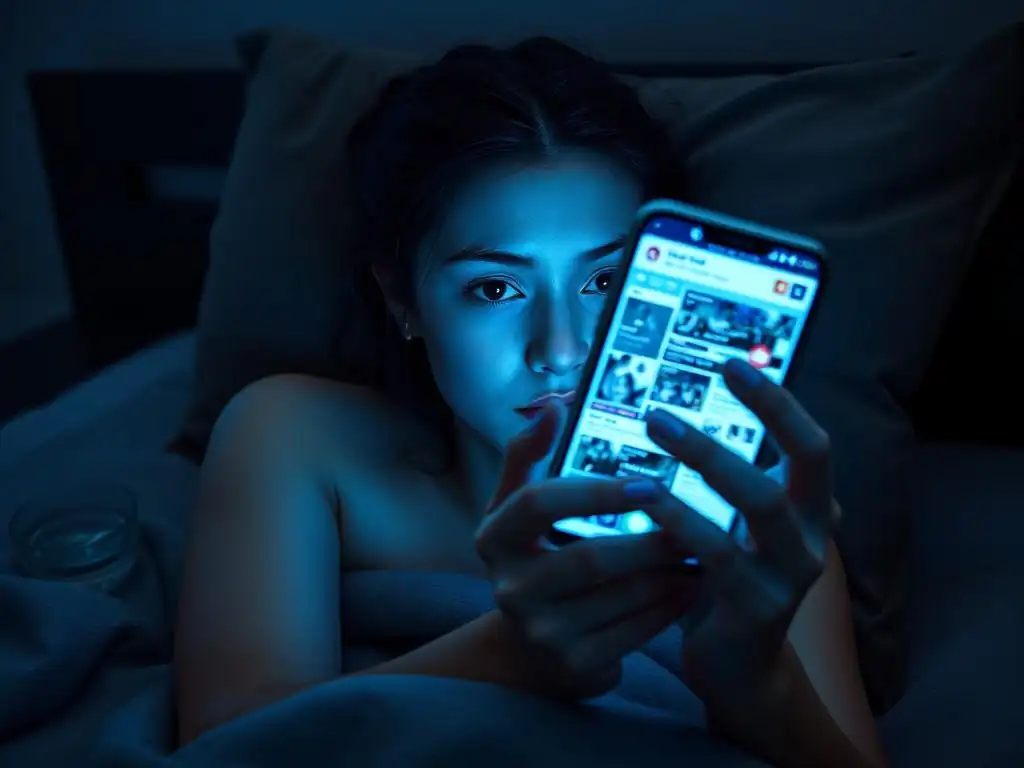
Ever feel like your mind races at night, just as you're trying to drift off? You're not alone. Dive into our exploration of Techinduced anxiety before sleep and discover how those late-night scrolls might be sabotaging your rest and fueling your worries. Let's unravel the connection and find practical strategies to reclaim your peaceful nights. Ready to break the cycle?
Sleep Sabotage: How Evening Tech Use Fuels Anxiety
- Understanding Tech-Induced Anxiety Before Sleep
- The Science Behind Tech and Sleep Anxiety
- Identifying the Culprits: Tech Devices and Anxiety Before Sleep
- Recognizing the Symptoms of Tech-Related Sleep Anxiety
-
Breaking the Cycle: Strategies to Reduce Tech-Induced Anxiety Before Sleep
- Establishing a Tech-Free Zone Before Bed: Creating a Relaxing Sleep Environment
- Implementing a Digital Sunset: Setting Boundaries for Evening Tech Use
- Replacing Tech with Relaxing Activities: Reading, Meditation, or Gentle Stretching
- Utilizing Blue Light Filters and Night Mode: Minimizing the Impact of Screen Light
- Practicing Mindfulness and Relaxation Techniques: Managing Anxiety Before Sleep
- Long-Term Solutions for Managing Technology and Anxiety
- Reclaiming Your Sleep: The Benefits of a Tech-Free Evening Routine
-
Frequently Asked Questions
- How does using technology before bed contribute to tech-induced anxiety?
- What are some common symptoms of tech-induced anxiety experienced before sleep?
- What specific types of technology use are most likely to cause tech-induced anxiety before sleep?
- Are there any practical strategies to minimize tech-induced anxiety before sleep?
- Besides sleep disruption, how else can tech-induced anxiety impact my overall well-being?
- Final Reflection: Reclaiming Your Night, Reclaiming Your Mind
- Unlock Your Best Sleep: Conquer Tech-Fueled Worry Tonight
Understanding Tech-Induced Anxiety Before Sleep
The Link Between Technology Use and Sleep Disruption
The pervasive presence of technology in modern life has fundamentally altered our daily routines, extending its reach into the hours traditionally reserved for winding down. This constant connectivity, while offering numerous benefits, is increasingly linked to significant sleep disruption. Research indicates that using electronic devices, particularly in the hour or two before bed, can significantly delay sleep onset and reduce overall sleep quality.
This disruption isn't merely about staying up later; it directly contributes to a cycle of tech induced anxiety before sleep. As individuals struggle to fall asleep due to the stimulating effects of screens, they may experience frustration, worry about the lack of rest, and anxiety about their ability to function the next day.
This creates a feedback loop where poor sleep exacerbates anxiety, and anxiety makes it harder to sleep, with evening tech use often being the initial trigger. Studies have shown that people who report heavy technology use before bed are more likely to report symptoms of insomnia and heightened anxiety levels.
How Evening Tech Use Contributes to Pre-Sleep Anxiety
Evening tech use doesn't just physically keep you awake; it actively engages your mind in ways that are counterproductive to relaxation. Activities like checking emails, scrolling through social media, or consuming news can flood your brain with information and stimuli right when it needs to prepare for rest. This barrage of information can trigger worries about work, social comparisons, or distressing current events, leading to a state of mental arousal.
This mental arousal is a key contributor to tech induced anxiety before sleep. Instead of drifting off peacefully, your mind might be racing with thoughts, concerns, or the emotional residue of online interactions. The anticipation of potential notifications or the fear of missing out (FOMO) can also keep the brain on high alert. For instance, a quick check of a work email can immediately shift your mindset from relaxation to problem-solving or worry, making it significantly harder to transition into a restful state.
The Science Behind Tech and Sleep Anxiety
Blue Light's Impact on Melatonin Production and Sleep Quality
One of the most well-documented scientific links between technology and sleep problems is the effect of blue light emitted by electronic screens. Devices like smartphones, tablets, and laptops emit a significant amount of blue light, which is particularly effective at suppressing the production of melatonin, the hormone responsible for regulating the sleep-wake cycle (circadian rhythm). Melatonin levels typically rise in the evening, signaling to the body that it's time to sleep.
Exposure to blue light in the hours leading up to bedtime essentially tricks the brain into thinking it's still daytime. This delay in melatonin release makes it harder to fall asleep and can shift the entire sleep schedule later. Research suggests that even relatively short exposure to blue light from screens can significantly reduce melatonin levels, sometimes by as much as 50% compared to reading a physical book. This physiological disruption directly contributes to difficulty initiating sleep and can fuel tech induced anxiety before sleep as individuals lie awake, frustrated by their inability to rest.
Beyond the biological impact of blue light, the content consumed on electronic devices in the evening has profound psychological effects that contribute to pre-sleep anxiety. Scrolling through social media feeds often involves exposure to curated, idealized versions of others' lives, which can trigger feelings of inadequacy, social comparison, and envy. This can lead to negative self-talk and worry that is carried into the bedtime routine.
Similarly, consuming news, especially during periods of global uncertainty or crisis, can lead to "doomscrolling" – the compulsive consumption of negative news. This constant exposure to distressing information can elevate stress hormones and leave individuals feeling overwhelmed, fearful, and anxious about the state of the world.
This heightened emotional state makes it incredibly difficult for the mind to settle down and prepare for sleep, directly fueling tech induced anxiety before sleep. A survey during a major global event found that a significant percentage of people reported increased anxiety and sleep problems directly linked to excessive news consumption on devices before bed.
Cognitive Overload: How Tech Stimulates Your Brain Before Bed
The interactive nature of many digital activities – responding to messages, engaging with content, switching between apps – keeps the brain highly stimulated and engaged. This constant stream of new information and the need to process it creates a state of cognitive overload right before the body is supposed to be powering down. Thinking about work tasks, planning the next day, or even just processing the sheer volume of content seen online prevents the mental relaxation needed for sleep onset.
This persistent cognitive activity directly contributes to tech induced anxiety before sleep. When your mind is racing with thoughts, to-do lists, or unresolved digital interactions, it's challenging to quiet it down for rest. This overstimulation can manifest as difficulty turning off your thoughts, feeling restless, or experiencing a sense of unease that makes sleep feel elusive. It's like trying to stop a fast-moving train instantly; the momentum of digital engagement makes a sudden stop for sleep incredibly difficult.
Identifying the Culprits: Tech Devices and Anxiety Before Sleep
Smartphones: The Prime Suspect in Sleep Disruption
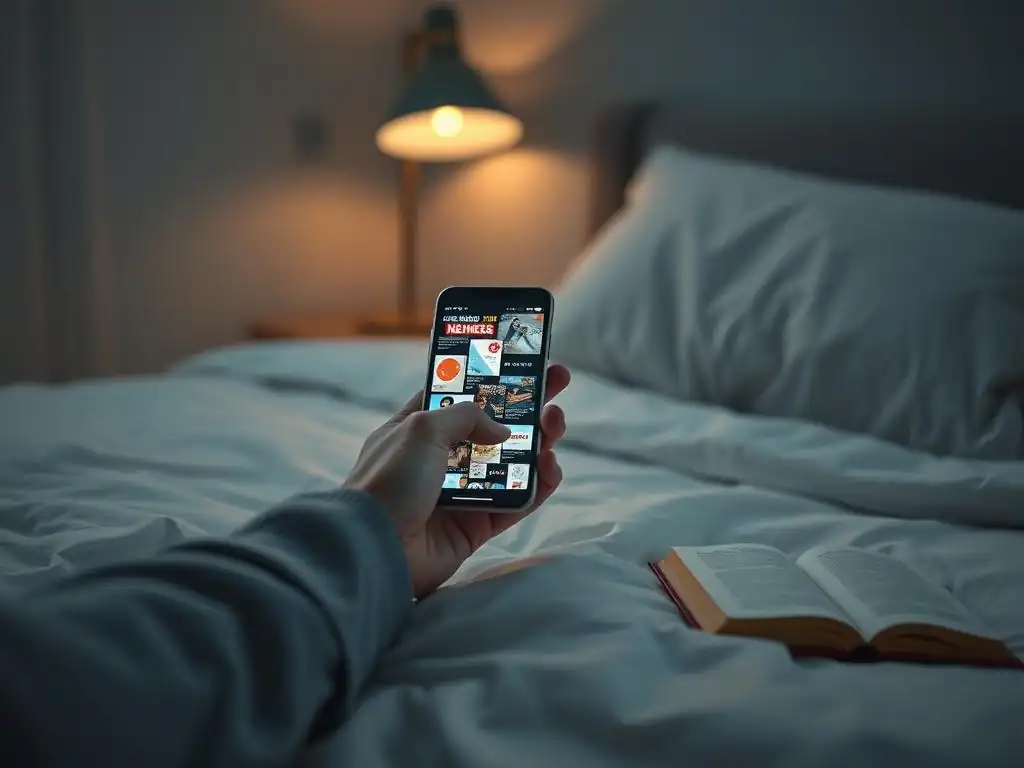
Smartphones are arguably the biggest contributor to tech induced anxiety before sleep due to their ubiquitous presence and the sheer variety of stimulating activities they offer. They are often the last thing people interact with at night and the first thing they check in the morning. Their portability means they are frequently used in bed, blurring the lines between sleep space and digital workspace/playground.
The endless scroll of social media, instant notifications from messaging apps, access to work emails, and entertainment options all contribute to keeping the brain active and exposed to blue light. Data consistently shows that individuals who use their smartphones heavily in the hour before bed report significantly worse sleep quality and higher levels of pre-sleep anxiety compared to those who do not. The constant potential for interruption or engagement keeps the nervous system subtly activated, making relaxation and sleep initiation more challenging.
Laptops and Tablets: Work and Entertainment's Impact on Sleep
While perhaps less portable than smartphones, laptops and tablets also play a significant role in fueling tech induced anxiety before sleep. Many people use these devices for work-related tasks in the evening, blurring the boundaries between professional life and personal downtime. Finishing up emails, working on presentations, or even just thinking about unfinished tasks triggered by laptop use can keep the mind in a state of stress and alertness.
Beyond work, laptops and tablets are primary devices for streaming video, browsing the web extensively, or playing games. These activities, especially when engaging or exciting, can lead to prolonged exposure to blue light and significant cognitive stimulation. Spending hours binge-watching a show or immersed in a game on a tablet before bed can make the transition to sleep abrupt and difficult, contributing to feelings of frustration and anxiety when sleep doesn't come easily.
Television and Streaming Services: Binge-Watching and Its Anxiety-Inducing Effects
Even the seemingly passive act of watching television or streaming services in the evening can contribute to tech induced anxiety before sleep. While perhaps emitting less direct blue light than a device held close to the face, large screens still contribute to light exposure. More importantly, the content itself and the behavior of binge-watching can be problematic. Engaging storylines, suspenseful plots, or emotionally charged content can keep the mind highly stimulated and emotionally aroused, making it difficult to wind down.
The practice of binge-watching, in particular, can lead to staying up much later than intended, disrupting the natural sleep schedule. This can cause worry about the lack of sleep and contribute to pre-sleep anxiety. Furthermore, the passive consumption of content doesn't allow the mind time to process the day's events or transition into a restful state, potentially leaving unresolved thoughts or anxieties swirling right before attempting to sleep.
Difficulty Falling Asleep: A Common Sign of Tech Overuse
One of the most immediate and common symptoms of tech induced anxiety before sleep is difficulty falling asleep. Instead of feeling naturally drowsy in the evening, individuals may find themselves lying awake in bed for extended periods, their minds racing. This isn't just about physical alertness; it's often accompanied by a sense of mental agitation or an inability to quiet down thoughts.
This struggle to initiate sleep is often directly linked to the stimulating effects of late-night screen time. The suppressed melatonin makes the body feel less ready for sleep, while the cognitive and emotional stimulation from content keeps the mind active. The frustration of lying awake further fuels anxiety, creating a vicious cycle where the worry about not sleeping becomes another barrier to falling asleep. Many people report that on nights they use tech heavily before bed, it takes them significantly longer – sometimes an hour or more – to finally drift off.
Restless Sleep: Tossing and Turning Due to Mental Stimulation
Even if someone manages to fall asleep after using technology, the sleep they experience may be restless and fragmented. The mental stimulation from screens can affect the depth and quality of sleep, leading to more time spent in lighter sleep stages and less time in restorative deep sleep and REM sleep. This results in tossing and turning, feeling physically restless, and not achieving the deep state of relaxation needed for true rest.
This restless sleep can be a direct consequence of the brain still processing the information or emotions absorbed from late-night tech use. The subtle undercurrent of tech induced anxiety before sleep can persist throughout the night, preventing the complete relaxation required for stable sleep. Waking up feeling unrefreshed, despite spending enough hours in bed, is a common indicator that sleep quality is being compromised, often linked to evening digital habits.
Waking Up Frequently During the Night: The Impact of Anxiety on Sleep Cycles
Tech-related anxiety doesn't just make it hard to fall asleep; it can also cause individuals to wake up multiple times during the night. Anxiety is known to fragment sleep, pulling people out of deeper sleep stages. The worries or stimulating thoughts triggered by evening tech use can linger in the subconscious, disrupting sleep cycles and leading to awakenings.
These nocturnal awakenings are often accompanied by a return of the anxious thoughts that were present before sleep. Checking the time on a phone after waking up can further exacerbate the problem, exposing the eyes to light and restarting the cycle of mental engagement. The fragmented sleep caused by this tech induced anxiety before sleep prevents the body and mind from getting the continuous rest needed for repair and consolidation, leading to daytime fatigue and potentially increased anxiety the following day.
Increased Heart Rate Before Bed: A Direct Link to Tech Use
A more physiological symptom of tech induced anxiety before sleep is an elevated heart rate or a feeling of physical tension before trying to sleep. Engaging with stimulating content or experiencing anxiety-provoking interactions online can activate the body's stress response. This can lead to physical symptoms like a faster heartbeat, shallow breathing, or muscle tension, making it difficult to relax into a state conducive to sleep.
For example, receiving a stressful work email or engaging in a heated online discussion right before bed can trigger a physiological stress response. The body releases stress hormones like cortisol and adrenaline, which increase heart rate and alertness. This state of physiological arousal is the opposite of what's needed for sleep onset and is a clear indicator that evening tech use is directly contributing to tech induced anxiety before sleep, manifesting physically as difficulty unwinding and elevated heart rate.
Breaking the Cycle: Strategies to Reduce Tech-Induced Anxiety Before Sleep
Establishing a Tech-Free Zone Before Bed: Creating a Relaxing Sleep Environment
One of the most effective strategies for reducing tech induced anxiety before sleep is to create a dedicated tech-free zone in the hours leading up to bedtime. This involves putting away all electronic devices – smartphones, tablets, laptops, even potentially turning off the TV – for a specific period before you plan to sleep. The bedroom itself should ideally become a tech-free sanctuary, used only for sleep and intimacy.
Implementing this strategy helps break the association between the bedroom and stimulating digital activities. It also removes the immediate temptation to check devices if you wake up during the night. Studies show that people who remove screens from their bedrooms report significantly better sleep quality and reduced pre-sleep anxiety. Start small, perhaps aiming for 30 minutes tech-free, and gradually increase the duration to 60 or even 90 minutes before bed.
Implementing a Digital Sunset: Setting Boundaries for Evening Tech Use
Formalizing your tech-free period can be done by implementing a "digital sunset." This means setting a specific time each evening after which you cease all non-essential technology use. Treat this time with the same importance as any other appointment. For example, decide that all screens go off at 9:00 PM if you aim to be asleep by 10:30 PM.
This intentional boundary setting helps prevent the gradual drift into late-night tech use that often fuels tech induced anxiety before sleep. It provides a clear signal to your brain and body that the day is winding down and it's time to prepare for rest. Consistency is key; sticking to your digital sunset time helps regulate your circadian rhythm and reduces the likelihood of encountering stimulating content or blue light close to bedtime.
Replacing Tech with Relaxing Activities: Reading, Meditation, or Gentle Stretching
Simply removing technology isn't always enough; it's important to replace that time with activities that promote relaxation and prepare your mind and body for sleep. Engaging in calming pre-sleep rituals can significantly reduce tech induced anxiety before sleep. Consider activities like reading a physical book, listening to quiet music, practicing meditation or deep breathing exercises, taking a warm bath, or doing some gentle stretching or yoga.
These activities help shift your focus away from external stimuli and inward towards a state of calm. Unlike scrolling on a phone, reading a book under dim light or meditating allows your mind to slow down and your body to relax. Finding a relaxing activity you enjoy and incorporating it consistently into your evening routine can become a powerful tool for managing pre-sleep anxiety and improving sleep onset.
Utilizing Blue Light Filters and Night Mode: Minimizing the Impact of Screen Light
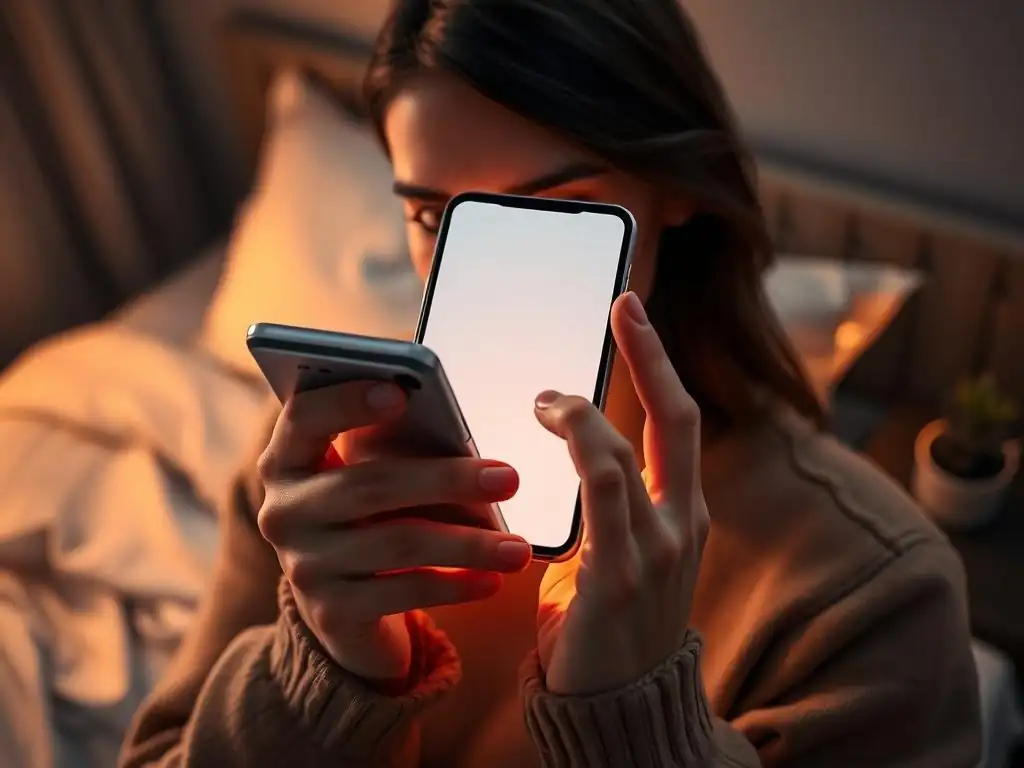
While a tech-free period is ideal, sometimes evening screen use is unavoidable (e.g., using an e-reader). In such cases, utilizing blue light filters and night mode features on devices can help mitigate some of the negative impacts on melatonin production. These settings typically shift the screen's color temperature towards warmer, redder tones, reducing the amount of blue light emitted.
While helpful, it's important to note that these filters don't completely eliminate the problem. The cognitive stimulation from engaging with content still remains. However, using these features in the evening can reduce the physiological barrier to sleep caused by blue light exposure, potentially lessening one component of tech induced anxiety before sleep for necessary late-evening use. Combine this with reduced screen brightness for maximum effect.
Practicing Mindfulness and Relaxation Techniques: Managing Anxiety Before Sleep
Directly addressing the anxiety component of tech induced anxiety before sleep through mindfulness and relaxation techniques can be very beneficial. Practices like mindful breathing, progressive muscle relaxation, or guided imagery can help calm a racing mind and reduce physical tension before bed. These techniques provide tools to manage the anxious thoughts that might arise, whether they are tech-related or not.
- Practice 4-7-8 breathing: Inhale for 4 seconds, hold for 7, exhale for 8.
- Try a body scan meditation to release tension.
- Listen to a guided relaxation script.
Regular practice of these techniques can train your brain to shift into a more relaxed state more easily, counteracting the stimulating effects of technology and providing a buffer against pre-sleep worries. Making these practices a regular part of your evening routine, perhaps after your digital sunset, can significantly improve your ability to wind down.
Long-Term Solutions for Managing Technology and Anxiety
If tech induced anxiety before sleep is persistent, severe, and significantly impacting your quality of life, it may be time to seek professional help. A therapist or counselor can provide strategies tailored to your specific situation, helping you understand the root causes of your anxiety and develop healthier coping mechanisms. They can also help if anxiety is leading to chronic insomnia or if you feel unable to control your technology use.
Mental health professionals can offer support in identifying triggers, managing anxious thought patterns, and developing a more balanced relationship with technology. Conditions like generalized anxiety disorder or insomnia can be exacerbated by evening tech use, and professional intervention can address these underlying issues. Don't hesitate to reach out to a doctor or mental health specialist if you feel overwhelmed or that your tech habits are negatively controlling your life and sleep.
Cognitive Behavioral Therapy (CBT) for Insomnia and Anxiety: A Proven Approach
Cognitive Behavioral Therapy (CBT), particularly CBT for Insomnia (CBT-I) and CBT for Anxiety (CBT-A), is a highly effective, evidence-based approach for managing sleep problems and anxiety, including tech induced anxiety before sleep. CBT focuses on identifying and changing negative thought patterns (cognitive distortions) and behaviors that contribute to insomnia and anxiety.
CBT-I, for example, helps individuals challenge unhelpful beliefs about sleep, reduce time spent awake in bed, and establish healthier sleep habits, including addressing evening routines involving technology. CBT-A provides tools to manage anxious thoughts and reduce the physical symptoms of anxiety. Combining these approaches can be very powerful for someone struggling with anxiety specifically triggered or worsened by evening tech use, providing long-term strategies beyond simply removing devices.
Creating a Sustainable Digital Wellness Plan: Balancing Technology Use with Mental Well-being
Ultimately, managing tech induced anxiety before sleep requires creating a sustainable digital wellness plan that integrates technology use harmoniously with your overall mental well-being. This isn't about eliminating technology entirely, but about setting conscious boundaries and developing mindful habits around its use, especially in the evening.
A digital wellness plan might include:
- Setting specific times for checking emails and notifications.
- Unfollowing accounts that trigger negative emotions or social comparison.
- Scheduling regular tech-free blocks throughout the day, not just before bed.
- Using apps or device settings to track and limit screen time.
- Prioritizing in-person interactions and non-digital hobbies.
By being intentional about how and when you use technology, you can regain control over your digital life and significantly reduce its negative impact on your sleep and anxiety levels. This proactive approach fosters a healthier relationship with technology for the long term.
Reclaiming Your Sleep: The Benefits of a Tech-Free Evening Routine
Improved Sleep Quality: Experiencing Deeper and More Restful Sleep
Adopting a tech-free evening routine directly contributes to improved sleep quality. By reducing exposure to blue light and cognitive stimulation, you allow your body's natural sleep-wake cycle to function more effectively. This means your brain can properly release melatonin, signaling readiness for sleep, and your mind has the opportunity to quiet down from the day's activities.
The result is often a shorter time taken to fall asleep and an increase in the amount of time spent in restorative sleep stages. People who consistently practice a tech-free wind-down report feeling more rested upon waking. This improved sleep quality breaks the negative cycle of poor sleep fueling tech induced anxiety before sleep, replacing it with a positive cycle where better sleep supports reduced anxiety.
Reduced Anxiety Levels: Feeling Calmer and More Relaxed Before Bed
Perhaps the most direct benefit of limiting evening tech use is a significant reduction in tech induced anxiety before sleep. Without the constant influx of potentially stressful or stimulating information from screens, your mind has the space to relax and disengage from daily worries. Activities like reading or meditation promote a sense of calm and reduce mental chatter.
This reduced pre-sleep anxiety makes the transition to sleep much smoother and more pleasant. Instead of lying awake with a racing heart or anxious thoughts, you can enter a state of peaceful drowsiness. Lower anxiety levels before bed also contribute to fewer awakenings during the night, leading to more continuous and restful sleep.
Enhanced Mental Clarity and Focus: Boosting Cognitive Function
Getting sufficient, high-quality sleep is crucial for optimal cognitive function. By reducing tech induced anxiety before sleep and improving sleep quality, you enhance your brain's ability to perform essential functions like memory consolidation, problem-solving, and concentration. Waking up after a truly restful night leaves your mind clearer and sharper.
Chronic sleep deprivation, often fueled by evening tech use and resulting anxiety, impairs cognitive performance, leading to difficulty focusing, poor decision-making, and reduced productivity. Prioritizing a tech-free wind-down and improving sleep quality directly supports better mental clarity and focus throughout the day, demonstrating the far-reaching benefits beyond just the bedtime hours.
Overall Improved Well-being: A Holistic Approach to Mental and Physical Health
Reclaiming your sleep by addressing tech induced anxiety before sleep is a holistic step towards overall improved well-being. Sleep, mental health, and physical health are deeply interconnected. By prioritizing healthy sleep habits and managing anxiety, you positively impact multiple aspects of your life.
Better sleep and reduced anxiety can lead to improved mood, increased resilience to stress, better physical health outcomes (as chronic sleep deprivation is linked to various health problems), and a greater sense of control over your life. Making conscious choices about your relationship with technology, particularly in the evening, is an empowering step that contributes significantly to a healthier, happier, and more balanced life.
Frequently Asked Questions
How does using technology before bed contribute to tech-induced anxiety?
The blue light emitted from screens can suppress melatonin production, a hormone that regulates sleep. This disruption can lead to increased anxiety and difficulty falling asleep, contributing to overall mental distress.
What are some common symptoms of tech-induced anxiety experienced before sleep?
Common symptoms include racing thoughts, feeling overwhelmed, difficulty relaxing, and increased heart rate. These are often triggered by the content consumed or the constant notifications from devices.
What specific types of technology use are most likely to cause tech-induced anxiety before sleep?
Scrolling through social media, engaging in work-related tasks, and playing highly stimulating video games are particularly problematic. These activities can increase alertness and foster a sense of urgency, hindering relaxation.
Are there any practical strategies to minimize tech-induced anxiety before sleep?
Implementing a "digital sunset" by avoiding screens at least an hour before bed is crucial. Practicing relaxation techniques like meditation or deep breathing can also help calm the mind.
Besides sleep disruption, how else can tech-induced anxiety impact my overall well-being?
Chronic tech-induced anxiety can contribute to long-term stress, impacting relationships, work performance, and overall mental health. It's important to address it promptly to prevent further complications.
Final Reflection: Reclaiming Your Night, Reclaiming Your Mind
The relentless glow of our screens isn't just stealing our sleep; it's subtly hijacking our peace of mind. The pervasive nature of technology in our lives, particularly its presence in the bedroom, has created a widespread epidemic of tech-induced anxiety before sleep, impacting our mental and physical well-being in profound ways. This isn't just about lost hours of rest; it's about the erosion of a crucial time for mental restoration and emotional processing.
The impact of this constant connectivity on our ability to unwind and quiet our minds is undeniable. We've explored the science behind this phenomenon, from the blue light disrupting our circadian rhythm to the constant influx of information stimulating our brains just when they need to rest. The mind is like a parachute. It doesn't work if it's not open.
This quote, while not directly about technology, perfectly encapsulates the need to allow our minds to fully relax and process before sleep. The constant stimulation from our devices keeps that parachute firmly closed, leaving us vulnerable to anxiety and restlessness.
Now, consider your own relationship with technology before bed. Do you find yourself scrolling endlessly, even when you know it's affecting your sleep? Are you ready to reclaim those precious hours of peaceful rest?
I urge you to take a conscious step back, to create a digital curfew for yourself, and to prioritize a calming bedtime routine that fosters relaxation and prepares your mind for a truly restorative night's sleep. The journey to a calmer, more peaceful you begins with a single, intentional act – putting down your phone and picking up a book, or simply allowing yourself the quiet space to breathe and reflect.
Unlock Your Best Sleep: Conquer Tech-Fueled Worry Tonight
Thanks for taking the time to explore how technology impacts your sleep! You've now got valuable insights into breaking the cycle of late-night worries. Ready to put this knowledge into action? Let's reclaim your peaceful nights.
- Prioritize a tech-free hour before bed: This is your most important step toward calmer nights. Try replacing screen time with a relaxing ritual like reading or meditation.
- Share your experiences! Tell us in the comments what tech-free strategies work best for you. We love hearing from our community!
- Consider a digital detox weekend:Unplug completely for 48 hours to truly assess your relationship with technology and discover how much better you sleep without it.
What small change will you make tonight to improve your sleep quality?