
Unlocking Serotonin Naturally: EvidenceBased Ways to Boost Mood & Reduce Anxiety

Welcome to Mind Care Guide, your haven for nurturing mental well-being.
Feeling stuck in a rut? We understand. This isn't just another website; it's a compassionate companion on your journey to a brighter, more balanced you. In this article, we delve into evidence-based strategies for boosting mood naturally serotonin levels. Discover practical ways to unlock the power of your own body and mind to lift your spirits and find relief from anxiety. Are you ready to learn how? Let's begin...
Unlocking Serotonin Naturally: Evidence-Based Ways to Boost Mood & Reduce Anxiety
- Understanding Serotonin and Its Role in Mood Regulation
- Evidence-Based Natural Strategies for Boosting Serotonin Levels
- Serotonin-Boosting Supplements: Evidence and Considerations
- Lifestyle Changes for Sustained Mood Enhancement and Anxiety Reduction
- Integrating Natural Serotonin Boosters into Your Daily Routine
- Conclusion: Empowering Your Mental Well-being with Natural Serotonin Boosters
-
Frequently Asked Questions
- How does increasing serotonin levels naturally impact mood?
- What are some evidence-based dietary strategies to boost serotonin production?
- Besides diet, what lifestyle changes can contribute to naturally higher serotonin levels?
- Are there any supplements that can help boost serotonin, and are they safe?
- How quickly can I expect to see results when trying to boost serotonin naturally?
- Final Reflection: The Enduring Power of Natural Serotonin Boosters
- Unleash Your Inner Sunshine: Boost Your Mood Today!
Understanding Serotonin and Its Role in Mood Regulation
What is Serotonin and How Does it Work?
Serotonin, scientifically known as 5-hydroxytryptamine (5-HT), is a crucial neurotransmitter that plays a significant role in the brain and body. Often referred to as the "feel-good" chemical, it's synthesized from the essential amino acid tryptophan. While commonly associated with the brain, it's surprising to learn that approximately 90% of the body's serotonin is produced in the gut, specifically by enterochromaffin cells. This intestinal serotonin is involved in regulating digestion and gut motility. The remaining 10% is produced in the brainstem and is primarily responsible for influencing mood, sleep, appetite, learning, and memory.
In the brain, serotonin acts by transmitting signals between nerve cells. It binds to specific receptors on the receiving neuron, triggering a response. There are numerous types of serotonin receptors, each mediating different effects, which explains why serotonin impacts such a wide range of functions.
After transmitting its signal, serotonin is typically reabsorbed by the sending neuron through a process called reuptake. Many antidepressant medications, like Selective Serotonin Reuptake Inhibitors (SSRIs), work by blocking this reuptake, effectively increasing the amount of serotonin available in the synaptic gap between neurons, thereby enhancing its signaling activity. Understanding this mechanism is key to appreciating how various natural methods aim at boosting mood naturally serotonin levels.
The Link Between Serotonin Deficiency and Anxiety
Research has strongly implicated imbalances in serotonin levels in the development and exacerbation of various mental health conditions, including anxiety disorders and depression. While the relationship is complex and not fully understood as a simple cause-and-effect, low levels or impaired function of serotonin signaling are frequently observed in individuals experiencing persistent anxiety or low mood. This doesn't mean that low serotonin is the sole cause, but rather a significant contributing factor within a complex interplay of genetic, environmental, and other neurochemical elements. The brain's intricate network relies on adequate serotonin signaling for effective mood regulation and stress response.
When serotonin levels are insufficient or its pathways are dysfunctional, the brain's ability to manage stress and maintain emotional stability can be compromised. This can manifest as increased feelings of worry, fear, irritability, and physical symptoms often associated with anxiety, such as rapid heart rate or digestive issues. While medication can help manage these symptoms by modulating serotonin activity, many individuals seek natural ways of boosting mood naturally serotonin levels as a complementary approach or alternative, focusing on lifestyle and dietary changes that support the body's own serotonin production and function.
Serotonin vs. Dopamine: Key Differences and Their Impact on Mental Well-being
Serotonin and dopamine are both neurotransmitters critical for mental well-being, but they play distinct roles. Serotonin is primarily associated with regulating mood, sleep, appetite, and social behavior. It contributes to feelings of calmness, stability, and overall contentment. Think of serotonin as contributing to your overall feeling of well-being and emotional resilience. Imbalances here are often linked to depression, anxiety, obsessive-compulsive disorder (OCD), and even certain eating disorders. Boosting mood naturally serotonin levels often involves long-term lifestyle adjustments aimed at sustained emotional balance.
Dopamine, on the other hand, is strongly linked to the brain's reward and pleasure system, motivation, and motor control. It's released when we anticipate or experience something pleasurable, driving us to seek out those experiences again. It's the neurotransmitter of 'wanting' and 'doing'.
Conditions like addiction, Parkinson's disease (which involves the loss of dopamine-producing neurons), and attention-deficit/hyperactivity disorder (ADHD) are associated with dopamine dysfunction. While both neurotransmitters influence mood, dopamine is more about immediate pleasure and motivation, whereas serotonin is more about sustained mood stability and emotional regulation. A healthy balance between these and other neurotransmitters is essential for optimal mental health.
Evidence-Based Natural Strategies for Boosting Serotonin Levels
Diet and Serotonin Production: Foods That Enhance Mood
The connection between diet and mood is increasingly recognized, and supporting serotonin production through nutrition is a key area. Since serotonin is synthesized from tryptophan, consuming foods rich in this amino acid is a foundational step. However, getting tryptophan into the brain is a competitive process; it has to cross the blood-brain barrier alongside other amino acids.
Eating tryptophan-rich foods alongside complex carbohydrates can help, as the carbohydrates trigger insulin release, which helps clear competing amino acids from the bloodstream, potentially giving tryptophan a better chance to enter the brain. This dietary strategy is one approach to boosting mood naturally serotonin levels through food intake.
Beyond tryptophan, other dietary components influence serotonin. Omega-3 fatty acids, found in fatty fish, are crucial for brain health and neurotransmitter function. B vitamins, particularly B6, B12, and folate, are necessary cofactors in the conversion of tryptophan to serotonin. A diet rich in a variety of fruits, vegetables, whole grains, lean proteins, and healthy fats provides the necessary building blocks and cofactors for serotonin synthesis and overall brain health. Focusing on nutrient-dense whole foods rather than processed items is key for supporting optimal brain chemistry and mood.
Tryptophan-Rich Foods: The Building Blocks of Serotonin
Tryptophan is an essential amino acid, meaning our bodies cannot produce it; we must obtain it through our diet. Foods particularly high in tryptophan include turkey, chicken, eggs, cheese (like cottage cheese and cheddar), nuts (such as almonds and walnuts), seeds (like pumpkin and sesame seeds), tofu, salmon, and oats. While consuming these foods provides the raw material, the amount of tryptophan that actually makes it into the brain to be converted into serotonin can vary. As mentioned, pairing these foods with carbohydrates can enhance tryptophan's uptake into the brain.
For example, a meal combining turkey or chicken with brown rice or sweet potatoes, or pairing eggs with whole-grain toast, could be more effective for potential serotonin synthesis than consuming the protein source alone. A study published in the American Journal of Clinical Nutrition in 2003, for instance, explored the effects of carbohydrate-rich, protein-poor meals on tryptophan uptake and mood, suggesting a link between dietary composition and brain serotonin precursors.
While the direct link from eating tryptophan to a significant, immediate boost in brain serotonin is debated and complex, ensuring adequate dietary intake of this essential amino acid is a logical starting point for supporting the body's capacity for serotonin production.
Probiotics and Gut Health: The Serotonin Connection
The gut-brain axis is a bidirectional communication system between the central nervous system and the enteric nervous system (the nervous system of the gut). As mentioned earlier, a significant portion—around 90%—of the body's serotonin is located in the gut, where it influences digestion and gut motility.
However, the gut microbiota, the vast community of bacteria and other microorganisms living in our digestive tract, also plays a profound role in influencing brain function and mood, partly through their interaction with serotonin and other neurotransmitters. Certain gut bacteria can produce neurotransmitters themselves or influence the production and metabolism of neurotransmitters by the host.
Research, including studies published in journals like Cell and Nature, has shown that the composition of the gut microbiome can impact mood and behavior. For instance, some studies in rodents have demonstrated that altering gut bacteria can affect anxiety-like behaviors and serotonin levels in the brain.
While the direct mechanism by which gut bacteria influence brain serotonin in humans is still an active area of research, maintaining a healthy and diverse gut microbiome through the consumption of probiotics (beneficial bacteria) and prebiotics (fibers that feed beneficial bacteria) is increasingly seen as a promising strategy for supporting mental well-being. Fermented foods like yogurt, kefir, sauerkraut, and kimchi are good sources of probiotics, while foods like onions, garlic, bananas, and oats are rich in prebiotics, contributing to a holistic approach to boosting mood naturally serotonin levels.
Salmon, Turkey, and Eggs: Boosting Serotonin Through Diet
Let's look at specific examples of foods that are particularly valuable when considering dietary strategies for boosting mood naturally serotonin levels. Salmon is not only a good source of tryptophan but is also exceptionally rich in omega-3 fatty acids, specifically EPA and DHA. These healthy fats are vital for brain cell structure and function and have been associated with reduced symptoms of depression and anxiety. A typical 3-ounce serving of cooked salmon can provide around 25-30 grams of high-quality protein, including a good amount of tryptophan, alongside significant levels of omega-3s.
Turkey and chicken are well-known sources of lean protein and are excellent providers of tryptophan. A 3-ounce serving of cooked turkey breast contains approximately 350-400 milligrams of tryptophan. While this doesn't guarantee a direct brain serotonin surge, it ensures the precursor is available. Eggs are another nutritional powerhouse, offering high-quality protein, tryptophan, and essential nutrients like choline and B vitamins, which are also important for brain health and neurotransmitter synthesis. Incorporating these foods regularly into a balanced diet provides the building blocks needed to support the body's natural processes, including serotonin production.
Sunlight Exposure: The Vitamin D and Serotonin Link
Exposure to bright light, particularly sunlight, has been linked to increased serotonin synthesis and release in the brain. This is partly why seasonal affective disorder (SAD), a type of depression related to changes in seasons, is thought to be influenced by reduced sunlight exposure during winter months. Research suggests that light exposure influences the activity of the raphe nuclei, the area in the brainstem where serotonin is produced. Brighter light seems to increase the firing rate of these neurons, leading to greater serotonin release. This mechanism provides a direct link between environmental factors and boosting mood naturally serotonin levels.
Furthermore, sunlight exposure is our primary source of Vitamin D, often called the "sunshine vitamin." Vitamin D receptors are found throughout the brain, including in areas involved in mood regulation. Studies indicate that Vitamin D plays a role in the synthesis and function of neurotransmitters, including serotonin.
Some research suggests a correlation between lower Vitamin D levels and increased risk of depression and anxiety. For instance, a meta-analysis published in the British Journal of Psychiatry in 2013 reviewed studies and found an association between low Vitamin D levels and depression. While more research is needed to fully understand the causal link between Vitamin D, serotonin, and mood, ensuring adequate sunlight exposure (while practicing sun safety) or considering Vitamin D supplementation under medical guidance is a recognized strategy for supporting mental well-being.
How Much Sunlight is Enough for Optimal Serotonin Synthesis?
Determining the exact amount of sunlight needed to optimize serotonin synthesis is challenging, as it depends on various factors including latitude, time of day, season, skin type, and the amount of skin exposed. However, general recommendations for Vitamin D synthesis often suggest around 10-30 minutes of midday sun exposure (when the sun is strongest) several times per week, exposing a significant portion of skin like arms and legs. For serotonin, the effect is related to light entering the eyes, so simply being outdoors in natural light, even on cloudy days, can be beneficial.
Experts often recommend aiming for exposure to natural daylight, especially in the morning. Spending time outdoors shortly after waking up can help regulate the body's circadian rhythm and positively impact mood and alertness, potentially mediated partly through serotonin pathways. Even 15-20 minutes of bright light exposure upon waking can make a difference. For those living in areas with limited sunlight during certain times of the year, light therapy using a specialized light box (typically emitting 10,000 lux) for 20-30 minutes daily is an evidence-based treatment for SAD and may also support serotonin function.
Safe Sun Exposure Practices for Enhanced Mood
While sunlight is beneficial for mood and Vitamin D, it's crucial to practice sun safety to avoid skin damage and increase the risk of skin cancer. The goal is beneficial exposure, not prolonged sunbathing. Aim for shorter periods of exposure during times when the UV index is not excessively high, or during midday for Vitamin D synthesis, being mindful of your skin type and how quickly you burn.
After getting your initial exposure, especially if staying outdoors longer, apply broad-spectrum sunscreen with an SPF of 30 or higher, wear protective clothing, and seek shade. Never look directly at the sun. The beneficial effects on mood and serotonin are primarily mediated by light entering the eyes, so simply being in bright outdoor light is effective. Combining safe sun exposure with other natural methods contributes to a holistic approach for boosting mood naturally serotonin levels.
Exercise and Physical Activity: A Natural Serotonin Booster
Regular physical activity is one of the most consistently recommended and evidence-backed strategies for improving mood and reducing anxiety. Exercise has a complex impact on brain chemistry, including increasing the production and release of several neurotransmitters, such as endorphins (which create a feeling of euphoria), dopamine, and importantly, serotonin. Physical exertion appears to increase the rate at which tryptophan crosses the blood-brain barrier and also enhances the synthesis and release of serotonin in the brain. This direct neurochemical effect makes exercise a powerful tool for boosting mood naturally serotonin levels.
Beyond the direct neurochemical effects, exercise also helps regulate the body's stress response system (the HPA axis), reduces inflammation (which can negatively impact brain function), improves sleep quality, and provides a sense of accomplishment and mastery, all of which contribute to better mood and reduced anxiety. Studies have shown that regular exercise can be as effective as medication for mild to moderate depression and anxiety. For example, a meta-analysis published in JAMA Psychiatry in 2013 found that exercise interventions significantly reduced depressive symptoms.
The Best Types of Exercise for Increasing Serotonin
While most forms of exercise are beneficial for mental health, some research suggests that rhythmic, aerobic exercises might be particularly effective for boosting serotonin. Activities like running, swimming, cycling, brisk walking, and dancing that elevate your heart rate for a sustained period (typically 30 minutes or more) are often highlighted. These types of activities promote consistent blood flow to the brain and seem to have a strong impact on neurotransmitter systems.
However, the "best" type of exercise is ultimately the one you enjoy and will stick with consistently. Consistency is key to reaping the mental health benefits. Even moderate activities like gardening, yoga, or strength training can positively impact mood and contribute to overall well-being, likely through a combination of neurotransmitter effects and other benefits like stress reduction and improved self-efficacy. Aim for at least 150 minutes of moderate-intensity aerobic activity or 75 minutes of vigorous-intensity activity per week, as recommended by health guidelines.
How Exercise Reduces Anxiety Symptoms
Exercise reduces anxiety through multiple pathways. Physiologically, it helps regulate the body's stress hormones, like cortisol. Regular exercise can train the body's response to stress, making it more resilient. The physical sensations experienced during exercise, such as increased heart rate and sweating, are similar to those felt during anxiety or panic attacks. By exposing the body to these sensations in a controlled, safe environment, exercise can help desensitize individuals to the physical symptoms of anxiety over time, reducing their fear response.
Furthermore, exercise provides a distraction from anxious thoughts and worries. Focusing on the physical activity itself can interrupt rumination. The release of endorphins during exercise also has a calming and mood-boosting effect. Regular physical activity provides a sense of structure and routine, which can be grounding for individuals struggling with anxiety. A review published in the Journal of Affective Disorders in 2018 highlighted the significant role of exercise in reducing anxiety symptoms across various populations. Consistent exercise is a cornerstone strategy for boosting mood naturally serotonin levels and managing anxiety.
Mindfulness and Meditation: Calming the Mind and Boosting Serotonin
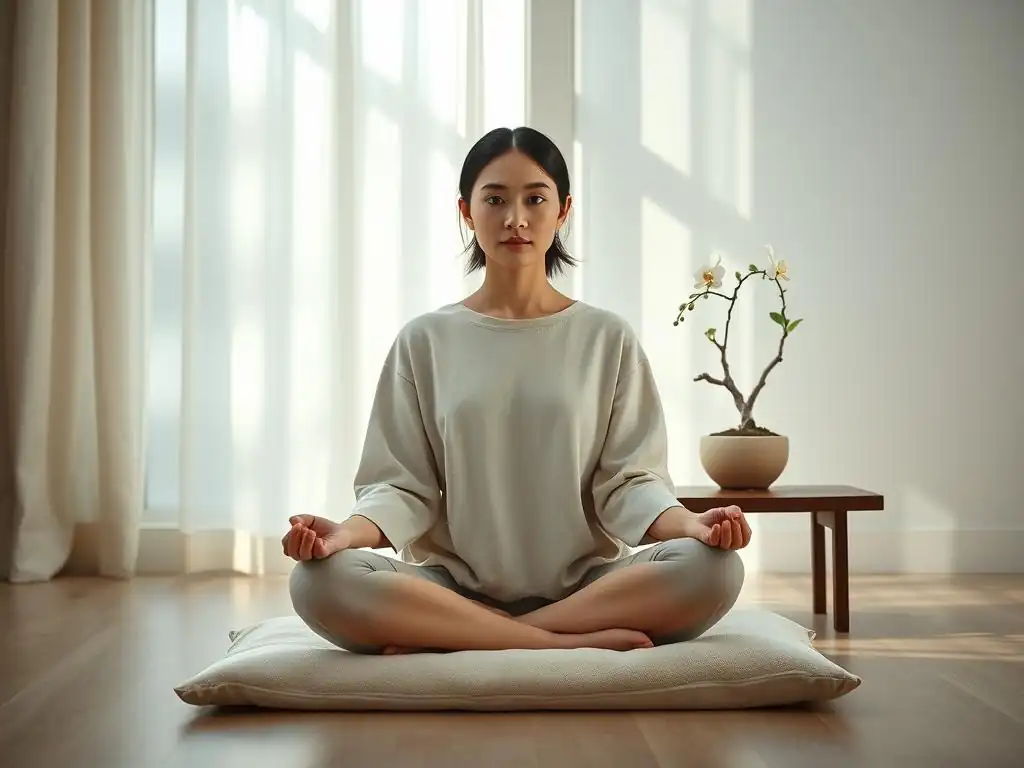
Mindfulness and meditation practices involve training attention and awareness, often focusing on the present moment without judgment. These practices are well-established tools for stress reduction and improving emotional regulation. While the direct link between meditation and serotonin levels in humans is still being explored, studies on the effects of mindfulness on brain structure and function provide compelling evidence for its impact on areas related to mood and stress response. Some research suggests that meditation may influence neurotransmitter systems, including potentially increasing serotonin availability or improving the sensitivity of serotonin receptors.
Meditation practices, such as Vipassana or loving-kindness meditation, have been shown to reduce activity in the amygdala, the brain region responsible for processing fear and threat, and increase activity in the prefrontal cortex, associated with executive function and emotional control. By calming the nervous system and altering brain activity patterns, mindfulness and meditation create an environment more conducive to balanced neurotransmitter function, indirectly supporting the body's efforts in boosting mood naturally serotonin levels and reducing anxiety.
Mindfulness Techniques for Anxiety Relief
Mindfulness techniques are practical tools that can be incorporated into daily life to manage anxiety. One simple technique is mindful breathing: paying attention to the sensation of the breath entering and leaving the body, without trying to change it. When the mind wanders, gently bringing attention back to the breath. This practice helps anchor you in the present moment, interrupting cycles of anxious thoughts about the past or future. Even just a few minutes of mindful breathing can help activate the parasympathetic nervous system, promoting relaxation.
Another technique is a body scan meditation, where you systematically bring attention to different parts of your body, noticing any sensations without judgment. This helps increase body awareness and can reduce the tendency to hold tension. Mindful walking, where you pay attention to the physical sensations of walking – the movement of your legs, the feeling of your feet on the ground – is another accessible practice. Regularly incorporating these short mindfulness exercises throughout the day can build resilience and significantly reduce the intensity of anxiety symptoms, complementing other strategies for boosting mood naturally serotonin levels.
Meditation Practices to Increase Serotonin Release
While direct evidence of meditation increasing serotonin release in humans is limited and challenging to measure precisely, studies show that regular meditation practice leads to positive changes in brain areas associated with serotonin function. For instance, research has demonstrated that long-term meditators have structural differences in brain regions like the hippocampus and amygdala compared to non-meditators, changes that are also observed with treatments that modulate serotonin. The stress-reducing effects of meditation are well-documented, and since chronic stress can deplete neurotransmitters like serotonin, meditation's ability to mitigate stress likely helps preserve or improve serotonin balance.
A study published in Psychosomatic Medicine in 2011, for example, found that mindfulness-based stress reduction (MBSR) programs led to measurable changes in brain regions associated with emotional regulation and stress response. While not directly measuring serotonin, these findings support the idea that meditation alters brain chemistry and function in ways that benefit mood and reduce anxiety. Regular practice, whether it's 10 minutes daily or longer sessions, is key to experiencing these cumulative benefits.
Sleep Hygiene: Prioritizing Rest for Serotonin Optimization
Sleep is fundamental to overall health, including mental well-being and neurotransmitter balance. Serotonin plays a critical role in regulating the sleep-wake cycle. It is a precursor to melatonin, the hormone that signals the body it's time to sleep. Adequate sleep is necessary for the brain to perform crucial restorative processes, including the proper synthesis, release, and reuptake of neurotransmitters. Chronic sleep deprivation or poor sleep quality can disrupt these processes, potentially leading to imbalances in serotonin and other neurotransmitters, contributing to increased anxiety and low mood.
Research consistently shows a strong link between sleep problems and mental health disorders. Individuals with insomnia are significantly more likely to experience anxiety and depression. Prioritizing sleep hygiene—practices that promote healthy sleep—is therefore a vital strategy for supporting brain health and naturally boosting mood naturally serotonin levels. Aiming for 7-9 hours of quality sleep per night is a widely accepted guideline for most adults.
The Importance of a Consistent Sleep Schedule
Maintaining a consistent sleep schedule, even on weekends, is one of the most effective strategies for regulating your body's internal clock, or circadian rhythm. The circadian rhythm influences numerous physiological processes, including hormone release, body temperature, and neurotransmitter activity. Going to bed and waking up around the same time each day helps solidify this rhythm, leading to more consolidated and restorative sleep.
When your sleep schedule is erratic, it can throw off your circadian rhythm, negatively impacting the natural fluctuations of hormones and neurotransmitters that support mood and alertness. This inconsistency can make it harder to fall asleep, stay asleep, and wake up feeling rested, creating a vicious cycle that can exacerbate anxiety and low mood. A consistent schedule supports the biological processes necessary for optimal brain function, including those related to serotonin synthesis and regulation.
Tips for Improving Sleep Quality and Serotonin Levels
Implementing good sleep hygiene practices can significantly improve sleep quality. Create a relaxing bedtime routine: take a warm bath, read a book (not on a screen), or listen to calming music in the hour before bed. Ensure your bedroom is dark, quiet, and cool. Avoid caffeine and alcohol, especially in the hours leading up to bedtime. Finish eating large meals a few hours before sleep.
Limit exposure to bright screens (phones, tablets, computers, TVs) in the evening, as the blue light emitted can suppress melatonin production. If you can't avoid screens, use blue light filters. Regular exercise during the day can also improve sleep, but avoid intense workouts close to bedtime. If you find yourself unable to fall asleep after 20 minutes, get out of bed and do something quiet and relaxing in dim light until you feel sleepy, then return to bed. Consistent practice of these tips supports restorative sleep, which in turn helps optimize serotonin levels and overall mental well-being.
Serotonin-Boosting Supplements: Evidence and Considerations
While lifestyle and dietary changes are foundational for boosting mood naturally serotonin levels, some supplements are marketed for their potential effects on serotonin. It's crucial to approach supplements with caution, as they can interact with medications and may have side effects. Always consult with a healthcare professional before starting any new supplement, especially if you have existing health conditions or are taking medications.
L-Tryptophan: Research and Potential Benefits
L-tryptophan is an essential amino acid and the direct precursor to 5-HTP, which is then converted into serotonin. As a supplement, L-tryptophan is available and has been studied for its potential effects on mood and sleep. Research has shown that increasing dietary or supplemental tryptophan intake can increase tryptophan levels in the brain. However, as mentioned earlier, getting tryptophan across the blood-brain barrier is a competitive process.
Some studies, often using tryptophan depletion to induce temporary low mood, demonstrate the amino acid's importance. Conversely, studies supplementing with L-tryptophan have sometimes shown modest positive effects on mood and sleep latency (the time it takes to fall asleep). However, the evidence is not as robust or consistent as for 5-HTP or other interventions like exercise or light therapy. Dosage varies, and potential side effects can include nausea, dizziness, and drowsiness. Historically, there were concerns about a contaminant in some L-tryptophan supplements leading to Eosinophilia-myalgia syndrome (EMS) in the late 1980s, though current manufacturing standards are much stricter.
5-HTP: Dosage and Safety Information
5-Hydroxytryptophan (5-HTP) is the immediate precursor to serotonin, meaning the body converts 5-HTP directly into serotonin. Unlike tryptophan, 5-HTP does not compete with other amino acids for transport across the blood-brain barrier, potentially making it more effective at increasing brain serotonin levels than L-tryptophan. 5-HTP is extracted from the seeds of the African plant Griffonia simplicifolia.
Studies on 5-HTP have shown promise in improving symptoms of depression and anxiety, though the quality and size of trials vary. Typical dosages range from 50 mg to 300 mg per day, often divided into multiple doses. Higher doses are sometimes used under medical supervision.
Potential side effects include nausea, vomiting, diarrhea, and drowsiness. There is a theoretical risk of Serotonin Syndrome, a potentially dangerous condition caused by excessive serotonin activity, especially when combined with other medications that increase serotonin (like SSRIs or MAOIs). It is absolutely critical to avoid combining 5-HTP with antidepressant medications or other supplements that affect serotonin without strict medical guidance.
Saffron: Interactions and Side Effects
Saffron, a spice derived from the Crocus sativus flower, has also garnered attention for its potential antidepressant and anxiolytic effects, possibly related to its influence on neurotransmitter systems, including serotonin. Active compounds in saffron, such as crocin and safranal, are thought to modulate serotonin levels or affect serotonin receptors. Several clinical trials have investigated saffron's efficacy for mild to moderate depression and anxiety.
A meta-analysis published in the Journal of Affective Disorders in 2019 reviewed studies and concluded that saffron supplementation significantly reduced symptoms of depression compared to placebo. Some studies have used dosages ranging from 30 mg to 100 mg per day. Saffron is generally considered safe at typical doses, but potential side effects can include dry mouth, anxiety, dizziness, and nausea. High doses (over 5 grams per day) can be toxic. Saffron can also interact with certain medications, including blood thinners and blood pressure medications. As with any supplement, professional medical advice is essential before use.
Consulting a Healthcare Professional Before Taking Supplements
Given the potential for interactions, side effects, and varying efficacy, consulting a healthcare professional – such as a doctor, psychiatrist, or registered dietitian – is a non-negotiable step before starting any serotonin-boosting supplements like L-tryptophan, 5-HTP, or saffron. This is particularly important if you are currently taking medications for depression, anxiety, or any other condition, as supplements can interfere with prescription drugs or exacerbate side effects.
A healthcare provider can assess your individual needs, review your medical history and current medications, and help determine if a supplement is appropriate and safe for you. They can also advise on the correct dosage and monitor for any adverse effects. Relying solely on supplements without addressing underlying lifestyle factors is unlikely to provide sustained benefits. Supplements should be considered as potential adjuncts to evidence-based treatments and healthy lifestyle practices, not replacements.
Lifestyle Changes for Sustained Mood Enhancement and Anxiety Reduction

While specific tactics like diet and exercise directly influence neurotransmitters, broader lifestyle changes provide a crucial foundation for long-term mental well-being and naturally boosting mood naturally serotonin levels. These changes focus on managing stress, building supportive relationships, and developing healthy coping mechanisms. They create an environment where your body and mind can function optimally, supporting balanced brain chemistry and emotional resilience.
Stress Management Techniques for Serotonin Balance
Chronic stress is a known disruptor of neurotransmitter systems, including serotonin. When the body is under constant stress, the release of stress hormones like cortisol can negatively impact serotonin synthesis and function. Therefore, effectively managing stress is paramount for maintaining serotonin balance and reducing anxiety. Implementing regular stress-reducing practices helps calm the nervous system and prevents the detrimental effects of chronic stress on brain chemistry.
Numerous stress management techniques exist, and finding what works best for you is key. This could include practices like deep breathing, progressive muscle relaxation, yoga, spending time in nature, engaging in hobbies, or setting healthy boundaries in your personal and professional life. Consistency in practicing these techniques builds resilience over time, equipping you better to handle life's challenges without falling into patterns of anxiety or low mood.
Deep Breathing Exercises
Deep breathing is a simple yet powerful stress management technique that can be used anywhere, anytime. When we are stressed or anxious, our breathing tends to become shallow and rapid. This hyperventilation can exacerbate feelings of panic and activate the body's stress response. Consciously slowing down and deepening your breath signals to your nervous system that you are safe, activating the parasympathetic nervous system, which promotes relaxation.
A common technique is diaphragmatic or belly breathing: sit or lie comfortably, place one hand on your chest and the other on your belly. Inhale slowly through your nose, feeling your belly rise more than your chest. Exhale slowly through your mouth, letting your belly fall. Try inhaling for a count of four, holding for a count of four, and exhaling for a count of four (or whatever count feels comfortable). Practicing deep breathing for just a few minutes daily can significantly reduce stress levels, contributing to a more stable emotional state.
Progressive Muscle Relaxation
Progressive muscle relaxation (PMR) is a technique that involves tensing and then releasing different muscle groups in the body. The practice helps you become more aware of physical tension and teaches you how to release it. Chronic stress often leads to held tension in the muscles, which can contribute to physical discomfort and perpetuate feelings of anxiety.
To practice PMR, find a quiet place where you can sit or lie down comfortably. Starting with your feet, inhale and tense the muscles tightly for about 5-10 seconds, then exhale and completely release the tension, noticing the feeling of relaxation. Move up through your body, tensing and releasing calves, thighs, glutes, abdomen, back, hands, arms, shoulders, neck, and face. This systematic process helps release physical stress, which in turn can calm the mind and support a relaxed state conducive to balanced brain chemistry.
Humans are social creatures, and strong social connections are vital for mental health. Feeling connected to others, having supportive relationships, and engaging in social activities can significantly buffer against stress, anxiety, and depression. Positive social interactions can trigger the release of oxytocin, often called the "bonding hormone," which can have calming effects and reduce stress hormone levels. While the direct link to serotonin is still being explored, the overall impact of social support on stress reduction and emotional well-being creates a more favorable internal environment for balanced neurotransmitter function.
Loneliness and social isolation, conversely, are significant risk factors for mental health problems. Feeling disconnected can increase stress and vulnerability to anxiety and low mood. Prioritizing relationships and actively seeking out social interactions are powerful strategies for supporting mental resilience and overall happiness.
Building and Maintaining Strong Social Bonds
Building strong social bonds involves nurturing existing relationships and being open to forming new ones. Make time for friends and family regularly, even if it's just a phone call or a brief coffee meeting. Engage in activities you enjoy with others, such as joining a club, volunteering, or participating in group sports. Be a good listener and offer support to others, as helping others can also boost your own mood.
Maintaining relationships requires effort – open communication, trust, and mutual respect. Be present when you are with others, put away distractions like phones, and genuinely engage in conversation. Sharing your feelings and experiences with trusted individuals can provide validation and perspective, reducing the burden of anxiety. Investing in your social life is investing in your mental health.
Seeking Support from Mental Health Professionals
While natural strategies and social support are incredibly valuable, it's important to recognize when professional help is needed. Mental health professionals, such as therapists, counselors, psychologists, or psychiatrists, are trained to provide evidence-based support for anxiety and mood disorders. They can offer therapy modalities like Cognitive Behavioral Therapy (CBT) or Acceptance and Commitment Therapy (ACT), which teach coping skills and help you understand and change unhelpful thought patterns and behaviors.
They can also assess whether medication might be a helpful part of your treatment plan. Seeking professional help is a sign of strength, not weakness. If your anxiety or low mood is persistent, significantly impacting your daily life, or if you are struggling to manage it on your own, reaching out to a mental health professional is a crucial step towards recovery and sustained well-being. They can help you navigate challenges and develop a comprehensive plan, potentially including strategies for boosting mood naturally serotonin levels alongside professional interventions.
Integrating Natural Serotonin Boosters into Your Daily Routine
Successfully boosting mood naturally serotonin levels through lifestyle and diet requires consistent effort and integration into your daily life. It's not about making drastic, unsustainable changes, but rather incorporating small, manageable habits that accumulate over time. Creating a personalized plan that fits your lifestyle and preferences is essential for long-term success.
Creating a Personalized Plan for Mood Improvement
Start by identifying which natural strategies resonate most with you and seem most feasible to implement. Could you commit to a 20-minute brisk walk most days? Can you incorporate more tryptophan-rich foods into your meals? Is setting aside 10 minutes for meditation achievable? Don't try to do everything at once. Choose one or two areas to focus on initially.
For example, your plan might look like this:
- Wake up at 7:00 AM daily (consistent sleep schedule).
- Spend 15 minutes outdoors in natural light upon waking.
- Eat a breakfast containing eggs and whole-grain toast.
- Take a 30-minute walk during lunch break.
- Practice 10 minutes of mindful breathing in the evening.
- Aim for 8 hours of sleep, lights out by 11:00 PM.
Tailor the plan to your specific needs and schedule. Consider your current habits and identify opportunities for positive change.
Tracking Your Progress and Adjusting Your Strategy
Once you've implemented your personalized plan, it's helpful to track your progress. You could keep a simple journal or use a mood tracking app. Note down your daily activities related to your plan (e.g., "walked for 30 mins," "ate salmon for dinner," "meditated for 10 mins") and also rate your mood and anxiety levels on a scale (e.g., 1 to 10).
Reviewing your tracker periodically (e.g., weekly) can help you identify patterns. Do you notice that on days you get more sunlight or exercise, your mood is better? Are there specific practices that seem particularly helpful? This information allows you to adjust your strategy, focusing more on what works and modifying or replacing practices that aren't fitting into your routine or providing the desired benefits. Be patient with yourself; building new habits takes time and consistency.
When to Seek Professional Help for Anxiety and Mood Disorders
While natural strategies are powerful tools for supporting mental health and boosting mood naturally serotonin levels, they may not be sufficient for everyone, especially those experiencing moderate to severe anxiety or depression. It's crucial to know when to seek professional help.
Consider reaching out to a doctor or mental health professional if:
- Your anxiety or low mood is persistent and doesn't improve with lifestyle changes.
- Your symptoms are significantly interfering with your daily life, work, relationships, or sleep.
- You experience panic attacks frequently.
- You have thoughts of self-harm or suicide (seek immediate help).
- You are using alcohol or drugs to cope with your symptoms.
A professional can provide a proper diagnosis, discuss treatment options including therapy and medication, and offer support tailored to your specific situation. Natural methods work best when integrated into a comprehensive care plan, which may include professional guidance.
Conclusion: Empowering Your Mental Well-being with Natural Serotonin Boosters
Understanding the role of serotonin in mood and anxiety empowers you to explore evidence-based natural strategies to support your mental well-being. While the relationship is complex, focusing on foundational pillars like diet, sunlight exposure, exercise, sleep, stress management, and social connection provides tangible ways of boosting mood naturally serotonin levels and overall brain health. Integrating tryptophan-rich foods and probiotics into your diet, spending time outdoors, engaging in regular physical activity, practicing mindfulness, prioritizing restorative sleep, and nurturing relationships all contribute to a more balanced internal state.
Remember that these strategies are most effective when practiced consistently and as part of a holistic approach to health. Be patient with yourself, track your progress, and adjust your plan as needed. While natural boosters offer significant benefits, they are not a substitute for professional medical or psychological care when dealing with significant anxiety or mood disorders. By combining informed lifestyle choices with professional support when necessary, you can take proactive steps towards enhancing your mood, reducing anxiety, and unlocking a greater sense of well-being.
Frequently Asked Questions
How does increasing serotonin levels naturally impact mood?
Boosting serotonin levels naturally can significantly improve mood by helping to regulate emotions and promote feelings of happiness and well-being. This is because serotonin is a crucial neurotransmitter involved in mood regulation.
What are some evidence-based dietary strategies to boost serotonin production?
Certain foods can help increase serotonin production. Focus on foods rich in tryptophan, an amino acid needed to produce serotonin, such as nuts, seeds, tofu, turkey, cheese, and eggs, as well as complex carbohydrates that aid in tryptophan absorption.
Besides diet, what lifestyle changes can contribute to naturally higher serotonin levels?
Regular exercise, particularly aerobic activities, and exposure to sunlight have been shown to increase serotonin levels naturally. Prioritizing quality sleep also plays a vital role in serotonin regulation.
Are there any supplements that can help boost serotonin, and are they safe?
Some supplements like L-tryptophan and St. John's Wort are sometimes used to boost serotonin. However, it's crucial to consult with a healthcare professional before starting any supplements, as they can interact with other medications and have potential side effects.
How quickly can I expect to see results when trying to boost serotonin naturally?
The timeline for experiencing noticeable improvements varies. It often takes several weeks of consistent effort with diet, exercise, and sunlight exposure to see significant changes in mood and anxiety levels. Patience and consistency are key.
Final Reflection: The Enduring Power of Natural Serotonin Boosters
The pursuit of natural mood elevation is not a fleeting trend; it's a fundamental human need, reflecting our innate desire for well-being and resilience. In a world increasingly reliant on quick fixes and pharmaceutical solutions, the evidence presented in this article underscores the profound impact of lifestyle choices on our serotonin levels and, consequently, our mental health. Understanding and implementing these natural strategies isn't just about feeling better; it's about reclaiming control over our emotional well-being.
The exploration of natural serotonin boosters has profoundly shifted my understanding of mental health, moving beyond a purely medical model to encompass the holistic interconnectedness of mind, body, and spirit. Happiness is not something ready made. It comes from your own actions.
– Dalai Lama. This quote perfectly encapsulates the empowering message of this article: our happiness and mental well-being are not solely dependent on external factors, but are actively shaped by our choices and actions. The ongoing influence of this knowledge extends beyond individual well-being, impacting societal perceptions of mental health and promoting a more proactive and holistic approach to wellness.
Now, consider your own life. What small, sustainable changes can you integrate into your daily routine to naturally boost your serotonin levels? Perhaps it's committing to a daily walk in nature, prioritizing mindful moments throughout the day, or cultivating stronger social connections. The journey towards enhanced mood and reduced anxiety begins with a single step, a conscious choice to prioritize your well-being. Embrace the power within you to cultivate a happier, healthier, and more resilient you. Start today.
Unleash Your Inner Sunshine: Boost Your Mood Today!
Thanks for taking the time to explore natural ways to boost your serotonin levels and improve your mood! We hope you found the information insightful and empowering. Now it's time to put it into action. Here's how:
- Prioritize a 20-minute walk in nature: This is your primary step towards incorporating serotonin-boosting activities into your daily routine. Notice the difference it makes in your energy levels and overall mood.
- Reflect on your diet: Take a look at what you're eating and see where you can incorporate more serotonin-boosting foods (like tryptophan-rich foods) throughout the week. Even small changes can make a big impact.
- Share this article with a friend or loved one who might benefit from these natural mood-boosting strategies. Spread the sunshine!
What small step will you take today to boost your serotonin naturally and cultivate a more positive mindset?