
Overcoming the Fear of Rejection in Social Situations


Welcome to Mind Care Guide, a space dedicated to nurturing your mental well-being.
Feeling the sting of social rejection is a deeply human experience, but what if that fear holds you back from connecting with others and living a fulfilling life? Are you ready to break free from these anxieties? Dive into our comprehensive guide on Dealing with Social Rejection Fear and discover practical strategies to build resilience, cultivate self-compassion, and embrace social interactions with newfound confidence. Let's explore how you can rewrite your narrative and conquer this common anxiety.
- Overcoming Fear of Public Speaking: A Guide to Building Confidence
- Recognizing the Signs and Symptoms of Public Speaking Anxiety
- Challenging Negative Thoughts and Cognitive Distortions Related to Public Speaking
- Building Public Speaking Confidence and Self-Esteem
- Practical Strategies for Managing Anxiety Before and During Presentations
- Developing Effective Public Speaking Skills
- Building a Supportive Network for Public Speaking Development
- Maintaining Progress and Preventing Relapse in Public Speaking Confidence
- Resources for Improving Public Speaking Skills and Managing Anxiety
-
Frequently Asked Questions
- What is social rejection fear and how does it relate to mental well-being?
- How can I identify if I'm dealing with social rejection fear?
- What are some practical strategies for overcoming the fear of rejection?
- Are there resources or support systems available for people struggling with this fear?
- When should I consider seeking professional help for my fear of social rejection?
- Final Reflection: Embracing Vulnerability, Finding Connection
- Unleash Your Social Confidence Now!
Overcoming Fear of Public Speaking: A Guide to Building Confidence
Defining Glossophobia and Its Prevalence
Glossophobia, the fear of public speaking, is a specific phobia that ranks among the most common anxieties experienced globally. It is estimated that a significant portion of the population, perhaps around 75%, experiences some degree of anxiety related to public speaking, ranging from mild nervousness to debilitating panic. This fear can manifest in various settings, from delivering a formal presentation to speaking up in a meeting or even participating in group discussions. For many, the mere thought of standing before an audience triggers intense distress.
This widespread prevalence highlights that experiencing anxiety about public speaking is a normal human response, rather than a personal failing. While some might feel butterflies, others face a profound dread that can significantly impact their educational, professional, and social lives. Understanding glossophobia means recognizing it as a legitimate anxiety disorder that can be managed and overcome with appropriate strategies and support, offering a path forward for those dealing with social rejection fear in performance settings.
Public speaking anxiety is often closely intertwined with social anxiety disorder (SAD). SAD involves an intense fear of being watched, judged, and negatively evaluated by others in social or performance situations. Since public speaking inherently involves performing in front of others, it's a prime trigger for individuals with social anxiety. The core fear isn't just about forgetting lines or making a mistake, but rather the anticipation of negative judgment, criticism, or even rejection from the audience.
For someone dealing with social rejection fear, standing on a stage can feel like the ultimate test, where perceived failure could lead to significant embarrassment or social ostracization. This fear of negative evaluation fuels the anxiety, making public speaking a particularly challenging scenario. Addressing public speaking anxiety effectively often requires tackling the underlying fear of judgment and developing coping mechanisms for handling social scrutiny, skills that are transferable to other social situations where the fear of rejection might arise.
Identifying the Root Causes of Fear of Public Speaking
The origins of public speaking anxiety can be multifaceted. One common root cause is a past negative experience, such as a childhood presentation that went poorly, receiving harsh criticism, or experiencing significant embarrassment in front of others. These formative moments can create a lasting association between public speaking and negative outcomes.
Another significant factor is observational learning – witnessing others struggle or fail at public speaking can instill a fear that the same fate awaits oneself. Furthermore, perfectionism and a fear of failure play a large role; the pressure to deliver a flawless performance can be overwhelming. For those dealing with social rejection fear, the stakes feel even higher, as any perceived imperfection might be interpreted as confirmation of their fears about not being good enough or being judged harshly by their peers or superiors.
Recognizing the Signs and Symptoms of Public Speaking Anxiety
Emotional Symptoms: Apprehension, Panic, and Self-Doubt
The emotional toll of public speaking anxiety can be profound, often beginning well before the actual event. Individuals commonly experience intense apprehension, dread, and worry leading up to a presentation. This can escalate into feelings of panic, overwhelming nervousness, and a sense of losing control.
Accompanying these feelings is often significant self-doubt. Thoughts like "I can't do this," "I'm going to fail," or "Everyone will see how nervous I am" plague the individual, eroding their confidence. For those dealing with social rejection fear, these emotional symptoms are amplified by the anticipation of being judged negatively, making the emotional landscape before a speech particularly challenging.
Physical Symptoms: Dry Mouth, Sweating, and Rapid Heartbeat
Public speaking anxiety triggers the body's fight-or-flight response, leading to a cascade of physical symptoms. Common manifestations include a racing heart (tachycardia), shortness of breath, and a dry mouth or constricted throat, making speaking difficult. Excessive sweating, trembling hands or legs, and a shaky voice are also frequently reported.
Some individuals might experience dizziness, nausea, or even stomach upset. These physical symptoms can be distressing in themselves and can intensify the anxiety, creating a vicious cycle where the fear of experiencing these symptoms during the speech becomes another source of worry. Recognizing these physical signs is the first step in learning techniques to manage them effectively.
Behavioral Symptoms: Avoidance and Poor Performance
The most prominent behavioral symptom of public speaking anxiety is avoidance. People will go to great lengths to avoid situations that require them to speak in front of others, potentially limiting career advancement, educational opportunities, and social participation. This avoidance reinforces the fear, as the individual never gets the chance to confront the situation and learn that they can manage it.
When forced to speak, anxiety can lead to behavioral difficulties during the presentation. This might include speaking too quickly, stumbling over words, avoiding eye contact, fidgeting excessively, or even freezing up entirely. While the individual perceives this as poor performance confirming their fears, these behaviors are often direct results of the anxiety rather than a lack of ability, further complicating the challenge of dealing with social rejection fear in this context.

Identifying Common Negative Thought Patterns: "I'll Fail," "They'll Judge Me"
Anxiety is often fueled by negative and irrational thought patterns. When preparing for public speaking, common distortions include catastrophizing ("If I mess up one sentence, the entire presentation will be ruined and my career is over"), mind-reading ("I know they think I'm incompetent"), and all-or-nothing thinking ("If it's not perfect, it's a complete failure"). The pervasive thought, "They'll judge me," is particularly strong for those dealing with social rejection fear, anticipating harsh criticism or ridicule.
Another frequent pattern is fortune-telling, predicting a negative outcome without evidence ("I'm going to forget everything and make a fool of myself"). These thoughts are rarely based on reality but feel intensely true to the anxious individual. Identifying these specific thought patterns is crucial because they are the targets for cognitive restructuring.
Cognitive Restructuring Techniques for Overcoming Negative Self-Talk
Cognitive restructuring is a powerful technique used to challenge and change these negative thought patterns. It involves several steps: first, becoming aware of the negative thought; second, questioning its validity and basis in reality (e.g., "What evidence do I have that everyone will judge me? Have I ever seen a speaker completely fail? What happened to them? "); and third, replacing the irrational thought with a more balanced and realistic one.
For example, instead of "I'll fail," a restructured thought might be "I am prepared, and even if I make a mistake, it's not the end of the world. Most people are understanding." This process requires practice but helps individuals gain perspective and reduce the emotional intensity tied to their fears, which is vital when dealing with social rejection fear in any performance setting.
Replacing Negative Thoughts with Positive Affirmations and Realistic Expectations
Beyond challenging negative thoughts, actively replacing them with positive affirmations and setting realistic expectations can significantly improve confidence. Positive affirmations are statements of self-belief, such as "I am capable," "I am prepared," or "I can handle this." Repeating these can help reprogram the mind's default response to anxiety-provoking situations.
Equally important is setting realistic expectations. Instead of aiming for flawless perfection, aim for clear communication and engaging the audience. Acknowledging that some nervousness is normal and accepting that minor slips are possible helps reduce the pressure. Focusing on delivering value to the audience rather than solely on personal performance shifts the focus outward, which can alleviate the intense self-scrutiny often associated with dealing with social rejection fear.
Building Public Speaking Confidence and Self-Esteem
Strategies for Improving Self-Image as a Speaker
Improving self-image as a speaker involves shifting your internal narrative from "I'm bad at this" to "I am capable of learning and improving." This can be done by focusing on your strengths, acknowledging past successes (even small ones, like speaking up in a meeting), and visualizing yourself succeeding. Actively challenging the identity of being a "poor speaker" and embracing the identity of someone who is developing this skill is key.
One strategy is to focus on the message you want to convey rather than solely on your performance. When you believe in what you are saying, your passion can override some of the anxiety. Additionally, dress professionally and take care of your physical appearance; while superficial, presenting yourself well can sometimes provide a small boost in confidence, helping you feel more prepared to face potential scrutiny when dealing with social rejection fear.
Setting Realistic Goals and Celebrating Small Victories
Overcoming public speaking anxiety is a journey, not a single event. Setting small, achievable goals helps build momentum and confidence. Instead of aiming to deliver a perfect TED Talk on your first try, start with smaller steps, such as speaking up more often in team meetings, giving a short presentation to a supportive group of friends, or practicing a small part of a larger speech.
Celebrating these small victories, no matter how insignificant they seem, is crucial. Acknowledging that you took a step forward reinforces positive behavior and builds a sense of accomplishment. This gradual exposure and positive reinforcement help desensitize the fear and prove to yourself that you can handle these situations, chipping away at the core anxiety of dealing with social rejection fear.
Practicing Self-Compassion and Accepting Imperfection
Self-compassion is essential when dealing with anxiety and the fear of judgment. Recognize that it is okay to feel nervous and that perfection is an unrealistic standard. Treat yourself with the same kindness and understanding you would offer a friend who was struggling with the same fear. Understand that making mistakes is a normal part of learning and speaking; no speaker is immune to occasional slips.
Accepting imperfection means acknowledging that you don't have to be flawless to be an effective speaker. Focus on delivering your message genuinely and connecting with your audience. This acceptance reduces the immense pressure you put on yourself, which is often a major driver of public speaking anxiety and a significant component of dealing with social rejection fear. Embrace the process of learning and growth rather than demanding immediate perfection.
Practical Strategies for Managing Anxiety Before and During Presentations
Preparation and Practice Techniques
Thorough preparation is one of the most effective ways to reduce public speaking anxiety. Knowing your material inside and out builds confidence and reduces the fear of forgetting. Structure your presentation logically with a clear introduction, body, and conclusion. Use notes or cue cards if they help, but avoid reading directly from a script, which can sound monotonous and increase anxiety if you lose your place.
Practice your speech multiple times. Rehearse in front of a mirror, record yourself, or practice in front of supportive friends or family. Pay attention to your pace, tone, and body language. The more familiar you are with your content and delivery, the less anxiety you will feel about the unknown, making the task of dealing with social rejection fear in this context feel less daunting.
Visualization and Mental Rehearsal
Visualization is a powerful mental technique. Before your presentation, close your eyes and vividly imagine yourself successfully delivering your speech. See yourself standing confidently, speaking clearly, and engaging positively with the audience. Imagine the audience reacting positively, nodding, and appearing interested.
Mentally rehearse the entire scenario, from walking to the front of the room to finishing your final sentence and receiving applause or positive feedback. This mental rehearsal helps program your mind for success and reduces anxiety by creating a positive mental blueprint for the event, counteracting the negative scenarios often played out in the minds of those dealing with social rejection fear.
Breathing Exercises and Relaxation Techniques for Calming Nerves
When anxiety strikes, simple physical techniques can help regulate your body's response. Deep breathing exercises are particularly effective. Practice slow, deep breaths: inhale deeply through your nose, filling your belly, hold for a few seconds, and exhale slowly through your mouth. Repeat this several times to calm your nervous system.
Progressive muscle relaxation, where you tense and then release different muscle groups in your body, can also help reduce physical tension. Practicing mindfulness or short meditation sessions before speaking can help you feel more present and less overwhelmed by anxious thoughts, providing immediate relief when dealing with social rejection fear symptoms.
Developing Effective Public Speaking Skills
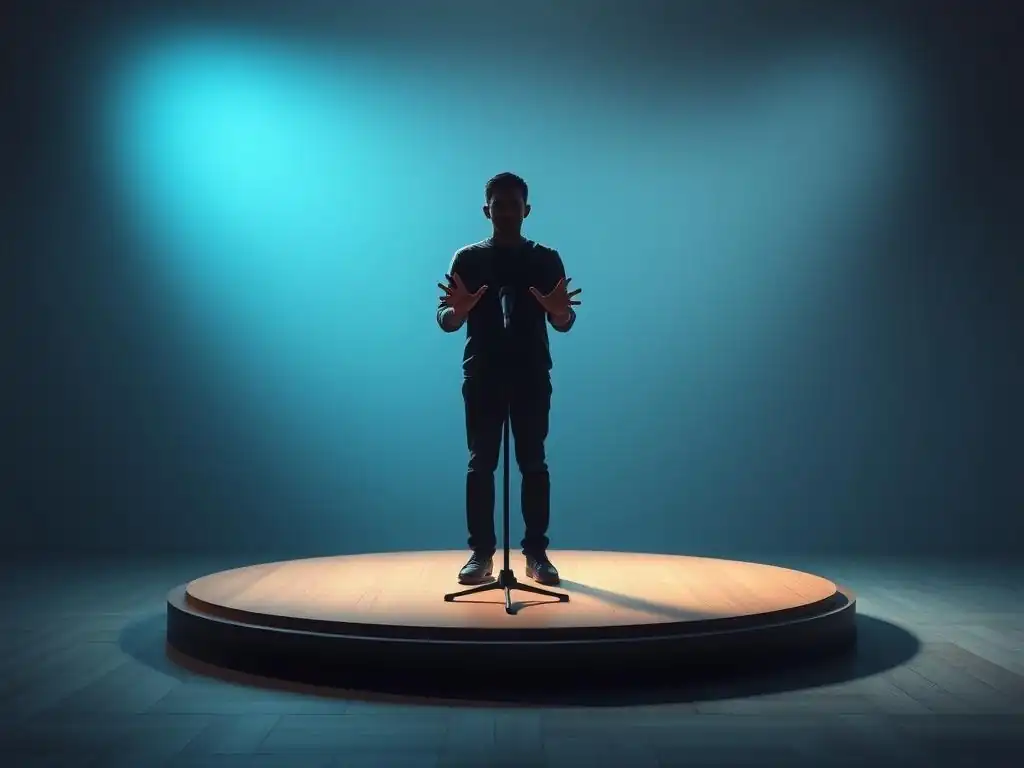
Structuring a Compelling Presentation
A well-structured presentation is easier to deliver and more engaging for the audience. Start with a strong opening that grabs attention, perhaps with a question, a surprising statistic, or a brief story. Clearly state the purpose or main points of your presentation. Organize the body into logical sections, using transitions to guide the audience smoothly from one point to the next.
Use examples, anecdotes, or data to support your points. Conclude with a summary of your main ideas and a strong closing statement or call to action. A clear structure not only helps the audience follow along but also provides you with a roadmap, reducing the fear of getting lost or forgetting your place, which can be a source of anxiety when dealing with social rejection fear.
Using Visual Aids Effectively
Visual aids, such as slides (PowerPoint, Google Slides, etc. ), props, or handouts, can enhance a presentation but should be used strategically. Slides should be clean, uncluttered, and visually appealing, supplementing your points rather than duplicating your script. Use visuals to illustrate complex data, show images, or highlight key takeaways.
Avoid putting too much text on slides or reading directly from them. Visual aids should support you, not replace you as the speaker. Practice using your visual aids so you know when and how to advance slides or refer to props smoothly. Effective use of visuals can boost your confidence and make your presentation more dynamic, helping to distract from self-consciousness about dealing with social rejection fear.
Engaging with the Audience: Eye Contact and Vocal Variety
Engaging with your audience creates a connection and makes the presentation more interactive and less like a performance at them. Make eye contact with individuals throughout the room, scanning across the audience. This makes people feel seen and heard and helps you gauge their reactions.
Vary your vocal tone, pace, and volume to keep the audience's attention. Avoid a monotone delivery. Use pauses for emphasis. Incorporate gestures and body language naturally to convey enthusiasm and confidence. Engaging techniques shift the focus from your internal anxiety to the external interaction, which can be a helpful strategy when dealing with social rejection fear symptoms during a speech.
Building a Supportive Network for Public Speaking Development
Joining Toastmasters or Public Speaking Clubs
Joining a public speaking club like Toastmasters International is an excellent way to practice in a supportive environment. Toastmasters clubs provide a structured program where members give speeches, receive constructive feedback, and take on various meeting roles. The atmosphere is typically encouraging, with a focus on helping members improve their skills gradually.
These clubs offer regular opportunities to speak and receive specific, actionable feedback in a low-stakes setting. This consistent practice and feedback loop are invaluable for building confidence and reducing anxiety over time. Participating in such a group normalizes the fear and provides a community of peers who understand the challenges of dealing with social rejection fear in public settings.
Seeking Feedback from Mentors and Peers
Actively seeking feedback from trusted mentors, colleagues, or peers can provide valuable insights into your speaking strengths and areas for improvement. Ask specific questions about your delivery, clarity, engagement, and structure. Be open to constructive criticism and view it as a tool for growth rather than personal judgment, which is a key mindset shift for those dealing with social rejection fear.
Mentors who have experience in public speaking can offer guidance, share their own strategies, and provide encouragement. Peer feedback from those attending your presentations can offer a perspective on how your message was received and the impact of your delivery. This feedback loop is essential for targeted improvement.
Recording and Reviewing Performances for Improvement
Recording yourself speaking, whether it's a practice session or an actual presentation, can be incredibly insightful, though initially uncomfortable for those dealing with social rejection fear. Watching yourself allows you to see your body language, hear your vocal patterns, and identify habits you might not be aware of, such as fidgeting or using filler words.
Review your recordings critically but compassionately. Focus on specific aspects you want to improve, such as maintaining eye contact or varying your pace. This objective view of your performance helps you identify areas for targeted practice and track your progress over time, providing concrete evidence of improvement that can boost confidence.
Maintaining Progress and Preventing Relapse in Public Speaking Confidence
Developing a Practice Routine
Consistency is key to maintaining public speaking confidence. Develop a regular practice routine, even if it's just speaking aloud for a few minutes each day or week. This could involve reading an article aloud with expression, practicing a short segment of a future presentation, or simply talking through a topic you're knowledgeable about as if explaining it to an audience.
Regular practice keeps your skills sharp and prevents the anxiety from creeping back in due to lack of exposure. Treat public speaking like any other skill that requires ongoing maintenance. This routine helps solidify the progress made in dealing with social rejection fear in performance contexts.
Regularly Seeking Opportunities to Speak
Don't wait for major presentations to practice. Actively seek out opportunities to speak in lower-stakes environments. Volunteer to lead a team meeting, offer to present a project update, participate actively in discussions, or give a short talk at a community group.
The more you speak, the more comfortable and confident you will become. Each positive or even neutral speaking experience helps to counteract past negative associations and reinforces the belief that you can handle these situations. Regularly confronting the fear in manageable doses is crucial for long-term mastery and resilience when dealing with social rejection fear.
Seeking Ongoing Support and Guidance
Maintaining confidence is an ongoing process, and it's okay to seek support when needed. Continue to engage with your supportive network, whether it's your Toastmasters club, a mentor, or a therapist. Discuss any new challenges or anxieties that arise.
Consider periodic refresher courses or workshops to learn new techniques and keep your skills current. If anxiety remains significantly disruptive, revisiting a therapist specializing in performance anxiety or social anxiety can provide renewed strategies and support, ensuring that the progress made in dealing with social rejection fear is sustained.
Resources for Improving Public Speaking Skills and Managing Anxiety
Recommended Books and Websites
Numerous resources can provide guidance and techniques for improving public speaking and managing anxiety. Look for books by experts in communication, psychology, and performance. Websites dedicated to public speaking tips, anxiety management, and communication skills offer articles, videos, and exercises.
- Consider resources that cover topics like structuring speeches, using body language effectively, managing nerves, and connecting with your audience.
- Look for sites that offer practical tips based on psychological principles for dealing with social rejection fear in performance settings.
- Explore online communities or forums where people share their experiences and tips for overcoming glossophobia.
Public Speaking Courses and Workshops
Enrolling in a public speaking course or workshop can provide structured learning and practice opportunities. These programs often cover everything from speech preparation and delivery to anxiety management techniques. They offer guided instruction and often include opportunities for participants to practice and receive feedback in a group setting.
- Look for local community college courses, corporate training programs, or workshops offered by communication coaches.
- Online courses are also available, offering flexibility for learning at your own pace.
- Choose programs that emphasize both skill development and strategies for managing anxiety, particularly helpful for those dealing with social rejection fear.
Therapists Specializing in Anxiety and Performance Enhancement
For individuals whose public speaking anxiety is severe or significantly impacts their life, seeking professional help from a therapist is highly recommended. Therapists specializing in anxiety disorders, cognitive behavioral therapy (CBT), or performance enhancement can provide tailored strategies.
- CBT is particularly effective in identifying and challenging the negative thought patterns associated with public speaking anxiety and dealing with social rejection fear.
- Exposure therapy, done gradually and safely with a therapist, can help desensitize the fear.
- Techniques like mindfulness and acceptance and commitment therapy (ACT) can also be beneficial. A therapist can provide personalized support and tools to address the root causes of the anxiety.
Frequently Asked Questions
Social rejection fear is an intense anxiety about being disliked or excluded by others. It negatively impacts mental well-being by causing stress, anxiety, and avoidance of social situations, hindering personal growth and connection.
Signs include avoiding social gatherings, constantly seeking approval, feeling excessively anxious about what others think, and interpreting neutral cues as negative. These behaviors often stem from underlying insecurity and low self-esteem.
What are some practical strategies for overcoming the fear of rejection?
Practice self-compassion and challenge negative thoughts. Gradually expose yourself to social situations, starting with low-pressure environments. Focus on building genuine connections rather than seeking universal approval.
Are there resources or support systems available for people struggling with this fear?
Yes, many resources can help, including therapy (like CBT) to address underlying anxieties, support groups offering shared experiences, and online resources like Mind Care Guide providing information and coping strategies.
If the fear is significantly impacting your daily life, relationships, or career, seeking professional help from a therapist or counselor is recommended. They can provide personalized strategies and support for overcoming this challenge.
Final Reflection: Embracing Vulnerability, Finding Connection
The fear of rejection casts a long shadow, impacting not only our social lives but also our overall well-being. It's a pervasive issue, hindering personal growth and limiting opportunities for meaningful connection. This article has explored various strategies for navigating this fear, from understanding its root causes to practicing self-compassion and building resilience. But the journey to overcoming this fear is ongoing, a continuous process of self-discovery and growth.
The impact of social rejection is profound, shaping our self-perception and influencing our interactions with others. It's a universal experience, yet the weight it carries varies greatly from person to person. The greatest glory in living lies not in never falling, but in rising every time we fall.
- Nelson Mandela. This quote perfectly encapsulates the spirit of overcoming the fear of rejection. It's not about avoiding failure, but about learning from setbacks and continuing to strive for connection, even in the face of potential hurt. The journey is about embracing vulnerability, a crucial step towards authentic relationships and a richer life.
Now, consider your own experiences with rejection. What patterns have you noticed? What coping mechanisms have worked for you, and which haven't? I encourage you to actively practice the strategies discussed in this article – self-compassion, mindful engagement, and setting healthy boundaries. Remember, overcoming the fear of rejection is not about becoming invincible to hurt, but about building resilience and fostering a healthier relationship with yourself and the world around you. Embrace the vulnerability, and watch your connections flourish.
Thanks for taking the time to explore the power of overcoming rejection anxiety with us! We hope you gained valuable insights into building stronger social connections. Ready to put this knowledge into action?
Here's how you can start building your social confidence today:
- Start small: Identify one social situation this week (even a small one, like saying hello to a neighbor) where you'll consciously practice embracing vulnerability. This is your primary focus this week.
- Share your experience: Tell a trusted friend or family member about your progress and any challenges you encounter. Talking it through can make a huge difference!
- Explore further: Search online for “social anxiety coping mechanisms” to discover even more tools and strategies for managing your fears.
What small step will you take this week to confidently navigate social interactions? Let's discuss your experiences in the comments below!