
Reflection vs. Meditation: Which is Right for Your Mind?


Welcome to Mind Care Guide, a space dedicated to nurturing your mental well-being.
Feeling overwhelmed by the noise inside your head? You're not alone. Many seek solace through mindfulness practices, but understanding the nuances can be tricky. Are you curious about the transformative power of inner exploration? Our article delves into the vital question: Reflection vs. Meditation: Which is Right for Your Mind? Discover the surprising reflection meditation benefits beginners can experience and unlock a path to greater clarity and peace. Let's begin your journey toward a healthier, more balanced mind, one breath and reflection at a time.
Reflection vs. Meditation: Which is Right for Your Mind? - Mind Care Guide
- Introduction: Understanding Reflection and Meditation for Mental Well-being
- Defining Reflection: A Journey Inward
- Defining Meditation: Cultivating Inner Peace
- Reflection Meditation Benefits Beginners: A Comparative Analysis
- Key Differences Between Reflection and Meditation
- Which Practice is Right for You? Factors to Consider
- Integrating Reflection and Meditation into Your Daily Routine
- The Role of Spiritual Practices in Mental Health
- Practical Tips for Starting Your Reflection or Meditation Journey
- Reflection and Meditation: Tools for a Healthier Mind
- Conclusion: Embracing Reflection and Meditation for Lasting Mental Wellness
-
Frequently Asked Questions
- What are the main differences between reflection and meditation?
- How can reflection meditation benefit beginners specifically?
- Is reflection meditation suitable for everyone, or are there any contraindications?
- How often should I practice reflection meditation to experience noticeable benefits?
- Can reflection and traditional meditation be combined for a more holistic approach to mental well-being?
- Final Reflection: Finding Your Path to Inner Peace
- Unleash Your Inner Peace: Choose Your Path to Calm
Introduction: Understanding Reflection and Meditation for Mental Well-being
Exploring Spiritual Practices for Mental Health: A Mind Care Guide Perspective
Mental well-being is a multifaceted state influenced by various factors, including physical health, social connections, and psychological resilience. Increasingly, spiritual practices are recognized as powerful tools that can significantly contribute to this balance. For many, engaging in activities like prayer, mindfulness, or contemplative practices provides a sense of purpose, fosters emotional regulation, and offers a framework for navigating life's challenges. This exploration is particularly relevant for those seeking holistic approaches to mental health, moving beyond clinical interventions alone to embrace practices that nurture the inner self.
Mind Care Guide recognizes the profound connection between spirituality and mental health. Research, such as studies published in the Journal of Religion and Health, consistently highlights the positive correlation between spiritual engagement and improved mental health outcomes, including reduced symptoms of depression and anxiety. While individual experiences vary, the common thread is the cultivation of inner resources and a deeper connection to oneself or something larger. Understanding practices like reflection and meditation within this context empowers individuals to choose paths that resonate with their personal beliefs and support their journey toward greater mental wellness.
The Growing Popularity of Reflection and Meditation in Modern Wellness
In recent years, reflection and meditation have transitioned from niche spiritual disciplines to mainstream wellness practices. This surge in popularity is fueled by mounting scientific evidence demonstrating their tangible benefits for mental and physical health. Corporations now offer mindfulness training to employees, schools are implementing meditation programs for students, and wellness apps focused on these practices boast millions of users globally. This widespread adoption indicates a collective recognition of the need for tools to combat the stresses of modern life, which often involve constant connectivity, information overload, and demanding schedules.
The appeal lies in their accessibility and effectiveness. Unlike some therapeutic interventions that may require specialized settings or personnel, basic reflection and meditation can be practiced anywhere, anytime, with minimal resources. A 2022 survey indicated that approximately 14% of US adults had practiced meditation in the past year, a significant increase from previous decades. This trend underscores a growing interest in self-directed methods for managing stress, improving focus, and fostering emotional resilience. The emphasis on reflection meditation benefits beginners has made these practices less intimidating, encouraging more people to explore their potential for personal growth and mental well-being.
Defining Reflection: A Journey Inward
What is Reflection? A Deeper Look at Self-Examination
Reflection, in the context of mental well-being, is the deliberate process of thinking deeply about one's thoughts, feelings, experiences, and actions. It's an active engagement with your inner world, often prompted by specific events or questions. Unlike passive daydreaming, reflection involves a conscious effort to analyze, understand, and derive meaning from your internal landscape and external interactions. It's like holding up a mirror to your mind, examining what you see with curiosity and non-judgment. This practice is foundational for self-awareness and personal growth.
This self-examination can take many forms, from structured journaling to quiet contemplation or even thoughtful conversations. The key is the intention to process experiences and learn from them. For instance, after a challenging interaction, reflection might involve asking: "What emotions did I feel? ", "What thoughts went through my mind? ", "How did my actions influence the outcome? ", and "What could I learn from this for the future?". This analytical process helps to identify patterns of behavior, understand underlying motivations, and gain perspective on situations, ultimately leading to greater emotional intelligence and more effective coping strategies.
Key Elements of Reflection: Thoughts, Feelings, and Experiences
The core components of reflection are the internal data points we examine: our thoughts, feelings, and experiences. Thoughts are the cognitive processes – beliefs, judgments, ideas, and interpretations – that run through our minds. Feelings are the emotional responses – joy, sadness, anger, fear, peace – that arise in reaction to internal or external stimuli. Experiences encompass the events, interactions, and sensory inputs we encounter in our daily lives. Reflection involves observing these elements and exploring their connections.
Consider a simple act of reflection for a beginner: pausing at the end of the day. This might involve reviewing the day's events (experiences), noting the emotions that arose during specific moments (feelings), and observing the internal commentary or self-talk associated with those events and feelings (thoughts). A structured approach might use prompts like:
- What was the most significant event of the day?
- How did that event make me feel?
- What thoughts did I have about that feeling or event?
- What was one small success today?
- What was one challenge, and how did I handle it?
This systematic review helps to consolidate learning, process emotions, and build a coherent narrative of one's life, fostering a deeper understanding of oneself.
The Benefits of Reflection for Mental Clarity and Self-Awareness
Engaging in regular reflection yields significant reflection meditation benefits beginners and experienced practitioners alike, particularly in boosting mental clarity and self-awareness. By taking time to process thoughts and feelings, individuals can untangle mental clutter, identify limiting beliefs, and gain perspective on challenges. This clarity reduces rumination and worry, freeing up cognitive resources. For example, reflecting on a recurring anxiety might reveal its roots in a specific fear, allowing for targeted strategies to address it rather than feeling overwhelmed by a vague sense of dread.
Furthermore, reflection is a direct pathway to enhanced self-awareness. By consistently observing internal states and behaviors, individuals become more attuned to their emotional triggers, thought patterns, strengths, and weaknesses. This heightened awareness is crucial for making conscious choices aligned with one's values rather than reacting impulsively. Studies, often cited in psychological literature, show that individuals with higher self-awareness tend to have better emotional regulation, stronger relationships, and improved decision-making skills. The reflection meditation benefits beginners include this foundational step towards understanding their own minds.
Defining Meditation: Cultivating Inner Peace
What is Meditation? Achieving a State of Focused Calm
Meditation is a practice involving techniques designed to encourage a state of focused attention and relaxed awareness. While there are many different forms, the common goal is to train the mind to achieve a state of mental clarity and emotional calm. It's not about emptying the mind, but rather about observing thoughts and feelings without judgment and gently redirecting attention when the mind wanders. This process helps to quiet the constant internal chatter that often contributes to stress and anxiety.
At its core, meditation teaches you how to be present. This might involve focusing on the breath, a mantra, a sensation, or simply open awareness of whatever arises in the present moment. By repeatedly bringing attention back to the chosen focus, you strengthen your ability to concentrate and reduce reactivity to distracting thoughts or external stimuli. This disciplined practice builds mental resilience and fosters a sense of inner peace that can extend beyond the meditation session into daily life.
Types of Meditation: Mindfulness, Transcendental, and More
Meditation is not a monolithic practice; it encompasses a wide array of techniques developed across different traditions and philosophies. Some of the most widely practiced types include:
- Mindfulness Meditation: Originating from Buddhist traditions, this involves focusing on the present moment without judgment. Practitioners typically pay attention to their breath, bodily sensations, thoughts, and feelings as they arise, observing them with detached awareness.
- Transcendental Meditation (TM): A mantra-based technique where practitioners silently repeat a specific sound or phrase to settle the mind into a state of relaxed awareness. TM is often practiced for 15-20 minutes twice a day.
- Loving-Kindness Meditation (Metta): Focuses on cultivating feelings of warmth, compassion, and love towards oneself and others. This practice often involves silently repeating phrases wishing well-being for different individuals or groups.
- Walking Meditation: Bringing mindful awareness to the physical sensations of walking, grounding the practice in bodily movement rather than stillness.
Each type offers a different path to cultivating inner peace and focus, catering to diverse preferences and goals. While techniques vary, the underlying principle of training attention remains consistent.
The Science-Backed Benefits of Meditation for Stress Reduction
The widespread adoption of meditation in modern wellness is largely due to robust scientific evidence supporting its benefits, particularly for stress reduction. Numerous studies, including those utilizing fMRI scans, have shown that regular meditation practice can literally change the structure and function of the brain, increasing gray matter density in areas associated with learning, memory, emotional regulation, and self-referential processing (like the hippocampus and prefrontal cortex), while decreasing activity in the amygdala, the brain's fear center.
For instance, an eight-week mindfulness-based stress reduction (MBSR) program has been shown in clinical trials to reduce symptoms of anxiety and depression by approximately 25-35% in participants compared to control groups. These benefits are attributed to meditation's ability to lower cortisol levels (the body's primary stress hormone), reduce inflammation, and improve the body's stress response. The practice helps individuals become less reactive to stressors, observing challenging situations with greater calm and perspective. These are significant reflection meditation benefits beginners can start experiencing relatively early in their practice.
Reflection Meditation Benefits Beginners: A Comparative Analysis

Reflection Meditation: Easing Beginners into Self-Discovery
For many beginners, the idea of sitting silently and clearing the mind in meditation can feel daunting or even impossible. This is where understanding the reflection meditation benefits beginners becomes particularly valuable. Reflection, often involving journaling or guided questioning, can feel more accessible. It provides a structure, a prompt to follow, which can be less intimidating than simply "being present." Beginners can start by reflecting on simple things: a positive event, a feeling they experienced, or a lesson learned.
This structured approach allows beginners to ease into the process of looking inward. Instead of trying to quiet a busy mind, they are actively engaging with it, directing its focus onto specific aspects of their experience. This can build confidence and familiarity with introspection before attempting the more passive observation required in some forms of meditation. The reflection meditation benefits beginners include developing the foundational skill of self-awareness in a way that feels manageable and productive from the outset.
Meditation for Beginners: Finding Calm in the Present Moment
While reflection offers a structured entry into introspection, meditation provides a direct route to cultivating present-moment awareness and calm, which are distinct but complementary reflection meditation benefits beginners can explore. Beginners in meditation often start with simple techniques like focusing on the breath. This anchor provides a concrete object of attention, helping to train the wandering mind. Even short sessions, like 5-10 minutes daily, can begin to yield results.
The initial goal for meditation beginners isn't to stop thinking, but to notice when the mind wanders and gently bring it back. This repeated act of returning to the present moment builds the 'muscle' of attention and non-reactivity. Guided meditations, widely available through apps and online resources, are particularly helpful for beginners as they provide verbal instructions and support, making the practice less intimidating and more focused. The reflection meditation benefits beginners can gain from meditation specifically include learning to observe thoughts without getting carried away by them, fostering a sense of detachment and peace.
Comparing the Learning Curves: Reflection vs. Meditation
Comparing the learning curves for reflection and meditation reveals different initial challenges and rewards, both contributing to the overall reflection meditation benefits beginners seek. Reflection can feel more natural initially because it involves thinking, something we do constantly. The challenge lies in making that thinking deliberate and analytical rather than just cyclical rumination. It requires developing honesty and courage to look at oneself critically yet compassionately. Beginners might find it easy to start but challenging to go deep or maintain consistency.
Meditation, on the other hand, often feels counter-intuitive initially. Actively trying not to engage with thoughts can be frustrating. The challenge is training the mind to be still or focused in a new way. The learning curve might feel steeper at the very beginning, marked by frustration over a busy mind. However, with consistent practice, even short sessions can quickly demonstrate benefits like reduced stress and improved focus. Both practices offer unique reflection meditation benefits beginners, making the choice or combination dependent on individual preferences and goals.
Key Differences Between Reflection and Meditation
Focus: Past Experiences vs. Present Awareness
One fundamental difference lies in their temporal focus. Reflection typically involves looking back at past experiences, thoughts, and feelings to understand them, learn from them, and gain perspective. It's a process of reviewing and analyzing what has happened. For example, reflecting on a conflict involves replaying the event, examining your reactions, and considering alternative approaches for the future. The focus is on processing history to inform the present and future.
Meditation, conversely, is primarily focused on the present moment. While thoughts about the past or future may arise during meditation, the practice involves noticing these thoughts without judgment and returning attention to the immediate experience – the breath, bodily sensations, or sounds. The goal is to cultivate awareness of what is happening right now, detaching from the narratives of the past or anxieties about the future. This present-moment focus is a key aspect of the reflection meditation benefits beginners can gain for stress reduction.
Technique: Questioning vs. Observing
The techniques employed also differ significantly. Reflection often involves active questioning and analysis. You might ask yourself probing questions about your motivations, values, or reactions. Journaling is a common technique, where you write down thoughts and feelings in response to prompts or simply freeform. It's an active, cognitive process of inquiry and sense-making.
Meditation, in contrast, emphasizes observation and non-judgment. Instead of asking "Why did I think that? ", the meditator simply notices the thought, perhaps labels it as "thinking," and lets it pass, returning attention to the meditation object. Techniques involve focusing attention (concentration) or broadening awareness to everything arising without getting involved in analyzing it (open monitoring). The technique is about training attention and cultivating equanimity, distinct from the analytical nature of reflection. Understanding this difference helps beginners appreciate the unique reflection meditation benefits beginners can derive from each practice.
Goal: Self-Understanding vs. Inner Peace
While both practices contribute to overall well-being, their primary goals differ. Reflection's main objective is typically self-understanding and personal growth. By analyzing experiences and internal states, individuals gain insights into their character, patterns, and motivations. This understanding can lead to improved decision-making, better relationships, and a clearer sense of identity and purpose. It's about gaining wisdom from experience.
Meditation's primary goal is often the cultivation of inner peace, calm, and presence. By training the mind to be less reactive and more focused on the present, meditation reduces mental clutter, alleviates stress, and fosters a state of tranquility. While self-awareness is a byproduct of meditation, the direct aim is often to quiet the mind and experience a state of relaxed alertness. Both goals are valuable, and exploring the reflection meditation benefits beginners can achieve often involves realizing how these distinct goals complement each other.
Which Practice is Right for You? Factors to Consider
Your Personality and Preferences: Introvert vs. Extrovert
Considering your personality can be helpful when deciding whether to start with reflection or meditation, or perhaps a combination. Reflection, often a solitary and introspective activity like journaling or quiet contemplation, might naturally appeal more to introverts who typically gain energy from alone time and enjoy deep dives into their thoughts. It aligns with a preference for internal processing.
Meditation, while also often solitary, can sometimes be practiced in groups or guided sessions, which might appeal to extroverts who gain energy from external interaction. Furthermore, some find the structured focus of meditation easier to maintain than the open-ended nature of reflection. However, these are not strict rules; many introverts benefit immensely from meditation's ability to quiet an overactive internal world, and many extroverts find great value in reflection for processing their varied interactions.
The key is finding what feels most comfortable and sustainable for you. Exploring the reflection meditation benefits beginners find most appealing based on their nature is a good starting point.
Your Current Mental State: Stress Levels and Emotional Needs
Your current mental state is a crucial factor in choosing a practice. If you are experiencing very high levels of stress or acute emotional distress, simple breath-focused meditation might be more immediately helpful for calming the nervous system than deep reflection, which could potentially lead to rumination if not approached carefully. Meditation provides a direct tool for grounding yourself in the present and creating a sense of calm amidst turmoil.
Conversely, if you are feeling lost, confused about a situation, or seeking clarity on a decision, reflection might be the more effective tool. It provides a structured way to process complex thoughts and emotions related to a specific challenge. For someone struggling with a specific behavioral pattern they wish to change, reflection can offer insights into its origins and triggers. Consider what you need most right now: grounding and calm (leaning towards meditation) or insight and clarity (leaning towards reflection). Both contribute to the reflection meditation benefits beginners seek for overall mental health improvement.
Time Commitment: Fitting Reflection and Meditation into Your Schedule
A practical consideration for beginners is the time commitment required for each practice. Both reflection and meditation can be adapted to fit busy schedules, but understanding typical time investments is helpful. While deep reflection might involve longer journaling sessions, even 5-10 minutes of focused thought on a specific question can be beneficial. Many people integrate reflection naturally throughout their day, pausing briefly after events.
Formal meditation is often recommended in sessions of 10-20 minutes, once or twice daily, to experience significant benefits. However, even 3-5 minutes of focused breathing can be a powerful starting point. Consistency is often more important than duration. Evaluate your daily schedule and see where you can realistically carve out dedicated time. Perhaps 10 minutes in the morning for meditation to start the day calmly, and 10 minutes in the evening for reflection to process events. Finding a sustainable routine is key to unlocking the full reflection meditation benefits beginners can hope for.
Integrating Reflection and Meditation into Your Daily Routine
Combining Practices for Enhanced Mental Well-being
While distinct, reflection and meditation are not mutually exclusive; in fact, combining them can lead to enhanced mental well-being, offering synergistic reflection meditation benefits beginners might not get from either practice alone. Meditation cultivates the ability to observe thoughts and feelings without judgment and strengthens focus. Reflection utilizes this cultivated awareness to analyze those observations for deeper understanding.
For example, you might start your day with a 10-minute meditation session to calm the mind and cultivate present-moment awareness. This prepares you for the day with a clearer, more settled state. In the evening, you could spend 10-15 minutes reflecting on your day, using journaling prompts or simply reviewing events. The mindfulness skills practiced during meditation can make your reflection more insightful, allowing you to observe your reactions and thoughts with less emotional reactivity and more clarity. This integrated approach leverages the unique strengths of both practices.
Sample Reflection Exercises for Beginners
Starting with reflection can be made easier with structured exercises. Here are a few simple prompts suitable for beginners, designed to introduce the reflection meditation benefits beginners can access through guided introspection:
- End-of-Day Review: Before bed, think about or write down:
- One thing that went well today.
- One thing that was challenging.
- One emotion you felt strongly and why.
- One thing you are grateful for.
- Response Analysis: After a notable interaction (positive or negative), reflect on:
- What happened?
- How did I feel during and after?
- What thoughts did I have?
- Was my response effective? Why or why not?
- Value Check: Once a week, consider:
- Did my actions this week align with my core values?
- In what way?
- In what way did they not?
- What small step can I take next week to live more in line with my values?
These exercises provide a clear starting point, making the process of looking inward less abstract and more manageable for those new to the practice.
Guided Meditation Techniques for Improved Focus
Guided meditations are an excellent resource for beginners learning to cultivate focus and calm. They typically involve an instructor's voice leading you through the steps, such as focusing on the breath, body scan, or visualization. This external guidance helps keep the mind from wandering too much and teaches the basic mechanics of different meditation styles.
Many apps and websites offer guided meditations specifically tailored for various durations (e.g., 3, 5, 10, 20 minutes) and purposes (e.g., stress relief, focus, sleep). A typical guided session for focus might involve:
- Settling into a comfortable position.
- Closing your eyes or softening your gaze.
- Bringing attention to the physical sensation of breathing.
- Noticing when the mind wanders and gently bringing it back to the breath.
- Perhaps incorporating a body scan, bringing awareness to different parts of the body.
The structure and instruction make it easier for beginners to stay engaged and experience the calming and focusing reflection meditation benefits beginners seek from meditation.
The Role of Spiritual Practices in Mental Health
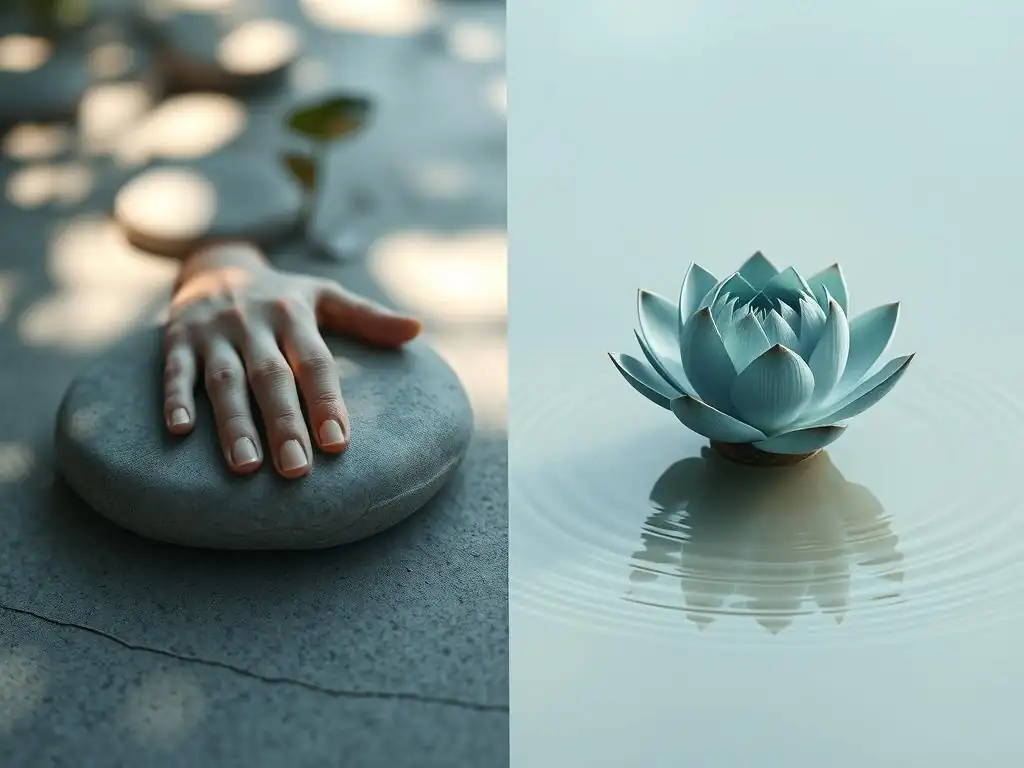
Finding Meaning and Purpose Through Reflection and Meditation
Spiritual practices like reflection and meditation play a vital role in mental health by helping individuals find meaning and purpose in life. Reflection encourages contemplation of one's values, beliefs, and life path, helping to clarify what truly matters. By examining experiences through a lens of personal growth and learning, individuals can construct a narrative that imbues their life with significance, even amidst challenges. This search for meaning is a fundamental human need, and fulfilling it is strongly linked to psychological well-being and resilience.
Meditation, by fostering present-moment awareness and inner calm, can help individuals connect with a deeper sense of self beyond their thoughts and emotions. This connection can lead to a feeling of inner peace and contentedness that is not dependent on external circumstances. For many, regular practice fosters a sense of inner stability and clarity that supports the ongoing quest for meaning and purpose, providing a steady foundation from which to explore life's bigger questions. The reflection meditation benefits beginners discover often include this growing sense of inner peace and direction.
Connecting with Something Larger Than Yourself
Both reflection and meditation can facilitate a connection with something perceived as larger than oneself, whether that is a religious deity, a universal consciousness, nature, humanity, or a personal sense of the sacred. Reflection can involve contemplating one's place in the world, considering ethical responsibilities, or examining beliefs about the divine or the universe. This can provide comfort, guidance, and a sense of belonging to something vast and enduring.
Meditation, particularly practices focused on compassion or universal awareness, can dissolve feelings of isolation and foster a sense of interconnectedness. By quieting the ego's demands and opening to the present moment, meditators may experience moments of profound peace or unity. This connection can be a source of strength, hope, and perspective, particularly when facing difficult times. Studies indicate that individuals with strong spiritual or existential beliefs often exhibit greater coping abilities and lower rates of anxiety and depression, highlighting the significant reflection meditation benefits beginners can gain from this spiritual dimension.
Addressing Mental Health Challenges with Spiritual Tools
Integrating spiritual practices like reflection and meditation can be a powerful complement to clinical approaches in addressing mental health challenges. While not a replacement for therapy or medication when needed, these practices provide tools for managing symptoms and fostering recovery. Reflection can help individuals process traumatic experiences, understand their emotional triggers, and identify negative thought patterns often associated with conditions like depression or anxiety. It provides a framework for self-compassion and acceptance.
Meditation offers practical skills for managing anxiety, reducing stress, and improving emotional regulation. By learning to observe thoughts and feelings without becoming overwhelmed, individuals can develop greater resilience to challenging internal states. Practices like loving-kindness meditation can help combat feelings of isolation and self-criticism common in depression. Mental health professionals increasingly recommend or integrate these practices, recognizing the reflection meditation benefits beginners and those further along in their recovery journey can leverage for symptom management and overall flourishing.
Practical Tips for Starting Your Reflection or Meditation Journey
Creating a Dedicated Space for Your Practice
Having a dedicated space, even a small one, can make a significant difference when starting reflection or meditation. This doesn't require a large room; it could be a corner of a room, a specific chair, or even just a quiet spot outdoors. The key is that it's a place where you can minimize distractions and feel a sense of calm and privacy.
Making this space inviting can further support your practice. Consider adding a comfortable cushion or chair, perhaps a plant, or anything that helps you feel relaxed and settled. Over time, this dedicated space can become a positive cue, signaling to your mind that it's time to transition into a state of introspection or calm focus. Establishing this ritual helps anchor the practice in your daily life, making it easier to maintain consistency and experience the reflection meditation benefits beginners are working towards.
Setting Realistic Goals and Expectations
When beginning reflection or meditation, it's crucial to set realistic goals and expectations. Don't aim for instant enlightenment or complete absence of thoughts. These practices are skills that develop over time with consistent effort. For reflection, a realistic goal might be to journal for 5-10 minutes daily on a specific prompt. For meditation, starting with 3-5 minutes of guided practice is perfectly acceptable.
Accept that your mind will wander during meditation, and reflection might sometimes feel difficult or unproductive. These are normal parts of the process. The goal is not perfection, but practice. Focus on showing up consistently, even when it feels challenging. Celebrating small wins, like completing your practice session regardless of how it felt, helps build positive momentum and reinforces the habit, paving the way for experiencing the deeper reflection meditation benefits beginners can unlock with patience.
Tracking Your Progress and Celebrating Milestones
Tracking your progress can be a motivating way to stay consistent with your reflection or meditation practice. This doesn't need to be complicated. A simple checklist or calendar where you mark off each day you complete your practice can be effective. Some apps also offer tracking features. Note not just consistency, but also any subtle shifts you observe in your daily life – perhaps feeling slightly calmer in traffic, noticing a negative thought pattern more quickly, or responding to a challenge with more patience.
Celebrating milestones, no matter how small, reinforces the positive habit. Finishing your first week of daily practice, completing a month of consistent journaling, or reaching a goal of meditating for 10 minutes without significant frustration are all worthy achievements. Acknowledge your effort and progress. This positive reinforcement loop is essential for maintaining motivation and fully realizing the potential reflection meditation benefits beginners are exploring as they build these practices into their lives.
Reflection and Meditation: Tools for a Healthier Mind
Long-Term Benefits of Regular Practice
Committing to regular reflection and meditation offers profound long-term benefits for mental and emotional health. Over months and years, consistent practice leads to lasting changes in the brain and nervous system, fostering greater resilience to stress, improved emotional regulation, and enhanced cognitive function. Studies tracking long-term meditators show structural changes in brain regions associated with attention, introspection, and compassion.
Individuals who regularly reflect and meditate often report a greater sense of peace, purpose, and overall well-being. They may find themselves less reactive to daily frustrations, more capable of navigating difficult emotions, and possessing a clearer understanding of themselves and their place in the world. These cumulative reflection meditation benefits beginners start building from day one contribute to a more stable and fulfilling mental landscape throughout life.
Resources for Continued Learning and Support
As you continue your journey with reflection and meditation, numerous resources are available for deeper learning and support. Books provide in-depth knowledge on various techniques and philosophies. Websites and blogs offer articles, tips, and community forums. Apps provide guided practices, timers, and progress tracking. Local meditation centers or wellness studios often offer classes and workshops.
Consider exploring different styles of meditation or reflection to find what resonates most deeply with you. Joining a group or finding a teacher can provide guidance and a sense of community. Remember that the path of introspection and mindfulness is ongoing. Continuously seeking knowledge and support will help you deepen your practice and continue to unlock the transformative reflection meditation benefits beginners start to discover and expand upon over time.
Conclusion: Embracing Reflection and Meditation for Lasting Mental Wellness
Finding the Right Balance for Your Individual Needs
Choosing between reflection and meditation isn't an either/or decision; both offer unique pathways to enhanced mental wellness, and the ideal approach often involves finding a balance that suits your individual needs and preferences. Reflection provides the tools for understanding your inner world and gaining clarity, while meditation cultivates presence, calm, and non-reactivity. Consider what feels most accessible and beneficial to you right now. Perhaps start with one, and introduce the other later. Or, try integrating short periods of both into your routine.
There is no single "right" way to practice. Experiment with different techniques, durations, and times of day. Pay attention to how each practice makes you feel during and after the session, and how it impacts your daily life. The most effective practice is the one you can realistically maintain consistently. By exploring the distinct yet complementary reflection meditation benefits beginners can access, you empower yourself to build a personalized toolkit for supporting your mental health.
Continuing Your Journey of Self-Discovery and Inner Peace
Embarking on the path of reflection and meditation is a journey of continuous self-discovery and cultivation of inner peace. It requires patience, practice, and compassion for yourself. There will be days when it feels easy and rewarding, and days when it feels difficult or unproductive. The key is to approach each session with curiosity and a willingness to simply be with whatever arises.
As you continue to practice, you will likely notice subtle but significant shifts in how you relate to your thoughts, emotions, and experiences. You may find yourself becoming more resilient to stress, more present in your interactions, and gaining a deeper appreciation for the richness of your inner life. The reflection meditation benefits beginners begin to see are just the starting point of a lifelong process of growth, awareness, and cultivating a healthier, more peaceful mind. Embrace the journey with an open heart and a commitment to nurturing your mental well-being.
Frequently Asked Questions
What are the main differences between reflection and meditation?
Reflection involves active thinking and analyzing thoughts, while meditation focuses on quieting the mind and achieving a state of awareness. Reflection often looks backwards, while meditation is often in the present.
How can reflection meditation benefit beginners specifically?
Reflection meditation helps beginners understand their thoughts and emotions, leading to improved self-awareness. This can reduce stress and build a stronger connection to their inner selves.
Is reflection meditation suitable for everyone, or are there any contraindications?
While generally safe, reflection meditation might be challenging for individuals with intrusive thoughts or those who are prone to rumination. It's always best to consult with a mental health professional.
How often should I practice reflection meditation to experience noticeable benefits?
Consistency is key! Aim for at least 10-15 minutes daily, gradually increasing the duration as you become more comfortable. Regular practice leads to lasting improvements in mental well-being.
Can reflection and traditional meditation be combined for a more holistic approach to mental well-being?
Absolutely! Integrating both reflection and meditation can provide a balanced approach. Reflection helps you understand your thoughts, while meditation provides the inner peace and clarity to address them effectively.
Final Reflection: Finding Your Path to Inner Peace
The exploration of reflection and meditation reveals a powerful truth: inner peace isn't a destination, but a journey paved with mindful awareness. Both practices, while distinct, offer invaluable tools for navigating the complexities of modern life and cultivating a deeper understanding of ourselves. The choice between them, or the integration of both, ultimately depends on individual needs and preferences.
The impact of incorporating mindful practices like reflection and meditation into our daily lives cannot be overstated. They offer a much-needed antidote to the constant barrage of external stimuli that characterizes our modern world. These practices help us to cultivate self-awareness, reduce stress, and foster a greater sense of emotional regulation. As the Dalai Lama wisely said, The time to repair the roof is when the sun is shining.
This perfectly encapsulates the proactive nature of these practices; they are not merely remedies for existing problems, but preventative measures for building a stronger, more resilient self.
Now, consider your own journey. Which aspects of reflection or meditation resonate most deeply with you? Perhaps you find solace in the quiet contemplation of reflection, allowing your thoughts to naturally unfold. Or maybe the structured focus of meditation better suits your needs. Regardless of your choice, commit to incorporating some form of mindful practice into your daily routine. Even a few minutes a day can make a profound difference in your overall well-being. Embrace the journey, experiment with different techniques, and discover the path to inner peace that is uniquely yours.
Unleash Your Inner Peace: Choose Your Path to Calm
Thank you for taking the time to explore the world of reflection and meditation with us! We hope you gained valuable insights into which practice best suits your needs and personality. Now, it's time to put that knowledge into action.
- Begin your personalized practice today: Choose either reflection or meditation based on your learnings and dedicate just 5 minutes to it. Even a small amount of consistent practice can make a huge difference.
- Share your experience: Tell us – or a friend – about your first attempt! What did you notice? What surprised you? Sharing your journey can deepen your understanding and inspire others.
- Explore resources: Dive deeper into the techniques discussed by searching for guided meditations or journaling prompts online that resonate with your chosen path.
Ready to embark on your journey to inner peace? What's the first step you'll take to integrate reflection or meditation into your daily life?