
Wisdom and Wellbeing: Preventing Suicide Among Older Adults


Welcome to Mind Care Guide, a place dedicated to nurturing your mental well-being.
Are you concerned about the mental health of a loved one or simply seeking a deeper understanding of the challenges faced by older adults? In this crucial guide, " Preventing Suicide Among Older Adults," we delve into the unique factors contributing to this sensitive issue and offer practical strategies for support and intervention. Let's embark on this journey together, fostering a community of care and understanding. Read on to discover valuable insights and resources that can make a real difference.
Wisdom and Wellbeing: Preventing Suicide Among Older Adults - A Mind Care Guide
- Understanding Suicide Risk in Older Adults
- The Importance of Mental Wellbeing for Seniors
- Strategies for Preventing Suicide Among Older Adults
- Specific Interventions for Suicide Prevention in Older Adults
- Building Resilience and Coping Skills in Later Life
- Resources and Support for Suicide Prevention in Older Adults
- The Future of Suicide Prevention for Older Adults
-
Frequently Asked Questions
- What are some of the unique risk factors for suicide in older adults?
- How can family members and caregivers identify warning signs of suicidal ideation in older adults?
- What specific mental health conditions are frequently associated with suicide risk in older adults?
- What resources are available to help prevent suicide in older adults, and where can one find them?
- What strategies can be implemented to promote mental well-being and reduce suicide risk in older adults?
- Final Reflection: The Urgent Need for Wisdom in Aging
- Ignite Your Inner Champion: Support Older Adults
Understanding Suicide Risk in Older Adults
Risk Factors: Isolation, Loss, and Chronic Illness
Older adults face a unique constellation of challenges that can significantly increase their risk of suicide. Social isolation is a major contributor; as individuals age, they may experience the loss of spouses, friends, and family members, leading to profound loneliness and a shrinking social circle. Approximately 17% of adults aged 65 and older are considered socially isolated, a condition strongly linked to poor mental and physical health outcomes, including elevated suicide risk. This isolation is often compounded by reduced mobility or geographic distance from loved ones.
Beyond social factors, significant life losses, such as retirement leading to a loss of purpose and routine, or the death of a partner, can be devastating triggers. Chronic physical illnesses and pain are also deeply intertwined with suicide risk in this population.
Living with debilitating conditions can lead to depression, feelings of being a burden, and a diminished quality of life, all of which are significant risk factors for suicidal ideation. For instance, studies have shown that older adults with multiple chronic conditions or severe pain have a substantially higher risk of considering or attempting suicide compared to their healthier peers.
Recognizing Warning Signs: Changes in Behavior and Expressed Hopelessness
Recognizing the warning signs of suicidal intent in older adults can be challenging, as they may present differently than in younger populations. While direct verbal statements about wanting to die are a clear sign, older adults may express their distress more subtly. This could include increased withdrawal from social activities they once enjoyed, neglect of personal care or household responsibilities, or giving away cherished possessions. A sudden change in mood, either becoming unusually withdrawn or unexpectedly cheerful after a period of depression, can also be a red flag.
Changes in sleep patterns, appetite, or an increase in alcohol or medication use might also signal underlying distress. Expressions of hopelessness, feeling like a burden to others, or stating that life has no meaning are significant verbal indicators. It's crucial to take any talk of death or dying seriously, even if it seems casual. Family members, friends, and healthcare providers play a vital role in noticing these changes and initiating conversations about the individual's emotional state when focusing on preventing suicide older adults.
Dispelling Myths: Addressing Common Misconceptions About Suicide in Later Life
One pervasive myth is that it is "normal" for older adults to be depressed or to feel suicidal due to the challenges of aging. This is absolutely false; depression is a treatable medical condition, not an inevitable part of aging, and suicidal thoughts are a sign of distress requiring intervention. Believing this myth can lead to warning signs being dismissed or overlooked, hindering efforts aimed at preventing suicide older adults.
Another dangerous misconception is that talking about suicide might plant the idea in someone's head. Research overwhelmingly shows that asking directly about suicidal thoughts does not increase risk but can provide relief and open the door for help. Many older adults are hesitant to discuss their struggles with mental health or suicidal ideation due to stigma, making it even more important for others to initiate compassionate conversations. Addressing these myths is a critical step in creating an environment where older adults feel safe seeking help.
The Importance of Mental Wellbeing for Seniors
Mental Health and Suicide: The Connection Between Depression and Suicide
There is a strong and well-documented link between mental health conditions, particularly depression, and suicide risk in older adults. While not all older adults with depression will consider suicide, a significant majority of those who die by suicide have an underlying mental health condition, most commonly depression. Late-life depression can be triggered by the unique stressors of aging, such as chronic illness, loss, and social isolation mentioned earlier.
Depression in older adults can sometimes manifest differently than in younger people, presenting more with physical symptoms like fatigue, pain, or memory problems rather than overt sadness. This can lead to misdiagnosis or the assumption that symptoms are simply part of aging. Effective treatment for depression is one of the most critical components in preventing suicide older adults, highlighting the need for increased awareness and access to mental healthcare for this population.
Promoting Wellbeing: Activities and Practices for Positive Mental Health
Promoting positive mental health is a proactive strategy in preventing suicide older adults. Engaging in meaningful activities provides structure, purpose, and opportunities for social interaction. This could include hobbies like gardening, painting, or playing music, volunteering for a local organization, or participating in lifelong learning programs.
Physical activity, even moderate exercise like walking, has significant benefits for mental health, reducing symptoms of depression and anxiety. Mindfulness and relaxation techniques can also help older adults manage stress and improve emotional regulation. Encouraging and facilitating participation in activities that bring joy and a sense of accomplishment is vital for maintaining mental wellbeing in later life.
Combating loneliness is paramount for the mental health and suicide prevention efforts among older adults. Strong social connections provide emotional support, a sense of belonging, and practical assistance. Family relationships are key, but connections with friends, neighbors, and community members are equally important.
Participation in social groups, senior centers, religious or spiritual communities, and volunteer programs can help older adults build and maintain social networks. Technology, such as video calls and social media, can also play a role in connecting with distant loved ones, though it should complement, not replace, in-person interaction where possible. Building robust support systems acts as a buffer against the stressors that can contribute to suicidal thoughts.
Strategies for Preventing Suicide Among Older Adults

Early Intervention: Identifying and Addressing Risk Factors
Early intervention is a cornerstone of effective suicide prevention for older adults. This involves proactively identifying individuals who may be at higher risk due to factors like recent loss, chronic illness, or signs of depression or isolation. Healthcare providers, including primary care physicians, are often the first point of contact for older adults and are in a unique position to screen for depression and assess suicide risk during routine appointments.
Training for healthcare professionals on recognizing late-life depression and suicide risk is crucial. Furthermore, community-based programs that identify isolated or vulnerable seniors through outreach efforts can connect them with necessary resources before a crisis occurs. Addressing underlying physical health issues and ensuring access to appropriate pain management are also vital components of early intervention.
Community Programs: Local Suicide Prevention Initiatives
Community programs play a significant role in preventing suicide older adults by providing accessible support and reducing isolation. Senior centers often offer a range of activities, social events, and educational programs that keep older adults engaged and connected. Some communities have specific outreach programs designed to check in on homebound seniors.
Examples of effective community initiatives include peer support groups for individuals dealing with grief or chronic illness, volunteer visiting programs, and intergenerational programs that connect older adults with younger people. These initiatives not only provide social support but can also help identify individuals who may be struggling and connect them with mental health services or other forms of assistance.
Support from Loved Ones: Encouragement and Connection
The support of family members and friends is invaluable in preventing suicide older adults. Loved ones can provide emotional support, practical help, and encouragement to seek professional help when needed. Simply maintaining regular contact, whether through visits, phone calls, or video chats, can significantly reduce feelings of isolation.
Loved ones can also help monitor for warning signs and encourage participation in social activities or hobbies. Learning how to talk openly and empathetically about mental health and suicidal thoughts is crucial. Offering to accompany an older adult to a doctor's appointment or helping them navigate the mental healthcare system can remove significant barriers to getting help.
Specific Interventions for Suicide Prevention in Older Adults
Mental Health Treatment: Therapy and Medication Options
Access to appropriate mental health treatment is critical for older adults experiencing depression, anxiety, or other conditions that increase suicide risk. Psychotherapy, such as Cognitive Behavioral Therapy (CBT) or Interpersonal Therapy (IPT), has been shown to be highly effective in treating late-life depression. These therapies can help older adults identify negative thought patterns, develop coping strategies, and address interpersonal issues contributing to their distress.
Antidepressant medications can also be an important part of treatment, often used in conjunction with therapy. It is essential for healthcare providers to carefully consider potential drug interactions and side effects in older patients. Effective treatment of underlying mental health conditions is a direct strategy for preventing suicide older adults.
Crisis Intervention: Responding to Suicidal Crises
Knowing how to respond during a suicidal crisis is vital. If an older adult expresses immediate suicidal intent, or if you believe they are in imminent danger, it is crucial to act quickly. This involves staying with the person, removing any potential means of harm if possible, and seeking professional help immediately.
Contacting a crisis hotline, such as the National Suicide Prevention Lifeline, or taking the individual to the nearest emergency room are appropriate steps. Do not leave the person alone. Crisis intervention services are specifically designed to provide immediate support and assessment during a suicidal crisis, connecting the individual with the necessary level of care.
Cognitive Behavioral Therapy for Late-Life Depression
Cognitive Behavioral Therapy (CBT) is a particularly effective psychotherapeutic approach for treating depression in older adults and, consequently, for preventing suicide older adults. CBT focuses on the relationship between thoughts, feelings, and behaviors. In the context of late-life depression, it helps older adults identify and challenge negative thought patterns that contribute to feelings of hopelessness or worthlessness.
For example, an older adult might think, "I'm a burden because I can't do things for myself anymore." CBT helps them examine the evidence for this thought, consider alternative perspectives (e.g., "My family wants to help me"), and develop more positive and realistic ways of thinking. It also helps them engage in activities that can improve their mood and sense of accomplishment, counteracting withdrawal and isolation. Studies have shown CBT to be as effective as medication for many older adults with depression.
Building Resilience and Coping Skills in Later Life
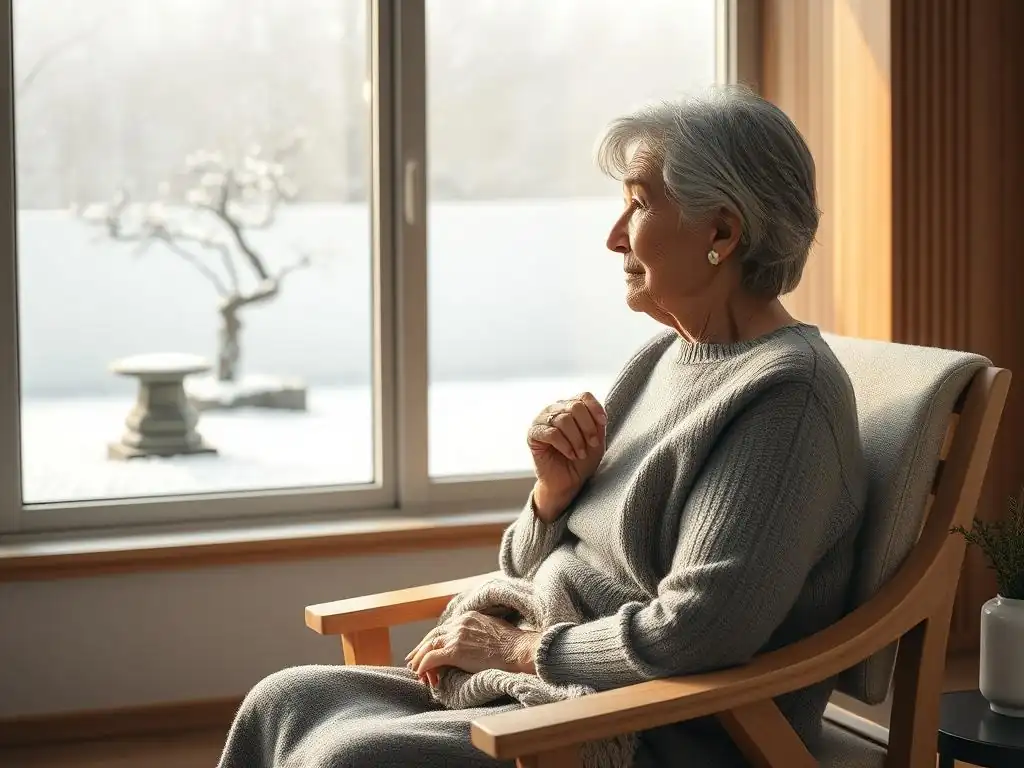
Finding Purpose: Helping Seniors Find Meaning and Value
A sense of purpose is a powerful protective factor against depression and suicidal ideation in older adults. Retirement, health issues, or the loss of loved ones can strip away previous sources of meaning. Helping seniors discover or rediscover activities and roles that provide a sense of value is crucial for preventing suicide older adults.
This could involve finding new hobbies, volunteering, mentoring others, pursuing creative endeavors, or engaging in spiritual practices. Encouraging them to share their wisdom and life experiences can also provide a profound sense of purpose and connection. Facilitating opportunities for older adults to contribute to their families or communities is a key aspect of building resilience.
Healthy Coping Mechanisms: Managing Stress and Emotions
Developing and utilizing healthy coping mechanisms is essential for older adults navigating the challenges of aging. This includes learning to manage stress effectively, process grief, and regulate difficult emotions. Unhealthy coping strategies, such as excessive alcohol use or social withdrawal, can exacerbate problems and increase suicide risk.
Healthy coping might involve talking about feelings with a trusted person, practicing relaxation techniques like deep breathing or meditation, engaging in regular physical activity, or creative expression. Learning problem-solving skills to address specific challenges, like managing chronic pain or adapting to a new living situation, is also a vital coping skill.
Physical Health and Wellbeing: The Mind-Body Connection
The connection between physical health and mental wellbeing is particularly pronounced in older adults. Chronic pain, mobility issues, and illness can significantly impact mood and quality of life, increasing vulnerability to depression and suicidal thoughts. Conversely, maintaining physical health can bolster mental resilience, contributing to preventing suicide older adults.
Encouraging healthy habits such as balanced nutrition, regular exercise (as appropriate for their ability), and getting sufficient sleep is important. Ensuring older adults have access to good medical care, including pain management and treatment for chronic conditions, is not just about physical health; it's a critical component of mental health support and suicide prevention.
Resources and Support for Suicide Prevention in Older Adults
National Suicide Prevention Lifeline: Immediate Crisis Support
For older adults experiencing a suicidal crisis, or for loved ones concerned about someone, the National Suicide Prevention Lifeline (now the 988 Suicide & Crisis Lifeline in the U.S.) provides immediate, confidential support. Available 24/7 via phone or text, this service connects callers with trained crisis counselors who can provide support and resources.
Reaching out to a crisis line is a brave and important step. The counselors are experienced in talking with people of all ages, including older adults, and can offer a compassionate ear and guidance during a moment of intense distress. Promoting awareness of this resource is key in preventing suicide older adults.
Mental Health Organizations: Connecting with Local Resources
Numerous national and local mental health organizations offer valuable resources for older adults and their families. Organizations focusing on mental health often have information about symptoms of depression and anxiety, treatment options, and how to find mental health professionals specializing in geriatric care.
Many of these organizations can also provide referrals to local therapists, support groups, and community mental health centers. Websites often feature articles, guides, and sometimes online screening tools. Connecting with these organizations can help individuals and families navigate the complex landscape of mental healthcare.
Area Agencies on Aging: Support Services for Older Adults
Area Agencies on Aging (AAAs) are local organizations across the United States that provide a wide range of services and support specifically for older adults and their caregivers. While not solely focused on mental health, they play a crucial role in preventing suicide older adults by addressing many underlying risk factors.
AAAs can help older adults access services like transportation, meal programs, in-home assistance, and social activities, all of which combat isolation and improve quality of life. They can also provide information and referrals to local mental health services, support groups, and benefits counseling. Connecting with an AAA can be a vital step in accessing a network of support.
The Future of Suicide Prevention for Older Adults
Advancing Research: Understanding Suicide Risk
Continued research is essential to deepen our understanding of the unique factors contributing to suicide risk in older adults. This includes exploring the complex interplay between physical health, mental health, social determinants, and specific life transitions in later life. Research can also help identify which prevention strategies are most effective for different subgroups of older adults.
Investing in research allows for the development of more targeted and effective interventions. For instance, studies might examine the impact of specific types of social programs, the effectiveness of different therapeutic approaches tailored for seniors, or the role of technology in reducing isolation. Advancing our knowledge is fundamental to improving efforts in preventing suicide older adults.
Policy and Advocacy: Promoting Mental Health Services
Policy changes and advocacy efforts are needed to improve access to and the quality of mental health services for older adults. This includes advocating for increased funding for geriatric mental healthcare, integrating mental health screening and treatment into primary care settings, and addressing workforce shortages of mental health professionals trained to work with seniors.
Policies that support caregivers, improve access to affordable healthcare, and promote social inclusion also indirectly contribute to preventing suicide older adults. Advocacy groups play a vital role in raising awareness among policymakers about the mental health needs of this population and pushing for systemic changes.
Creating a Supportive Society: Reducing Stigma and Promoting Wellbeing
Ultimately, preventing suicide older adults requires a societal shift towards reducing the stigma associated with mental health issues and seeking help. Open conversations about mental wellbeing in later life, similar to discussions about physical health, can encourage older adults to express their struggles and seek support without shame.
Creating communities that value and include older adults, providing opportunities for meaningful engagement, and ensuring they have access to necessary resources are all part of building a supportive environment. By fostering a culture of empathy, understanding, and proactive support, we can significantly improve the mental wellbeing of older adults and work towards preventing suicide in this wise and valuable population.
Frequently Asked Questions
What are some of the unique risk factors for suicide in older adults?
Older adults often face social isolation, loss of loved ones, and chronic illness, contributing to feelings of hopelessness and despair. These factors, combined with potentially reduced access to resources, increase their vulnerability.
How can family members and caregivers identify warning signs of suicidal ideation in older adults?
Look for signs like increased withdrawal, giving away possessions, talking about death or feeling like a burden, and changes in eating or sleeping habits. Prompt intervention is crucial.
What specific mental health conditions are frequently associated with suicide risk in older adults?
Depression is a major risk factor, as are conditions like anxiety disorders, bipolar disorder, and substance use disorders. Addressing these underlying conditions is essential.
What resources are available to help prevent suicide in older adults, and where can one find them?
Organizations like the Suicide Prevention Lifeline and the Crisis Text Line offer immediate support. Local mental health services and senior centers provide additional resources and counseling.
What strategies can be implemented to promote mental well-being and reduce suicide risk in older adults?
Encouraging social engagement, promoting physical activity, facilitating access to mental healthcare, and fostering a sense of purpose and meaning can significantly improve well-being and reduce suicide risk.
Final Reflection: The Urgent Need for Wisdom in Aging
The alarming rise in suicide rates among older adults demands immediate and comprehensive action. We've explored the complex interplay of factors contributing to this tragic reality, from the physical and mental health challenges of aging to the social isolation and economic insecurity that can plague later life. This isn't simply a statistic; it's a crisis demanding our collective attention and empathy.
The journey through aging, while often filled with profound wisdom and rich experience, can also be fraught with unexpected difficulties. The societal shift towards a younger-focused culture often leaves older adults feeling marginalized and unheard. Their invaluable contributions and perspectives are sometimes overlooked, leading to feelings of loneliness and worthlessness. The greatest tragedy is not death, but a life unlived.
This quote, while not explicitly about suicide, speaks to the profound loss inherent in a life cut short, particularly when it's a life brimming with potential and untold stories. We must actively combat this societal neglect and foster environments where older adults feel valued, respected, and supported.
You, the reader, now hold the power to make a difference. Consider how you can contribute to a more supportive and understanding community for older adults. Reach out to an elderly neighbor, volunteer at a senior center, or simply lend a listening ear to someone who may be struggling. By fostering connection, empathy, and open communication, we can collectively build a future where wisdom and wellbeing go hand in hand, and where the tragic loss of life to suicide among older adults becomes a distant memory.
Ignite Your Inner Champion: Support Older Adults
Thanks for taking the time to learn about preventing suicide among older adults. You've gained valuable insights into a crucial issue, and now you can make a real difference. Ready to take the next step?
- Reach out to an older adult in your life: A simple phone call, visit, or even a heartfelt card can make a world of difference. Consider scheduling a regular check-in.
- Share this article with someone who cares: Help spread awareness and empower others to support vulnerable loved ones.
- Learn more about local support resources: Explore community organizations offering assistance and counseling to both older adults and their caregivers.
What small act of kindness will you take today to promote wellbeing in your community?