
Decoding Food Labels for AnxietyFriendly Choices.


Welcome to Mind Care Guide, a space dedicated to nurturing your mental well-being. Are you feeling overwhelmed by anxiety and wondering if the answer might be closer than you think – perhaps even in your pantry? We understand. In this guide, we'll delve into how specific foods reduce anxiety symptoms, empowering you to make informed choices and take control of your emotional health. Curious to discover which ingredients can be your allies? Let's explore together...
Decoding Food Labels for Anxiety-Friendly Choices: A Mind Care Guide
- Understanding the Connection Between Diet and Anxiety
- Demystifying Food Labels: A Step-by-Step Guide
- Anxiety-Friendly Ingredients to Look For on Food Labels
- Foods to Avoid or Limit to Minimize Anxiety Symptoms
- Reading Labels for Specific Dietary Needs and Anxiety
- Practical Tips for Anxiety-Friendly Grocery Shopping
- Sample Anxiety-Friendly Meal Plans and Label Reading Examples
- Beyond Food Labels: A Holistic Approach to Anxiety and Diet
-
Frequently Asked Questions
- How can reading food labels help me reduce anxiety?
- What specific ingredients should I look for on food labels if I want to reduce anxiety?
- Are there any specific nutrients I should prioritize when reading food labels to support my mental well-being?
- How can I use food labels to identify hidden sources of caffeine that might be triggering my anxiety?
- What are some examples of "anxiety-friendly" foods I can identify by reading food labels?
- Final Reflection: Nourishing the Mind, One Label at a Time
- Unlock Your Anxiety-Free Diet Today!
Understanding the Connection Between Diet and Anxiety
How Diet Impacts Anxiety Symptoms: The Mind-Gut Connection
The intricate relationship between the brain and the gut, often referred to as the "gut-brain axis," plays a significant role in mental well-being, including anxiety levels. The gut houses trillions of microorganisms, collectively known as the gut microbiome, which influence everything from nutrient absorption to neurotransmitter production.
Research indicates that an imbalanced gut microbiome, often caused by poor dietary choices, can lead to inflammation and disrupt the production of neurotransmitters like serotonin, a key mood regulator. Since about 90% of the body's serotonin is produced in the gut, maintaining a healthy gut environment through careful food choices is crucial for potentially managing anxiety symptoms.
Specific foods can either nourish or harm this delicate ecosystem. For instance, a diet high in processed foods, sugar, and unhealthy fats can promote the growth of harmful bacteria and increase gut permeability, sometimes called "leaky gut," allowing inflammatory substances to enter the bloodstream. This systemic inflammation can then cross the blood-brain barrier, affecting brain function and potentially exacerbating anxiety.
Conversely, foods rich in fiber, probiotics (live beneficial bacteria), and prebiotics (food for beneficial bacteria) support a diverse and healthy gut microbiome, which is associated with improved mood and reduced anxiety. Focusing on foods reduce anxiety symptoms by nurturing this vital connection.
Identifying Anxiety Triggers in Your Diet
Recognizing how specific foods or dietary patterns affect your personal anxiety levels is a powerful step in managing symptoms. While general guidelines exist on foods that tend to increase or decrease anxiety, individual responses can vary widely. Common dietary culprits often include excessive caffeine, high amounts of refined sugar, processed foods lacking essential nutrients, and alcohol. Keeping a food diary can be an effective way to pinpoint personal triggers; noting what you eat and drink alongside your anxiety levels and symptoms throughout the day can reveal patterns that might otherwise go unnoticed.
Beyond common triggers, sensitivities or intolerances to certain foods, such as gluten or dairy, can sometimes manifest as anxiety or exacerbate existing symptoms, though this link is highly individual and not universally experienced. Stress itself can also alter how you digest food and affect your gut, creating a cycle where stress leads to poor eating, which then worsens gut health and potentially increases anxiety. Understanding these potential triggers allows you to make more informed choices when reading food labels, helping you select foods reduce anxiety symptoms rather than worsen them.
Demystifying Food Labels: A Step-by-Step Guide
Understanding Serving Sizes and Nutritional Information
Food labels are designed to provide a snapshot of what's inside the package, but they require careful interpretation. The first piece of crucial information is the serving size. All the nutritional values listed on the label – calories, fat, sugar, protein, vitamins, and minerals – are based on this specific serving size.
It's common for a package to contain multiple servings, so consuming the entire package means consuming the listed nutritional values multiplied by the number of servings it contains. For example, if a bag of chips lists a serving size of 1 ounce and contains 3 servings, eating the whole bag means you've consumed three times the calories, fat, and sodium listed for a single serving.
Paying close attention to serving sizes helps you accurately track your intake of specific nutrients, which is vital when trying to manage anxiety through diet. Understanding how much of a certain food you are actually consuming allows you to control your intake of potential anxiety-exacerbating ingredients like excessive sugar or sodium, or ensure you are getting enough beneficial nutrients known to be found in foods reduce anxiety symptoms, such as magnesium or fiber.
The "Calories per serving" and the breakdown of macronutrients like "Total Fat," "Total Carbohydrate," and "Protein" provide essential context for how the food fits into your overall dietary pattern.
Deciphering Ingredient Lists: What to Look For and Avoid
The ingredient list is arguably the most important part of a food label when focusing on anxiety-friendly choices. Ingredients are listed in descending order by weight, meaning the first few ingredients make up the largest proportion of the food. This section tells you exactly what the food is made of, allowing you to identify whole, unprocessed ingredients versus highly refined or artificial components. For someone looking for foods reduce anxiety symptoms, prioritizing products where the first few ingredients are whole foods like fruits, vegetables, whole grains, or lean proteins is key.
Conversely, the ingredient list helps you spot things to avoid or limit. Look out for long lists of unfamiliar chemicals, artificial colors (like Red 40 or Yellow 5), artificial flavors, and preservatives (like BHA, BHT, or sodium nitrite). These additives have been linked in some studies to behavioral and neurological effects, although the evidence is complex and varies by individual. Being able to quickly scan an ingredient list and identify potential triggers allows you to make safer choices aligned with a diet aimed at reducing anxiety.
Sugar is a common culprit for exacerbating anxiety symptoms in many individuals, often leading to energy crashes and mood swings after initial spikes. Food labels can be tricky because sugar isn't always listed simply as "sugar." Manufacturers use dozens of different names for added sugars to make them seem less prominent on the ingredient list. Examples include high-fructose corn syrup, cane sugar, brown rice syrup, agave nectar, dextrose, fructose, glucose, maltose, sucrose, and ingredients ending in "-ose." If multiple forms of sugar appear high up on the ingredient list, the product likely contains a significant amount of added sugar.
Artificial sweeteners (like aspartame, sucralose, saccharin, and acesulfame potassium) and sugar alcohols (like sorbitol, xylitol, and erythritol) are also used as sugar substitutes. While they don't impact blood sugar in the same way, some individuals report adverse effects, including changes in mood or digestive issues, which can indirectly affect anxiety. Checking the ingredient list for these names is crucial if you are trying to reduce your intake of both added sugars and artificial sweeteners as part of your strategy to find foods reduce anxiety symptoms. The Nutrition Facts panel also now includes "Added Sugars," which is a helpful metric.
Anxiety-Friendly Ingredients to Look For on Food Labels
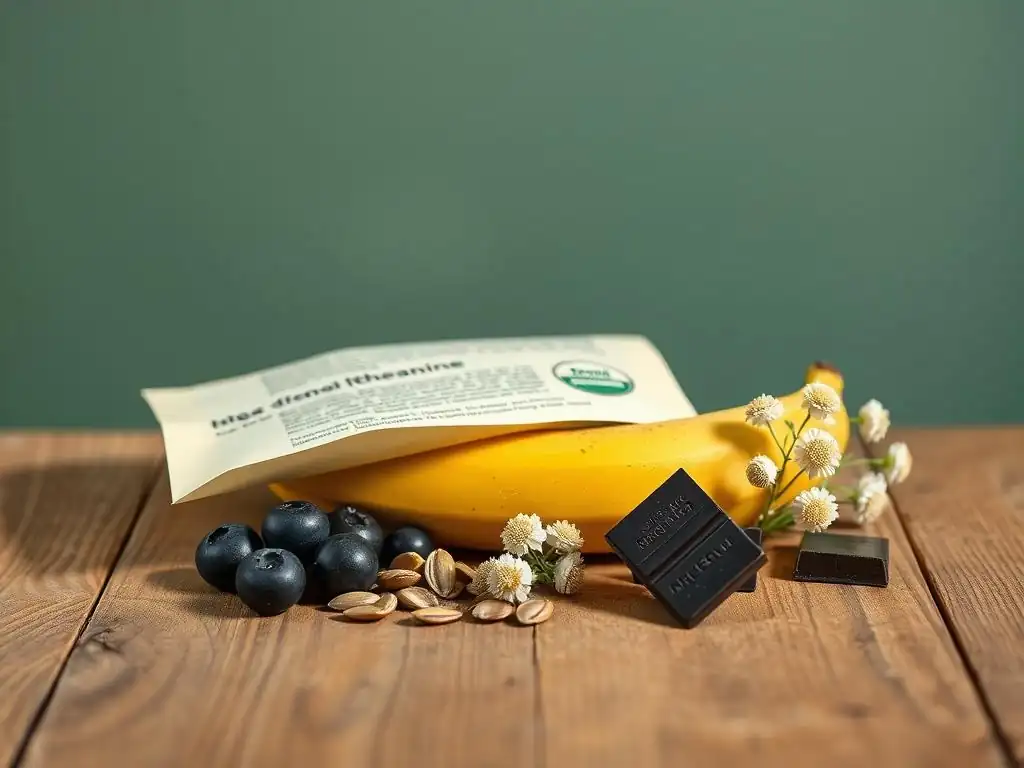
Magnesium-Rich Foods: A Natural Anxiety Reducer
Magnesium is an essential mineral involved in hundreds of bodily functions, including nerve and muscle function, blood sugar control, and blood pressure regulation. It plays a critical role in activating the parasympathetic nervous system, the system responsible for calming and relaxing the body. Studies have shown a link between magnesium deficiency and increased anxiety and depression. While severe deficiency is uncommon, many people don't consume adequate amounts through their diet. Ensuring sufficient magnesium intake is a key strategy when focusing on foods reduce anxiety symptoms.
When reading labels, look for foods that are naturally good sources of magnesium or are fortified with it. Excellent sources include leafy green vegetables (though you won't find labels on fresh produce, they are still crucial), nuts and seeds (like almonds, cashews, pumpkin seeds, and chia seeds), legumes (beans and lentils), and whole grains (brown rice, quinoa, oats). Checking the % Daily Value (%DV) for magnesium on the Nutrition Facts panel can help you identify foods that contribute significantly to your daily needs. A product with 20% DV or more per serving is considered a high source.
Omega-3 Fatty Acids: Supporting Brain Health and Reducing Anxiety
Omega-3 fatty acids, particularly EPA (eicosapentaenoic acid) and DHA (docosahexaenoic acid), are polyunsaturated fats known for their powerful anti-inflammatory properties and crucial role in brain health. The brain is composed of a significant amount of fat, and omega-3s are vital building blocks for brain cell membranes. Research suggests that regular consumption of omega-3s can help regulate neurotransmitters, reduce inflammation in the brain, and positively impact mood and anxiety levels. Including foods rich in these healthy fats is a smart move for anyone seeking foods reduce anxiety symptoms.
Identifying omega-3s on food labels usually involves looking for specific sources in the ingredient list or checking the "Total Fat" section on the Nutrition Facts panel, although specific omega-3 content isn't always listed unless the product is fortified or a primary source like fish oil. The best dietary sources are fatty fish such as salmon, mackerel, sardines, and anchovies.
Plant-based sources include flaxseeds, chia seeds, walnuts, and hemp seeds, which contain ALA (alpha-linolenic acid), a precursor that the body can convert into EPA and DHA, albeit inefficiently for some individuals. Look for products listing these ingredients or those fortified with algal oil (a vegetarian source of EPA/DHA).
Probiotics and Prebiotics: Nurturing Gut Health for Anxiety Relief
A healthy gut microbiome is increasingly recognized as foundational for mental well-being. Probiotics are live, beneficial bacteria similar to those naturally found in the gut, while prebiotics are non-digestible fibers that feed these beneficial bacteria. Consuming adequate amounts of both can help maintain a balanced and diverse gut flora, which supports the production of calming neurotransmitters and reduces gut inflammation that can impact the brain. Incorporating foods rich in probiotics and prebiotics is a key strategy among foods reduce anxiety symptoms.
When label reading, look for products that explicitly state they contain "live and active cultures" or specific probiotic strains, commonly found in yogurt, kefir, sauerkraut, kimchi, and other fermented foods. The ingredient list might also mention specific probiotic strains (e.g., Lactobacillus acidophilus, Bifidobacterium species). For prebiotics, look for ingredients high in fiber, such as chicory root fiber (inulin), oats, bananas, onions, garlic, and asparagus. While fresh produce doesn't have labels, many packaged goods like granola bars, yogurts, or fortified cereals may list added fibers that function as prebiotics.
Antioxidant Powerhouses: Fighting Inflammation and Anxiety
Chronic inflammation in the body and brain is increasingly linked to various mental health conditions, including anxiety. Antioxidants are compounds found in foods that help protect cells from damage caused by unstable molecules called free radicals, thereby reducing inflammation. A diet rich in a variety of antioxidants can contribute to overall brain health and resilience against stress and anxiety. Prioritizing foods high in these protective compounds is a crucial aspect of finding foods reduce anxiety symptoms.
Identifying antioxidants on labels usually involves looking for foods naturally rich in vitamins C and E, carotenoids, flavonoids, and polyphenols. While specific antioxidant levels aren't typically listed, the ingredient list can signal their presence. Look for ingredients like berries (blueberries, strawberries), dark leafy greens (kale, spinach), nuts and seeds, dark chocolate (with high cocoa content), and colorful fruits and vegetables. Packaged goods containing extracts from these foods might also list them. The presence of ingredients like green tea extract, cocoa powder (high in flavanols), or various fruit/vegetable powders often indicates antioxidant content.
Foods to Avoid or Limit to Minimize Anxiety Symptoms
Processed Foods and Anxiety: The Negative Impact
Highly processed foods, such as sugary snacks, refined grains, fast food, and packaged convenience meals, are often low in essential nutrients and high in ingredients that can negatively impact mood and anxiety levels. These foods typically contain excessive amounts of added sugars, unhealthy fats (trans fats and high levels of omega-6 fatty acids), sodium, and artificial additives. A diet heavy in processed foods can lead to rapid blood sugar fluctuations, promote systemic inflammation, disrupt the gut microbiome, and potentially deprive the brain of the nutrients it needs to function optimally.
When reading labels, identifying processed foods is relatively straightforward. Look for long ingredient lists containing many unfamiliar names, ingredients high in added sugars and unhealthy fats near the top, and the presence of artificial colors, flavors, and preservatives. These foods often lack the fiber, vitamins, minerals, and beneficial compounds found in whole, unprocessed foods that act as foods reduce anxiety symptoms. Choosing items with minimal processing and simple, recognizable ingredient lists is a fundamental step in an anxiety-friendly diet.
Caffeine and Anxiety: A Delicate Balance
Caffeine is a stimulant found in coffee, tea, soda, energy drinks, and chocolate. While moderate caffeine intake can improve focus and mood for some, it can significantly exacerbate anxiety symptoms in others. Caffeine stimulates the central nervous system, increasing heart rate, blood pressure, and the stress hormone cortisol, which can mimic or intensify feelings of anxiety, nervousness, and restlessness. Individual sensitivity to caffeine varies widely based on genetics and metabolism.
Checking labels for caffeine content is essential if you are sensitive. Coffee and tea labels may indicate caffeine levels (though brewed amounts vary). Soft drinks and energy drinks almost always list caffeine as an ingredient, often with the specific amount per serving. Chocolate labels don't typically list caffeine content but contain varying amounts depending on the cocoa percentage (darker chocolate has more). Being mindful of caffeine sources and amounts allows you to manage your intake and avoid a common trigger that counteracts the benefits of foods reduce anxiety symptoms.
Artificial Additives and Anxiety: Understanding the Risks
Artificial additives, including synthetic colors, flavors, and preservatives, are used in many processed foods to enhance appearance, taste, or shelf life. While regulatory bodies deem many additives safe in small amounts, concerns remain about their potential impact on behavior and neurological health, particularly in sensitive individuals. Some studies and anecdotal reports suggest links between certain artificial colors (like tartrazine, or Yellow 5) and hyperactivity or anxiety in children and adults, although conclusive evidence is still developing.
Reading the ingredient list is the primary way to identify these additives. Look for names like "artificial color," "artificial flavor," specific color names followed by a number (e.g., "Blue 1," "Red 40"), or preservatives like BHA, BHT, potassium sorbate, or sodium benzoate. Choosing foods with shorter ingredient lists that are free from these synthetic compounds is a precautionary approach for minimizing potential dietary triggers and focusing on foods reduce anxiety symptoms.
High-Sodium Foods and Anxiety: Potential Links
While the link is less direct than sugar or caffeine, consuming excessive amounts of sodium (salt) can potentially impact anxiety for some people. High sodium intake can lead to increased blood pressure and fluid retention, which might cause feelings of physical discomfort or stress that could heighten anxiety. Furthermore, many high-sodium foods are also highly processed, containing other ingredients that are known anxiety triggers.
Check the "Sodium" content on the Nutrition Facts panel. The %DV helps gauge if a serving is high in sodium (20% DV or more is considered high). Also, look at the ingredient list for salt or sodium-containing compounds like sodium nitrate, sodium bicarbonate, or monosodium glutamate (MSG). Processed meats, canned soups, packaged snacks, and fast food are typically very high in sodium. Opting for fresh or minimally processed foods allows you to control sodium intake more effectively, complementing your efforts to find foods reduce anxiety symptoms.
Reading Labels for Specific Dietary Needs and Anxiety
Gluten Sensitivity and Anxiety: What to Consider
For individuals with diagnosed celiac disease or non-celiac gluten sensitivity, consuming gluten can trigger a range of symptoms beyond digestive issues, including fatigue, brain fog, and sometimes anxiety or depression. The exact mechanisms are still being researched, but inflammation and immune responses are thought to play a role. If you suspect gluten is affecting your anxiety, or have been diagnosed with a sensitivity, reading labels carefully to avoid gluten is essential.
Look for "Gluten-Free" certification labels, which indicate the product meets strict standards (typically less than 20 parts per million of gluten). On the ingredient list, look for wheat, barley, rye, and malt (unless specified as gluten-free malt). Oats are naturally gluten-free but can be cross-contaminated during processing; look for "certified gluten-free oats." Many processed foods contain hidden gluten as fillers or thickeners, so scrutinizing the ingredient list is vital. Choosing certified gluten-free foods allows those with sensitivities to focus on foods reduce anxiety symptoms without triggering adverse reactions.
Lactose Intolerance and Anxiety: Finding Alternatives
Lactose intolerance, the inability to fully digest lactose (the sugar in milk), primarily causes digestive symptoms like bloating, gas, and diarrhea. While not a direct cause of anxiety, the discomfort and stress caused by these physical symptoms can certainly exacerbate feelings of anxiety for some individuals. Finding lactose-free alternatives is key if you are lactose intolerant and notice a link to your anxiety.
Check labels for "Lactose-Free" claims or look for dairy-free alternatives. On ingredient lists, avoid milk, cream, cheese, butter, whey, and casein unless specified as lactose-free. Many non-dairy milk alternatives (almond, soy, oat, coconut milk) are widely available; check their labels for added sugars or other ingredients that might be less anxiety-friendly. Lactase enzyme supplements can also be used to help digest lactose in dairy products. Managing lactose intolerance effectively minimizes physical discomfort that could indirectly worsen anxiety, allowing you to focus on other foods reduce anxiety symptoms.
Allergies and Anxiety: Managing Food Allergies Effectively
Diagnosed food allergies can cause severe, immediate reactions and are a significant source of anxiety for individuals and their families. Beyond the acute fear of a reaction, chronic inflammation and stress from accidental exposures or constant vigilance can impact mental health. Strictly avoiding allergens is paramount, and accurate label reading is the primary tool for this.
In many countries, major allergens (like peanuts, tree nuts, milk, eggs, soy, wheat, fish, and shellfish) must be clearly listed on packaging, often in a separate "Contains" statement near the ingredient list or bolded within the list. Always read the entire ingredient list and look for precautionary statements like "May contain..." or "Processed in a facility that also handles..." While not legally binding in all regions, these warnings indicate a risk of cross-contamination. For individuals with food allergies, meticulous label reading is not just about finding foods reduce anxiety symptoms, but about safety and peace of mind.
Practical Tips for Anxiety-Friendly Grocery Shopping

Planning Your Meals and Creating a Shopping List
Entering a grocery store without a plan can be overwhelming and lead to impulse buys, often resulting in purchasing less healthy, more processed foods that may not align with an anxiety-friendly diet. Before you go, take some time to plan your meals for the week. Think about breakfasts, lunches, dinners, and snacks. Base your meal ideas around whole, unprocessed foods known to be good sources of nutrients that support mental well-being, such as leafy greens, fatty fish, nuts, seeds, and whole grains – the types of foods reduce anxiety symptoms.
Once you have your meal plan, create a detailed shopping list based on the ingredients you need. Organize your list by sections of the grocery store (produce, dairy/alternatives, pantry, etc.) to make shopping more efficient and less stressful. Sticking to your list helps you avoid aisles filled with tempting, less healthy options and keeps you focused on selecting foods that nourish both your body and mind.
Reading Labels Before You Buy: Making Informed Choices
The grocery store is where your label-decoding skills come into play. Make it a habit to read the labels of products before they go into your cart, especially for packaged or processed items. Don't just look at the front of the package, which is often designed to be appealing and may highlight marketing claims ("Natural," "Healthy," "Fortified") that don't tell the whole story. Turn the package over and examine the Nutrition Facts panel and the ingredient list carefully.
Compare different brands of the same product. For example, when buying yogurt, compare the "Added Sugars" and look for brands with live and active cultures. When choosing bread, check that the first ingredient is a whole grain and look for fiber content, while minimizing added sugars and unnecessary additives. Taking this extra minute per item empowers you to make informed choices, ensuring you are selecting foods reduce anxiety symptoms and support your overall well-being.
Choosing Whole, Unprocessed Foods Whenever Possible
A cornerstone of an anxiety-friendly diet is prioritizing whole, unprocessed foods. These foods are typically found around the perimeter of the grocery store – the produce section, the meat/fish counter, the dairy/refrigerated section (for items like yogurt or eggs), and bulk bins for nuts, seeds, and grains. These items often don't even have traditional nutrition labels because they are in their natural state, a good sign that they are minimally processed.
Incorporating a wide variety of colorful fruits and vegetables, lean proteins, healthy fats, and complex carbohydrates from whole sources provides the broadest spectrum of vitamins, minerals, fiber, and antioxidants. These nutrients are essential for brain health, neurotransmitter function, and reducing inflammation – all factors linked to anxiety. While some packaged whole foods exist (like bags of nuts or dried lentils), making the bulk of your cart consist of items without extensive labels is a powerful strategy for finding foods reduce anxiety symptoms.
Stocking Your Pantry with Anxiety-Reducing Staples
Having a well-stocked pantry with anxiety-friendly staples makes healthy eating easier and reduces stress when preparing meals. Instead of reaching for processed snacks when feeling anxious or pressed for time, you'll have readily available options that support your mental health goals. When shopping, focus on purchasing these core items.
Examples of pantry staples include:
- Whole Grains: Oats, quinoa, brown rice, whole wheat pasta.
- Legumes: Canned or dried beans, lentils, chickpeas.
- Nuts and Seeds: Almonds, walnuts, chia seeds, flaxseeds, pumpkin seeds (unsalted).
- Canned Fish: Salmon, sardines, tuna (packed in water or olive oil).
- Healthy Fats: Olive oil, avocado oil.
- Herbs and Spices: To add flavor without relying on salt or sugar.
- Dried Fruits: In moderation (check for added sugar).
- Tea: Herbal teas like chamomile or peppermint (check for added sugar or artificial flavors).
- Dark Chocolate: Choose varieties with 70% cocoa or higher (check sugar content).
Filling your pantry with these items, identified through careful label reading (where applicable), ensures you always have ingredients on hand to prepare nourishing meals and snacks that contribute to reducing anxiety symptoms.
Sample Anxiety-Friendly Meal Plans and Label Reading Examples
Breakfast Ideas for Anxiety Relief: Label Reading in Action
Starting the day with a balanced, nutrient-dense breakfast can help stabilize blood sugar and provide sustained energy, preventing the crashes that can worsen anxiety. An ideal anxiety-friendly breakfast often includes complex carbohydrates, protein, and healthy fats. Let's look at some examples and how label reading applies:
- Oatmeal with Berries and Nuts: Choose "rolled oats" or "steel-cut oats." The label should simply list "oats" as the ingredient. Avoid instant oatmeal packets that are often loaded with added sugars and artificial flavors – check the ingredient list for sugar sources and the Nutrition Facts for "Added Sugars." Add fresh or frozen berries (no label needed for fresh, check frozen for added sugar) and a handful of unsalted nuts like walnuts or almonds (check nut labels for "Ingredients: Almonds" and verify they are unsalted; check Nutrition Facts for Omega-3 content in walnuts). This meal provides fiber, complex carbs, antioxidants, and healthy fats, all contributing to foods reduce anxiety symptoms.
- Greek Yogurt with Chia Seeds and Fruit: Select plain, unsweetened Greek yogurt. The label should list "cultured milk" as the main ingredient. Compare brands for protein content. Avoid flavored yogurts which can have significant amounts of added sugar – look for "Added Sugars" on the Nutrition Facts. Add chia seeds (check label: "Ingredients: Chia Seeds") for omega-3s and fiber, and fresh fruit.
Lunch Options for a Calm Mind: Decoding the Labels
Lunch is an opportunity to refuel and maintain stable energy levels throughout the afternoon. Focusing on lean protein, plenty of vegetables, and complex carbs is key.
- Salmon Salad with Mixed Greens: Choose canned salmon packed in water or olive oil. Check the label for "Ingredients: Salmon, Water/Olive Oil, Salt (optional)." Look for wild-caught salmon if available, often indicated on the label, as it may have higher omega-3 content. Combine with fresh greens (no label needed for fresh), chopped vegetables, and a simple dressing made with olive oil (check label: "Ingredients: Extra Virgin Olive Oil") and vinegar. This meal provides omega-3s and antioxidants, supporting brain health as part of foods reduce anxiety symptoms.
- Lentil Soup: If buying pre-made soup, label reading is crucial. Look for varieties with lentils, vegetables, and a broth based on water or low-sodium vegetable/chicken stock. Check the ingredient list for excessive sodium, added sugars, artificial flavors, or preservatives. A "low sodium" or "reduced sodium" claim (meaning at least 25% less sodium than the standard product) is preferable. Making soup from scratch using dried lentils (label: "Ingredients: Lentils") and fresh vegetables is the most controlled option. Lentils provide fiber and protein, contributing to stable blood sugar and gut health.
Dinner Recipes to Reduce Anxiety Symptoms: A Label-Focused Approach
Dinner should be nourishing and satisfying without being overly heavy, promoting restful sleep which is crucial for anxiety management.
- Chicken Stir-fry with Brown Rice: Choose lean chicken breast (no label needed for fresh meat). Use plenty of fresh vegetables (broccoli, bell peppers, carrots - no labels needed). Select brown rice (check label: "Ingredients: Whole Grain Brown Rice"). Avoid white rice, which is a refined grain. For the sauce, make your own using soy sauce or tamari (look for "low sodium" or "reduced sodium" versions - check label), ginger, garlic, and a touch of sesame oil (check label: "Ingredients: Sesame Oil"). Avoid pre-made stir-fry sauces that are often very high in sodium and added sugar – check their labels meticulously for these. This meal combines lean protein, complex carbs, and nutrient-rich vegetables, providing sustained energy and essential nutrients.
- Baked Cod with Roasted Vegetables: Purchase fresh cod fillets (no label needed). Choose vegetables like Brussels sprouts, sweet potatoes, or zucchini for roasting (no labels needed for fresh). Drizzle with olive oil (check label: "Ingredients: Extra Virgin Olive Oil") and season with herbs and spices (check spice labels for "Ingredients: [Spice Name]" and ensure no added salt or anti-caking agents if preferred). Cod is a source of lean protein and some omega-3s, complementing other foods reduce anxiety symptoms.
Beyond Food Labels: A Holistic Approach to Anxiety and Diet
Stress Management Techniques to Complement Dietary Changes
While focusing on foods reduce anxiety symptoms through careful label reading is a powerful strategy, diet is only one piece of the puzzle in managing anxiety. Stress itself can significantly impact your gut health, digestion, and even your food choices. Implementing effective stress management techniques is crucial for a holistic approach. Practices such as mindfulness meditation, deep breathing exercises, yoga, spending time in nature, or engaging in hobbies you enjoy can lower cortisol levels and activate the parasympathetic nervous system, creating a physiological state more conducive to calm.
Regular physical activity is another potent stress reliever and mood booster. Even moderate exercise, like a brisk walk, can release endorphins and help reduce tension. Combining mindful eating – paying attention to how you eat, not just what you eat – with these stress-reducing activities can amplify the positive effects of your dietary changes on your anxiety levels. Managing stress directly supports your body's ability to benefit from nutrient-dense foods.
The Importance of Hydration for Anxiety
Often overlooked, adequate hydration is fundamental for overall physical and mental health. Dehydration, even mild, can cause symptoms like fatigue, dizziness, headaches, and difficulty concentrating, which can mimic or worsen feelings of anxiety and irritability. Maintaining proper fluid balance helps regulate bodily functions, including those related to mood and stress response.
While water doesn't have a label, making it your primary beverage choice is key. Be mindful of the labels on other drinks. Sugary sodas, energy drinks, and excessive caffeine or alcohol can contribute to dehydration and negatively impact anxiety. Even seemingly healthy beverages like juices can be high in sugar – check their labels for "Added Sugars" and serving size. Aim to drink plain water consistently throughout the day. Herbal teas (check labels for additives) are also good hydration options that can have calming properties, further supporting your efforts to find foods reduce anxiety symptoms and maintain overall well-being.
Consulting with a Nutritionist or Dietitian for Personalized Guidance
Understanding food labels and general dietary guidelines for anxiety is a great starting point, but individual needs and responses to food can vary significantly. Factors like metabolism, existing health conditions, medications, allergies, intolerances, and lifestyle all play a role in how diet affects your anxiety. For personalized, evidence-based advice, consulting with a registered dietitian or nutritionist is highly recommended.
A qualified professional can help you assess your current dietary habits, identify potential nutritional deficiencies or triggers specific to you, and develop a tailored eating plan that aligns with your anxiety management goals and preferences. They can also provide expert guidance on reading labels for your unique situation, such as navigating complex allergies or specific nutrient needs. Working with a dietitian ensures you are making the most effective dietary choices as part of your broader strategy to incorporate foods reduce anxiety symptoms into your life safely and effectively.
Frequently Asked Questions
How can reading food labels help me reduce anxiety?
Reading food labels allows you to identify foods high in added sugar, processed ingredients, and artificial additives, which can exacerbate anxiety symptoms. By avoiding these, you can make more informed and anxiety-friendly choices.
What specific ingredients should I look for on food labels if I want to reduce anxiety?
Focus on limiting ingredients like high fructose corn syrup, artificial sweeteners, and trans fats. Look for foods rich in whole grains, fiber, and natural ingredients instead.
Are there any specific nutrients I should prioritize when reading food labels to support my mental well-being?
Yes, prioritize foods containing omega-3 fatty acids, magnesium, and B vitamins. These nutrients are crucial for brain health and can help regulate mood.
Check labels for ingredients like guarana, yerba mate, and kola nut, which are natural sources of caffeine. Be mindful of serving sizes, as caffeine content can vary.
What are some examples of "anxiety-friendly" foods I can identify by reading food labels?
Look for foods with labels indicating they are low in sodium, low in sugar, and rich in fiber. Examples include plain yogurt, oatmeal, and whole-grain bread without added sugar.
Final Reflection: Nourishing the Mind, One Label at a Time
Understanding food labels isn't just about calories and macros; it's about decoding the direct impact on our mental wellbeing. The choices we make in the grocery store directly influence our anxiety levels, a fact often overlooked in the rush of daily life. This article highlighted the crucial link between diet and anxiety, empowering readers to make informed decisions that support their mental health journey.
The journey towards managing anxiety is deeply personal, and for me, learning to read food labels became a pivotal step in taking control of my own well-being. It's not about restrictive dieting, but about mindful consumption. Understanding the hidden sugars, artificial additives, and processed ingredients that can exacerbate anxiety symptoms is empowering. The body is your temple. Keep it pure and clean for the mind to reside in.
This quote, though simple, encapsulates the profound connection between what we consume and how we feel. The ongoing influence of this knowledge continues to ripple through our society, as more people recognize the power of nutrition in mental health.
Now, I invite you to take this knowledge and apply it to your own life. Start small: examine one food label today, paying attention to the ingredients. Make a conscious choice to swap out a processed snack for a whole-food alternative. This isn't about perfection, but about progress. By making small, mindful changes to your diet, you are investing in your mental and physical health. Remember, nourishing your body is an act of self-love, and that love is the foundation for managing anxiety and building a life filled with peace and well-being.
Unlock Your Anxiety-Free Diet Today!
Thanks for taking the time to learn how to navigate food labels and make anxiety-friendly choices! You've now got the knowledge to take control of your diet and its impact on your well-being. Ready to put it into practice?
- Start by tackling one label today: Choose a new food item at the grocery store and meticulously analyze its ingredients and nutritional information using the techniques you've learned.
- Share your discoveries: Tell us about your experience decoding a challenging label! What surprised you? What did you learn? Share your wins and challenges in the comments below.
- Explore anxiety-friendly recipes: Search online for recipes that align with the principles we've covered, focusing on whole foods and minimizing processed ingredients.
What simple swap could you make in your diet this week that will positively impact your anxiety?