
Sleep's Crucial Role in Balancing Your Amygdala and Anxiety

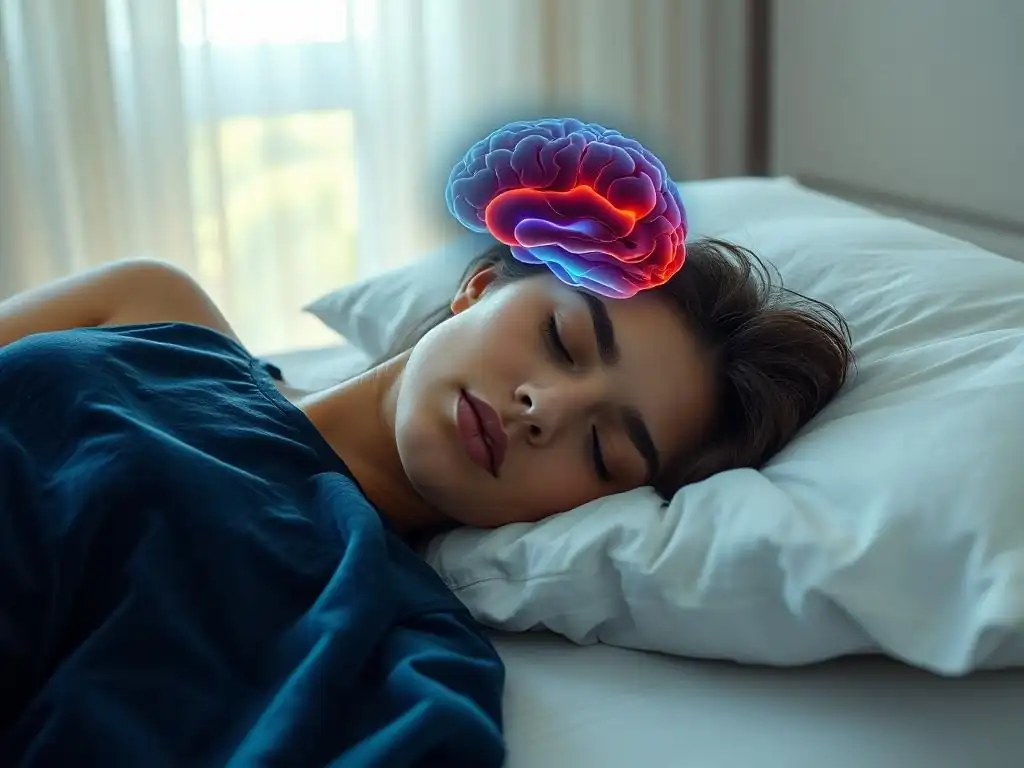
Welcome to Mind Care Guide, where we understand the intricate connection between your mind and well-being.
Ever wondered why a restless night can amplify your worries? Dive in as we explore the neuroscience behind sleep and anxiety, specifically focusing on sleep anxiety management techniques effective for calming your amygdala and paving the way for peaceful slumber. Discover how reclaiming your sleep can be the key to unlocking a more balanced and resilient you. Let's begin.
Sleep's Crucial Role in Balancing Your Amygdala and Anxiety
- Understanding the Amygdala's Role in Anxiety
- The Link Between Sleep Deprivation and Amygdala Function
- Sleep Anxiety Management Techniques: An Effective Approach
- The Science Behind Sleep and Amygdala Regulation
- Practical Strategies for Better Sleep and Reduced Anxiety
- When to Seek Professional Help for Sleep Anxiety
- Conclusion: Sleep as a Powerful Tool for Managing Amygdala-Related Anxiety
-
Frequently Asked Questions
- How does sleep relate to anxiety, especially in the context of the amygdala?
- What are some Sleep anxiety management techniques effective that I can start using tonight?
- If my anxiety is specifically related to sleep (sleep anxiety), what resources are available to help?
- How can I improve my overall sleep hygiene to reduce anxiety symptoms?
- When should I seek professional help for sleep anxiety?
- Final Reflection: Unraveling the Sleep-Anxiety Connection
- Unleash Your Inner Calm: Take Control of Your Amygdala
Understanding the Amygdala's Role in Anxiety
The Amygdala: Your Brain's Fear Center
Nestled deep within the temporal lobes of your brain lies the amygdala, a small, almond-shaped structure that plays a pivotal role in processing emotions, particularly fear and threat. Often referred to as the brain's "fear center," the amygdala is constantly scanning your environment for potential dangers, a function critical for survival throughout human evolution. When it detects something it perceives as a threat, whether real or imagined, it quickly initiates a cascade of physiological responses known as the "fight or flight" reaction.
This rapid response is why your heart might race, your palms might sweat, or you might feel a sudden urge to flee when startled. The amygdala's primary job is to ensure you react quickly to protect yourself. In a healthy brain, this response is proportionate to the actual threat and subsides once the danger has passed. However, in individuals prone to anxiety, the amygdala can become overly sensitive, triggering these intense fear responses even in the absence of genuine peril.
How the Amygdala Triggers Anxiety Responses
When the amygdala identifies a potential threat, it sends signals to various parts of the brain and body. It communicates with the hypothalamus, which activates the sympathetic nervous system, leading to the release of stress hormones like adrenaline and cortisol. This hormonal surge prepares the body for action – increasing heart rate, diverting blood flow to muscles, and sharpening senses. Simultaneously, the amygdala interacts with the prefrontal cortex, the brain's executive control center, which is supposed to help regulate and contextualize the threat response.
However, the amygdala's response is often faster and more primitive than the prefrontal cortex's analytical processing. This can lead to immediate, instinctual reactions before the rational part of the brain has fully assessed the situation. For someone experiencing anxiety, this system can become dysregulated, causing the amygdala to fire off alarm signals frequently and intensely, even in response to benign stimuli like a crowded room or a social interaction. This heightened state of alert contributes directly to the persistent feelings of worry, nervousness, and dread characteristic of anxiety disorders.
Amygdala Hyperactivity and Anxiety Disorders
Research using neuroimaging techniques like fMRI has consistently shown that individuals with anxiety disorders, such as Generalized Anxiety Disorder (GAD), Panic Disorder, and Post-Traumatic Stress Disorder (PTSD), often exhibit increased activity and reactivity in the amygdala compared to those without these conditions. For example, studies have observed that the amygdala in people with GAD shows exaggerated responses to uncertain or ambiguous stimuli, perceiving them as more threatening.
This hyperactivity means the amygdala is essentially on high alert more often, misinterpreting neutral cues as dangerous and triggering the stress response system unnecessarily. Furthermore, in conditions like PTSD, the amygdala can become permanently altered, leading to persistent fear responses even years after a traumatic event. While other brain regions, such as the prefrontal cortex and hippocampus, also play a role, the overactive amygdala is a central player in the neurological underpinnings of many anxiety disorders, making it a key target for understanding and managing these conditions.
The Link Between Sleep Deprivation and Amygdala Function
Sleep Loss Amplifies Amygdala Reactivity
One of the most significant findings in neuroscience regarding sleep deprivation is its profound impact on the amygdala. Studies, including those conducted at institutions like UC Berkeley, have demonstrated that even a single night of poor sleep can dramatically increase the amygdala's sensitivity to negative stimuli. For instance, functional MRI scans have shown that after sleep deprivation, the amygdala exhibits up to 60% greater reactivity to disturbing images compared to when the same individuals are well-rested.
This amplified response means that without sufficient sleep, your brain's fear center is essentially operating without its usual brakes, making you more likely to perceive everyday events as threatening. This heightened state of alert directly fuels feelings of anxiety and makes it harder to cope with stress. It's like having your internal alarm system set to maximum sensitivity, going off at the slightest disturbance.
How Poor Sleep Increases Anxiety Sensitivity
Beyond simply making the amygdala more reactive, sleep deprivation also impairs the communication between the amygdala and the prefrontal cortex. The prefrontal cortex is responsible for higher-level cognitive functions, including rational decision-making, impulse control, and, importantly, regulating emotional responses initiated by the amygdala. Think of the prefrontal cortex as the wise manager that can calm down the panicked employee (the amygdala).
When you are sleep-deprived, the connection between these two regions weakens. This reduced connectivity means the prefrontal cortex is less effective at dampening the amygdala's alarm signals. Consequently, the feeling of fear or anxiety triggered by the amygdala persists and escalates unchecked. This impaired communication contributes significantly to the increased anxiety sensitivity experienced after poor sleep, making individuals more vulnerable to worry, stress, and even panic attacks.
The Impact of Sleep on Emotional Regulation
Sleep, particularly REM sleep, is crucial for processing emotional experiences and consolidating emotional memories. During sleep, the brain works to integrate emotional information and reduce the intensity associated with negative events. This process helps to "detox" the brain from the emotional residue of the day, allowing you to wake up feeling more emotionally balanced.
Conversely, insufficient sleep disrupts this vital emotional processing. Without adequate sleep, particularly the REM stage, the brain struggles to properly process emotional information. This can lead to a build-up of unprocessed emotional stress, making individuals more emotionally volatile and less resilient to daily challenges. The impaired emotional regulation caused by poor sleep further exacerbates anxiety symptoms and makes effective sleep anxiety management techniques all the more important.
Sleep Anxiety Management Techniques: An Effective Approach
Prioritizing Sleep Hygiene for Anxiety Reduction
Establishing consistent and healthy sleep habits, known as sleep hygiene, is one of the most effective sleep anxiety management techniques available. Good sleep hygiene creates the optimal conditions for falling asleep and staying asleep, which in turn helps regulate the amygdala and reduce overall anxiety levels. It involves making conscious choices about your daily routine and sleep environment.
Implementing sleep hygiene doesn't require drastic changes overnight, but rather consistent practice. Small, incremental adjustments to your habits can yield significant improvements in sleep quality and quantity. This foundational step is often the starting point recommended by sleep specialists and therapists when addressing sleep-related anxiety.
Creating a Relaxing Bedtime Routine
Developing a consistent routine in the hour leading up to bedtime signals to your brain that it's time to wind down. This might include taking a warm bath, reading a physical book, listening to calming music, or practicing gentle stretching. The key is to choose activities that are relaxing and enjoyable, performed consistently each night.
Optimizing Your Sleep Environment
Your bedroom should be a sanctuary for sleep. Ensure it is dark, quiet, and cool. Investing in blackout curtains, earplugs, or a white noise machine can help minimize disturbances. The ideal temperature for sleep is typically between 60 and 67 degrees Fahrenheit (15-19 degrees Celsius).
Limiting Screen Time Before Bed
The blue light emitted by electronic devices like phones, tablets, and computers can interfere with your body's production of melatonin, the hormone that regulates sleep. Aim to put screens away at least an hour before bedtime. Consider reading a book or listening to a podcast instead.
Cognitive Behavioral Therapy for Insomnia (CBT-I) and Anxiety
Cognitive Behavioral Therapy for Insomnia (CBT-I) is a structured, evidence-based approach that addresses the thoughts and behaviors that interfere with sleep. Unlike sleeping pills, CBT-I targets the root causes of insomnia and has been proven highly effective, often more so than medication in the long term. It typically involves several sessions with a trained therapist.
CBT-I helps individuals identify and challenge negative thoughts about sleep (e.g., "I'll never be able to sleep," "If I don't sleep, tomorrow will be a disaster") and replace them with more realistic and helpful ones. It also incorporates behavioral techniques such as sleep restriction (temporarily limiting time in bed to consolidate sleep) and stimulus control (associating the bed only with sleep and intimacy).
Because insomnia and anxiety are so intertwined, CBT-I is also considered an effective sleep anxiety management technique, as improving sleep often directly reduces anxiety levels. Studies show that CBT-I can reduce the severity of both insomnia and co-occurring anxiety symptoms by significant margins, sometimes by 50% or more for both conditions.
Mindfulness Meditation for Sleep and Anxiety Relief
Mindfulness meditation techniques focus on bringing your attention to the present moment without judgment. This practice can be incredibly helpful for individuals struggling with sleep anxiety, which often involves ruminating on worries about the past or future. By focusing on your breath or bodily sensations, you train your mind to gently let go of anxious thoughts that can keep you awake.
Regular mindfulness practice has been shown to reduce stress and anxiety, calm the nervous system, and improve sleep quality. Even just 10-15 minutes of meditation before bed can make a difference. Guided meditations specifically for sleep are widely available and can help quiet a racing mind, making it easier to transition into a restful state. This falls under effective sleep anxiety management techniques as it directly addresses the mental component of bedtime anxiety.
The Role of Exercise in Promoting Better Sleep and Reducing Anxiety
Regular physical activity is a powerful tool for managing both sleep and anxiety. Exercise helps reduce stress hormones, releases endorphins (natural mood boosters), and can help regulate the body's internal clock. Aerobic exercise, such as brisk walking, jogging, swimming, or cycling, is particularly beneficial for improving sleep quality.
Aim for at least 30 minutes of moderate-intensity exercise most days of the week. However, try to avoid intense workouts close to bedtime, as this can be stimulating and interfere with sleep. While the exact mechanisms are complex, exercise appears to positively influence brain regions involved in both mood regulation and sleep cycles, making it a cornerstone among effective sleep anxiety management techniques. For example, a large study published in the Journal of Clinical Sleep Medicine found that regular exercisers were significantly less likely to report symptoms of insomnia and anxiety.
The Science Behind Sleep and Amygdala Regulation
REM Sleep and Emotional Processing
Rapid Eye Movement (REM) sleep is a unique stage characterized by vivid dreaming and increased brain activity, surprisingly similar to wakefulness in some aspects. Crucially, the amygdala is highly active during REM sleep, while the prefrontal cortex, which normally regulates it, is relatively less active. This might seem counterintuitive, but current theories suggest that during REM sleep, the brain reprocesses emotional memories in a state where the emotional intensity is reduced.
It's hypothesized that REM sleep allows the brain to revisit distressing experiences in a safe, low-stress environment, essentially stripping away the raw emotional charge associated with them. This process is thought to be vital for emotional regulation and resilience. When REM sleep is disrupted or insufficient, this crucial emotional processing is impaired, leaving individuals more emotionally reactive and vulnerable to anxiety.
Deep Sleep and Anxiety Reduction
Deep sleep, also known as slow-wave sleep (SWS), is another critical stage for both physical restoration and mental well-being. During deep sleep, brain activity slows down significantly, and the body repairs and regenerates tissues. From a neurological perspective, deep sleep appears to have a calming effect on the amygdala.
Research indicates that sufficient deep sleep helps to "reset" the amygdala's baseline activity, making it less reactive to stressors the following day. It's like deep sleep provides a necessary period of quiet for the fear center, allowing it to recover from the day's sensory input and return to a more balanced state. Lack of deep sleep deprives the amygdala of this restorative period, contributing to persistent hyperactivity and increased anxiety.
Sleep's Impact on Neurotransmitters Involved in Anxiety
Sleep significantly influences the balance of several neurotransmitters that play key roles in mood and anxiety regulation. For instance, sleep deprivation can disrupt the levels of gamma-aminobutyric acid (GABA), a primary inhibitory neurotransmitter in the brain. GABA helps calm nerve activity and reduce feelings of anxiety. Lower GABA levels are associated with increased anxiety and panic.
Furthermore, sleep affects serotonin and norepinephrine, neurotransmitters involved in mood, stress response, and alertness. Poor sleep can dysregulate these systems, contributing to irritability, low mood, and heightened stress reactivity. Ensuring adequate sleep helps maintain the optimal balance of these crucial brain chemicals, providing a neurochemical foundation for reduced anxiety and improved emotional stability.
Practical Strategies for Better Sleep and Reduced Anxiety

Establishing a Consistent Sleep Schedule
One of the simplest yet most impactful sleep anxiety management techniques is maintaining a regular sleep schedule. Going to bed and waking up at roughly the same time every day, even on weekends, helps regulate your body's internal clock, known as the circadian rhythm. A consistent rhythm reinforces the natural sleep-wake cycle, making it easier to fall asleep and wake up feeling rested.
This regularity signals to your brain when it's time to be alert and when it's time to wind down, reducing the physiological cues that can contribute to bedtime anxiety. While it might be tempting to "catch up" on sleep during days off, large variations in your schedule can actually worsen sleep quality and exacerbate anxiety symptoms. Aim for consistency as much as possible.
Managing Stress and Anxiety During the Day
Effective sleep anxiety management techniques aren't limited to the bedroom; managing stress throughout the day is crucial. When stress and anxiety build up during the day, they can carry into the night, making it difficult to fall asleep. Incorporating stress-reducing activities into your daily routine can significantly impact your ability to relax before bed.
This might include taking short breaks, practicing deep breathing exercises, spending time in nature, or engaging in hobbies you enjoy. Learning to address stressors as they arise, rather than letting them accumulate, helps keep your nervous system calmer, which translates to an easier time transitioning into sleep. Even simple techniques like taking a few slow, deep breaths when you feel overwhelmed can make a difference.
Dietary Considerations for Sleep and Mood
What you eat and drink can influence both your sleep and your anxiety levels. Certain foods and beverages can be disruptive to sleep, while others can be supportive. For example, consuming caffeine or alcohol close to bedtime can interfere with sleep architecture, leading to fragmented and less restorative sleep. Heavy meals right before bed can also cause discomfort.
On the other hand, certain nutrients and foods are associated with better sleep and mood. Foods rich in magnesium, tryptophan, or complex carbohydrates may be beneficial. While diet alone isn't a cure-all, making mindful choices about your intake, particularly in the hours leading up to sleep, is a valuable component of effective sleep anxiety management techniques. For instance, reducing caffeine intake in the afternoon can significantly improve sleep onset.
Progressive Muscle Relaxation for Bedtime Calm
Progressive Muscle Relaxation (PMR) is a technique that involves tensing and then slowly releasing different muscle groups in your body. This practice helps you become more aware of physical tension and learn how to release it. Anxiety often manifests as physical tension, making it hard to relax before sleep.
Practicing PMR before bed can help alleviate this physical tension, promoting a sense of calm and making it easier to drift off. It's a simple technique you can perform in bed and is considered one of the effective sleep anxiety management techniques for those whose anxiety presents physically. Taking a few minutes to intentionally relax your muscles, starting from your toes and working your way up, can significantly reduce physical restlessness that interferes with sleep.
When to Seek Professional Help for Sleep Anxiety
Recognizing Signs of a Sleep Disorder
While implementing effective sleep anxiety management techniques can be very helpful, it's important to recognize when your sleep difficulties might indicate a more significant underlying issue. Signs of a potential sleep disorder include chronic difficulty falling or staying asleep (insomnia), excessive daytime sleepiness, loud snoring or gasping during sleep (potential sleep apnea), restless legs syndrome, or unusual behaviors during sleep like sleepwalking.
If you experience persistent sleep problems that significantly impact your daily functioning, mood, or health, it's time to consider professional evaluation. Ignoring chronic sleep issues can exacerbate anxiety and other health problems. A sleep specialist can accurately diagnose the specific disorder and recommend appropriate treatment.
Consulting a Therapist or Sleep Specialist
If sleep anxiety is significantly impacting your life, consulting a mental health professional or a sleep specialist is a crucial step. A therapist specializing in anxiety or sleep can provide tailored support and guidance. They can help you explore the root causes of your anxiety, teach you advanced coping strategies, and implement structured therapies like CBT-I.
A sleep specialist, typically a medical doctor with expertise in sleep medicine, can conduct a comprehensive evaluation, which might include a sleep study (polysomnography) to rule out underlying medical sleep disorders. They can provide medical advice and potentially prescribe medications if necessary, although non-pharmacological approaches like CBT-I are often the first line of treatment for insomnia. Seeking professional help is an act of self-care and can provide access to the most effective sleep anxiety management techniques for your specific situation.
Exploring Pharmaceutical Interventions for Severe Sleep Anxiety
In some cases of severe sleep anxiety or co-occurring conditions, a healthcare provider might recommend pharmaceutical interventions. These medications can include sleep aids (hypnotics) or medications aimed at reducing anxiety. It's important to note that sleep medications are typically prescribed for short-term use due to the risk of dependence and potential side effects.
Medications for anxiety, such as SSRIs or SNRIs, may also help improve sleep quality by reducing overall anxiety levels. However, any decision regarding medication should be made in consultation with a qualified medical professional after a thorough assessment of your specific needs and medical history. Medication is often used as a temporary measure or in conjunction with behavioral therapies as part of a comprehensive plan for managing sleep anxiety.
Understanding the intricate relationship between sleep, the amygdala, and anxiety reveals just how fundamental sleep is to emotional well-being. The amygdala, our brain's vigilant fear center, becomes hyperactive and dysregulated when sleep is insufficient, significantly increasing anxiety sensitivity. Conversely, adequate, restorative sleep, particularly REM and deep sleep, helps regulate the amygdala, process emotional experiences, and restore balance to key neurotransmitter systems.
Fortunately, there are numerous effective sleep anxiety management techniques available. By prioritizing sleep hygiene, exploring evidence-based therapies like CBT-I, incorporating mindfulness and exercise, and adopting practical strategies for daily stress and diet, individuals can significantly improve their sleep quality and, in turn, reduce amygdala hyperactivity and alleviate anxiety symptoms. While these techniques offer powerful tools, recognizing when to seek professional help for persistent issues is also vital. Ultimately, viewing sleep not as a luxury, but as a cornerstone of mental health allows us to leverage its profound power in managing amygdala-related anxiety and fostering greater emotional resilience.
Frequently Asked Questions
How does sleep relate to anxiety, especially in the context of the amygdala?
Sleep deprivation can significantly impact the amygdala's function, the brain region responsible for processing emotions, especially fear and anxiety. Lack of sleep can lead to an overactive amygdala, resulting in increased anxiety levels.
What are some Sleep anxiety management techniques effective that I can start using tonight?
Several techniques can help, including establishing a consistent sleep schedule, practicing relaxation techniques like deep breathing or meditation before bed, and creating a sleep-conducive environment.
Mind Care Guide offers resources such as articles and guides on managing sleep anxiety, including cognitive behavioral therapy for insomnia (CBT-I) techniques and support group information.
How can I improve my overall sleep hygiene to reduce anxiety symptoms?
Prioritize regular exercise, avoid caffeine and alcohol before bed, and ensure your bedroom is dark, quiet, and cool. These practices contribute to better sleep quality and reduced anxiety.
When should I seek professional help for sleep anxiety?
If your anxiety is severely impacting your daily life, or if self-help techniques are not providing sufficient relief, consult a mental health professional for personalized treatment options.
Final Reflection: Unraveling the Sleep-Anxiety Connection
The intricate dance between sleep and anxiety is not merely a correlation; it's a fundamental relationship impacting millions. Insufficient sleep significantly exacerbates anxiety, while consistent, quality rest offers a powerful, often overlooked, tool for management. Understanding this dynamic is crucial for navigating the complexities of modern life and its relentless demands.
The pervasive nature of anxiety in our fast-paced world underscores the urgency of exploring effective coping mechanisms. This article highlighted the amygdala's role in processing fear and how sleep deprivation directly impacts its functionality, leading to heightened anxiety responses. Sleep is that golden key that unlocks the door to a more balanced and resilient self.
This quote encapsulates the transformative power of prioritizing sleep in our overall well-being, a power often underestimated in our pursuit of productivity and achievement. The cultural pressure to constantly "do more" often overshadows the vital need for restorative rest, a trend that needs to be actively challenged.
Now, consider your own sleep habits. Are you consistently prioritizing sleep, or are you sacrificing it at the altar of productivity? I urge you to reflect on your relationship with sleep and make conscious choices to improve it. Experiment with the techniques discussed – establish a consistent sleep schedule, create a relaxing bedtime routine, and consider seeking professional help if needed. By actively nurturing your sleep, you are not just improving your rest; you are investing in a calmer, more resilient you, better equipped to navigate the anxieties of daily life.
Unleash Your Inner Calm: Take Control of Your Amygdala
Thanks for taking the time to explore the powerful connection between sleep and anxiety management! We hope you gained valuable insights into how prioritizing rest can truly transform your well-being. Now, let's put that knowledge into action.
- Prioritize a consistent sleep schedule: This is your number one step to a calmer, more regulated amygdala. Aim for 7-9 hours of quality sleep each night – your brain will thank you!
- Share this article with a friend who might benefit from learning about the amygdala-sleep connection. Let's spread the word about healthy sleep habits!
- Try a relaxing bedtime ritual: Experiment with a warm bath, meditation, or a calming book to wind down before bed. Discover what works best for you and create a soothing nightly routine.
What small change will you implement tonight to boost your sleep and reduce anxiety?