
Genetics and Your Amygdala: Is Anxiety Written in Your DNA?


Welcome to Mind Care Guide, a space dedicated to understanding and nurturing your mental well-being. Ever wondered if your anxiety is simply part of who you are? Our exploration into the fascinating intersection of genetics, anxiety, and amygdala influence might just hold the answers you've been searching for. Let's delve into the science and discover how your DNA shapes your emotional landscape, starting with the crucial role of the amygdala.
Genetics and Your Amygdala: Is Anxiety Written in Your DNA?
Anxiety is a complex mental health challenge that affects millions worldwide. While life experiences, environment, and personal history undeniably play significant roles, a growing body of research points to another powerful factor: our genetics. Specifically, the interplay between our genetic makeup and a small but crucial area of the brain called the amygdala is central to understanding why some individuals are more prone to anxiety than others. Exploring the genetics anxiety amygdala influence provides valuable insights into the biological underpinnings of fear and worry.
- Understanding the Amygdala's Role in Anxiety
- The Genetic Influence on Anxiety: Nature vs. Nurture
- Genetics, the Amygdala, and Anxiety: The Interplay
- Assessing Your Genetic Predisposition to Anxiety
- Managing Anxiety: Overcoming Genetic Predisposition
- Future Directions in Anxiety Research: Genetics and the Amygdala
- Conclusion: Empowering Yourself Against Genetic Anxiety
- Frequently Asked Questions
- Final Reflection: Unraveling the Anxiety Enigma
- Unlock Your Inner Calm: Take Control of Your Anxiety
Understanding the Amygdala's Role in Anxiety
The amygdala, often referred to as the brain's fear center, is a critical component of the limbic system. This almond-shaped structure is deeply involved in processing emotions, particularly fear, and plays a key role in the body's stress response. Understanding its function is essential to grasping the biological basis of anxiety.
The Amygdala: Your Brain's Fear Center Explained
The amygdala is not a single, uniform structure but rather a collection of nuclei located deep within the temporal lobes of the brain. It receives input from various sensory areas (sight, sound, touch, smell, taste) as well as from areas involved in memory and higher-level cognition. This allows it to rapidly assess potential threats in the environment. When a perceived threat is detected, the amygdala triggers a cascade of physiological responses, including the release of stress hormones like cortisol and adrenaline, leading to the "fight or flight" reaction.
Beyond simple threat detection, the amygdala is crucial for forming emotional memories, especially those associated with fear. This process, known as fear conditioning, allows the brain to learn which stimuli are dangerous and to react quickly upon encountering them again. This learning ability, while adaptive in survival situations, can become maladaptive in anxiety disorders, where the amygdala may become overactive or misinterpret non-threatening situations as dangerous, contributing significantly to the genetics anxiety amygdala influence.
How the Amygdala Processes Fear and Anxiety
The processing of fear and anxiety within the amygdala involves intricate neural circuits. Sensory information reaches the amygdala via two main pathways: a rapid, "low road" directly from the thalamus, allowing for quick, albeit less detailed, threat assessment; and a slower, "high road" that routes through the cortex for more thorough processing and contextual understanding. Both pathways converge in the amygdala, where the signal is integrated. If deemed threatening, the amygdala sends signals to other brain regions, including the hypothalamus and brainstem, initiating the physiological stress response.
This rapid processing is vital for survival, enabling us to react to danger before consciously understanding it. However, in anxiety, this system can become dysregulated. The amygdala might become hypersensitive, triggering fear responses to stimuli that are not truly threatening, or have difficulty distinguishing between real and perceived dangers. This persistent state of heightened alert contributes to the chronic worry, physical symptoms, and avoidance behaviors characteristic of anxiety disorders, highlighting the critical link between amygdala function and anxiety predisposition.
Amygdala Hyperactivity and Anxiety Disorders
Research using neuroimaging techniques like functional magnetic resonance imaging (fMRI) has consistently shown increased activity in the amygdala in individuals diagnosed with various anxiety disorders, including generalized anxiety disorder (GAD), panic disorder, and social anxiety disorder. For instance, studies have demonstrated that individuals with GAD exhibit exaggerated amygdala responses when shown ambiguous or potentially threatening images compared to healthy controls. This suggests that a hyperactive amygdala may contribute to the persistent worry and heightened emotional reactivity seen in these conditions.
Furthermore, the connectivity between the amygdala and other brain regions, such as the prefrontal cortex (involved in executive functions and emotion regulation), appears altered in anxiety disorders. A weaker connection between the prefrontal cortex and the amygdala might impair the brain's ability to regulate or dampen the amygdala's fear response, allowing it to remain in a state of heightened alert. This altered connectivity, potentially influenced by genetics anxiety amygdala influence, can perpetuate the cycle of anxiety.
The Genetic Influence on Anxiety: Nature vs. Nurture
While it's clear that environment and life experiences significantly shape our mental health, the question of how much our biological inheritance contributes to anxiety is increasingly being explored. The "nature vs. nurture" debate is particularly relevant here, as genetics provides the biological framework upon which environmental factors act.
Exploring the Heritability of Anxiety
Twin and family studies have provided compelling evidence for the heritability of anxiety disorders. These studies compare the likelihood of anxiety occurring in identical twins (who share 100% of their genes) versus fraternal twins or siblings (who share about 50% of their genes) or adopted individuals. Findings consistently show that identical twins are significantly more likely to both have an anxiety disorder if one twin is affected, compared to fraternal twins. Estimates for the heritability of generalized anxiety disorder, for example, often fall within the range of 30% to 40%.
This doesn't mean that anxiety is solely determined by genes; it indicates that a substantial portion of the variation in anxiety susceptibility within a population can be attributed to genetic factors. It suggests that some individuals are born with a higher biological predisposition to developing anxiety, making them more vulnerable when faced with stressful life events or adverse environments. Understanding this heritability is crucial for appreciating the genetics anxiety amygdala influence.
Identifying Genes Associated with Anxiety Susceptibility
Identifying specific genes that contribute to anxiety susceptibility is a complex task, as anxiety is a polygenic trait, meaning many genes with small individual effects likely contribute. However, research has identified several candidate genes that are thought to play a role, often by influencing neurotransmitter systems or brain structures like the amygdala. Genome-wide association studies (GWAS) have scanned the entire human genome to find genetic variants associated with anxiety, pointing towards regions containing genes involved in neural signaling, stress response, and development.
Examples of genes under investigation include those involved in serotonin pathways, such as the serotonin transporter gene ( SLC6A4), genes related to brain-derived neurotrophic factor ( BDNF), and genes affecting the hypothalamic-pituitary-adrenal (HPA) axis, the body's central stress response system. Variations within these genes can subtly alter how the brain processes information, responds to stress, and regulates mood, thereby increasing or decreasing an individual's vulnerability to anxiety and contributing to the overall genetics anxiety amygdala influence.
Gene-Environment Interaction: How Experiences Shape Genetic Expression
The relationship between genes and anxiety is not a simple case of "gene A causes anxiety." Instead, it's a dynamic interaction between genetic predispositions and environmental experiences. This concept of gene-environment interaction highlights how our experiences can influence how our genes are expressed, a field known as epigenetics. For example, a person might carry a genetic variant associated with increased anxiety risk, but whether they actually develop an anxiety disorder may depend heavily on their upbringing, exposure to trauma, or access to supportive resources.
Conversely, certain genetic profiles might confer resilience, making individuals less likely to develop anxiety even in the face of significant stress. Early life stress, such as childhood trauma or neglect, is a powerful environmental factor known to interact with genetic vulnerabilities, potentially altering the development and function of brain regions like the amygdala and stress response systems. This interaction underscores that while genetics may load the gun, the environment often pulls the trigger, shaping the ultimate manifestation of genetics anxiety amygdala influence.
Genetics, the Amygdala, and Anxiety: The Interplay
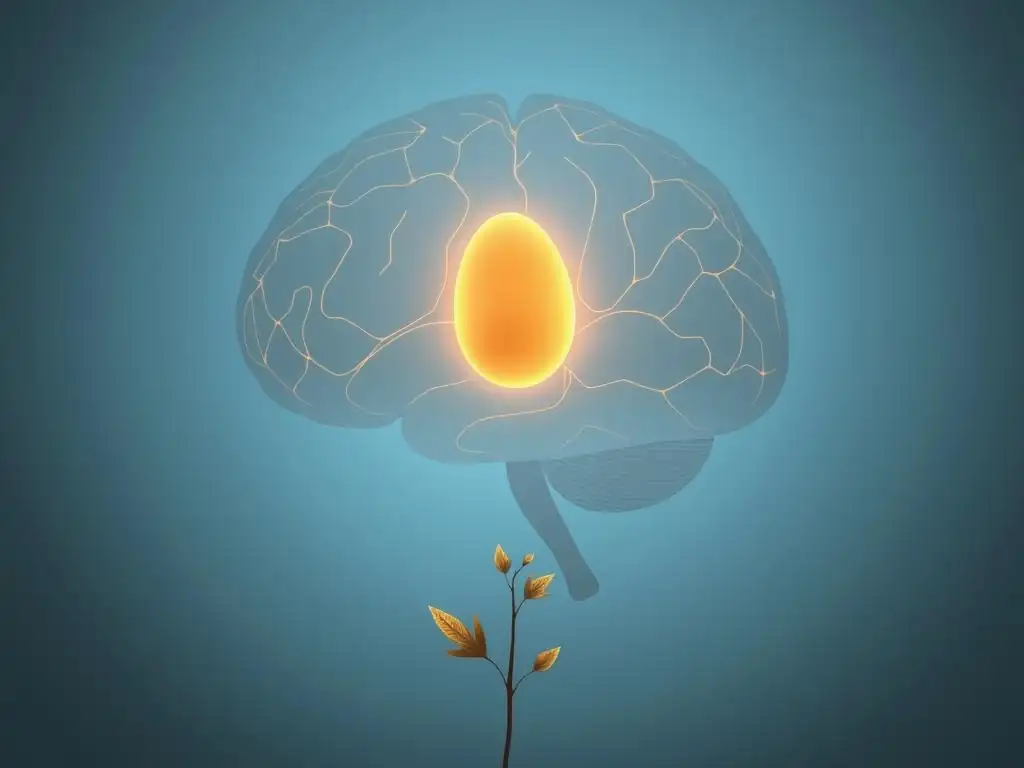
The core of understanding the biological basis of anxiety lies in examining how genetic variations specifically impact the structure and function of the amygdala and its interconnected circuits. This intricate link is where the genetics anxiety amygdala influence is most directly observed.
How Genetic Variations Affect Amygdala Structure and Function
Genetic differences among individuals can influence the size, shape, and connectivity of the amygdala. For instance, some studies have reported variations in amygdala volume associated with specific genetic polymorphisms. While findings are not always consistent, variations in genes involved in neural development, synaptogenesis (the formation of connections between neurons), and neurotransmitter signaling can subtly alter the architecture and wiring of the amygdala and its circuits with areas like the prefrontal cortex and hippocampus.
Beyond structure, genetic variations can profoundly affect how the amygdala functions. This includes influencing its baseline activity level, its reactivity to emotional stimuli, and how efficiently it communicates with other brain regions involved in emotion regulation. Genetic differences can impact the types and numbers of receptors on amygdala neurons, the synthesis and breakdown of neurotransmitters, and the overall efficiency of neural signaling pathways. These subtle, genetically influenced differences in structure and function contribute directly to an individual's predisposition for a hyperactive or dysregulated amygdala, a key factor in anxiety vulnerability.
Specific Genes Influencing Amygdala Activity and Anxiety Response
Several specific genes have been studied for their impact on amygdala activity and anxiety responses. These genes often encode proteins involved in neurotransmitter systems known to regulate mood and fear, such as serotonin, dopamine, and gamma-aminobutyric acid (GABA). Polymorphisms (common variations) within these genes can alter the efficiency of neurotransmitter signaling within amygdala circuits, leading to altered emotional processing.
Research indicates that variations in genes related to these neurotransmitter systems can influence how strongly the amygdala responds to negative stimuli and how quickly it habituates to repeated exposure. This differential processing, driven by genetics, can explain why some individuals are more easily triggered into a state of fear or worry than others, illustrating a direct genetics anxiety amygdala influence.
One of the most studied genes in relation to anxiety and amygdala function is SLC6A4, which encodes the serotonin transporter protein. This protein is responsible for reabsorbing serotonin from the synaptic cleft back into the neuron, thereby regulating the amount of serotonin available to signal to other neurons. A common polymorphism in the promoter region of the SLC6A4 gene (often referred to as the 5-HTTLPR polymorphism) exists in different forms, including a "short" allele and a "long" allele.
Studies have shown that individuals carrying one or two copies of the "short" allele tend to have reduced expression of the serotonin transporter, leading to potentially higher levels of serotonin in certain brain areas, or perhaps altered serotonin signaling efficiency. Critically, neuroimaging studies have frequently found that carriers of the short allele exhibit increased amygdala reactivity to fearful or negative stimuli compared to individuals homozygous for the "long" allele. This heightened amygdala response is associated with an increased risk for developing anxiety disorders, particularly in the face of stressful life events, providing a clear example of SLC6A4's role in genetics anxiety amygdala influence.
BDNF and Fear Conditioning
Another gene implicated in the genetics anxiety amygdala influence is BDNF (Brain-Derived Neurotrophic Factor). BDNF is a protein that plays a crucial role in neuronal survival, growth, and plasticity – the brain's ability to change and adapt. It is particularly important in the development and function of areas like the hippocampus (involved in memory) and the amygdala (involved in fear learning). A common polymorphism in the BDNF gene, known as Val66Met, results in a protein variant that affects how BDNF is transported and secreted within neurons.
Individuals carrying the Met allele of the Val66Met polymorphism have been shown in some studies to exhibit altered fear conditioning and extinction (the process of unlearning fear responses). This genetic variation may impact the plasticity of neural circuits in the amygdala and hippocampus, potentially making it harder to extinguish learned fears. While findings are not always consistent and the effect size is typically small, this suggests that genetic variations in BDNF can influence the very mechanisms by which the amygdala learns and unlearns fear, contributing to vulnerability to anxiety disorders.
Assessing Your Genetic Predisposition to Anxiety
Given the growing understanding of the genetic components of anxiety, it's natural to wonder if genetic testing can provide insights into one's own risk. While genetic testing for complex conditions like anxiety is not as straightforward as testing for single-gene disorders, it is an evolving area.
Genetic Testing for Anxiety Risk: What You Need to Know
Genetic testing for anxiety risk is currently not a routine clinical tool used for diagnosis or prediction with high certainty. Unlike testing for conditions like cystic fibrosis or Huntington's disease, which are caused by mutations in a single gene, anxiety is influenced by many genes, each with a small effect, interacting with environmental factors. Therefore, commercial genetic tests that claim to assess risk for anxiety typically look at a panel of common genetic variants (polymorphisms) that have been associated with anxiety or related traits in research studies.
It's important to understand that these tests do not diagnose anxiety. Instead, they may report on the presence of certain genetic markers that are associated with an increased statistical likelihood of developing anxiety or related conditions in populations. The results should be interpreted with extreme caution and are best viewed as providing probabilistic information rather than a definitive prediction. The science of genetics anxiety amygdala influence is still uncovering the full picture.
Interpreting Genetic Test Results: Understanding Your Anxiety Profile
Receiving genetic test results related to anxiety can be complex and potentially confusing. A result indicating the presence of certain "risk alleles" does not mean you will develop anxiety. It means that, based on current research, individuals with this genetic profile in large study populations have shown a statistically higher tendency towards anxiety compared to those without these alleles. Your individual risk is also heavily influenced by your life experiences, coping mechanisms, social support, and overall health.
Interpreting these results requires careful consideration and ideally, discussion with a genetic counselor or a mental health professional who understands the limitations and implications of such testing. It's crucial not to view genetic results as destiny but rather as one piece of a much larger puzzle that includes your personal history, environment, and current state of well-being. Focusing solely on the genetics anxiety amygdala influence without considering other factors provides an incomplete picture.
Limitations of Genetic Testing for Anxiety
There are significant limitations to current genetic testing for anxiety. Firstly, the genes and genetic variants identified so far explain only a fraction of the heritability of anxiety. Many more genes and complex interactions likely contribute. Secondly, the effect size of individual genetic variants is typically very small; carrying a single risk allele might only increase risk by a tiny percentage. The impact of these small effects is heavily modulated by environmental factors.
Thirdly, the genetic associations found in research studies, particularly genome-wide association studies, are statistical associations within large populations. They do not translate directly into predicting individual risk with high accuracy. Furthermore, the interpretation of results can be influenced by the diversity of the populations studied; findings in one group may not apply equally to another. Therefore, genetic testing for anxiety is primarily a research tool at this stage, and its clinical utility for individual risk prediction is limited, underscoring the need for a holistic view beyond just genetics anxiety amygdala influence.
Managing Anxiety: Overcoming Genetic Predisposition
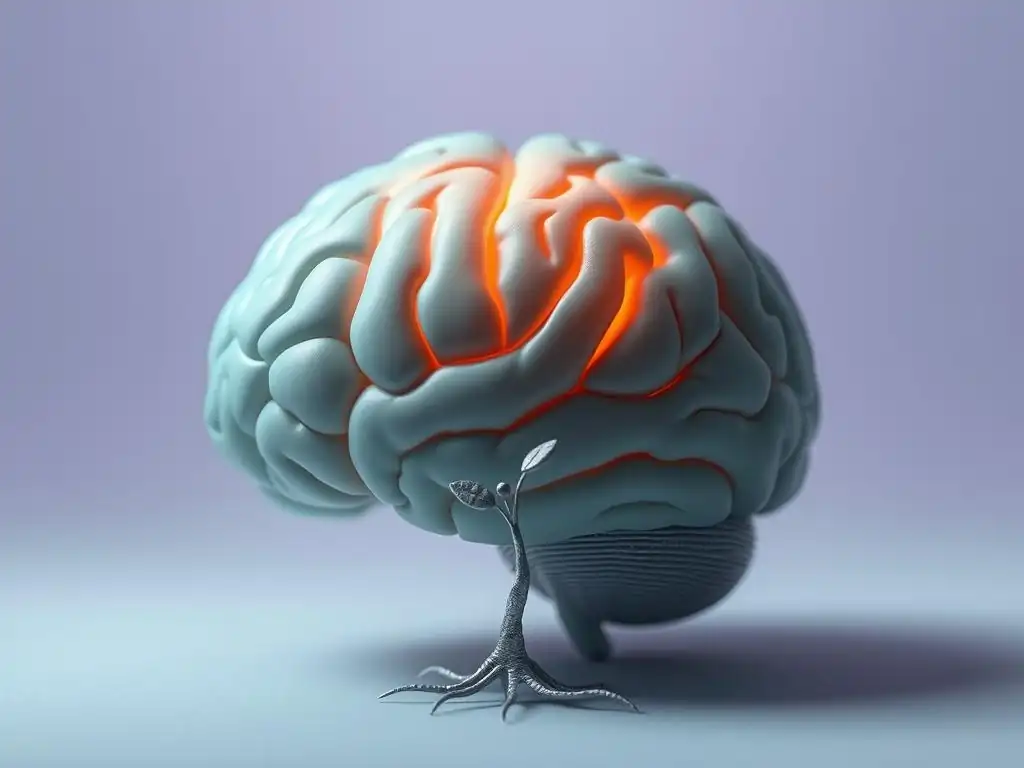
Understanding the potential genetics anxiety amygdala influence is not about accepting a predetermined fate. It's about empowering yourself with knowledge to take proactive steps. Even with a genetic predisposition, anxiety is highly manageable through various strategies targeting brain function, including the amygdala.
Lifestyle Modifications to Regulate Amygdala Activity
Lifestyle choices have a profound impact on brain function, including the activity of the amygdala. Simple, consistent habits can help regulate the stress response and promote a calmer neural state.
The Role of Diet in Amygdala Function and Anxiety
Emerging research suggests a significant link between gut health, diet, and mental well-being, mediated partly through the gut-brain axis which can influence areas like the amygdala. A diet rich in whole foods, fruits, vegetables, lean proteins, and healthy fats (like omega-3 fatty acids found in fish) can support overall brain health and reduce inflammation, which has been linked to anxiety. For instance, omega-3 fatty acids are crucial for neuronal function and may help modulate stress responses.
Conversely, a diet high in processed foods, sugar, and unhealthy fats can negatively impact gut microbiota composition and increase inflammation, potentially exacerbating anxiety symptoms. Specific nutrients like magnesium, zinc, and B vitamins are also vital for neurotransmitter synthesis and regulation. While diet alone won't eliminate anxiety, adopting a balanced, nutrient-dense eating pattern can be a supportive strategy for managing symptoms and positively influencing brain areas involved in the genetics anxiety amygdala influence.
Exercise and its Impact on Anxiety and Amygdala Regulation
Physical exercise is a powerful tool for managing anxiety. Regular aerobic exercise, such as brisk walking, running, or swimming, has been shown to reduce overall stress levels and improve mood. One mechanism involves the release of endorphins, which have mood-boosting effects. More directly related to the amygdala, exercise can help regulate the HPA axis and reduce cortisol levels, thereby dampening the body's physiological stress response.
Furthermore, consistent exercise may influence neurogenesis (the growth of new neurons) and synaptic plasticity in brain regions involved in emotion regulation, including potentially counteracting some negative effects of stress on the amygdala and hippocampus. Aiming for at least 150 minutes of moderate-intensity aerobic exercise or 75 minutes of vigorous-intensity exercise per week, combined with muscle-strengthening activities, can significantly contribute to anxiety management, regardless of genetic predisposition.
Sleep Hygiene for Anxiety Management
Sleep is fundamental to both physical and mental health. Chronic sleep deprivation or poor sleep quality can significantly worsen anxiety symptoms and increase amygdala reactivity to stress. During sleep, particularly REM sleep, the brain processes emotional experiences, which is thought to involve the amygdala and its connections. Adequate, restful sleep helps consolidate emotional memories and may play a role in "resetting" or regulating the amygdala's response to daily stressors.
Prioritizing sleep hygiene involves establishing a regular sleep schedule, creating a relaxing bedtime routine, ensuring a dark and quiet sleep environment, and avoiding caffeine and alcohol before bed. Most adults need 7-9 hours of quality sleep per night. Improving sleep habits can be a crucial step in reducing the hyperarousal associated with anxiety and helping the amygdala function more effectively in processing emotions, mitigating some aspects of the genetics anxiety amygdala influence.
Beyond lifestyle, targeted psychological and pharmacological therapies can effectively address anxiety, often by influencing the very neural pathways and processes involving the amygdala that may be affected by genetics.
Cognitive Behavioral Therapy (CBT) and Amygdala Retraining
Cognitive Behavioral Therapy (CBT) is one of the most effective psychological treatments for anxiety disorders. CBT works by helping individuals identify and challenge negative thought patterns and beliefs that contribute to anxiety. By teaching coping strategies and gradually exposing individuals to feared situations in a safe environment, CBT aims to "retrain" the brain's response to perceived threats.
From a neurological perspective, CBT is thought to strengthen the connection between the prefrontal cortex and the amygdala. This allows the prefrontal cortex, the brain's executive control center, to exert greater regulatory control over the amygdala's fear response. Through repeated practice of challenging anxious thoughts and confronting fears, the amygdala's reactivity can be reduced, and new, less fearful associations can be formed, effectively rewiring circuits potentially influenced by genetics anxiety amygdala influence.
Mindfulness and Meditation: Calming the Anxious Amygdala
Mindfulness and meditation practices involve focusing attention on the present moment without judgment. Regular mindfulness practice has been shown to have significant effects on brain structure and function, including changes in the amygdala. Studies using fMRI have demonstrated that individuals who practice mindfulness meditation regularly often exhibit reduced amygdala activation in response to emotional stimuli compared to non-meditators.
Mindfulness trains the brain to observe thoughts and feelings without getting carried away by them, reducing the automatic reactivity often driven by a hyperactive amygdala. It can increase awareness of bodily sensations associated with anxiety without triggering a full panic response. By promoting a state of calm and non-reactivity, mindfulness practices can help quiet the anxious amygdala and strengthen neural pathways associated with emotional regulation, serving as a powerful tool against the biological predispositions linked to genetics anxiety amygdala influence.
Medications Targeting Anxiety Pathways
Pharmacological interventions for anxiety often target neurotransmitter systems that are key players in amygdala function and stress response, such as serotonin, norepinephrine, and GABA. Selective Serotonin Reuptake Inhibitors (SSRIs), for example, increase the availability of serotonin in the brain, which can help regulate mood and reduce anxiety symptoms, likely by influencing serotonin signaling in areas including the amygdala.
Other medications, like benzodiazepines, work by enhancing the effects of GABA, an inhibitory neurotransmitter that calms neural activity. By increasing GABAergic signaling, these medications can acutely reduce the excitability of neurons in the amygdala, providing rapid relief from severe anxiety symptoms or panic attacks. While medications don't change genetic makeup, they can modulate the biological pathways potentially affected by genetics anxiety amygdala influence, helping to restore balance in brain function.
Future Directions in Anxiety Research: Genetics and the Amygdala
The field of neuroscience and genetics is rapidly advancing, promising new insights and potential treatments for anxiety that delve deeper into the genetics anxiety amygdala influence.
The Promise of Personalized Medicine for Anxiety Treatment
Understanding the genetic underpinnings of anxiety opens the door to the possibility of personalized medicine. If researchers can identify specific genetic profiles or biomarkers that predict how an individual will respond to different treatments (e.g., which medication will be most effective, or who might benefit more from a specific type of therapy), treatment approaches could become much more tailored and efficient.
For example, pharmacogenomic testing aims to predict how a person will metabolize or respond to certain psychiatric medications based on their genetic makeup. While still in its early stages for complex conditions like anxiety, future research on genetics anxiety amygdala influence may reveal genetic markers within or related to amygdala pathways that could guide treatment selection, moving away from trial-and-error approaches towards more precise interventions based on an individual's unique biological profile.
Gene Editing and Potential Therapies for Amygdala-Driven Anxiety
The revolutionary technology of gene editing, such as CRISPR-Cas9, has the potential to correct or modify specific genes. In the distant future, this raises the theoretical possibility of directly targeting genetic variants known to contribute significantly to severe, treatment-resistant anxiety, particularly those influencing critical brain regions like the amygdala.
However, applying gene editing to complex, polygenic disorders like anxiety is fraught with ethical, technical, and safety challenges. Anxiety is influenced by many genes and their interactions, and manipulating such intricate systems carries risks of unintended consequences. This remains a highly speculative area, far from clinical application, but it represents the cutting edge of how understanding the genetics anxiety amygdala influence might one day lead to radical new therapeutic approaches.
Understanding the Complete Genetic Landscape of Anxiety
Current research on genetics anxiety amygdala influence has identified several key players, but the complete genetic architecture of anxiety is still largely unknown. Future research using larger datasets, advanced genomic technologies, and sophisticated analytical methods will continue to identify novel genes and pathways involved. This includes exploring rare genetic variants that might have larger effects, as well as delving deeper into the epigenetic modifications that mediate gene-environment interactions.
Efforts are also underway to better understand how multiple genes interact with each other (epistasis) and how genetic factors influence brain development and function over the lifespan. A more comprehensive map of the genetic landscape will provide a clearer picture of the biological mechanisms underlying anxiety and potentially reveal new targets for therapeutic intervention.
Conclusion: Empowering Yourself Against Genetic Anxiety
While the idea that anxiety might be "written in your DNA" can feel daunting, understanding the genetics anxiety amygdala influence is ultimately empowering. It highlights that biological factors play a role, but it also underscores that genetics is not destiny. Anxiety is a complex interplay of nature and nurture, and there are many effective strategies to manage and overcome it, regardless of your genetic predisposition.
Recognizing Your Genetic Risk Factors
Having a family history of anxiety or identifying potential genetic risk factors through testing (with appropriate caution and professional guidance) can be a valuable piece of self-knowledge. It allows you to be more aware of your potential vulnerability and to take proactive steps to support your mental well-being. It's not about anticipating inevitable illness but about understanding your personal landscape.
This awareness can help reduce self-blame and foster self-compassion, recognizing that your struggles are not simply a personal failing but may have biological roots influenced by the intricate connections of genetics anxiety amygdala influence.
Taking Proactive Steps for Mental Well-being
Knowledge of potential genetic risk empowers you to be proactive. This includes prioritizing the lifestyle modifications discussed earlier – regular exercise, a healthy diet, sufficient sleep, and stress management techniques. These actions can positively influence brain function, potentially compensating for genetic vulnerabilities and helping to regulate the amygdala's activity.
Building resilience through strong social connections, developing effective coping skills, and engaging in activities that bring joy and purpose are also crucial components of protecting your mental health. These steps are effective tools for managing anxiety symptoms, whether or not there is a significant genetics anxiety amygdala influence.
- [ ] Prioritize consistent sleep schedule
- [ ] Incorporate regular physical activity
- [ ] Focus on nutrient-dense foods
- [ ] Practice daily stress reduction techniques (e.g., deep breathing, mindfulness)
- [ ] Nurture supportive relationships
Seeking Professional Help for Anxiety Management
Importantly, understanding the genetic component of anxiety should never discourage you from seeking professional help. Therapy, medication, or a combination of both are highly effective treatments for anxiety disorders. Mental health professionals can provide tailored strategies and support based on your unique symptoms, history, and needs.
Whether your anxiety has a strong genetics anxiety amygdala influence or is primarily driven by environmental factors, effective treatments exist. Reaching out to a therapist, counselor, psychiatrist, or your primary care physician is a sign of strength and the most crucial step towards managing anxiety and improving your quality of life.
Frequently Asked Questions
How much of anxiety is really determined by genetics?
While the exact percentage varies, research suggests that genetics do play a significant role, potentially contributing to around 30-50% of the risk for developing anxiety disorders. This doesn't mean it's a certainty, but rather an increased predisposition.
What is the role of the amygdala in anxiety, and how can genetics affect it?
The amygdala is the brain's fear center, triggering the fight-or-flight response. Genetics can influence the size, activity, and connectivity of the amygdala, making some individuals more reactive to perceived threats.
Can you inherit a specific "anxiety gene"?
It's more complex than a single gene. Anxiety is likely influenced by a combination of multiple genes interacting with each other and environmental factors. No single "anxiety gene" has been identified.
If my parents have anxiety, am I destined to develop it too?
Not necessarily. Having parents with anxiety increases your risk, but it doesn't guarantee you will develop it. Lifestyle, coping mechanisms, and environmental factors also play crucial roles.
Besides genetics, what other factors contribute to anxiety?
Environmental stressors such as traumatic experiences, chronic stress, and learned behaviors can significantly impact anxiety levels, even in individuals with a genetic predisposition. These factors interact with genetic vulnerabilities.
Final Reflection: Unraveling the Anxiety Enigma
The intricate dance between our genes and our emotional responses is no longer a theoretical concept; it's a reality shaping the lives of millions grappling with anxiety. Understanding the amygdala's role, as highlighted throughout this article, offers a crucial step towards demystifying this pervasive condition and fostering more compassionate and effective approaches to treatment. The implications are far-reaching, impacting not only individual well-being but also our understanding of mental health on a societal level.
The exploration of the amygdala's genetic influence has profoundly shifted my perspective on anxiety, moving beyond simplistic notions of personal weakness or character flaws. It underscores the complex interplay of nature and nurture, reminding us that predispositions don't equate to destiny. The human spirit is stronger than any disability if you just don't give up.
– Wilma Rudolph. This quote resonates deeply because it speaks to the resilience inherent within us, even when facing the challenges presented by genetic predispositions. The ongoing research in this field continues to illuminate the pathways to resilience and recovery, offering hope and empowering individuals to actively participate in their own well-being.
Consider the implications of this knowledge. Are you ready to engage in a deeper understanding of your own genetic predispositions, not to define yourself by them, but to inform your self-care strategies? Perhaps this understanding can lead you to seek professional guidance, explore preventative measures, or simply cultivate greater self-compassion. The journey towards mental wellness is a personal one, and armed with this knowledge, you are better equipped to navigate it with awareness, strength, and hope. Let this exploration be a catalyst for self-discovery and a step towards a more informed and compassionate approach to anxiety.
Unlock Your Inner Calm: Take Control of Your Anxiety
Thanks for diving deep into the fascinating world of genetics and anxiety with us! We hope you gained a clearer understanding of your own potential for resilience. Now it's time to put this knowledge into action.
- Prioritize stress-reducing activities: Identify and implement three stress-reducing techniques mentioned in the article—even if it's just for 15 minutes a day. This could be meditation, deep breathing, or even a mindful walk.
- Explore additional resources: Search online for support groups or mental health professionals specializing in anxiety management – connecting with others can be incredibly powerful.
- Share your insights: Start a conversation! Let your friends and family know what you learned. Knowledge is power, and sharing it helps others.
What small step will you take today to nurture your mental well-being and lessen the impact of anxiety?