
Is Your Amygdala Stuck in Fear Mode? Understanding the Mechanism

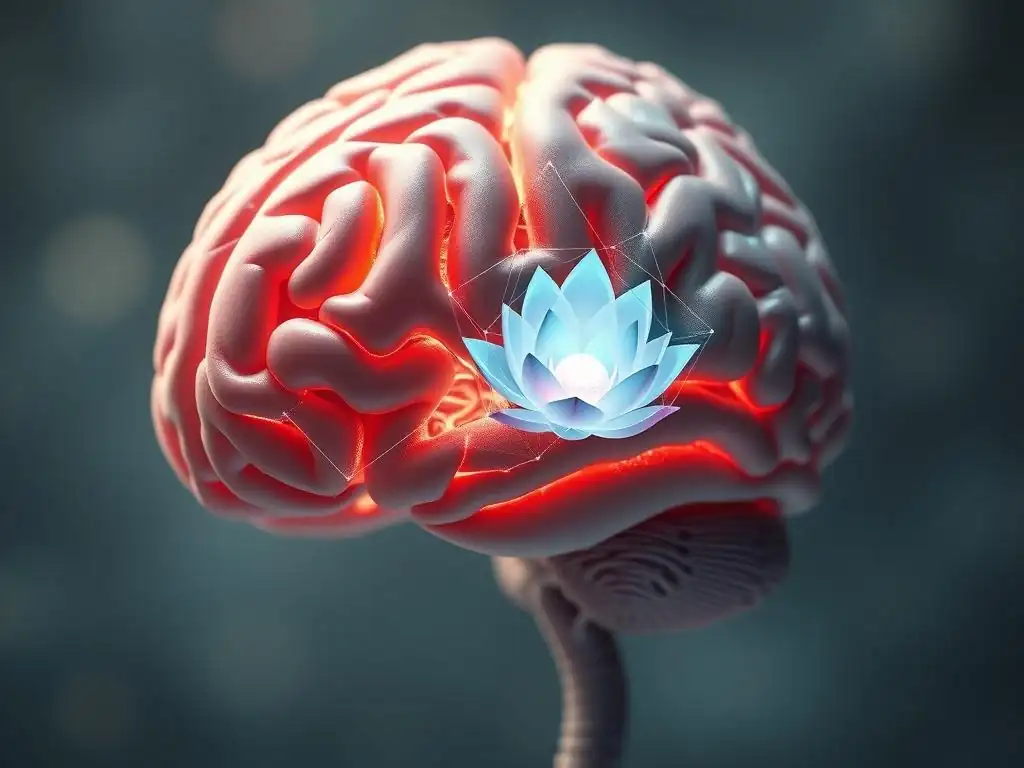
Welcome to Mind Care Guide, a space designed to help you navigate the complexities of mental well-being.
Are you feeling trapped by anxiety, like a constant alarm bell is ringing in your mind? It might be your amygdala. In this crucial guide, "Is Your Amygdala Stuck in Fear Mode? Understanding the Mechanism," we delve into the neuroscience behind this powerful fear response. Discover how your brain processes fear and, more importantly, explore actionable strategies for amygdala fear response management. Could understanding this mechanism be the key to unlocking a calmer, more resilient you? Let's find out.
Understanding and Managing the Amygdala's Role in Anxiety
- Introduction to the Amygdala and the Anxiety Response
- Decoding the Amygdala's Anxiety Mechanism: A Detailed Look
- What Happens When the Amygdala Becomes Overactive?
- Amygdala Regulation: Strategies for Managing Anxiety
- Lifestyle Factors Influencing Amygdala Function
- Advanced Therapeutic Approaches for Anxiety Management
- The Amygdala's Role in Emotions Beyond Anxiety
- Seeking Professional Help for Anxiety Disorders
- Conclusion: Empowering Yourself to Manage Anxiety Through Understanding the Amygdala
-
Frequently Asked Questions
- What is the amygdala, and what role does it play in the fear response?
- How does the amygdala get "stuck" in fear mode?
- What are some signs that my amygdala might be overactive?
- What are some effective strategies for managing the amygdala's fear response?
- Where can I find more resources and support for managing my mental well-being, particularly related to amygdala regulation?
- Final Reflection: Unleashing the Power Within: Beyond Amygdala Hijack
- Unlock Your Inner Calm: Take Control of Your Amygdala
Introduction to the Amygdala and the Anxiety Response
Understanding the Amygdala's Role in Emotional Processing
The amygdala, a pair of almond-shaped nuclei located deep within the temporal lobes of the brain, is a critical component of the limbic system, often referred to as the brain's emotional center. Its primary function involves the processing of emotions, particularly fear and aggression. This structure acts as a rapid warning system, constantly scanning the environment for potential threats and triggering appropriate responses to ensure survival. It receives sensory information directly from the thalamus, allowing it to react to danger cues even before the conscious brain fully processes the information.
Beyond fear, the amygdala also plays a role in processing other emotions, including pleasure, anxiety, and the formation of emotional memories. These memories, particularly those associated with strong emotional experiences, are often vivid and long-lasting, influencing future responses to similar stimuli. For instance, a negative experience like being startled by a loud noise might create a strong emotional memory linked to that sound, leading to a heightened startle response in the future. Understanding this fundamental role is key to comprehending amygdala fear response management.
The Amygdala as a Key Component of the Anxiety Circuit
The amygdala sits at the heart of the brain's anxiety circuit, a complex network of regions that work together to detect and respond to perceived threats. This circuit includes areas like the prefrontal cortex (responsible for executive functions and regulating emotions), the hippocampus (involved in memory formation and contextualizing threats), and the insula (processing bodily states and subjective feelings). When the amygdala detects a potential threat, it activates this network, initiating a cascade of physiological and psychological responses associated with anxiety.
In individuals prone to anxiety, this circuit, particularly the amygdala, can become hypersensitive or overactive. This means it may perceive non-threatening situations as dangerous, triggering the fear response unnecessarily. The interaction between the amygdala and the prefrontal cortex is particularly important; while the amygdala signals danger, the prefrontal cortex is supposed to regulate this signal and determine if a threat is real or perceived. In anxiety disorders, this regulatory function can be impaired, leading to persistent feelings of fear and worry, making effective amygdala fear response management crucial.
How the Amygdala Initiates Physiological Responses to Perceived Threats
Upon detecting a perceived threat, the amygdala triggers a rapid chain of events throughout the body, preparing it for fight, flight, or freeze. This response is mediated through its connections to other brain regions, notably the hypothalamus and the brainstem. The hypothalamus, often called the brain's control center, then activates the sympathetic nervous system and the hypothalamic-pituitary-adrenal (HPA) axis.
Activation of the sympathetic nervous system leads to immediate physical changes: increased heart rate, rapid breathing, dilated pupils, and redirection of blood flow to muscles. Simultaneously, the HPA axis is stimulated, leading to the release of stress hormones like cortisol and adrenaline. These hormones further amplify the physical response, providing the body with a surge of energy and heightened senses. This intricate mechanism, while essential for survival in dangerous situations, can be debilitating when misfired repeatedly due to an overactive amygdala, highlighting the need for strategies in amygdala fear response management.
Decoding the Amygdala's Anxiety Mechanism: A Detailed Look
Sensory Input and Threat Assessment by the Amygdala
The amygdala receives sensory information from various sources. A critical pathway is the "low road," which sends raw, unprocessed sensory data directly from the thalamus to the amygdala. This allows for an incredibly fast initial assessment of potential danger. For example, if you hear a sudden, loud bang, the amygdala receives this information almost instantaneously via the low road and can trigger a startle response before you even consciously identify the sound.
Simultaneously, sensory information takes the "high road," traveling from the thalamus to the sensory cortex and then to the hippocampus and prefrontal cortex before reaching the amygdala. This pathway provides more detailed and contextualized information. While slower, it allows the brain to evaluate whether the perceived threat is real based on past experiences and current context.
In healthy individuals, the high road can override the low road's initial alarm if the threat is deemed non-existent (e.g., realizing the loud bang was just a car backfiring). However, in anxiety, the amygdala might remain activated even after the high road provides reassuring information.
The Amygdala's Communication with the Hypothalamus and Brainstem
Once the amygdala assesses a potential threat, it sends signals to key areas responsible for orchestrating the body's response. One primary target is the hypothalamus, which acts as the bridge between the nervous system and the endocrine system. The amygdala's excitatory signals prompt the hypothalamus to initiate the stress response pathways, including activating the sympathetic nervous system. This leads to the rapid physiological changes mentioned earlier, such as increased heart rate and blood pressure, preparing the body for action.
Furthermore, the amygdala communicates directly with regions in the brainstem, such as the locus coeruleus. The locus coeruleus is the primary source of norepinephrine, a neurotransmitter that plays a crucial role in vigilance and arousal. Activation of the locus coeruleus by the amygdala increases norepinephrine release throughout the brain, leading to heightened alertness, increased sensory sensitivity, and a feeling of being "on edge." This complex interplay between the amygdala, hypothalamus, and brainstem is fundamental to the experience of anxiety and the development of effective amygdala fear response management techniques.
Amygdala and the Release of Stress Hormones: Cortisol's Impact
A key consequence of amygdala activation is the initiation of the hypothalamic-pituitary-adrenal (HPA) axis. The amygdala signals the hypothalamus to release corticotropin-releasing hormone (CRH). CRH then prompts the pituitary gland to release adrenocorticotropic hormone (ACTH), which travels through the bloodstream to the adrenal glands. The adrenal glands, located atop the kidneys, then release glucocorticoids, primarily cortisol, into the bloodstream.
Cortisol is often referred to as the primary stress hormone. It mobilizes energy reserves, suppresses non-essential functions like digestion and immune response, and enhances the effects of adrenaline. While beneficial in acute stress, chronic exposure to elevated cortisol levels due to persistent amygdala activation can have detrimental effects on both physical and mental health. Prolonged high cortisol can impair cognitive function, suppress the immune system, disrupt sleep, and even cause structural changes in the brain, including shrinking the hippocampus and potentially altering amygdala sensitivity, making amygdala fear response management through stress reduction vital.
What Happens When the Amygdala Becomes Overactive?
Chronic Stress and Amygdala Hyperactivity in Anxiety Disorders
Chronic exposure to stress, whether psychological or physical, can lead to significant changes in brain structure and function, particularly within the limbic system. Research suggests that prolonged stress can increase the size and activity of the amygdala while potentially reducing the volume and function of the prefrontal cortex and hippocampus. This imbalance creates a state where the brain is more attuned to detecting threats (hyperactive amygdala) and less capable of regulating the fear response (impaired prefrontal cortex) or contextualizing memories (impaired hippocampus).
This state of amygdala hyperactivity is a hallmark feature observed in many individuals with anxiety disorders. Studies using functional magnetic resonance imaging (fMRI) have shown increased amygdala activation in response to fearful or ambiguous stimuli in people with generalized anxiety disorder (GAD) compared to healthy controls. This persistent state of heightened alert contributes to the pervasive worry, restlessness, and physical tension characteristic of chronic anxiety, underscoring the importance of addressing amygdala fear response management in therapy.
The amygdala plays distinct yet central roles in various anxiety disorders. In Panic Disorder, an overactive amygdala is believed to contribute to the sudden, intense surges of fear that characterize panic attacks. The amygdala might misinterpret normal bodily sensations (like a slight increase in heart rate) as signs of imminent danger, triggering a full-blown fight-or-flight response. This creates a vicious cycle where the fear of having a panic attack further sensitizes the amygdala.
For Post-Traumatic Stress Disorder (PTSD), the amygdala is heavily involved in the formation and retrieval of fear memories associated with the traumatic event. Individuals with PTSD often exhibit exaggerated amygdala responses to trauma-related cues, leading to flashbacks, nightmares, and intense distress. Social Anxiety Disorder is also linked to altered amygdala activity, particularly in response to social situations or perceived negative evaluation.
Studies have shown increased amygdala activation when socially anxious individuals anticipate or experience social scrutiny, highlighting how the amygdala's fear response can become maladaptively focused on social threats. Effective amygdala fear response management is therefore tailored differently depending on the specific disorder.
Symptoms of Amygdala-Driven Anxiety: Physical and Psychological Manifestations
When the amygdala is stuck in fear mode, the body and mind experience a wide range of symptoms. Physically, the persistent activation of the stress response system leads to symptoms such as rapid heart rate, shortness of breath, muscle tension, trembling, sweating, digestive issues (like nausea or irritable bowel), and fatigue. These are direct results of the sympathetic nervous system and HPA axis activation initiated by the amygdala.
Psychologically, an overactive amygdala manifests as excessive worry, rumination, difficulty concentrating, irritability, and a heightened sense of vigilance or being on guard. Individuals may experience intrusive fearful thoughts, feel restless or keyed up, and have trouble sleeping. The subjective feeling of fear or dread, even when no objective threat is present, is a core symptom driven by the amygdala's persistent alarm signals. Recognizing these symptoms is often the first step towards seeking help and implementing strategies for amygdala fear response management.
Amygdala Regulation: Strategies for Managing Anxiety

Cognitive Behavioral Therapy (CBT) and Cognitive Restructuring
Cognitive Behavioral Therapy (CBT) is a highly effective therapeutic approach for anxiety disorders that directly addresses the cognitive component of amygdala-driven fear. CBT helps individuals identify and challenge distorted or irrational thought patterns that contribute to their anxiety. Techniques like cognitive restructuring teach patients to recognize automatic negative thoughts (e.g., "I'm going to fail," "Everyone is judging me") and replace them with more realistic and balanced perspectives.
By modifying these thought patterns, CBT aims to reduce the perceived threat level associated with certain situations, thereby decreasing the amygdala's activation. For example, a person with social anxiety might learn to challenge the thought that everyone is watching and criticizing them, replacing it with a more balanced thought like "Most people are focused on themselves, and even if someone notices me, it's unlikely they are judging me harshly." Over time, consistently applying these techniques can help retrain the brain's response and contribute significantly to amygdala fear response management.
Mindfulness-Based Stress Reduction (MBSR) for Calming the Amygdala
Mindfulness-Based Stress Reduction (MBSR) is another powerful tool for regulating the amygdala and reducing anxiety. MBSR involves training attention to focus on the present moment without judgment, incorporating practices like meditation, body scans, and mindful movement. The core principle is to observe thoughts, feelings, and bodily sensations as they arise without getting carried away by them.
Research indicates that regular mindfulness practice can lead to structural and functional changes in the brain, including decreased amygdala size and activity, and increased prefrontal cortex density. By cultivating present-moment awareness, individuals learn to observe their anxiety without automatically reacting with fear. This creates a space between the anxious thought/feeling and the automatic fear response, allowing the prefrontal cortex to exert greater regulatory control over the amygdala. For instance, during a panic-provoking situation, mindfulness helps an individual notice their racing heart without immediately interpreting it as catastrophic, which is a key aspect of amygdala fear response management.
Diaphragmatic Breathing Techniques for Autonomic Nervous System Regulation
Simple physiological techniques, such as diaphragmatic or deep belly breathing, can have a profound and immediate impact on the amygdala's activity by influencing the autonomic nervous system. The autonomic nervous system has two main branches: the sympathetic (fight-or-flight) and the parasympathetic (rest-and-digest). Anxiety is associated with sympathetic dominance, while deep breathing activates the parasympathetic nervous system via the vagus nerve.
Slow, deep breaths signal to the brain that the body is safe, counteracting the amygdala's alarm signal. By consciously slowing the breath and engaging the diaphragm, you send signals up the vagus nerve to the brainstem, which then communicates with the amygdala and other brain regions involved in stress response. Practicing diaphragmatic breathing for even a few minutes can lower heart rate, reduce muscle tension, and decrease the subjective feeling of anxiety. This simple yet effective method is a fundamental technique in amygdala fear response management, providing an immediate way to calm the nervous system.
Lifestyle Factors Influencing Amygdala Function
The Importance of Sleep Hygiene for Emotional Regulation
Sleep plays a crucial role in brain function and emotional regulation. Chronic sleep deprivation can significantly impair the prefrontal cortex's ability to regulate the amygdala. Studies have shown that after just one night of poor sleep, amygdala activity in response to negative stimuli is heightened, while the connection between the amygdala and the prefrontal cortex is weakened.
Prioritizing good sleep hygiene – maintaining a consistent sleep schedule, creating a relaxing bedtime routine, ensuring a dark and quiet sleep environment, and avoiding caffeine and alcohol before bed – can help restore the balance between the prefrontal cortex and the amygdala. Aiming for 7-9 hours of quality sleep per night supports healthy brain function, improves emotional resilience, and is a foundational element of effective amygdala fear response management.
Nutrition and the Brain: The Role of Omega-3 Fatty Acids and Antioxidants
What we eat directly impacts brain health and can influence amygdala function. Certain nutrients are particularly important for supporting the structure and function of brain regions involved in emotional regulation. Omega-3 fatty acids, found in fatty fish, flaxseeds, and walnuts, are essential building blocks for brain cell membranes and have anti-inflammatory properties that can benefit brain health.
Antioxidants, abundant in fruits and vegetables, help protect brain cells from damage caused by oxidative stress, which has been linked to anxiety and depression. A diet rich in whole foods, lean proteins, healthy fats, and complex carbohydrates, while limiting processed foods, sugar, and excessive caffeine, can support overall brain health and contribute to a more stable mood and improved capacity for amygdala fear response management. For instance, consuming foods high in magnesium like leafy greens and nuts has been anecdotally linked to reduced anxiety in some individuals.
Exercise and its Impact on Anxiety Reduction and Amygdala Modulation
Regular physical activity is a powerful antidote to anxiety and a significant factor in modulating amygdala activity. Exercise helps reduce stress hormones like cortisol and adrenaline and increases the production of endorphins, which have mood-boosting effects. Furthermore, exercise can promote neurogenesis (the growth of new brain cells) and improve blood flow to the brain, supporting the health and function of areas like the prefrontal cortex and hippocampus.
Consistent aerobic exercise, such as brisk walking, running, or swimming for 30 minutes most days of the week, has been shown in numerous studies to reduce overall anxiety levels. While the exact mechanisms are complex, exercise appears to help regulate the HPA axis and may indirectly influence amygdala reactivity by improving overall stress resilience and promoting a sense of well-being. Incorporating regular movement is a practical and evidence-based strategy for amygdala fear response management.
Advanced Therapeutic Approaches for Anxiety Management
Neurofeedback and Real-Time fMRI for Amygdala Training
Neurofeedback is a type of biofeedback that provides individuals with real-time information about their brainwave activity, allowing them to learn how to regulate it. More advanced forms, such as real-time fMRI neurofeedback (rtfMRI-NF), allow individuals to see and gain control over the activity in specific brain regions, including the amygdala. Participants might be shown a visual representation (like a thermometer or a moving line) reflecting their amygdala's activity level while being asked to try and lower it through strategies like mindfulness or emotional detachment.
Studies using rtfMRI-NF have shown promise in helping individuals with conditions like PTSD or social anxiety learn to voluntarily reduce their amygdala's response to fear-inducing stimuli. While still largely a research tool and not widely available clinically, this technology represents a fascinating frontier in directly training the brain for better amygdala fear response management. For example, a study involving veterans with PTSD showed that rtfMRI-NF training led to reductions in symptom severity correlated with decreased amygdala reactivity.
Selective Serotonin Reuptake Inhibitors (SSRIs) and Their Effects on the Amygdala
Selective Serotonin Reuptake Inhibitors (SSRIs) are a common class of antidepressant medications also widely prescribed for anxiety disorders. SSRIs work by increasing the levels of serotonin, a neurotransmitter, in the brain's synapses. Serotonin plays a role in mood regulation, sleep, appetite, and also influences the activity of the amygdala and its connections to other brain regions.
Research suggests that SSRIs can reduce the reactivity of the amygdala to fearful stimuli over time. It's not an immediate effect; typically, it takes several weeks of consistent use for this modulation to occur, coinciding with the onset of their therapeutic effects on anxiety symptoms. By dampening the amygdala's exaggerated response, SSRIs can help break the cycle of fear and worry in individuals with chronic anxiety, complementing behavioral strategies for amygdala fear response management. However, medication is often most effective when used in conjunction with therapy.
Eye Movement Desensitization and Reprocessing (EMDR) and Trauma Processing
Eye Movement Desensitization and Reprocessing (EMDR) is a psychotherapy technique specifically designed to help individuals process distressing memories, particularly those associated with trauma. While the exact mechanism is still debated, EMDR involves recalling the traumatic memory while simultaneously engaging in bilateral stimulation, such as following a therapist's finger movements with the eyes.
It is hypothesized that this process helps the brain, including the amygdala and hippocampus, to reprocess the traumatic memory in a way that reduces its emotional intensity. Memories that were "stuck" with high emotional charge in the limbic system are thought to be integrated more adaptively into the brain's memory networks, becoming less triggering. For individuals whose anxiety stems from past trauma, EMDR can be a powerful tool for reducing the amygdala's reactivity to trauma-related cues, significantly contributing to amygdala fear response management in cases of PTSD and complex trauma.
The Amygdala's Role in Emotions Beyond Anxiety
The Amygdala's Involvement in Motivation and Reward
While often highlighted for its role in fear, the amygdala is also involved in processing positive emotions and plays a crucial role in motivation and reward. It is connected to brain areas like the ventral striatum and prefrontal cortex, which are key components of the brain's reward system. The amygdala helps assign emotional significance to stimuli, including those associated with positive experiences and rewards.
For example, the amygdala is activated when anticipating a reward or experiencing something pleasurable, like enjoying a delicious meal or receiving praise. This activation helps reinforce behaviors that lead to positive outcomes and contributes to the learning of what is valuable or rewarding in the environment. Understanding this broader role is important because it highlights that the amygdala isn't solely a "fear center" but is involved in the full spectrum of emotional learning and processing.
Cultivating Positive Experiences to Promote Emotional Resilience
Given the amygdala's role in processing both negative and positive emotions, actively cultivating positive experiences can be a strategy to promote emotional resilience and potentially counterbalance an overactive fear response. Engaging in activities that bring joy, connection, and a sense of accomplishment can strengthen neural pathways associated with positive emotions and reward.
Practices like gratitude journaling, savoring positive moments, engaging in hobbies, and spending time with loved ones can help shift the brain's focus away from threat detection and towards experiences that foster well-being. While this doesn't erase the capacity for fear, it can help build a more balanced emotional landscape and support the brain's ability to recover from stress, contributing indirectly to amygdala fear response management by promoting overall mental health.
The amygdala is also deeply involved in social cognition, including the processing of social cues and understanding the emotions of others. It is particularly active when we encounter faces, especially those displaying emotions like fear or anger. This helps us quickly assess potential social threats or understand the emotional state of others, which is vital for social interaction.
Furthermore, the amygdala is thought to contribute to emotional empathy – the ability to feel what others are feeling. When we see someone in distress, our own amygdala can become activated, mirroring their emotional state. This connection suggests that the amygdala is not just involved in our own fear response but also in our capacity to connect with and understand the emotional experiences of others. This broader perspective underscores the complexity of the amygdala and its pervasive influence on our emotional and social lives.
Seeking Professional Help for Anxiety Disorders
Recognizing When Professional Intervention is Necessary
While lifestyle changes and self-help strategies can be beneficial, it is important to recognize when anxiety symptoms are severe, persistent, or significantly interfering with daily life, work, or relationships. Signs that professional help might be needed include experiencing panic attacks regularly, constant or overwhelming worry that is difficult to control, avoidance of situations due to fear, significant sleep disturbances related to anxiety, or using substances to cope.
If you suspect your amygdala's fear response is persistently stuck in overdrive, causing debilitating anxiety, consulting a mental health professional is a crucial step. A therapist, counselor, psychiatrist, or psychologist can provide an accurate diagnosis, assess the severity of your anxiety, and recommend evidence-based treatments tailored to your specific needs. Seeking help is a sign of strength and the first step towards effective amygdala fear response management under expert guidance.
Therapies Targeting the Amygdala: Exposure Therapy and Cognitive Processing Therapy
Several evidence-based therapies directly or indirectly target the maladaptive functioning of the amygdala in anxiety disorders. Exposure therapy, a core component of CBT, involves gradually and systematically exposing an individual to the feared object, situation, or sensation in a safe and controlled environment. The goal is to help the amygdala learn that the perceived threat is not actually dangerous, thereby extinguishing the fear response. For example, someone with a fear of heights might gradually work up to standing on a balcony.
Cognitive Processing Therapy (CPT), often used for PTSD, helps individuals process traumatic memories and challenge distorted beliefs related to the trauma. By re-examining the meaning of the trauma and challenging self-blame or perceived danger, CPT helps to reorganize the memory network, reducing the amygdala's exaggerated response to trauma cues. Both exposure therapy and CPT are powerful methods for retraining the amygdala and improving amygdala fear response management by directly confronting and processing fear-inducing stimuli and thoughts.
Building a Support System for Managing Anxiety and Promoting Well-being
Managing anxiety is often a journey that benefits greatly from the support of others. Building a strong support system can provide emotional comfort, practical help, and a sense of belonging, all of which can buffer the effects of stress and support mental well-being. This can include confiding in trusted friends or family members, joining a support group for individuals with anxiety, or connecting with others who understand your experiences.
Sharing your struggles with supportive people can reduce feelings of isolation and provide different perspectives or coping ideas. A robust social support network can also help activate the brain's calming systems, indirectly aiding in the regulation of the amygdala. Remember, you don't have to navigate challenges with amygdala fear response management alone; reaching out to others is a vital part of the healing process.
Conclusion: Empowering Yourself to Manage Anxiety Through Understanding the Amygdala
Understanding the amygdala's fundamental role in the fear response is the first step towards regaining control over anxiety. This almond-shaped structure, while essential for survival, can become hypersensitive in response to chronic stress or trauma, leading to the persistent and often debilitating symptoms of anxiety disorders. Recognizing how the amygdala triggers the physiological and psychological manifestations of fear empowers you to see anxiety not just as a feeling, but as a biological process you can influence.
Fortunately, research has provided us with numerous strategies for effective amygdala fear response management. From therapeutic approaches like CBT, MBSR, and exposure therapy that help retrain the brain's response, to lifestyle factors such as sleep, nutrition, and exercise that support overall brain health, there are many paths towards calming an overactive amygdala.
By implementing these strategies, often with professional guidance, you can learn to soothe your fear response, reduce the intensity and frequency of anxiety symptoms, and build greater emotional resilience. Taking proactive steps rooted in this understanding can profoundly improve your quality of life and empower you on your journey toward mental well-being.
Frequently Asked Questions
What is the amygdala, and what role does it play in the fear response?
The amygdala is a brain structure responsible for processing emotions, particularly fear and anxiety. It triggers the "fight or flight" response when it perceives a threat.
How does the amygdala get "stuck" in fear mode?
Chronic stress or traumatic experiences can lead to amygdala sensitization. This means it becomes overly reactive to perceived threats, even when there is no real danger, leading to a constant state of fear.
What are some signs that my amygdala might be overactive?
Symptoms include excessive anxiety, panic attacks, hypervigilance, and difficulty relaxing. You might also experience intrusive thoughts and a constant feeling of being on edge.
What are some effective strategies for managing the amygdala's fear response?
Techniques like mindfulness meditation, deep breathing exercises, and cognitive behavioral therapy (CBT) can help regulate the amygdala. These practices promote relaxation and reframe negative thought patterns.
Mind Care Guide offers a comprehensive collection of articles, resources, and support options related to mental health. You can find information on amygdala fear response management and other related topics on our website.
Final Reflection: Unleashing the Power Within: Beyond Amygdala Hijack
The pervasive influence of fear on our daily lives is undeniable, and understanding the amygdala's role in shaping our responses is crucial for navigating the complexities of modern existence. The information presented in this article highlights how easily our amygdala can become "stuck" in a perpetual state of heightened alert, leading to anxiety, stress, and impaired decision-making. This isn't merely an academic exercise; it's a key to unlocking a more peaceful and productive life.
The exploration of the amygdala's fear response has profoundly impacted my understanding of not only my own emotional landscape but also the struggles of those around me. It's a reminder that our brains are not static entities; they are dynamic systems capable of learning and adapting. The mind is everything. What you think you become.
– Buddha. This quote encapsulates the transformative potential of understanding and managing our amygdala's responses. By consciously working to rewire our neural pathways, we can cultivate resilience and emotional intelligence, breaking free from the grip of chronic fear.
Now, consider your own experiences. Have you noticed patterns of anxiety or reactivity that might stem from an overactive amygdala? I invite you to take this knowledge and use it as a springboard for self-discovery. Explore mindfulness techniques, engage in regular self-reflection, and seek professional guidance if needed. The journey to mastering your amygdala's response is a personal one, but the rewards – a life lived with greater clarity, peace, and control – are immeasurable. Embrace the challenge, and unlock the power within.
Unlock Your Inner Calm: Take Control of Your Amygdala
Thanks for taking the time to explore the fascinating world of the amygdala and its impact on your emotional well-being! You’ve gained valuable insight into understanding fear responses and how to manage them. Now, let's put that knowledge into action.
- Prioritize one simple mindfulness technique: Start with just 5 minutes of deep breathing or body scan meditation daily. This will help you build a direct connection to your body and learn to recognize early warning signs of amygdala hijack.
- Share your learnings: Discuss what you've discovered with a friend, family member, or in an online forum dedicated to mental well-being. Sharing knowledge helps reinforce learning and fosters community support.
- Explore further: Try journaling about your daily emotional experiences. This simple exercise can help track progress and provide deeper insight into patterns of reactivity.
Ready to break free from the grip of fear and cultivate a more resilient, calmer you? What's one small step you'll take today to start retraining your amygdala?