
The Mental Toll: Amygdala Activity and Anxious Thought Loops

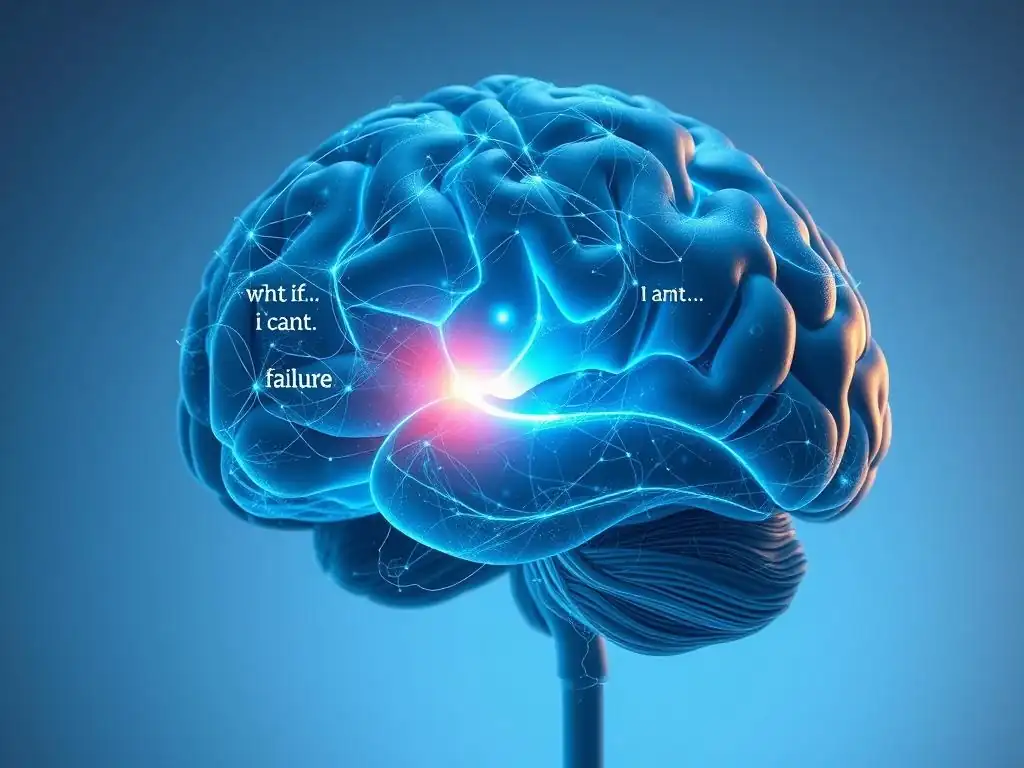
Welcome to Mind Care Guide, a space dedicated to understanding and nurturing your mental well-being. Ever wondered how your brain's fear center might be contributing to those relentless worries? This month, we delve into the intriguing connection between amygdala activity and anxious thoughts, exploring how understanding this crucial brain region can help you break free from repetitive cycles. Prepare to unravel the complexities and discover practical strategies to reclaim your peace of mind. Let's begin!
The Mental Toll: Amygdala Activity and Anxious Thought Loops
- Understanding the Amygdala's Role in Anxiety and Thought Patterns
- Anxious Thought Loops: The Cycle of Worry and Fear
- Amygdala Activity and the Development of Anxiety Disorders
- Breaking the Cycle: Managing Amygdala Activity and Anxious Thoughts
- Lifestyle Strategies for Reducing Amygdala-Driven Anxiety
- Practical Tips for Managing Anxious Thought Loops in Daily Life
- The Future of Research: Targeting the Amygdala for Anxiety Treatment
- Conclusion: Empowering Yourself to Manage Amygdala Activity and Anxiety
-
Frequently Asked Questions
- How does the amygdala relate to anxious thoughts?
- What is an anxious thought loop, and how does amygdala activity contribute to it?
- Can I control my amygdala activity to reduce anxiety?
- What are some signs that my amygdala activity might be contributing to my anxiety?
- Are there any medications that target amygdala activity to treat anxiety?
- Final Reflection: Unraveling the Anxious Mind
- Unwind Your Mind: Break Free from Anxious Thought Loops
Understanding the Amygdala's Role in Anxiety and Thought Patterns
Introduction to the Amygdala: The Brain's Fear Center
The amygdala, a small, almond-shaped cluster of nuclei located deep within the temporal lobe of the brain, is often referred to as the brain's "fear center." It plays a crucial role in processing emotions, particularly fear and threat detection. This structure is part of the limbic system, a complex network involved in motivation, emotion, learning, and memory.
The amygdala acts as a rapid alarm system, constantly scanning the environment for potential dangers and initiating a protective response before the conscious mind even fully registers the threat. Its primary function is to assess the emotional significance of incoming information, especially stimuli that signal potential harm.
This primitive part of the brain is highly sensitive and can be triggered by a wide range of internal and external cues. When the amygdala perceives danger, it sends signals to other parts of the brain and body, initiating the "fight or flight" response. This involves releasing stress hormones like cortisol and adrenaline, increasing heart rate, and heightening sensory awareness. Understanding the fundamental role of the amygdala is key to comprehending how fear and anxiety manifest, particularly how heightened amygdala activity can contribute to persistent anxious thoughts and distress.
How the Amygdala Processes Fear and Triggers Anxiety
The process by which the amygdala handles fear is incredibly fast and efficient. When a potential threat is detected, sensory information travels along two main pathways to the amygdala. The first is a rapid, "low road" directly from the sensory thalamus to the amygdala. This pathway is quick but lacks detail, allowing for an immediate, albeit sometimes inaccurate, assessment of danger. The second is a slower, "high road" that goes through the sensory cortex before reaching the amygdala. This pathway provides a more detailed and nuanced analysis of the stimulus.
If the amygdala determines the stimulus is threatening via either pathway, it triggers a cascade of physiological responses. It communicates with the hypothalamus, activating the sympathetic nervous system and the HPA axis (hypothalamic-pituitary-adrenal axis), leading to the release of stress hormones. This rapid activation is essential for survival in truly dangerous situations. However, in the context of anxiety disorders, the amygdala can become hyperactive or overly sensitive, triggering these fear responses even when no real threat exists. This persistent state of alert contributes significantly to the experience of anxiety and fuels the cycle of anxious thought loops.
The Link Between Amygdala Hyperactivity and Anxiety Disorders
Research has consistently shown a strong correlation between hyperactivity in the amygdala and various anxiety disorders, including Generalized Anxiety Disorder (GAD), Panic Disorder, and Social Anxiety Disorder. Studies using fMRI (functional Magnetic Resonance Imaging) have often observed increased amygdala activity in individuals with these conditions when they are exposed to emotional stimuli, particularly those perceived as negative or threatening, compared to healthy control groups. For instance, some studies suggest that individuals with GAD may show up to a 20-30% heightened amygdala response to uncertain or ambiguous stimuli.
This heightened amygdala activity doesn't just cause physical symptoms of anxiety; it also profoundly impacts cognitive processes, including the generation and maintenance of anxious thought loops. A hyperactive amygdala can bias attention towards potential threats, making individuals more likely to notice and dwell on negative possibilities. It can also interfere with the prefrontal cortex's ability to regulate emotions and inhibit fear responses, making it harder to dismiss irrational fears or break free from persistent worry cycles. This biological predisposition, combined with environmental factors, plays a significant role in the development and persistence of anxious thought patterns.
Anxious Thought Loops: The Cycle of Worry and Fear
Defining Anxious Thought Loops: What are They?
Anxious thought loops, also known as worry loops or rumination, refer to repetitive, intrusive, and often negative thought patterns that are difficult to stop or control. These thoughts typically focus on potential future threats, past mistakes, or hypothetical worst-case scenarios. Unlike problem-solving, which involves actively seeking solutions, anxious thought loops are characterized by dwelling on problems without reaching a resolution. They can consume a significant amount of mental energy and contribute to feelings of distress, helplessness, and exhaustion.
These loops can manifest in various forms, such as constantly replaying a potentially embarrassing social interaction, endlessly worrying about financial ruin, or obsessing over minor physical sensations as signs of serious illness. The content of the loop is often highly personalized to an individual's specific fears and anxieties. A key characteristic is their persistent and automatic nature; they often seem to pop up unbidden and can be incredibly difficult to dislodge, trapping the individual in a cycle of fear and worry. Understanding the nature of these loops is crucial for developing strategies to manage them.
The Role of the Amygdala in Perpetuating Anxious Thoughts
The amygdala plays a central role in the creation and maintenance of anxious thought loops. When the amygdala is in a state of heightened alert, as is common in anxiety disorders, it primes the brain to perceive threats and focus on negative information. This enhanced sensitivity can trigger the initial anxious thought. For example, a slightly ambiguous email might be immediately flagged by a hyperactive amygdala as potentially critical or negative, initiating a thought loop of "What did they mean? Are they unhappy with me? What if I get fired?"
Once an anxious thought loop begins, the amygdala's continued activity reinforces it. The emotional distress generated by the worry further activates the amygdala, creating a feedback loop. The amygdala signals "danger," which generates more anxious thoughts, which in turn intensifies the feeling of danger, leading to more amygdala activity. This vicious cycle makes it incredibly difficult for the prefrontal cortex, responsible for rational thought and executive functions, to override the fear response and break the loop. The persistent amygdala activity anxious thoughts connection is a core mechanism underlying chronic worry.
Common Characteristics of Anxious Thought Patterns
Anxious thought patterns share several common characteristics that make them particularly distressing and difficult to manage.
- Repetitive and Intrusive: The same worries or fears tend to repeat over and over, often intruding into conscious thought even when trying to focus on something else.
- Negative and Catastrophic: Thoughts are predominantly negative, often escalating to worst-case scenarios regardless of the actual likelihood. For example, a minor health symptom quickly becomes a fatal disease in the thought loop.
- Difficult to Control: Despite recognizing the irrationality or excessiveness of the worry, individuals struggle to stop or redirect the thoughts. It feels like being stuck on a mental treadmill.
- Future-Oriented: Worry loops often focus on potential negative events in the future, dwelling on "what ifs" and hypothetical dangers.
- Accompanied by Physical Symptoms: The mental loop often triggers or is accompanied by physical symptoms of anxiety, such as muscle tension, restlessness, difficulty sleeping, or gastrointestinal distress, further reinforcing the feeling of threat.
These characteristics highlight how deeply entrenched anxious thought loops can become, fueled by underlying amygdala activity and making daily life challenging.
Amygdala Activity and the Development of Anxiety Disorders
The Amygdala's Influence on Generalized Anxiety Disorder (GAD)
Generalized Anxiety Disorder (GAD) is characterized by persistent and excessive worry about various aspects of life, often disproportionate to the actual circumstances. The amygdala plays a significant role in the development and maintenance of GAD. In individuals with GAD, the amygdala appears to be in a state of chronic hyperarousal, constantly scanning for potential threats and reacting strongly to ambiguous or uncertain stimuli. This heightened state contributes directly to the pervasive nature of worry that defines GAD.
Research using neuroimaging techniques frequently shows elevated amygdala responses in individuals with GAD, not only to explicit threat cues but also to neutral or even positive stimuli that might contain a hint of ambiguity. This suggests a lower threshold for triggering the fear response. The chronic activation of the amygdala in GAD can also impair the function of the prefrontal cortex, particularly its ability to regulate negative emotions and inhibit worry, trapping individuals in a cycle of persistent amygdala activity anxious thoughts and anticipatory worry about multiple domains like work, health, or family.
Amygdala Activation in Panic Disorder and Panic Attacks
Panic Disorder is marked by recurrent, unexpected panic attacks, which are sudden episodes of intense fear accompanied by severe physical symptoms like racing heart, shortness of breath, dizziness, and a feeling of losing control or impending doom. The amygdala is critically involved in triggering these intense episodes. A panic attack can be seen as an acute, overwhelming activation of the brain's fear circuitry, with the amygdala at its core.
During a panic attack, the amygdala triggers an exaggerated fight-or-flight response, even in the absence of a real external threat. This can be triggered by internal sensations (like a slight increase in heart rate) or specific thoughts (like "What if I can't breathe? "), which the amygdala then interprets as life-threatening danger. The intense fear and physical symptoms experienced during a panic attack further reinforce the amygdala's association of certain cues (internal or external) with extreme danger, increasing the likelihood of future attacks. The sudden surge of amygdala activity anxious thoughts and physical panic creates a terrifying feedback loop.
Social Anxiety Disorder (SAD) involves intense fear of social situations, driven by a fear of being judged, embarrassed, or humiliated. Specific Phobias involve intense fear of particular objects or situations (e.g., spiders, heights, flying). In both cases, the amygdala is highly involved in processing the feared stimulus. For someone with SAD, the amygdala reacts strongly to social cues, such as being observed or speaking in front of others, interpreting them as potential threats.
Studies show increased amygdala activation in individuals with SAD when anticipating or engaging in social interactions. Similarly, in specific phobias, exposure to the feared object or situation triggers a rapid and intense amygdala response, leading to overwhelming fear and avoidance. This exaggerated amygdala activity drives the intense anxiety and the avoidance behaviors characteristic of these disorders. The brain quickly learns to associate the feared stimulus with this intense fear response, largely mediated by the amygdala, solidifying the cycle of fear and avoidance.
Breaking the Cycle: Managing Amygdala Activity and Anxious Thoughts
Techniques to Regulate Amygdala Response: Mindfulness and Meditation
Mindfulness and meditation are powerful techniques that have been shown to help regulate amygdala activity and reduce the intensity of anxious thought loops. Regular mindfulness practice, which involves paying attention to the present moment without judgment, can help to create a greater sense of distance from anxious thoughts and feelings. Instead of getting swept away by a worry loop, mindfulness teaches you to observe the thoughts as just thoughts, reducing their power.
Research suggests that consistent meditation can lead to structural and functional changes in the brain, including a decrease in amygdala volume and a strengthening of the connections between the prefrontal cortex (responsible for executive control and emotional regulation) and the amygdala. This enhanced connectivity allows the prefrontal cortex to exert more top-down control over the amygdala's fear responses. Studies have shown that even short periods of meditation practice can lead to reduced stress and anxiety, demonstrating the potential to calm amygdala activity anxious thoughts in the short and long term.
Cognitive Behavioral Therapy (CBT) and Amygdala Retraining
Cognitive Behavioral Therapy (CBT) is one of the most effective psychotherapies for anxiety disorders, and its mechanisms of action involve retraining the brain, including the amygdala. CBT helps individuals identify and challenge negative and irrational thought patterns that fuel anxiety. By learning to dispute catastrophic thinking and develop more balanced perspectives, CBT helps to reduce the perceived threat level associated with certain situations or thoughts.
Through techniques like exposure therapy (a component of CBT), individuals gradually confront feared situations or stimuli in a safe environment. This process allows the brain to learn that the feared outcome is unlikely or manageable, effectively "retraining" the amygdala's response. Repeated exposure without experiencing the feared consequence weakens the amygdala's association of the stimulus with danger. This therapeutic process directly addresses the amygdala activity anxious thoughts connection by modifying the cognitive appraisal of threat and habituating the fear response.
The Role of Medication in Modulating Amygdala Function [SSRIs, SNRIs, Benzodiazepines]
For some individuals, medication can be a crucial part of managing severe anxiety driven by excessive amygdala activity. Several classes of medications are commonly prescribed:
- SSRIs (Selective Serotonin Reuptake Inhibitors) and SNRIs (Serotonin-Norepinephrine Reuptake Inhibitors): These antidepressants are often the first-line treatment for chronic anxiety. They work by increasing the levels of neurotransmitters like serotonin and norepinephrine in the brain, which are involved in mood and anxiety regulation. Over time, these medications can help dampen the excessive firing of the amygdala and improve the communication between the amygdala and regulatory brain regions, reducing the intensity and frequency of anxious thought loops. It typically takes several weeks for their full effects on anxiety to become apparent.
- Benzodiazepines: These medications, such as alprazolam or lorazepam, are fast-acting sedatives that enhance the effect of the neurotransmitter GABA, which inhibits neural activity. They can quickly reduce the acute symptoms of anxiety and panic by directly dampening amygdala activity. However, due to the risk of dependence and withdrawal, they are usually prescribed for short-term use or for managing acute panic attacks, rather than as a long-term solution for chronic anxiety.
Medication can provide significant relief by directly influencing the neurochemical environment that contributes to heightened amygdala activity, making it easier for individuals to engage in therapy and lifestyle changes aimed at managing their anxiety.
Lifestyle Strategies for Reducing Amygdala-Driven Anxiety
The Impact of Sleep on Amygdala Function and Anxiety Levels
Sleep is profoundly important for regulating mood and anxiety, and its impact on the amygdala is significant. Chronic sleep deprivation or poor sleep quality can increase amygdala reactivity to negative stimuli. When you are sleep-deprived, the prefrontal cortex's ability to regulate the amygdala is diminished, leading to a state where the emotional "alarm system" is more easily triggered and less effectively controlled.
Studies have shown that even one night of poor sleep can result in a significant increase in amygdala response to negative images. Conversely, getting sufficient, quality sleep helps restore the balance between the prefrontal cortex and the amygdala, allowing for better emotional regulation and reducing the likelihood of getting caught in anxious thought loops. Prioritizing consistent, restorative sleep is a fundamental strategy for calming the amygdala and reducing overall anxiety levels. Aiming for 7-9 hours of sleep per night is generally recommended for adults.
Nutrition and its Connection to Amygdala Activity [Omega-3 Fatty Acids, Magnesium, Tryptophan]
What you eat can also influence brain function, including the activity of the amygdala. Certain nutrients are particularly important for mental well-being and may help modulate the body's stress response and nervous system function.
- Omega-3 Fatty Acids: Found in fatty fish, flaxseeds, and walnuts, omega-3s are crucial for brain health and have anti-inflammatory properties. Some research suggests they may help reduce amygdala reactivity and improve mood. A typical recommendation might be consuming fatty fish a couple of times a week or taking a supplement.
- Magnesium: This mineral is vital for nerve function and stress regulation. Magnesium deficiency has been linked to increased anxiety. Foods rich in magnesium include dark leafy greens, nuts, seeds, and whole grains. Supplementation might be considered if dietary intake is insufficient, although it's best to consult a healthcare provider.
- Tryptophan: An amino acid found in turkey, chicken, eggs, dairy, and nuts, tryptophan is a precursor to serotonin, a neurotransmitter that plays a key role in mood regulation. Adequate serotonin levels can contribute to a calmer state and potentially influence amygdala activity indirectly.
While nutrition is not a cure, a balanced diet rich in these nutrients can support overall brain health and contribute to a more resilient system, potentially buffering against excessive amygdala activity anxious thoughts.
Exercise and its Benefits for Calming the Amygdala
Regular physical exercise is a powerful tool for reducing anxiety and modulating brain function, including the amygdala. Exercise helps to release endorphins, which have mood-boosting and stress-reducing effects. It also helps regulate stress hormones like cortisol. Furthermore, chronic exercise has been shown to increase the production of neurotrophic factors, such as BDNF (Brain-Derived Neurotrophic Factor), which support the growth and survival of brain cells and can improve the connectivity between brain regions involved in emotional regulation.
Engaging in aerobic exercise, resistance training, or even activities like yoga and walking can have a positive impact. A consistent exercise routine, even moderate activity like a brisk 30-minute walk most days of the week, can help reduce baseline amygdala activity over time and improve the brain's ability to recover from stress responses. This makes the amygdala less likely to overreact to minor triggers and helps disrupt the cycle of anxious thought loops.
Practical Tips for Managing Anxious Thought Loops in Daily Life
Identifying and Challenging Negative Thought Patterns
A key step in managing anxious thought loops is becoming aware of them. Start by noticing when you are worrying excessively or caught in a repetitive negative thought cycle.
- Keep a thought journal: Write down anxious thoughts as they occur. Note the situation, the thought itself, the emotion it triggers, and the intensity (e.g., on a scale of 1-10).
- Identify common themes: Look for patterns in your worries. Are they mostly about health, finances, relationships, or performance?
- Challenge the thought: Once identified, question the validity of the thought.
- What is the evidence for this thought?
- What is the evidence against this thought?
- What is a more balanced or realistic perspective?
- What is the worst-case scenario, and how likely is it?
- If the worst-case scenario happened, could I cope?
By actively questioning and reframing negative thoughts, you begin to weaken their hold and reduce the emotional intensity that fuels amygdala activity anxious thoughts.
Grounding Techniques for Reducing Anxiety in the Moment
When caught in an intense anxious thought loop or feeling overwhelmed by anxiety, grounding techniques can help bring you back to the present moment and interrupt the cycle. These techniques engage your senses to anchor you to your current reality, reducing the focus on internal worries.
- 5-4-3-2-1 Technique: Identify:
- 5 things you can see.
- 4 things you can touch.
- 3 things you can hear.
- 2 things you can smell.
- 1 thing you can taste.
- Deep Breathing: Focus solely on your breath. Inhale slowly and deeply through your nose, feeling your belly expand. Exhale slowly through your mouth. Repeat several times. Counting your breaths can help focus your mind. For example, inhale for 4 counts, hold for 4, exhale for 6 counts.
- Body Scan: Bring attention to different parts of your body, noticing sensations without judgment. Start at your toes and slowly move up to the top of your head.
These simple techniques can help redirect your attention away from internal loops and reduce the immediate activation driven by amygdala activity anxious thoughts.
Creating a Supportive Environment to Minimize Anxiety Triggers [Quiet Spaces, Supportive Relationships, Organized Workspaces]
Your environment significantly impacts your anxiety levels and can either exacerbate or alleviate anxious thought loops. Creating a supportive environment involves minimizing avoidable triggers and building sources of comfort and stability.
- Quiet Spaces: Identify or create areas where you can retreat when feeling overwhelmed. This might be a quiet corner at home, a park bench, or even just stepping outside for a few minutes. Having a designated calm space can help you regulate your nervous system.
- Supportive Relationships: Connect with trusted friends, family members, or support groups. Sharing your feelings with someone who listens empathetically can reduce feelings of isolation and provide perspective. Knowing you are not alone in your struggles can be incredibly comforting.
- Organized Workspaces: Clutter and disorganization can contribute to feelings of being overwhelmed and out of control, potentially triggering anxiety. Maintaining a tidy and organized workspace can reduce mental load and create a sense of calm and efficiency.
Proactively shaping your environment to be less stressful and more supportive can help reduce the frequency and intensity of amygdala activity anxious thoughts.
The Future of Research: Targeting the Amygdala for Anxiety Treatment
New Therapies and Technologies for Regulating Amygdala Activity
Research continues to explore innovative ways to target the amygdala more directly for anxiety treatment. This includes advancements in neurotechnology and novel therapeutic approaches.
- Neurofeedback: This technique uses real-time brain imaging (like fMRI) to show individuals their own brain activity, including in the amygdala. Patients are then trained to voluntarily regulate their amygdala responses, essentially learning to "turn down" their fear center. Early studies show promise in helping individuals gain conscious control over regions involved in emotional processing.
- Transcranial Magnetic Stimulation (TMS): TMS is a non-invasive procedure that uses magnetic pulses to stimulate specific areas of the brain. Research is exploring whether targeting areas connected to the amygdala, such as the prefrontal cortex, can help modulate its activity and reduce anxiety symptoms.
- Psychedelic-Assisted Therapy: Emerging research is investigating the potential of substances like psilocybin or MDMA, used in carefully controlled therapeutic settings, to promote neuroplasticity and alter activity in brain networks, including the amygdala, potentially offering profound shifts in perspective and emotional processing that can help break entrenched anxious thought loops.
These cutting-edge approaches represent exciting avenues for potentially more targeted and effective interventions for anxiety driven by dysregulated amygdala activity anxious thoughts.
Understanding the Long-Term Effects of Anxiety on the Amygdala
Chronic anxiety and prolonged exposure to stress hormones can have lasting effects on the brain, including the amygdala. While the amygdala can become hyperactive in response to chronic stress, some research suggests that prolonged exposure to high levels of cortisol can also lead to changes in brain structure and function over time, impacting areas like the hippocampus (involved in memory) and the prefrontal cortex, further impairing their ability to regulate the amygdala.
Understanding these long-term effects is crucial for emphasizing the importance of early intervention and consistent management of anxiety. Research aims to better understand how chronic amygdala activity anxious thoughts reshape neural circuits and how interventions can not only alleviate current symptoms but also potentially reverse or mitigate some of these long-term changes, promoting greater resilience and brain health.
Early intervention in anxiety disorders is paramount. The sooner individuals receive support and learn strategies to manage their anxiety, the better the prognosis. Addressing anxiety early can prevent the persistent entrenchment of anxious thought loops and the potential long-term negative impacts on brain function, including chronic changes in amygdala reactivity.
Providing education about the brain's fear response and the role of the amygdala can empower individuals to understand their experiences. Early access to therapy, lifestyle changes, and potentially medication can help individuals develop effective coping mechanisms before anxiety significantly impacts their quality of life, relationships, or work. Intervening early helps prevent the cycle of heightened amygdala activity anxious thoughts from becoming a deeply ingrained pattern, offering a greater chance of successful long-term management.
Conclusion: Empowering Yourself to Manage Amygdala Activity and Anxiety
Understanding the amygdala's role as the brain's fear center provides valuable insight into why anxiety feels the way it does and why anxious thought loops can be so persistent. While a hyperactive amygdala can feel like a formidable adversary, it's important to remember that the brain is capable of change. The connection between amygdala activity anxious thoughts is not a life sentence but a dynamic relationship that can be influenced.
By employing a combination of strategies – from therapeutic approaches like CBT and mindfulness that retrain the brain's response, to lifestyle adjustments like prioritizing sleep, nutrition, and exercise that support overall brain health, and utilizing practical techniques like grounding and thought challenging – individuals can learn to regulate their amygdala activity and gain control over anxious thought loops. Empowerment comes from gaining knowledge, practicing self-compassion, and actively engaging in techniques that promote calm and resilience, allowing you to navigate life with greater ease and less fear.
Frequently Asked Questions
How does the amygdala relate to anxious thoughts?
The amygdala is the brain's emotional center, playing a crucial role in processing fear and anxiety. Increased amygdala activity is often linked to heightened feelings of anxiety and the triggering of anxious thoughts.
What is an anxious thought loop, and how does amygdala activity contribute to it?
An anxious thought loop is a pattern of repetitive, negative thinking that fuels anxiety. Overactive amygdala can exaggerate perceived threats, thus perpetuating these thought loops.
Can I control my amygdala activity to reduce anxiety?
While you can't directly control your amygdala, techniques like mindfulness meditation and cognitive behavioral therapy (CBT) can help you regulate your emotional responses and reduce its overactivity. These methods help reframe anxious thoughts.
What are some signs that my amygdala activity might be contributing to my anxiety?
Signs include intense fear responses, excessive worry, difficulty relaxing, and a tendency to catastrophize situations. These symptoms are often linked to heightened amygdala sensitivity.
Are there any medications that target amygdala activity to treat anxiety?
Some medications, such as selective serotonin reuptake inhibitors (SSRIs), indirectly affect amygdala activity by regulating neurotransmitters involved in emotional processing. However, they are generally used in conjunction with therapy and lifestyle changes.
Final Reflection: Unraveling the Anxious Mind
The relentless cycle of anxious thoughts, fueled by heightened amygdala activity, is not merely a personal struggle; it's a widespread experience impacting millions. Understanding this intricate interplay between brain function and emotional distress is crucial in navigating the complexities of mental health in our increasingly demanding world. The prevalence of anxiety disorders underscores the urgent need for continued research and accessible support systems.
The exploration of amygdala activity and its contribution to anxious thought loops has profoundly shaped my understanding of the human condition. It's a stark reminder of the powerful influence our biology has on our mental state, yet also highlights the incredible resilience and adaptability of the human mind. The mind is everything. What you think you become.
– Buddha. This quote resonates deeply, emphasizing the power we hold in shaping our thoughts and, consequently, our emotional well-being. The journey to understanding and managing anxiety is a deeply personal one, requiring self-compassion and a commitment to self-care.
Now, consider your own experiences. Have you noticed patterns in your thought processes when feeling anxious? How might a deeper understanding of the amygdala's role empower you to develop healthier coping mechanisms? I encourage you to explore mindfulness techniques, cognitive behavioral therapy (CBT), or other therapeutic approaches to interrupt those anxious thought loops and cultivate a more peaceful inner landscape. The path to mental well-being is a continuous journey, but with self-awareness and the right tools, you can navigate it with greater strength and clarity.
Unwind Your Mind: Break Free from Anxious Thought Loops
Thanks for taking the time to explore the impact of amygdala activity on anxious thoughts. You've gained valuable insight into understanding and managing your anxieties – now let's put that knowledge into action!
Here's how you can start feeling calmer and more in control:
- Prioritize a calming activity: Spend 15 minutes today practicing mindfulness, deep breathing, or engaging in a hobby you enjoy. This will help activate your parasympathetic nervous system and counter the effects of an overactive amygdala.
- Share your experiences: Connect with others in our community by sharing your thoughts and strategies for managing anxiety. This can foster support and inspire new coping mechanisms.
- Explore further: Discover more articles on our site dedicated to anxiety management and mental well-being. You might uncover even more effective strategies to suit your needs.
What simple, calming activity will you commit to today to help quiet your mind?