
Balancing Your Brain: How AmygdalaPFC Interaction Affects Anxiety Control


Welcome to Mind Care Guide.
Feeling overwhelmed by anxiety? We understand. Dive into the fascinating world of the brain and discover how the intricate dance between the amygdala and prefrontal cortex (PFC) can profoundly impact your anxiety levels. This week, we're exploring the crucial role of Amygdala PFC anxiety control, uncovering actionable insights to help you regain balance and find lasting peace. Curious to learn how neuroscience can empower you? Let's begin...
The Anxiety-ADHD Connection: Understanding the Interplay Between the Amygdala and Prefrontal Cortex
- Introduction: Exploring Anxiety and ADHD
- Neurobiological Underpinnings: Amygdala and PFC in Anxiety and ADHD
- Amygdala-Prefrontal Cortex Communication: Challenges in Anxiety and ADHD
-
Practical Strategies for Improving Amygdala-PFC Communication
- Mindfulness-Based Interventions: Enhancing Attention and Emotional Awareness
- Cognitive Behavioral Therapy (CBT): Addressing Negative Thoughts and Behaviors
- Parent Training and Support: Creating a Supportive Environment for Children with ADHD and Anxiety
- Biofeedback and Neurofeedback: Training the Brain to Regulate Activity
- Techniques to Regulate the Amygdala: Managing Emotional Reactivity
- The Role of the Prefrontal Cortex in Executive Function: Practical Applications
- A Holistic Approach to Managing Anxiety and ADHD
- Long-Term Strategies for Maintaining Balance and Promoting Well-being
- Conclusion: Empowering Individuals with Anxiety and ADHD
-
Frequently Asked Questions
- How does the amygdala contribute to anxiety, and what is its role in the amygdala PFC anxiety control process?
- What is the prefrontal cortex (PFC), and how does it help in amygdala PFC anxiety control?
- Why is the interaction between the amygdala and PFC important for managing anxiety?
- What are some practical strategies to improve amygdala PFC anxiety control?
- Can lifestyle factors like diet and exercise impact amygdala PFC anxiety control?
- Final Reflection: Reclaiming Control: The Ongoing Dialogue Between Amygdala and PFC
- Unleash Your Inner Calm: Take Control of Your Anxiety
Introduction: Exploring Anxiety and ADHD
The Role of the Amygdala in Emotional Reactivity
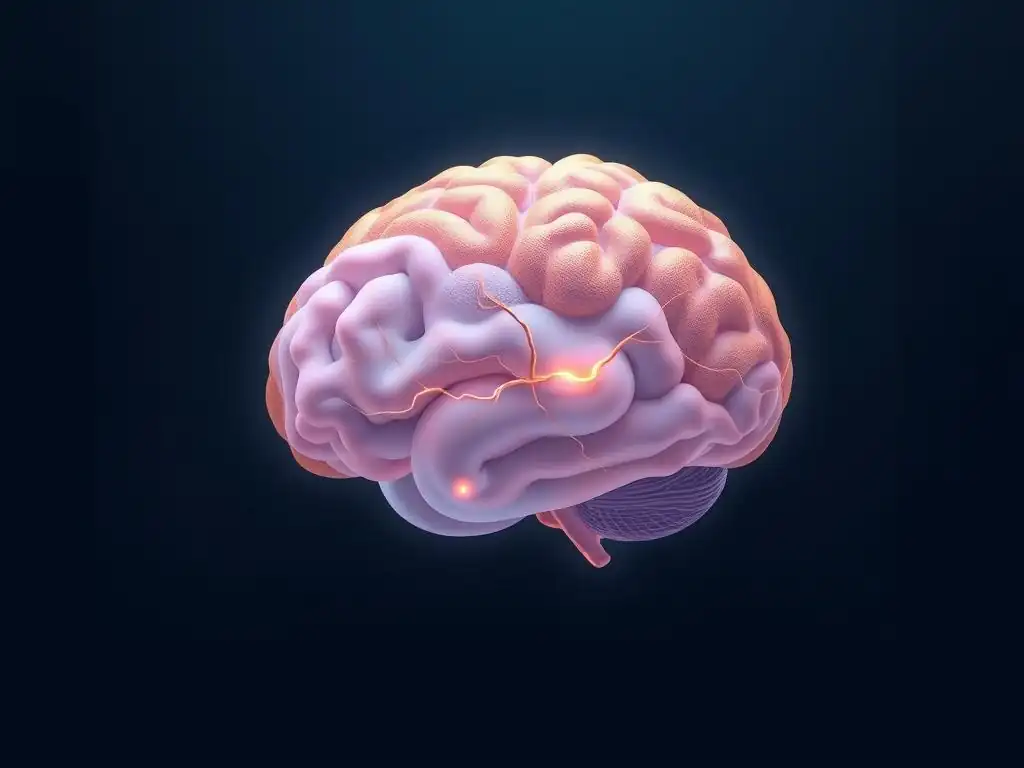
The amygdala, often referred to as the brain's "fear center," is a pair of almond-shaped structures located deep within the temporal lobes. Its primary role is to process emotions, particularly fear and threat detection. When the amygdala perceives a potential danger, it triggers the body's fight-or-flight response, preparing the individual to confront or escape the perceived threat. This automatic reaction is crucial for survival, but in conditions like anxiety, the amygdala can become hyperactive, generating false alarms even when no real danger is present.
Research suggests that individuals with anxiety often exhibit heightened amygdala activity in response to neutral or ambiguous stimuli, interpreting them as threatening. For example, studies using fMRI scans have shown that the amygdala in anxious individuals lights up more intensely and for longer periods when viewing fearful faces compared to non-anxious individuals. This persistent state of heightened alert contributes significantly to the core symptoms of anxiety, such as excessive worry, nervousness, and physical tension. Understanding the amygdala's role is fundamental to grasping the challenges in Amygdala PFC anxiety control.
The Prefrontal Cortex (PFC) and Executive Function in ADHD
The prefrontal cortex (PFC) is the brain's executive control center, located at the front of the brain. It is responsible for a wide range of higher-level cognitive functions collectively known as executive functions. These include planning, decision-making, working memory, impulse control, emotional regulation, and goal-directed behavior. The PFC acts as a conductor, helping to organize thoughts and actions and inhibit inappropriate responses.
In individuals with Attention-Deficit/Hyperactivity Disorder (ADHD), the PFC often shows structural and functional differences, leading to impairments in these executive functions. This can manifest as difficulty with organization, time management, sustaining attention, controlling impulses, and regulating emotions. For instance, studies have shown reduced gray matter volume in certain PFC regions in individuals with ADHD, as well as decreased activity during tasks requiring sustained attention or inhibition. These deficits in PFC function are central to the diagnostic criteria for ADHD and significantly impact daily life.
The Overlap: How Amygdala-PFC Interaction Contributes to Co-occurring Anxiety and ADHD
The co-occurrence of anxiety and ADHD is common, with estimates suggesting that roughly 30-50% of individuals with ADHD also experience an anxiety disorder. This significant overlap isn't merely coincidental; it's deeply rooted in the intricate communication pathways between the amygdala and the PFC. The PFC is responsible for exerting top-down control over the amygdala, helping to regulate emotional responses and prevent the amygdala from overreacting to non-threatening situations.
However, when the PFC is impaired, as is often the case in ADHD, its ability to effectively modulate amygdala activity is compromised. This weakened inhibitory control from the PFC allows the potentially hyperactive amygdala to drive anxious responses more freely. Thus, difficulties in executive function characteristic of ADHD can directly impair Amygdala PFC anxiety control, leading to heightened emotional reactivity, excessive worry, and difficulty managing stress that are hallmarks of co-occurring anxiety. This neurobiological interplay explains why managing one condition often requires addressing the other.
Neurobiological Underpinnings: Amygdala and PFC in Anxiety and ADHD
Amygdala Hyperactivity: Implications for Anxiety Symptoms in ADHD
As discussed, the amygdala's role in processing threats is vital, but its overactivity is strongly linked to anxiety. In the context of ADHD, this hyperactivity can be particularly challenging. While research is ongoing, some studies suggest that individuals with both conditions may exhibit a unique pattern of amygdala response, possibly linked to the stress and frustration associated with managing ADHD symptoms. For example, the constant effort required to focus, organize, and inhibit impulses can be inherently stressful, potentially sensitizing the amygdala.
Furthermore, the emotional dysregulation often seen in ADHD, characterized by intense and rapidly shifting moods, can be influenced by an easily triggered amygdala. Minor setbacks or criticisms might provoke disproportionately strong emotional reactions, including anxiety, due to a combination of heightened amygdala reactivity and impaired PFC regulation. This underscores how Amygdala PFC anxiety control is complicated when both brain regions are not functioning optimally.
PFC Dysfunction: Executive Function Deficits and Emotional Dysregulation
PFC dysfunction in ADHD extends beyond just attention and impulse control; it significantly impacts emotional regulation. The ventromedial prefrontal cortex (vmPFC), for instance, plays a key role in evaluating the emotional significance of events and regulating the amygdala's response. Deficits in this or other PFC areas mean individuals with ADHD may struggle to appraise situations accurately, inhibit emotional impulses, or shift focus away from distressing thoughts.
This impaired emotional regulation contributes directly to the manifestation of anxiety symptoms. Difficulty inhibiting worry thoughts, managing frustration, or planning adaptive coping responses are all tied to executive function deficits. While the amygdala might initiate the fear signal, a struggling PFC lacks the capacity to effectively process, modulate, and resolve that signal, leading to persistent or overwhelming anxiety. This highlights the critical role of the PFC in achieving effective Amygdala PFC anxiety control.
The Impact of Neurotransmitter Imbalances: Dopamine, Norepinephrine, and Serotonin
The communication between the amygdala and PFC is heavily modulated by neurotransmitters, particularly dopamine, norepinephrine, and serotonin. Dopamine and norepinephrine are crucial for regulating attention, motivation, and executive functions, and their dysregulation is central to ADHD. Low levels or inefficient signaling of these neurotransmitters in the PFC can impair its ability to exert control over the amygdala.
Serotonin is widely known for its role in mood regulation and anxiety. Imbalances in serotonin levels or signaling pathways can directly influence amygdala activity and the strength of connectivity between the amygdala and PFC. For individuals with co-occurring anxiety and ADHD, disruptions in these neurotransmitter systems create a complex neurobiological landscape where both conditions are fueled by impaired brain circuit function, further complicating Amygdala PFC anxiety control. For instance, medications targeting these neurotransmitters often aim to restore balance and improve communication within these critical brain networks.
Amygdala-Prefrontal Cortex Communication: Challenges in Anxiety and ADHD
Reduced PFC Control Over Amygdala Activity: A Common Pathway
A core neurobiological challenge in both anxiety and ADHD, particularly when they co-occur, is the weakened top-down control exerted by the PFC over the amygdala. Functional neuroimaging studies consistently show reduced functional connectivity between these two regions in individuals with anxiety disorders. This means the "highway" connecting the PFC's executive control center to the amygdala's emotional alarm system is less efficient or active.
In the context of ADHD, where PFC function is already compromised, this reduced control is exacerbated. The result is a brain state where the amygdala is more likely to trigger fear responses, and the PFC is less equipped to send the "all clear" signal or regulate the intensity and duration of that response. This impaired communication pathway is a significant barrier to effective Amygdala PFC anxiety control, leading to heightened vigilance, difficulty calming down, and persistent worry.
The Role of Attentional Bias: Focusing on Threats and Negative Stimuli
The interplay between the amygdala and PFC also heavily influences attentional processes. A hyperactive amygdala, coupled with a weakened PFC, can lead to an attentional bias towards threatening or negative stimuli. This means the brain is automatically drawn to potential dangers or negative information in the environment, while finding it difficult to disengage from them.
For someone with co-occurring anxiety and ADHD, this bias can manifest in several ways. They might hyperfocus on potential social threats, dwell excessively on past mistakes or future worries, or be easily distracted by perceived negative feedback. This constant scanning for threats further activates the amygdala, creating a feedback loop that intensifies anxiety and makes it harder for the PFC to direct attention towards task-relevant or positive information. This attentional bias is a direct consequence of impaired Amygdala PFC anxiety control.
Impact on Emotional Regulation: Difficulty Managing Impulses and Reactions
Emotional regulation is a complex process heavily reliant on effective Amygdala-PFC communication. The PFC helps us interpret emotional signals from the amygdala, consider the context, and choose an appropriate response, rather than simply reacting impulsively. This involves inhibiting initial emotional impulses and selecting more adaptive behaviors.
When this circuit is disrupted, as in anxiety and ADHD, individuals often struggle with emotional regulation. The intense emotions generated by an overactive amygdala can feel overwhelming, and the impaired inhibitory control from the PFC makes it difficult to pause and choose a measured response. This can lead to impulsive emotional outbursts, difficulty tolerating frustration, avoidance of challenging situations, and an inability to effectively calm down once anxious or upset. This difficulty managing impulses and reactions is a hallmark of impaired Amygdala PFC anxiety control.
Practical Strategies for Improving Amygdala-PFC Communication

Mindfulness-Based Interventions: Enhancing Attention and Emotional Awareness
Mindfulness practices, such as meditation and mindful breathing, are increasingly recognized for their potential to improve Amygdala-PFC communication and enhance Amygdala PFC anxiety control. Mindfulness trains the individual to pay attention to the present moment without judgment. This practice strengthens the PFC's ability to focus attention and observe thoughts and feelings from a more detached perspective, rather than getting swept away by them.
Regular mindfulness has been shown in some studies to increase gray matter density in the PFC and reduce amygdala reactivity. By consciously observing anxious thoughts or physical sensations without immediately reacting, individuals can weaken the automatic link between amygdala activation and the fight-or-flight response. This deliberate practice builds the PFC's capacity to regulate emotional responses, offering a tangible way to improve the top-down control necessary for managing anxiety in the context of ADHD.
Cognitive Behavioral Therapy (CBT): Addressing Negative Thoughts and Behaviors
Cognitive Behavioral Therapy (CBT) is a highly effective therapeutic approach that directly targets the interplay between thoughts, feelings, and behaviors. For individuals with anxiety and ADHD, CBT helps identify and challenge negative or irrational thought patterns (cognitive distortions) that contribute to anxiety and exacerbate executive function difficulties. This involves working with the PFC to reappraise situations and develop more balanced perspectives.
CBT also incorporates behavioral techniques, such as gradual exposure to feared situations, which helps to retrain the amygdala's response to stimuli. By slowly and safely confronting anxieties, the individual learns that their feared outcomes rarely occur, weakening the amygdala's alarm signal. Furthermore, CBT can teach practical strategies for managing ADHD-related challenges like organization and time management, indirectly reducing stress and improving Amygdala PFC anxiety control. Studies show CBT can lead to significant reductions in anxiety symptoms, often by 50% or more for many individuals.
Parent Training and Support: Creating a Supportive Environment for Children with ADHD and Anxiety
For children with co-occurring anxiety and ADHD, the home environment plays a critical role in supporting healthy brain development and improving Amygdala PFC anxiety control. Parent training programs equip parents with strategies to manage challenging behaviors associated with ADHD, such as impulsivity and inattention, through positive reinforcement, consistent routines, and clear expectations.
Crucially, these programs also help parents learn how to respond effectively to their child's anxiety. By providing emotional coaching, validating feelings while encouraging brave behavior, and modeling calm responses to stress, parents can help children build their own emotional regulation skills. A predictable and supportive environment reduces overall stress, which can lower amygdala reactivity, while consistent structure and positive guidance support the development of PFC functions necessary for better self-regulation and Amygdala PFC anxiety control.
Biofeedback and Neurofeedback: Training the Brain to Regulate Activity
Biofeedback and neurofeedback are techniques that allow individuals to gain conscious control over physiological or brain activity that is typically involuntary. Biofeedback might involve monitoring heart rate or skin temperature to learn relaxation techniques. Neurofeedback, specifically, uses EEG (electroencephalography) to show real-time brainwave activity, often focusing on regions like the PFC and amygdala.
The goal is to train the individual to alter their brainwave patterns towards a desired state associated with calmness and focus. For example, neurofeedback might target increasing brainwave activity in specific PFC areas associated with attention and inhibition, while decreasing activity patterns linked to amygdala hyperactivity. While more research is needed, these techniques offer a promising avenue for individuals to directly practice strengthening the neural pathways involved in Amygdala PFC anxiety control.
Techniques to Regulate the Amygdala: Managing Emotional Reactivity
Relaxation Techniques: Deep Breathing and Progressive Muscle Relaxation
Simple relaxation techniques are powerful tools for directly counteracting the amygdala's activation of the sympathetic nervous system (fight-or-flight response). Deep diaphragmatic breathing, for example, stimulates the vagus nerve, which is part of the parasympathetic nervous system responsible for rest and digestion. Slow, deep breaths send a signal to the brain, including the amygdala, that the perceived threat is not immediate, helping to calm the nervous system.
Progressive muscle relaxation involves tensing and then releasing different muscle groups in the body. This practice helps individuals become more aware of physical tension, a common symptom of anxiety driven by amygdala activation, and teaches them how to consciously release it. By reducing physical symptoms of anxiety, these techniques indirectly signal to the amygdala that the environment is safe, supporting Amygdala PFC anxiety control efforts from the bottom up. Practicing these regularly can lower baseline anxiety levels.
Exposure Therapy: Gradually Facing Feared Situations
Exposure therapy is a cornerstone treatment for anxiety disorders, specifically designed to retrain the amygdala's fear response. It involves gradually and systematically exposing the individual to the feared object, situation, or thought in a safe and controlled environment. The process starts with stimuli that provoke minimal anxiety and progresses to more challenging ones, often guided by an anxiety hierarchy developed with a therapist.
The underlying principle is habituation and extinction. As the individual remains in the feared situation without the feared outcome occurring, the amygdala learns that the stimulus is not actually dangerous, and its alarm response diminishes over time. This process strengthens the PFC's ability to override the initial fear signal and promotes a more adaptive response. By directly confronting and processing fear, exposure therapy is a potent method for improving Amygdala PFC anxiety control at its source.
Social anxiety is a common form of anxiety, often linked to heightened amygdala responses in social situations. For individuals with co-occurring ADHD, challenges with social cues or impulsivity can sometimes exacerbate social difficulties and associated anxiety. Social skills training helps individuals develop and practice specific communication and interaction skills in a supportive setting.
By learning and practicing skills such as initiating conversations, listening actively, asserting needs, and interpreting nonverbal cues, individuals can feel more confident and competent in social interactions. This reduces the perception of social situations as threatening, thereby lowering amygdala activation. Successful social interactions also provide positive reinforcement, which can further reduce anxiety over time. Improving social competence through training indirectly supports Amygdala PFC anxiety control by reducing the frequency and intensity of social fear triggers.
The Role of the Prefrontal Cortex in Executive Function: Practical Applications
Time Management Strategies: Improving Planning and Organization
Difficulties with time management, planning, and organization are core executive function deficits associated with ADHD, which can significantly contribute to stress and anxiety. Feeling overwhelmed by tasks, missing deadlines, or struggling to prioritize can trigger worry and a sense of inadequacy. Implementing practical time management strategies directly targets these PFC-dependent skills.
Techniques like using planners, calendars, task lists, and breaking down large tasks into smaller, manageable steps help individuals externalize and structure their planning processes. Visual schedules or timers can improve awareness of time passage, another PFC function. Consistently using these tools trains the PFC to better organize information and plan actions, reducing the chaos that can fuel anxiety. For example, dedicating specific time blocks for tasks can decrease the anxiety associated with feeling unsure of where to start or how long something will take.
Working Memory Training: Enhancing Cognitive Capacity
Working memory, the ability to hold and manipulate information in the mind over short periods, is a key executive function primarily managed by the PFC. It's essential for following instructions, solving problems, and resisting distractions. Impaired working memory in ADHD can make it difficult to keep track of information needed for tasks, leading to errors, frustration, and increased anxiety.
While research on the generalizability of working memory training is mixed, certain exercises and strategies aim to enhance this cognitive capacity. These might include specific computer-based training programs designed to challenge working memory or integrating strategies into daily life, like visualizing steps or using mnemonic devices. Strengthening working memory can improve the PFC's ability to manage complex information and maintain focus, thereby supporting better task completion and reducing anxiety related to feeling forgetful or inefficient.
Problem-Solving Skills: Developing Strategies for Managing Challenges
Effective problem-solving is a high-level executive function requiring the PFC to identify a problem, brainstorm potential solutions, evaluate their pros and cons, choose the best course of action, and monitor the outcome. Individuals with deficits in this area may feel overwhelmed by challenges, resort to impulsive or ineffective solutions, or avoid problems altogether, leading to increased anxiety.
Learning structured problem-solving techniques provides a systematic approach to navigating difficulties. This involves steps like clearly defining the problem, listing possible solutions without judgment, analyzing the potential consequences of each, selecting a solution, and creating an action plan. Practicing this process trains the PFC to approach challenges logically and strategically, reducing the emotional reactivity often driven by the amygdala when faced with uncertainty or difficulty. Developing these skills enhances a sense of agency and can significantly improve Amygdala PFC anxiety control by providing tools to manage stressors effectively.
A Holistic Approach to Managing Anxiety and ADHD
The Importance of Professional Assessment and Diagnosis
Given the significant overlap in symptoms between anxiety and ADHD (e.g., restlessness, difficulty focusing, feeling overwhelmed), obtaining a professional assessment and accurate diagnosis is crucial. Symptoms like inattention could be due to worry, or anxiety could be a reaction to the struggles caused by untreated ADHD. A thorough evaluation by a qualified mental health professional can differentiate between these possibilities or identify the presence of both conditions.
An accurate diagnosis is the foundation for effective treatment. It allows clinicians to tailor interventions to the specific needs of the individual, addressing both conditions concurrently. For example, treatment plans might involve strategies targeting both executive function deficits and anxiety symptoms, rather than focusing on just one aspect. This integrated approach is essential for optimizing Amygdala PFC anxiety control and overall well-being.
Medication Options: Stimulants, SSRIs, and Non-Stimulant Medications
Medication can be a valuable component of a holistic treatment plan for co-occurring anxiety and ADHD, often targeting the neurotransmitter imbalances affecting the Amygdala-PFC circuit. Stimulant medications (like methylphenidate or amphetamines) are commonly prescribed for ADHD and primarily affect dopamine and norepinephrine. By improving signaling in the PFC, they can enhance executive functions, attention, and impulse control, which can indirectly reduce stress and anxiety related to managing ADHD symptoms.
Selective Serotonin Reuptake Inhibitors (SSRIs) are a common class of medication for anxiety disorders, working by increasing serotonin availability in the brain, which influences mood and reduces amygdala reactivity. Sometimes, both a stimulant and an SSRI are used together. Non-stimulant medications for ADHD (like atomoxetine or guanfacine) offer alternative approaches, also influencing norepinephrine and sometimes dopamine, potentially impacting the Amygdala-PFC pathway. The choice of medication depends on the individual's specific symptom profile and response, aiming to improve brain function and support Amygdala PFC anxiety control.
Lifestyle Modifications: Diet, Exercise, and Sleep Hygiene
Lifestyle factors have a profound impact on brain health and function, including the delicate balance between the amygdala and PFC. Regular physical exercise is particularly beneficial, as it increases levels of neurotransmitters like dopamine, norepinephrine, and serotonin, which are vital for mood regulation and executive function. Exercise can also act as a natural stress reliever, reducing overall amygdala activity and promoting a sense of calm.
Adequate sleep is critical for cognitive function and emotional regulation. Chronic sleep deprivation impairs PFC function, making it harder to regulate emotions and manage stress, potentially increasing amygdala reactivity. Aiming for 7-9 hours of quality sleep per night is important. While the link between diet and ADHD/anxiety is complex, a balanced diet rich in omega-3 fatty acids, fruits, and vegetables supports overall brain health. Reducing processed foods, sugar, and caffeine can also help stabilize mood and improve focus, contributing to better Amygdala PFC anxiety control.
Long-Term Strategies for Maintaining Balance and Promoting Well-being
Building Resilience: Developing Coping Mechanisms for Stress
Building resilience is a long-term process of developing the mental and emotional strength to cope with stress and adversity. For individuals managing anxiety and ADHD, this involves cultivating a repertoire of healthy coping mechanisms. These might include practicing relaxation techniques regularly, engaging in hobbies, spending time in nature, journaling, or using mindfulness to manage challenging thoughts and feelings.
Resilience is not about avoiding stress but about learning to navigate it effectively. By consistently applying coping strategies, individuals strengthen the PFC's ability to manage stress responses and reduce the likelihood of the amygdala becoming overwhelmed. This proactive approach to stress management is key for maintaining long-term Amygdala PFC anxiety control and preventing symptom exacerbation.
Creating a Supportive Network: Family, Friends, and Support Groups
Social connection and support are powerful buffers against stress and anxiety. Having a strong network of understanding family, friends, or peers provides emotional validation, practical assistance, and a sense of belonging. Sharing experiences with others who understand the challenges of anxiety and ADHD, such as in support groups, can reduce feelings of isolation and provide valuable insights and encouragement.
Support networks can also aid in emotional co-regulation. Simply talking through anxieties with a trusted person can help activate the PFC and gain perspective, calming the amygdala. Knowing you are not alone in your struggles and having people to lean on significantly contributes to a sense of security and stability, which is fundamental for maintaining Amygdala PFC anxiety control over time.
Regular Monitoring and Follow-up: Ensuring Effective Treatment
Managing co-occurring anxiety and ADHD is an ongoing process that requires regular monitoring and follow-up with healthcare professionals. Symptoms can fluctuate over time, and treatment plans may need adjustment based on life circumstances, stress levels, or individual response. Regular check-ins allow clinicians to assess symptom severity, evaluate the effectiveness of current strategies (including medication and therapy), and make necessary modifications.
This consistent professional guidance ensures that the individual receives optimal support for maintaining balance in their brain function and promoting long-term well-being. It allows for proactive identification and management of potential setbacks, reinforcing the skills and strategies needed for sustained Amygdala PFC anxiety control.
Conclusion: Empowering Individuals with Anxiety and ADHD
The Importance of Early Intervention
Addressing co-occurring anxiety and ADHD as early as possible is paramount. Untreated, these conditions can significantly impact academic performance, social relationships, emotional development, and overall quality of life. Early intervention provides individuals with the tools and support needed to understand their unique brain wiring and develop effective strategies for managing their symptoms from a young age.
Intervening early helps prevent the negative feedback loops where anxiety exacerbates ADHD symptoms and vice versa. It allows for the development of healthier Amygdala-PFC communication patterns and strengthens the foundation for long-term Amygdala PFC anxiety control. Early support empowers individuals to build confidence and self-efficacy, mitigating the potential for negative outcomes associated with unmanaged conditions.
Fostering Self-Advocacy Skills
Empowering individuals with anxiety and ADHD involves fostering strong self-advocacy skills. This means helping them understand their conditions, recognize their strengths and challenges, and effectively communicate their needs to others, whether it's teachers, employers, family members, or healthcare providers. Self-advocacy is about taking an active role in managing one's well-being.
By becoming knowledgeable about how their brain works, including the interplay between the amygdala and PFC, individuals can better understand their reactions and needs. Learning to articulate these needs, such as requesting accommodations in school or work or clearly communicating therapeutic goals to a therapist, enables them to access appropriate support and make informed decisions about their care. This proactive stance is vital for navigating life successfully and maintaining Amygdala PFC anxiety control.
Resources for Further Learning and Support
Navigating the complexities of co-occurring anxiety and ADHD and understanding the neurobiological basis of Amygdala PFC anxiety control can be challenging. Fortunately, numerous resources are available to provide further learning and support. Mental health organizations dedicated to anxiety disorders and ADHD offer extensive information, educational materials, and online communities.
Professional directories can help individuals find qualified therapists, psychiatrists, or coaches specializing in treating these conditions. Support groups, both in-person and online, offer a space to connect with others who share similar experiences, providing mutual support and practical advice. Accessing these resources is a crucial step towards gaining knowledge, finding community, and continuing the journey towards effective Amygdala PFC anxiety control and enhanced well-being.
Frequently Asked Questions
How does the amygdala contribute to anxiety, and what is its role in the amygdala PFC anxiety control process?
The amygdala is the brain's threat detector, triggering fear responses. In amygdala PFC anxiety control, it signals potential dangers that the prefrontal cortex (PFC) then evaluates.
What is the prefrontal cortex (PFC), and how does it help in amygdala PFC anxiety control?
The PFC is the brain's executive function center. It helps regulate emotions by assessing threats signaled by the amygdala and dampening the anxiety response.
Why is the interaction between the amygdala and PFC important for managing anxiety?
A balanced interaction enables accurate threat assessment. If the PFC is weak, the amygdala overreacts, leading to heightened anxiety. Amygdala PFC anxiety control is crucial for a healthy emotional response.
What are some practical strategies to improve amygdala PFC anxiety control?
Mindfulness, therapy (CBT/DBT), and specific exercises can strengthen the PFC's ability to regulate the amygdala. These promote a better amygdala PFC anxiety control.
Can lifestyle factors like diet and exercise impact amygdala PFC anxiety control?
Yes, a healthy lifestyle can positively influence brain function. Proper nutrition and regular exercise support the PFC's function, aiding in effective amygdala PFC anxiety control.
Final Reflection: Reclaiming Control: The Ongoing Dialogue Between Amygdala and PFC
Understanding the intricate dance between the amygdala and prefrontal cortex is not merely an academic exercise; it's the key to unlocking a more peaceful and resilient self. The heightened anxiety levels prevalent in modern society underscore the urgent need to comprehend this neural interplay and harness its power for our benefit. Ignoring this crucial connection leaves us vulnerable to overwhelming stress and debilitating fear.
The ongoing impact of this research is profound, shaping our understanding of anxiety disorders and informing the development of more effective therapeutic interventions. The more we learn about how these brain regions communicate, the better equipped we are to develop targeted strategies for managing anxiety. The mind is everything. What you think you become.
– Buddha. This ancient wisdom resonates deeply with the modern neuroscientific understanding of the power of conscious thought in modulating the amygdala's reactivity. The ability to cultivate mindful awareness and engage the PFC is not just a theoretical concept; it's a tangible path towards emotional regulation.
You now possess a deeper understanding of the amygdala-PFC connection and its role in anxiety. Consider this: how can you consciously cultivate the strength of your prefrontal cortex to better manage stressful situations? Practice mindfulness, engage in cognitive restructuring techniques, and seek professional help when needed. Remember, the journey towards emotional balance is a continuous process, but with self-awareness and consistent effort, you can truly reclaim control over your anxiety and live a more fulfilling life.
Unleash Your Inner Calm: Take Control of Your Anxiety
Thanks for taking the time to explore the fascinating world of amygdala-PFC interaction and its impact on anxiety! You've gained valuable insights into how your brain manages stress, and now it's time to put that knowledge into action.
Here's how you can start building a calmer, more resilient you:
- Prioritize mindfulness practices: Even 5 minutes a day of deep breathing or meditation can significantly impact your amygdala's reactivity. This is your primary step towards better anxiety control.
- Challenge negative thoughts: Identify and actively reframe those anxious thoughts that pop up. Try journaling about them or discussing them with a trusted friend or family member.
- Share your newfound knowledge: Spread the word about the power of understanding your brain's anxiety response! Discuss this article with someone who might benefit from these insights.
Ready to cultivate a more balanced and peaceful mind? What's the first small step you'll take today to strengthen your brain's ability to manage anxiety?