
Recognizing AmygdalaDriven Physical Symptoms of Anxiety

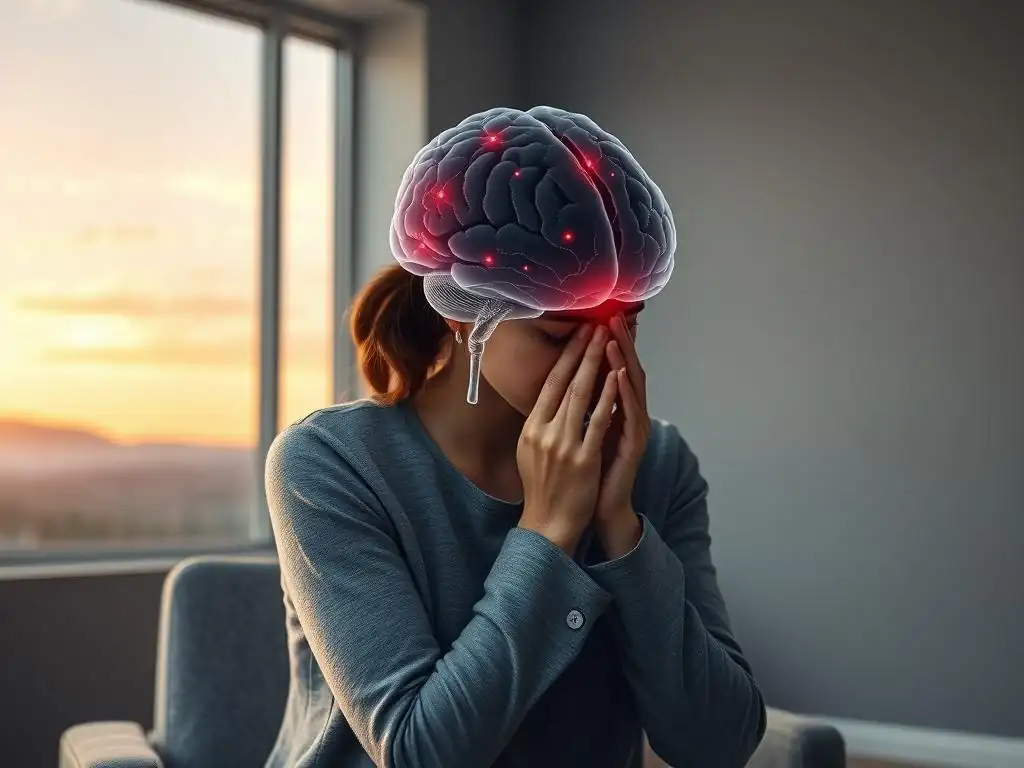
Welcome to Mind Care Guide, your trusted companion on the path to mental well-being.
Ever wondered why anxiety feels so deeply physical? Dive into "Recognizing Amygdala-Driven Physical Symptoms of Anxiety" and uncover the fascinating connection between your body and your mind. Understanding how your amygdala impacts anxiety's physical manifestations is the first step towards regaining control. Let's explore this crucial link together and discover practical strategies for managing anxiety's grip.
Recognizing Amygdala-Driven Physical Symptoms of Anxiety: A Mind Care Guide
- Understanding the Amygdala's Role in Anxiety and its Physical Manifestations
- Identifying Anxiety’s Physical Symptoms Amygdala Driven
- The Neuroscience Behind Amygdala-Driven Physical Anxiety
- Distinguishing Amygdala-Related Physical Symptoms from Other Conditions
- Managing Amygdala-Driven Physical Symptoms of Anxiety
- Seeking Professional Help for Amygdala-Related Anxiety Symptoms
- Living with Amygdala-Driven Physical Anxiety: Strategies for Coping
-
Frequently Asked Questions
- What are some common physical symptoms of anxiety that are amygdala driven?
- How does the amygdala contribute to physical symptoms during anxiety?
- Can physical symptoms of anxiety be mistaken for other medical conditions?
- What are some strategies for managing amygdala-driven physical symptoms of anxiety?
- Is medication a viable option for addressing physical symptoms of anxiety related to the amygdala?
- Final Reflection: Understanding the Body's Anxiety Language
- Unveil Your Body's Anxiety Signals: Take Control Now!
Understanding the Amygdala's Role in Anxiety and its Physical Manifestations
The Amygdala: Your Brain's Fear Center and Anxiety's Trigger
The amygdala, a small almond-shaped structure deep within the temporal lobe of the brain, is often referred to as the brain's fear center. Its primary function is to detect threats in the environment and trigger a rapid response to ensure survival. This ancient part of the brain is constantly scanning incoming sensory information, and when it perceives danger, it initiates a cascade of physiological reactions designed to prepare the body for fight, flight, or freeze. This process is incredibly fast, often bypassing the conscious, rational parts of the brain, which is why we might react physically to something before we've even fully processed it mentally.
In the context of anxiety, the amygdala can become hyperactive or overly sensitive. Instead of responding only to genuine threats, it may misinterpret neutral or ambiguous stimuli as dangerous. This leads to the fear response being triggered inappropriately or disproportionately. This heightened state of alert in the amygdala is a core component of various anxiety disorders, including generalized anxiety disorder, panic disorder, phobias, and social anxiety disorder. The persistent activation of this fear circuit significantly contributes to the subjective feeling of fear or worry, and crucially, it drives many of the distressing physical symptoms that people experience during anxiety.
How the Amygdala Influences Physical Responses to Anxiety
When the amygdala is activated, it sends signals to other parts of the brain and body, particularly the hypothalamus. This initiates the stress response system, most notably the activation of the sympathetic nervous system. This system is responsible for mobilizing the body's resources for immediate action. Hormones like adrenaline (epinephrine) and noradrenaline (norepinephrine) are released from the adrenal glands, leading to widespread physiological changes. Blood is shunted away from non-essential functions like digestion and towards major muscle groups. The heart rate and breathing rate increase to supply more oxygen. Muscles tense, and senses become heightened.
These physiological changes manifest as the physical symptoms commonly associated with anxiety. The amygdala's signal essentially puts the body into a state of high alert, preparing it for a threat that may not actually exist. This explains why anxiety’s physical symptoms amygdala driven can feel so intense and involuntary.
The body is reacting as if it's in grave danger, even when the conscious mind knows there is no immediate threat. Understanding this connection between the amygdala and the body helps validate the experience of those suffering from anxiety – the physical symptoms are not "all in their head," but are real, tangible results of a hyperactive fear response system.
Identifying Anxiety’s Physical Symptoms Amygdala Driven
Common Physical Symptoms Triggered by Amygdala Activation
Anxiety’s physical symptoms amygdala driven can present in numerous ways, often mimicking serious medical conditions, which can further exacerbate anxiety. These symptoms are direct results of the body's stress response being activated by the amygdala. They can range in intensity from mild discomfort to severe, debilitating sensations. Recognizing these common manifestations is crucial for understanding and managing anxiety.
While individual experiences vary, certain physical symptoms are particularly common hallmarks of amygdala activation during anxiety. These include changes in cardiovascular function, respiratory patterns, muscular tension, thermoregulation, and gastrointestinal processes. The persistent or sudden onset of these symptoms without a clear medical cause often points towards an anxiety response originating in the brain's fear circuitry.
Increased Heart Rate and Palpitations: An Amygdala Response
One of the most immediate and noticeable physical symptoms triggered by amygdala activation is a rapid or pounding heart rate, often felt as palpitations. When the amygdala signals danger, the sympathetic nervous system releases adrenaline, which directly affects the heart muscle, causing it to beat faster and harder. This prepares the body to pump oxygenated blood more quickly to muscles.
During a panic attack, heart rate can surge dramatically, sometimes from a resting rate of around 60-80 beats per minute to over 120 or even 150 beats per minute within moments. This sensation can be terrifying, leading individuals to believe they are having a heart attack. However, this accelerated heart rate is a classic fight-or-flight response orchestrated by the amygdala to mobilize the body for action.
Rapid Breathing and Hyperventilation: The Fight-or-Flight Response
Another hallmark of amygdala-driven anxiety is changes in breathing patterns, typically becoming faster and shallower, known as tachypnea. This is part of the body's preparation to take in more oxygen needed for intense physical exertion. In some cases, this rapid breathing can lead to hyperventilation, where the body expels too much carbon dioxide.
Hyperventilation can result in a range of secondary physical symptoms, such as dizziness, lightheadedness, shortness of breath (paradoxically), numbness or tingling in the extremities or around the mouth, and even chest tightness. This cluster of symptoms is a direct consequence of the amygdala initiating the respiratory component of the fight-or-flight response.
Muscle Tension and Tremors: Physical Anxiety Manifestations
The amygdala's signal to prepare for action includes tensing major muscle groups. This is an evolutionary adaptation to make the body ready for physical combat or rapid escape. Chronic anxiety driven by a hyperactive amygdala can lead to persistent muscle tension, particularly in areas like the neck, shoulders, back, and jaw.
This sustained tension can cause discomfort, stiffness, headaches (especially tension headaches), and even chronic pain. In moments of peak anxiety or panic, the muscle tension can become more pronounced, sometimes leading to noticeable trembling or shaking (tremors) in the hands or other parts of the body as the muscles remain in a high-alert, ready-to-act state.
Sweating and Hot Flashes: Amygdala-Induced Temperature Changes
Increased sweating, particularly on the palms, forehead, and underarms, is a common physical symptom linked to amygdala activation. Sweating is part of the body's thermoregulation system, but in the context of the stress response, it can be triggered by the surge in adrenaline and increased metabolic activity.
Some individuals also experience hot flashes or sudden feelings of intense heat during anxiety episodes. These thermoregulatory changes are directly influenced by the sympathetic nervous system's response to signals from the amygdala, preparing the body for exertion by potentially cooling it down or reacting to increased internal heat generation.
Digestive Issues: The Gut-Brain Connection in Anxiety
The gut and the brain are intimately connected through the vagus nerve and a complex network of neurotransmitters. When the amygdala activates the stress response, blood flow is diverted away from the digestive system as it's not essential for immediate survival. This diversion, combined with the release of stress hormones, can significantly impact gut function.
Anxiety’s physical symptoms amygdala driven often include a range of gastrointestinal disturbances such as nausea, stomach cramps, diarrhea, constipation, indigestion, and a "nervous stomach" sensation. Studies indicate a high comorbidity between anxiety disorders and functional gastrointestinal disorders like Irritable Bowel Syndrome (IBS), with some research suggesting over 60% of individuals with anxiety report significant gut symptoms. These issues highlight how deeply the amygdala's influence extends throughout the body.
The Neuroscience Behind Amygdala-Driven Physical Anxiety
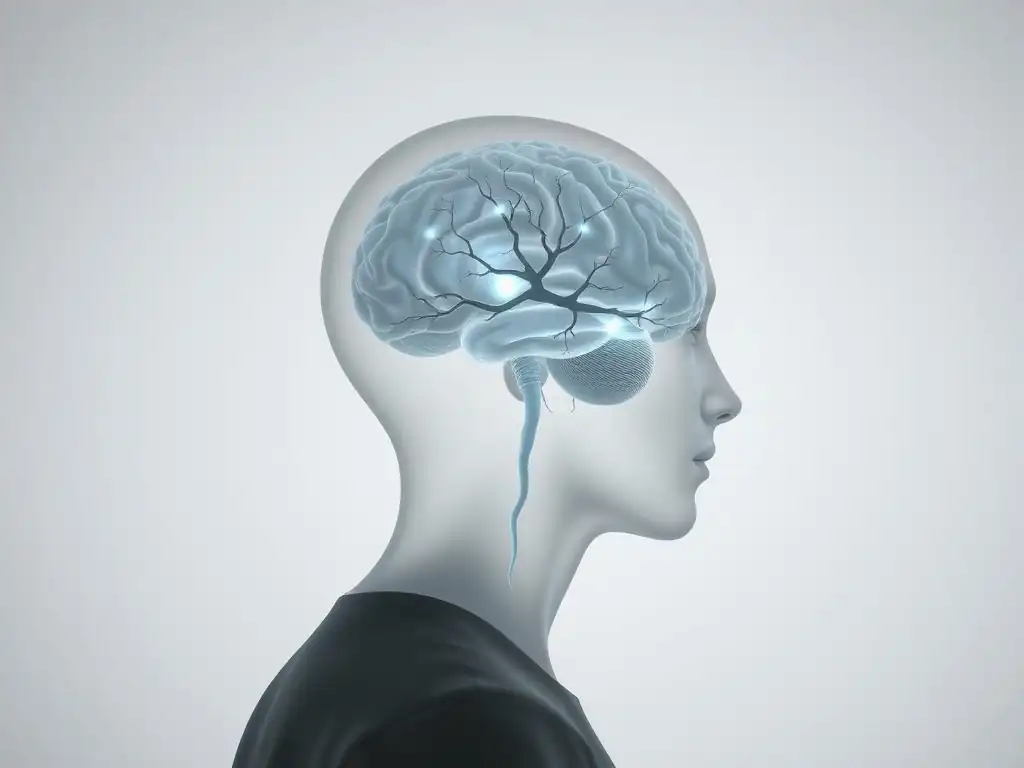
The Amygdala-Hypothalamus-Pituitary-Adrenal (HPA) Axis and Physical Anxiety
A key pathway through which the amygdala drives physical anxiety symptoms is the Hypothalamus-Pituitary-Adrenal (HPA) axis. When the amygdala detects a threat, it signals the hypothalamus, which then releases corticotropin-releasing hormone (CRH). CRH travels to the pituitary gland, prompting the release of adrenocorticotropic hormone (ACTH). ACTH then stimulates the adrenal glands to produce and release cortisol, the primary stress hormone.
Cortisol has widespread effects on the body, including increasing blood sugar, suppressing the immune system, and enhancing the effects of adrenaline and noradrenaline. Chronic activation of the HPA axis due to a hyperactive amygdala can lead to persistently elevated cortisol levels, contributing to long-term physical health problems in addition to the acute physical symptoms experienced during anxiety episodes. The interplay between the amygdala and the HPA axis is central to understanding the physiological basis of anxiety’s physical symptoms amygdala driven.
Neurotransmitters and the Amygdala's Influence on Physical Symptoms
Neurotransmitters are chemical messengers that transmit signals between neurons. The amygdala's activity is heavily influenced by, and in turn influences, various neurotransmitter systems, including serotonin, norepinephrine, GABA (gamma-aminobutyric acid), and glutamate. Imbalances in these neurotransmitters are strongly linked to anxiety disorders and their physical manifestations.
For example, norepinephrine is crucial in the fight-or-flight response; its heightened activity, partly driven by the amygdala, directly contributes to increased heart rate and blood pressure. GABA, on the other hand, is an inhibitory neurotransmitter that helps calm neural activity; reduced GABAergic function can lead to increased amygdala excitability and therefore more pronounced physical anxiety symptoms. Serotonin also plays a complex role, influencing mood, sleep, and digestion, explaining its link to both the emotional and physical aspects of anxiety. Understanding these neurotransmitter dynamics provides deeper insight into why the amygdala triggers such a wide array of physical responses.
When to Suspect the Amygdala is the Source of Physical Anxiety
Suspecting that the amygdala is the source of physical symptoms often arises when these symptoms occur in situations perceived as stressful or threatening, but where no actual physical danger exists. For example, experiencing sudden heart palpitations and shortness of breath before giving a presentation, during a crowded commute, or while worrying excessively about future events, without any underlying cardiac or respiratory condition, strongly suggests an anxiety response driven by the amygdala.
Furthermore, physical symptoms that wax and wane with periods of stress, worry, or specific triggers (like social situations or phobic stimuli) are more likely tied to anxiety than to a constant organic disease process. If a medical workup for concerning symptoms like chest pain, dizziness, or digestive upset yields no clear diagnosis, it is often reasonable to consider anxiety’s physical symptoms amygdala driven as a primary or contributing factor.
Differential Diagnosis: Ruling Out Cardiac, Respiratory, and Gastrointestinal Disorders
Given that anxiety’s physical symptoms amygdala driven can powerfully mimic serious medical conditions, a thorough medical evaluation is always the essential first step. A doctor will perform a physical examination, review medical history, and likely order tests to rule out other potential causes.
- Cardiac Concerns: Symptoms like chest pain, palpitations, or dizziness warrant an electrocardiogram (ECG), possibly a stress test, or continuous heart monitoring (like a Holter monitor) to rule out arrhythmias or coronary artery disease.
- Respiratory Issues: Shortness of breath or hyperventilation might require lung function tests or chest imaging to exclude asthma, COPD, or pulmonary embolism.
- Gastrointestinal Distress: Persistent nausea, pain, or changes in bowel habits may lead to endoscopy, colonoscopy, or imaging studies to rule out conditions like ulcers, IBD, or Celiac disease.
Only after a comprehensive medical workup has excluded or managed primary physical illnesses can physical symptoms confidently be attributed to anxiety and the underlying mechanisms involving the amygdala.
Managing Amygdala-Driven Physical Symptoms of Anxiety
Calming the Amygdala: Techniques for Reducing Physical Anxiety
Managing anxiety’s physical symptoms amygdala driven often involves techniques aimed at regulating the nervous system and signaling to the amygdala that there is no real threat. These strategies can help dampen the excessive fight-or-flight response. Consistent practice is key to their effectiveness.
Techniques that activate the parasympathetic nervous system, the body's "rest and digest" system, are particularly useful. By counteracting the sympathetic activation driven by the amygdala, these methods can lower heart rate, slow breathing, and reduce muscle tension, providing tangible relief from physical anxiety symptoms.
Deep Breathing Exercises for Amygdala Regulation
Deep, diaphragmatic breathing is a powerful tool for calming the nervous system. By consciously slowing and deepening the breath, you send a signal to the brain, including the amygdala, that the body is safe and can relax. Techniques like 4-7-8 breathing (inhale for 4 counts, hold for 7, exhale for 8) can be particularly effective.
Practicing deep breathing for just a few minutes daily can help lower baseline stress levels. During an acute episode of anxiety or panic characterized by rapid breathing and palpitations, focusing on slow, controlled exhales can help regulate carbon dioxide levels and alleviate symptoms like dizziness and tingling caused by hyperventilation, directly counteracting the amygdala's respiratory signal.
Mindfulness and Meditation for Physical Anxiety Relief
Mindfulness involves paying non-judgmental attention to the present moment, including physical sensations. Meditation practices can help individuals become more aware of their physical symptoms without feeling overwhelmed by them, and can also train the mind to respond differently to anxious thoughts and feelings that trigger the amygdala.
Regular meditation has been shown in studies to potentially decrease amygdala reactivity and increase connectivity between the amygdala and the prefrontal cortex (the brain's executive control center), suggesting a reduction in the amygdala's influence on the stress response. Even short daily sessions of 10-15 minutes can contribute to a calmer physiological state and lessen the frequency or intensity of anxiety’s physical symptoms amygdala driven.
Progressive Muscle Relaxation for Tension Release
Progressive Muscle Relaxation (PMR) is a technique where you systematically tense and then release different muscle groups in the body. This practice helps individuals become more aware of where they hold tension (a common amygdala-driven symptom) and provides a method for releasing it.
By deliberately relaxing muscles throughout the body, PMR sends physical signals of safety and relaxation to the brain, which can help quiet the amygdala's alarm bells. Practicing PMR regularly can reduce chronic muscle tension and provide an active coping strategy during acute anxiety episodes to alleviate physical discomfort.
Lifestyle Changes to Support Amygdala Function and Reduce Anxiety
Beyond immediate techniques, adopting healthy lifestyle habits provides a foundation for reducing overall anxiety and supporting healthier amygdala function. These changes influence the brain's chemistry and structure over time, making the amygdala less reactive to perceived threats.
Consistency in these areas is vital. Just as poor habits can exacerbate anxiety’s physical symptoms amygdala driven, positive changes can build resilience and reduce the frequency and intensity of the body's stress response.
The Importance of Sleep for Amygdala Health
Sleep deprivation significantly impacts the amygdala, often making it more reactive to negative stimuli and less connected to the prefrontal cortex. Chronic poor sleep can worsen anxiety symptoms, including their physical manifestations. Aiming for 7-9 hours of quality sleep per night is crucial for regulating mood and stress response.
Establishing a consistent sleep schedule, creating a relaxing bedtime routine, and ensuring a dark, quiet, and cool sleep environment can improve sleep quality. Better sleep helps restore the brain's ability to manage stress effectively, potentially reducing the likelihood of the amygdala triggering inappropriate fight-or-flight responses.
Diet and Nutrition for Managing Anxiety's Physical Impact
What you eat can influence brain function and the nervous system. While no specific diet cures anxiety, balanced nutrition supports overall mental and physical health. Avoiding excessive caffeine and sugar, which can mimic or worsen physical anxiety symptoms like jitters and palpitations, is often recommended.
Consuming a diet rich in whole foods, including fruits, vegetables, lean proteins, and healthy fats (like omega-3 fatty acids found in fish), provides the necessary nutrients for neurotransmitter production and brain health. Staying hydrated is also important, as dehydration can sometimes trigger symptoms like dizziness. Addressing gut health through diet may also indirectly help manage anxiety’s physical symptoms amygdala driven due to the gut-brain axis.
Exercise and Physical Activity for Amygdala Regulation
Regular physical activity is a powerful antidote to stress and anxiety. Exercise helps burn off stress hormones like adrenaline and cortisol, which are released when the amygdala is activated. It also promotes the release of endorphins, which have mood-boosting and calming effects.
Engaging in aerobic exercise (like brisk walking, running, or swimming) for at least 150 minutes per week, or moderate-intensity exercise for 75 minutes per week, can significantly reduce anxiety levels and the frequency of physical symptoms. Exercise also provides a healthy outlet for physical tension and can improve sleep, further supporting amygdala regulation.
When to Consult a Mental Health Professional
If anxiety’s physical symptoms amygdala driven are persistent, severe, interfering with daily life, or causing significant distress, it is time to consult a mental health professional. This includes experiencing frequent panic attacks, constant worry accompanied by physical discomfort, or avoiding situations due to fear of physical symptoms.
A therapist or counselor can provide a proper diagnosis and develop a tailored treatment plan. They can help you understand the root causes of your anxiety, identify triggers, and teach you effective coping strategies. Mental health professionals are equipped to address the complex interplay between the amygdala, other brain regions, and your lived experience.
Therapies Targeting the Amygdala and Anxiety
Several therapeutic approaches are specifically effective in helping individuals manage anxiety disorders and the physical symptoms they cause by influencing the brain's fear response circuitry, including the amygdala. These therapies work by helping individuals change their thought patterns, behaviors, and responses to fear.
The goal is often to "retrain" the amygdala and strengthen the connection with the prefrontal cortex, allowing for a more rational assessment of perceived threats and a less intense physical reaction.
Cognitive Behavioral Therapy (CBT) and Amygdala Retraining
Cognitive Behavioral Therapy (CBT) is a highly effective therapy for anxiety disorders. It focuses on identifying and challenging negative thought patterns (cognitions) and changing behaviors. By addressing the anxious thoughts that trigger the amygdala, and by gradually exposing individuals to feared situations in a controlled way, CBT helps to break the cycle of fear and avoidance.
Through CBT, individuals learn to reappraise situations, reducing the likelihood that the amygdala will interpret them as dangerous. This process, over time, can lead to decreased reactivity in the amygdala and a reduction in anxiety’s physical symptoms amygdala driven. Studies using fMRI have shown changes in brain activity, including in the amygdala, following successful CBT treatment for anxiety.
Exposure Therapy and Eye Movement Desensitization and Reprocessing (EMDR)
Exposure therapy is a specific type of CBT that involves gradually exposing individuals to their feared objects or situations in a safe environment. This helps to extinguish the fear response associated with the trigger. By confronting fears rather than avoiding them, the amygdala learns that the perceived threat is not real, reducing its activation and the resulting physical symptoms.
Eye Movement Desensitization and Reprocessing (EMDR) is a psychotherapy approach often used for trauma but also effective for anxiety. It involves processing distressing memories or feelings while focusing on external stimuli, often eye movements. While the exact mechanism is still researched, EMDR is thought to influence how the brain processes information, potentially reducing the intensity of emotional and physical responses linked to the amygdala and associated with past distressing experiences.
Living with Amygdala-Driven Physical Anxiety: Strategies for Coping
Living with anxiety and its physical symptoms can be challenging, but it is manageable. Developing effective coping strategies, building resilience, and establishing a supportive network are crucial for long-term well-being.
The journey involves learning to understand your anxiety, recognizing your triggers, and implementing daily practices that support a calmer nervous system. It's about empowering yourself to navigate challenging moments and reduce the impact of anxiety’s physical symptoms amygdala driven on your life.
Building Resilience and Managing Triggers
Building resilience involves developing the capacity to recover from stress and adversity. This includes cultivating a positive mindset, developing problem-solving skills, and maintaining hope. Recognizing and managing triggers is also key – identifying specific situations, thoughts, or sensations that tend to activate your amygdala and lead to physical symptoms.
Once triggers are identified, strategies can be developed. This might involve gradual exposure (as in therapy), developing specific coping plans for trigger situations (e.g., having a deep breathing technique ready), or modifying your environment or routine to reduce exposure to avoidable triggers. Learning to anticipate and prepare for potential triggers helps reduce the feeling of being overwhelmed by anxiety’s physical symptoms amygdala driven.
*   Identify personal anxiety triggers (situations, thoughts, physical sensations).
*   Develop specific coping strategies for common triggers.
*   Practice resilience-building activities (e.g., journaling, positive affirmations).
Creating a Support System for Anxiety Management
Having a strong support system is invaluable when managing anxiety. This can include understanding family members, empathetic friends, support groups, or mental health professionals. Sharing your experiences with people who understand can reduce feelings of isolation and provide comfort.
Educating your loved ones about anxiety’s physical symptoms amygdala driven can also help them understand what you are going through and how they can best support you. Sometimes, simply knowing you are not alone and having someone to talk to during or after an anxiety episode can significantly reduce distress.
Anxiety's physical symptoms can be terrifying because they feel so real. Knowing that these are often just the amygdala's alarm system misfiring, and having someone who understands that, makes a huge difference.
Long-Term Management: Self-Care, Routine, and Relapse Prevention
Effective long-term management of amygdala-driven physical anxiety involves integrating self-care practices into a consistent routine. This includes maintaining the healthy lifestyle habits discussed earlier (sleep, diet, exercise), continuing to practice relaxation and mindfulness techniques, and engaging in activities that bring joy and reduce stress.
Developing a relapse prevention plan is also helpful. This involves recognizing early warning signs of increased anxiety (both emotional and physical), having a plan of action (e.g., contacting therapist, increasing self-care), and committing to sticking with healthy habits even when feeling well. Managing anxiety’s physical symptoms amygdala driven is an ongoing process that benefits from consistent effort and self-compassion.
Frequently Asked Questions
What are some common physical symptoms of anxiety that are amygdala driven?
The fight-or-flight response triggered by the amygdala can lead to increased heart rate, rapid breathing, and muscle tension. Other symptoms include sweating, trembling, and digestive issues.
How does the amygdala contribute to physical symptoms during anxiety?
The amygdala, the brain's fear center, activates the sympathetic nervous system when it perceives a threat. This activation causes a cascade of physiological changes, resulting in physical symptoms.
Can physical symptoms of anxiety be mistaken for other medical conditions?
Yes, symptoms like chest pain, dizziness, and shortness of breath can mimic heart problems or other illnesses. It's crucial to consult a doctor to rule out other potential causes before attributing them solely to anxiety.
What are some strategies for managing amygdala-driven physical symptoms of anxiety?
Techniques like deep breathing exercises, mindfulness meditation, and progressive muscle relaxation can help regulate the nervous system and reduce the intensity of physical symptoms. Therapy, particularly Cognitive Behavioral Therapy (CBT), can also be effective.
Medication, such as SSRIs or anti-anxiety drugs, can help regulate brain chemistry and reduce the overall anxiety level. This, in turn, can lessen the frequency and intensity of amygdala-driven physical symptoms.
Final Reflection: Understanding the Body's Anxiety Language
The connection between the amygdala and the physical manifestations of anxiety is not merely a scientific curiosity; it's a crucial key to unlocking effective coping strategies in our increasingly stressful world. Understanding this link empowers individuals to differentiate between physical sensations stemming from anxiety and other potential health concerns, leading to quicker intervention and improved well-being. This knowledge is more vital than ever in a society constantly bombarded with stressors.
The pervasive influence of anxiety on our physical health is undeniable, shaping our experiences and impacting our daily lives in profound ways. The amygdala's role in triggering the fight-or-flight response, leading to symptoms like rapid heartbeat, shortness of breath, and muscle tension, is a powerful reminder of the mind-body connection. The body keeps the score,
as Bessel van der Kolk so aptly puts it, highlighting the lasting impact of trauma and stress on our physical selves. This understanding allows us to approach anxiety not just as a mental health issue, but as a holistic experience requiring a multifaceted approach to healing.
Now, consider your own body. Think about the physical sensations you experience when faced with stress or anxiety. Are you able to identify them as stemming from your amygdala's response? Take a moment to cultivate self-awareness and compassion for your body's signals. Learning to recognize and manage these physical symptoms is a powerful step towards reclaiming your well-being and navigating the challenges of life with greater resilience and understanding. This journey of self-discovery is not just about managing anxiety; it's about fostering a deeper connection with yourself and your body's wisdom.
Unveil Your Body's Anxiety Signals: Take Control Now!
Thanks for taking the time to understand the connection between anxiety and your physical symptoms. You've now gained valuable insight into how your amygdala influences your body's response to stress. Let's put this knowledge into action!
- Prioritize one self-soothing technique: From the article, choose one relaxation method—deep breathing, progressive muscle relaxation, or mindfulness—and practice it daily for a week. Notice how your body responds.
- Track your physical symptoms: Keep a simple journal noting when you experience anxiety-related physical symptoms and what triggers them. This awareness is key to managing your response.
- Share your experience (optional): Discuss your findings with a trusted friend, family member, or therapist. Sometimes, simply verbalizing your experience can be incredibly helpful.
What small step will you take today to better understand and manage your body's anxiety signals?