
How Early Experiences Shape Your Amygdala and Predisposition to Anxiety


Welcome to Mind Care Guide, a space dedicated to nurturing your mental well-being.
Ever wondered how early experiences might be silently shaping your emotional landscape? We delve into the fascinating neuroscience behind anxiety, starting with a crucial look at early childhood anxiety development patterns. Discover how these formative years can influence your brain's response to stress and potentially pave the way for future challenges. This is more than just information; it's understanding the roots of your emotional health. Read on to unlock the secrets your amygdala holds and empower yourself with knowledge.
How Early Experiences Shape Your Amygdala and Predisposition to Anxiety
- Introduction: Understanding the Link Between Early Experiences and Anxiety
- The Developing Amygdala: A Critical Period for Anxiety Vulnerability
- Early Childhood Anxiety Development Patterns: Specific Experiences and Their Impact
- The Amygdala-Hippocampus Connection: Memory and Anxiety Formation
- Genetic Predisposition vs. Environmental Influence: Nature vs. Nurture in Anxiety Development
- Long-Term Consequences: Anxiety Disorders and Beyond
- Strategies for Mitigating the Effects of Adverse Early Experiences
- The Importance of Secure Attachment in Early Childhood
- Conclusion: Empowering Future Generations Through Understanding Early Childhood Anxiety Development Patterns
-
Frequently Asked Questions
- How does early childhood experience affect the amygdala's development?
- What are some specific examples of early experiences that can contribute to anxiety?
- How does an overactive amygdala relate to anxiety?
- Can the effects of early childhood trauma on the amygdala be reversed?
- What resources are available for parents and caregivers to support children's mental well-being?
- Final Reflection: The Enduring Shadow of Early Experiences
- Unleash Your Inner Calm: Take Control of Your Amygdala
Introduction: Understanding the Link Between Early Experiences and Anxiety
The Amygdala's Role in Anxiety: A Primer
The amygdala, often referred to as the brain's fear center, is a small, almond-shaped structure deep within the temporal lobe. Its primary function is to detect threats and initiate a rapid, automatic fear response. This response is crucial for survival, triggering physiological changes like increased heart rate and adrenaline release, preparing an individual to fight, flee, or freeze. In essence, the amygdala acts as an alarm system, constantly scanning the environment for potential danger.
However, when this system becomes hyperactive or dysregulated, it can lead to excessive fear and anxiety, even in the absence of real threats. Research indicates that in individuals with anxiety disorders, the amygdala often shows heightened activity compared to those without such conditions. Understanding how this critical structure develops and is influenced by early experiences is key to comprehending the roots of anxiety.
Why Early Childhood Matters: Setting the Stage for Mental Health
Early childhood, typically defined as the period from birth to age eight, represents a critical window for brain development and the formation of foundational emotional and behavioral patterns. During these formative years, the brain is remarkably plastic, meaning it is highly adaptable and responsive to environmental input. This plasticity allows for rapid learning and adaptation but also makes the developing brain particularly vulnerable to the impact of adverse experiences.
The patterns of anxiety development in early childhood are heavily influenced by the child's interactions with their environment, particularly their caregivers. These interactions shape neural circuits, including those involving the amygdala, influencing how the child will perceive and respond to stress and potential threats throughout their life. The quality of early experiences lays the groundwork for future mental well-being, making this period pivotal for understanding and preventing anxiety disorders.
The Developing Amygdala: A Critical Period for Anxiety Vulnerability
Brain Development in Early Childhood: The Amygdala's Plasticity
The human brain undergoes an astonishing period of growth and development during early childhood. While the prefrontal cortex, responsible for higher-order thinking and regulation, is still maturing, structures like the amygdala are highly active and developing rapidly. This period of intense neurodevelopment involves the formation of billions of neural connections, influenced directly by the child's sensory and emotional experiences.
The amygdala's high plasticity during these years means it is highly sensitive to the emotional environment. Positive, nurturing experiences can foster a healthy, well-regulated fear response system, while negative or stressful experiences can wire the amygdala to be hyper-responsive, setting the stage for early childhood anxiety development patterns that can persist. This sensitivity highlights why providing a stable and supportive environment is paramount during these foundational years.
How Early Experiences Wire the Amygdala: Neural Pathways and Anxiety
Early experiences directly influence the formation and strength of neural pathways connected to the amygdala. For instance, repeated exposure to unpredictable or threatening situations can strengthen the pathways that trigger the amygdala's alarm response, making it more easily activated later in life. Conversely, consistent exposure to safety, predictability, and responsive caregiving can strengthen pathways associated with calming and regulation, helping to modulate the amygdala's activity.
Consider a child growing up in a consistently stressful environment versus one in a calm, predictable home. The child in the stressful environment may develop stronger, more easily triggered neural connections linking external cues to fear responses within the amygdala. This difference in wiring establishes distinct early childhood anxiety development patterns, influencing how sensitive an individual becomes to stress and their propensity for developing anxiety disorders later on.
Early Childhood Anxiety Development Patterns: Specific Experiences and Their Impact
Adverse Childhood Experiences (ACEs): Trauma and the Amygdala
Adverse Childhood Experiences (ACEs), such as abuse, neglect, household dysfunction (like parental substance abuse or mental illness), are strongly linked to altered brain development, particularly in the amygdala. Research, including large-scale studies like the original ACE Study involving over 17,000 participants, has shown a dose-response relationship: the more ACEs a child experiences, the higher their risk for numerous health problems, including anxiety disorders. Estimates suggest that individuals with four or more ACEs are significantly more likely (potentially several times more likely) to develop anxiety disorders in adulthood compared to those with none.
These traumatic experiences can lead to chronic activation of the stress response system, bathing the developing amygdala in stress hormones like cortisol. This prolonged exposure can cause structural and functional changes, making the amygdala larger and more reactive, thus establishing maladaptive early childhood anxiety development patterns characterized by hypervigilance and an exaggerated fear response to perceived threats.
Neglect and Attachment Issues: The Impact on Fear Regulation
Chronic neglect in early childhood, including emotional neglect or a lack of consistent, responsive caregiving, can profoundly impact the developing amygdala and a child's ability to regulate fear. When a child does not experience secure attachment – a consistent, predictable bond with a caregiver who provides comfort and safety – their developing brain may struggle to build the neural circuits necessary for self-soothing and emotion regulation.
Studies using neuroimaging have shown that children who experienced institutional neglect exhibit altered amygdala volume and connectivity compared to children raised in typical family environments. This can result in difficulty processing social and emotional cues, leading to increased social anxiety or generalized anxiety. The absence of a secure base hinders the development of healthy fear processing and contributes to vulnerable early childhood anxiety development patterns.
The Role of Parenting Styles: Shaping a Child's Anxiety Response
Parenting styles play a significant role in shaping a child's emotional development and influencing early childhood anxiety development patterns. Overly critical, controlling, or unpredictable parenting can contribute to a child's sense of insecurity and heighten their threat perception, potentially increasing amygdala reactivity. Conversely, warm, responsive, and supportive parenting helps a child feel safe and teaches them effective coping strategies.
For example, parents who model calm responses to stress and help their child label and manage emotions can foster a more resilient emotional system. Research indicates that children of parents with anxiety are more likely to develop anxiety themselves, partly due to genetic factors but also significantly influenced by observational learning and parenting behaviors that inadvertently reinforce anxious responses. Positive parenting provides a buffer against stress and promotes healthier amygdala development.
The Amygdala-Hippocampus Connection: Memory and Anxiety Formation

How Early Memories Contribute to Anxiety
The amygdala works closely with the hippocampus, another limbic system structure crucial for forming and retrieving explicit memories (memories of events and facts). Early experiences, particularly those that are emotionally charged, are processed and stored through the interaction of these two regions. Traumatic or stressful early memories, even if not consciously recalled in detail, can leave an imprint on the amygdala, creating associations between certain cues (people, places, sounds) and feelings of fear or danger.
These deeply embedded associations, formed during sensitive developmental periods, can trigger the amygdala's alarm system later in life when similar cues are encountered, even if the current situation is safe. This process underpins how past negative experiences contribute to present-day anxiety, illustrating the long-lasting impact of early childhood anxiety development patterns rooted in memory formation.
The Hippocampus's Role in Contextualizing Fear: Implications for Anxiety
While the amygdala signals danger, the hippocampus provides context. It helps the brain understand where and when a threat occurred, allowing for a nuanced response. For example, the hippocampus helps differentiate between a growling dog behind a fence (safe) and a growling dog running towards you (unsafe). However, in individuals with anxiety disorders, this contextualization process can be impaired.
Early trauma or chronic stress can negatively impact the hippocampus's development and function, sometimes leading to reduced volume or altered connectivity with the amygdala. When the hippocampus isn't effectively providing context, the amygdala may react to cues inappropriately, triggering fear responses in safe situations. This dysfunction in the amygdala-hippocampus circuit is a key feature in many anxiety disorders and is strongly linked to disrupted early childhood anxiety development patterns.
Genetic Predisposition vs. Environmental Influence: Nature vs. Nurture in Anxiety Development
Understanding Genetic Vulnerability to Anxiety Disorders
Research consistently shows that there is a genetic component to anxiety disorders. Individuals with a family history of anxiety or depression are statistically more likely to develop these conditions themselves. Studies, including twin studies, suggest that genetics may account for a significant portion of the variance in anxiety susceptibility, with estimates varying but often falling in the range of 30-40%. Specific genes involved in neurotransmitter systems (like serotonin and dopamine) or stress hormone regulation are thought to contribute to this vulnerability.
However, having a genetic predisposition does not guarantee the development of an anxiety disorder. Genes provide a blueprint, but environmental factors play a crucial role in whether that blueprint is expressed. Understanding this interplay is vital when discussing early childhood anxiety development patterns.
Gene-Environment Interactions: How Early Experiences Can Activate Genetic Predispositions
The concept of gene-environment interaction highlights how early experiences can act as triggers that "turn on" or amplify genetic predispositions to anxiety. For example, someone might carry a gene variant associated with increased stress reactivity. If they grow up in a stable, nurturing environment, this genetic vulnerability might never manifest as a clinical anxiety disorder.
However, if that same individual experiences significant adverse childhood experiences (ACEs), the stress of those events can interact with their genetic makeup, leading to heightened amygdala sensitivity and a much higher probability of developing chronic anxiety. This means that while genetics can load the gun, the environment, particularly early childhood experiences, often pulls the trigger, shaping the specific early childhood anxiety development patterns observed.
Long-Term Consequences: Anxiety Disorders and Beyond
The Impact of Early Amygdala Development on Adult Anxiety
The patterns of amygdala development established in early childhood have profound and lasting consequences for mental health in adulthood. An amygdala that has been "wired" for hypervigilance and exaggerated fear responses due to adverse early experiences is more likely to remain overactive throughout life. This persistent dysregulation is a core feature of many adult anxiety disorders, including Generalized Anxiety Disorder (GAD), Panic Disorder, and Social Anxiety Disorder.
Individuals with this history may experience chronic feelings of worry, heightened physiological arousal in response to stressors, and difficulty managing fear, even decades after the initial adverse experiences occurred. The sensitivity of the developing brain means that disruptions to early childhood anxiety development patterns can have lifelong repercussions.
Increased Risk of Other Mental Health Challenges: Depression, PTSD, and More
Beyond anxiety disorders, altered amygdala development in early childhood increases the risk for a range of other mental health challenges. The chronic stress and dysregulation of the fear system can contribute to the development of depression, often co-occurring with anxiety.
Individuals exposed to trauma in early life are also at a significantly higher risk of developing Post-Traumatic Stress Disorder (PTSD) later in life, as their fear circuitry is already primed for exaggerated responses to trauma reminders. Furthermore, difficulties with emotion regulation stemming from early experiences can increase vulnerability to substance use disorders, eating disorders, and personality disorders. The ripple effect of disrupted early childhood anxiety development patterns extends across the spectrum of mental health.
Strategies for Mitigating the Effects of Adverse Early Experiences
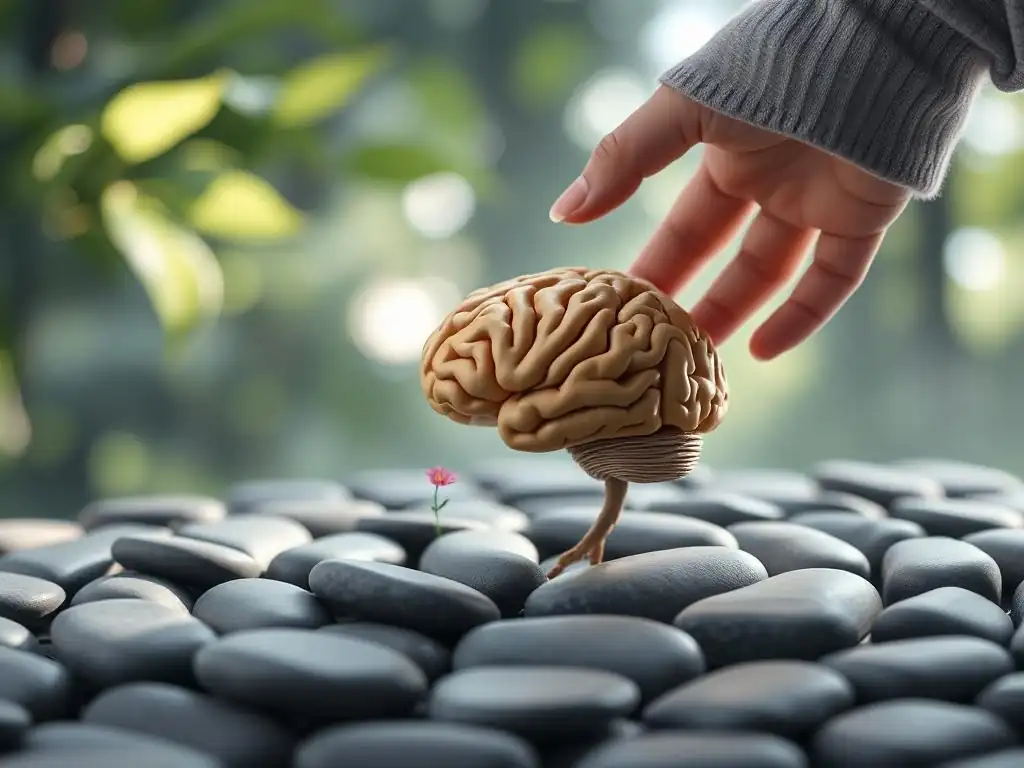
Early Intervention Programs: Supporting Children at Risk
Given the critical nature of early brain development, early intervention programs are vital for mitigating the negative impacts of adverse experiences and promoting healthier early childhood anxiety development patterns. Programs like home visiting for new parents, high-quality early childhood education, and trauma-informed care in schools and healthcare settings can provide crucial support.
These initiatives aim to create safer, more nurturing environments for children, teach parents effective coping and parenting strategies, and provide therapeutic support to children who have experienced trauma or neglect. Research shows that early interventions can buffer the effects of stress on the developing brain, potentially modifying the trajectory of amygdala development and reducing the likelihood of future anxiety and other mental health issues.
Therapy and Counseling: Retraining the Anxious Brain
For individuals whose amygdala has been shaped by adverse early experiences, therapy and counseling offer powerful tools for retraining the anxious brain. Therapies such as Cognitive Behavioral Therapy (CBT) and Trauma-Focused CBT help individuals identify and challenge anxious thought patterns and gradually confront feared situations in a safe environment. Exposure therapy, a component of CBT, specifically helps to habituate the amygdala's response to triggers.
Other approaches like Eye Movement Desensitization and Reprocessing (EMDR) or therapies focused on attachment and regulation can help process traumatic memories and build more adaptive emotional responses. These therapeutic interventions work by creating new neural pathways and strengthening the connections that can help regulate the amygdala, offering hope for modifying established early childhood anxiety development patterns.
Building Resilience: Fostering Healthy Coping Mechanisms
Building resilience involves equipping individuals with the skills and resources to cope effectively with stress and adversity. For children and adults impacted by adverse early experiences, fostering resilience is key to managing anxiety. This includes teaching emotion regulation skills, problem-solving abilities, and healthy ways to manage stress (e.g., mindfulness, exercise, connecting with others).
Supportive relationships are a cornerstone of resilience. For children, a strong bond with at least one caring adult can act as a significant protective factor, buffering the impact of negative experiences on the developing brain. For adults, building a strong social support network is crucial. Promoting these protective factors helps individuals navigate challenges without becoming overwhelmed by anxiety, counteracting the vulnerabilities created by adverse early childhood anxiety development patterns.
The Importance of Secure Attachment in Early Childhood
Creating a Safe and Nurturing Environment for Optimal Development
Creating a safe, predictable, and nurturing environment is perhaps the most powerful strategy for promoting optimal brain development and preventing maladaptive early childhood anxiety development patterns. This involves ensuring physical safety, providing consistent emotional availability, and responding sensitively to a child's needs. A safe environment allows the child's brain, including the amygdala, to develop in a state of relative calm, rather than constant alert.
When a child feels safe and supported, their stress response system is less likely to be chronically activated. This allows for the healthy development of brain regions involved in regulation and coping, rather than the hyper-development of the fear circuitry. This foundational safety is essential for building a resilient emotional system.
Strengthening the Parent-Child Bond: Reducing Anxiety Risk
A secure parent-child attachment is a critical protective factor against the development of anxiety. When a child has a secure base in their primary caregiver, they learn that they are worthy of care, that their needs will be met, and that the world is a relatively safe place. This sense of security directly impacts the developing amygdala, helping it learn to differentiate between real threats and everyday challenges.
Responsive parenting, characterized by warmth, sensitivity, and consistent availability, strengthens this bond. It teaches the child that distress is manageable and that they can rely on others for comfort. This experience helps wire the brain for healthier emotional regulation and reduces the likelihood of developing hypervigilant or avoidant early childhood anxiety development patterns.
Conclusion: Empowering Future Generations Through Understanding Early Childhood Anxiety Development Patterns
The Future of Anxiety Prevention: A Focus on Early Brain Development
Understanding how early experiences shape the amygdala and contribute to anxiety is transforming the approach to anxiety prevention. The focus is increasingly shifting towards supporting healthy brain development during the critical early childhood years. By recognizing the brain's plasticity and vulnerability during this period, interventions can be targeted to create environments that foster resilience rather than vulnerability.
Investing in resources that support parents, ensure safe environments for children, and provide early identification and support for those facing adversity is key. The science of early childhood anxiety development patterns underscores the power of early intervention to change developmental trajectories and significantly reduce the burden of anxiety disorders in future generations.
Taking Action: Resources for Parents and Caregivers
Parents and caregivers play a crucial role in shaping early childhood anxiety development patterns. Understanding the importance of their interactions and the environment they provide is the first step. Seeking support when facing challenges, whether related to parenting stress, personal history of trauma, or a child's behavioral difficulties, is a sign of strength.
Resources such as parenting classes, support groups, early childhood mental health consultations, and family therapy can provide valuable tools and guidance. Prioritizing self-care is also essential, as a caregiver's well-being directly impacts their ability to provide a nurturing environment. By taking informed action, parents and caregivers can significantly influence the healthy development of their child's brain and their future emotional well-being.
Frequently Asked Questions
How does early childhood experience affect the amygdala's development?
Early experiences, particularly those involving stress or trauma, can significantly impact the amygdala's growth. This can lead to an overactive amygdala, which is associated with increased anxiety later in life.
What are some specific examples of early experiences that can contribute to anxiety?
Examples include chronic neglect, exposure to violence, and inconsistent or unpredictable parenting. These experiences can create a sense of unsafety and insecurity, contributing to anxiety development.
How does an overactive amygdala relate to anxiety?
An overactive amygdala interprets situations as threatening more readily. This triggers the fight-or-flight response, even in non-threatening situations, leading to feelings of anxiety and fear.
Can the effects of early childhood trauma on the amygdala be reversed?
While the effects can be long-lasting, therapy and specific interventions can help individuals regulate their emotions and reduce anxiety symptoms. Neuroplasticity allows the brain to adapt and learn new coping mechanisms.
What resources are available for parents and caregivers to support children's mental well-being?
Mind Care Guide offers a range of information, support, and resources for understanding and addressing childhood anxiety. This includes articles, tips, and links to mental health professionals.
Final Reflection: The Enduring Shadow of Early Experiences
The way we experience our early years profoundly shapes the architecture of our brains, particularly the amygdala, leaving an indelible mark on our predisposition to anxiety throughout life. This isn't simply a matter of childhood trauma; even seemingly minor stressors and inconsistent care can subtly alter the amygdala's development, influencing our emotional reactivity and vulnerability to anxiety disorders later on. Understanding this intricate connection is crucial for developing effective preventative measures and compassionate interventions.
The impact of early childhood experiences on anxiety continues to resonate throughout our society, influencing everything from mental health statistics to educational approaches and parenting styles. The pervasive nature of anxiety disorders highlights the urgent need for greater awareness and understanding. The child is father of the man,
as Wordsworth famously wrote, and this holds particularly true when considering the development of our emotional landscape. We must recognize the lasting power of early experiences, not to dwell on the past, but to inform our present actions and create a more supportive environment for future generations.
Consider this: your childhood isn't just a distant memory; it's a blueprint for your emotional responses. By understanding the mechanisms by which early experiences shape your amygdala, you can begin to cultivate self-awareness and develop coping strategies tailored to your unique needs. Take the time to reflect on your own early years. What patterns do you recognize? How might these experiences be influencing your present-day anxieties? Armed with this knowledge, you can embark on a journey of healing and resilience, building a future where anxiety doesn't define you, but rather serves as a catalyst for growth and understanding.
Unleash Your Inner Calm: Take Control of Your Amygdala
Thanks for exploring the fascinating connection between early experiences and your amygdala's response to anxiety! You've now gained valuable insights into understanding your own anxiety triggers. Ready to put this knowledge into practice?
- Identify your top three anxiety triggers: Take some time today to reflect on situations that consistently trigger anxious feelings. This self-awareness is the first step to managing your responses.
- Share your thoughts and experiences: Join our Mind Care Guide community and share your insights—connecting with others can provide support and new perspectives on managing anxiety. Even anonymously!
- Explore mindful breathing techniques: Discover simple, yet powerful breathing exercises that can help calm your amygdala's response in stressful moments. There are many free resources online to get you started.
What small step will you take today to cultivate a calmer, more resilient you?