
The Neural Pathways of Fear: Amygdala's Journey to Anxiety Symptoms

Welcome to Mind Care Guide, a sanctuary dedicated to understanding and nurturing your mental well-being.
Feeling overwhelmed by anxiety? Delve into the intricate world of the brain with us as we explore the fear amygdala anxiety pathways. Discover how these neural connections can impact your emotional state and unlock insights into managing your anxiety. Let's embark on this journey together, unraveling the complexities of the mind and empowering you towards a calmer, more balanced life. Curious to learn more about how the amygdala influences your anxiety? Keep reading...
- The Neural Pathways of Fear: Amygdala's Role in Anxiety - A Comprehensive Guide
- The Amygdala: A Deep Dive into the Brain's Fear Processing Hub
- Decoding the Fear and Anxiety Pathways: A Step-by-Step Journey
- The Amygdala's Connection to Anxiety Disorders
- The Amygdala and the HPA Axis: The Stress Response System
- Investigating Fear and Anxiety Pathways: Research and Imaging Techniques
- Calming the Amygdala: Therapeutic Approaches for Anxiety
- Lifestyle Factors and Amygdala Health
- Future Directions in Anxiety Research and Treatment
- Conclusion: Empowering Yourself with Knowledge of Anxiety Pathways
-
Frequently Asked Questions
- ### What is the role of the amygdala in fear and anxiety?
- ### How are "fear amygdala anxiety pathways" interconnected?
- ### What factors can influence these "fear amygdala anxiety pathways"?
- ### How can understanding these pathways help in treating anxiety?
- ### What are some practical strategies to manage anxiety related to amygdala activity?
- Final Reflection: Unraveling the Fearful Mind
- Unlock Your Anxiety's Secrets: Take Control Now!
The Neural Pathways of Fear: Amygdala's Role in Anxiety - A Comprehensive Guide
The Interplay of Fear and Anxiety in Mental Health
Fear and anxiety are fundamental human emotions, crucial for survival. Fear is typically a response to an immediate, identifiable threat, like encountering a spider or hearing a sudden loud noise. It triggers an acute physiological reaction designed to help us confront or escape danger.
Anxiety, on the other hand, is often characterized by worry, apprehension, or unease about future events or uncertain outcomes. While both involve similar physiological responses (like increased heart rate or muscle tension), anxiety tends to be more prolonged and can occur without a specific, present stimulus. Understanding the difference is key to addressing mental health challenges, as persistent, disproportionate anxiety can significantly impair daily life.
While distinct, fear and anxiety share common neural underpinnings, particularly involving the brain's threat detection system. When this system becomes dysregulated, the helpful alert signals of fear can morph into the persistent, often debilitating worry of anxiety disorders. Exploring the fear amygdala anxiety pathways helps shed light on why some individuals experience heightened or chronic anxiety, even in the absence of real danger. This journey into the brain's circuitry provides valuable insights into the biological basis of these powerful emotions and how they impact our well-being.
Introducing the Amygdala: The Brain's Fear Center
Often referred to as the "fear center" of the brain, the amygdala is a small, almond-shaped structure located deep within the temporal lobe. Its primary function is to process emotions, particularly fear and aggression, and to register emotional memories. Think of it as the brain's rapid-response alarm system. When faced with a potentially threatening stimulus, the amygdala quickly evaluates the situation, often before the conscious parts of the brain fully process it. This allows for a rapid, instinctive reaction, which was highly advantageous for our ancestors facing immediate physical threats.
The amygdala's role extends beyond just processing fear; it also plays a crucial part in learning and memory formation, especially concerning emotionally charged events. This means it helps us remember dangerous situations, teaching us to avoid similar threats in the future. However, in the context of anxiety disorders, this learning function can become maladaptive. The amygdala might become overly sensitive, triggering fear responses to harmless stimuli, or it might hold onto fear memories too strongly, contributing to persistent anxiety. Understanding the specific function of the amygdala is central to comprehending the fear amygdala anxiety pathways that drive anxious feelings.
Overview of Key Brain Regions Involved in Fear and Anxiety
While the amygdala is a central player in fear and anxiety, it doesn't act alone. It's part of a complex network of brain regions that interact to process threats and regulate emotional responses. Key players include the prefrontal cortex (PFC), particularly the medial and ventromedial areas, which are involved in executive functions, decision-making, and regulating emotional responses originating in the amygdala. The hippocampus, another structure in the temporal lobe, is vital for forming contextual memories, helping the brain distinguish between safe and dangerous environments.
Other important regions include the thalamus, which relays sensory information to the amygdala and cortex; the hypothalamus, which initiates the body's stress response (the HPA axis); and the insula, which processes bodily sensations associated with emotions. The intricate communication among these areas forms the fear amygdala anxiety pathways. Dysfunction or imbalance in the signaling between these regions, such as reduced inhibitory control from the PFC over an overactive amygdala, is thought to contribute significantly to the development and maintenance of anxiety disorders.
The Amygdala: A Deep Dive into the Brain's Fear Processing Hub
Anatomy and Function of the Amygdala
The amygdala is not a single, uniform structure but rather a complex of several distinct sub-regions or nuclei. Located bilaterally (on both sides of the brain), each amygdala is roughly the size and shape of an almond. These nuclei work together but have specialized roles in processing different aspects of emotional information. Understanding the internal structure is important because specific nuclei are implicated differently in various fear and anxiety responses.
Functionally, the amygdala serves as an emotional evaluator. It receives input from sensory organs (via the thalamus and cortex) and other brain areas involved in memory (hippocampus) and higher-level processing (prefrontal cortex). Based on this input, it assesses the emotional significance, especially potential threat, and orchestrates appropriate physiological and behavioral responses, including the classic "fight-or-flight" reaction. This rapid processing is a cornerstone of the fear amygdala anxiety pathways.
Different Nuclei Within the Amygdala and Their Specific Roles
The amygdala is typically divided into several main nuclei, including the lateral nucleus (LA), the basal nuclei (BA), the accessory basal nuclei (AB), the central nucleus (CeA), and the intercalated cell masses (ITCm). The lateral nucleus (LA) is a primary input region, receiving sensory information from the thalamus and cortex. It's crucial for the initial learning of fear associations, such as pairing a neutral stimulus (like a sound) with an unpleasant one (like a shock).
The basal and accessory basal nuclei (BA and AB) receive input from the LA and project to other brain areas, including the ventral striatum (involved in motivation and reward) and the prefrontal cortex. They play a role in modulating fear responses based on context and reward/punishment expectations. The central nucleus (CeA) is the main output region of the amygdala.
It projects to various brainstem and hypothalamic areas that control physiological and behavioral fear responses, such as freezing, increased heart rate, and stress hormone release. The intercalated cell masses (ITCm) are inhibitory neurons that act as a kind of brake on the CeA, potentially regulating the output of fear responses. Dysregulation within these specific nuclei can alter the fear amygdala anxiety pathways.
The amygdala receives sensory information through two main pathways: a "low road" and a "high road." The "low road" is a fast, direct pathway from the thalamus to the amygdala. This route bypasses the cortex and allows the amygdala to receive a rapid, albeit crude, signal about a potential threat. For example, if you see something long and slithery out of the corner of your eye, the low road allows your amygdala to trigger an immediate startled response before your visual cortex has fully processed whether it's a snake or just a garden hose.
The "high road" is a slower, more detailed pathway. Sensory information travels from the thalamus to the sensory cortex (e.g., visual cortex, auditory cortex), where it undergoes more detailed processing and interpretation. The processed information is then sent to the amygdala. This pathway allows the amygdala to receive more refined information, helping to confirm or disconfirm the initial threat assessment made via the low road. Both pathways are critical components of the fear amygdala anxiety pathways, enabling both rapid reactions and more considered responses to potential danger.
Decoding the Fear and Anxiety Pathways: A Step-by-Step Journey
Sensory Input to the Amygdala: Identifying Potential Threats
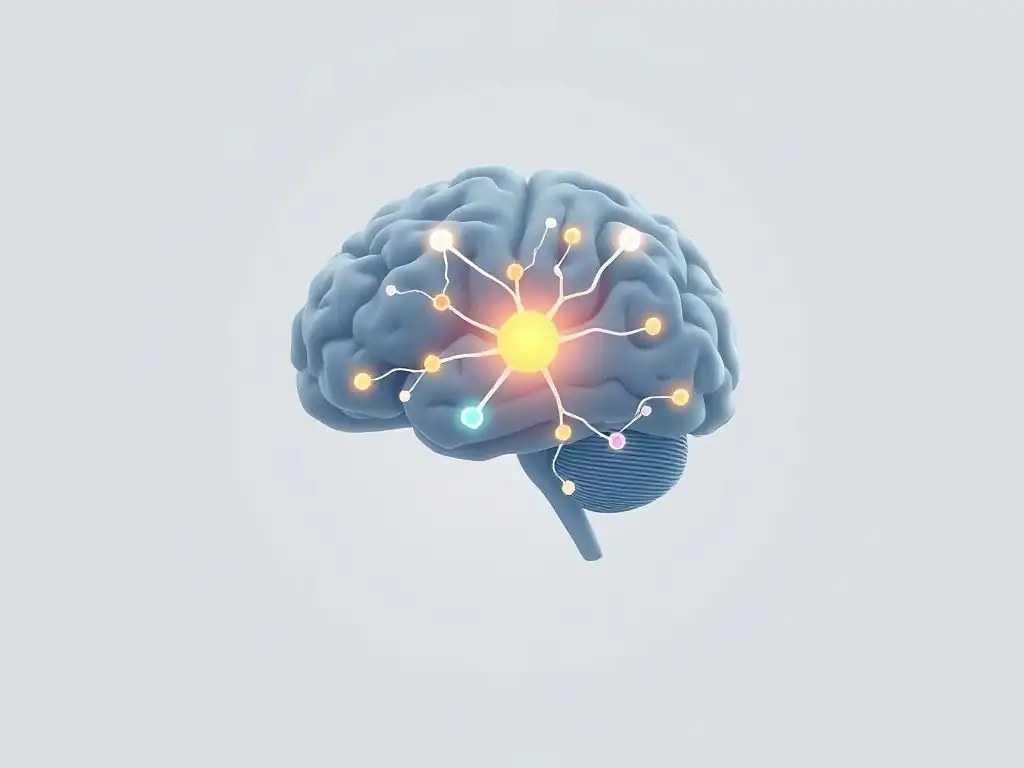
The process of generating a fear or anxiety response begins with sensory input. Our eyes, ears, nose, and skin constantly gather information from the environment. This raw sensory data is first processed by the thalamus, which acts like a relay station. From the thalamus, the information takes the two paths mentioned earlier: the rapid "low road" directly to the amygdala and the slower "high road" via the sensory cortex.
Consider encountering a barking dog. The sound of the bark and the visual image of the dog are picked up by your ears and eyes. The thalamus receives this input and quickly sends a signal directly to your amygdala (low road). Simultaneously, it sends the information to your auditory and visual cortices for detailed processing (high road). This dual input ensures both speed (for immediate reaction) and accuracy (for later evaluation) in the fear amygdala anxiety pathways.
The Amygdala's Appraisal Process: Evaluating the Threat Level
Upon receiving sensory input, particularly from the low road, the amygdala quickly appraises the potential threat level. It compares the incoming information with stored emotional memories and learned associations. Is this similar to something that was dangerous in the past? Is it loud, sudden, or visually striking in a way that signals danger? This appraisal happens almost instantaneously and often unconsciously.
If the amygdala flags the stimulus as potentially threatening, even based on limited information, it prepares the body for action. Meanwhile, the information traveling the "high road" allows the cortex to provide a more nuanced interpretation. Is the dog behind a fence? Does its body language suggest playfulness or aggression? This cortical input can either reinforce the amygdala's initial alarm or dampen it, illustrating the dynamic nature of the fear amygdala anxiety pathways.
Activation of Fear Responses: Fight, Flight, or Freeze
If the amygdala determines a significant threat exists, particularly based on the rapid "low road" input or reinforcement from the "high road," it triggers a cascade of responses designed to help the individual survive. The central nucleus of the amygdala (CeA), being the primary output region, sends signals to various brainstem and hypothalamic areas.
These signals activate the sympathetic nervous system, leading to physiological changes like increased heart rate, faster breathing, muscle tension, and redirection of blood flow away from digestion towards the limbs. It also activates the hypothalamic-pituitary-adrenal (HPA) axis, leading to the release of stress hormones like cortisol. Behaviorally, these physiological changes prepare the body for one of the classic defensive responses: fight, flight, or freeze. This entire sequence, from sensory input to physiological arousal, is a core function of the fear amygdala anxiety pathways.
The Amygdala's Connection to Anxiety Disorders
How Dysregulation in Amygdala Function Can Lead to Anxiety
In healthy individuals, the amygdala is a vital part of a balanced threat-response system. It activates appropriately to real dangers and then calms down once the threat passes, often with input from the prefrontal cortex. However, in many anxiety disorders, this system becomes dysregulated. The amygdala may become hyperactive or overly sensitive, triggering fear responses to stimuli that are not genuinely threatening.
Research using fMRI has shown that individuals with conditions like Generalized Anxiety Disorder (GAD) or Panic Disorder often exhibit heightened amygdala activity when presented with emotional stimuli, even neutral or mildly negative ones, compared to healthy controls. This persistent over-activation contributes to the chronic state of worry, apprehension, and physiological arousal characteristic of anxiety. Understanding this dysregulation is key to comprehending the fear amygdala anxiety pathways in clinical anxiety.
The amygdala plays distinct, though sometimes overlapping, roles in various anxiety disorders. In Generalized Anxiety Disorder (GAD), there is often evidence of sustained amygdala activity, contributing to persistent, excessive worry about everyday events. The brain's alarm system seems stuck in an 'on' position, constantly scanning for potential threats.
For Panic Disorder, the amygdala is heavily implicated in triggering panic attacks. The sudden, intense physiological symptoms (like racing heart, shortness of breath) are often linked to an abrupt surge in amygdala activity, sometimes in response to internal bodily sensations misinterpreted as dangerous. In Social Anxiety Disorder, the amygdala shows heightened responses to social cues, particularly perceived negative evaluations or critical faces, driving the intense fear of social situations. These examples highlight how alterations in the fear amygdala anxiety pathways manifest in different clinical presentations.
Fear Conditioning and the Amygdala: Learning to Fear
A critical function of the amygdala is its role in fear conditioning – the process by which we learn to associate a neutral stimulus with a fearful outcome. This was famously demonstrated by Ivan Pavlov's experiments with dogs, but similar principles apply to how humans develop fears and phobias. If a neutral stimulus, like a specific location or object, is repeatedly paired with a frightening experience (e.g., a traumatic event), the amygdala learns to predict danger upon encountering the neutral stimulus alone.
This learned association becomes stored, partly within the amygdala itself and its connections to other areas like the hippocampus. This can lead to conditioned fear responses where the mere presence of the formerly neutral stimulus triggers anxiety, even if the original threat is no longer present. For instance, someone who experienced a panic attack in a crowded store might develop a fear of crowded places. This learned, persistent fear driven by conditioned associations is a significant aspect of how fear amygdala anxiety pathways contribute to phobias and PTSD.
The Amygdala and the HPA Axis: The Stress Response System
The Amygdala's Influence on Cortisol Release
The amygdala is a key regulator of the body's stress response system, known as the Hypothalamic-Pituitary-Adrenal (HPA) axis. When the amygdala detects a threat, its central nucleus (CeA) sends signals to the hypothalamus. The hypothalamus then releases corticotropin-releasing hormone (CRH), which signals the pituitary gland to release adrenocorticotropic hormone (ACTH). ACTH travels through the bloodstream to the adrenal glands atop the kidneys, prompting them to release stress hormones, most notably cortisol.
Cortisol is a powerful hormone that mobilizes energy, increases vigilance, and suppresses non-essential functions like digestion and immune response, preparing the body to deal with a stressor. This interaction is a fundamental part of the fear amygdala anxiety pathways, translating a perceived threat into a widespread physiological state of readiness.
Chronic Stress and Amygdala Hyperactivity
While the HPA axis is vital for responding to acute stress, chronic activation can have detrimental effects on the brain, including the amygdala itself. Prolonged exposure to high levels of cortisol and other stress hormones can actually cause structural and functional changes in the amygdala, potentially making it more reactive and sensitive to future stressors. This creates a vicious cycle where chronic stress leads to a hyperactive amygdala, which in turn fuels a heightened stress response.
Studies have shown that individuals exposed to chronic stress or trauma often exhibit an enlarged or hyper-responsive amygdala. This structural and functional alteration contributes significantly to persistent anxiety and stress-related disorders like PTSD. Understanding this feedback loop between chronic stress, the HPA axis, and amygdala hyperactivity is crucial for addressing the fear amygdala anxiety pathways in long-term conditions.
The Cycle of Anxiety and Amygdala Activation
The interplay between the amygdala and the HPA axis forms a powerful cycle in anxiety disorders. A perceived threat (real or imagined), processed by a potentially hyperactive amygdala, triggers the HPA axis, releasing cortisol and other stress hormones. These hormones, while initially helpful, can, over time, further sensitize the amygdala and impair the function of brain regions like the prefrontal cortex and hippocampus, which are involved in regulating the stress response and extinguishing fear.
This means that the body's own stress response can inadvertently perpetuate the state of anxiety by reinforcing the overactivity of the fear amygdala anxiety pathways. Breaking this cycle is a primary goal of many therapeutic interventions for anxiety, aiming to reduce amygdala reactivity and restore balance to the HPA axis.
Investigating Fear and Anxiety Pathways: Research and Imaging Techniques
fMRI Studies of Amygdala Activity in Anxiety
Functional Magnetic Resonance Imaging (fMRI) is a non-invasive neuroimaging technique that measures brain activity by detecting changes in blood flow. It has been instrumental in advancing our understanding of the fear amygdala anxiety pathways in humans. By scanning participants while they are exposed to anxiety-provoking stimuli (like fearful faces or threat words), researchers can observe which brain regions, including the amygdala, show increased or decreased activity.
Numerous fMRI studies have consistently shown heightened amygdala responses in individuals with various anxiety disorders compared to healthy controls. For instance, a meta-analysis of fMRI studies found significantly greater amygdala activation in patients with social anxiety disorder during public speaking tasks or when viewing negative social cues. These studies provide real-time evidence of amygdala dysregulation in the anxious brain.
Animal Models of Fear and Anxiety
Animal models, particularly using rodents, have provided foundational insights into the neural circuits underlying fear and anxiety. Techniques like fear conditioning, where an animal learns to associate a neutral cue (like a tone) with an aversive stimulus (like a mild foot shock), are used to study how the brain learns and expresses fear. Researchers can then manipulate specific brain regions, such as the amygdala, using genetic tools, pharmacological agents, or optogenetics (using light to control neuron activity) to understand their causal roles.
These models have allowed scientists to map the precise connections within the fear amygdala anxiety pathways, identify the specific neurotransmitters involved (like glutamate, GABA, serotonin), and test potential new treatments. For example, studies in rats have shown that lesions to the central nucleus of the amygdala can reduce learned fear responses, providing strong evidence for its critical role in fear expression.
Genetic Factors Influencing Amygdala Function and Anxiety Risk
Research suggests that genetic factors contribute significantly to an individual's predisposition to anxiety disorders, and some of these genes may influence amygdala structure and function. Studies have identified variations in genes related to neurotransmitter systems (like serotonin or dopamine) or stress response pathways (like the HPA axis) that are associated with differences in amygdala reactivity or connectivity.
For example, polymorphisms in the gene encoding the serotonin transporter (5-HTT) have been linked to variations in amygdala response to negative emotional stimuli and increased risk for anxiety and depression. While genetics is not destiny, understanding how specific genetic variations might subtly alter the development and function of the fear amygdala anxiety pathways can help explain why some individuals are more vulnerable to anxiety than others and potentially pave the way for more personalized approaches to treatment.
Calming the Amygdala: Therapeutic Approaches for Anxiety
Cognitive Behavioral Therapy (CBT) and Amygdala Regulation
Cognitive Behavioral Therapy (CBT) is one of the most effective psychotherapies for anxiety disorders, and a growing body of research suggests it works, in part, by helping to regulate the amygdala. CBT helps individuals identify and challenge negative thought patterns and develop more adaptive coping behaviors. By learning to reappraise threatening situations more realistically and gradually expose themselves to feared stimuli in a safe environment (exposure therapy), individuals can effectively "retrain" their fear amygdala anxiety pathways.
Neuroimaging studies have shown that successful CBT treatment for anxiety disorders is often associated with decreased amygdala activity and increased activity in regulatory regions like the prefrontal cortex. For instance, studies in individuals with phobias have shown that after successful exposure therapy, their amygdala response to the feared object or situation is significantly reduced. This indicates that CBT helps the brain learn that the perceived threat is not actually dangerous, allowing the amygdala to calm down.
Mindfulness and Meditation for Reducing Amygdala Reactivity
Mindfulness and meditation practices, which involve focusing attention on the present moment without judgment, have also shown promise in reducing anxiety and influencing amygdala activity. Regular practice of mindfulness meditation appears to help individuals develop greater awareness of their thoughts and emotions without getting swept away by them. This practice can strengthen the connections between the prefrontal cortex and the amygdala, enhancing the brain's ability to regulate emotional responses.
Research using fMRI has demonstrated that experienced meditators tend to have reduced amygdala reactivity to emotional stimuli compared to non-meditators. Furthermore, even relatively short courses of mindfulness training (e.g., 8 weeks) have been shown to lead to structural changes, such as decreased gray matter density in the amygdala, and reduced anxiety symptoms. These findings suggest that cultivating present-moment awareness can be a powerful tool for modulating the fear amygdala anxiety pathways.
Medications Targeting Anxiety and Brain Function [e.g., SSRIs, SNRIs]
Pharmacological treatments are often used to manage moderate to severe anxiety symptoms, and many of these medications exert their effects by influencing the brain's neurotransmitter systems, which in turn impact amygdala function. Selective Serotonin Reuptake Inhibitors (SSRIs) and Serotonin-Norepinephrine Reuptake Inhibitors (SNRIs) are commonly prescribed and work by increasing the availability of serotonin and/or norepinephrine in the brain.
While their exact mechanisms are complex, these neurotransmitters are known to modulate activity within the fear amygdala anxiety pathways. For example, increased serotonin signaling can help dampen the excitability of amygdala neurons. Studies have shown that effective treatment with SSRIs or SNRIs is often associated with reduced amygdala responses to fearful stimuli, although this effect may take several weeks to become apparent. Other medications, like benzodiazepines, act on GABA receptors to provide a more immediate calming effect by directly inhibiting neural activity, including in the amygdala, though their long-term use is often limited due to dependence risks.
Lifestyle Factors and Amygdala Health
The Impact of Sleep, Diet, and Exercise on Brain Function
Lifestyle choices significantly impact overall brain health, including the function of the amygdala and the fear amygdala anxiety pathways. Adequate, quality sleep is crucial; chronic sleep deprivation has been shown to increase amygdala reactivity to negative stimuli and impair prefrontal cortex regulation, making individuals more vulnerable to anxiety. Aiming for 7-9 hours of sleep per night is generally recommended for adults.
Nutrition also plays a role. A diet rich in processed foods, sugar, and unhealthy fats can contribute to inflammation and oxidative stress, potentially negatively impacting brain health and emotional regulation. Conversely, a balanced diet with fruits, vegetables, whole grains, lean proteins, and healthy fats (like omega-3 fatty acids found in fish) supports optimal brain function. Regular physical exercise is a powerful tool for managing anxiety, reducing stress hormones, and promoting the release of endorphins and other neurochemicals that have mood-boosting and anxiety-reducing effects, potentially by influencing amygdala activity and its connectivity with regulatory regions.
Stress Management Techniques for Reducing Anxiety
Effectively managing daily stress is vital for keeping the fear amygdala anxiety pathways in check. Chronic, unmanaged stress keeps the HPA axis activated and can contribute to amygdala hyperactivity over time. Incorporating stress management techniques into your routine can buffer the brain against the negative effects of stress.
Techniques such as deep breathing exercises, progressive muscle relaxation, yoga, and spending time in nature have been shown to activate the parasympathetic nervous system, promoting a state of calm that counteracts the amygdala-driven fight-or-flight response. Learning to identify personal stressors and developing healthy coping mechanisms are proactive steps towards reducing overall anxiety levels and promoting a healthier stress response.
Building Resilience to Anxiety Through Lifestyle Changes
Building resilience means improving your capacity to bounce back from stress and adversity. Lifestyle factors contribute significantly to this resilience. Regular exercise, a nutritious diet, sufficient sleep, and effective stress management techniques don't just temporarily reduce anxiety; they can structurally and functionally strengthen brain circuits involved in emotional regulation.
For example, consistent aerobic exercise has been linked to increased hippocampal volume (important for context and memory) and improved connectivity between the prefrontal cortex and amygdala, enhancing the brain's ability to inhibit inappropriate fear responses. By consistently implementing these healthy habits, individuals can build a more robust brain that is less susceptible to dysregulation in the fear amygdala anxiety pathways, fostering long-term mental well-being.
Future Directions in Anxiety Research and Treatment
Exploring Novel Therapeutic Targets within the Brain
Research into the fear amygdala anxiety pathways continues to uncover new potential targets for therapeutic intervention. Scientists are investigating specific neural circuits within the amygdala and its connections, as well as the roles of various neurotransmitters and neuropeptides beyond the traditional serotonin and norepinephrine systems. For instance, research into the role of glutamate, the brain's primary excitatory neurotransmitter, and its receptors (like NMDA receptors) in fear learning and extinction is leading to the development of novel drug candidates.
Other areas of exploration include the role of inflammatory processes in the brain, the gut-brain axis, and the potential of modulating specific protein pathways within amygdala neurons. As our understanding of the intricate molecular and cellular mechanisms within these fear circuits deepens, the potential for developing more targeted and effective treatments for anxiety disorders grows.
Personalized Approaches to Anxiety Treatment Based on Individual Differences
It's clear that anxiety disorders are complex and vary significantly from person to person. Future research aims to move towards more personalized treatment approaches based on an individual's unique neurobiology and genetic profile. Techniques like quantitative EEG or advanced fMRI analysis might one day help clinicians identify specific patterns of brain activity, perhaps indicating particular dysfunctions in the fear amygdala anxiety pathways, that could inform the choice of therapy or medication.
Genetic testing might also play a role in predicting responsiveness to certain medications or identifying individuals at higher risk who could benefit from early intervention. The goal is to move beyond a one-size-fits-all approach and tailor interventions to the specific underlying mechanisms driving an individual's anxiety, potentially leading to higher success rates and reduced trial-and-error in finding effective treatment.
The Potential of Neurofeedback for Regulating Brain Activity
Neurofeedback is a type of biofeedback that provides real-time information about brainwave activity (often measured by EEG) or brain activity (measured by fMRI, called fMRI neurofeedback). The idea is that by seeing their own brain activity on a screen, individuals can learn to consciously alter it. Studies are exploring the potential of using neurofeedback, particularly fMRI neurofeedback targeting the amygdala, to help individuals with anxiety disorders learn to voluntarily downregulate their amygdala responses.
In an fMRI neurofeedback session, a patient might be shown their amygdala activity level while they are asked to try different mental strategies to lower it. With practice, some individuals show an ability to gain better control over their amygdala responses, which correlates with a reduction in anxiety symptoms. While still largely experimental, this approach holds promise as a non-pharmacological method for directly addressing dysregulation in the fear amygdala anxiety pathways.
Conclusion: Empowering Yourself with Knowledge of Anxiety Pathways
Understanding Your Brain to Manage Anxiety
Gaining knowledge about the neural basis of fear and anxiety, particularly the central role of the amygdala and the intricate fear amygdala anxiety pathways, can be incredibly empowering. It demystifies these often overwhelming emotions, framing them not as personal failings but as the result of complex biological processes that can become dysregulated. Understanding how your brain's alarm system works provides a foundation for understanding why you feel the way you do and, crucially, that these pathways are not immutable.
This knowledge highlights that anxiety is a treatable condition. It underscores the rationale behind evidence-based therapies like CBT, mindfulness, and even the impact of lifestyle choices – they all work, in part, by targeting and modulating these very same brain circuits. Armed with this understanding, you can approach your anxiety with greater self-compassion and a clearer path forward.
Seeking Professional Help for Anxiety Disorders
While understanding the fear amygdala anxiety pathways is valuable, it is not a substitute for professional help if you are struggling with significant or persistent anxiety. Anxiety disorders are real medical conditions that often require the guidance of trained mental health professionals. Therapists (like psychologists, counselors, or social workers) can provide evidence-based psychotherapies tailored to your specific needs, helping you develop effective coping strategies and address the underlying patterns contributing to your anxiety.
Psychiatrists can assess whether medication might be a helpful part of your treatment plan and manage any prescriptions. Don't hesitate to reach out to a doctor or mental health professional if anxiety is impacting your quality of life. Seeking help is a sign of strength and a crucial step towards recovery.
The Importance of Ongoing Self-Care and Regulation
Managing anxiety is often an ongoing process that involves both professional support and consistent self-care. The strategies discussed – prioritizing sleep, maintaining a healthy diet, engaging in regular exercise, practicing stress management techniques, and incorporating mindfulness – are not just add-ons; they are fundamental tools for regulating the fear amygdala anxiety pathways and building resilience.
Think of self-care practices as daily maintenance for your brain's emotional regulation system. They help keep the amygdala from becoming overly reactive and strengthen the prefrontal cortex's ability to manage emotional responses. By committing to these practices and utilizing the knowledge you've gained about your brain, you can actively participate in managing your anxiety and fostering long-term mental well-being.
Frequently Asked Questions
### What is the role of the amygdala in fear and anxiety?
The amygdala is the brain's central hub for processing fear. It receives sensory information and triggers the fight-or-flight response, contributing to feelings of anxiety when these pathways are overactive or dysregulated.
### How are "fear amygdala anxiety pathways" interconnected?
These pathways represent the neural circuits that connect the amygdala to other brain regions. These connections facilitate the transmission of fear signals, ultimately leading to the physical and emotional symptoms of anxiety.
### What factors can influence these "fear amygdala anxiety pathways"?
Genetics, traumatic experiences, and chronic stress can all influence the sensitivity and activity of these neural circuits. These factors can either increase the likelihood of anxiety disorders or modify how the amygdala processes fear.
### How can understanding these pathways help in treating anxiety?
Knowing how the amygdala and related pathways function allows for targeted therapies. This can involve therapies like cognitive behavioral therapy (CBT) or medications that modulate the activity of these circuits, reducing anxiety symptoms.
Mindfulness practices, deep breathing exercises, and regular physical activity can help regulate the amygdala's response to stressors. These techniques can promote a sense of calm and reduce the intensity of fear signals.
Final Reflection: Unraveling the Fearful Mind
Understanding the intricate neural pathways of fear, specifically the amygdala's role in anxiety, is not merely an academic exercise; it's a crucial step towards developing effective treatments and fostering a more compassionate understanding of mental health struggles. The amygdala's influence extends far beyond the laboratory, shaping our daily experiences and impacting millions worldwide. This knowledge empowers us to approach anxiety with a nuanced perspective, moving beyond simplistic labels and towards a deeper appreciation of the biological underpinnings of fear.
The exploration of the amygdala's role in anxiety has profoundly impacted my own understanding of fear and resilience. It's highlighted the importance of acknowledging the biological reality of anxiety, while simultaneously emphasizing the potential for healing and change. The journey of understanding the amygdala's influence is a journey of self-discovery, both for researchers and those grappling with anxiety. The mind is not a vessel to be filled, but a fire to be kindled.
- Plutarch. This quote resonates deeply, as it underscores the active and dynamic nature of our minds, capable of both generating fear and overcoming it.
Now, consider your own relationship with fear. How does this newfound knowledge about the amygdala's role in anxiety reshape your perspective? Are there specific strategies you can implement to manage your own anxieties, perhaps through mindfulness practices, cognitive behavioral therapy, or simply by cultivating self-compassion? Take this opportunity to reflect on your own experiences with fear and anxiety, and empower yourself with the knowledge to navigate these challenges with greater understanding and resilience. The journey towards understanding and managing fear is a personal one, but armed with this knowledge, you are better equipped to embark on it.
Unlock Your Anxiety's Secrets: Take Control Now!
Thanks for exploring the fascinating world of the amygdala and its role in anxiety with us! You’ve now gained valuable insights into understanding your own fear responses. Let's put that knowledge into action:
- Begin your personalized anxiety toolkit: Identify one specific fear trigger from the article and brainstorm three coping strategies you can implement this week. (Journaling, deep breathing, or mindful movement are great starting points!)
- Share this knowledge: Discuss your key takeaway with a friend, family member, or colleague. Talking about it can help solidify understanding and open up supportive conversations.
- Explore further resources: Research other techniques that align with the coping mechanism you prioritized. There are countless resources online to deepen your understanding of anxiety management.
What’s one small step you'll take today to better understand and manage your anxiety based on what you learned?