
The Amygdala and Phobias: Intense Fear Reactions Explained

Welcome to Mind Care Guide, a space dedicated to nurturing your mental well-being.
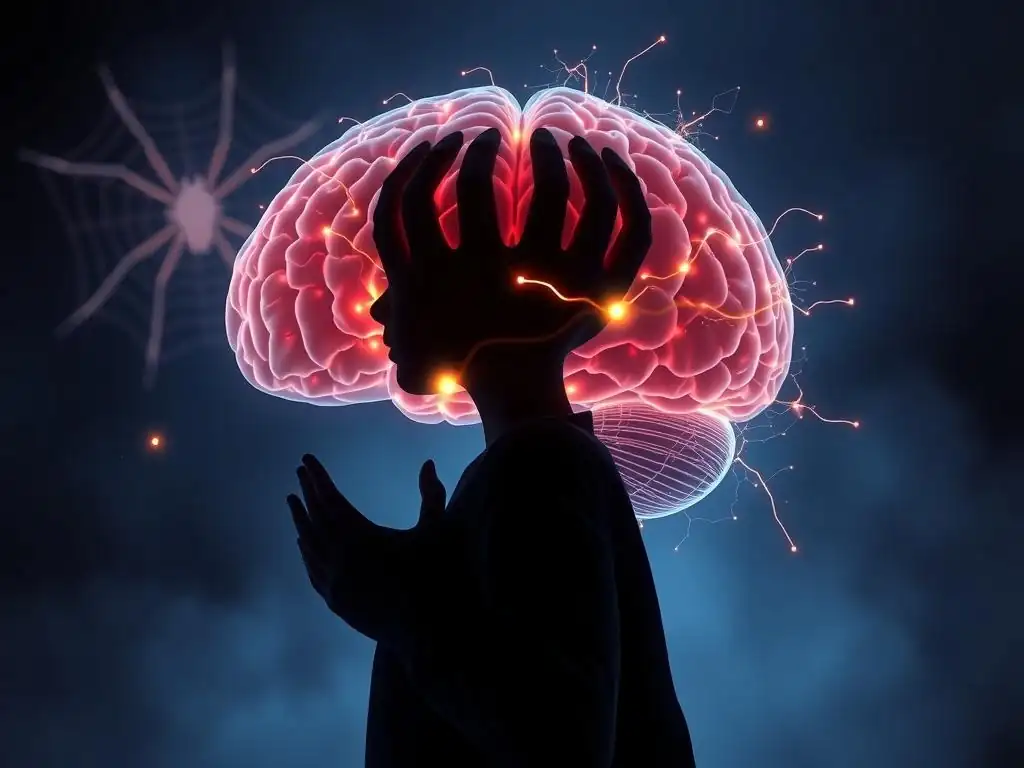
Ever feel overwhelmed by a fear that seems to defy logic? You're not alone. In this article, we delve into the neuroscience behind phobias, exploring the crucial role of the amygdala. Discover amygdala phobia treatment strategies designed to help you understand and manage those intense fear reactions. Ready to unlock the secrets to overcoming your fears? Let's begin your journey towards a calmer, more empowered you.
The Amygdala and Phobias: Intense Fear Reactions Explained
- Understanding Phobias and the Amygdala's Role
- Neuroscience of Phobias: How the Amygdala Triggers Fear Responses
- Decoding Amygdala Activity in Phobias
- Types of Phobias and Amygdala Activation
- Factors Contributing to Amygdala-Related Phobias
- Diagnosing Phobias: Recognizing the Symptoms
- Treatment Strategies: Reducing Fear and Anxiety
- Lifestyle Changes to Manage Anxiety
- Living Well with Phobias: Practical Strategies for Managing Fear
- The Future of Amygdala Research and Phobia Treatment
- Frequently Asked Questions
- Final Reflection: Unlocking the Amygdala's Grip on Fear
- Unlock Your Fearless Potential: Conquer Anxiety Today!
Understanding Phobias and the Amygdala's Role
Phobias are more than just dislikes or fears; they are intense, irrational fears of specific objects, situations, or activities that can cause significant distress and avoidance behavior. While many people experience mild fears, phobias are characterized by a disproportionate fear response that is out of sync with the actual danger posed. This can severely impact a person's daily life, limiting their activities, social interactions, and overall well-being. Understanding the biological underpinnings of these intense fear reactions is crucial for developing effective support and treatment strategies.
At the heart of these powerful fear responses lies a small, almond-shaped structure deep within the brain called the amygdala. The amygdala plays a central role in processing emotions, particularly fear and anxiety. It acts as the brain's alarm system, quickly evaluating potential threats in the environment and triggering the body's fight-or-flight response. In the context of phobias, the amygdala becomes hypersensitive to specific triggers, leading to an exaggerated and debilitating fear reaction that is difficult to control voluntarily.
Neuroscience of Phobias: How the Amygdala Triggers Fear Responses
The Amygdala: Your Brain's Fear Center
The amygdala is a key component of the brain's limbic system, a complex network involved in emotion, motivation, memory, and learning. Located bilaterally within the temporal lobes, the amygdala receives sensory information from various parts of the brain, including the thalamus and sensory cortices. This allows it to quickly process potential threats before conscious awareness fully registers them. Its primary function is to detect and respond to emotionally significant stimuli, especially those associated with danger or fear.
When a potential threat is perceived, the amygdala initiates a cascade of physiological responses designed to prepare the body for action. It signals the hypothalamus, activating the sympathetic nervous system and the release of stress hormones like cortisol and adrenaline. This leads to increased heart rate, rapid breathing, muscle tension, and heightened senses – the classic signs of the fear response. Research consistently highlights the amygdala's pivotal role in fear conditioning, where a neutral stimulus becomes associated with a fearful outcome, demonstrating its critical function in learning and remembering fear.
Phobias: Defining Intense and Irrational Fears
Phobias are classified as anxiety disorders and involve a persistent, excessive, and often irrational fear of an object or situation. Unlike general anxiety, phobias are typically tied to a specific trigger, such as spiders (arachnophobia), heights (acrophobia), enclosed spaces (claustrophobia), or social situations (social phobia). The fear experienced is far greater than the actual risk involved and can lead to immediate and intense anxiety or even panic attacks when the person is exposed to the phobic stimulus.
The impact of phobias extends beyond the immediate fear response. Individuals with phobias often go to great lengths to avoid the feared object or situation, sometimes severely restricting their lives. For example, someone with aviophobia (fear of flying) might refuse job opportunities requiring travel, while someone with agoraphobia might become housebound. These avoidance behaviors, while temporarily reducing anxiety, reinforce the phobia and maintain the dysfunctional fear circuit involving the amygdala, making effective Amygdala phobia treatment strategies essential.
The Link Between the Amygdala and Phobias: A Neurological Connection
The connection between the amygdala and phobias lies in the brain's fear learning and memory pathways. When a person experiences a traumatic or frightening event related to a specific object or situation, the amygdala plays a crucial role in forming a strong, lasting fear memory associated with that stimulus. Even a single intense experience can hardwire this association, causing the amygdala to react strongly every time the stimulus is encountered in the future, even if the current context is safe.
In individuals with phobias, this fear circuit, primarily involving the amygdala and its connections to other brain regions like the prefrontal cortex and hippocampus, appears to be dysregulated. The amygdala's threat detection system becomes overly sensitive, triggering a fear response to stimuli that most people would perceive as non-threatening. This heightened reactivity and the resulting physiological and psychological symptoms are hallmarks of phobias, underpinning the need for targeted Amygdala phobia treatment strategies that aim to modulate this brain activity.
Decoding Amygdala Activity in Phobias
Amygdala Hyperactivity: The Root of Phobic Reactions
Research using neuroimaging techniques like fMRI (functional magnetic resonance imaging) has consistently shown that the amygdala exhibits increased activity when individuals with phobias are exposed to their feared stimulus compared to non-phobic individuals or when exposed to neutral stimuli. This "hyperactivity" suggests that the amygdala in phobic brains is over-responsive to specific triggers, perceiving them as highly threatening even when they pose little to no real danger.
This heightened state of arousal in the amygdala contributes directly to the intensity of phobic symptoms. It drives the immediate and overwhelming feeling of fear, triggers the physical fight-or-flight response (rapid heart rate, sweating, trembling), and promotes avoidance behavior. Understanding this amygdala hyperactivity is fundamental to developing effective Amygdala phobia treatment strategies, as many therapeutic approaches aim to dampen this exaggerated response and restore a more balanced level of activity.
How the Amygdala Processes Fearful Stimuli
The amygdala receives sensory input via two main pathways: a rapid, direct route from the thalamus (often called the "low road") and a slower, more detailed route from the sensory cortex (the "high road"). The low road allows for a quick, initial assessment of potential threats, enabling a rapid, albeit sometimes inaccurate, fear response. For example, seeing a rope might trigger an initial amygdala reaction as if it were a snake.
The high road, processing information through sensory cortices, provides a more refined analysis. This allows the brain to determine if the perceived threat is real (e.g., confirming it's just a rope, not a snake). In phobias, the amygdala's response via the low road might be overly sensitive, triggering intense fear before the high road can provide context and regulation. Furthermore, the amygdala's strong connections with the hippocampus (involved in memory) solidify the association between the trigger and the fear response, reinforcing the phobia over time.
The Role of the Prefrontal Cortex in Regulating Amygdala Activity
While the amygdala is the brain's fear center, the prefrontal cortex (PFC), particularly the ventromedial prefrontal cortex (vmPFC), plays a critical role in regulating its activity. The PFC is involved in higher-level cognitive functions, including decision-making, executive control, and inhibiting inappropriate responses. It receives information from the amygdala and can send inhibitory signals back, essentially acting as a brake on the fear response.
In individuals with anxiety disorders, including phobias, there is often observed to be reduced activity or connectivity between the vmPFC and the amygdala. This suggests that the brain's ability to regulate or dampen the amygdala's fear response is impaired. Strengthening this top-down control from the PFC is a key goal of many psychological Amygdala phobia treatment strategies, such as Cognitive Behavioral Therapy (CBT), which helps individuals re-evaluate feared situations and gain a sense of control, thereby enhancing PFC regulation over the amygdala.
Types of Phobias and Amygdala Activation
Specific Phobias: Amygdala Response to Specific Triggers
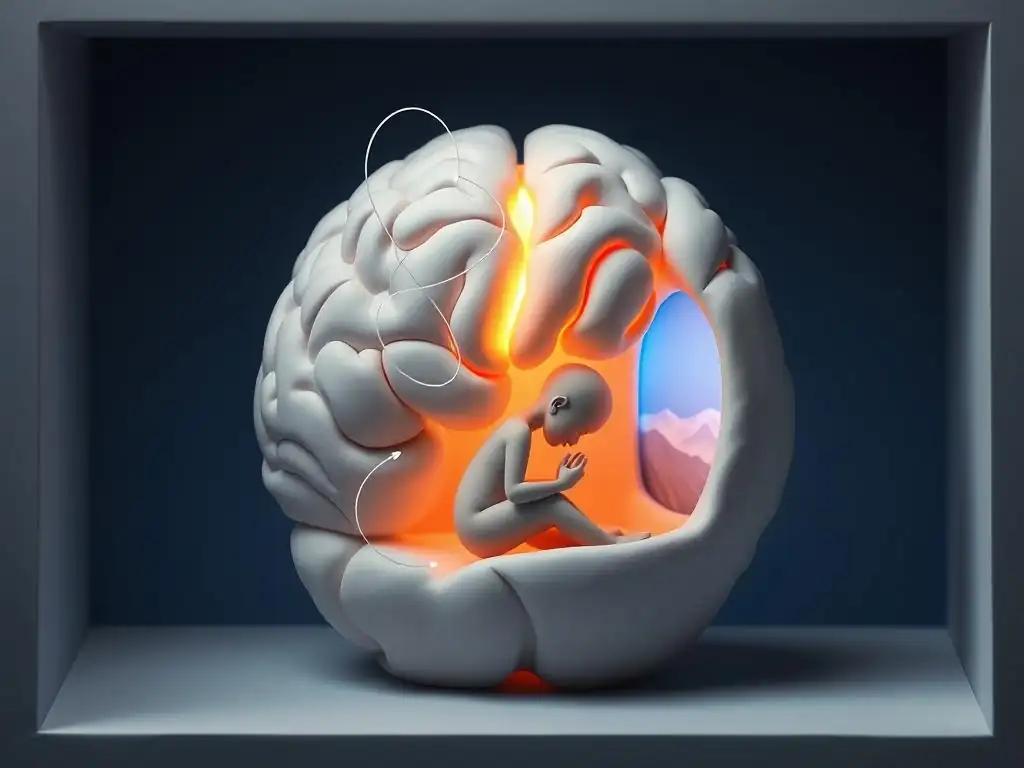
Specific phobias are characterized by intense fear of a particular object or situation, such as animals, natural environments (heights, storms), blood-injection-injury, or specific situations (flying, enclosed spaces). In these cases, the amygdala shows a marked increase in activity specifically when the individual is exposed to the feared stimulus. For example, fMRI studies have shown heightened amygdala responses in individuals with arachnophobia when viewing spider images compared to images of other insects or neutral objects.
This highly specific activation pattern underscores how the amygdala forms strong, isolated fear associations. The circuitry linking the sensory representation of the feared object (e.g., the visual image of a spider) directly to the amygdala becomes hypersensitive. Effective Amygdala phobia treatment strategies for specific phobias often focus on directly addressing this specific association through methods like exposure therapy, aiming to weaken the link between the trigger and the amygdala's fear response.
Social Anxiety Disorder (SAD), or social phobia, involves an intense fear of social situations where the individual fears being judged, scrutinized, or humiliated by others. While specific phobias are tied to objects or situations, SAD is centered around interpersonal evaluation. Research indicates that individuals with SAD also exhibit heightened amygdala activity, but in response to social cues, such as being observed, speaking in public, or interacting with unfamiliar people.
The amygdala in SAD appears to be overactive in processing social threat cues, interpreting neutral or ambiguous social signals as negative or critical. This leads to intense anxiety, self-consciousness, and avoidance of social interactions. Amygdala phobia treatment strategies for SAD, such as social skills training and exposure to social situations, aim to reduce this hypersensitivity to social evaluation and help individuals develop more balanced interpretations of social interactions.
Agoraphobia: Amygdala and the Fear of Open Spaces
Agoraphobia is an anxiety disorder characterized by a fear of situations where escape might be difficult or help unavailable if panic symptoms occur. This often includes fear of open spaces, crowded places, public transportation, or being outside the home alone. It frequently develops after experiencing panic attacks in such situations, leading the amygdala to associate these environments with intense fear and potential danger.
Individuals with agoraphobia show increased amygdala activity when exposed to or anticipating being in agoraphobic situations. The fear is not just of the space itself but of the feeling of being trapped or panicking without help. Amygdala phobia treatment strategies for agoraphobia often involve gradual exposure to feared situations, helping the individual learn that they can cope with anxiety in these environments and that panic symptoms are manageable, thereby reducing the amygdala's conditioned fear response to these contexts.
Genetic Predisposition and Amygdala Sensitivity
Research suggests that there can be a genetic component to vulnerability to anxiety disorders, including phobias. While no single "phobia gene" exists, inherited traits can influence temperament, neurochemical balance, and potentially the baseline sensitivity of the amygdala. Studies in twins and families indicate that a predisposition to anxiety and fearfulness can be passed down, making some individuals more likely to develop a phobia when exposed to certain environmental factors.
Specific genetic variations might affect the expression of neurotransmitters like serotonin or genes involved in the development and function of the amygdala and its connections. While genetics don't predetermine a phobia, they can create a biological vulnerability, meaning that in response to stress or specific experiences, the amygdala might be more prone to becoming hypersensitive and forming strong fear associations. This highlights the complex interplay between nature and nurture in the development of phobias and informs the multi-faceted approach needed in Amygdala phobia treatment strategies.
Early Childhood Experiences and Fear Conditioning
Early life experiences play a significant role in shaping the brain's fear circuits, including the amygdala. Traumatic events, frightening incidents, or even observing others' fearful reactions (observational learning) during childhood can lead to the conditioning of fear responses. For example, a child bitten by a dog might develop cynophobia (fear of dogs), with the amygdala forming a strong association between dogs and danger.
Furthermore, parental anxiety or overprotective behaviors can inadvertently model fear and influence a child's perception of threat, potentially contributing to the development of phobias. These early conditioning experiences can create lasting neural pathways that make the amygdala more reactive to specific stimuli throughout life. Addressing these foundational fear memories is often a component of effective Amygdala phobia treatment strategies, aiming to update or extinguish the conditioned response.
Trauma and the Amygdala: Forming Phobic Memories
Traumatic experiences, particularly those involving intense fear or helplessness, can significantly impact the amygdala and increase the risk of developing phobias or other anxiety disorders. When a person undergoes trauma, the amygdala is highly activated, creating vivid and emotionally charged memories. These memories, stored in conjunction with the hippocampus, can become easily triggered by reminders of the trauma.
While trauma can lead to Post-Traumatic Stress Disorder (PTSD), it can also result in the development of specific phobias related to aspects of the traumatic event. For instance, a car accident survivor might develop a phobia of driving (vehophobia). The amygdala's role in consolidating these fear-laden memories means that even subtle cues associated with the trauma can trigger an intense fear response. Targeting these maladaptive fear memories is a key aspect of Amygdala phobia treatment strategies, helping individuals process the trauma and reduce the amygdala's reactivity to related stimuli.
Diagnosing Phobias: Recognizing the Symptoms
When the amygdala is triggered by a phobic stimulus, it initiates the body's fight-or-flight response, leading to a range of physical symptoms. These symptoms are involuntary and can be quite distressing. Common physical manifestations include:
- Rapid heart rate or palpitations
- Sweating
- Trembling or shaking
- Shortness of breath or a feeling of smothering
- Chest pain or discomfort
- Nausea or abdominal distress
- Dizziness, lightheadedness, or faintness
- Feeling of detachment or unreality
These physical symptoms are direct results of the physiological cascade initiated by the amygdala's signal to the autonomic nervous system and endocrine system. They can be so intense that the individual fears they are having a heart attack, losing control, or dying, further reinforcing the phobia and highlighting the need for effective Amygdala phobia treatment strategies to interrupt this cycle.
Psychological Symptoms: Anxiety, Panic, and Avoidance
Beyond the physical reactions, phobias are characterized by significant psychological distress. The core symptom is an overwhelming feeling of anxiety or panic that is disproportionate to the actual danger. This psychological response can manifest as:
- Intense fear or terror
- Feeling of losing control
- Feeling of impending doom or danger
- Strong urge to escape the situation
- Difficulty concentrating due to fear
- Excessive worry about encountering the feared stimulus
These psychological symptoms often lead to the hallmark behavioral symptom of phobias: avoidance. People with phobias will actively try to steer clear of the object or situation they fear. While avoidance provides temporary relief from anxiety, it prevents the individual from learning that the feared stimulus is actually safe, thus maintaining the phobia and the amygdala's conditioned response. Amygdala phobia treatment strategies often focus on gradually confronting these feared situations to break the avoidance cycle.
Diagnostic Criteria for Phobias
According to the Diagnostic and Statistical Manual of Mental Disorders (DSM-5), a phobia is diagnosed based on specific criteria. These include:
- Marked fear or anxiety about a specific object or situation.
- The phobic object or situation almost always provokes immediate fear or anxiety.
- The fear or anxiety is out of proportion to the actual danger posed by the specific object or situation and to the sociocultural context.
- The phobic object or situation is actively avoided or endured with intense fear or anxiety.
- The fear, anxiety, or avoidance causes clinically significant distress or impairment in social, occupational, or other important areas of functioning.
- The fear, anxiety, or avoidance is persistent, typically lasting for 6 months or more.
- The disturbance is not better explained by another mental disorder.
A diagnosis is typically made by a mental health professional based on a clinical interview, assessment of symptoms, and the impact on the individual's life. Understanding these criteria is important for both individuals seeking help and practitioners implementing Amygdala phobia treatment strategies.
Treatment Strategies: Reducing Fear and Anxiety
Cognitive Behavioral Therapy (CBT) and Amygdala Modulation
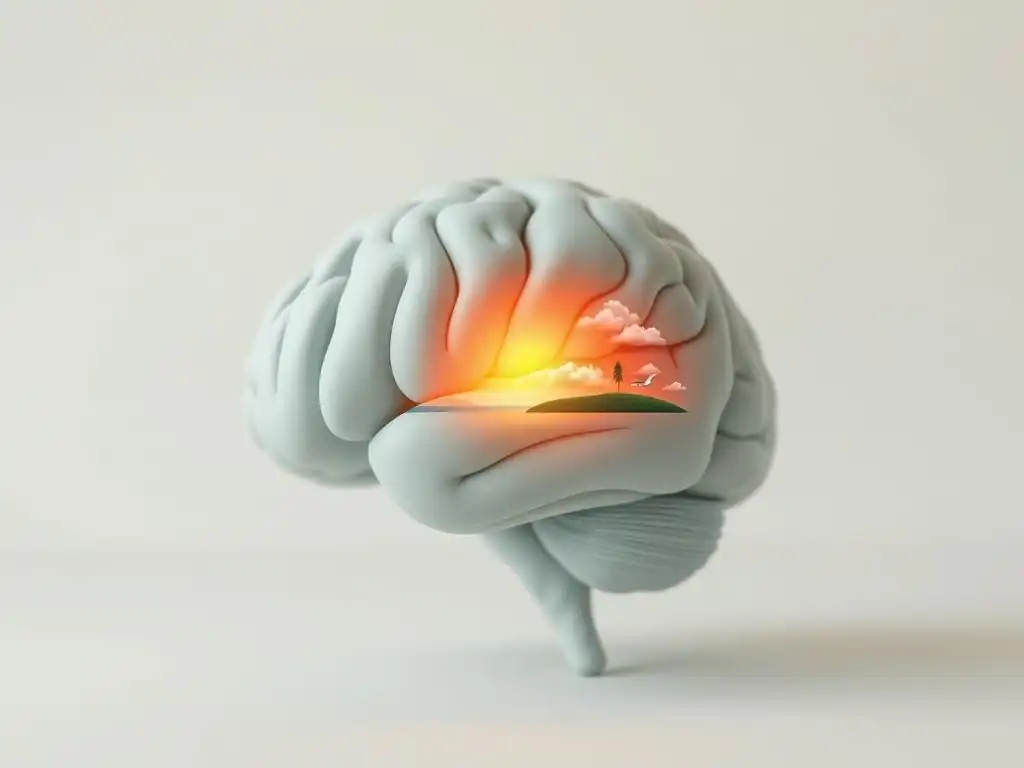
Cognitive Behavioral Therapy (CBT) is one of the most effective psychological treatments for phobias. CBT works by helping individuals identify and challenge the irrational thoughts and beliefs associated with their fear. It teaches coping mechanisms and helps reframe the perception of the feared stimulus from dangerous to non-threatening. By changing thought patterns and behaviors, CBT indirectly influences the brain's fear circuitry.
Through techniques like cognitive restructuring, individuals learn to evaluate the likelihood and severity of the feared outcome more realistically. This process is believed to strengthen the regulatory pathways from the prefrontal cortex to the amygdala, helping the PFC exert greater control over the amygdala's fear response. CBT is often used in conjunction with exposure therapy as part of comprehensive Amygdala phobia treatment strategies.
Exposure Therapy: Retraining the Amygdala's Fear Response
Exposure therapy is a cornerstone of Amygdala phobia treatment strategies and is highly effective for specific phobias and agoraphobia. It involves gradually and safely exposing the individual to the feared object or situation in a controlled environment. The exposure can be in vivo (real-life), imaginal (visualizing the fear), or virtual reality. The goal is to help the individual confront their fear and learn that the feared outcome does not occur, or that they can cope with the anxiety.
At a neurological level, exposure therapy works through a process called extinction learning. By repeatedly encountering the feared stimulus without experiencing negative consequences, the amygdala's conditioned association between the stimulus and danger is gradually weakened. This doesn't erase the original fear memory but creates a new inhibitory memory that suppresses the fear response. This process is thought to involve increased activity in brain regions that inhibit the amygdala, such as the vmPFC.
Medications for Anxiety and Their Impact on Amygdala Activity
Medications can be a useful part of Amygdala phobia treatment strategies, particularly when phobias are severe or co-occur with other anxiety disorders or depression. Selective Serotonin Reuptake Inhibitors (SSRIs) and Serotonin-Norepinephrine Reuptake Inhibitors (SNRIs) are commonly prescribed. These medications work by affecting neurotransmitter levels in the brain, which can help regulate mood and anxiety, including potentially dampening the overall reactivity of the amygdala over time.
In some cases, benzodiazepines may be prescribed for short-term relief of acute anxiety or panic symptoms associated with phobia exposure, although their use is generally limited due to the risk of dependence. Beta-blockers can help manage the physical symptoms of anxiety, such as rapid heart rate, by blocking the effects of adrenaline. While medications can help manage symptoms and make psychological therapies more accessible, they typically work best when used in conjunction with therapy aimed at addressing the underlying fear circuits involving the amygdala.
Lifestyle Changes to Manage Anxiety
Mindfulness and Meditation for Amygdala Regulation
Mindfulness and meditation practices can be valuable complementary tools in managing anxiety and supporting Amygdala phobia treatment strategies. These practices involve focusing attention on the present moment without judgment. Regular mindfulness meditation has been shown in some studies to lead to structural and functional changes in the brain, including reduced gray matter density in the amygdala and increased connectivity between the vmPFC and the amygdala.
By cultivating present-moment awareness, individuals can learn to observe their fearful thoughts and physical sensations without automatically reacting with panic or avoidance. This can help create a mental space between the trigger and the conditioned fear response, allowing the prefrontal cortex to exert more control and potentially reducing the automatic, exaggerated signal from the amygdala. Even short daily practices can contribute to better emotional regulation over time.
Exercise and Its Effects on Anxiety and Brain Function
Regular physical exercise is widely recognized for its positive impact on mental health and can be a supportive element in managing anxiety and phobias. Exercise helps reduce stress hormones like cortisol and increases the production of endorphins, which have mood-boosting effects. Furthermore, exercise can improve sleep quality and overall physical health, all of which contribute to better emotional resilience.
Neuroscience research suggests that exercise can also have direct effects on brain structures involved in anxiety. It may promote neurogenesis (the growth of new neurons) in areas like the hippocampus and potentially influence neurotransmitter systems that modulate amygdala activity. While exercise alone is not a cure for phobias, incorporating it into a routine can reduce overall anxiety levels, making it easier to engage in other Amygdala phobia treatment strategies like exposure therapy.
Diet and Nutrition for Supporting Mental Well-being
Nutrition plays a role in overall brain health and can influence mood and anxiety levels. While no specific diet cures phobias, a balanced diet rich in whole foods, lean proteins, fruits, and vegetables can support brain function. Ensuring adequate intake of omega-3 fatty acids, B vitamins, magnesium, and zinc is important, as deficiencies in these nutrients have been linked to increased anxiety and depression in some studies.
Limiting caffeine, alcohol, and high-sugar foods is also often recommended, as these substances can exacerbate anxiety symptoms and interfere with sleep. While dietary changes are not a direct Amygdala phobia treatment strategy, supporting overall brain health through nutrition can improve resilience and complement other therapeutic approaches, contributing to better management of anxiety related to phobias.
Living Well with Phobias: Practical Strategies for Managing Fear
Living with a phobia can be isolating, as avoidance behavior can limit social interactions and activities. Building and maintaining a strong support system is crucial for emotional well-being. Sharing your experiences with trusted friends, family members, or support groups can reduce feelings of shame and provide encouragement. Knowing you are not alone can significantly alleviate distress.
Support networks can also provide practical assistance, such as accompanying someone to a feared situation during exposure therapy or simply offering a listening ear. The social connection itself can have a calming effect, as positive social interactions are associated with the release of oxytocin, a hormone that can counter the effects of stress hormones triggered by the amygdala. Integrating social support is a valuable aspect of living well while undergoing Amygdala phobia treatment strategies.
Self-Help Techniques for Managing Anxiety and Panic
In addition to professional treatment, individuals can utilize various self-help techniques to manage anxiety and panic symptoms triggered by their phobia. These techniques aim to calm the nervous system and regain a sense of control when faced with fear. Examples include:
- Deep Breathing Exercises: Slow, controlled breathing can activate the parasympathetic nervous system, counteracting the fight-or-flight response triggered by the amygdala.
- Progressive Muscle Relaxation: Tensing and then releasing muscle groups can reduce overall physical tension associated with anxiety.
- Grounding Techniques: Focusing on sensory details in the present moment (e.g., naming 5 things you can see, 4 things you can touch) can help pull attention away from fearful thoughts and back to reality.
- Mindful Observation: Observing the phobic stimulus or anxious feelings without judgment, acknowledging them without getting swept away.
Practicing these techniques regularly, even when not feeling anxious, can build resilience and provide valuable tools to deploy when confronted with a phobic trigger, complementing the effects of professional Amygdala phobia treatment strategies.
When to Seek Professional Help
Recognizing when to seek professional help is a critical step toward recovery. While self-help strategies and support systems are valuable, phobias that significantly impair daily life, cause intense distress, or lead to severe avoidance require professional intervention. Mental health professionals, such as therapists, counselors, or psychiatrists, can provide accurate diagnosis and evidence-based Amygdala phobia treatment strategies tailored to the individual's specific needs.
Signs that it's time to seek professional help include: the phobia is interfering with work, school, or relationships; you are avoiding situations you previously enjoyed; you are experiencing frequent panic attacks related to the phobia; or you feel your fear is uncontrollable. Effective treatments are available, and seeking help is a sign of strength, offering a path toward managing fear and improving quality of life.
The Future of Amygdala Research and Phobia Treatment
Emerging Therapies Targeting the Amygdala
Research into the neuroscience of fear continues to advance, opening doors for new and more targeted Amygdala phobia treatment strategies. Scientists are exploring novel therapeutic approaches that directly or indirectly modulate amygdala activity. This includes investigating the potential of pharmacotherapies that specifically target receptors or pathways within the amygdala involved in fear learning and memory.
Furthermore, neuromodulation techniques, such as Transcranial Magnetic Stimulation (TMS) or deep brain stimulation, are being studied for their potential to alter activity in the amygdala and related fear circuits. While many of these approaches are still experimental, the growing understanding of the amygdala's role in phobias is driving the development of more precise interventions aimed at correcting the underlying neural dysfunction.
Understanding the Long-Term Effects of Phobias on Brain Function
Ongoing research is also focused on understanding the long-term impact of chronic phobias and anxiety on brain structure and function, particularly the amygdala. Prolonged exposure to stress and heightened amygdala activity may lead to neurobiological changes over time. Studies are investigating whether chronic phobic states can affect brain plasticity, connectivity between regions, and vulnerability to other mental health conditions.
Understanding these long-term effects can further refine Amygdala phobia treatment strategies, potentially highlighting the importance of early intervention and sustained support. It also emphasizes the need for research into preventing the development of phobias in vulnerable individuals and maintaining remission after successful treatment.
Hope for Recovery: Empowering Individuals with Phobias
Despite the powerful neurological basis of phobias involving the amygdala, it is crucial to remember that phobias are highly treatable. The brain is remarkably plastic, meaning it can change and adapt throughout life. Amygdala phobia treatment strategies like exposure therapy and CBT leverage this plasticity to help individuals learn new, non-fearful associations with their triggers and regain control over their fear response.
With increased understanding of the amygdala's role, treatments are becoming more refined and effective. Empowering individuals with knowledge about their condition and providing access to evidence-based therapies offers significant hope for recovery. Many people successfully manage or overcome their phobias, enabling them to live fuller, less restricted lives, demonstrating that the intense fear reactions driven by the amygdala can indeed be rewired and managed.
Frequently Asked Questions
What is the role of the amygdala in phobias?
The amygdala is the brain region responsible for processing emotions, especially fear. In phobias, it becomes overly sensitive, triggering intense fear responses to perceived threats, even when those threats are not real or dangerous.
How do phobias develop in relation to the amygdala?
Phobias often develop through learned associations where a neutral stimulus becomes linked to a fearful experience. This association strengthens in the amygdala, leading to a conditioned fear response upon encountering that stimulus.
What are some common amygdala-focused phobia treatment strategies?
Several therapies target the amygdala's role in phobias. These include exposure therapy, which gradually desensitizes individuals to their fears, and cognitive behavioral therapy (CBT), which helps to reshape negative thought patterns associated with phobias.
Can medication help in amygdala phobia treatment?
While medication doesn't directly "fix" the amygdala, it can help manage anxiety symptoms associated with phobias. Selective serotonin reuptake inhibitors (SSRIs) and anti-anxiety medications can help to regulate the amygdala's activity and reduce fear responses.
Where can I find more resources about amygdala phobia treatment strategies?
Mind Care Guide offers a comprehensive guide to mental well-being, including information, support, and resources for various mental health challenges. Consult with a mental health professional for personalized treatment options.
Final Reflection: Unlocking the Amygdala's Grip on Fear
Understanding the amygdala's role in phobias is not just an academic exercise; it's the key to unlocking effective treatment strategies and reclaiming a life free from debilitating fear. The intricate workings of this small brain structure, its influence on our emotional responses, and the pathways it utilizes to create and maintain phobias, are finally being understood with increasing clarity. This knowledge empowers us to develop targeted interventions that offer real hope for those struggling with anxiety disorders.
The impact of phobias extends far beyond individual suffering; they shape our social interactions, limit our opportunities, and contribute to a broader societal understanding of mental health. The stigma surrounding anxiety disorders often prevents individuals from seeking help, perpetuating a cycle of fear and isolation. The greatest barrier to overcoming fear is not the fear itself, but the belief that it is insurmountable.
This quote highlights the crucial role of empowerment and understanding in the journey towards recovery. By demystifying the amygdala's role, we can foster a more compassionate and informed approach to phobia treatment, encouraging those affected to seek the support they deserve.
You now possess a deeper understanding of the amygdala's influence on your emotional landscape. Consider how this knowledge might inform your own approach to fear and anxiety. Are there areas in your life where fear is holding you back? Remember, understanding the mechanisms of fear is the first step towards overcoming it. Take the time to explore available resources, connect with support networks, and consider seeking professional help if needed. Your journey towards a life less burdened by fear begins with a single step – a step towards self-awareness and empowerment.
Unlock Your Fearless Potential: Conquer Anxiety Today!
Thanks for diving deep into the fascinating world of the amygdala and phobias with us! We hope you gained a clearer understanding of intense fear reactions and how they impact our lives. Now, it’s time to put this knowledge into action.
Here's what you can do next:
- Identify your personal triggers: Take some time to reflect on situations or objects that evoke strong fear responses. This self-awareness is the first step to managing your anxieties.
- Share this article with someone who might benefit: Helping others understand phobias can create a supportive network and improve understanding.
- Consider exploring relaxation techniques like deep breathing or mindfulness meditation — these can help regulate your amygdala's response to stressful situations.
What's one small step you can take today to manage your fear responses more effectively?