
Your Amygdala: Friend or Foe in the World of Mental Wellbeing?

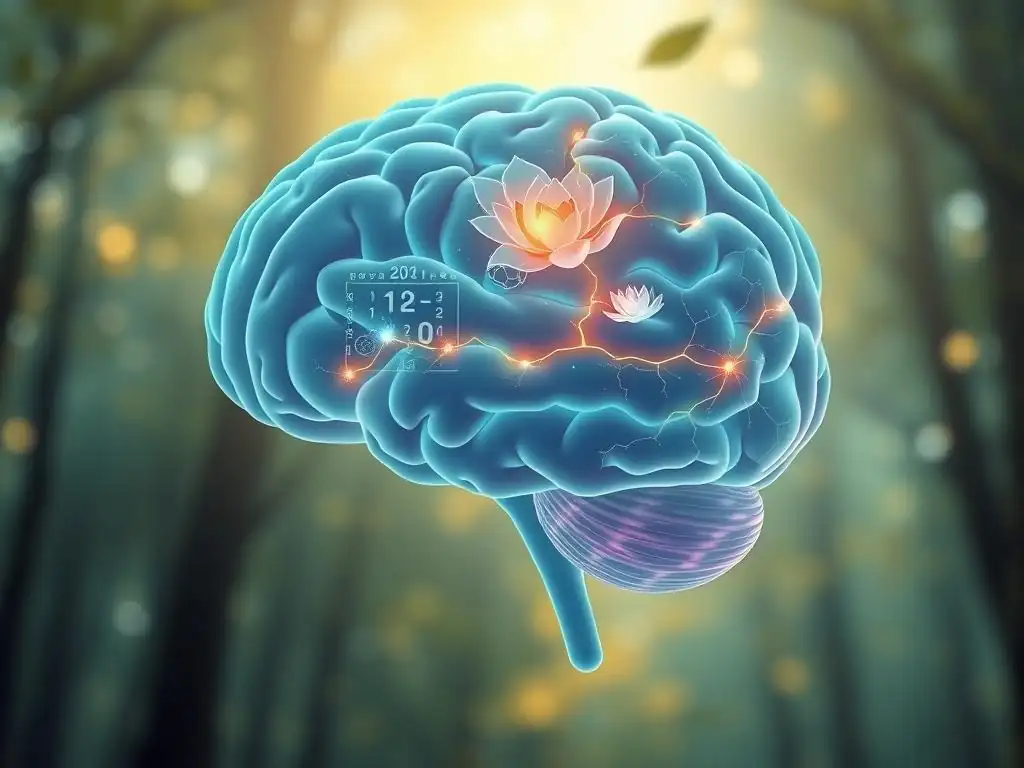
Welcome to Mind Care Guide, a sanctuary for navigating the complexities of mental well-being. Ever feel like your emotions are hijacking your decisions? This can often be traced back to a tiny but powerful region of your brain. Today, we delve into the fascinating world of amygdala regulation and its profound impact on your mental health. Join us as we explore how understanding and nurturing this crucial brain structure can unlock a path towards greater emotional balance and resilience. Let's unravel the mysteries together...
Your Amygdala: Friend or Foe in the World of Mental Wellbeing? - Mind Care Guide
- Understanding the Amygdala's Role in Mental Health
- Amygdala Dysregulation and its Impact on Mental Wellbeing
- The Amygdala: Friend or Foe? Examining its Dual Nature
- Strategies for Amygdala Regulation and Mental Health Improvement
- Amygdala Regulation Mental Health: Practical Applications
- Beyond the Basics: Advanced Techniques for Amygdala Modulation
- Seeking Professional Help for Amygdala-Related Mental Health Challenges
- The Future of Amygdala Research and Mental Wellbeing
-
Frequently Asked Questions
- What is the amygdala and what role does it play in mental health?
- How does the amygdala impact conditions like anxiety and PTSD?
- What does "amygdala regulation" mean in the context of mental health?
- What are some strategies for improving amygdala regulation for better mental health?
- When should I seek professional help regarding amygdala regulation and mental health?
- Final Reflection: Taming the Amygdala: A Path to Lasting Mental Wellbeing
- Unleash Your Inner Calm: Take Control of Your Amygdala
Understanding the Amygdala's Role in Mental Health
The Amygdala: Your Brain's Emotional Sentinel
The amygdala, a small, almond-shaped structure located deep within the temporal lobe of the brain, serves as a critical component of our limbic system. Often referred to as the brain's emotional center, its primary function involves processing emotions, particularly fear and pleasure, and storing memories associated with these emotional events. This allows us to quickly react to potential threats or rewarding stimuli based on past experiences. Think of it as a vigilant sentinel, constantly scanning the environment for cues that might signal danger or opportunity, laying the groundwork for our emotional responses and influencing overall amygdala regulation mental health.
This vital structure is composed of several subnuclei, each contributing to different aspects of emotional processing. For instance, the basolateral complex is crucial for associating stimuli with emotional responses, while the central nucleus is key to initiating the physiological and behavioral reactions to fear.
The rapid processing capabilities of the amygdala mean that it can trigger a fear response even before the conscious parts of our brain, like the prefrontal cortex, have fully processed a situation. This speed is essential for survival, enabling us to jump back from a perceived snake on a trail before we even consciously identify it.
How the Amygdala Influences Anxiety and Fear Responses
The amygdala plays a central role in the body's "fight or flight" response, a survival mechanism triggered by perceived threats. When the amygdala detects a potential danger, it sends signals to the hypothalamus, which then activates the sympathetic nervous system. This cascade results in the release of stress hormones like adrenaline and cortisol, leading to physiological changes such as increased heart rate, rapid breathing, and heightened senses. These responses prepare the body to confront or flee from the threat.
In the context of anxiety, the amygdala's role becomes particularly significant. While a healthy fear response is adaptive, chronic anxiety often involves an overactive or dysregulated amygdala that triggers these stress responses even in the absence of a real threat. This persistent state of heightened arousal can contribute to various anxiety disorders, including generalized anxiety disorder, panic disorder, and social anxiety. Understanding this neural pathway is fundamental to exploring strategies for effective amygdala regulation mental health.
Neuroscience of the Amygdala: A Deeper Dive
From a neuroscience perspective, the amygdala's function is intricately linked to its connections with other brain regions. It receives sensory input from the thalamus and sensory cortices, allowing it to quickly evaluate potential threats. It also has strong reciprocal connections with the prefrontal cortex (PFC), particularly the medial and ventromedial PFC, which are involved in higher-level cognitive processing, decision-making, and regulating emotional responses. A healthy interaction between the amygdala and the PFC is crucial for modulating fear and anxiety.
Furthermore, the amygdala is influenced by neurotransmitters such as glutamate (excitatory) and GABA (inhibitory). An imbalance in these neurotransmitter systems can affect amygdala activity. For example, reduced GABAergic inhibition or increased glutamatergic excitation within the amygdala has been implicated in increased anxiety and fear responses. The structural integrity and functional connectivity of the amygdala can also be altered by chronic stress, trauma, and certain psychiatric conditions, further highlighting the complex neural underpinnings of amygdala regulation mental health challenges.
Amygdala Dysregulation and its Impact on Mental Wellbeing
What is Amygdala Dysregulation? Exploring the Imbalance
Amygdala dysregulation refers to a state where the amygdala is not functioning optimally, often exhibiting heightened or inappropriate activity. Instead of responding proportionally to actual threats, a dysregulated amygdala might become overactive, triggering intense fear or anxiety responses to benign stimuli. Alternatively, in some cases related to specific conditions, it might show reduced activity or an inability to process emotional cues correctly. This imbalance disrupts the intricate network responsible for emotional processing and response, significantly impacting an individual's mental wellbeing and their capacity for healthy amygdala regulation mental health.
This dysregulation isn't a static state; it can be influenced by various factors including genetics, early life experiences (such as trauma or chronic stress), and ongoing environmental stressors. For instance, studies using fMRI have shown that individuals with a history of childhood adversity often exhibit exaggerated amygdala responses to emotional faces compared to those without such a history. This persistent hypervigilance can contribute to a range of mental health issues, making everyday situations feel overwhelming and threatening.
The Link Between Amygdala Hyperactivity and Anxiety Disorders
Research consistently points to a strong correlation between amygdala hyperactivity and the presence of anxiety disorders. In conditions like Generalized Anxiety Disorder (GAD), the amygdala appears to be in a state of constant alert, contributing to persistent worry and tension even when no immediate threat is present. Brain imaging studies comparing individuals with GAD to healthy controls often show increased resting-state activity in the amygdala in the GAD group.
Similarly, in Panic Disorder, the amygdala is thought to play a key role in triggering panic attacks. It can misinterpret internal bodily sensations (like a slight increase in heart rate) or external cues as catastrophic threats, initiating a full-blown fight-or-flight response. This creates a vicious cycle where the fear of having a panic attack itself becomes a trigger, further reinforcing the amygdala's hypersensitivity. Effective amygdala regulation mental health strategies are therefore crucial in managing these conditions.
Post-Traumatic Stress Disorder (PTSD) is perhaps one of the clearest examples of amygdala dysregulation following trauma. In individuals with PTSD, the amygdala often shows increased reactivity to trauma-related stimuli, causing flashbacks, nightmares, and intense distress when encountering reminders of the traumatic event. The brain essentially gets stuck in a state of alert, constantly re-experiencing the threat.
Furthermore, in PTSD, there is often reduced activity or impaired function in the prefrontal cortex, particularly the medial PFC, which normally helps to inhibit or regulate the amygdala's response. This imbalance – an overactive amygdala coupled with an underactive regulatory PFC – makes it difficult for individuals with PTSD to feel safe and calm, even long after the danger has passed. Addressing this imbalance is a primary goal in therapeutic approaches aimed at improving amygdala regulation mental health in trauma survivors.
The Amygdala: Friend or Foe? Examining its Dual Nature

The Amygdala's Protective Function: Why We Need Fear
Despite its association with anxiety and fear, the amygdala is fundamentally a protective mechanism essential for survival. Its ability to quickly detect and respond to threats, often unconsciously, has been crucial throughout human evolution. Imagine encountering a dangerous animal or stepping into the path of a moving vehicle – the amygdala's rapid alert system prompts an immediate physical reaction (like freezing or jumping back) that can save your life before you even have time to consciously process the situation.
This innate fear response, mediated by the amygdala, is a vital part of our behavioral repertoire. It motivates us to avoid dangerous situations, learn from negative experiences (like touching a hot stove), and take necessary precautions. Without the amygdala's capacity to generate fear, we would be significantly more vulnerable to harm. Its function as an early warning system is undeniably beneficial, highlighting that the amygdala is not inherently a "foe," but a necessary "friend" when functioning correctly.
When the Amygdala Becomes Overactive: The Downside of Fear
The difficulty arises when the amygdala becomes overly sensitive or dysregulated, triggering fear responses in the absence of real danger. This is the "foe" aspect. When the amygdala is constantly on high alert, perceiving threats everywhere, it leads to chronic stress, anxiety, and avoidance behaviors that significantly impair daily life. For example, someone with social anxiety might experience intense fear (racing heart, sweating, trembling) when simply meeting new people, a situation that poses no actual physical threat.
This persistent state of heightened arousal can also lead to physical health problems over time due to the constant release of stress hormones. Conditions like chronic fatigue, digestive issues, and weakened immune function can be exacerbated by an overactive amygdala. The constant internal alarm makes it difficult to relax, focus, and engage fully with life, demonstrating how the amygdala's protective function can become detrimental when it is unable to achieve healthy amygdala regulation mental health.
Alerting You to Danger: The Amygdala as a Protector
Consider a simple scenario: you're walking down a dark street and hear footsteps behind you. Your amygdala instantly kicks into gear, increasing your heart rate, making you more alert, and preparing your muscles for action. This isn't an anxiety disorder; it's a healthy, adaptive fear response to a potentially dangerous situation. The amygdala processed the auditory input, compared it to stored memories (perhaps from news stories or past experiences), and alerted your body to the potential threat.
Another example is the sudden urge to hit the brakes when the car in front of you stops unexpectedly. Your amygdala processes the visual cue rapidly, triggering an immediate reaction faster than conscious thought. This protective function is invaluable, serving as a quick, intuitive safety mechanism that bypasses slower, deliberate cognitive processing. It's a primal function that underscores the amygdala's crucial role as a protector when it is appropriately calibrated.
Panic Attacks: The Amygdala's False Alarm
Panic attacks are a classic manifestation of the amygdala acting as a "foe" due to a false alarm. During a panic attack, the amygdala perceives a non-threatening situation or even internal bodily sensations as an imminent, life-threatening danger. It triggers the full fight-or-flight response – intense fear, rapid heart rate, shortness of breath, dizziness, chest pain, and a feeling of losing control or dying.
Crucially, there is no actual danger present. The amygdala has misinterpreted cues, sending the body into a state of extreme panic. This experience can be terrifying and lead to avoidance of situations where a panic attack previously occurred, further reinforcing the amygdala's hypersensitivity. Understanding that a panic attack is a physiological cascade initiated by an amygdala misfire is an important step in learning strategies for amygdala regulation mental health to manage them.
Strategies for Amygdala Regulation and Mental Health Improvement
Techniques for Calming an Overactive Amygdala
Effectively managing an overactive amygdala is central to improving mental wellbeing, particularly for those struggling with anxiety and trauma-related conditions. Fortunately, various techniques can help retrain the brain and promote healthier amygdala regulation mental health. These strategies often involve engaging the prefrontal cortex, which can exert top-down control over the amygdala, or leveraging the body's physiological responses to signal safety.
Consistency is key when implementing these techniques. Regular practice helps build new neural pathways, strengthening the connection between the rational brain and the emotional brain. While some techniques offer immediate relief, others are more about long-term adaptation and resilience, gradually reducing the amygdala's baseline reactivity and improving overall emotional regulation.
Mindfulness and Meditation for Amygdala Control
Mindfulness and meditation practices have shown significant promise in fostering amygdala regulation. By training the mind to focus on the present moment without judgment, these techniques help individuals observe their thoughts and feelings, including fear and anxiety, from a detached perspective. This practice reduces the automatic reactivity of the amygdala.
Neuroimaging studies support these benefits, showing that regular mindfulness meditation can lead to structural changes in the brain, including reduced gray matter density in the amygdala and increased density in areas of the prefrontal cortex associated with attention and emotional regulation. A study published in Psychiatry Research: Neuroimaging in 2011, for example, found that participants who completed an 8-week mindfulness program showed a decrease in amygdala size compared to a control group. This physical change underscores the profound impact of these practices on the brain's fear center.
Deep Breathing Exercises to Reduce Amygdala Activity
Simple physiological techniques like deep, diaphragmatic breathing can have an immediate calming effect on the nervous system and help quiet an overactive amygdala. When we are stressed or anxious, our breathing becomes shallow and rapid, which signals danger to the brain and further activates the fight-or-flight response. Conversely, slow, deep breathing activates the parasympathetic nervous system, the body's "rest and digest" system.
By consciously slowing the breath, particularly the exhale, we send a signal of safety to the brain, counteracting the amygdala's alarm. Techniques like box breathing (inhale for four, hold for four, exhale for four, hold for four) or 4-7-8 breathing (inhale for four, hold for seven, exhale for eight) can be practiced anywhere, providing an accessible tool for immediate amygdala regulation mental health support during moments of distress.
Cognitive Behavioral Therapy (CBT) and Amygdala Retraining
Cognitive Behavioral Therapy (CBT) is a highly effective therapeutic approach for conditions driven by amygdala dysregulation, such as anxiety disorders and PTSD. CBT works by helping individuals identify and challenge negative thought patterns and beliefs that contribute to their distress. By changing how they think about situations, individuals can change their emotional and behavioral responses.
For example, someone with social anxiety might learn to challenge the thought "Everyone is judging me" and replace it with a more balanced perspective. This cognitive restructuring, mediated by the prefrontal cortex, directly influences the amygdala's response to social situations. Through repeated practice in therapy, individuals can essentially retrain their amygdala to react less intensely to perceived (but not real) threats, facilitating long-term amygdala regulation mental health improvements.
Lifestyle Changes to Support Healthy Amygdala Function
Beyond specific techniques, broader lifestyle changes play a significant role in supporting healthy brain function and promoting better amygdala regulation. Our daily habits regarding sleep, nutrition, and physical activity profoundly impact the brain's structure and chemistry, influencing how the amygdala functions and how well we can manage stress and emotions.
Adopting a balanced lifestyle provides a foundation for resilience, making the brain less susceptible to becoming stuck in a state of hyperarousal. These changes might seem simple, but their cumulative effect on the nervous system and brain health is substantial, contributing significantly to overall amygdala regulation mental health.
The Importance of Sleep for Amygdala Regulation
Adequate and quality sleep is fundamental for emotional regulation and healthy amygdala function. Sleep deprivation has been shown to increase amygdala reactivity to negative stimuli and impair the connection between the amygdala and the prefrontal cortex, making it harder for the rational brain to modulate emotional responses.
Research, including studies from UC Berkeley, has demonstrated that after a sleepless night, the amygdala can become up to 60% more reactive. Chronic sleep deprivation can therefore exacerbate anxiety, stress, and emotional volatility. Prioritizing 7-9 hours of quality sleep per night is a crucial, yet often overlooked, strategy for supporting amygdala regulation mental health.
Nutrition's Impact on Brain Health and Amygdala Function
What we eat directly affects brain health and neurotransmitter function, which in turn influences amygdala activity. A diet rich in omega-3 fatty acids (found in fish), antioxidants (from fruits and vegetables), and complex carbohydrates can support brain structure and reduce inflammation, both of which are beneficial for emotional regulation.
Conversely, diets high in processed foods, sugar, and unhealthy fats can negatively impact brain health, potentially contributing to inflammation and imbalances in neurotransmitters that affect the amygdala. While diet alone isn't a cure, incorporating nutrient-dense foods provides the brain with the building blocks it needs for optimal function and supports efforts towards amygdala regulation mental health.
Exercise and its Effect on Reducing Anxiety and Regulating the Amygdala
Regular physical exercise is a powerful tool for reducing anxiety and promoting healthier amygdala function. Exercise helps to reduce stress hormones like cortisol and increases the production of endorphins, which have mood-boosting effects. It also promotes neurogenesis (the growth of new neurons) and improves blood flow to the brain, including areas involved in emotional regulation.
Studies have shown that consistent aerobic exercise can lead to structural changes in the brain, including potential reductions in amygdala volume and increased volume in the hippocampus, an area involved in memory and stress response. Aiming for at least 150 minutes of moderate-intensity aerobic exercise or 75 minutes of vigorous-intensity exercise per week, as recommended by health guidelines, can significantly contribute to improved mental wellbeing and amygdala regulation mental health.
Amygdala Regulation Mental Health: Practical Applications
Identifying Triggers That Activate Your Amygdala
A practical first step in improving amygdala regulation is becoming aware of the specific triggers that activate your fear or anxiety response. These can be external situations (like crowds, public speaking, specific places) or internal cues (like certain thoughts, bodily sensations, or memories). Keeping a journal can help you identify patterns – what situations or thoughts consistently lead to heightened anxiety?
For example, someone with social anxiety might notice their amygdala activates strongly before a work meeting, leading to physical symptoms like shaking hands. Identifying "work meetings" as a trigger allows them to proactively use calming strategies beforehand. Recognizing these specific triggers is essential because it empowers you to anticipate challenges and apply targeted amygdala regulation mental health techniques.
Creating a Personalized Plan for Amygdala Regulation
Once triggers are identified, the next step is to create a personalized plan incorporating the strategies discussed earlier. This plan should be realistic and tailored to your lifestyle and specific challenges. It might include scheduling regular mindfulness sessions, planning specific deep breathing exercises before anticipated triggers, incorporating daily exercise, and making conscious dietary choices.
A personalized plan ensures consistency and empowers you to take an active role in managing your mental health. For instance, if morning anxiety is a problem, the plan might include specific grounding exercises upon waking. If public speaking is a trigger, the plan might involve practicing exposure techniques or using CBT strategies to challenge negative thoughts beforehand. This structured approach is key to consistent progress in amygdala regulation mental health.
A Sample Morning Routine: Grounding and Centering
Many people experience heightened anxiety in the morning. A simple routine focused on grounding and centering can help set a calm tone for the day and gently engage the prefrontal cortex before the amygdala has a chance to become overly active.
Here's a sample routine:
- [ ] Wake up and take 5 minutes for deep, diaphragmatic breathing.
- [ ] Spend 10-15 minutes on a guided mindfulness meditation or simply sit quietly, focusing on your breath.
- [ ] Engage in gentle physical activity, like stretching or a short walk.
- [ ] Eat a balanced breakfast.
- [ ] Set a positive intention for the day.
This routine incorporates breathing, mindfulness, exercise, and nutrition – all elements that support healthy amygdala function and promote proactive amygdala regulation mental health from the start of the day.
Beyond the Basics: Advanced Techniques for Amygdala Modulation
Neurofeedback for Amygdala Training
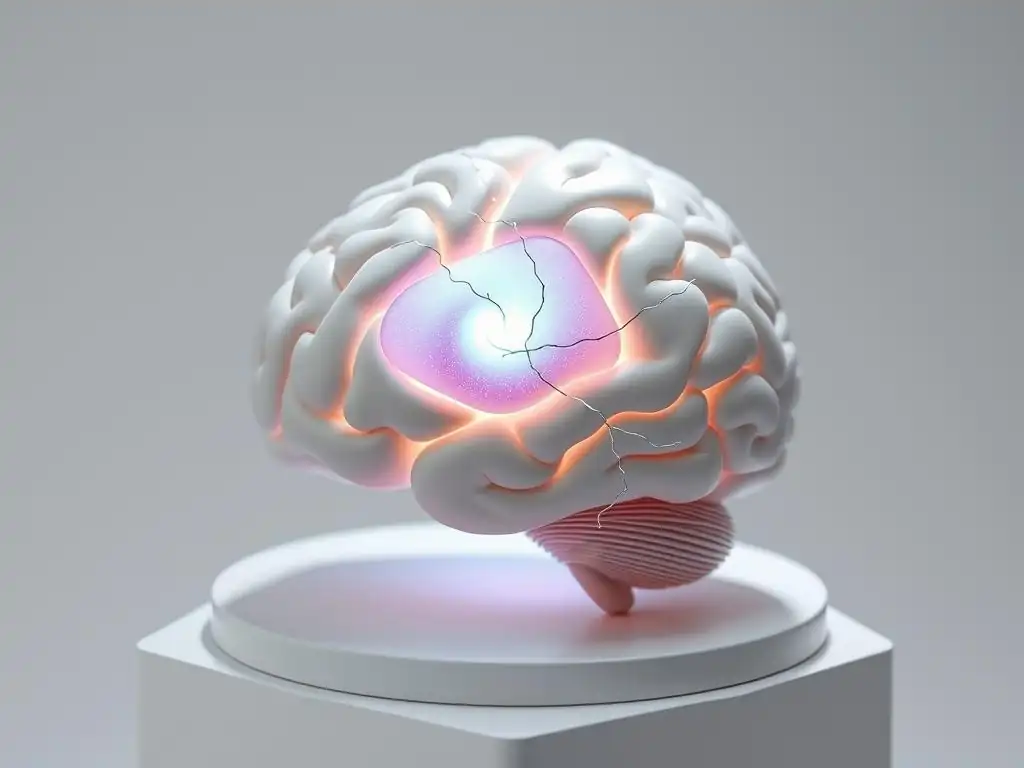
Neurofeedback is an advanced therapeutic technique that allows individuals to learn to regulate their brain activity, including activity in the amygdala. Using real-time brainwave data (often from EEG), participants receive feedback (visual or auditory) about their brain state. The goal is to train the brain to produce more desirable patterns of activity, such as reducing excessive beta wave activity associated with anxiety or increasing alpha/theta activity associated with relaxation.
While traditional neurofeedback measures activity from the scalp, advancements in technology allow for more targeted approaches. Studies have explored using fMRI-based neurofeedback to provide individuals with direct feedback on their amygdala's activity, allowing them to learn to voluntarily reduce its response to emotional stimuli. This direct training method holds significant promise for individuals with severe anxiety or PTSD, offering a sophisticated approach to amygdala regulation mental health.
Real-Time Brain Activity Feedback: Training for Self-Regulation
Real-time fMRI (rt-fMRI) neurofeedback is a cutting-edge technique that provides individuals with live information about the activity in specific brain regions, such as the amygdala. During a session, the participant is shown images or cues designed to activate the amygdala (e.g., fearful faces). Simultaneously, they see a representation of their amygdala's activity on a screen. They are then instructed to try and lower the activity level using mental strategies (like reappraisal or mindfulness).
Through repeated sessions, individuals can learn to gain conscious control over their amygdala's response. For example, research published in Biological Psychiatry in 2013 showed that participants trained with rt-fMRI neurofeedback were able to significantly reduce their amygdala response to fearful stimuli and reported reduced anxiety symptoms. This method offers a direct pathway to training the brain for improved amygdala regulation mental health.
Biofeedback and its role in Amygdala Control
Biofeedback is a broader term that includes neurofeedback but also encompasses training individuals to control other physiological signals related to stress and anxiety, such as heart rate, muscle tension, skin temperature, and skin conductivity. These physiological responses are often downstream effects of amygdala activation. By learning to regulate these bodily signals, individuals can indirectly influence the amygdala and the broader stress response system.
For instance, learning to lower muscle tension or increase skin temperature (indicating relaxation) sends calming signals back to the brain, helping to counteract the amygdala's alert state. Biofeedback provides tangible, real-time data on the body's stress level, allowing individuals to see the immediate impact of their relaxation techniques and empowering them to gain greater control over their physiological responses, thereby supporting amygdala regulation mental health.
Heart Rate Variability: Using Physiological Signals for Control
Heart Rate Variability (HRV) biofeedback is a specific and increasingly popular form of biofeedback focused on training individuals to increase their HRV, which is the natural variation in the time intervals between heartbeats. A higher HRV generally indicates a more resilient and flexible nervous system, with a stronger balance between the sympathetic (fight-or-flight) and parasympathetic (rest-and-digest) branches. Low HRV is often associated with stress, anxiety, and an overactive amygdala.
HRV biofeedback teaches individuals specific breathing patterns (typically slow, rhythmic breathing around 5-7 breaths per minute) that synchronize heart rate and respiration, leading to increased HRV. By practicing HRV coherence, individuals can strengthen the vagus nerve, which plays a key role in calming the nervous system and regulating the amygdala. This technique provides a direct physiological pathway to improving stress resilience and amygdala regulation mental health.
When to Consult a Mental Health Professional
While self-help strategies for amygdala regulation are valuable, it's important to recognize when professional support is needed. If your anxiety, fear, or emotional reactivity is significantly impacting your daily life, relationships, work, or physical health, it's time to reach out to a mental health professional. This includes experiencing frequent panic attacks, persistent avoidance behaviors, intrusive trauma-related thoughts, or feeling overwhelmed by worry most of the time.
A trained therapist or psychiatrist can provide a proper diagnosis, assess the severity of your symptoms, and recommend evidence-based treatments tailored to your specific needs. They can also help you understand the underlying mechanisms, including the role of the amygdala, and guide you through effective strategies for long-term amygdala regulation mental health. Seeking help is a sign of strength, not weakness.
Therapies Focused on Amygdala Regulation
Several therapeutic modalities are particularly effective in addressing issues related to amygdala dysregulation. Cognitive Behavioral Therapy (CBT), as mentioned earlier, helps restructure thought patterns that trigger the amygdala. Dialectical Behavior Therapy (DBT) focuses on emotional regulation skills, distress tolerance, and mindfulness, all of which can help temper an overactive fear response.
Other therapies, such as Acceptance and Commitment Therapy (ACT), encourage accepting difficult emotions while committing to value-driven actions, reducing the struggle against anxiety. These therapies provide structured frameworks and practical tools for understanding and modifying responses driven by the amygdala's activity, laying the groundwork for improved amygdala regulation mental health.
Exposure Therapy, EMDR, and Mindfulness-Based Therapies
Exposure Therapy is a specific type of CBT that involves gradually and safely exposing individuals to the feared objects or situations that trigger their amygdala, allowing them to learn that their feared outcome does not occur and that they can tolerate the associated anxiety. This process helps to extinguish the conditioned fear response mediated by the amygdala.
Eye Movement Desensitization and Reprocessing (EMDR) is another therapy often used for trauma-related conditions. While the exact mechanisms are debated, EMDR is thought to help process traumatic memories stored in a way that keeps the amygdala in a state of hyperarousal, allowing the brain to reprocess them more adaptively. Mindfulness-Based Stress Reduction (MBSR) and Mindfulness-Based Cognitive Therapy (MBCT) specifically integrate mindfulness practices into therapy to enhance emotional regulation and reduce amygdala reactivity, directly supporting amygdala regulation mental health.
The Future of Amygdala Research and Mental Wellbeing
Emerging Therapies Targeting the Amygdala
Research into the amygdala's role in mental health is continuously evolving, leading to the development of novel and more targeted therapies. Beyond neurofeedback and biofeedback, scientists are exploring other ways to modulate amygdala activity. For instance, transcranial magnetic stimulation (TMS) is a non-invasive brain stimulation technique that uses magnetic pulses to stimulate specific brain regions. Studies are investigating its potential to modulate activity in the prefrontal cortex to enhance its inhibitory control over the amygdala in conditions like PTSD and depression.
Deep Brain Stimulation (DBS), while more invasive, is also being explored for severe, treatment-resistant cases of conditions like OCD, which involves circuits connected to the amygdala. These emerging therapies represent exciting possibilities for directly influencing the brain regions implicated in emotional dysregulation, offering hope for more effective amygdala regulation mental health interventions in the future.
Understanding that amygdala dysregulation can manifest differently in individuals based on genetics, trauma history, and other factors is paving the way for personalized medicine approaches. Future treatments may involve using neuroimaging or genetic markers to identify specific patterns of amygdala activity or connectivity in a patient and then tailoring interventions (therapy, medication, brain stimulation) to that individual's unique neural profile.
For example, someone with a specific genetic variant affecting neurotransmitter function in the amygdala might respond better to one type of medication, while someone with trauma-induced changes in amygdala-PFC connectivity might benefit more from therapies like EMDR or neurofeedback. Personalized medicine aims to move beyond a one-size-fits-all approach, optimizing strategies for amygdala regulation mental health based on individual neurobiology.
Research on Pharmaceutical Interventions and Amygdala Activity
Pharmaceutical research continues to explore medications that can modulate amygdala activity and related neurotransmitter systems. While current medications for anxiety and depression (like SSRIs) indirectly affect the amygdala over time by altering serotonin levels, newer drugs are being investigated that might have more direct or targeted effects.
For example, research is ongoing into compounds that influence glutamate or GABA receptors within the amygdala, aiming to restore a healthier balance between excitation and inhibition. Furthermore, studies on the use of substances like MDMA or psychedelics, in controlled clinical settings alongside therapy, are showing promise in their ability to reduce the amygdala's fear response and enhance connectivity with the prefrontal cortex, potentially allowing for more effective processing of traumatic memories and facilitating amygdala regulation mental health in conditions like PTSD. These avenues highlight the ongoing effort to find diverse ways to support this crucial brain structure.
Frequently Asked Questions
What is the amygdala and what role does it play in mental health?
The amygdala is a brain structure primarily involved in processing emotions, especially fear and anxiety. Its function significantly impacts mental well-being, influencing stress responses and emotional regulation.
How does the amygdala impact conditions like anxiety and PTSD?
In anxiety and PTSD, the amygdala can become overactive, leading to heightened fear responses and difficulty distinguishing between real and perceived threats. This results in persistent feelings of unease and distress.
What does "amygdala regulation" mean in the context of mental health?
"Amygdala regulation" refers to the ability to control and manage the amygdala's response to emotional stimuli. Effective regulation promotes emotional stability and reduces the intensity of negative emotions.
What are some strategies for improving amygdala regulation for better mental health?
Techniques like mindfulness meditation, cognitive behavioral therapy (CBT), and deep breathing exercises can help train the brain to regulate the amygdala's activity, fostering a more balanced emotional state.
When should I seek professional help regarding amygdala regulation and mental health?
If you're experiencing persistent anxiety, panic attacks, or difficulty managing emotions, it's crucial to consult a mental health professional. They can provide personalized strategies and support for amygdala regulation.
Final Reflection: Taming the Amygdala: A Path to Lasting Mental Wellbeing
Understanding the amygdala's role in our emotional responses is not just an academic exercise; it's a crucial step towards building resilience and navigating the complexities of modern life. The overwhelming pressures of daily living, from social media anxieties to global uncertainties, constantly challenge our emotional equilibrium. Mastering amygdala regulation is no longer a niche pursuit; it's a vital skill for thriving in the 21st century.
The impact of unchecked amygdala responses is profound, shaping not only our individual experiences but also the broader social fabric. From heightened conflict to widespread anxiety, the consequences of a poorly regulated amygdala are far-reaching. The mind is everything. What you think you become.
- Buddha. This ancient wisdom highlights the power we hold in shaping our internal landscape, and understanding the amygdala's role is key to harnessing that power. The ongoing exploration of mindfulness techniques, cognitive behavioral therapy, and other therapeutic approaches underscores the growing recognition of the amygdala's influence and the urgent need for effective regulation strategies.
Now, consider your own relationship with your amygdala. What triggers your fight-or-flight response? How can you cultivate self-awareness to identify these triggers and develop healthier coping mechanisms? I invite you to embark on a journey of self-discovery, learning to understand and manage your amygdala's influence on your mental wellbeing. This is not a passive process; it requires consistent effort, self-compassion, and a willingness to explore new techniques. But the rewards – a calmer mind, greater emotional resilience, and a more fulfilling life – are immeasurable.
Unleash Your Inner Calm: Take Control of Your Amygdala
Thanks for exploring the fascinating world of your amygdala with us! We hope you gained valuable insights into its role in your mental wellbeing. Now it's time to put that knowledge into action.
- Prioritize mindful breathing exercises: Even 5 minutes a day can significantly reduce amygdala reactivity and promote a sense of calm. This is your key takeaway for immediate impact.
- Share this article with someone you care about: Help them understand the power of managing their amygdala and build a supportive network focused on mental health.
- Explore a new relaxation technique: Try progressive muscle relaxation, yoga, or meditation – find what resonates with you and helps you manage stress.
Ready to cultivate a more balanced relationship with your amygdala? What small step will you take today to prioritize your mental wellbeing?