
Facing the Fear: Gradual Exposure Therapy for Performance Anxiety


Welcome to Mind Care Guide.
We understand that performance anxiety can feel like an overwhelming shadow, holding you back from your potential. Are you ready to take the first step towards reclaiming your confidence? Facing the Fear is possible, and gradual exposure therapy anxiety offers a powerful path forward. Explore this comprehensive guide to understand how this technique can help you conquer your anxieties and shine. Let's begin your journey to a brighter, more confident you.
Facing the Fear: Gradual Exposure Therapy for Performance Anxiety
- Understanding Performance Anxiety and Its Impact
- Introduction to Gradual Exposure Therapy (GET) for Anxiety
- Implementing Gradual Exposure Therapy for Performance Anxiety: A Step-by-Step Guide
- Benefits of Gradual Exposure Therapy for Performance Anxiety
- Overcoming Challenges in Gradual Exposure Therapy for Anxiety
- Gradual Exposure Therapy for Specific Performance Anxiety Scenarios
- Seeking Professional Guidance for Gradual Exposure Therapy
- Gradual Exposure Therapy: A Powerful Tool for Overcoming Performance Anxiety
-
Frequently Asked Questions
- What is Gradual Exposure Therapy and how does it relate to performance anxiety?
- How does Gradual Exposure Therapy work in practice for performance anxiety?
- What are the benefits of using Gradual Exposure Therapy for performance anxiety compared to other treatments?
- How long does Gradual Exposure Therapy typically take to show results for performance anxiety?
- Is Gradual Exposure Therapy suitable for all types of performance anxiety, and are there any potential risks?
- Final Reflection: Embracing the Stage, One Step at a Time
- Conquer Your Stage Fright: Take the Next Step
Understanding Performance Anxiety and Its Impact
What is Performance Anxiety? Defining the Fear
Performance anxiety is a type of anxiety triggered by the prospect of performing a task in front of others or in a situation where one feels evaluated. This could be anything from public speaking, taking a test, playing a musical instrument, participating in sports, or even social interactions like dating or job interviews. It manifests as intense fear or distress about failing, being judged negatively, or making mistakes in front of an audience, real or perceived. The fear is often disproportionate to the actual threat posed by the situation.
This form of anxiety is incredibly common, affecting a vast number of people across different professions and age groups. While exact figures vary by study and definition, some research indicates that public speaking anxiety alone impacts up to 75% of the population to some degree, with a significant portion experiencing severe distress. Test anxiety is also widespread among students, potentially affecting 10-40% of students depending on the educational level. The core of performance anxiety lies in the dread of evaluation and the potential negative consequences associated with it.
The Psychological Roots of Performance Anxiety: Cognitive Distortions and Past Experiences
The psychological underpinnings of performance anxiety are complex, often stemming from a combination of factors including cognitive distortions and past negative experiences. Cognitive distortions are irrational thought patterns that fuel anxiety, such as "If I make one mistake, everyone will think I'm incompetent," or "I have to be perfect, or I'm a failure." These thoughts aren't based on reality but feel absolutely true to the individual experiencing anxiety. They create a cycle of fear, where anticipating failure becomes a self-fulfilling prophecy by increasing physiological arousal and impairing focus.
Furthermore, past experiences play a significant role. A single negative event, such as stumbling during a presentation, receiving harsh criticism, or failing a crucial test, can deeply engrain the fear of recurrence. The brain learns to associate the performance situation with feelings of panic, embarrassment, or failure. This learned association can persist for years, leading to avoidance behaviors that prevent the individual from challenging these fears. Over time, this can reinforce the belief that they cannot handle performance situations, making gradual exposure therapy for anxiety a crucial intervention.
How Performance Anxiety Affects Daily Life: Beyond the Stage
The impact of performance anxiety extends far beyond the specific performance situation itself. It can significantly restrict an individual's opportunities and quality of life. For instance, someone with public speaking anxiety might avoid career advancements that require presentations, decline invitations to speak at events, or even choose a different profession entirely. A student with test anxiety might underperform despite knowing the material, leading to lower grades and limited educational choices.
In daily life, the constant worry and anticipation of potential performance situations can be mentally exhausting. Individuals may spend excessive time preparing, ruminate over past failures, or experience physical symptoms like insomnia, digestive issues, or muscle tension due to chronic stress. This pervasive anxiety can erode self-esteem and confidence, making it difficult to pursue goals, build relationships, and engage fully in life. Addressing this anxiety, potentially through gradual exposure therapy anxiety techniques, is vital for reclaiming control.
Introduction to Gradual Exposure Therapy (GET) for Anxiety
What is Gradual Exposure Therapy? A Definition
Gradual Exposure Therapy (GET), often referred to simply as exposure therapy, is a type of cognitive behavioral therapy (CBT) specifically designed to treat anxiety disorders, including performance anxiety. At its core, GET involves systematically and intentionally confronting the feared object or situation in a safe and controlled environment.
The "gradual" aspect means that the process starts with situations that provoke only mild anxiety and slowly progresses to those that are more challenging. The goal is not to eliminate fear entirely, but to learn that you can tolerate the anxiety, that the feared outcomes often don't occur, and that the anxiety naturally decreases over time with repeated exposure.
This therapeutic approach is based on the principles of classical conditioning and habituation. Just as a negative experience can condition a fear response, positive or neutral experiences during exposure can help recondition the brain. Habituation refers to the natural decrease in response that occurs when a stimulus is presented repeatedly.
By staying in the feared situation (or confronting the feared stimulus) without engaging in avoidance or safety behaviors, the individual learns that the anxiety is temporary and manageable, and the stimulus loses its power to trigger intense fear. This makes gradual exposure therapy anxiety effective because it directly targets the avoidance that maintains the fear.
How Gradual Exposure Therapy Works: The Principles of Exposure
The effectiveness of gradual exposure therapy for anxiety stems from several key principles. The first is habituation, as mentioned earlier. When you stay in a feared situation, your body's fight-or-flight response initially kicks in, causing physical symptoms like a racing heart or sweating. However, if the anticipated danger doesn't materialize and you remain in the situation, these physical symptoms naturally subside over time. Your body and mind learn that the situation is not actually dangerous.
Another principle is extinction of the conditioned fear response. The association between the performance situation and the panic/fear response weakens when the situation is repeatedly encountered without the negative consequences occurring. You learn new, more adaptive associations. Furthermore, exposure therapy promotes self-efficacy – the belief in your ability to cope with challenging situations. Successfully navigating feared scenarios builds confidence. Finally, inhibitory learning occurs, where new, non-fearful associations compete with the old fear associations, providing a more flexible and less threatening understanding of the situation. These principles combined make gradual exposure therapy anxiety a powerful tool for change.
Gradual Exposure Therapy vs. Other Anxiety Treatments: A Comparison
Gradual Exposure Therapy is often compared to other treatments for anxiety, such as medication, talk therapy (without exposure), and other behavioral techniques. While medication can help manage the symptoms of anxiety, it doesn't address the root causes or teach coping skills for facing fears. Talk therapy can provide insight into the origins of anxiety and help challenge negative thought patterns, but without direct exposure, the fear response to specific situations may remain strong.
Compared to flooding, another exposure-based therapy that involves confronting the most feared situation immediately, GET is less intense and often more manageable for individuals, especially those with severe anxiety or panic symptoms. The gradual nature allows for a slower build-up of tolerance and confidence. While cognitive restructuring (challenging thoughts) is often used alongside GET, the unique power of exposure lies in the direct behavioral experience of confronting the fear, which is often necessary for lasting change. Gradual exposure therapy anxiety techniques are particularly well-suited for performance fears because they allow for controlled practice in feared scenarios.
Implementing Gradual Exposure Therapy for Performance Anxiety: A Step-by-Step Guide
Step 1: Identifying Your Performance Anxiety Triggers
The first critical step in implementing gradual exposure therapy for anxiety is to precisely identify what triggers your performance anxiety. This involves introspection and careful observation of when and where your anxiety manifests. Think about specific situations – is it speaking in meetings, giving formal presentations, taking exams, playing a specific piece of music, or something else? Be as specific as possible. For example, instead of just "public speaking," identify if it's speaking to a small group of colleagues, presenting to senior management, or giving a keynote address.
Consider the different variables within these situations: the size of the audience, the familiarity of the audience, the importance of the performance, the preparation level, the location, and even the time of day. Recognizing these nuances helps pinpoint the exact stimuli that elicit fear. Jotting down instances when you felt anxious before or during a performance situation can be very helpful. This detailed understanding forms the foundation for the next crucial part of this step: ranking these triggers.
Creating a Fear Hierarchy: Ranking Your Anxiety-Provoking Situations
Once you've identified your triggers, the next step is to create a fear hierarchy. This is a list of your performance anxiety-provoking situations, ranked from the least anxiety-provoking to the most anxiety-provoking. Assign a subjective anxiety score to each situation, typically on a scale of 0 to 100, where 0 is no anxiety and 100 is the most intense anxiety imaginable (like a panic attack). Aim for 10-15 distinct situations on your list.
Here’s an example hierarchy for public speaking anxiety, with approximate anxiety scores:
- Thinking about giving a presentation (10)
- Writing the presentation script (15)
- Practicing the presentation alone in your room (20)
- Practicing the presentation in front of a mirror (25)
- Practicing the presentation in front of a single, trusted friend (35)
- Practicing the presentation in front of a small group of family members (50)
- Practicing the presentation in front of a small group of colleagues (65)
- Giving a short presentation (5 minutes) to a small, familiar audience (75)
- Giving a longer presentation (15 minutes) to a small, familiar audience (80)
- Giving a short presentation to a large, unfamiliar audience (90)
- Giving a long, important presentation to a large, unfamiliar audience (100)
This hierarchy serves as your roadmap for gradual exposure therapy anxiety. You will start with the items at the bottom of the list and work your way up.
Step 2: Learning Relaxation Techniques for Anxiety Management
Before you begin confronting your fears, it's highly beneficial to have some tools to manage the physical symptoms of anxiety that will inevitably arise during exposure. Learning and practicing relaxation techniques beforehand provides you with coping strategies to use when anxiety levels increase during exposure exercises. These techniques can help calm your nervous system and prevent the anxiety from escalating into a full-blown panic response, making the exposure experience more tolerable and effective.
Regular practice of these techniques, even when not feeling anxious, is key to their effectiveness. This builds muscle memory and makes them readily accessible when you need them most. Incorporating these into your daily routine can also help lower overall anxiety levels. Having these skills is a crucial part of successful gradual exposure therapy for anxiety.
Diaphragmatic Breathing for Anxiety Relief
Diaphragmatic breathing, or deep belly breathing, is a simple yet powerful technique to calm the nervous system. When we are anxious, our breathing tends to become shallow and rapid, which can exacerbate physical symptoms. Diaphragmatic breathing slows your heart rate and activates the body's relaxation response. To practice, find a comfortable position. Place one hand on your chest and the other on your belly, just below your rib cage.
Inhale slowly and deeply through your nose, allowing your belly to rise while your chest remains relatively still. Exhale slowly through your mouth, gently pushing the air out and feeling your belly fall. Aim to make your exhales longer than your inhales. Practice this for several minutes daily, focusing on the sensation of your breath and the movement of your abdomen. When facing a performance situation or during exposure, you can use this technique to help regulate your anxiety response.
Progressive Muscle Relaxation: Reducing Tension
Anxiety often manifests as muscle tension. Progressive muscle relaxation (PMR) involves systematically tensing and then releasing different muscle groups in the body. This process helps you become more aware of where you hold tension and teaches you how to release it. It can also distract your mind from anxious thoughts by focusing on physical sensations.
To practice PMR, find a quiet place where you won't be disturbed. Start with your feet (or hands) and work your way up your body. Tense a specific muscle group (e.g., your feet) for about 5-10 seconds, noticing the sensation of tension.
Then, quickly release the tension completely, exhaling and noticing the feeling of relaxation in that area. Rest for 15-20 seconds before moving to the next muscle group (e.g., calves, thighs, abdomen, hands, arms, shoulders, neck, face). Regular practice helps reduce overall muscle tension and provides a tool to use during moments of heightened anxiety, such as during gradual exposure therapy anxiety exercises.
Mindfulness Meditation for Performance Anxiety
Mindfulness meditation involves paying attention to the present moment without judgment. For performance anxiety, mindfulness can help you observe anxious thoughts and physical sensations without getting swept away by them. Instead of fighting the anxiety, you learn to acknowledge it with curiosity and acceptance. This detachment can reduce the intensity of the emotional response.
Simple mindfulness exercises include focusing on your breath, doing a body scan (noticing sensations throughout your body), or mindfully engaging in an everyday activity like eating or walking. When practicing mindfulness in relation to performance anxiety, you can observe your thoughts about the upcoming performance ("What if I forget my lines? "), the physical sensations ("My heart is racing, my palms are sweaty"), and the emotions ("I feel terrified").
The goal is not to eliminate these experiences but to observe them from a distance, recognizing them as temporary mental and physical events rather than absolute truths or dangers. This perspective is incredibly helpful during gradual exposure therapy anxiety sessions.
Step 3: Starting with the Least Anxiety-Provoking Situation
With your fear hierarchy created and some relaxation techniques in your toolkit, you are ready to begin exposure. The core principle of gradual exposure therapy for anxiety is to start small. Choose the situation at the very bottom of your hierarchy – the one that elicits the lowest level of anxiety (e.g., thinking about the presentation, practicing alone). Your goal is to intentionally put yourself in this situation and remain there until your anxiety level decreases significantly.
This initial step might seem too easy, but it's crucial for building confidence and understanding the process. It allows you to experience that you can tolerate some level of discomfort and that the anxiety doesn't keep increasing indefinitely; it peaks and then subsides if you stay in the situation. This first exposure helps break the pattern of avoidance and sets the stage for more challenging steps.
The Importance of a Safe and Controlled Environment
When starting gradual exposure therapy anxiety exercises, it's essential to ensure the environment is safe and controlled. For initial exposures, this might mean practicing alone in a quiet room, performing for a single, trusted friend, or simulating a low-stakes version of the feared scenario. A controlled environment minimizes unexpected variables that could derail the process and allows you to focus solely on your internal experience and the task at hand.
Safety here refers both to physical safety (which is usually not an issue with performance anxiety but is a general principle of exposure therapy) and psychological safety. Knowing you are in a supportive or non-judgmental space allows you to tolerate the anxiety more effectively. As you progress up the hierarchy, the environment will naturally become less controlled (e.g., presenting to a group of strangers), but starting in a safe space builds the necessary foundation of trust in the process and your ability to cope.
Step 4: Progressing Gradually Through the Fear Hierarchy

Once you can comfortably remain in the least anxiety-provoking situation until your anxiety significantly decreases (e.g., drops by 50% or more from its peak, or reduces to a very low level like 20/100), you are ready to move up to the next item on your fear hierarchy. This is where the "gradual" in gradual exposure therapy anxiety truly comes into play. You tackle each situation systematically, only moving to the next level when you have successfully habituated to the current one.
Do not rush this process. Spending adequate time at each level is key to building solid progress. You might need multiple exposures to a single situation before you feel ready to move on. For example, you might practice presenting to your trusted friend several times before attempting to practice in front of a family group. The pace is determined by your ability to tolerate and habituate to the anxiety at each step.
Monitoring Your Anxiety Levels During Exposure
During each exposure session, it's helpful to actively monitor your anxiety levels. Use your 0-100 scale and rate your anxiety at different points: before the exposure begins, at its peak during the exposure, and after staying in the situation for a period. You can jot these numbers down. This process provides objective data on your progress and helps you see that anxiety is not static; it fluctuates and decreases over time if you don't escape the situation.
Monitoring also helps you stay present and observe the anxiety rather than being consumed by it. You might notice that the peak anxiety is lower than you anticipated, or that it subsides faster than you expected. This data reinforces the principles of habituation and extinction, demonstrating the effectiveness of gradual exposure therapy for anxiety in real-time.
Knowing When to Move to the Next Level
Deciding when to move to the next level in your fear hierarchy is based on your subjective experience of anxiety and the objective data from your monitoring. Generally, you should feel significantly less anxious in the current situation than you did when you first started exposing yourself to it. A common guideline is that your peak anxiety in the situation has decreased substantially, and you can remain in the situation comfortably for an extended period without the urge to escape or use safety behaviors (like excessive fidgeting, constantly checking notes, or avoiding eye contact).
If you consistently rate your peak anxiety for a particular situation below a certain threshold (e.g., below 40/100) after multiple exposures, and you feel confident and capable in that scenario, you are likely ready to move to the next, more challenging item on your list. This gradual progression ensures that you are building coping skills and confidence incrementally, making the overall process of gradual exposure therapy anxiety manageable.
Step 5: Repeating Exposures for Habituation
Repetition is absolutely fundamental to the success of gradual exposure therapy for anxiety. A single exposure to a feared situation is rarely enough to achieve lasting habituation and extinction of the fear response. You must repeat exposures to each level of the hierarchy multiple times. Think of it like building a muscle – one workout isn't enough; consistent training is required for strength and endurance.
Each repetition provides another opportunity for your brain to learn that the situation is not dangerous and that the anxiety is tolerable and temporary. With each successful exposure where you remain in the situation and the feared outcome doesn't occur, the old fear association weakens, and new, non-fearful learning is reinforced. This consistent practice is what leads to a reduction in the intensity and frequency of the anxiety response over time.
The Role of Repetition in Reducing Anxiety
Repetition facilitates the process of habituation. Imagine the first time you hear a loud, unexpected noise – you might jump or feel startled. If that noise repeats harmlessly, you quickly get used to it and stop reacting. Performance anxiety works similarly. The first few times you deliberately put yourself in a slightly anxiety-provoking performance situation, your body's alarm system might go off. However, by staying put and repeating the exposure, your nervous system learns that there is no real threat, and the intensity of the alarm response decreases.
Furthermore, repetition allows for greater variability in your exposures, which strengthens the learning. For example, practicing your presentation for different trusted friends, at different times of day, or in slightly different settings can make the learning more robust and generalize better to real-world situations. This repeated, non-avoidant engagement is the engine driving the effectiveness of gradual exposure therapy anxiety.
Maintaining Progress and Preventing Relapse
Maintaining the progress you make with gradual exposure therapy anxiety requires ongoing effort. It's important to continue practicing your coping skills and occasionally engaging in the performance situations that used to cause significant anxiety, even after you feel much better. Think of it as maintenance practice. Just as a musician needs to keep practicing to stay sharp, you need to periodically expose yourself to ensure the fear doesn't creep back.
Developing a plan for potential setbacks is also crucial. Recognize that anxiety might spike again in certain situations, especially if there's a new or particularly high-stakes performance. Instead of viewing this as a failure, see it as an opportunity to apply the skills you've learned. Revisit your hierarchy, practice relaxation techniques, and lean into the exposure rather than avoiding it. Continued commitment to facing your fears, even on occasion, helps solidify long-term anxiety relief.
Benefits of Gradual Exposure Therapy for Performance Anxiety
Reducing Avoidance Behaviors Associated with Performance Anxiety
One of the most significant benefits of gradual exposure therapy for anxiety is its direct impact on reducing avoidance behaviors. Performance anxiety often leads individuals to avoid the very situations they fear – turning down opportunities to speak, skipping classes where participation is required, or avoiding auditions. While avoidance provides temporary relief, it maintains the anxiety in the long run by preventing new learning and reinforcing the belief that the situation is genuinely dangerous or unbearable.
By systematically and gradually facing feared situations, GET helps individuals break this cycle of avoidance. Each successful exposure demonstrates that they can tolerate the discomfort and that the feared consequences (like complete humiliation or failure) are unlikely to occur or are manageable if they do. Over time, as anxiety decreases through habituation, the urge to avoid diminishes, opening up possibilities that were previously closed off by fear. This freedom from avoidance is a major positive outcome of gradual exposure therapy anxiety.
Increasing Confidence and Self-Efficacy in Performance Situations
As individuals progress through their fear hierarchy using gradual exposure therapy anxiety techniques, they accumulate successful experiences of confronting and managing their anxiety in performance situations. Each step mastered, from practicing alone to presenting to a small group, builds confidence. They learn firsthand that they possess the ability to cope with the physical and emotional discomfort of anxiety and still perform the task.
This accumulation of positive experiences directly increases self-efficacy – the belief in one's own ability to succeed in specific situations or accomplish a task. Instead of feeling helpless against overwhelming fear, individuals develop a sense of mastery and control. This newfound confidence extends beyond the specific performance situation and can positively impact other areas of their life, reducing overall anxiety and increasing willingness to take on new challenges.
Long-Term Anxiety Relief with Gradual Exposure Therapy
Unlike treatments that only mask symptoms, gradual exposure therapy for anxiety aims for long-term relief by addressing the underlying fear response. By directly confronting the feared stimuli and allowing habituation and extinction to occur, GET modifies the brain's learned associations with performance situations. This leads to a more fundamental shift in how the individual perceives and reacts to these situations.
Studies on exposure therapy for various anxiety disorders, including performance anxiety, show high success rates and durable effects. For example, research suggests that exposure therapy can be effective for 60-90% of patients with phobias and has strong evidence supporting its use for social anxiety, which includes performance fears. The skills and learning acquired during GET are internalized, providing a robust defense against future anxiety spikes and reducing the likelihood of relapse compared to methods that don't involve facing the fear directly. The goal is not just temporary calm, but a lasting reduction in the power of performance anxiety.
Overcoming Challenges in Gradual Exposure Therapy for Anxiety
Dealing with Setbacks and Plateaus in Exposure
It's important to acknowledge that the path through gradual exposure therapy for anxiety is rarely linear. You may encounter setbacks, where anxiety unexpectedly spikes during an exposure, or plateaus, where you seem stuck at a particular level of the hierarchy without seeing a significant decrease in anxiety. These are normal parts of the process and not indicators of failure. A setback might occur due to external stress, fatigue, or encountering an unexpected variable in the exposure situation.
When facing a setback, don't despair. Revert to an earlier, easier step on your hierarchy if necessary, or simply stay in the challenging situation for a shorter period. The key is not to avoid completely. If you hit a plateau, analyze the situation. Are you using subtle safety behaviors that are preventing full habituation? Do you need to break down the current step into smaller, even more gradual increments? Discussing setbacks and plateaus with a therapist (if working with one) is invaluable for troubleshooting and adjusting the plan. Patience and persistence are key.
Managing Intense Anxiety During Exposure
While gradual exposure therapy for anxiety starts with manageable situations, you will inevitably experience increased anxiety as you move up the hierarchy. It's crucial to have strategies for managing intense anxiety when it arises during an exposure session. This is where the relaxation techniques you practiced earlier become essential tools. Using diaphragmatic breathing, progressive muscle relaxation, or mindfulness can help you tolerate the discomfort without resorting to avoidance or safety behaviors.
Remember that anxiety is temporary and will naturally decrease if you remain in the situation. Focus on riding the wave of anxiety rather than fighting it. Remind yourself that you are safe and that the physical sensations are uncomfortable but not dangerous. If the anxiety feels truly overwhelming and you are working without a therapist, it's okay to pause and return to the exposure when you feel more regulated, but try to avoid outright escape if possible, as this reinforces avoidance. With a therapist, they can guide you through these moments.
The Importance of Self-Compassion During the Process
Gradual exposure therapy for anxiety can be challenging and emotionally demanding. It requires courage to intentionally step into situations that trigger fear. Throughout this process, practicing self-compassion is vital. Avoid self-criticism if you have a setback, feel overwhelmed, or progress more slowly than you hoped. Treat yourself with the same kindness and understanding you would offer a friend facing a similar challenge.
Acknowledge that you are undertaking difficult work for your well-being. Celebrate small victories, even just successfully staying in a feared situation for a few extra minutes. Understand that anxiety is a common human experience and that the process of overcoming it takes time and effort. Cultivating self-compassion helps maintain motivation, resilience, and a positive mindset, which are crucial for navigating the challenges inherent in gradual exposure therapy anxiety.
Gradual Exposure Therapy for Specific Performance Anxiety Scenarios
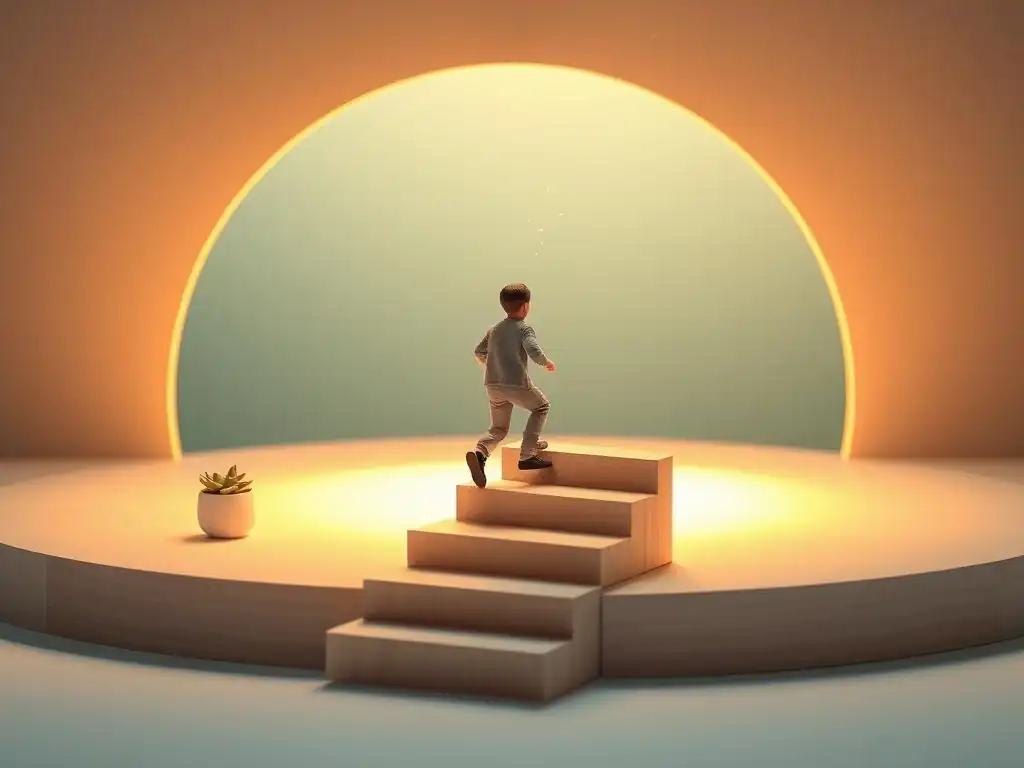
GET for Public Speaking Anxiety: Practicing in Front of a Small Group
Applying gradual exposure therapy anxiety techniques to public speaking involves creating a hierarchy of speaking situations. A typical progression might start with practicing your speech alone, then in front of a mirror, followed by speaking to one trusted friend. The next steps would involve increasing the audience size or familiarity: practicing in front of a small group of family members (e.g., 3-4 people), then a small group of familiar colleagues (e.g., 5-7 people).
More challenging steps could involve speaking to a larger, less familiar group, giving presentations that are more important or longer, or presenting in a more formal setting. For example, you might practice giving a short, low-stakes presentation to a community group before attempting a formal work presentation. Each step is repeated until the anxiety is manageable before moving to the next. The key is consistent, repeated exposure to the feared stimulus – the audience and the act of speaking.
GET for Test Anxiety: Reviewing Material in the Testing Room
For test anxiety, gradual exposure therapy anxiety focuses on confronting the cues associated with exams. A fear hierarchy might start with thinking about the test, then looking at the test location (e.g., the classroom or library study room). Subsequent steps could involve sitting in the testing room when no test is taking place, spending time in the room with test materials but not taking the test, or taking a practice test under timed conditions in the testing room.
More challenging exposures might involve taking a practice test that is graded, taking a real low-stakes quiz, or finally, taking a significant exam. The goal is to desensitize yourself to the environment, materials, and time pressure associated with tests. You might practice reviewing notes in the testing room for increasing durations, or sitting through simulated test periods, allowing your anxiety to peak and then subside without escaping the situation.
GET for Musical Performance Anxiety: Performing for a Friend
Applying gradual exposure therapy anxiety to musical performance anxiety involves systematically facing the fear of playing in front of others. A hierarchy might start with practicing the piece alone, then recording yourself playing (visual or audio), or playing for a single, supportive friend. Progress would involve increasing the audience size and formality: playing for a few family members, then a small group of friends.
More advanced steps could include performing in a casual setting like an open mic night, playing for a small, less familiar audience, participating in a low-stakes recital, and eventually performing in more formal or important concerts or auditions. The musician stays in the situation, playing through mistakes if they occur, and allowing the anxiety to decrease with repeated exposure, learning that they can perform even while feeling nervous and that the feared negative judgments are often not as severe as anticipated.
Seeking Professional Guidance for Gradual Exposure Therapy
When to Consult a Therapist for Performance Anxiety
While the principles of gradual exposure therapy anxiety can be applied independently, seeking guidance from a qualified mental health professional is often highly beneficial, especially if your performance anxiety is severe, significantly impacts your daily life, or is accompanied by other mental health conditions like depression or panic disorder. A therapist trained in CBT and exposure therapy can provide expert assessment, help you create an effective and personalized fear hierarchy, and guide you through the exposure process safely.
They can also help you troubleshoot challenges, manage intense anxiety during sessions, and ensure you are progressing at an appropriate pace. If you've tried self-help methods without success, or if your anxiety feels overwhelming and unmanageable, it's definitely time to consult a professional. They offer support, accountability, and expertise that can significantly enhance the effectiveness of gradual exposure therapy for anxiety.
Finding a Therapist Experienced in Exposure Therapy
When looking for a therapist to help with gradual exposure therapy anxiety, it's important to find someone with specific training and experience in exposure-based therapies (often listed under CBT or specifically as Exposure and Response Prevention - ERP, which is similar but often used for OCD, though principles apply). You can ask potential therapists about their experience treating performance anxiety or social anxiety using exposure methods.
Many professional organizations for psychologists and therapists offer directories where you can search for practitioners based on their specialization. Websites for the Anxiety & Depression Association of America (ADAA) or the Association for Behavioral and Cognitive Therapies (ABCT) are good resources for finding therapists with relevant expertise. Don't hesitate to schedule initial consultations to find a therapist you feel comfortable with and confident in their approach.
What to Expect in Therapy Sessions: Assessment, Hierarchy Creation, and Guided Exposure
In therapy sessions focused on gradual exposure therapy for anxiety, the initial phase will involve a thorough assessment. The therapist will ask about your specific performance anxiety triggers, the history of your anxiety, how it impacts your life, and any other relevant mental health information. This assessment helps the therapist understand your unique situation and tailor the treatment plan.
Next, the therapist will work with you to create your personalized fear hierarchy, ensuring the steps are appropriate and manageable. They will teach you relaxation or coping skills if needed. Then, you will begin the exposure process, often starting with in-session exposures where the therapist guides you through confronting a low-level fear (e.g., role-playing a presentation).
As you progress, the therapist will assign homework assignments for you to practice exposures between sessions, gradually working your way up the hierarchy. They will monitor your progress, help you process your experiences, and adjust the plan as needed, providing support and guidance throughout your journey with gradual exposure therapy anxiety.
Gradual Exposure Therapy: A Powerful Tool for Overcoming Performance Anxiety
Frequently Asked Questions
What is Gradual Exposure Therapy and how does it relate to performance anxiety?
Gradual Exposure Therapy is a behavioral therapy technique designed to help individuals overcome anxiety by systematically confronting feared situations or stimuli. It helps reduce performance anxiety by gradually exposing individuals to performance-related situations, allowing them to build confidence and manage their fear.
How does Gradual Exposure Therapy work in practice for performance anxiety?
It involves creating a hierarchy of fear, starting with less anxiety-provoking situations and progressing to more challenging ones. The individual then systematically faces each situation, using relaxation techniques to manage anxiety until the fear subsides. This process desensitizes them to the anxiety-provoking stimuli.
What are the benefits of using Gradual Exposure Therapy for performance anxiety compared to other treatments?
Gradual Exposure Therapy offers a structured and evidence-based approach to managing performance anxiety. It can provide long-term relief by addressing the root cause of the fear, as opposed to just managing symptoms. It also empowers individuals to develop coping mechanisms and self-confidence.
How long does Gradual Exposure Therapy typically take to show results for performance anxiety?
The duration of therapy varies depending on the individual and the severity of their anxiety. However, many people experience noticeable improvements within a few weeks to a few months of consistent therapy. Patience and commitment are key to successful outcomes.
Is Gradual Exposure Therapy suitable for all types of performance anxiety, and are there any potential risks?
While effective for many, it's crucial to have a qualified therapist assess its suitability for each individual. Potential risks include increased anxiety during exposure, but this is usually temporary and managed by the therapist. It's not recommended without professional guidance.
Final Reflection: Embracing the Stage, One Step at a Time
The crippling grip of performance anxiety affects millions, hindering personal and professional growth. Yet, through understanding and application of gradual exposure therapy, a path towards conquering this fear and unlocking potential becomes clear. This isn't just a theoretical exercise; it's a practical toolkit for reclaiming confidence and achieving goals once deemed impossible.
The impact of performance anxiety extends far beyond the individual; it shapes our cultural landscape, influencing everything from public speaking to artistic expression. The fear of judgment can silence voices, stifle creativity, and limit opportunities. As the renowned psychologist Albert Ellis once said, The avoidance of anxiety is often more anxiety-producing than the anxiety itself.
This highlights the paradoxical nature of this struggle – the very act of avoiding performance situations often perpetuates the cycle of fear. This article aims to break that cycle, offering a roadmap to navigate the discomfort and emerge stronger on the other side.
You now possess the knowledge to begin your journey towards conquering performance anxiety. Don't let fear dictate your life; instead, use the principles of gradual exposure therapy to challenge your anxieties, one small step at a time. Start small, celebrate your successes, and remember that progress, not perfection, is the key. The stage awaits – are you ready to embrace it?
Conquer Your Stage Fright: Take the Next Step
Thanks for taking the time to explore the power of gradual exposure therapy for performance anxiety! We hope you've gained valuable insights into managing those pre-performance jitters. Now, it's time to put your newfound knowledge into action.
- Start small: Identify one low-stakes performance opportunity this week—even something as simple as reading aloud to a friend or family member. This is your first step towards building confidence!
- Share your journey: Let us know in the comments below how you plan to tackle your first exposure. We'd love to hear your thoughts and offer support. Knowing you're not alone can make a huge difference.
- Consider a small, tangible reward: After successfully completing your first exposure, treat yourself to something you enjoy. Positive reinforcement is key!
What small, achievable step can you take today to begin conquering your performance anxiety?