
The Neuroscience of Digital Anxiety: How Screens Affect Your Brain

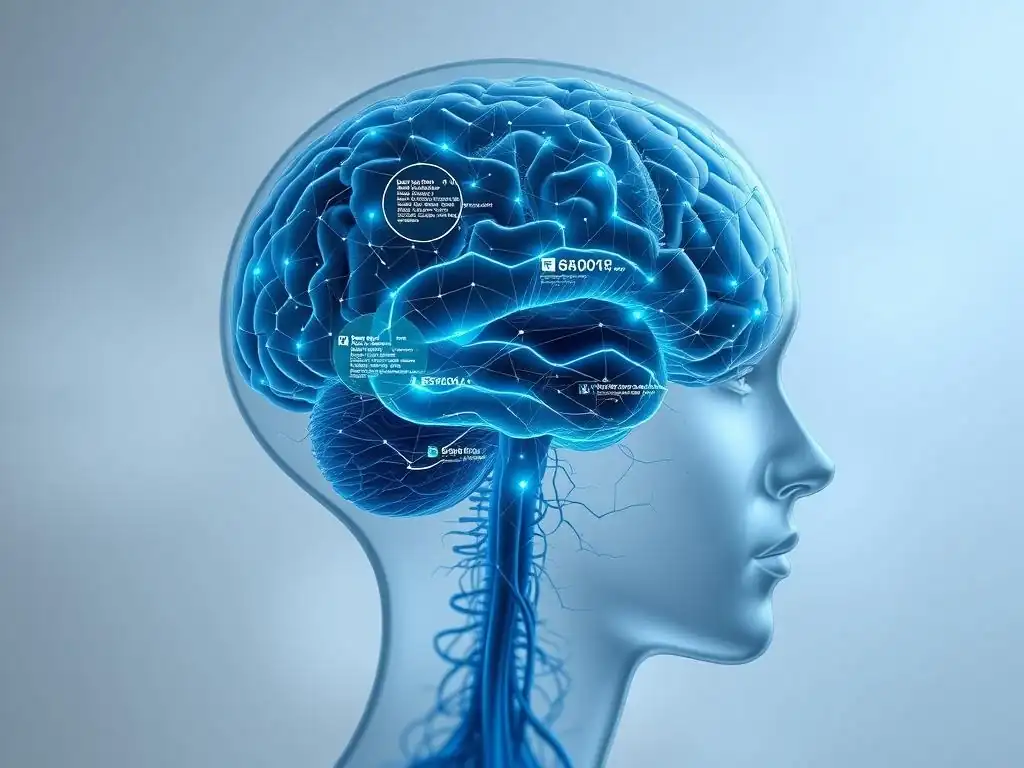
Welcome to Mind Care Guide, a space designed to nurture your mental well-being.
Feeling overwhelmed by the constant buzz of the digital world? You're not alone. In today's hyper-connected age, digital anxiety is becoming increasingly prevalent. But what exactly is it doing to your brain? This article delves into the fascinating, and sometimes unsettling, digital anxiety brain connection symptoms. Discover the neuroscience behind this modern phenomenon and, more importantly, learn practical strategies to reclaim your peace of mind. Are you ready to understand how screens are truly affecting you? Let's explore...
The Neuroscience of Digital Anxiety: How Screens Affect Your Brain | Mind Care Guide
- Introduction: Understanding Digital Anxiety and Its Impact on Mental Well-being
- The Digital Anxiety Brain Connection: Unveiling the Neuroscience
-
Symptoms of Digital Anxiety: Recognizing the Signs
- Psychological Symptoms of Digital Anxiety: Irritability, Restlessness, Difficulty Concentrating
- Physical Symptoms of Digital Anxiety: Headaches, Eye Strain, Sleep Disturbances
- Behavioral Symptoms of Digital Anxiety: Compulsive Checking, Social Isolation, Increased Screen Time
- Identifying Digital Anxiety Brain Connection symptoms in Daily Life
- The Impact of Digital Devices on the Brain: A Closer Look
- Digital Anxiety and Social Comparison: A Vicious Cycle
- Strategies for Managing Digital Anxiety and Promoting Brain Health
- Breaking the Cycle: Practical Tips to Reduce Digital Anxiety
- Seeking Professional Help for Digital Anxiety: When to Consult a Therapist
- Conclusion: Reclaiming Control and Promoting Mental Wellness in the Digital Age
-
Frequently Asked Questions
- How does excessive screen time contribute to digital anxiety?
- What are the key symptoms of digital anxiety and how are they linked to the brain?
- How does the constant availability of information online affect our mental well-being?
- Can digital detox strategies really help reduce digital anxiety, and what's the neuroscience behind it?
- What are some practical ways to mitigate the negative effects of digital technology on the brain and reduce digital anxiety?
- Final Reflection: Reclaiming Your Mind in the Digital Age
- Unlock Your Brain's Calm: Take Control of Digital Anxiety
Introduction: Understanding Digital Anxiety and Its Impact on Mental Well-being
The Growing Prevalence of Digital Anxiety in the Modern Age
In today's hyper-connected world, the digital realm is an inescapable part of daily life. From smartphones to laptops, we are constantly interacting with screens, and while this offers unparalleled convenience and access, it has also introduced new forms of stress and unease.
Digital anxiety, a term describing the stress and worry associated with digital technologies and their constant presence, is becoming increasingly common across various demographics. Reports indicate that average screen time for adults often exceeds several hours per day, and for younger generations, this figure can be even higher, creating fertile ground for digital overload and its associated anxieties.
This pervasive reliance on digital devices means that the potential for anxiety is ever-present. The pressure to be constantly available, the fear of missing out on online events, and the overwhelming flow of information contribute to a state of perpetual low-level stress for many.
This isn't just anecdotal; studies and surveys are beginning to quantify this phenomenon, showing a correlation between increased screen time and self-reported feelings of stress, nervousness, and difficulty relaxing. The sheer volume of digital interactions and the speed at which they occur mean our brains are processing more stimuli than ever before, often without adequate time for rest or disconnection.
Defining Digital Anxiety: Symptoms and Triggers
Digital anxiety manifests in various ways, often blending psychological, physical, and behavioral symptoms. At its core, it involves feelings of worry, apprehension, or panic related to digital technology use or the lack thereof. Common triggers include receiving a large number of notifications, feeling obligated to respond immediately to messages, comparing oneself to others on social media, or experiencing discomfort when separated from one's phone. These triggers can activate the body's stress response, leading to tangible feelings of unease.
The specific symptoms of digital anxiety can vary from person to person but often include a persistent feeling of being overwhelmed, difficulty concentrating on non-digital tasks, irritability when interrupted during screen time or when unable to access devices, and even physical discomfort. Understanding these diverse symptoms is crucial for recognizing the condition. The constant connectivity inherent in modern life means that triggers for digital anxiety are abundant, making it a challenging condition to navigate without conscious effort to manage one's relationship with technology.
The Connection Between Technology Use and Anxiety Disorders
While digital anxiety is not yet formally classified as a distinct disorder, its symptoms and triggers frequently overlap with and can exacerbate existing anxiety conditions, or potentially contribute to their development. For individuals predisposed to anxiety, the constant stimulation and social pressures of the digital world can act as potent stressors. The need for instant gratification fostered by technology, coupled with the fear of negative online interactions or social exclusion, can amplify feelings of worry and insecurity.
Research suggests a link between excessive technology use, particularly social media, and higher rates of reported anxiety and depression among certain populations, especially adolescents and young adults. The mechanisms behind this connection are complex and involve various psychological and neurological factors. Understanding how the digital anxiety brain connection symptoms manifest is key to addressing this challenge. The pervasive nature of technology means that managing general anxiety in the modern age often requires addressing the specific ways in which digital interactions impact mental well-being.
The Digital Anxiety Brain Connection: Unveiling the Neuroscience
How Screen Time Affects Brain Activity and Neural Pathways
Prolonged and intense screen time has a measurable impact on brain activity and can influence neural pathways. Research using fMRI scans has shown that excessive digital engagement, particularly with activities like video gaming or social media scrolling, can lead to changes in brain regions associated with reward, impulse control, and attention. For instance, the prefrontal cortex, responsible for executive functions like decision-making and focus, can show altered activity patterns, potentially contributing to difficulties with attention span and increased impulsivity often reported by heavy screen users.
Furthermore, the constant switching between tasks and stimuli characteristic of digital multitasking can affect the brain's ability to maintain deep focus. This fragmented attention style, reinforced by digital habits, can make it harder to engage in activities requiring sustained concentration offline. Understanding these neurological shifts helps explain some of the cognitive symptoms associated with digital anxiety brain connection symptoms, such as restlessness and difficulty focusing on non-digital tasks. The brain adapts to the environment it's in, and a constantly stimulating, fast-paced digital environment shapes its pathways accordingly.
The Role of Dopamine in Digital Addiction and Anxiety
Dopamine, a neurotransmitter associated with pleasure, reward, and motivation, plays a significant role in how our brains react to digital stimuli. Notifications, likes, comments, and new content all trigger small dopamine releases, creating a reward loop similar to those seen in behavioral addictions. This intermittent and unpredictable reinforcement schedule makes checking devices highly compelling; our brains are wired to seek out these rewarding bursts. This mechanism contributes to the compulsive checking behavior often observed in digital anxiety.
The constant pursuit of these dopamine hits can lead to a state where the brain becomes less sensitive to natural rewards and may require more intense digital stimulation to feel satisfied. This dependence on digital rewards can fuel anxiety, as the absence of these stimuli (e.g., not receiving likes, or being offline) can lead to feelings of withdrawal, boredom, or unease. The dopamine system's involvement is a core part of the digital anxiety brain connection, driving addictive patterns that exacerbate anxious feelings when digital access is limited or perceived social validation is lacking.
Social media platforms are expertly designed to tap into the brain's reward system, particularly through mechanisms like likes, shares, and comments. Each notification signaling social validation provides a small, immediate reward, reinforcing the behavior of posting and checking the platform. This constant stream of potential social reinforcement can lead to a compulsive need to check feeds, driven by the anticipation of a positive social signal. The variable nature of these rewards – you never know when or how much validation you'll receive – makes the checking behavior even more ingrained, similar to how slot machines function.
However, social media also exposes users to social comparison and potential negative interactions, which activate different brain regions associated with social pain and threat. The juxtaposition of seeking social reward and encountering social stressors creates a complex emotional landscape that can contribute significantly to anxiety. The brain's reward system becomes intricately linked with social validation within the digital space, making perceived online rejection or comparison a potent source of distress and a key component of the digital anxiety brain connection symptoms experienced by many users.
The Neuroscience of Fear of Missing Out (FOMO) and its effects on anxiety
Fear of Missing Out, or FOMO, is a distinct form of anxiety driven by the perception that others are having rewarding experiences from which one is excluded. In the digital age, social media feeds constantly display curated highlights of others' lives, making FOMO particularly prevalent. Neuroscientifically, FOMO is linked to activity in brain regions involved in social cognition, comparison, and negative emotions, such as the anterior cingulate cortex and the amygdala. Seeing others' seemingly perfect lives online can trigger feelings of inadequacy and social exclusion, activating threat responses in the brain.
This constant exposure to curated online realities fuels a persistent state of vigilance and worry about missing out, compelling individuals to stay perpetually connected. The anxiety associated with FOMO is not just psychological; it reflects real neural activity related to social comparison and perceived threat. This contributes to the digital anxiety brain connection symptoms by keeping the brain in a state of alert, making it harder to relax and disconnect, and reinforcing the cycle of checking devices to alleviate the anxiety, only to potentially encounter more triggers.
Symptoms of Digital Anxiety: Recognizing the Signs
Psychological Symptoms of Digital Anxiety: Irritability, Restlessness, Difficulty Concentrating
Digital anxiety manifests significantly through psychological symptoms that affect mood and cognitive function. Irritability is a common sign, often arising from perceived interruptions during screen time, frustration with technology, or withdrawal when unable to access devices. Individuals might feel on edge or easily annoyed by minor issues, reflecting a heightened state of stress induced by their digital habits. This irritability can spill over into offline interactions, impacting relationships and overall well-being.
Restlessness and difficulty concentrating are also hallmark psychological symptoms. The brain, accustomed to the rapid-fire stimuli of digital platforms, may struggle to engage with tasks that require sustained attention and slower processing. This can make reading a book, having a long conversation, or focusing on work challenging. The constant mental background noise of potential notifications and the urge to check devices contribute to this pervasive restlessness, making it hard to find a sense of calm or mental stillness. These cognitive and emotional shifts are part of the noticeable digital anxiety brain connection symptoms.
Physical Symptoms of Digital Anxiety: Headaches, Eye Strain, Sleep Disturbances
The physical toll of excessive screen time is directly related to digital anxiety. Prolonged exposure to screens, especially without proper breaks or ergonomic setup, frequently leads to physical discomfort. Headaches and eye strain are common complaints, resulting from the intense focus required by screens and exposure to blue light. The muscles in the eyes and neck can become tense, contributing to chronic discomfort.
Sleep disturbances are another significant physical symptom linked to digital anxiety. The blue light emitted by screens interferes with the production of melatonin, the hormone regulating sleep, making it harder to fall asleep. Furthermore, the mental arousal caused by engaging with digital content, especially anxiety-provoking material or social media before bed, keeps the mind active, preventing relaxation needed for sleep. Poor sleep, in turn, exacerbates anxiety levels, creating a vicious cycle. These physical manifestations are tangible indicators of the stress placed on the body by digital habits and contribute to the overall picture of digital anxiety brain connection symptoms.
Digital anxiety often drives observable behavioral patterns. Compulsive checking of devices is perhaps the most prominent behavior, characterized by an uncontrollable urge to look at one's phone or computer multiple times an hour, even without a specific reason or notification. This behavior is fueled by the fear of missing out and the potential for dopamine rewards, becoming an automatic habit that reinforces the anxiety loop.
Paradoxically, despite being constantly connected digitally, individuals experiencing digital anxiety may exhibit increased social isolation in the physical world. Spending excessive time online can reduce opportunities for face-to-face interactions, which are crucial for mental well-being and reducing anxiety. While online interactions can feel like social connection, they often lack the depth and nuance of in-person relationships. An increase in total daily screen time, often at the expense of other activities like exercise, hobbies, or spending time with loved ones, is another key behavioral indicator of the severity of digital anxiety brain connection symptoms.
Identifying Digital Anxiety Brain Connection symptoms in Daily Life
Recognizing the signs of digital anxiety requires paying attention to patterns in daily life. Do you feel restless or irritable when separated from your phone for even short periods? Do you find yourself automatically reaching for your device whenever there's a lull in activity? Are you experiencing headaches, eye strain, or difficulty sleeping after spending extended periods online? Do you compare yourself negatively to others based on what you see on social media, leading to feelings of inadequacy?
Observing how technology use impacts your mood, physical comfort, and ability to focus on non-digital tasks is crucial. For example, noticing that your heart rate increases or you feel a surge of panic when you see a large number of unread emails or messages is a direct manifestation of the digital anxiety brain connection symptoms. Similarly, finding that you can't enjoy a meal or conversation without checking your phone indicates how deeply ingrained the compulsive behavior has become. Self-reflection and honest assessment of these daily habits and feelings are the first steps in identifying and addressing digital anxiety.
The Impact of Digital Devices on the Brain: A Closer Look

The Effects of Blue Light Exposure on Sleep and Anxiety
Blue light, emitted by the LED screens of smartphones, tablets, and computers, has a powerful effect on the body's circadian rhythm, the internal clock that regulates sleep-wake cycles. Exposure to blue light, particularly in the evening, suppresses the production of melatonin, making it harder to fall asleep and reducing the quality of sleep. Even relatively short exposure before bedtime can significantly delay sleep onset.
Chronic sleep deprivation or disrupted sleep patterns are strongly linked to increased anxiety and mood disorders. When the brain doesn't get adequate rest, its ability to regulate emotions and manage stress is compromised. This makes individuals more susceptible to feeling anxious and heightens their reactivity to stressors, including digital ones. The impact of blue light on sleep is a direct physiological mechanism contributing to the digital anxiety brain connection symptoms, making screen use before bed particularly detrimental to mental well-being.
How Constant Notifications Contribute to Stress and Anxiety
Notifications are designed to grab our attention immediately, pulling us away from whatever we are currently doing. Each ping or buzz triggers a micro-interruption, fragmenting our focus and keeping our brains in a state of perpetual vigilance. The anticipation of receiving a notification, or the anxiety about missing one, can create a low-level, chronic stress response. This constant state of alert prevents the mind from truly relaxing and settling into focused work or leisure.
Research indicates that frequent interruptions from notifications can increase stress levels and decrease productivity. The brain is constantly switching contexts, which is mentally taxing. For individuals prone to anxiety, each notification can feel like an urgent demand, triggering a stress response. The sheer volume of notifications many people receive daily means their brains are subjected to a near-constant barrage of potential stressors, contributing significantly to the digital anxiety brain connection. Disabling non-essential notifications is a simple yet powerful step in mitigating this source of anxiety.
The Brain's Response to Information Overload from Digital Sources
The digital world provides access to an unprecedented volume of information, available instantaneously. While this has benefits, it also presents a significant challenge for the brain: information overload. Our cognitive capacity for processing information is limited, and attempting to absorb too much too quickly can lead to mental fatigue, stress, and difficulty retaining information. Scrolling through endless news feeds, social media updates, and emails bombards the brain with disconnected pieces of data.
This constant influx of information can overwhelm the prefrontal cortex, making it harder to filter what is important, make decisions, and maintain focus. For individuals experiencing digital anxiety, this overload can exacerbate feelings of being overwhelmed and out of control. The brain struggles to cope with the sheer volume and speed, leading to cognitive strain that contributes to the psychological symptoms of anxiety, such as difficulty concentrating and feeling mentally drained. Managing this information flow is key to reducing the cognitive burden associated with digital anxiety brain connection symptoms.
The Cognitive Costs of Multitasking and Digital Distractions
Multitasking, often enabled and encouraged by digital devices (e.g., checking email while on a video call, or browsing social media during a movie), is generally inefficient and carries significant cognitive costs. While we might feel productive juggling multiple digital tasks, the brain is actually rapidly switching between them, a process that requires mental effort and reduces performance on each individual task. This constant switching depletes cognitive resources and increases mental fatigue.
Furthermore, digital distractions make it harder to engage in deep work or fully enjoy leisure activities. The brain is always partially anticipating the next notification or the urge to check a device, preventing full immersion in the present moment. This fragmented attention style not only hinders productivity but also makes it difficult to achieve a state of flow, which is beneficial for mental well-being. The cognitive burden of constant switching and distraction is a significant factor in the digital anxiety brain connection, contributing to feelings of restlessness and an inability to relax.
Social media platforms are environments ripe for social comparison. Users typically present idealized versions of their lives, showcasing achievements, happy moments, and attractive appearances. Constantly viewing these curated highlights can lead individuals to compare their own reality, including struggles and imperfections, to these unrealistic online portrayals. This comparison can trigger feelings of inadequacy, envy, and low self-esteem.
Research consistently shows a correlation between heavy social media use and increased feelings of anxiety and depression, particularly among young people. The pressure to measure up to online standards, coupled with the fear of not being "liked" or accepted online, creates a breeding ground for social anxiety. This constant exposure to potentially anxiety-inducing comparisons is a major driver of the digital anxiety brain connection symptoms related to social validation and self-worth. The brain's social threat detection system can be constantly activated by perceived online judgments or perceived lack of social success.
How Online Interactions Affect Self-Esteem and Mental Health
The nature of online interactions can significantly impact self-esteem and overall mental health. Positive interactions, such as receiving likes, positive comments, or supportive messages, can provide boosts to self-esteem and reinforce feelings of social connection. However, negative interactions, including critical comments, cyberbullying, or feeling ignored, can be deeply damaging. The anonymity and distance of online communication can sometimes lead to harsher or more thoughtless interactions than might occur face-to-face.
Furthermore, the focus on quantitative metrics like follower counts or likes can tie self-worth to external validation, making individuals vulnerable to fluctuations in their online popularity. A perceived lack of engagement can be interpreted as personal rejection, triggering feelings of anxiety and insecurity. This dependence on external digital validation can erode intrinsic self-esteem, making individuals more susceptible to anxiety and contributing to the negative feedback loop of digital anxiety brain connection symptoms.
The Impact of Cyberbullying and Online Harassment on the Brain
Cyberbullying and online harassment are particularly insidious forms of digital interaction that can have severe and lasting impacts on the brain and mental health. Unlike traditional bullying, cyberbullying can occur at any time, anywhere, offering no physical escape for the victim. Constant exposure to abusive messages, exclusion, or public shaming online activates the brain's stress response systems, including the amygdala and the release of stress hormones like cortisol.
Chronic exposure to such stress can lead to changes in brain structure and function, increasing vulnerability to anxiety disorders, depression, and even PTSD. The social pain experienced online is processed in similar brain regions as physical pain, making it a genuinely harmful experience. The trauma of cyberbullying is a stark example of how negative digital interactions directly impact the digital anxiety brain connection, leaving deep emotional and neurological scars that contribute significantly to severe anxiety and other mental health challenges.
Strategies for Managing Digital Anxiety and Promoting Brain Health
Implementing Digital Detox Techniques for Anxiety Relief
One of the most effective ways to manage digital anxiety is to intentionally step away from digital devices through digital detox techniques. This doesn't necessarily mean abandoning technology entirely, but rather scheduling periods of time offline. This could involve setting aside specific hours each day as screen-free time, designating certain days of the week as digital-free days, or even taking longer breaks like a weekend away without constant connectivity.
During a digital detox, the brain has an opportunity to reset and reduce the constant state of vigilance induced by notifications and digital stimuli. This allows the nervous system to calm down, reducing the physical symptoms of anxiety like rapid heart rate and muscle tension. Engaging in offline activities during this time, such as spending time in nature, reading a physical book, or pursuing a hobby, can help retrain the brain to find pleasure and engagement outside the digital sphere, directly mitigating the digital anxiety brain connection symptoms by breaking compulsive habits.
Mindful Technology Use: Tips for a Healthier Relationship with Screens
Developing a mindful approach to technology use involves being intentional and aware of how and why you are using digital devices, rather than engaging out of habit or compulsion. This includes questioning the urge to check your phone – "Why am I picking up my phone right now? What am I hoping to find?" – and consciously choosing how to respond. It also involves being present during digital interactions, focusing on the content or conversation rather than simultaneously trying to do other things.
Practical tips for mindful technology use include turning off non-essential notifications, scheduling specific times for checking email or social media rather than doing it constantly, and creating 'no-phone' zones or times, such as during meals or before bed. Setting clear intentions for technology use, such as using a specific app for a defined purpose for a limited time, helps regain control. This conscious approach helps retrain the brain's automatic responses, fostering a healthier digital anxiety brain connection by reducing reactivity and promoting intentional engagement.
Cognitive Behavioral Therapy (CBT) for Digital Anxiety
Cognitive Behavioral Therapy (CBT) is a well-established therapeutic approach that can be highly effective in treating digital anxiety. CBT helps individuals identify and challenge the negative thought patterns and beliefs that contribute to their anxiety, such as the belief that they must respond immediately to every message or that their self-worth depends on online validation. Therapists work with clients to recognize how their thoughts, feelings, and behaviors related to technology are interconnected.
Through CBT, individuals learn to develop healthier coping mechanisms and behavioral strategies. This might include gradually reducing compulsive checking, setting realistic boundaries for screen time, and developing alternative activities to replace excessive digital engagement. By restructuring anxious thoughts and modifying problematic behaviors, CBT helps individuals build resilience and manage their digital anxiety brain connection symptoms more effectively, fostering a healthier relationship with technology.
Neuroplasticity and Retraining the Brain for Reduced Anxiety
The brain's remarkable ability to change and adapt throughout life is known as neuroplasticity. This means that the neural pathways reinforced by excessive digital use and anxiety can be modified through intentional practice and new habits. By consciously reducing screen time, engaging in mindful activities, learning relaxation techniques, and practicing focused attention, individuals can strengthen neural pathways associated with calm, focus, and well-being.
Activities like meditation, spending time in nature, learning a new skill, or engaging in physical exercise all promote positive neuroplastic changes that counteract the effects of digital overload. For instance, meditation can increase grey matter in brain regions associated with self-awareness and emotional regulation. By consistently choosing behaviors that promote calm and focus over compulsive digital engagement, individuals can literally rewire their brains to reduce anxiety and improve their mental resilience, demonstrating the power of neuroplasticity in managing the digital anxiety brain connection symptoms.
Breaking the Cycle: Practical Tips to Reduce Digital Anxiety
Establishing clear and firm boundaries for screen time and social media usage is a fundamental step in breaking the cycle of digital anxiety. This involves consciously deciding how much time you will spend on devices and specific apps each day and sticking to those limits. Many smartphones and apps now offer built-in tools to track usage and set time limits, which can be incredibly helpful in adhering to these boundaries.
Examples of setting boundaries include deciding not to use your phone for the first hour after waking up or the last hour before going to bed, choosing specific times of day to check email or social media instead of doing it constantly, or implementing a "digital curfew" where all screens are turned off after a certain time in the evening. Communicating these boundaries to family and friends can also provide support and accountability. Consistently enforcing these limits helps retrain the brain's habits and reduces the constant pull towards digital engagement that fuels digital anxiety brain connection symptoms.
Cultivating Offline Activities and Hobbies
Actively pursuing and cultivating offline activities and hobbies is essential for reducing reliance on digital stimulation and promoting overall well-being. Engaging in activities you enjoy that do not involve screens provides a much-needed break for your brain and helps you find fulfillment and pleasure in the physical world. This could include anything from reading physical books, playing a musical instrument, gardening, cooking, painting, exercising, or spending time outdoors.
These activities offer different types of rewards and engagement than digital interactions. They often involve focused attention, sensory experiences, and physical movement, all of which are beneficial for brain health and stress reduction. By dedicating time and energy to offline pursuits, you build a richer, more balanced life that is less susceptible to the triggers of digital anxiety. This diversification of activities helps to weaken the ingrained digital anxiety brain connection by providing alternative sources of engagement and satisfaction.
Practicing Mindfulness and Meditation to Calm the Anxious Brain
Mindfulness and meditation are powerful tools for managing anxiety, including digital anxiety. Mindfulness involves paying attention to the present moment without judgment, which can help you become more aware of your thoughts, feelings, and physical sensations related to technology use. Noticing the urge to check your phone or the feeling of restlessness without immediately acting on it allows you to create space for a more conscious response.
Regular meditation practice has been shown to reduce activity in the amygdala (the brain's fear center) and increase activity in the prefrontal cortex (associated with calm and rational thinking). Even a few minutes of daily meditation can help lower overall anxiety levels and improve your ability to handle digital stressors. By cultivating a calm and focused mind through mindfulness and meditation, you strengthen your ability to navigate the digital world with greater resilience and reduce the intensity of digital anxiety brain connection symptoms.
Creating a Supportive Environment for Digital Well-being
Creating a supportive environment, both physically and socially, can significantly aid in reducing digital anxiety. This involves making conscious choices about your physical space and seeking support from others. For instance, designating your bedroom as a screen-free zone can help improve sleep and reduce anxiety before bed. Charging your phone outside your bedroom can eliminate the temptation to check it during the night or first thing in the morning.
Socially, discussing your struggles with digital anxiety with trusted friends or family members can provide understanding and accountability. You might even find friends who want to join you in setting digital boundaries or trying digital detox periods. Creating a culture of mindful technology use within your household or social circle can make it easier to adopt healthier habits. A supportive environment reinforces positive behavioral changes and provides encouragement when facing the challenges of managing digital anxiety brain connection symptoms in a hyper-connected world.
Seeking Professional Help for Digital Anxiety: When to Consult a Therapist
Recognizing the Need for Professional Intervention
While many strategies for managing digital anxiety can be implemented independently, there are times when professional intervention is necessary. If your digital anxiety brain connection symptoms are significantly impacting your daily life, causing distress, interfering with your relationships, work, or studies, or if you are experiencing severe physical symptoms like panic attacks or chronic sleep deprivation related to technology use, it's time to consider seeking help from a mental health professional.
Signs that professional help might be needed include feeling unable to control your technology use despite wanting to, experiencing intense withdrawal symptoms when trying to disconnect, using technology to avoid real-life problems, or if your anxiety is accompanied by symptoms of depression or thoughts of self-harm. A therapist can provide an objective perspective, assess the severity of your anxiety, and develop a personalized treatment plan tailored to your specific needs and circumstances.
When seeking professional help for digital anxiety, it can be beneficial to find a therapist who has experience or an interest in technology-related mental health issues. While not all therapists specialize specifically in "digital anxiety," many are knowledgeable about anxiety disorders, addiction, and the impact of modern technology on mental health. Look for therapists who practice Cognitive Behavioral Therapy (CBT), which is often effective for behavioral and thought pattern changes related to technology use.
You can search for therapists through online directories, referrals from your primary care physician, or recommendations from trusted friends or family members. Don't hesitate to ask potential therapists about their experience with anxiety, behavioral change, or how they approach the impact of technology on mental health during an initial consultation. Finding a therapist you feel comfortable with and confident in is crucial for the success of your treatment journey.
Treatment Options for Digital Anxiety: Therapy, Medication, and Support Groups
Treatment for digital anxiety typically involves a combination of approaches, often starting with therapy. As mentioned, CBT is a common and effective therapy, helping individuals change their relationship with technology by modifying thoughts and behaviors. Other therapeutic approaches, such as mindfulness-based therapies or acceptance and commitment therapy (ACT), can also be helpful in developing coping strategies and accepting difficult feelings without resorting to compulsive tech use.
In some cases, if anxiety symptoms are severe and significantly impairing daily function, a psychiatrist may recommend medication, such as anti-anxiety medications or antidepressants, to help manage symptoms while you work on behavioral changes in therapy. Additionally, support groups, either online or in-person, can provide a sense of community and shared experience, offering valuable insights and encouragement from others facing similar challenges with digital anxiety brain connection symptoms. A comprehensive treatment plan is often the most effective way to address the multifaceted nature of digital anxiety.
Conclusion: Reclaiming Control and Promoting Mental Wellness in the Digital Age
The Future of Digital Anxiety Research and Treatment
As technology continues to evolve and become more integrated into our lives, the study of digital anxiety and its impact on the brain is a rapidly developing field. Researchers are using advanced tools like neuroimaging to better understand the specific neural mechanisms underlying digital addiction, FOMO, and the effects of constant connectivity. This ongoing research is crucial for developing more targeted and effective treatment strategies.
The future of treatment will likely involve a combination of therapeutic approaches, potentially incorporating technology itself in mindful and therapeutic ways, alongside behavioral interventions and a greater societal awareness of the importance of digital well-being. As our understanding grows, so too will our ability to help individuals navigate the complexities of the digital world without sacrificing their mental health. The focus will increasingly be on personalized strategies that address the unique digital anxiety brain connection symptoms each individual experiences.
Ultimately, managing digital anxiety is about empowering individuals to take control of their relationship with technology rather than letting technology control them. This involves developing self-awareness about personal digital habits and their impact on mental well-being. It requires learning and implementing practical strategies like setting boundaries, cultivating offline interests, and practicing mindfulness to build resilience against the potential stressors of the digital realm.
Empowerment comes from recognizing that you have the agency to make choices about how and when you engage with digital devices. It's about understanding the digital anxiety brain connection symptoms and proactively taking steps to mitigate them. By adopting healthier digital habits and prioritizing mental well-being, individuals can navigate the digital world more consciously, reducing anxiety and fostering a sense of control over their own lives.
Prioritizing Brain Health and Mental Well-being in the Digital Era
In the digital era, prioritizing brain health and mental well-being is no longer optional; it is essential. The constant stimulation, social pressures, and information overload inherent in modern technology use pose significant challenges to our cognitive and emotional health. Recognizing the profound impact of digital devices on the brain and understanding the digital anxiety brain connection is the first step towards building a healthier future.
By implementing mindful technology practices, seeking support when needed, and cultivating a balanced life that values both online and offline experiences, individuals can protect their mental health. Making conscious choices about digital engagement is an investment in your brain's health and your overall well-being. It's about creating a sustainable relationship with technology that enhances, rather than detracts from, a fulfilling and peaceful life.
Frequently Asked Questions
How does excessive screen time contribute to digital anxiety?
Excessive screen time can lead to digital anxiety by overstimulating the nervous system and triggering the release of stress hormones like cortisol. This can manifest as feelings of restlessness and unease.
What are the key symptoms of digital anxiety and how are they linked to the brain?
Symptoms include increased heart rate, difficulty concentrating, and sleep disturbances. These are linked to the brain's fight-or-flight response being constantly activated by digital stimuli.
How does the constant availability of information online affect our mental well-being?
The constant stream of information can overwhelm the brain, leading to information overload and a feeling of being constantly "on." This can negatively impact cognitive functions and contribute to anxiety.
Can digital detox strategies really help reduce digital anxiety, and what's the neuroscience behind it?
Yes, digital detoxes can help by allowing the brain to rest and recover from constant stimulation. This reduces the overproduction of stress hormones and promotes a sense of calm.
What are some practical ways to mitigate the negative effects of digital technology on the brain and reduce digital anxiety?
Setting time limits for screen use, practicing mindfulness techniques, and engaging in offline activities can help regulate brain activity and reduce anxiety associated with digital technology.
Final Reflection: Reclaiming Your Mind in the Digital Age
The pervasive nature of digital technology has irrevocably altered our relationship with the world, and understanding the neuroscience of digital anxiety is no longer a niche concern, but a crucial step towards mental well-being in the 21st century. The constant barrage of notifications, the pressure to stay connected, and the curated perfection of social media are not merely inconveniences; they are actively shaping our brains, impacting our emotional regulation, and contributing to a widespread sense of unease.
The insidious creep of digital anxiety into our lives is undeniable. It's woven into the fabric of our daily routines, influencing our sleep patterns, our relationships, and even our self-perception. The problem is not the tool, but the way we use it.
This simple statement highlights the core issue: it's not about abandoning technology entirely, but about cultivating a mindful and intentional relationship with it. We must acknowledge the power these devices hold over our attention and emotional states, and actively work to mitigate their negative impacts.
You, the reader, now hold the key to reclaiming your mental peace. Consider the ways in which your digital habits might be contributing to your own experience of anxiety. Experiment with setting boundaries, prioritizing real-world connections, and consciously choosing moments of digital detox. By understanding the neuroscience behind digital anxiety, you empower yourself to make informed choices and cultivate a healthier, more balanced relationship with technology, ultimately leading to a more fulfilling and present life.
Unlock Your Brain's Calm: Take Control of Digital Anxiety
Thanks for taking the time to explore the fascinating (and sometimes unsettling!) world of digital anxiety. You've now gained valuable insights into how screens impact your brain, and that's a huge step towards positive change. Let's put this knowledge into action!
- Prioritize a Digital Detox: Identify just one screen-free hour each day – even a short break can make a world of difference. Notice how you feel afterward.
- Share Your Insights: Discuss this article with a friend or family member. Talking about it can help you both understand and manage your own digital habits.
- Experiment with Mindfulness Techniques: Try a five-minute mindfulness exercise before engaging with screens to build mental resilience.
Ready to experience a calmer, more focused you? What's one small step you'll take today to reduce your digital anxiety?