
Simple Mindfulness Exercises for Daily Emotional Calm

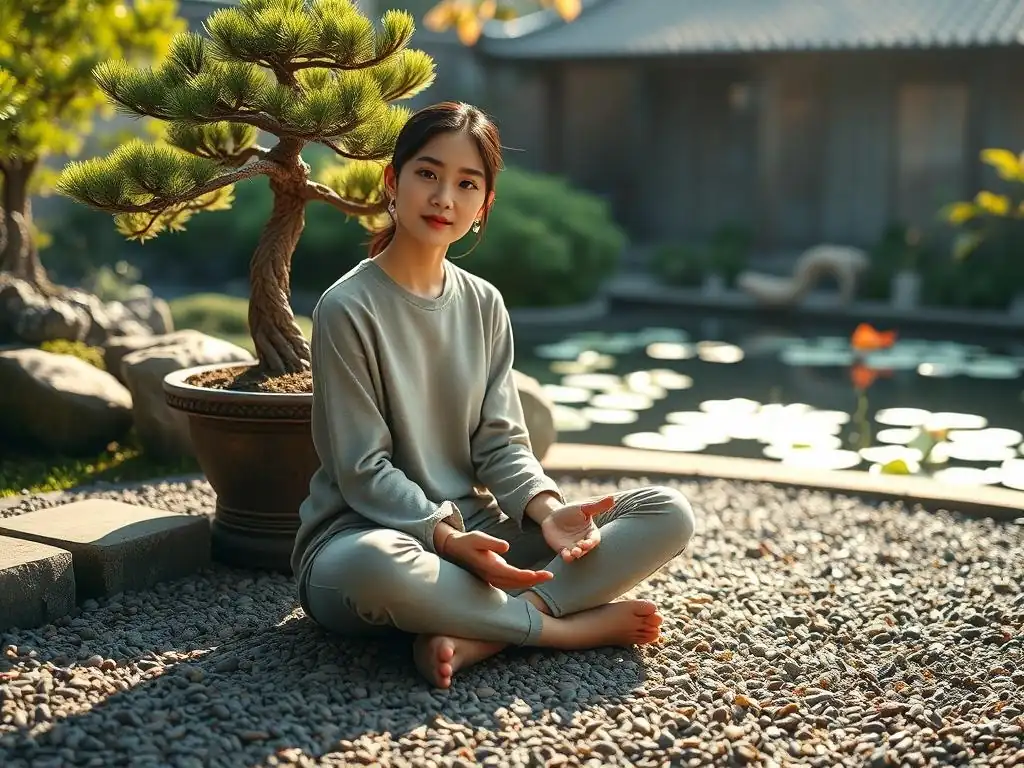
Welcome to Mind Care Guide, a space dedicated to nurturing your inner peace. Feeling overwhelmed? You're not alone. Discover how simple practices, like the mindfulness exercises we explore in this article, can be powerful tools in reducing anxiety and stress. Ready to unlock a calmer, more balanced you? Let's begin your journey to emotional well-being.
Simple Mindfulness Exercises for Daily Emotional Calm
- Introduction to Mindfulness for Emotional Regulation
- Quick and Easy Mindfulness Exercises for Daily Practice
- Integrating Mindfulness into Your Daily Routine
- Advanced Mindfulness Techniques for Deeper Emotional Regulation
- The Science Behind Mindfulness and Emotional Calm
- Resources for Further Mindfulness Practice
-
Frequently Asked Questions
- What exactly are mindfulness exercises, and how do they work?
- How can Mindfulness exercises reduce anxiety stress?
- How often should I practice these simple mindfulness exercises to see a difference?
- Are there any potential downsides or risks associated with practicing mindfulness?
- What resources does Mind Care Guide offer to support my mental well-being and mindfulness practice?
- Final Reflection: Cultivating Inner Peace in a Frantic World
- Unveil Your Inner Calm: Start Practicing Mindfulness Today!
Introduction to Mindfulness for Emotional Regulation
Understanding Mindfulness and its Benefits for Emotional Well-being
Mindfulness is the practice of intentionally bringing one's attention to the present moment experience without judgment. It involves observing thoughts, feelings, bodily sensations, and the surrounding environment with openness and acceptance. Originating from ancient meditative traditions, modern mindfulness has been adapted for various therapeutic and personal development purposes. The core idea is to cultivate a state of awareness that allows individuals to navigate life's challenges with greater clarity and less reactivity, fostering a sense of calm and presence amidst daily chaos.
The benefits of incorporating mindfulness into one's life for emotional well-being are extensive and supported by growing scientific evidence. Regular practice has been shown to enhance self-awareness, improve emotional regulation, and increase empathy and compassion towards oneself and others. For instance, studies have indicated that individuals who practice mindfulness report significant improvements in mood and a greater ability to manage challenging emotions like anger, sadness, and frustration. This enhanced capacity for emotional regulation is crucial for maintaining mental health and fostering stable, fulfilling relationships.
The Connection Between Mindfulness Exercises and Reduced Anxiety Stress
There is a strong and well-documented connection between engaging in regular mindfulness exercises and experiencing a reduction in anxiety and stress levels. When we are stressed or anxious, our minds often dwell on past worries or future fears, pulling us away from the present moment. Mindfulness practices, such as focused breathing or body scans, train the mind to return to the 'here and now', interrupting the cycle of anxious thought patterns. This deliberate shift in attention helps to quiet the 'fight or flight' response associated with stress.
Research consistently demonstrates that mindfulness exercises reduce anxiety stress effectively. For example, meta-analyses of numerous studies have found that mindfulness-based interventions can lead to moderate to large reductions in symptoms of anxiety and stress in clinical and non-clinical populations. Participants often report feeling more grounded, less reactive to stressful triggers, and better equipped to handle daily pressures after engaging in mindfulness practices for even a few weeks. This ability to non-judgmentally observe thoughts and feelings without getting swept away by them is a powerful tool in managing the pervasive impact of stress and anxiety on emotional health.
Quick and Easy Mindfulness Exercises for Daily Practice
The Body Scan Meditation: A Foundation for Mindfulness
The body scan meditation is a foundational mindfulness exercise that involves systematically bringing awareness to different parts of the body. It's typically practiced lying down or sitting comfortably, guiding attention from the toes all the way up to the head. The purpose is not to relax the body (though that is a common side effect) but rather to cultivate a non-judgmental awareness of physical sensations as they arise. By noticing tingling, pressure, warmth, or absence of sensation, we learn to observe physical experiences without needing to change or fix them, fostering acceptance and presence.
How to Practice the Body Scan for Stress Reduction
Practicing the body scan for stress reduction can be done daily, even for just 10-20 minutes. Begin by finding a quiet space where you won't be disturbed. Lie on your back with arms slightly away from your sides and palms up, or sit upright in a chair with feet flat on the floor. Close your eyes gently.
Bring your attention to your breath for a few moments to settle in. Then, direct your awareness to your toes. Simply notice any sensations there – warmth, coolness, pressure, etc.
Breathe into that area, and on the exhale, gently release your attention and move it to the soles of your feet, then the ankles, calves, knees, and so on, slowly moving up through the legs, pelvis, torso, arms, neck, and head. If your mind wanders, gently guide it back to the part of the body you were focusing on. Remember, there's no right or wrong way to feel; the goal is just to notice.
Benefits of Regular Body Scan Meditation
Regular practice of the body scan offers numerous benefits for reducing stress and enhancing overall well-being. By systematically tuning into physical sensations, individuals can become more aware of where they hold tension in their bodies, which is often a physical manifestation of stress. This increased awareness is the first step towards releasing that tension. Many practitioners report feeling more relaxed and grounded after a body scan.
Beyond simple relaxation, consistent body scanning can improve interoceptive awareness – the ability to sense the internal state of the body. This heightened awareness can help individuals recognize the early physical signs of stress or anxiety before they become overwhelming, allowing them to apply coping strategies sooner. Studies suggest that regular body scan practice can contribute to significant reductions in perceived stress and improved sleep quality, demonstrating its effectiveness as a mindfulness exercise reducing anxiety stress.
Mindful Breathing: A Simple Technique for Calming Anxiety
Mindful breathing is perhaps the most accessible and immediate mindfulness exercise available. It involves simply paying attention to the sensation of the breath as it enters and leaves the body. This can be focusing on the rise and fall of the abdomen or chest, the feeling of air moving through the nostrils, or any other physical sensation associated with breathing. The breath is always available, making it a perfect anchor for bringing your awareness back to the present moment whenever you feel overwhelmed or anxious.
Focusing on Your Breath to Manage Anxiety
When anxiety strikes, it often feels like a runaway train of thoughts and physical sensations. Focusing on your breath provides an immediate point of stability. Find a comfortable position, close your eyes if you can, and simply start observing your breath. Don't try to change it, just notice it.
Notice the inhale, notice the exhale. Follow the path of the air. When your mind inevitably wanders to worries about the future or regrets about the past, gently acknowledge the thought without judgment and guide your attention back to the breath. This act of returning, again and again, is the core practice and strengthens your ability to redirect your focus away from anxious rumination.
Breathing Exercises to Reduce Stress and Promote Relaxation
While simply observing the natural breath is powerful, certain breathing exercises can specifically target stress and promote relaxation. One common technique is the 4-7-8 breathing exercise: inhale quietly through the nose for a count of 4, hold the breath for a count of 7, and exhale completely through the mouth with a whoosh sound for a count of 8. Repeat this cycle several times.
This exercise helps to slow down the heart rate and activate the parasympathetic nervous system, which is responsible for the body's rest and digest state. Another simple method is box breathing: inhale for 4, hold for 4, exhale for 4, hold for 4. These structured breathing patterns provide a strong focus point for the mind, making them particularly effective mindfulness exercises reduce anxiety stress quickly when needed.
Mindful Walking: Connecting with the Present Moment
Mindful walking is an exercise that transforms the everyday act of walking into an opportunity for cultivating presence and awareness. Instead of rushing from one place to another or letting the mind drift, mindful walking involves paying deliberate attention to the sensations of walking itself – the feeling of your feet touching the ground, the movement of your legs, the swing of your arms, and the rhythm of your breath. It can be practiced anywhere, whether on a nature trail, a city street, or even just pacing back and forth in a room.
Turning a Walk into a Mindfulness Exercise
To turn a walk into a mindfulness exercise, start by bringing your attention to your body. Notice your posture. As you begin walking, bring your awareness down to your feet. Feel the sensation of each foot lifting off the ground, moving through the air, and landing again.
Notice the pressure, the temperature, the texture of the surface beneath your soles. Synchronize your awareness with your steps. You can also expand your awareness to include other senses – the sights around you (without getting lost in thought about them), the sounds you hear (without labeling or judging them), the smells in the air. If your mind gets caught up in planning, worrying, or rehashing conversations, gently guide it back to the physical sensations of walking or the sensory input of the present moment.
Benefits of Mindful Walking for Emotional Calm
Mindful walking offers a dynamic way to practice presence and can be particularly beneficial for those who find sitting meditation challenging. The physical movement can help release pent-up energy associated with stress and anxiety, while the focus on sensory input grounds you in the present. By directing attention away from internal anxious narratives and towards external reality and bodily sensations, mindful walking acts as a powerful disruptor of worry cycles.
Many individuals report feeling significantly calmer and more centered after a mindful walk. It provides a tangible way to connect with the environment and your own body, fostering a sense of connection and stability. Integrating even a 10-15 minute mindful walk into your day can help clear the mind, reduce mental clutter, and provide a refreshing break from stressors, reinforcing how mindfulness exercises reduce anxiety stress through active engagement.
Mindful Listening: Cultivating Presence Through Sound
Mindful listening is the practice of paying deliberate and non-judgmental attention to sounds. This can be listening to music, nature sounds, or even the mundane sounds of your environment, like traffic or household noises. The key is to listen purely to the sound itself, without analyzing it, labeling it as pleasant or unpleasant, or getting lost in thoughts triggered by the sound. It's about experiencing sound as it is, moment by moment.
Engaging Your Senses to Reduce Anxiety
Engaging your senses is a fundamental aspect of many mindfulness exercises, and mindful listening specifically taps into the auditory sense to ground you in the present. When you are anxious, your thoughts are often abstract and disconnected from your immediate physical reality. By deliberately focusing on what you can hear right now, you pull your attention out of your head and into the tangible world around you. This simple act interrupts the cycle of anxious thinking and provides a concrete anchor in the present moment.
Try a mindful listening exercise: Sit comfortably and close your eyes or soften your gaze. Take a few breaths to settle down. Then, simply open your awareness to the sounds around you. Notice the nearest sound, then perhaps the furthest. Notice sounds inside the room, then outside. Listen to the quality of the sounds – are they high or low pitched?
Loud or soft? Constant or intermittent? Just listen, without needing to identify the source or think about the sound. If your mind drifts, gently bring it back to listening. This practice can be surprisingly calming and provides a different pathway for mindfulness exercises reduce anxiety stress.
The Power of Sound in Mindfulness Practice
Sound has a unique power in mindfulness practice because it is constantly changing and requires immediate attention to be perceived. Unlike visual input, which we can often process passively, truly listening with intention demands presence. Engaging in mindful listening can help quiet the internal dialogue that often fuels anxiety. By focusing on external sound, you give your internal chatter less space to dominate.
Incorporating mindful listening throughout your day can be a simple way to weave mindfulness into ordinary moments. Listen mindfully while washing dishes, commuting, or waiting in line. This practice trains your attention and helps you stay grounded, reducing reactivity to stressors. The ability to simply listen, without judgment, extends beyond external sounds to listening to your own internal experience, including difficult emotions, further supporting emotional regulation.
Integrating Mindfulness into Your Daily Routine
Creating a Mindfulness Schedule for Consistent Practice
Consistency is key to reaping the full benefits of mindfulness exercises reduce anxiety stress. Just like physical exercise, regular practice strengthens the 'muscle' of attention and presence. Creating a mindfulness schedule helps ensure that practice becomes a non-negotiable part of your day, rather than something you only do when you feel overwhelmed. Start small – even 5-10 minutes a day can make a difference.
Consider blocking out a specific time for formal practice, such as mindful breathing or a body scan, perhaps in the morning or evening. Additionally, identify moments throughout your day for informal practice, like mindful eating during lunch, mindful walking during your commute, or mindful listening while waiting. Writing down your intended schedule or setting reminders can help you stay on track. Be flexible and compassionate with yourself; if you miss a session, simply acknowledge it without judgment and recommit to your next scheduled practice. Consistency builds momentum and solidifies the habit.
Mindfulness Exercises for Specific Situations (e.g., Work, Travel)
Mindfulness doesn't have to be confined to a quiet room. Many simple mindfulness exercises can be adapted for specific situations, making them invaluable tools for managing stress and anxiety in real-time. At work, you might take a few minutes before a stressful meeting to do mindful breathing, focusing on regulating your nervous system. During a busy workday, a brief body scan while sitting at your desk can help release accumulated tension. Mindful walking during a lunch break provides a refreshing mental reset.
When traveling, which can often be a source of anxiety, mindful practices can be particularly helpful. Mindful breathing on a crowded train or plane helps manage feelings of being trapped or overwhelmed. Mindful listening at an airport gate can ground you amidst the noise and chaos. Even mindfully eating a snack or sipping a drink can provide a moment of calm presence during a hectic journey. The ability to deploy these simple mindfulness exercises reduce anxiety stress in diverse environments makes them powerful coping mechanisms.
Overcoming Challenges in Your Mindfulness Journey
Starting and maintaining a mindfulness practice isn't always easy. Common challenges include finding time, dealing with a wandering mind, feeling like you're "not doing it right," or facing resistance from impatience or discomfort. It's important to approach these challenges with the same non-judgmental awareness that mindfulness cultivates. Recognize that a wandering mind is normal – the practice is in gently returning your attention, not in having a perfectly still mind.
If time is an issue, look for opportunities to weave mindfulness into existing activities, like showering or brushing your teeth. If you feel frustrated, acknowledge the feeling without self-criticism. Remind yourself that progress is gradual and the benefits of mindfulness exercises reduce anxiety stress accumulate over time with consistent effort, not perfection. Consider joining a group or finding a teacher for support and guidance, or exploring different types of mindfulness practices until you find what resonates with you. Patience, persistence, and self-compassion are vital companions on your mindfulness journey.
Advanced Mindfulness Techniques for Deeper Emotional Regulation
Loving-Kindness Meditation: Cultivating Compassion and Reducing Stress
Loving-Kindness Meditation (Metta meditation) is a practice focused on cultivating feelings of warmth, compassion, and friendliness towards oneself and others. Unlike practices that focus solely on attention to the present moment, Metta actively engages the heart and promotes positive emotional states. The practice typically involves silently repeating phrases that express goodwill and kindness, first towards oneself ("May I be happy, may I be healthy, may I be safe, may I live with ease"), then towards loved ones, neutral people, difficult people, and finally towards all beings.
Regular practice of Loving-Kindness meditation has been shown to have a profound impact on emotional well-being and stress reduction. Studies have indicated that cultivating these positive emotions can increase feelings of social connection, reduce self-criticism, and even improve physical health markers associated with stress, such as heart rate variability. By intentionally directing kindness inwards and outwards, this mindfulness exercise reduces anxiety stress by countering negative thought patterns and fostering a more resilient and compassionate mindset towards life's challenges and interpersonal interactions.
Acceptance and Commitment Therapy (ACT) and Mindfulness
Acceptance and Commitment Therapy (ACT) is a form of psychotherapy that incorporates mindfulness processes alongside behavioral change strategies. At its core, ACT encourages individuals to accept difficult thoughts and feelings rather than fighting or avoiding them, to clarify their personal values, and to commit to taking action guided by those values. Mindfulness plays a crucial role in ACT by helping individuals develop present moment awareness and psychological flexibility – the ability to be present, open up, and do what matters.
Within ACT, mindfulness exercises are used to help clients observe their internal experiences (thoughts, feelings, sensations) with distance and non-judgment. Techniques might include mindful defusion exercises to see thoughts as just thoughts, not absolute truths, or acceptance exercises to willingly make space for discomfort. This mindful acceptance reduces the struggle against difficult emotions, which paradoxically often increases their intensity. By coupling mindfulness with values-driven action, ACT empowers individuals to live a rich and meaningful life despite experiencing anxiety and stress, rather than waiting for those feelings to disappear before living fully.
Working with Difficult Emotions Through Mindfulness
Mindfulness provides a powerful framework for working with difficult emotions like fear, anger, sadness, or shame. Instead of suppressing, avoiding, or being overwhelmed by these feelings, mindfulness teaches us to approach them with curiosity and acceptance. When a difficult emotion arises, the mindful approach is to first acknowledge its presence. You might mentally note, "There is sadness" or "I am feeling fear."
Next, you bring a gentle, non-judgmental awareness to the physical sensations associated with the emotion in the body. Where do you feel it? What does it feel like? Is there tightness, heat, pressure?
Breathe into that area. Then, notice the thoughts that accompany the emotion, observing them as mental events without getting caught up in their story. This process of mindful investigation and acceptance reduces the intensity of the emotion over time by breaking the cycle of reactivity and resistance. Learning to be present with discomfort is a core skill in using mindfulness exercises to reduce anxiety stress and build emotional resilience.
The Science Behind Mindfulness and Emotional Calm

Research on Mindfulness and its Impact on Anxiety
Extensive scientific research has investigated the impact of mindfulness on anxiety, yielding compelling results. Studies using randomized controlled trials, considered the gold standard in research, have consistently shown that participation in mindfulness-based programs, such as Mindfulness-Based Stress Reduction (MBSR) or Mindfulness-Based Cognitive Therapy (MBCT), leads to significant reductions in symptoms of generalized anxiety disorder, social anxiety, and panic disorder. For example, a meta-analysis published in 2014 reviewing over 47 trials found that mindfulness interventions were effective in reducing anxiety symptoms in diverse populations.
Further research explores how these reductions occur. Studies indicate that mindfulness helps individuals develop a different relationship with anxious thoughts and feelings. Instead of viewing them as threatening truths, practitioners learn to see them as transient mental events. This cognitive shift, facilitated by regular mindfulness exercises reduces anxiety stress by decreasing experiential avoidance – the tendency to avoid uncomfortable internal experiences – which is a key maintaining factor in anxiety disorders. The cumulative evidence strongly supports mindfulness as a valuable tool in the management of clinical and subclinical anxiety.
How Mindfulness Alters Brain Activity and Reduces Stress
Neuroscience research provides fascinating insights into how mindfulness practice physically alters the brain and influences stress responses. Functional magnetic resonance imaging (fMRI) studies have shown that regular mindfulness meditation is associated with changes in brain regions related to attention, self-awareness, and emotional regulation. For instance, studies have observed decreased activity in the amygdala, the brain's primary fear and stress response center, among experienced meditators and even after short-term mindfulness training.
Simultaneously, areas associated with higher-order cognitive functions, such as the prefrontal cortex (involved in planning, decision-making, and emotional regulation) and the insula (involved in body awareness and interoception), show increased gray matter density and activity. These changes suggest that mindfulness strengthens the brain's capacity to manage stress and regulate emotions more effectively. By enhancing the connection between the prefrontal cortex and the amygdala, mindfulness enables a more regulated response to stressors, demonstrating the biological basis for how mindfulness exercises reduce anxiety stress at a neurological level.
The Long-Term Benefits of Mindfulness Exercises
The benefits of mindfulness extend far beyond immediate stress reduction; regular practice cultivates long-term changes that enhance overall resilience and well-being. Consistent engagement in mindfulness exercises has been linked to sustained improvements in mood, increased emotional stability, and a greater capacity to handle life's inevitable challenges with equanimity. Over time, practitioners often report a fundamental shift in their perspective, characterized by increased patience, self-compassion, and a deeper appreciation for the present moment.
Long-term mindfulness practice has also been associated with positive physical health outcomes, including lower blood pressure, improved immune function, and better sleep quality – all of which are intricately linked to stress levels. Furthermore, studies suggest that sustained mindfulness can enhance cognitive functions such as attention, memory, and problem-solving skills. These enduring benefits underscore that mindfulness exercises reduce anxiety stress not just temporarily, but by fostering lasting psychological and physiological changes that support a healthier, more balanced life.
Resources for Further Mindfulness Practice
Recommended Books and Articles on Mindfulness
For those interested in deepening their understanding and practice of mindfulness, numerous valuable resources are available. Classic texts like Jon Kabat-Zinn's Full Catastrophe Living provide a comprehensive introduction to the principles and practices of Mindfulness-Based Stress Reduction (MBSR). Thich Nhat Hanh's writings, such as The Miracle of Mindfulness, offer simple, accessible guidance on integrating mindfulness into everyday life with poetic wisdom.
More contemporary authors also provide excellent insights. Books focusing specifically on the science of mindfulness, like Daniel Goleman and Richard J. Davidson's Altered Traits, explore the research on the brain and long-term meditators. For working with emotions, Pema Chödrön's When Things Fall Apart offers compassionate Buddhist perspectives applicable to mindfulness practice. Exploring articles from reputable sources or academic journals (easily found via online searches for "mindfulness research") can also provide the latest findings on how mindfulness exercises reduce anxiety stress and support mental health.
Online Mindfulness Courses and Apps
In today's digital age, accessing structured mindfulness training is easier than ever thanks to a wealth of online courses and mobile applications. Platforms like Coursera and edX offer university-affiliated courses on mindfulness and related topics. Many meditation centers and organizations also provide online versions of traditional mindfulness programs like MBSR or MBCT, offering guided meditations, lectures, and sometimes even live interaction with instructors.
Mindfulness and meditation apps have become incredibly popular tools for daily practice. Apps like Calm, Headspace, Insight Timer, and Ten Percent Happier offer guided meditations ranging from a few minutes to longer sessions, tailored for various purposes including reducing stress, improving sleep, or increasing focus. They often include introductory courses, daily practices, and tracking features to help build consistency. These digital resources make it convenient for individuals to incorporate mindfulness exercises reduce anxiety stress into their busy lives.
Finding a Mindfulness Community or Teacher
While self-guided practice using books or apps is valuable, finding a mindfulness community or working with a qualified teacher can significantly enhance your journey. Practicing with others can provide motivation, a sense of connection, and the opportunity to learn from shared experiences. Many cities have local meditation centers, community groups, or yoga studios that offer in-person classes, workshops, or sitting groups. Online communities and forums also exist, providing virtual support and connection.
Working with a certified mindfulness teacher can provide personalized guidance, help you troubleshoot challenges in your practice, and offer deeper insights into the principles of mindfulness. Organizations like the International Mindfulness Teachers Association (IMTA) or the Global Professional Standards Council for Mindfulness-Based Teachers (GPSC) provide directories of certified teachers. Engaging with a community or teacher offers support and accountability, fostering a more robust and sustainable mindfulness practice that continues to effectively help reduce anxiety stress over time.
Frequently Asked Questions
What exactly are mindfulness exercises, and how do they work?
Mindfulness exercises are techniques that involve paying attention to the present moment without judgment. They work by training the mind to focus on the "now" rather than dwelling on the past or worrying about the future, promoting relaxation and reducing reactivity.
How can Mindfulness exercises reduce anxiety stress?
Mindfulness helps reduce anxiety and stress by shifting your attention away from anxious thoughts and worries. This allows you to observe your thoughts and feelings without getting carried away by them, promoting a sense of calm and control.
How often should I practice these simple mindfulness exercises to see a difference?
Consistency is key! Aim to practice mindfulness exercises for at least 10-15 minutes daily. With regular practice, you should begin to notice a reduction in anxiety and stress levels over time.
Are there any potential downsides or risks associated with practicing mindfulness?
While rare, some individuals might experience increased awareness of uncomfortable emotions initially. It's important to start slowly and consider seeking guidance from a mental health professional if you have pre-existing mental health conditions.
What resources does Mind Care Guide offer to support my mental well-being and mindfulness practice?
Mind Care Guide provides a comprehensive collection of articles, guides, and resources related to mindfulness and mental well-being. You'll find information on various mental health challenges, as well as support and practical tools to help you improve your emotional health.
Final Reflection: Cultivating Inner Peace in a Frantic World
The pursuit of emotional calm is no longer a luxury; it's a necessity in our increasingly demanding world. The simple mindfulness exercises explored in this article offer a powerful antidote to the pervasive anxiety and stress that plague modern life. They provide accessible tools, easily integrated into even the busiest schedules, to help regain a sense of control and inner peace.
The impact of consistent mindfulness practice extends far beyond the immediate reduction of stress and anxiety. It cultivates a deeper self-awareness, fostering resilience in the face of challenges and enhancing our capacity for empathy and compassion. As Thich Nhat Hanh wisely said, Peace is not something you can find. Peace is something you create.
This article aimed to provide the building blocks for creating that inner peace, offering practical steps towards a more mindful and fulfilling existence. The journey towards emotional well-being is a personal one, and the exercises presented here are merely a starting point – a gentle nudge towards a more peaceful and present way of living.
Now, consider how you can integrate these simple yet profound practices into your daily routine. Perhaps start with just five minutes of mindful breathing each morning, or dedicate a few moments throughout the day to observing your senses. Don't underestimate the power of these small acts; they are the seeds of lasting change. Embrace the journey, be patient with yourself, and allow the transformative power of mindfulness to unfold in your life. The path to emotional calm is within reach; take the first step today.
Unveil Your Inner Calm: Start Practicing Mindfulness Today!
Thanks for taking the time to explore simple ways to cultivate daily emotional calm. We hope you found the exercises helpful and inspiring! Ready to integrate these practices into your life?
- Begin with a 5-minute mindful breathing session: Close your eyes, focus on your breath, and notice any sensations without judgment. This is your foundation for deeper mindfulness.
- Share your experience: Tell us in the comments what resonated most with you – which exercise felt most effective, or what challenges you encountered. Let's build a supportive community!
- Try a guided meditation based on today's techniques: Look online for free guided meditations focusing on breathwork, body scans, or loving-kindness.
What small step will you take today to prioritize your emotional wellbeing?