
Using Art and Creativity for Stress Release

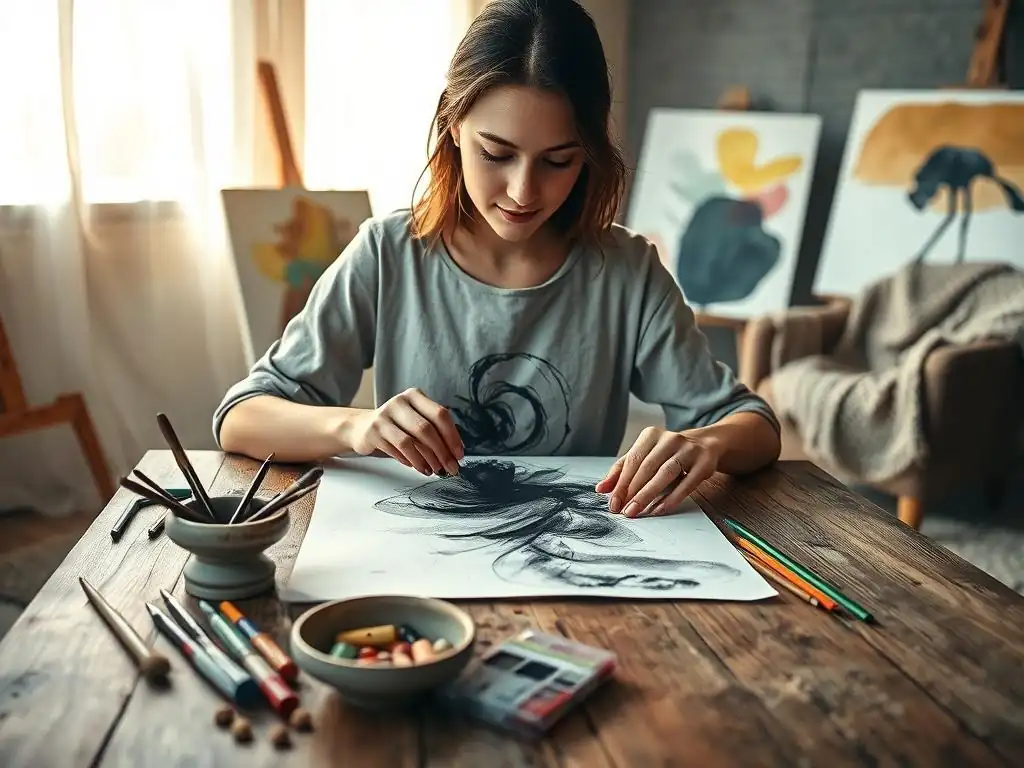
Welcome to Mind Care Guide, a safe space to nurture your mental well-being.
Feeling overwhelmed? You're not alone. Discover the transformative power of creativity in our latest article, " Using Art and Creativity for Stress Release". Explore how simple artistic activities can unlock profound art therapy stress relief and pave the way to a calmer, more centered you. Ready to find your inner peace through art? Let's begin...
Using Art and Creativity for Stress Release: A Mind Care Guide
- Introduction: The Power of Art Therapy for Stress Relief
- Art Therapy for Stress Relief: Exploring Creative Outlets
-
Different Art Forms for Stress Management: Finding Your Creative Niche
- Painting and Drawing: Expressing Emotions Through Color and Form
- Sculpting and Clay Modeling: A Tactile Approach to Stress Reduction
- Collage and Mixed Media: Releasing Stress Through Creative Assemblage
- Creative Writing and Journaling: Processing Emotions Through Words
- Music and Sound Therapy: Calming the Mind with Melodies
- Benefits of Using Art for Stress Reduction: Beyond Relaxation
- Practical Art Therapy Techniques for Home Use: DIY Stress Relief
- Overcoming Creative Blocks and Self-Doubt: Embracing Imperfection
- Combining Art Therapy with Other Stress Management Strategies
- Conclusion: Unleash Your Creativity and Find Stress Relief Through Art
-
Frequently Asked Questions
- How does Art Therapy provide stress relief compared to other therapies?
- Can I use art therapy techniques at home for stress relief without a trained therapist?
- What types of art are most effective for stress relief?
- How often should I engage in art therapy activities for optimal stress relief?
- Is art therapy only for people who are "artistic" or "creative"?
- Final Reflection: Unleashing the Healing Power of Art
- Unleash Your Inner Artist: Find Calm Through Creativity
Introduction: The Power of Art Therapy for Stress Relief
Understanding Stress and Its Impact on Mental Wellbeing
Stress is a pervasive element in modern life, manifesting as a complex physiological and psychological response to perceived pressures or demands. Chronic stress, in particular, can have significant detrimental effects on both mental and physical health. Research indicates that prolonged exposure to stress hormones like cortisol can lead to a range of issues, including increased risk of anxiety disorders, depression, sleep disturbances, and even physical ailments such as cardiovascular problems and weakened immune function.
For instance, studies have shown that individuals experiencing high levels of work-related stress are approximately 40% more likely to develop depression over their careers compared to those with lower stress levels. Recognizing the signs of stress, such as irritability, fatigue, difficulty concentrating, or muscle tension, is the first crucial step in managing its impact.
The cumulative effect of unmanaged stress can erode one's overall sense of wellbeing and capacity to cope with daily challenges. It can impair judgment, reduce productivity, and strain relationships. Many people turn to unhealthy coping mechanisms, further exacerbating their problems.
Finding effective, healthy ways to mitigate stress is not just beneficial; it's essential for maintaining a balanced and fulfilling life. This is where various therapeutic approaches, including creative methods like art therapy for stress relief, offer valuable avenues for processing difficult emotions and finding calm amidst chaos. Exploring these methods can provide individuals with practical tools to build resilience and navigate life's pressures more effectively.
Why Choose Art as a Stress Management Technique?
Choosing art as a method for stress management offers a unique and often deeply personal path to relaxation and emotional processing. Unlike some structured therapeutic approaches, engaging with art doesn't require verbal articulation of feelings, which can be challenging for many. Instead, it allows for non-verbal expression, enabling individuals to bypass cognitive barriers and tap directly into their emotional landscape.
This makes art a particularly accessible tool for stress reduction, regardless of artistic skill or prior experience. The simple act of creating, whether it's sketching, painting, or sculpting, can activate different parts of the brain, shifting focus away from stressors and towards the creative process itself, which is inherently absorbing and often meditative.
Furthermore, art provides a tangible outcome of one's internal state at a given moment. A finished piece can serve as a visual representation of feelings, making them easier to acknowledge, understand, and eventually release. This process of externalizing internal turmoil through creative expression is a core principle behind the effectiveness of art therapy for stress relief.
It offers a sense of control in a situation where stress often makes one feel powerless. Moreover, engaging in artistic activities can foster a sense of accomplishment and self-efficacy, boosting confidence and providing a positive counterpoint to the negative feelings associated with stress. The accessibility of art materials and the ability to practice these techniques in the privacy of one's home make it a convenient and powerful tool for ongoing stress management.
Art Therapy for Stress Relief: Exploring Creative Outlets
What is Art Therapy and How Does It Reduce Stress?
Art therapy is a distinct therapeutic discipline that uses creative processes to improve mental and emotional well-being. It's not simply an art class; rather, it is facilitated by a trained art therapist who guides individuals in using art materials and techniques to explore their feelings, resolve emotional conflicts, improve self-awareness, manage behavior, develop social skills, reduce anxiety, and increase self-esteem. The focus is on the process of creating and the insights gained from it, rather than the aesthetic quality of the final product.
For instance, a person struggling with anger might be encouraged to use vigorous strokes and bold colors, allowing the physical act of painting to release pent-up energy and the visual outcome to reflect the intensity of their emotion. This structured yet flexible approach makes art therapy a powerful tool for stress relief and psychological healing.
The mechanism by which art therapy reduces stress involves several interconnected pathways. Firstly, the creative process itself can induce a state of flow, a deeply focused and enjoyable state that minimizes rumination on stressors. Secondly, art provides a safe container for expressing difficult or overwhelming emotions that might be hard to verbalize.
By externalizing these feelings onto paper or into clay, they become less overwhelming and more manageable. For example, someone experiencing significant grief might create a piece that visually represents their loss, allowing them to process complex emotions in a non-linear way. This emotional release and processing capacity are central to how art therapy supports stress reduction and promotes overall mental health.
The Science Behind Art's Calming Effects
The calming effects of engaging in artistic activities are supported by emerging scientific understanding of the brain-body connection. When people participate in creative acts like drawing, painting, or sculpting, there is often a measurable reduction in stress hormones like cortisol. One small study, for example, found that participating in just 45 minutes of creative activity significantly lowered cortisol levels in 75% of participants, regardless of their artistic experience.
This suggests a physiological response to the act of creation that counteracts the body's stress response. The process of creating can also activate the brain's reward pathways, releasing dopamine, a neurotransmitter associated with pleasure and motivation, which can help improve mood and counteract feelings of stress and anxiety.
Furthermore, engaging in art can promote activity in the prefrontal cortex, the part of the brain responsible for executive functions like planning and decision-making, while simultaneously calming the amygdala, the brain's fear and threat center. This shift in brain activity helps individuals feel more in control and less reactive to stressors.
The repetitive or rhythmic actions often involved in art, such as sketching lines or kneading clay, can also have a meditative quality, inducing a state similar to that achieved through mindfulness practices. This combination of hormonal regulation, brain activity modulation, and meditative focus provides a strong scientific basis for why using art for stress reduction is an effective approach to improving mental well-being.
Different Art Forms for Stress Management: Finding Your Creative Niche
Painting and Drawing: Expressing Emotions Through Color and Form
Painting and drawing are perhaps the most widely recognized forms of artistic expression, offering a direct and versatile means of processing emotions and achieving art therapy stress relief. The act of applying color to a surface or making marks on paper can be incredibly cathartic. Bold strokes and vibrant colors might represent intense feelings like anger or joy, while soft lines and muted tones could reflect calmness or sadness.
There's no right or wrong way to use these mediums; the value lies in the act of putting feelings into a visual form. For someone feeling overwhelmed by the chaos of their thoughts, the simple structure of drawing repetitive patterns or lines can provide a sense of order and focus.
Beyond free expression, structured drawing or painting exercises can also be beneficial. For instance, creating a 'feeling chart' using different colors to represent various emotions felt throughout the day can provide a visual overview of one's emotional landscape, making patterns of stress or anxiety more apparent.
Similarly, abstract painting focused solely on movement and color can allow for a release of physical tension and emotional energy without the pressure of creating a recognizable image. Many find that the tactile experience of paint on a brush or charcoal on paper, combined with the visual feedback of color and form, creates a powerful sensory experience that is deeply absorbing and pulls attention away from stressors, facilitating effective art therapy for stress relief.
Techniques for Relaxing Painting and Drawing
- Mindful Coloring: Focus on the colors and textures, staying present with each stroke.
- Abstract Expression: Use large movements and bold colors to release energy without structure.
- Line Drawing: Create repetitive patterns or continuous lines, focusing on the rhythm of the hand.
- Watercolor Washes: Experiment with blending colors and water, embracing the unpredictable nature of the medium.
- Blind Contour Drawing: Draw an object without looking at the paper, focusing purely on the tactile sensation of following the object's outline.
Sculpting and Clay Modeling: A Tactile Approach to Stress Reduction
Working with clay or other sculpting materials offers a uniquely tactile and grounding experience that can be incredibly effective for art therapy stress relief. The physical act of kneading, molding, and shaping clay provides a direct outlet for tension and pent-up energy. For individuals who hold stress in their bodies, particularly in their hands and shoulders, the repetitive motion of working with clay can help release physical tightness.
The resistance and responsiveness of the material give a sense of control and immediate feedback, which can be very centering during times of stress or anxiety. Holding and manipulating the cool, pliable material can also have a soothing sensory effect, anchoring one in the present moment.
Sculpting allows for the creation of three-dimensional forms, which can represent feelings, challenges, or desired states in a tangible way. For example, someone feeling overwhelmed might sculpt a heavy, dense form, literally giving shape to their burden. Conversely, they might sculpt something light and flowing to represent freedom or release.
This process of externalizing internal states into physical objects can make complex emotions feel more concrete and therefore easier to examine and process. The ability to reshape and alter the clay also mirrors the potential to change one's perspective or approach to a stressful situation, fostering a sense of agency. This hands-on, physical engagement makes sculpting a powerful form of art therapy for stress relief.
The Benefits of Working with Clay for Anxiety
Working with clay is particularly beneficial for anxiety due to its grounding and sensory qualities. The tactile input helps to pull the mind away from anxious thoughts and into the present moment. The physical exertion involved in kneading and shaping can also help to discharge excess nervous energy.
Furthermore, the forgiving nature of clay – it can be reshaped, added to, or taken away from – reduces the pressure for perfection often associated with other art forms, allowing for a more relaxed and exploratory approach. This process fosters a sense of psychological safety, which is crucial for individuals managing anxiety.
Collage and Mixed Media: Releasing Stress Through Creative Assemblage
Collage and mixed media art involve assembling different materials – such as paper scraps, fabric, photographs, or found objects – onto a surface to create a new image or texture. This form of art therapy for stress relief is particularly effective because it doesn't require drawing or painting skills, making it accessible to everyone.
The process of sifting through materials, selecting pieces, and arranging them can be a meditative act in itself, allowing the mind to focus on the task at hand rather than dwelling on stressors. The act of tearing or cutting materials can also provide a physical release for frustration or tension.
Creating a collage can be a powerful way to visually represent complex feelings or narratives that are difficult to articulate verbally. A 'stress collage,' for example, might use jagged shapes, dark colors, and chaotic arrangements to depict feelings of overwhelm, while a 'calm collage' might incorporate soft textures, soothing colors, and balanced compositions.
The process of selecting and arranging disparate elements into a cohesive whole can also mirror the process of organizing thoughts and feelings during stressful times. This method provides a safe and creative outlet for processing emotions and gaining insight into one's internal world, contributing significantly to art therapy stress relief.
Creating a Stress-Relieving Collage
- Theme-based: Choose a theme like "My Stress," "My Calm Place," or "What I Need."
- Intuitive: Gather materials and arrange them based purely on what feels right, without a plan.
- Deconstruction/Reconstruction: Use old magazines or newspapers depicting stressors and tear/cut them up, then rearrange the pieces into a new, more positive or neutral image.
- Texture Exploration: Focus on collecting and arranging materials based on how their textures make you feel.
Creative Writing and Journaling: Processing Emotions Through Words
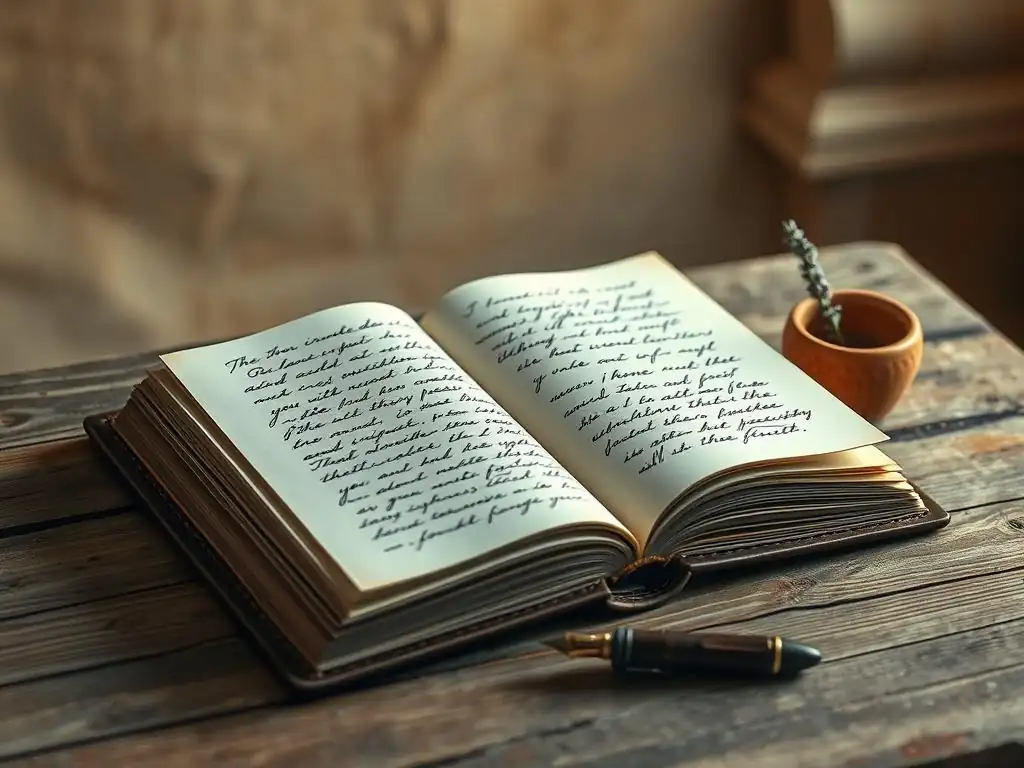
While not visual art in the traditional sense, creative writing and journaling are powerful forms of expressive art therapy for stress relief. Putting thoughts and feelings into words can help to clarify confusing emotions, identify sources of stress, and gain perspective on challenging situations. The act of writing can provide a structured way to process experiences, preventing rumination and promoting a sense of closure. Simply transferring worries from the mind onto paper can make them feel less overwhelming and more manageable.
Journaling can take many forms, from free-writing streams of consciousness to structured prompts or lists. Regular journaling has been shown to reduce symptoms of anxiety and depression and improve overall emotional regulation. For example, a study on expressive writing found that writing about traumatic or stressful events for just 15-20 minutes over three to four consecutive days can lead to significant improvements in physical and psychological health outcomes in the weeks and months that follow. This demonstrates the profound impact that processing emotions through written expression can have on reducing the burden of stress.
Journaling Prompts for Stress Relief
- What is causing me the most stress right now?
- How does stress feel in my body today?
- Write about a time you successfully overcame a stressful situation.
- What five things am I grateful for in this moment?
- If my stress were an object, what would it look like? Describe it in detail.
- What small step can I take today to reduce my stress?
Music and Sound Therapy: Calming the Mind with Melodies
Music and sound are potent tools for influencing mood and reducing stress, often incorporated into broader art therapy approaches or used independently for stress relief. Listening to calming music can lower heart rate, blood pressure, and cortisol levels. Different types of music can evoke different emotional responses; classical music, nature sounds, and ambient music are frequently used for relaxation purposes. Engaging actively with music, such as playing an instrument, singing, or even just drumming rhythmically, can provide an even deeper form of expressive art therapy for stress relief, allowing for physical and emotional release.
The structured nature of music, with its rhythm and melody, can help to organize chaotic thoughts and feelings, providing a sense of order and predictability that is soothing during times of stress. Singing, in particular, can involve deep breathing, which is a known technique for calming the nervous system.
Participating in group music activities, like a choir or drum circle, can also foster a sense of connection and belonging, further reducing feelings of isolation that can exacerbate stress. While not visual art, the creation and appreciation of music engage similar emotional and neurological pathways involved in other forms of art therapy for stress relief, making it a valuable tool for managing mental pressure.
Exploring the Soothing Effects of Music
- Curate a Relaxation Playlist: Create a collection of songs known to induce calm.
- Active Listening: Focus intently on the different layers of sound, instruments, and melodies in a piece of music.
- Improvised Sound Making: Experiment with simple instruments or even household objects to create sounds and rhythms without judgment.
- Singing or Humming: Use your voice to produce soothing sounds, focusing on breath control.
Benefits of Using Art for Stress Reduction: Beyond Relaxation
Enhanced Self-Awareness and Emotional Regulation
Engaging in art therapy for stress relief goes beyond merely providing a temporary escape; it actively cultivates enhanced self-awareness. Through the process of externalizing internal experiences, individuals gain a clearer understanding of their emotions, thoughts, and behavioral patterns.
For instance, someone might repeatedly use dark colors or sharp lines when feeling anxious, and recognizing this pattern on paper can lead to greater insight into how anxiety manifests for them. This visual or tactile representation makes abstract feelings more concrete and easier to examine without the pressure of verbalizing them, which can be particularly helpful for individuals who struggle to articulate their emotional states.
This increased self-awareness is a critical foundation for improved emotional regulation. By understanding what they are feeling and how those feelings manifest, individuals are better equipped to manage them constructively. Art provides a safe space to explore intense emotions like anger, sadness, or fear in a non-destructive way.
Instead of suppressing these feelings or acting them out harmfully, they can be channeled into the creative process. Over time, this practice helps individuals develop a greater capacity to tolerate difficult emotions, identify triggers, and choose healthier responses to stress, making art a potent tool for long-term art therapy stress relief and emotional resilience.
Improved Cognitive Function and Problem-Solving Skills
The process of creating art engages multiple areas of the brain, leading to improvements in cognitive function that can indirectly aid in stress management. Activities like planning a composition, selecting materials, and problem-solving artistic challenges (e.g., how to represent a complex idea visually) stimulate cognitive skills. For example, navigating the spatial relationships in a sculpture or deciding the sequence of layers in a painting requires focus, planning, and flexible thinking. This mental engagement provides a constructive distraction from stressors and helps keep the mind sharp.
Furthermore, the non-linear and often intuitive nature of artistic creation can foster creative problem-solving skills that are transferable to real-life challenges. When faced with a stressful situation, the ability to think flexibly, consider multiple perspectives, and approach problems from an unconventional angle can be invaluable. Art encourages experimentation and embracing imperfection, shifting the focus from finding the "right" answer to exploring possibilities. This mindset can help individuals feel more capable and less overwhelmed when confronted with stressors, viewing challenges as opportunities for creative solutions rather than insurmountable obstacles, thereby supporting effective art therapy stress relief.
Increased Mindfulness and Present Moment Awareness
Engaging in art naturally encourages mindfulness and present moment awareness, which are crucial components of effective stress reduction. When immersed in the creative process – whether it's the feel of clay in one's hands, the vibrant hues of paint on a canvas, or the rhythm of a pen on paper – the mind is often fully occupied with the sensory experience and the task at hand.
This intense focus pulls attention away from worries about the past or future, anchoring the individual firmly in the present moment. The simple act of observing colors, textures, or sounds without judgment cultivates a state of non-reactive awareness akin to meditation.
This practice of being fully present during artistic creation helps to quiet the "monkey mind" that often fuels stress and anxiety. By regularly dedicating time to art, individuals train their brains to focus and resist the urge to ruminate. This enhanced capacity for mindfulness extends beyond the art-making session, making it easier to stay present and calm in other aspects of life when faced with stressors. The sensory engagement and focused attention inherent in artistic activities make it a powerful, accessible form of art therapy for stress relief, helping individuals cultivate a more peaceful and centered state of being.
A Healthier Outlet for Emotional Expression
Art provides a safe, non-verbal, and non-destructive outlet for expressing a wide range of emotions, including those that are difficult or socially unacceptable to express directly. Instead of bottling up feelings or resorting to unhealthy coping mechanisms like anger outbursts or substance abuse, individuals can channel their emotional energy into creative expression. A person feeling intense frustration might vigorously scribble on paper or pound clay, releasing physical tension safely. Someone experiencing deep sadness might use somber colors and drooping forms in a painting to visually represent their grief.
This process of externalizing emotions through art makes them visible and tangible, which can be incredibly validating and cathartic. It allows individuals to acknowledge and process difficult feelings in a controlled environment. Unlike verbal expression, art doesn't require finding the "right" words or explaining oneself to others, reducing the pressure and vulnerability often associated with discussing sensitive topics. This ability to communicate and process emotions visually or tactilely makes art a profoundly healthy and empowering tool for art therapy stress relief and overall emotional well-being.
Practical Art Therapy Techniques for Home Use: DIY Stress Relief
Creating a Dedicated Art Space for Relaxation
Establishing a dedicated space for your art therapy stress relief practice can significantly enhance its effectiveness. This space doesn't need to be large or elaborate; even a corner of a room or a specific table can serve the purpose. The key is to create an environment that feels calm, inspiring, and free from distractions. Having a designated area signals to your brain that this is a time and place for relaxation and creative expression, helping you transition into a more mindful state. Consider factors like lighting, comfortable seating, and easy access to your art supplies.
Organizing your materials in a way that is easily accessible and visually appealing can also contribute to the calming atmosphere. Knowing where everything is and having it ready to go reduces potential frustration and makes it easier to start creating when the urge strikes, especially when you're feeling stressed.
While a dedicated room is ideal, even clearing off a desk and laying out your chosen materials for a session can create a temporary "art zone." The intention behind creating the space is more important than its size – it's about setting aside physical and mental room for your art therapy stress relief practice.
Simple Art Therapy Exercises for Beginners
Beginning your journey with art therapy stress relief doesn't require complex techniques or expensive materials. Many simple exercises can be done with basic supplies like paper, pens, pencils, or inexpensive paints. The focus is on the process and the release, not the perfection of the final piece. Starting with simple, low-pressure activities can help build confidence and make art a regular part of your stress management routine. Remember, the goal is to express and process, not to create a masterpiece.
Two particularly accessible exercises for beginners are mindful doodling and creating a mandala. These activities require minimal skill but offer significant benefits in terms of focus, relaxation, and emotional release. They provide a structured way to engage with art materials, making the process less intimidating for those who feel they aren't "artistic." Integrating these simple practices can be a powerful first step towards using art for stress reduction in your daily life.
Mindful Doodling for Stress
Mindful doodling involves drawing lines, shapes, or patterns without a specific plan or end goal. The focus is on the physical sensation of drawing and the visual patterns emerging on the page. It's about staying present with each stroke, noticing the pressure of the pen, the texture of the paper, and the evolving design without judgment. This practice can quiet a busy mind, providing a gentle anchor in the present moment. It's an easy way to incorporate art therapy stress relief into short breaks throughout the day.
Creating a Mandala for Relaxation
A mandala is a geometric configuration of symbols, traditionally used in spiritual practices to represent the universe. In art therapy, creating or coloring a mandala involves drawing or filling in intricate patterns within a circle. The symmetrical structure and repetitive nature of working on a mandala can be deeply meditative and calming. Focusing on selecting colors and filling in sections helps to quiet intrusive thoughts and promotes a sense of peace and balance. It's a structured yet creative way to practice art therapy for stress relief.
Integrating Art into Your Daily Routine for Ongoing Stress Management
Making art a regular part of your daily or weekly routine is key to leveraging its benefits for ongoing stress management. Even short bursts of creative activity can be effective. This doesn't mean dedicating hours each day; it could be as simple as 10-15 minutes of sketching during a lunch break, a quick coloring session in the evening, or journaling for a few minutes before bed. Consistency is more important than duration. Schedule your art time just like you would any other important appointment.
Think about how art can fit into your existing habits. Can you doodle while on a conference call (if appropriate)? Can you keep a small sketchpad by your bed for nighttime worries? Can you listen to calming music and paint for 20 minutes after work? Finding these small pockets of time makes art therapy stress relief a sustainable practice. The cumulative effect of regular creative engagement can significantly improve your capacity to handle stress over time, building resilience and enhancing overall well-being.
Overcoming Creative Blocks and Self-Doubt: Embracing Imperfection
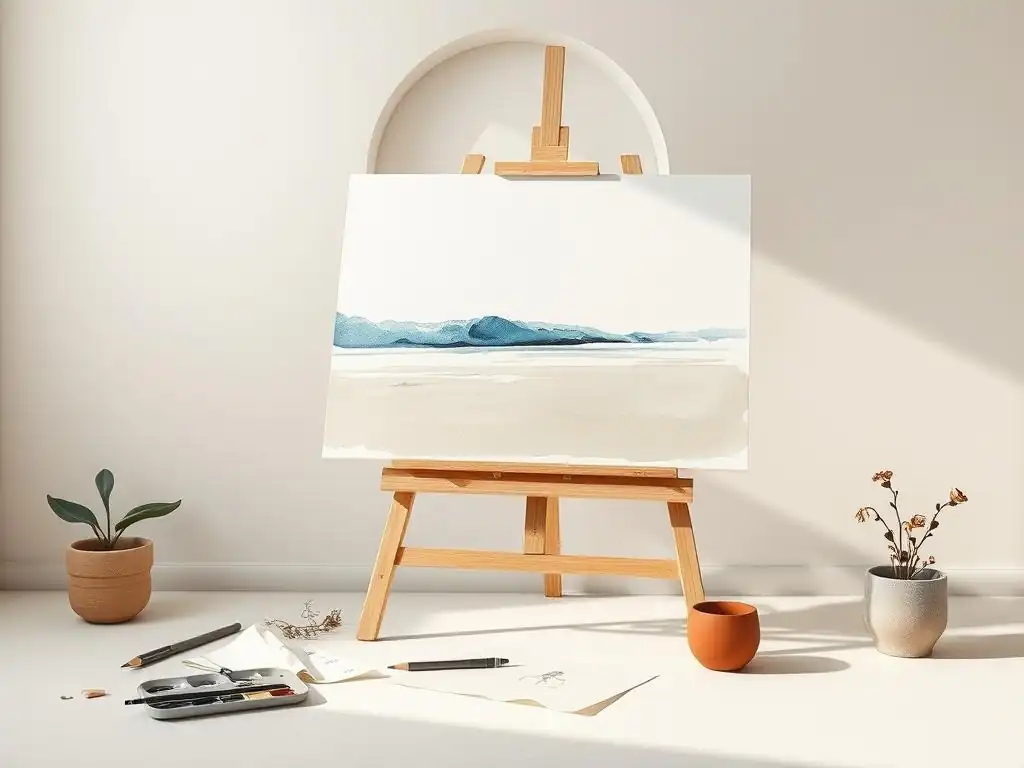
Tips for Unleashing Your Inner Artist and Reducing Anxiety
Many people hesitate to use art for stress relief because they feel they aren't "good enough" or experience creative blocks. It's crucial to remember that art therapy is about the process, not the product. The goal is emotional processing and stress reduction, not creating gallery-worthy work. Letting go of the pressure to be perfect is the first step in unleashing your inner artist and reducing anxiety associated with creativity. Start small, experiment with different materials without judgment, and focus on how the process feels rather than how the outcome looks.
- Start Small: Don't aim for a masterpiece; try a quick sketch, a simple collage, or 10 minutes of journaling.
- Experiment with Materials: Try different paints, pencils, clay, or paper. Sometimes a new medium can spark creativity.
- Embrace Imperfection: There are no mistakes in art therapy; every mark is part of the process.
- Focus on the Process: Pay attention to the sensations, sounds, and feelings as you create.
- Set a Timer: Work for a set amount of time (e.g., 15-20 minutes) without worrying about finishing.
- Create Without an Audience: Make art just for yourself, free from the pressure of others seeing it.
- Use Prompts: If you feel stuck, use a specific prompt (like journaling prompts or a visual theme) to get started.
Reframing Your Perspective on Art and Creativity
Reframing how you think about art and creativity is essential for overcoming self-doubt and fully embracing art therapy stress relief. Instead of viewing art as something only talented individuals do, see it as a fundamental human activity – a form of play, exploration, and communication accessible to everyone. Shift your focus from the aesthetic quality of the output to the therapeutic benefits of the input – the act of creating itself. Think of your art as a visual diary, a physical release valve, or a meditative practice, rather than a performance.
Understand that creative blocks are normal; they are not a sign of failure but simply part of the creative flow. When you encounter a block, try switching to a different medium, taking a break, or simply making random marks on the page to get started. The key is to remove the internal critic and approach art with curiosity and self-compassion. By reframing art as a tool for healing and self-discovery rather than a test of skill, you open yourself up to the profound benefits of using art for stress reduction and emotional well-being.
Combining Art Therapy with Other Stress Management Strategies
Art Therapy and Mindfulness Meditation
Combining art therapy with mindfulness meditation can create a powerful synergy for enhanced art therapy stress relief. Mindfulness meditation cultivates the ability to observe thoughts, feelings, and bodily sensations without judgment, grounding you in the present moment. Integrating this practice with art involves bringing that same non-judgmental awareness to the creative process. Before starting an art session, you might sit for a few minutes of mindfulness meditation to center yourself and become aware of your current emotional state.
During art creation, mindfulness means paying attention to the feel of the materials, the colors you choose, the sounds around you, and any thoughts or feelings that arise, simply observing them without getting caught up in them or judging your work. For example, as you paint, notice the sensation of the brush on the canvas and the way the colors blend, rather than worrying about whether it looks "good."
This combination deepens the meditative quality of art-making and strengthens your ability to stay present and calm both during and after the creative process, significantly enhancing art therapy stress relief outcomes.
Art Therapy and Yoga for Stress Reduction
Pairing art therapy with yoga offers a holistic approach to stress management, addressing both the mind and body. Yoga is a physical practice that incorporates movement, breath control, and meditation to reduce physical tension and calm the nervous system. Stress often manifests as physical tightness and restricted breathing; yoga directly counteracts these symptoms. Following a yoga session, when the body is relaxed and the mind is calmer, engaging in art therapy can be particularly effective for processing emotions and gaining insight.
For example, after a gentle yoga flow that releases tension in the shoulders and chest, you might engage in a drawing or painting exercise to explore the feelings that were held in those areas. Alternatively, a yoga session focused on grounding poses might be followed by working with clay to further enhance the sense of being rooted and present.
This combination allows for the release of stress on both a physical and emotional level, creating a comprehensive approach to art therapy stress relief and overall well-being. The physical release from yoga can make the emotional processing through art more accessible and profound.
Conclusion: Unleash Your Creativity and Find Stress Relief Through Art
The journey to effective stress management is deeply personal, and for many, unlocking the power of creativity through art offers a unique and fulfilling path. As explored throughout this guide, engaging in art therapy stress relief provides a multitude of benefits, from reducing stress hormones and calming the nervous system to enhancing self-awareness, improving cognitive function, and providing a healthy outlet for complex emotions. Whether you choose painting, sculpting, writing, or music, the act of creation itself is a potent tool for healing and well-being.
Remember that you don't need to be an experienced artist to benefit from using art for stress reduction. The most important element is the willingness to explore, experiment, and embrace the process without judgment.
By dedicating a small amount of time regularly, creating a comfortable space, and letting go of the need for perfection, you can integrate simple, yet powerful, art therapy techniques into your life. So, pick up a pen, grab some clay, or find some old magazines – unleash your inner artist and discover the profound relief and insight that art can bring to your life, helping you navigate stress with greater ease and resilience.
Frequently Asked Questions
How does Art Therapy provide stress relief compared to other therapies?
Art therapy allows for non-verbal expression, bypassing the need to directly confront potentially overwhelming feelings. It focuses on the creative process itself, offering a distraction and sense of accomplishment that reduces stress. Self-discovery is a key element.
Can I use art therapy techniques at home for stress relief without a trained therapist?
Yes, many art therapy techniques can be adapted for home use. Activities like journaling, coloring, and simple painting can be effective for stress reduction and promoting relaxation. Remember to focus on the process rather than the product.
What types of art are most effective for stress relief?
There's no single "best" type; it's highly individual. Experiment with drawing, painting, sculpting, collage, or even writing. The key is to find an art form that you enjoy and allows for emotional expression.
How often should I engage in art therapy activities for optimal stress relief?
Consistency is important, but even short, regular sessions can be beneficial. Aim for at least 15-30 minutes several times a week to experience noticeable stress reduction. Adjust the frequency based on your individual needs and schedule.
Is art therapy only for people who are "artistic" or "creative"?
Absolutely not! Art therapy is about the process of creation, not the end result. No prior artistic skill or experience is needed to benefit from its stress-relieving and therapeutic effects. It's about self-expression.
Final Reflection: Unleashing the Healing Power of Art
The creative process, far from being a mere pastime, offers a potent antidote to the pervasive stress of modern life. In a world increasingly demanding and fast-paced, the ability to find solace and healing through art is not a luxury, but a vital tool for navigating the challenges we face daily. This article has explored the multifaceted ways in which engaging with art – whether through painting, sculpting, writing, or music – can provide a powerful pathway to stress reduction and improved well-being.
The impact of art therapy on our cultural landscape is undeniable, quietly shifting perceptions of mental health and wellness. We are witnessing a growing recognition of the importance of self-expression and emotional processing, and art provides a unique and accessible avenue for both. The power of creative expression to unlock inner peace resonates deeply with me personally; it's a journey of self-discovery and healing that continues to unfold. Art washes away from the soul the dust of everyday life.
– Pablo Picasso. This quote perfectly encapsulates the transformative potential of engaging with art as a means of releasing stress and finding clarity.
Now, consider your own life. What creative outlet speaks to you? What colors, textures, sounds, or words resonate with your inner world? I invite you to explore the therapeutic potential of art, even in small ways. Dedicate just fifteen minutes a day to sketching, playing music, or writing in a journal. Embrace the process, allow yourself to be imperfect, and witness the profound impact that even a small act of creative expression can have on your stress levels and overall well-being. Let art be your sanctuary, your refuge, your path to a calmer, more fulfilling life.
Unleash Your Inner Artist: Find Calm Through Creativity
Thanks for taking the time to explore the power of art in stress reduction! We hope you gained valuable insights into how creative expression can boost your well-being. Now it's time to put these ideas into action.
- Start your own creative journey today: Grab your favorite art supplies (even a pen and paper will do!) and dedicate just 15 minutes to a creative project. Let your emotions flow freely onto the page or canvas. This is your time to experiment and discover.
- Share your creative process: Post a picture of your creation on social media and use #MindCareArt to connect with our community and inspire others to embrace art therapy.
- Explore new creative avenues: Consider trying a new art form you've never explored before – pottery, calligraphy, digital art – to broaden your creative horizons and discover new ways to de-stress.
What unique creative outlet will you try to cultivate your inner peace and reduce stress? Let's discuss in the comments below!