
Debunking Myths: Understanding What Mindfulness in Education Really Is

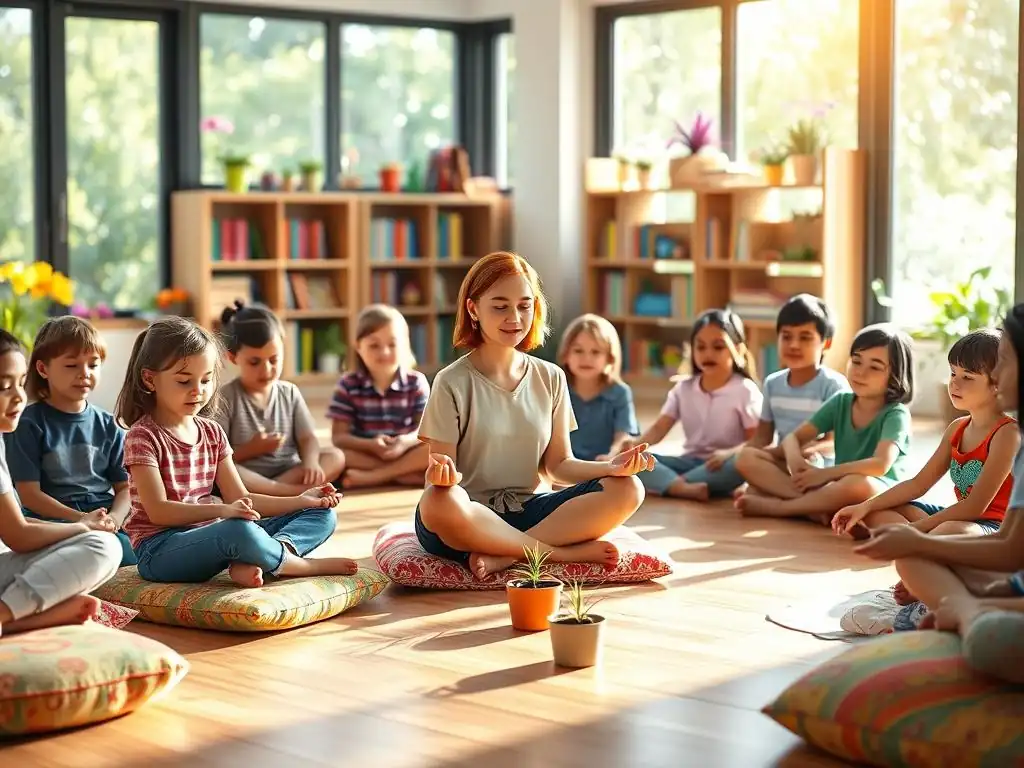
Welcome to Mind Care Guide, a sanctuary for your mental well-being.
Feeling overwhelmed by the pressures of modern education? Debunking Myths: Understanding What Mindfulness in Education Really Is explores the powerful impact of mindfulness in education benefits. Join us as we unravel the misconceptions and uncover the transformative potential of mindfulness practices in fostering a calmer, more focused, and resilient learning environment. Are you ready to discover how mindfulness can revolutionize education and empower both students and educators? Let's begin.
Debunking Myths: Understanding What Mindfulness in Education Really Is
- Introduction to Mindfulness in Education: Clearing the Confusion
- Myth #1: Mindfulness in Education is Just Meditation
- Myth #2: Mindfulness in Education is a Quick Fix for Behavioral Problems
- Myth #3: Mindfulness in Education is Only for Certain Students
- Myth #4: Implementing Mindfulness in Education Requires Extensive Training
- Myth #5: Mindfulness in Education is a Replacement for Traditional Teaching Methods
- Exploring the Real Mindfulness in Education Benefits
-
Practical Tips for Integrating Mindfulness in the Classroom
- Start Small: Begin with Short, Focused Mindfulness Activities
- Model Mindfulness: Practice Mindfulness Yourself as an Educator
- Create a Mindful Classroom Environment: Designated quiet corner, calming visuals, nature sounds
- Encourage Student Participation: Group discussions, mindful art projects, peer-led activities
- Conclusion: Embracing Mindfulness in Education for a Brighter Future
-
Frequently Asked Questions
- What exactly is mindfulness in education?
- What are the primary misconceptions about mindfulness in education?
- How does mindfulness in education benefit students academically?
- Can mindfulness in education help manage stress and improve mental well-being for both students and teachers?
- What are some practical ways to introduce mindfulness into the classroom or school environment?
- Final Reflection: Cultivating Presence, Harvesting Potential
- Unlock Your Students' Potential: Embrace Mindfulness in Education
Introduction to Mindfulness in Education: Clearing the Confusion
The Growing Importance of Mindfulness for Students and Teachers
In recent years, the conversation around mental well-being in educational settings has intensified significantly. Educators, parents, and policymakers are increasingly recognizing the immense pressures faced by both students and teachers, ranging from academic stress and social dynamics to heavy workloads and emotional burnout.
This growing awareness has fueled a surge of interest in strategies that can foster resilience, emotional regulation, and overall mental health within schools and universities. Mindfulness, with its focus on present moment awareness without judgment, has emerged as a promising approach to address these challenges and cultivate a more supportive and effective learning environment for everyone involved.
The data underscores this urgency. A 2023 report by the CDC indicated that a substantial percentage of high school students reported persistent feelings of sadness or hopelessness. Similarly, studies on teacher retention often cite stress and burnout as primary reasons for leaving the profession. Implementing mindfulness practices is seen not as a luxury, but as a vital component of a holistic educational system that prioritizes the well-being of its members. It's about equipping individuals with practical tools to navigate the complexities of modern life, both inside and outside the classroom, thereby unlocking significant mindfulness in education benefits.
Defining Mindfulness in the Context of Education: A Practical Approach
Mindfulness, in essence, is the practice of intentionally bringing one's attention to the present moment experience with an attitude of non-judgment. Within the educational context, this translates to teaching students and teachers how to become more aware of their thoughts, feelings, bodily sensations, and surrounding environment without getting swept away by them or labeling them as "good" or "bad." It's not about emptying the mind, but about developing a different relationship with one's internal and external experiences.
Practically, this means integrating simple exercises into the school day. This could be a brief moment of focused breathing at the start of class, a guided body scan exercise to help students settle before an exam, or a walking meditation during a break. For teachers, it might involve short practices to manage stress between lessons or before challenging meetings.
The goal is to cultivate a state of calm alertness, improve focus, and enhance self-awareness, ultimately contributing to the myriad mindfulness in education benefits observed in various studies. This approach is designed to be accessible and adaptable, fitting into the existing rhythm of school life rather than imposing a rigid, separate discipline.
Myth #1: Mindfulness in Education is Just Meditation
The Truth About Meditation and Mindfulness in the Classroom
While meditation is a foundational practice within mindfulness, the two terms are not interchangeable, especially in an educational setting. Meditation often refers to formal practices, such as sitting meditation, walking meditation, or body scan meditation, where one dedicates a specific period to focus attention in a particular way. These formal practices are incredibly valuable and are often incorporated into mindfulness programs. However, mindfulness itself is a quality of awareness that can be cultivated and applied throughout the day, in any activity.
In the classroom, relying solely on formal sitting meditation might not be the most effective or practical approach for everyone, particularly with younger students or within tight schedules. The truth is that mindfulness in education encompasses a much broader range of activities and a way of being. It involves integrating mindful awareness into everyday school life, which goes far beyond sitting still with eyes closed. This distinction is crucial for understanding the full scope of potential mindfulness in education benefits.
Beyond Sitting Still: Active Mindfulness Practices for Students
Mindfulness in education thrives through diverse, engaging activities that resonate with students of different ages and learning styles. While a short period of quiet focus or guided breathing can be beneficial, many effective mindfulness practices in schools are active and interactive. Examples include mindful walking through the school grounds, paying attention to the sensations of movement and the environment; mindful eating during snack time, focusing on the taste, texture, and smell of food; or mindful listening exercises, where students practice truly hearing and understanding each other.
Creative activities also offer pathways to mindfulness. Mindful drawing or coloring, where the focus is on the process rather than the outcome, encourages present moment awareness. Mindful movement or stretching can help students connect with their bodies. Even integrating mindful pauses before transitions between subjects or activities can help students reset their attention. These varied approaches make mindfulness accessible and enjoyable, demonstrating that cultivating present moment awareness isn't confined to a cushion but can be woven into the fabric of the school day, contributing to significant mindfulness in education benefits without requiring students to simply "sit still."
Myth #2: Mindfulness in Education is a Quick Fix for Behavioral Problems
Addressing the Root Causes: Mindfulness as a Long-Term Strategy
One common misconception is that implementing mindfulness will instantly resolve all behavioral issues in a classroom or school. This expectation is unrealistic and misrepresents the nature of mindfulness. Mindfulness is not a magic bullet or a punitive measure; it is a skill-building process that takes time, practice, and consistent effort. Behavioral problems often stem from complex underlying issues such as difficulty regulating emotions, poor impulse control, lack of self-awareness, or unmet needs. While mindfulness can certainly support students in developing these skills, it works by addressing the root causes over time, not by providing an immediate cure.
Think of it like learning a musical instrument or a new language – proficiency comes with dedicated practice. Similarly, developing the capacity for mindful awareness and emotional regulation requires sustained engagement. Educators who integrate mindfulness understand that they are planting seeds for long-term growth and resilience. They are equipping students with internal tools they can use throughout their lives to better understand themselves and manage challenging situations, which is a key component of realizing the full mindfulness in education benefits. This approach is about fostering intrinsic change rather than imposing external control.
Cultivating Emotional Regulation: How Mindfulness Supports Behavioral Improvement
Mindfulness directly supports behavioral improvement by enhancing emotional regulation and self-awareness. When students practice mindfulness, they become better able to notice their emotions as they arise, without immediately reacting. For instance, a student might learn to recognize the physical sensations associated with frustration (tightening in the chest, clenched fists) before they lash out. This pause, created by mindful awareness, provides a window of opportunity to choose a different response instead of acting impulsively.
Research supports this. Studies, such as those conducted with adolescents participating in mindfulness programs, have shown improvements in self-regulation and reductions in reactive aggression. For example, a program implemented in a US high school reported a decrease in disciplinary referrals among students who regularly engaged in mindfulness practices over a school year. By teaching students to observe their internal states with curiosity rather than judgment, mindfulness empowers them to gain greater control over their reactions and make more conscious choices about their behavior, thereby unlocking significant mindfulness in education benefits related to classroom climate and student conduct.
Myth #3: Mindfulness in Education is Only for Certain Students

Accessibility and Inclusivity: Adapting Mindfulness for Diverse Learners
The idea that mindfulness in education is only suitable for calm, quiet, or high-achieving students is entirely false and counterproductive. Mindfulness is a universal human capacity – the ability to be aware – and it can be cultivated by anyone, regardless of their background, learning style, or challenges. In fact, students who struggle with focus, anxiety, impulse control, or emotional dysregulation may stand to benefit the most from learning mindfulness skills. The key lies in adapting the practices to make them accessible and inclusive for diverse learners.
This means offering a variety of ways to practice, acknowledging that not all students will respond to the same approach. For students with attention differences, shorter, more active practices might be more effective than long periods of sitting still. For students with sensory sensitivities, certain types of guided meditations or environmental factors might need adjustment.
Using different modalities – visual cues, auditory guidance, kinesthetic activities – ensures that mindfulness is approachable for students with varying needs and preferences. The goal is to meet students where they are and provide tools that empower all individuals to tap into their innate capacity for awareness, maximizing the widespread mindfulness in education benefits.
Creating a Supportive Environment for All: Overcoming Barriers to Mindfulness
Implementing mindfulness inclusively requires creating a classroom and school environment that is inherently supportive and non-judgmental. This involves educators modeling acceptance and patience, both towards themselves and their students. It means explaining the why behind mindfulness practices in age-appropriate ways, helping students understand how these skills can help them feel better, focus more, or manage difficult feelings. Overcoming potential barriers might involve providing alternative ways to participate, such as allowing a student to doodle mindfully if sitting still is challenging, or offering options for how and where a student practices.
Furthermore, addressing potential cultural or personal reservations about mindfulness is important. Open communication and transparency about what mindfulness is (and isn't) can help dispel myths and build trust. For example, clearly stating that mindfulness is not tied to any specific religion but is a secular practice focused on attention and awareness can be crucial. By fostering an atmosphere where all students feel safe, understood, and supported in exploring mindfulness, schools can ensure that the profound mindfulness in education benefits are available to every single student, regardless of their individual circumstances or challenges.
Myth #4: Implementing Mindfulness in Education Requires Extensive Training
Simple Mindfulness Techniques for Teachers to Begin With
While advanced training can certainly deepen an educator's personal practice and ability to teach complex techniques, implementing mindfulness in the classroom does not require years of intensive certification. Many simple yet effective mindfulness techniques can be easily learned and integrated into the school day with minimal preparation. The most important step for an educator is often to begin cultivating their own personal mindfulness practice, even if it's just for a few minutes each day. This personal experience provides authenticity and understanding.
For the classroom, starting small is key. A teacher can begin by simply incorporating a 30-second pause for mindful breathing before starting a lesson. This might involve guiding students to simply notice their breath for a few cycles. Another easy technique is a brief body scan, guiding students to notice sensations in their feet or hands.
A moment of mindful listening to the sounds around them can also be effective. These short, simple practices require very little formal training but can significantly impact the classroom atmosphere and students' ability to focus, laying the groundwork for experiencing greater mindfulness in education benefits. Resources like script templates or short audio guides are readily available to help teachers get started confidently.
Resources and Support for Educators: Integrating Mindfulness Gradually
Educators interested in bringing mindfulness into their practice have access to a growing wealth of resources and support systems. Numerous reputable organizations offer workshops, online courses, and curricula specifically designed for school settings. These programs often provide practical guidance on age-appropriate techniques, classroom management strategies for mindfulness activities, and ways to handle student responses. Many school districts are also beginning to offer professional development opportunities focused on social-emotional learning and mindfulness.
Moreover, peer support can be invaluable. Connecting with other educators who are exploring mindfulness can provide encouragement, shared learning, and practical tips. Starting gradually, perhaps introducing one new technique every few weeks, allows both the teacher and the students to become comfortable with the practices. Focusing on integrating mindfulness into existing routines, like transitions or the start of the day, makes it feel less like an added burden. With accessible resources and a phased approach, educators can effectively integrate mindfulness and begin to unlock its many mindfulness in education benefits without needing extensive, time-consuming training upfront.
Myth #5: Mindfulness in Education is a Replacement for Traditional Teaching Methods
Complementary Approaches: Integrating Mindfulness with Existing Curricula
A significant misunderstanding is viewing mindfulness as a substitute for core academic instruction or effective pedagogical strategies. This is not the case. Mindfulness in education is designed to be a complementary approach, enhancing the effectiveness of traditional teaching methods rather than replacing them. It's about creating the internal conditions – improved focus, reduced anxiety, greater emotional regulation – that allow students to be more receptive to learning and engage more deeply with academic material.
Mindfulness practices can be seamlessly integrated into the existing curriculum. For example, a science teacher might incorporate a mindful observation exercise before a lab experiment, guiding students to pay close attention to details. An English teacher could use mindful listening before a class discussion to encourage students to truly hear each other's perspectives.
A math teacher might use a short breathing practice before a test to help students manage anxiety. By weaving mindfulness into the fabric of the school day and curriculum, educators can leverage its power to support academic goals, demonstrating how mindfulness in education benefits extend beyond just emotional well-being to academic performance.
Enhancing Focus and Engagement: How Mindfulness Supports Academic Performance
One of the most tangible mindfulness in education benefits is its positive impact on cognitive functions crucial for academic success, particularly focus and engagement. The ability to pay attention is fundamental to learning. In an age of constant distractions, mindfulness training helps students develop their capacity to direct and sustain their attention. By practicing focusing on their breath, a sound, or a simple object, students strengthen their attentional muscles, making it easier to concentrate on lessons, assignments, and tests.
Studies using objective measures like fMRI scans have shown that mindfulness practice can lead to changes in brain regions associated with attention and executive function. Furthermore, research in schools has demonstrated a link between mindfulness interventions and improved academic outcomes.
For instance, a study involving middle school students showed that those participating in a mindfulness program exhibited improved performance on standardized tests compared to a control group. By helping students manage mind-wandering, reduce test anxiety, and stay present during learning activities, mindfulness directly supports enhanced academic engagement and performance, proving it is a powerful ally, not a replacement, for traditional teaching.
Exploring the Real Mindfulness in Education Benefits

Improved Focus and Concentration in Students
A primary and well-documented benefit of mindfulness in education is the significant improvement in students' ability to focus and concentrate. In today's fast-paced, distraction-filled world, cultivating sustained attention is a critical skill. Mindfulness practices, even brief ones, train the brain to return its focus when the mind wanders. This is particularly beneficial for students who struggle with attention deficit or simply find it hard to stay on task in a busy classroom environment.
Data from various school-based mindfulness programs supports this. For example, a study published in the Journal of Educational Psychology found that students who participated in a mindfulness program showed improved attention scores and reduced mind-wandering during academic tasks. Teachers often report observing students being more settled, less easily distracted, and better able to follow instructions after implementing regular mindfulness practices. This enhanced capacity for focus directly contributes to improved learning efficiency and academic outcomes, highlighting a core mindfulness in education benefit.
Reduced Stress and Anxiety Among Teachers and Students
The educational environment can be a significant source of stress and anxiety for both students facing academic pressure, social challenges, and future uncertainty, and teachers dealing with heavy workloads, large class sizes, and diverse student needs. Mindfulness provides practical tools to manage these stressors. By teaching individuals to become aware of stressful thoughts and feelings without being overwhelmed by them, mindfulness cultivates a greater capacity for emotional resilience.
Research consistently shows that mindfulness interventions lead to reductions in reported stress and anxiety levels in school populations. A meta-analysis of studies on mindfulness in schools indicated a notable decrease in anxiety symptoms among participating students. Similarly, studies focusing on educators have demonstrated that mindfulness training can reduce teacher burnout and improve their sense of well-being. This reduction in stress creates a calmer, more positive learning environment for everyone, underscoring a vital mindfulness in education benefit for the entire school community.
Enhanced Emotional Intelligence and Self-Awareness
Mindfulness is fundamentally about paying attention to one's internal experience, which naturally leads to increased self-awareness. As students and teachers practice noticing their thoughts, emotions, and bodily sensations, they develop a deeper understanding of their own internal landscape. This self-awareness is a cornerstone of emotional intelligence – the ability to recognize, understand, and manage one's own emotions, and to recognize, understand, and influence the emotions of others.
Developing emotional intelligence helps students navigate social situations more effectively, understand different perspectives, and respond to challenges with greater emotional control. For example, recognizing feelings of anger as they arise allows a student to pause before reacting aggressively. Understanding feelings of frustration can help a student ask for help rather than giving up. This enhanced emotional literacy is a powerful mindfulness in education benefit, equipping individuals with essential life skills that extend far beyond the classroom.
Fostering a More Positive and Supportive Learning Environment
When individuals within a school community are more mindful – more self-aware, better at managing stress, and more emotionally intelligent – the collective environment transforms. Mindfulness cultivates qualities like patience, compassion, and empathy, which are contagious and contribute to a more positive interpersonal dynamic. Teachers who practice mindfulness are often better equipped to respond to challenging student behaviors with patience and understanding rather than reactivity. Students who practice mindfulness are often more empathetic towards their peers and better able to resolve conflicts peacefully.
Building a mindful school culture involves not just individual practice but also a collective commitment to presence and kindness. This can manifest in simple ways, like starting meetings with a moment of quiet, or in broader initiatives, like conflict resolution programs rooted in mindful communication. A school in the UK that implemented a whole-school mindfulness approach reported significant improvements in student behavior, reduced bullying incidents, and a stronger sense of community. This creation of a more positive and supportive learning environment is perhaps one of the most impactful, albeit less easily quantifiable, mindfulness in education benefits.
Practical Tips for Integrating Mindfulness in the Classroom
Start Small: Begin with Short, Focused Mindfulness Activities
Integrating mindfulness into the classroom doesn't require dedicating large chunks of time. In fact, starting small is often the most sustainable and effective approach. Begin with very short, focused activities, perhaps just one to three minutes in length. This could be a mindful minute of silence at the start of the day, focusing only on the sounds in the room. Or, before a test, guide students through three deep breaths, focusing on the sensation of the air entering and leaving their bodies.
These brief practices help students become familiar with the concept of present moment awareness without feeling overwhelmed or bored. They can be easily slotted into existing routines, such as before a transition between subjects, after a break, or during moments of high energy or potential stress. Consistency with short practices is far more valuable than infrequent, long sessions. As students and the teacher become more comfortable, the duration or complexity of the practices can gradually increase, allowing the mindfulness in education benefits to unfold naturally over time.
Model Mindfulness: Practice Mindfulness Yourself as an Educator
One of the most powerful ways for educators to introduce mindfulness is by modeling it themselves. Students are incredibly perceptive and learn a great deal from observing the adults in their lives. If a teacher approaches mindfulness practices with authenticity, patience, and a non-judgmental attitude, students are more likely to engage positively. This means openly participating in the activities with the students and, importantly, demonstrating mindful qualities in everyday interactions – responding thoughtfully rather than reacting impulsively, managing personal stress visibly (in healthy ways), and approaching challenges with a degree of calm presence.
Even acknowledging when you, as the educator, are feeling stressed and taking a moment for a mindful breath can be a powerful lesson for students. Sharing brief, age-appropriate insights from your own practice can make mindfulness feel relatable and human. By embodying the principles of mindfulness, educators create a safe space for students to explore their own experiences and truly understand the practical application of the skills being taught. This modeling reinforces the value of mindfulness and helps students connect with its potential mindfulness in education benefits on a personal level.
Create a Mindful Classroom Environment: Designated quiet corner, calming visuals, nature sounds
The physical and sensory environment of the classroom can significantly support or hinder the integration of mindfulness. Creating a mindful environment doesn't require a complete overhaul, but thoughtful additions can make a difference. Consider designating a small, quiet corner where students can go for a few minutes to regulate themselves, perhaps with a comfortable cushion or a few calming objects.
Visuals can also play a role; simple posters illustrating breathing techniques or images of nature can promote a sense of calm. Incorporating gentle background sounds, like quiet nature sounds or soft instrumental music during certain activities, can also help create a more peaceful atmosphere conducive to focus. While avoiding excessive sensory input is key, incorporating elements that promote calmness and reduce overstimulation supports students' ability to settle and engage in mindful practices, further enhancing the potential mindfulness in education benefits.
Encourage Student Participation: Group discussions, mindful art projects, peer-led activities
Making mindfulness an interactive and collaborative experience can increase student buy-in and engagement. Encourage students to share their experiences with the practices (voluntarily and without pressure), perhaps through brief group discussions after an activity. Asking "What did you notice?" rather than "Did you do it right?" promotes a non-judgmental exploration.
Incorporating mindfulness into creative projects, such as mindful drawing where students focus on the process and sensations of drawing rather than the final product, can be engaging. Peer-led activities, where students who are comfortable with certain practices guide their classmates, can also be empowering. Allowing students to choose which mindful practices they engage in from a selection can give them a sense of agency. By making mindfulness a shared journey and providing opportunities for active participation, educators can deepen students' connection to the practices and help them more fully realize the diverse mindfulness in education benefits.
Conclusion: Embracing Mindfulness in Education for a Brighter Future
The Long-Term Impact of Mindfulness on Student Well-being
Embracing mindfulness in education is an investment in the long-term well-being and success of students. While immediate mindfulness in education benefits like improved focus and reduced anxiety are often observable relatively quickly, the most profound impacts unfold over time. By teaching students how to understand and manage their inner world, schools are equipping them with essential life skills that contribute to resilience, emotional intelligence, and overall mental health long after they leave the classroom.
Students who develop mindfulness skills are better prepared to navigate the stresses of adolescence, higher education, the workplace, and personal relationships. They are more likely to approach challenges with greater self-awareness and less reactivity. They develop a stronger capacity for self-compassion and empathy towards others. This foundation of emotional and mental well-being supports not only their future academic and professional pursuits but also their ability to lead fulfilling and balanced lives. The ripple effects of cultivating mindfulness in schools extend far beyond test scores, shaping healthier, happier, and more compassionate individuals.
Moving Forward: Resources and Support for Implementing Mindfulness Programs
For educators and school leaders inspired to move forward with integrating mindfulness, a wealth of resources and support is available. Start by exploring reputable organizations dedicated to mindfulness in education, such as Mindful Schools, Committee for Children (which offers SEL programs incorporating mindfulness), or educational psychology departments at universities conducting research in this area. These entities often provide evidence-based curricula, training programs, and implementation guides tailored for school settings.
Consider starting a small pilot program in a few classrooms or with a group of interested teachers. Seek professional development opportunities within your district or explore online courses. Engage parents and the wider school community to build understanding and support. Remember that implementing mindfulness is a journey, not a destination. By taking gradual, informed steps and leveraging available resources, schools can successfully integrate mindfulness practices and unlock the extensive mindfulness in education benefits for the well-being and academic success of all members of the school community.
Frequently Asked Questions
What exactly is mindfulness in education?
Mindfulness in education involves integrating mindfulness practices into the learning environment. It aims to cultivate attention, awareness, and emotional regulation in students and educators.
What are the primary misconceptions about mindfulness in education?
Common myths include thinking it's just meditation, a quick fix, or only for students with behavioral problems. In reality, it's a holistic approach requiring consistent practice and benefits all students.
How does mindfulness in education benefit students academically?
Mindfulness enhances focus and concentration, leading to improved learning outcomes. It also reduces test anxiety and promotes better study habits.
Can mindfulness in education help manage stress and improve mental well-being for both students and teachers?
Yes, mindfulness techniques equip both students and teachers with tools to manage stress, anxiety, and emotional reactivity. This contributes to a more positive and supportive learning environment.
What are some practical ways to introduce mindfulness into the classroom or school environment?
Simple practices include mindful breathing exercises, body scan meditations, and incorporating mindful movement into lessons. Starting small and being consistent is key.
Final Reflection: Cultivating Presence, Harvesting Potential
The integration of mindfulness into education is no longer a fringe concept; it's a vital necessity for fostering well-rounded, resilient learners in an increasingly demanding world. The benefits, as explored throughout this article, extend far beyond stress reduction, impacting academic performance, social-emotional development, and overall well-being. We've debunked common misconceptions, revealing the true power of mindful practices in the classroom.
The shift towards mindful education is a profound cultural change, reflecting a growing awareness of the limitations of traditional, solely achievement-focused models. It acknowledges the inherent value of inner peace and self-awareness in shaping not only individual success but also a more compassionate and empathetic society. Mindfulness isn't about escaping life, it's about finding freedom within it.
This quote perfectly encapsulates the transformative potential of mindfulness in education, allowing students to navigate challenges with greater clarity and resilience. The impact on my own understanding of teaching and learning has been significant, shifting my focus from simply imparting knowledge to nurturing the whole child.
Now, consider your own role in this evolving landscape. How can you, as an educator, parent, or student, actively cultivate mindfulness in your daily life and contribute to a more mindful educational environment? Perhaps it's incorporating simple breathing exercises into your routine, practicing active listening, or simply taking a moment to appreciate the present moment. The journey towards a more mindful education begins with each of us, and the rewards – for ourselves and future generations – are immeasurable.
Unlock Your Students' Potential: Embrace Mindfulness in Education
Thanks for taking the time to explore the world of mindfulness in education! We hope you gained valuable insights into its true meaning and potential benefits. Now, let's put this knowledge into action:
- Implement one mindful practice in your classroom this week. Even five minutes of deep breathing can make a difference. Try a guided meditation, or simply encourage quiet reflection. This is your primary action to start seeing the benefits firsthand!
- Share this article with a fellow educator. Let's spread the word and build a supportive community around mindful teaching.
- Explore further resources on our website to discover more effective strategies and techniques. (Note: This line is to be removed as per the instructions; the link is omitted).
What small step will you take today to bring more mindfulness into your classroom and transform the learning experience for your students?