
Finding Gratitude: A Mindful Practice for Shifting Emotional States


Welcome to Mind Care Guide, a safe space dedicated to your mental well-being.
Are you feeling overwhelmed or disconnected? Discover the transformative power of gratitude, a practice often overlooked yet profoundly effective in shifting your emotional state. Explore how simple gratitude practices improve mental health, and learn to cultivate a more positive and resilient mindset. Let's embark on this mindful journey together, starting now...
Finding Gratitude: A Mindful Practice for Shifting Emotional States
- Introduction: The Power of Gratitude for Emotional Well-being
- What is Gratitude? Defining and Understanding the Concept
- Benefits of Cultivating Gratitude: A Deeper Dive
- Practical Gratitude Practices to Enhance Mental Health
- Overcoming Obstacles to Practicing Gratitude
- Integrating Gratitude into Your Daily Life
- Long-Term Benefits of Consistent Gratitude Practices
- Conclusion: Embracing Gratitude for a Healthier Mind
-
Frequently Asked Questions
- What are some simple gratitude practices I can start doing today?
- How can gratitude practices improve my mental health?
- Are there any specific mental health conditions that gratitude practices can help with?
- How often should I engage in gratitude practices to see a noticeable difference?
- What if I find it difficult to feel grateful when I'm struggling with my mental health?
- Final Reflection: Cultivating Gratitude, Harvesting Well-being
- Unlock Your Inner Gratitude: Start Cultivating Joy Today!
Introduction: The Power of Gratitude for Emotional Well-being
Understanding the Link Between Gratitude and Mental Health
The connection between feeling grateful and experiencing better mental health is well-documented in psychological research. Gratitude isn't just a fleeting emotion; it's a state of appreciation for what is valuable and meaningful to oneself. This appreciation can be directed towards others, the world, or even aspects of one's own life. When individuals regularly engage in acknowledging the good things around them, even small ones, it can fundamentally shift their perspective from focusing on lack or problems to recognizing abundance and positivity. This shift is crucial because our emotional state is heavily influenced by where we direct our attention.
Studies have consistently shown that individuals who report higher levels of gratitude tend to experience lower levels of depression and anxiety. For instance, some research indicates that a consistent gratitude practice can lead to a noticeable reduction in depressive symptoms, sometimes cited as decreasing symptoms by 15% or more over several weeks compared to control groups. This suggests that actively cultivating gratitude can act as a buffer against negative emotional states and contribute significantly to overall psychological resilience.
Why Gratitude Practices Improve Mental Health: An Overview
Engaging in deliberate gratitude practices improves mental health through several interconnected mechanisms. Firstly, these practices help to interrupt negative thought cycles. When the mind is focused on worries, regrets, or frustrations, intentionally shifting focus to things one is grateful for can break this pattern. This redirection of attention reduces rumination, a common contributor to anxiety and depression.
Secondly, gratitude fosters positive emotions. While not a panacea, consistently evoking feelings of thankfulness, appreciation, and contentment can counteract negative feelings. Over time, this cultivation of positive affect can build emotional reserves, making individuals more resilient to life's inevitable challenges. Research often highlights that people who practice gratitude report higher levels of happiness and life satisfaction, demonstrating the tangible impact these practices have on subjective well-being.
What is Gratitude? Defining and Understanding the Concept
Exploring the Psychology of Gratitude
From a psychological perspective, gratitude is more than just saying "thank you." It involves two stages: acknowledging the goodness in one's life and recognizing that the source of this goodness lies, at least partially, outside the self. This could be another person, a higher power, or even the universe. This recognition fosters a sense of connection and interdependence. Prominent researchers in positive psychology, like Robert Emmons and Michael McCullough, have extensively studied gratitude, defining it as a positive emotional response to receiving a benefit.
The psychology of gratitude delves into how this emotion influences our cognitive processes and behaviors. It's understood as a moral affect, meaning it encourages prosocial behavior. Feeling grateful towards someone makes us more likely to reciprocate their kindness or pay it forward to others. Furthermore, the cognitive process of identifying things to be grateful for trains the brain to notice and appreciate positive aspects of life, effectively rewiring neural pathways over time to favor a more optimistic outlook.
Distinguishing Gratitude from Other Positive Emotions
While gratitude shares some characteristics with other positive emotions like happiness, joy, or contentment, it has distinct qualities. Happiness is a general state of well-being or pleasure. Joy is often an intense, momentary feeling of delight. Contentment is a state of satisfaction or peace. Gratitude, however, is specifically tied to the recognition of external contributions to one's well-being.
Unlike general happiness, which can sometimes be passive, gratitude is often an active process involving reflection and acknowledgment. It requires recognizing a benefit received and attributing it, at least in part, to external factors. For example, feeling happy might stem from a good meal (internal pleasure), but feeling grateful for the meal involves recognizing the effort of the person who prepared it, the farmers who grew the ingredients, or the resources that made it possible. This outward focus is a key differentiator of gratitude.
Benefits of Cultivating Gratitude: A Deeper Dive
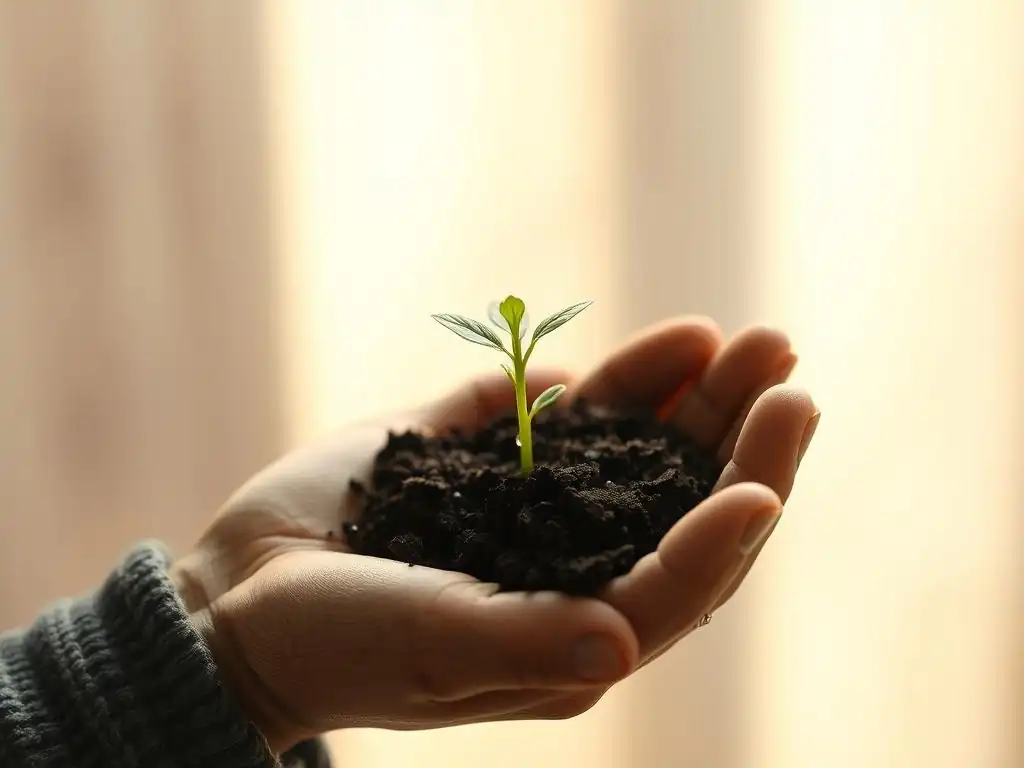
Gratitude's Impact on Emotional Regulation
Cultivating gratitude significantly enhances emotional regulation skills. By intentionally focusing on positive aspects of life, individuals learn to interrupt cycles of negative thinking and emotional reactivity. When faced with frustration or disappointment, shifting attention to something to be grateful for can help to reframe the situation, reducing the intensity of the negative emotion. This practice doesn't deny difficult feelings but provides a counterbalance, preventing them from becoming overwhelming.
Research suggests that people who regularly practice gratitude are better equipped to handle emotional challenges. Instead of getting stuck in anger or resentment, they can access feelings of appreciation, which helps to soothe the nervous system and promote a more balanced emotional state. This improved ability to navigate one's emotional landscape is a core reason why gratitude practices improve mental health outcomes.
How Gratitude Reduces Stress and Anxiety
One of the most significant benefits of gratitude practices is their proven ability to reduce stress and anxiety. When we are stressed or anxious, our bodies often enter a state of fight or flight, releasing stress hormones like cortisol. Focusing on gratitude activates the parasympathetic nervous system, which is responsible for the body's rest and digest state, counteracting the stress response. This physiological shift can lead to a reduction in physical symptoms of stress, such as muscle tension and rapid heart rate.
Beyond the physiological effects, gratitude helps reduce anxiety by shifting cognitive focus away from perceived threats and deficiencies. Anxiety often involves anticipating future problems or dwelling on past mistakes. Gratitude anchors the mind in the present, focusing on existing blessings rather than potential worries. Studies have shown that even simple acts like listing things you are grateful for daily can lead to a measurable decrease in reported stress levels over just a few weeks.
Enhancing Resilience Through Gratitude Practices
Resilience is the ability to bounce back from adversity, and gratitude is a powerful tool for building it. When faced with difficult circumstances, a grateful perspective helps individuals identify lessons learned, appreciate support received, and recognize their own inner strength. It encourages a view of challenges as opportunities for growth rather than insurmountable obstacles.
Individuals who regularly practice gratitude are often better able to cope with trauma and loss. Instead of being consumed by pain, they may find gratitude for the time they had with a loved one, the support system that helps them through, or the lessons the experience taught them about their own capacity. This perspective doesn't erase the pain but provides a framework for finding meaning and moving forward, significantly enhancing psychological resilience.
The Positive Effects of Gratitude on Relationships
Gratitude is inherently relational; it often involves appreciating others. Expressing gratitude strengthens social bonds and improves the quality of relationships. When we feel and express appreciation towards friends, family, or colleagues, it validates their worth and effort, fostering feelings of connection and mutual respect. Receiving gratitude also makes people feel valued and appreciated, encouraging them to continue their positive behaviors.
Furthermore, practicing gratitude within relationships helps shift focus from minor annoyances or conflicts to the positive contributions of others. This can reduce friction and increase overall relationship satisfaction. Research has shown that couples who regularly express gratitude towards each other report higher levels of relationship stability and happiness. Similarly, feeling grateful for one's social support network can enhance feelings of belonging and reduce loneliness, further contributing to improved mental health.
Practical Gratitude Practices to Enhance Mental Health
Gratitude Journaling: A Simple and Effective Technique
Gratitude journaling involves regularly writing down things you are grateful for. This practice encourages intentional reflection and helps solidify the recognition of positive aspects in your life. It can be done daily, a few times a week, or even weekly, depending on what feels sustainable. The act of physically writing or typing helps to process and reinforce the feelings of appreciation.
Research from studies like those by Emmons and McCullough often points to gratitude journaling as a particularly effective method. Participants who kept weekly gratitude journals for just ten weeks reported feeling more optimistic and positive about their lives, visiting doctors less often, and exercising more. It requires minimal time, often just 5-10 minutes, making it an accessible practice for most people.
Tips for Starting and Maintaining a Gratitude Journal
- Start Small: Don't feel pressured to write extensively. Even listing three to five things each time is beneficial.
- Be Specific: Instead of "I'm grateful for my family," try "I'm grateful for my sister calling me today to check in," or "I'm grateful for the way my child laughed at dinner." Specificity makes the feeling more real.
- Find a Routine: Try to journal at the same time each day or week, perhaps before bed or first thing in the morning, to make it a habit.
- Use a Dedicated Notebook or App: Having a specific place for your gratitude entries can make the practice feel more significant and easier to maintain.
- Don't Judge: There's no right or wrong thing to be grateful for. Allow yourself to appreciate simple things like a warm cup of tea or a sunny day.
Prompts for Your Gratitude Journal
Here are some ideas to get you started:
- What is one simple pleasure you enjoyed today?
- What person made your day better, and why?
- What skill or talent are you grateful to have?
- What challenge did you overcome recently, and what did you learn?
- What aspect of nature are you grateful for?
- What is one thing you are grateful for about your body?
- What opportunity are you grateful for?
- What is something someone did for you that you appreciate?
Gratitude Meditations: Cultivating Appreciation Through Mindfulness
Gratitude meditations combine the power of mindfulness with the focus on appreciation. These practices involve sitting quietly and intentionally bringing to mind things, people, or experiences for which you feel grateful, allowing yourself to fully experience the positive emotions that arise. This differs from journaling as it focuses on feeling the emotion in the present moment rather than just listing items.
Regular gratitude meditations can help cultivate a more pervasive sense of thankfulness throughout the day. By training the mind to notice and appreciate the good, you become more attuned to blessings even outside of formal practice. This mindful approach strengthens the neural pathways associated with positive emotions and helps manage stress responses.
Guided Gratitude Meditation Techniques
- Body Scan with Gratitude: As you mindfully scan your body, pause at each part and express gratitude for what it allows you to do (e.g., grateful for legs that carry you, hands that create, eyes that see).
- Focus on a Benefactor: Bring to mind someone who has helped or supported you. Silently or verbally express your gratitude to them, focusing on the specific actions they took and the positive impact they had.
- Gratitude for Simple Things: Sit quietly and bring to mind simple things you might take for granted – the air you breathe, the water you drink, the ground beneath you, the warmth of the sun. Allow yourself to feel genuine appreciation for these basic elements of life.
- Walking Gratitude Meditation: As you walk, mindfully notice things around you – the trees, the sky, the path, the sounds. For each observation, express silent gratitude.
Focusing on Gratitude for Specific Aspects of Your Life
Instead of a general list, you can dedicate meditations to specific areas:
- Gratitude for your health (even if imperfect)
- Gratitude for your home or shelter
- Gratitude for your work or studies
- Gratitude for friends and family
- Gratitude for specific experiences or memories
- Gratitude for challenges that taught you something
- Gratitude for your own strengths and qualities
Expressing Gratitude to Others: Strengthening Connections
While internal gratitude is powerful, expressing it outwardly amplifies its benefits, particularly for relationships. Letting others know you appreciate them not only makes them feel good but also reinforces your own feelings of gratitude. This can take many forms, from a simple verbal thank you to a more formal expression.
Expressing gratitude strengthens social support networks, which are vital for mental well-being. Knowing you have people who care about you and that you value them in return creates a sense of security and belonging. This reciprocal appreciation is a cornerstone of healthy relationships and contributes significantly to why gratitude practices improve mental health.
Writing Gratitude Letters: A Powerful Exercise
Writing a gratitude letter to someone you've never properly thanked is a profoundly impactful exercise. The process involves reflecting on the specific ways this person has positively impacted your life. Ideally, reading the letter aloud to the person has the most significant effect, but even writing it and sending it, or simply writing it for yourself, has benefits.
Research by Martin Seligman, a pioneer in positive psychology, demonstrated that participants who wrote and delivered a gratitude letter reported a significant boost in happiness that lasted for weeks. The process of writing forces detailed reflection on the positive actions of others, and the act of delivery strengthens the social bond and provides positive feedback to the recipient.
Showing Appreciation in Daily Interactions
Formal letters or meditations aren't the only way to practice gratitude. Integrating small acts of appreciation into daily life can have a cumulative positive effect:
- Say "thank you" sincerely and make eye contact.
- Acknowledge specific actions: "Thanks for taking out the trash, I really appreciate you doing that."
- Leave a positive note for a family member.
- Send a quick text to a friend letting them know you were thinking of them and appreciate their friendship.
- Offer help to someone else as a way of paying forward kindness you've received.
Gratitude Affirmations: Reinforcing Positive Thoughts
Gratitude affirmations are positive statements about gratitude that you repeat to yourself. The goal is to internalize a mindset of thankfulness and appreciation. By consciously focusing on these positive statements, you can counter negative self-talk and reinforce the habit of noticing the good. This technique is often used in conjunction with mindfulness or meditation practices.
Affirmations work by helping to reprogram the subconscious mind. While simply repeating words isn't a magical fix, consistently focusing your thoughts on gratitude through affirmations can help shift your perspective over time. It's about intentionally choosing thoughts that align with a grateful mindset.
Creating Personalized Gratitude Affirmations
Effective affirmations are personal, positive, and stated in the present tense.
- Start with phrases like "I am grateful for..." or "I appreciate..."
- Focus on feelings: "I feel deep gratitude for the simple joys in my life."
- Focus on being: "I am a person who naturally finds things to be grateful for."
- Include specific areas: "I am grateful for my health and energy today."
- Make them feel true to you, even if they represent an aspiration.
Examples:
- "I am grateful for this moment of peace."
- "I appreciate the kindness of others."
- "Every day, I find more things to be grateful for."
- "Gratitude flows easily into my life."
- "I am thankful for the lessons learned from challenges."
Using Affirmations to Shift Negative Thought Patterns
When you notice yourself engaging in negative self-talk or dwelling on problems, you can use gratitude affirmations as an interrupt. For example, if you catch yourself thinking, "Nothing ever goes right for me," you can consciously replace that thought with an affirmation like, "I am grateful for the many things that do go right, like [specific example]."
This isn't about denying difficulties but about choosing where to place your mental energy. Regularly practicing gratitude affirmations helps build a mental habit of looking for the positive, making it easier to shift out of negative spirals and reinforcing the idea that gratitude practices improve mental health by altering cognitive patterns.
Overcoming Obstacles to Practicing Gratitude
Dealing with Negative Emotions While Practicing Gratitude
It's important to acknowledge that practicing gratitude doesn't mean suppressing or ignoring negative emotions like sadness, anger, or grief. Trying to force gratitude when you are in deep pain can feel inauthentic and even harmful. The goal isn't to replace negative feelings but to complement them and provide balance.
When negative emotions are present, approach gratitude gently. Instead of trying to feel grateful for everything, start by acknowledging the difficulty and then look for even the smallest thing you might be able to appreciate. This could be the comfort of a blanket, a single kind word from someone, or simply the fact that you are still breathing. This process respects your current emotional state while still opening a small door to a different perspective.
Finding Gratitude in Difficult Circumstances
Finding things to be grateful for during hardship is perhaps the most challenging, yet potentially most transformative, aspect of this practice. In times of loss, illness, or crisis, the idea of gratitude can seem impossible or even insulting. However, it's precisely in these moments that a glimmer of gratitude can provide crucial support.
This isn't about being grateful for the hardship itself, but rather finding gratitude within or despite it. This might involve appreciating the support of loved ones during a difficult time, being grateful for lessons learned, recognizing your own resilience, or finding gratitude for small moments of beauty or peace that still exist amidst the pain. It's about acknowledging that even in darkness, tiny lights can still be found.
Maintaining a Consistent Gratitude Practice
Like any new habit, maintaining a consistent gratitude practice requires effort and intention. Life gets busy, and it's easy for practices like journaling or meditation to fall by the wayside. The key is to find methods that fit realistically into your life and to be flexible.
Don't aim for perfection. If you miss a day or a week, don't see it as a failure, simply start again. Try different practices – if journaling feels like a chore, try mindful moments or gratitude affirmations. Schedule your practice or tie it to an existing habit, like brushing your teeth or eating breakfast. Remind yourself why you are doing it – because gratitude practices improve mental health and overall well-being.
Integrating Gratitude into Your Daily Life
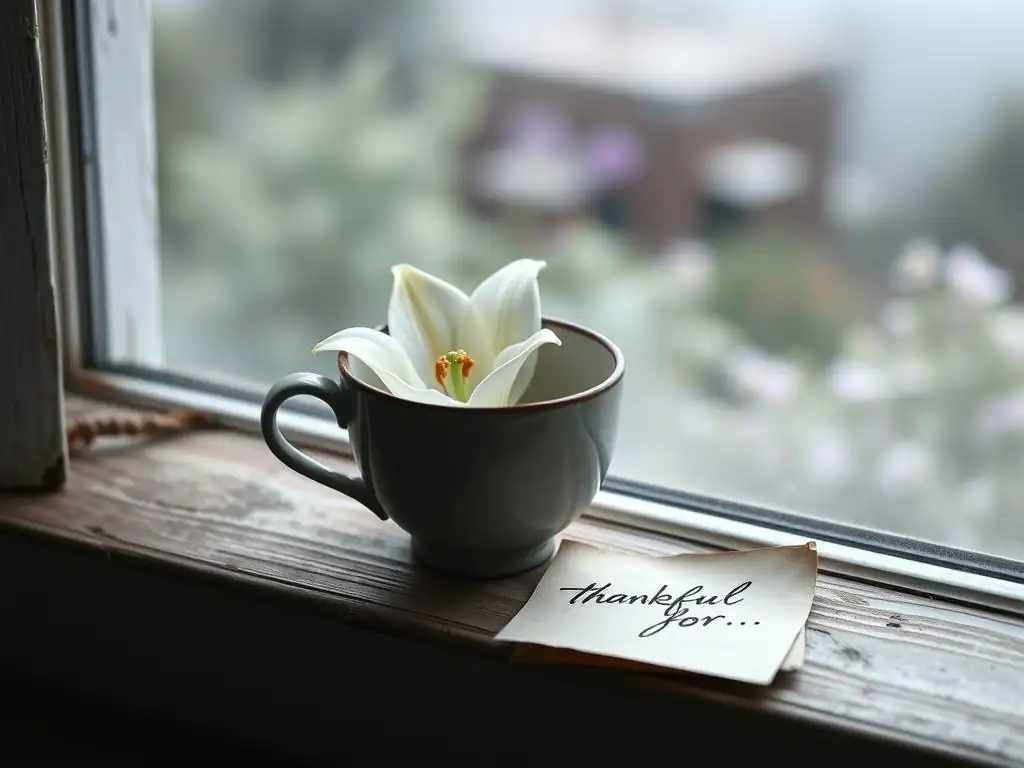
Creating a Gratitude Ritual
Establishing a specific ritual around gratitude can help solidify it as a consistent part of your day. This could be journaling first thing in the morning, practicing a gratitude meditation before bed, or sharing something you're grateful for with your family during dinner. A ritual provides a dedicated time and space for the practice, making it less likely to be skipped.
The ritual doesn't have to be elaborate. It could be as simple as taking three deep breaths and thinking of one thing you're grateful for before getting out of bed. The consistency is more important than the duration or complexity. Choose a time and activity that feels natural and sustainable for you.
Mindful Moments of Gratitude Throughout the Day
Beyond dedicated rituals, intentionally weaving mindful moments of gratitude throughout your day can significantly enhance its impact. This involves pausing briefly several times a day to notice something you can appreciate in that exact moment.
Examples include:
- Taking a moment to appreciate the taste of your coffee or tea.
- Looking out a window and being grateful for the view or the weather.
- Feeling grateful for a comfortable chair or a warm coat.
- Appreciating the efficiency of a tool you're using.
- Being thankful for a smooth commute or a moment of quiet.
These small, frequent moments train your brain to look for the good and reinforce the understanding that gratitude practices improve mental health by fostering a continuously positive orientation.
Using Gratitude to Improve Relationships
Actively using gratitude within your interactions can transform relationships. Make it a point to notice and verbally appreciate the small things others do. Thank a colleague for their help, compliment your partner on something specific you appreciate, or acknowledge a friend's support.
Consider making gratitude a topic of conversation. Ask family members what they are grateful for during dinner, or share something you appreciate about each person in your life. This not only strengthens bonds but also encourages others to think gratefully, creating a positive ripple effect.
Long-Term Benefits of Consistent Gratitude Practices
Sustained Improvements in Mental Well-being
Consistency is key to unlocking the profound, long-term benefits of gratitude. While initial practices might offer temporary boosts, sustained gratitude practices improve mental health over time, leading to more stable and lasting improvements. This includes reduced symptoms of depression and anxiety, as well as increased feelings of happiness and satisfaction with life.
Long-term practitioners often report a fundamental shift in their outlook. They become less focused on problems and more adept at noticing and appreciating the positive aspects of life, even amidst challenges. This sustained positive orientation acts as a powerful protective factor against mental health issues.
Increased Resilience and Emotional Stability
Regularly engaging in gratitude builds emotional muscle. Over months and years, the practice of finding gratitude within difficulties strengthens resilience, making individuals better equipped to navigate future stressors. They develop a greater capacity to tolerate discomfort, reframe challenges, and bounce back from setbacks.
This increased resilience contributes to greater emotional stability. Instead of being easily overwhelmed by negative events, long-term gratitude practitioners tend to maintain a more even keel, experiencing less intense emotional swings and a greater sense of inner peace.
A More Positive Outlook on Life
Ultimately, consistent gratitude practices cultivate a more positive outlook on life. This isn't about ignoring reality or pretending everything is perfect, but about developing a balanced perspective that acknowledges difficulties while simultaneously appreciating the good.
This positive outlook permeates various aspects of life – relationships, work, and personal growth. It fosters optimism, encourages proactivity, and enhances overall life satisfaction. The cumulative effect of regularly acknowledging blessings is a profound and lasting enhancement of mental and emotional well-being.
Conclusion: Embracing Gratitude for a Healthier Mind
The Importance of Continued Gratitude Practices
Embracing gratitude as a regular practice is a powerful and accessible way to significantly improve mental health. It shifts perspective, fosters positive emotions, builds resilience, and strengthens relationships. While initial efforts may feel forced, consistent practice, like any exercise, builds strength and becomes more natural over time. The benefits are not just fleeting moments of happiness but contribute to sustained well-being and a more fulfilling life.
Making gratitude a habit requires intention and perseverance, especially when facing difficulties. However, the evidence is clear: engaging in gratitude practices improve mental health in tangible ways, offering a pathway to greater emotional stability, reduced stress, and a more positive engagement with the world. It is a simple yet profound tool available to everyone, regardless of circumstances.
Resources for Further Exploration of Gratitude and Mental Health
- Books by researchers like Robert Emmons and Martin Seligman on gratitude and positive psychology.
- Mindfulness apps offering guided gratitude meditations.
- Websites and blogs dedicated to positive psychology and mental well-being practices.
- Workshops or courses on mindfulness and gratitude.
- Discussions with therapists or counselors who incorporate positive psychology techniques.
Frequently Asked Questions
What are some simple gratitude practices I can start doing today?
You can begin by keeping a gratitude journal, listing three things you're grateful for each day. Another easy practice is to express your appreciation verbally to someone. Finally, try a gratitude meditation focusing on positive aspects of your life.
How can gratitude practices improve my mental health?
Gratitude practices can reduce stress and anxiety by shifting your focus to positive emotions. They can also increase feelings of happiness and contentment, improving overall mental well-being. Consistent practice can lead to a more optimistic outlook on life.
Are there any specific mental health conditions that gratitude practices can help with?
While not a cure, gratitude practices can be beneficial for managing symptoms of depression and anxiety. They can also help with improving sleep quality and reducing feelings of loneliness. However, it is important to seek professional help for serious conditions.
How often should I engage in gratitude practices to see a noticeable difference?
Consistency is key. Aim for daily or at least several times a week to experience positive effects. Even short bursts of gratitude can make a difference in your emotional state over time. Be patient and allow time for the practice to impact you.
What if I find it difficult to feel grateful when I'm struggling with my mental health?
Start small and focus on simple things you might usually overlook. Try to reframe negative situations and look for potential positives. Remember that gratitude is a practice, not a requirement for perfect happiness.
Final Reflection: Cultivating Gratitude, Harvesting Well-being
The mindful practice of gratitude isn't just a feel-good trend; it's a powerful tool for navigating the complexities of modern life and significantly improving mental health. In a world often characterized by relentless striving and a constant pursuit of "more," cultivating gratitude offers a potent antidote, shifting our focus from what's lacking to what we already possess, fostering resilience and enhancing overall well-being. This simple yet profound shift in perspective can have a ripple effect, impacting not only our emotional state but also our relationships and our approach to challenges.
The exploration of gratitude's impact on mental health has profoundly shaped my understanding of emotional regulation and resilience. It's not merely about feeling happy; it's about cultivating a deeper appreciation for the richness of life, even amidst difficulties. This resonates deeply with me personally, as I've witnessed firsthand the transformative power of consciously practicing gratitude in managing stress and fostering a more positive outlook. Gratitude unlocks the fullness of life. It turns what we have into enough, and more. It turns denial into acceptance, chaos to order, confusion to clarity.
– Melody Beattie. This quote perfectly encapsulates the essence of gratitude's transformative power.
Now, I invite you to consider how you can integrate the practice of gratitude into your daily life. Start small – perhaps by keeping a gratitude journal, expressing appreciation to someone you care about, or simply taking a moment each day to reflect on the positive aspects of your experience. Don't underestimate the power of this seemingly simple act; it's a journey of self-discovery and emotional growth, leading to a more fulfilling and meaningful life. Embrace the opportunity to cultivate gratitude, and watch as it transforms your perspective and enhances your overall well-being.
Unlock Your Inner Gratitude: Start Cultivating Joy Today!
Thank you for taking the time to explore the power of gratitude! We hope this article helped you understand how a mindful practice can shift your emotional landscape. Now, let's put that knowledge into action.
- Start a Gratitude Journal: Write down three things you're grateful for each day. This simple act can profoundly impact your perspective. This is the most powerful step you can take right now.
- Share the Joy: Tell someone you appreciate them! A simple "thank you" can brighten both your day and theirs.
- Explore a Gratitude Meditation: Find a guided meditation online focusing on gratitude; it's a surprisingly effective way to deepen your practice.
What small act of gratitude will you embrace today to cultivate more joy in your life?