
Your Journey to Calm Starts Here: Practical Stress Management Tips

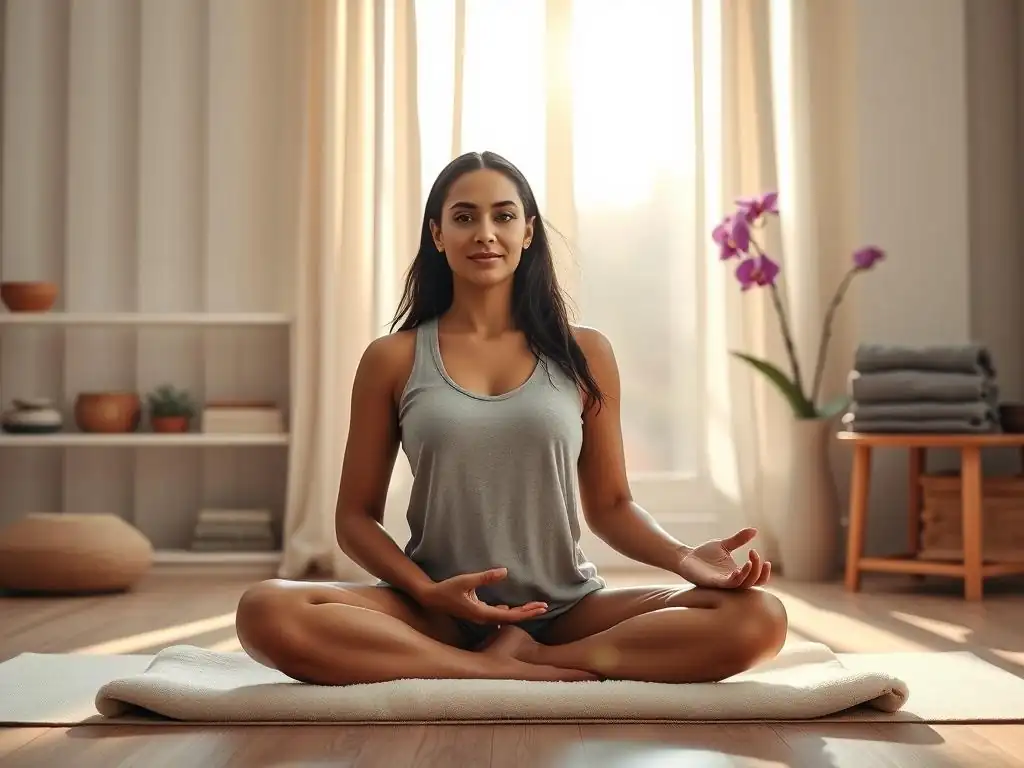
Welcome to Mind Care Guide, a sanctuary dedicated to nurturing your mental well-being. Feeling overwhelmed by anxiety? You're not alone. Dive into our comprehensive guide to uncover practical stress management techniques for anxiety and begin crafting a calmer, more centered you. Ready to discover simple steps that can make a profound difference? Let's explore together.
Your Journey to Calm Starts Here: Practical Stress Management Tips
- Understanding Stress and Anxiety: A Foundation for Effective Management
- Practical Stress Management Techniques for Anxiety Relief
- Lifestyle Adjustments for Long-Term Stress Reduction
- Cognitive Techniques for Managing Anxious Thoughts
- Seeking Professional Support for Stress and Anxiety
- Creating a Personalized Stress Management Plan
- Resources for Further Support and Information on Stress Management Techniques
-
Frequently Asked Questions
- What is the most effective stress management technique for anxiety?
- How can I incorporate stress management into my daily routine?
- Are there any quick stress relief methods I can use in moments of panic?
- When should I seek professional help for stress and anxiety?
- What are some common misconceptions about stress management?
- Final Reflection: Cultivating Inner Peace in a Turbulent World
- Unlock Your Inner Calm: Start Practicing Today!
Understanding Stress and Anxiety: A Foundation for Effective Management
Defining Stress and Anxiety: Recognizing the Difference
Stress is often a response to an external cause, such as a challenging project at work or a difficult conversation. It's typically short-term and resolves once the stressor is removed. Think of it as your body's natural "fight or flight" response designed to help you cope with perceived threats. While some stress can be motivating, chronic stress occurs when these stressors are persistent, leading to a prolonged state of activation in the nervous system. This can have significant negative impacts on your health and well-being.
Anxiety, on the other hand, is often characterized by persistent, excessive worries that may not have a specific external trigger. It's a future-oriented emotion, marked by feelings of apprehension, nervousness, and unease about what might happen. While stress can lead to anxiety, anxiety can also exist independently of current stressors. Understanding this distinction is crucial because while some stress management techniques can help with both, anxiety often requires more targeted strategies, including specific stress management techniques for anxiety.
The Impact of Unmanaged Stress on Mental and Physical Health
Chronic, unmanaged stress can wreak havoc on both your mind and body. Mentally, it can manifest as irritability, fatigue, difficulty concentrating, increased worry, and even contribute to or worsen conditions like depression and anxiety disorders. A study published in the Journal of the American Medical Association found that individuals experiencing high levels of chronic stress were significantly more likely to develop anxiety or depression over time. The constant state of alert depletes mental resources and makes it harder to cope with daily challenges.
Physically, the effects are equally concerning. Prolonged exposure to stress hormones like cortisol can suppress the immune system, making you more susceptible to illness. It can also contribute to digestive problems, headaches, muscle tension, and even increase the risk of serious conditions like heart disease and stroke. For instance, research suggests chronic stress can elevate blood pressure and cholesterol levels. Learning effective stress management techniques for anxiety and general stress is not just about feeling better mentally; it's vital for protecting your long-term physical health.
Identifying Your Personal Stressors: A Key Step to Stress Reduction
Becoming aware of what triggers your stress is the foundational step in managing it effectively. Stressors can be obvious, like a demanding job or financial worries, but they can also be subtle, such as a cluttered living space, a difficult relationship dynamic, or even internal factors like perfectionism or a fear of failure. Keeping a stress journal for a week or two can be incredibly insightful. Note down when you feel stressed, what was happening, who you were with, and how you reacted. Look for patterns that emerge.
Recognizing your personal stressors allows you to take targeted action. For example, if your journal reveals that your commute consistently elevates your stress levels, you might explore options like adjusting your work hours, carpooling, or listening to calming podcasts during the drive. If interactions with a specific person are a frequent stressor, you might need to set firmer boundaries or change how you communicate with them. Pinpointing these triggers is the first practical application of stress management techniques for anxiety and overall well-being.
Practical Stress Management Techniques for Anxiety Relief
Mindfulness Meditation for Anxiety: Cultivating Present Moment Awareness
Mindfulness meditation is a powerful stress management technique for anxiety that involves focusing your attention on the present moment without judgment. This means observing your thoughts, feelings, bodily sensations, and the environment around you as they are, without getting caught up in worries about the past or future. Regular practice helps to train your mind to resist the pull of anxious rumination, allowing you to create space between yourself and your thoughts. Even a few minutes daily can begin to shift your relationship with stress.
The goal isn't to empty your mind, but rather to become aware of your thoughts and feelings as temporary events, like clouds passing in the sky. This practice can significantly reduce the physiological symptoms of anxiety, such as rapid heart rate and shallow breathing. Studies have shown that consistent mindfulness meditation can lead to measurable changes in the brain, specifically in areas related to stress and anxiety regulation. It's one of the most widely recommended stress management techniques for anxiety disorders and general stress reduction.
Guided Meditation Exercises for Stress Reduction
For beginners, guided meditation can be an excellent starting point. These exercises involve listening to an instructor who guides you through the process, often focusing on breath awareness, body scans, or loving-kindness. There are countless free recordings available online or through apps. A typical guided session might involve finding a comfortable position, closing your eyes, and being led to focus on your breath entering and leaving your body. The guide gently prompts you to notice distractions and return your focus to the present moment.
- Find a quiet place where you won't be disturbed.
- Sit or lie down comfortably.
- Listen to the guide's voice, allowing them to direct your attention.
- Don't worry about doing it "right"; the practice is simply about showing up and trying.
The Benefits of Daily Mindfulness Practice
Committing to a daily mindfulness practice, even for just 5-10 minutes, can yield significant long-term benefits. Beyond immediate stress reduction, regular practice enhances self-awareness, improves focus and concentration, and fosters a greater sense of calm and emotional regulation. It helps you to respond to stressors more thoughtfully rather than reacting impulsively. Over time, you may notice a reduction in the frequency and intensity of anxious thoughts. Integrating mindfulness into your daily routine is a fundamental aspect of effective stress management techniques for anxiety.
Breathing Exercises for Anxiety: Instant Calm in Moments of Panic
When anxiety or stress hits, your breathing often becomes shallow and rapid, which can exacerbate feelings of panic. Breathing exercises are immediate, portable stress management techniques for anxiety that can help regulate your nervous system and induce a sense of calm quickly. By consciously slowing down and deepening your breath, you signal to your brain that you are safe, interrupting the "fight or flight" response. These techniques can be used anywhere, anytime you feel overwhelmed.
Practicing controlled breathing regularly, even when you're not feeling stressed, builds your capacity to use it effectively during moments of high anxiety. It's not just about taking a deep breath; it's about engaging specific parts of your respiratory system to maximize relaxation. Mastering just one or two simple breathing patterns can provide a reliable tool in your stress management toolkit. These are some of the most accessible stress management techniques for anxiety relief available.
Diaphragmatic Breathing: A Simple Technique
Diaphragmatic breathing, also known as belly breathing, involves engaging your diaphragm, a large muscle located at the base of your lungs. This allows for deeper, more efficient breaths. To practice, find a comfortable seated or lying position. Place one hand on your chest and the other on your belly, just below your rib cage. Inhale slowly through your nose, feeling your belly rise while your chest remains relatively still. Exhale slowly through pursed lips, gently pressing on your belly to help expel the air.
- Inhale slowly through your nose for a count of four.
- Feel your belly expand.
- Exhale slowly through pursed lips for a count of six or longer.
- Repeat for several minutes, focusing on the sensation of your breath.
Box Breathing: Regulating Your Nervous System
Box breathing is a technique used by many professionals, including athletes and first responders, to calm the nervous system under pressure. It involves inhaling, holding, exhaling, and holding your breath, all for the same count, creating a "box" pattern. This rhythmic process helps to regulate your breath and heart rate. To practice, sit comfortably. Exhale completely to empty your lungs. Then, inhale slowly through your nose for a count of four. Hold your breath for a count of four. Exhale slowly through your mouth for a count of four. Hold your breath again for a count of four.
- Exhale completely.
- Inhale for a count of 4.
- Hold for a count of 4.
- Exhale for a count of 4.
- Hold for a count of 4.
- Repeat the cycle for several minutes.
Progressive Muscle Relaxation (PMR): Releasing Physical Tension
Anxiety often manifests as physical tension – clenched jaws, tight shoulders, furrowed brows. Progressive Muscle Relaxation (PMR) is a technique that involves systematically tensing and then releasing different muscle groups in the body. By focusing on the contrast between tension and relaxation, you become more aware of where you hold stress and learn how to consciously release it. This practice can be particularly effective as a stress management technique for anxiety that involves physical symptoms.
Regular PMR practice can help reduce general muscle tension, improve sleep quality, and lower overall stress levels. It's a practical tool you can use at the end of a long day or during moments of heightened anxiety. The process typically starts with your feet and moves upwards through your body, or vice versa. Dedicate a few seconds to tensing each muscle group tightly, then release completely, noticing the feeling of looseness and warmth that follows.
PMR Techniques for Anxiety and Stress
To practice PMR, find a quiet place where you can sit or lie down comfortably without interruption. Close your eyes if you wish. Begin by focusing on your feet. Curl your toes tightly for about 5-10 seconds, then release completely, noticing the tension draining away. Rest for 15-20 seconds, focusing on the relaxed feeling. Move up to your calves, tensing them, then releasing. Continue this process through your thighs, glutes, abdomen, back, hands, arms, shoulders, neck, and face.
- Find a comfortable position.
- Start with your feet (or hands).
- Tense the muscle group for 5-10 seconds.
- Release the tension completely for 15-20 seconds, focusing on the feeling of relaxation.
- Move systematically through the body's muscle groups.
Integrating PMR into Your Daily Routine
Incorporating PMR into your daily routine can significantly enhance its benefits as a stress management technique for anxiety. You might practice it before bed to unwind and prepare for sleep, during a work break to release accumulated tension, or whenever you notice physical signs of stress building up. Even a shortened version, focusing on key tension areas like shoulders and neck, can be helpful. Consistency is key to making PMR an effective tool for long-term stress reduction.
Physical Activity and Stress Reduction: Harnessing the Power of Movement
Exercise is a powerful antidote to stress and anxiety. When you engage in physical activity, your body releases endorphins, natural mood boosters that have analgesic and calming effects. Exercise also helps to reduce the levels of stress hormones like cortisol and adrenaline. Beyond the chemical benefits, physical activity provides a healthy distraction from worries, improves sleep, and boosts self-esteem, all of which contribute to better mental well-being. It's a fundamental component of effective stress management techniques for anxiety.
Finding an activity you enjoy is crucial for sustainability. It doesn't have to be intense; even moderate activity like brisk walking or gardening can make a significant difference. Aim for consistency rather than intensity. Regular movement helps your body process stress more effectively and builds resilience against future stressors. It's a proactive step in managing your mental health.
The Best Exercises for Managing Anxiety
While almost any form of physical activity can help reduce stress, some are particularly beneficial for anxiety. Aerobic exercises like running, swimming, cycling, or dancing elevate your heart rate and promote the release of endorphins. Mind-body practices such as yoga and Tai Chi combine gentle movement with breathwork and mindfulness, offering a holistic approach to stress reduction. Strength training can also be effective, as it builds physical strength and confidence. The "best" exercise is ultimately the one you will do consistently.
- Aerobic exercise (running, swimming, cycling)
- Mind-body practices (yoga, Tai Chi)
- Strength training
- Walking in nature
Creating a Sustainable Exercise Routine
Building a sustainable exercise routine requires finding activities you genuinely enjoy and making them a regular part of your schedule. Start small if you're new to exercise – perhaps just 15-20 minutes a few times a week. Schedule your workouts like any other important appointment. Find an exercise buddy for motivation or join a class. Track your progress to stay motivated. Don't view exercise as a chore, but rather as an investment in your mental and physical health. Consistency is more important than intensity when using exercise as one of your stress management techniques for anxiety.
Lifestyle Adjustments for Long-Term Stress Reduction
Prioritizing Sleep for Optimal Mental Health
Sleep is not a luxury; it's a fundamental necessity for mental and physical health. Chronic sleep deprivation significantly impairs your ability to cope with stress and can exacerbate anxiety symptoms. During sleep, your brain processes emotions, consolidates memories, and performs crucial restorative functions. Aiming for 7-9 hours of quality sleep per night is one of the most impactful lifestyle adjustments you can make for long-term stress reduction and effective stress management techniques for anxiety.
Lack of sleep increases cortisol levels, making you more reactive to stressors. It also negatively impacts cognitive functions like problem-solving and emotional regulation, making it harder to navigate challenging situations. Prioritizing sleep means making it a non-negotiable part of your routine, just like eating or drinking water. It's a powerful, passive stress management technique that supports all others.
Creating a Relaxing Bedtime Routine
Establishing a consistent bedtime routine signals to your body that it's time to wind down. This helps regulate your internal body clock, making it easier to fall asleep and stay asleep. About an hour before bed, start preparing for sleep. Avoid screens (phones, tablets, TVs) as the blue light can interfere with melatonin production. Instead, try calming activities like reading a book, taking a warm bath, listening to quiet music, or doing some gentle stretching or mindfulness meditation.
- Turn off electronic devices at least an hour before bed.
- Engage in calming activities (reading, bath, quiet music).
- Keep your bedroom dark, quiet, and cool.
- Go to bed and wake up around the same time each day, even on weekends.
Addressing Sleep Disturbances Related to Anxiety
Anxiety and sleep problems often go hand-in-hand. Worries can keep you awake, and lack of sleep can increase anxiety the next day, creating a vicious cycle. If anxiety is significantly impacting your sleep, incorporating stress management techniques for anxiety before bed can be helpful. This might include a short mindfulness practice, gentle breathing exercises, or journaling about your worries to get them out of your head. If sleep problems persist, it's important to talk to a healthcare professional.
Nutrition and Stress: Fueling Your Body for Resilience
What you eat can significantly impact your mood and energy levels, influencing your ability to manage stress. A balanced diet rich in whole foods provides the nutrients your brain needs to function optimally and regulate stress hormones. Conversely, a diet high in processed foods, sugar, and unhealthy fats can lead to energy crashes, mood swings, and inflammation, making you more vulnerable to the effects of stress and anxiety. Nutrition is a foundational element of holistic stress management techniques for anxiety.
Focusing on nutrient-dense foods supports overall resilience. Think of your body like a high-performance vehicle; it runs best on quality fuel. Making conscious food choices is an active way to support your mental well-being and enhance the effectiveness of other stress management techniques. It's not about strict dieting, but about making mindful choices most of the time.
Foods to Avoid That Exacerbate Anxiety
Certain foods and substances can actually increase feelings of anxiety and stress. Caffeine is a major culprit, as it's a stimulant that can trigger a "fight or flight" response in sensitive individuals, leading to jitters and increased heart rate. High sugar intake can cause blood sugar spikes and crashes, leading to irritability and fatigue. Excessive alcohol use can disrupt sleep and worsen anxiety symptoms after the initial calming effect wears off. Processed foods and refined carbohydrates can also contribute to mood instability.
- Excessive caffeine
- High sugar foods and drinks
- Excessive alcohol
- Highly processed foods
Foods That Promote Calm and Well-being
Incorporating certain foods into your diet can help promote a sense of calm and support your body's stress response. Foods rich in omega-3 fatty acids, like fatty fish (salmon, mackerel), walnuts, and flaxseeds, are linked to lower rates of anxiety and depression. Complex carbohydrates (whole grains, vegetables) provide steady energy and help regulate serotonin levels. Foods high in magnesium (leafy greens, nuts, seeds) are known for their calming properties. Probiotic-rich foods (yogurt, kimchi) support gut health, which is increasingly linked to mental well-being.
- Omega-3 rich foods (fatty fish, walnuts, flaxseeds)
- Complex carbohydrates (whole grains, vegetables)
- Magnesium-rich foods (leafy greens, nuts, seeds)
- Probiotic-rich foods (yogurt, kimchi)
Time Management Strategies for Reducing Overwhelm
Feeling overwhelmed by too many tasks and commitments is a significant source of stress and anxiety for many people. Effective time management isn't about fitting more into your day, but about organizing your tasks, setting realistic expectations, and regaining a sense of control over your schedule. Poor time management can lead to procrastination, rushed work, missed deadlines, and a constant feeling of being behind, all of which fuel anxiety.
Implementing simple time management techniques can significantly reduce the feeling of being swamped. This frees up mental energy that was previously consumed by worry about deadlines and unfinished tasks, allowing you to focus on more positive aspects of your life and effectively utilize other stress management techniques for anxiety. It's about working smarter, not just harder.
Prioritization Techniques: Focusing on What Matters Most
Learning to prioritize is essential for managing your workload and reducing stress. Start by making a list of all your tasks. Then, use a system to rank them by importance and urgency. The Eisenhower Matrix, for example, divides tasks into four categories: urgent and important (do now), important but not urgent (schedule), urgent but not important (delegate), and neither urgent nor important (delete). Focusing on important tasks first ensures that crucial work gets done and prevents things from becoming urgent crises later.
- Create a comprehensive task list.
- Use a prioritization system (e.g., Eisenhower Matrix).
- Break down large tasks into smaller, manageable steps.
- Focus on completing important tasks before they become urgent.
Saying "No" and Setting Boundaries
One of the most powerful, yet often challenging, time management techniques for anxiety is learning to say "no." Overcommitting yourself is a direct path to overwhelm and stress. It's okay, and necessary, to decline requests or invitations that you genuinely do not have the time or energy for. Setting clear boundaries around your time and energy protects your well-being and allows you to dedicate sufficient attention to your priorities.
Setting boundaries also involves managing interruptions, limiting time spent on non-essential activities (like excessive social media scrolling), and defining work hours if you work from home. Clearly communicating your availability and limitations to others helps manage their expectations and reduces potential conflicts. Saying "no" to others is often saying "yes" to yourself and your peace of mind, which is a core aspect of effective stress management techniques for anxiety.
Cognitive Techniques for Managing Anxious Thoughts
Identifying and Challenging Negative Thought Patterns
Anxiety is often fueled by negative and irrational thought patterns. These might include catastrophizing (assuming the worst-case scenario), black-and-white thinking (seeing things as all good or all bad), or mind-reading (assuming you know what others are thinking, usually negatively). Becoming aware of these patterns is the first step in managing them. Often, anxious thoughts are not based on reality but are distorted interpretations of situations.
Learning to identify these cognitive distortions allows you to question their validity. Are these thoughts based on facts, or are they assumptions and fears? Challenging negative thoughts doesn't mean ignoring potential problems, but rather evaluating your thoughts realistically and replacing irrational ones with more balanced and helpful perspectives. This is a cornerstone of cognitive stress management techniques for anxiety.
Cognitive Restructuring: Reframing Anxious Thoughts
Cognitive restructuring is a specific technique used to challenge and change negative thought patterns. It involves a structured process:
- Identify the stressful situation.
- Identify the automatic negative thoughts that arose in that situation.
- Identify the emotions and physical sensations associated with those thoughts.
- Evaluate the evidence for and against the thought.
- Develop a more balanced or realistic thought.
For example, if your automatic thought is "I'm going to fail this presentation and everyone will think I'm incompetent," the evidence against might include past successes, thorough preparation, and the fact that everyone makes mistakes. A more balanced thought could be: "I am well-prepared, and even if I feel nervous, I can deliver the presentation effectively. My worth isn't determined by this one event." Practicing this reframing weakens the power of anxious thoughts over time.
Journaling for Emotional Processing and Stress Relief
Journaling is a simple yet powerful tool for emotional processing and stress relief. Writing down your thoughts and feelings can help you externalize them, gain perspective, and identify recurring patterns. It's like having a conversation with yourself. You can use journaling to explore the roots of your anxiety, track your mood, record your successes, or simply vent frustrations.
- Write about what's making you feel stressed or anxious.
- Explore the thoughts and emotions associated with these feelings.
- Challenge negative thoughts by writing down evidence for and against them.
- Write about things you are grateful for to shift your focus.
Acceptance and Commitment Therapy (ACT) for Anxiety: Embracing Difficult Emotions
Acceptance and Commitment Therapy (ACT) is a therapeutic approach that emphasizes accepting difficult emotions and thoughts rather than fighting them, while committing to actions aligned with your values. Unlike some traditional stress management techniques for anxiety that focus on eliminating negative feelings, ACT teaches you to coexist with anxiety while still living a meaningful life. It recognizes that trying to control or suppress anxiety can often make it worse.
ACT encourages psychological flexibility – the ability to be present with difficult thoughts and feelings and still choose behaviors that move you towards your goals. It's about acknowledging anxiety ("Okay, I'm feeling anxious right now") without letting it dictate your actions. This shift in perspective can significantly reduce the struggle associated with anxiety, making it feel less overwhelming.
ACT Principles for Stress Management
Key principles of ACT include:
- Acceptance: Allowing unpleasant thoughts and feelings to be present without trying to change or avoid them.
- Cognitive Defusion: Learning to observe thoughts as just thoughts, not necessarily facts.
- Being Present: Connecting with the present moment with openness and curiosity.
- Self-as-Context: Understanding your sense of self as separate from your thoughts and feelings.
- Values: Clarifying what truly matters to you in life.
- Committed Action: Taking action guided by your values, even in the presence of difficult feelings.
These principles provide a framework for responding to stress and anxiety in a way that fosters resilience and promotes living a full life. It's about navigating the waves of anxiety rather than trying to stop them from coming.
Finding Meaning and Purpose in the Face of Anxiety
A core component of ACT and a powerful stress management technique for anxiety is connecting with your values and committing to actions that align with them. Even when you feel anxious, focusing on what is truly important to you can provide motivation and direction. This might involve pursuing a passion, nurturing relationships, contributing to your community, or focusing on personal growth.
Identifying your values helps you decide how to spend your energy. When you are acting in alignment with your values, you often experience a greater sense of purpose and fulfillment, which can buffer against the negative effects of stress and anxiety. It's about living a rich and meaningful life, even when anxiety is present.
Seeking Professional Support for Stress and Anxiety
Sometimes, despite implementing various stress management techniques for anxiety, the feelings can remain overwhelming and significantly impact your daily life. This is a sign that professional support might be beneficial. Seeking help from a therapist or counselor is a sign of strength, not weakness. Mental health professionals are trained to provide tailored strategies and support for managing complex stress and anxiety issues.
They can help you explore the underlying causes of your stress, teach you advanced coping mechanisms, and provide a safe space to process difficult emotions. Don't hesitate to reach out if your anxiety is interfering with your work, relationships, sleep, or overall quality of life. You don't have to manage intense stress and anxiety alone.
When to Consider Therapy or Counseling
Consider seeking professional help if:
- Your stress or anxiety feels uncontrollable or overwhelming.
- Your worries interfere with your daily activities, work, or social life.
- You experience physical symptoms of stress (headaches, digestive issues) that don't improve with self-care.
- You are using unhealthy coping mechanisms (e.g., excessive alcohol, substance use) to manage stress.
- Your anxiety has persisted for a long time and isn't responding to self-help strategies.
- You are experiencing panic attacks.
A mental health professional can assess your situation, potentially diagnose an anxiety disorder if present, and recommend the most appropriate course of treatment, which may include specific stress management techniques for anxiety disorders.
Types of Therapy Effective for Anxiety Disorders
Several types of therapy have been proven effective in treating anxiety disorders and teaching stress management techniques for anxiety. Cognitive Behavioral Therapy (CBT) is widely used and focuses on identifying and changing negative thought patterns and behaviors that contribute to anxiety. Exposure Therapy, often used within a CBT framework, involves gradually exposing yourself to feared situations in a safe environment to reduce avoidance behaviors.
Acceptance and Commitment Therapy (ACT), as discussed earlier, helps you accept difficult feelings and commit to value-driven actions. Dialectical Behavior Therapy (DBT) can also be helpful, particularly for individuals who experience intense emotions and difficulties with emotional regulation. A therapist can help you determine which approach is best suited to your specific needs and symptoms.
Finding the Right Mental Health Professional: A Guide
Finding a therapist you connect with is important for successful therapy. You can start by asking your primary care doctor for a referral, contacting your insurance provider for a list of in-network therapists, or searching online directories. Look for licensed professionals (e.g., licensed counselors, clinical social workers, psychologists, psychiatrists) with experience in treating anxiety and stress.
Don't be afraid to ask questions during an initial consultation about their approach, fees, and availability. It's okay to meet with a few different therapists before deciding who feels like the best fit for you. Building a trusting therapeutic relationship is key to making progress in using professional support as part of your stress management techniques for anxiety.
Creating a Personalized Stress Management Plan
Managing stress and anxiety is not a one-size-fits-all endeavor. What works for one person may not work for another. The most effective approach is to create a personalized stress management plan that incorporates a variety of techniques tailored to your specific stressors, symptoms, and preferences. This plan should be flexible and adaptable, evolving as your needs change. It's an active process of self-discovery and self-care.
Developing a personalized plan helps you be proactive rather than reactive to stress. It provides a roadmap for navigating challenging times and reinforces healthy habits that support your mental well-being. Think of it as your personal toolkit for building resilience and calm using specific stress management techniques for anxiety.
Assessing Your Current Stress Levels and Coping Mechanisms
Before creating a plan, take time to honestly assess your current situation. Use the stress journal you started earlier to understand your triggers. How high are your stress levels on a typical day? What physical and mental symptoms are you experiencing? What coping mechanisms are you currently using, and are they healthy or unhelpful? Be specific. For example, instead of saying "I feel stressed," note "I feel stressed every morning before work, my stomach hurts, and I cope by scrolling on my phone."
This assessment provides a baseline and helps you identify areas where you need the most support. Understanding your current coping patterns, both positive and negative, is crucial for developing more effective strategies. This self-awareness is the starting point for selecting the most relevant stress management techniques for anxiety.
Setting Realistic Goals for Stress Reduction
Once you understand your current situation, set realistic and achievable goals for your stress management plan. Instead of a vague goal like "reduce stress," aim for something specific and measurable, such as "practice diaphragmatic breathing for 5 minutes daily," "walk for 20 minutes three times a week," or "journal about my worries for 10 minutes every evening." Break down larger goals into smaller steps.
Set goals that are manageable and fit into your current lifestyle. Trying to implement too many drastic changes at once can be overwhelming and counterproductive. Celebrate small victories along the way. Setting realistic goals makes your stress management techniques for anxiety feel accessible and sustainable.
Monitoring Your Progress and Adjusting Your Plan as Needed
A personalized stress management plan is not static; it's a living document. Regularly monitor your progress and how different techniques are working for you. Are your breathing exercises helping during moments of panic? Is your new bedtime routine improving your sleep? Your stress journal can be useful here, too, to track changes in your stress levels and symptoms.
Be prepared to adjust your plan as needed. If a particular technique isn't resonating with you, try another. If new stressors arise, incorporate strategies to address them. Life is dynamic, and your plan should be too. This ongoing process of evaluation and adjustment ensures that your stress management techniques for anxiety remain effective over time.
Resources for Further Support and Information on Stress Management Techniques
Learning about and practicing stress management techniques for anxiety is an ongoing journey. Fortunately, there are many resources available to support you. Accessing reliable information, connecting with others, and utilizing helpful tools can significantly enhance your ability to manage stress and improve your mental well-being. Don't hesitate to explore these avenues as you build your resilience.
Finding the right resources can provide motivation, new ideas, and a sense of community. Whether you prefer reading, listening, using technology, or connecting with people, there are options available to suit different learning styles and preferences. These resources can complement the techniques you are already practicing.
Books, Websites, and Apps for Mental Well-being
There is a wealth of information available in books, on reputable websites, and through mental wellness apps. Look for resources authored by mental health professionals or associated with recognized health organizations. Many apps offer guided meditations, breathing exercises, mood tracking features, and educational content on stress management techniques for anxiety. Books can provide in-depth exploration of specific topics or techniques.
- Reputable mental health websites (e.g., those associated with universities, government health organizations, or established non-profits).
- Books on mindfulness, CBT, ACT, and general stress reduction.
- Meditation and mindfulness apps.
- Mood tracking or journaling apps.
Support Groups and Communities for Anxiety and Stress
Connecting with others who understand what you're going through can be incredibly validating and supportive. Support groups, whether in-person or online, provide a space to share experiences, learn from others' coping strategies, and feel less alone in your struggles with stress and anxiety. Many organizations dedicated to mental health offer support group programs.
Engaging with a community can offer practical advice, emotional encouragement, and a sense of belonging. Hearing how others have successfully implemented stress management techniques for anxiety can be inspiring and provide new perspectives. Look for groups facilitated by trained professionals or those associated with established mental health organizations.
Frequently Asked Questions
What is the most effective stress management technique for anxiety?
There isn't one single most effective technique. However, many find mindfulness meditation and deep breathing exercises particularly helpful for reducing anxiety-related stress. It's about finding what works best for you.
How can I incorporate stress management into my daily routine?
Start small! Even 10-15 minutes of daily practice can make a difference. Try scheduling short meditation sessions, regular exercise, or time for enjoyable hobbies to build stress resilience.
Are there any quick stress relief methods I can use in moments of panic?
Yes! Grounding techniques, like focusing on your five senses, and controlled breathing exercises can provide immediate relief during panic attacks. Remember to practice these regularly for optimal effectiveness.
When should I seek professional help for stress and anxiety?
If stress and anxiety are significantly impacting your daily life, relationships, or work, it's time to consult a professional. Therapy and/or medication can be incredibly beneficial in managing these conditions.
What are some common misconceptions about stress management?
A common misconception is that stress management is about eliminating stress entirely. It's actually about developing coping mechanisms to manage stress effectively and improve your overall well-being.
Final Reflection: Cultivating Inner Peace in a Turbulent World
The relentless pace of modern life leaves many feeling overwhelmed, and the search for effective stress management techniques for anxiety is more critical than ever. The strategies outlined in this article – from mindful breathing exercises to prioritizing self-care – are not merely fleeting trends; they are essential tools for navigating the complexities of the 21st century and building resilience against the pressures we face daily. Ignoring these tools is akin to ignoring the warning signs of a storm; proactive self-care is the best defense against the damaging effects of chronic stress.
The impact of stress on our mental and physical well-being is undeniable, permeating every aspect of our lives, from our relationships to our productivity. It's a pervasive societal issue, influencing everything from healthcare costs to workplace efficiency. As the great philosopher Seneca once wrote, Every new beginning comes from some other beginning's end.
This applies perfectly to stress management; ending the cycle of stress requires a conscious commitment to new, healthier habits. The journey to calm isn't a destination, but a continuous process of learning, adapting, and prioritizing our mental and emotional health.
You now hold the key to unlocking a calmer, more fulfilling life. Don't let the weight of stress dictate your experience. Start small, choose one technique from this article that resonates with you, and integrate it into your daily routine. Observe the subtle shifts in your mood, your energy levels, and your overall well-being. Remember, the power to manage your stress, to cultivate inner peace, resides within you. Embrace this power, and embark on your journey to a more balanced and joyful life.
Unlock Your Inner Calm: Start Practicing Today!
Thanks for taking the time to explore practical ways to manage stress with us here at Mind Care Guide. We hope you found the insights helpful and empowering! Now it's time to turn those tips into action.
Here's how you can continue your journey to a calmer you:
- Prioritize one stress-reducing technique: Choose one strategy from the article—whether it's deep breathing, mindful walking, or journaling—and commit to practicing it daily for the next week. Track your progress and notice the difference!
- Share your experience: Let others know about your journey! Post about your chosen technique on social media and inspire your friends to find their own path to calm. A supportive community can make all the difference.
- Explore a surprising new technique: Try something completely unexpected, like a guided meditation or a nature walk with a specific focus. You might discover a hidden gem for managing stress.
What small step will you take today to nurture your inner peace?