
Ancient Wisdom, Modern Mind: Qigong's Timeless Relevance for Mental Health

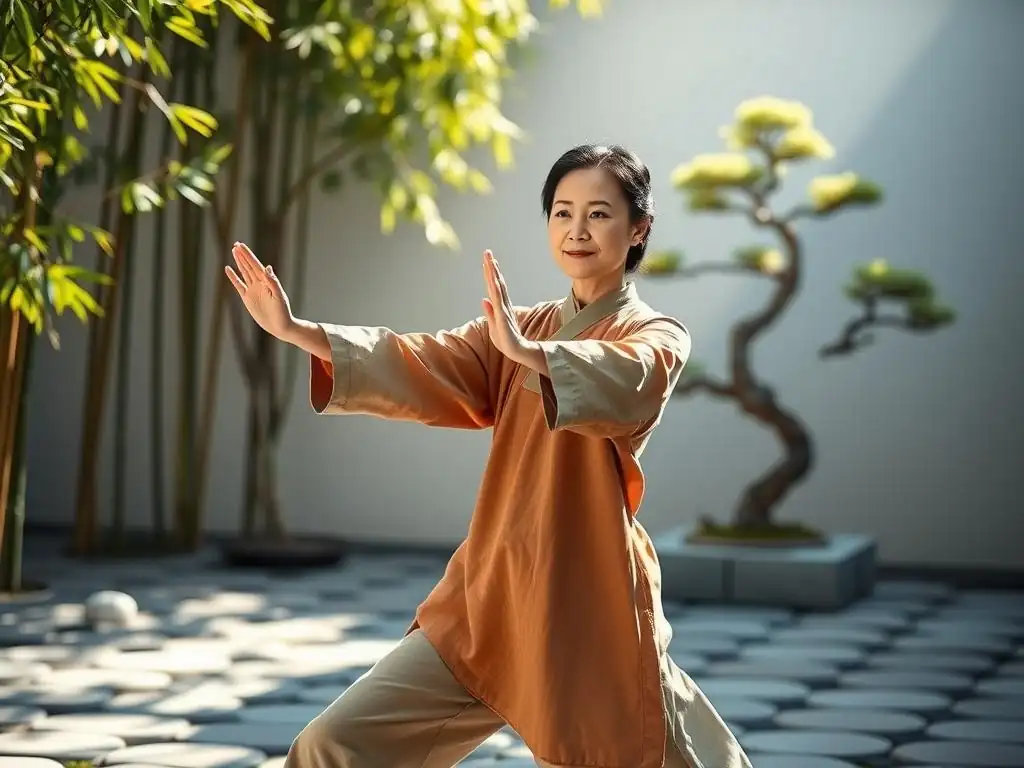
Welcome to Mind Care Guide.
Feeling overwhelmed and searching for a path to inner peace? We understand. Life's demands can leave you feeling anxious and disconnected. This is why we're excited to share ancient wisdom that's incredibly relevant to our modern lives. In this article, we delve into Qigong for anxiety relief, exploring how this gentle practice can unlock a profound sense of calm and well-being. Intrigued? Let's discover how you can harness the power of Qigong to soothe your mind and find lasting peace.
Qigong for Mental Well-being: Cultivating Inner Harmony and Resilience
- Introduction: Embracing Qigong for Holistic Mental Health
- Qigong for Stress Management: Releasing Tension and Promoting Calm
- Core Principles of Qigong for Emotional Balance
- Effective Qigong Exercises for Stress Reduction and Emotional Regulation
- Benefits of Qigong for Overall Mental Well-being
- Incorporating Qigong into Daily Life for Sustained Mental Health
- Scientific Research on Qigong and Mental Health
- Considerations for Safe and Effective Qigong Practice
- Qigong as a Complementary Approach to Mental Health Care
- The Growing Role of Qigong in Mental Health and Wellness
- Conclusion: Nurturing Mental Resilience Through Qigong
-
Frequently Asked Questions
- ### What exactly is Qigong, and how can it benefit my mental health?
- ### How does Qigong specifically address anxiety symptoms?
- ### How often should I practice Qigong to experience anxiety relief?
- ### Are there any specific Qigong exercises that are particularly effective for anxiety relief?
- ### Where can I learn Qigong for anxiety relief, and are there any risks involved?
- Final Reflection: Cultivating Inner Peace in a Chaotic World
- Unlock Your Inner Calm: Start Your Qigong Journey Today!
Introduction: Embracing Qigong for Holistic Mental Health
The Rising Prevalence of Mental Health Challenges
In recent years, there has been a significant increase in the number of individuals experiencing mental health challenges globally. According to the World Health Organization (WHO), approximately one in eight people worldwide lives with a mental disorder. Anxiety disorders and depression are among the most common conditions, affecting hundreds of millions. The pressures of modern life, including work stress, social media, economic instability, and global events, contribute significantly to this growing mental health burden. This trend highlights the urgent need for accessible and effective strategies to support mental well-being.
This growing crisis underscores the limitations of relying solely on traditional approaches for everyone. While essential, therapy and medication may not be universally accessible or preferred. Many individuals are actively seeking complementary practices that empower them to take a more active role in managing their mental health. This search for holistic methods has led many to explore ancient mind-body practices that have stood the test of time.
Qigong: A Mind-Body Practice for Enhanced Mental Well-being
Qigong, an ancient Chinese mind-body practice, offers a unique approach to cultivating mental well-being by integrating gentle movement, breathwork, and meditation. Its roots trace back thousands of years, evolving from traditional Chinese medicine and philosophy. The term "Qigong" translates roughly to "cultivating energy," referring to the vital life force believed to flow through the body. Unlike strenuous exercise, Qigong typically involves slow, deliberate movements, focused breathing, and mindful awareness.
The core principle of Qigong is to harmonize the body's Qi (vital energy) flow, which is believed to be essential for physical and mental health. Blockages or imbalances in Qi are thought to contribute to various ailments, including stress, anxiety, and emotional instability. By practicing Qigong, individuals aim to release these blockages, promote smooth energy circulation, and restore balance within the mind-body system. This practice offers a gentle yet powerful method for enhancing overall resilience and fostering inner peace.
Qigong for Stress Management: Releasing Tension and Promoting Calm
Understanding the Impact of Stress on Mental Health
Chronic stress has profound and detrimental effects on mental health. When the body is under constant stress, it triggers the release of hormones like cortisol and adrenaline, activating the 'fight or flight' response. While useful in short bursts, prolonged exposure to these hormones can lead to a range of mental health issues, including heightened anxiety, irritability, difficulty concentrating, and even depression. Physically, chronic stress can manifest as muscle tension, headaches, digestive problems, and sleep disturbances, creating a vicious cycle that further erodes mental well-being.
Research consistently demonstrates the link between chronic stress and mental health disorders. Studies have shown that individuals experiencing high levels of stress are significantly more likely to develop anxiety disorders or depression. For example, a large-scale study might indicate that those with chronic work stress have a substantially increased risk profile compared to their less stressed counterparts. The constant state of alert drains mental resources, impairs emotional regulation, and can make everyday challenges feel overwhelming, highlighting the critical need for effective stress management techniques.
Qigong's Approach: Harmonizing Qi Flow to Alleviate Stress
Qigong addresses stress by working directly with the body's energy system and nervous system. The gentle, flowing movements, combined with deep, rhythmic breathing, help to calm the sympathetic nervous system (responsible for the stress response) and activate the parasympathetic nervous system (responsible for rest and relaxation). This shift helps to lower stress hormone levels, reduce muscle tension, and promote a sense of calm throughout the body and mind. The focus on mindful movement also pulls attention away from stressful thoughts, anchoring awareness in the present moment.
Furthermore, traditional Chinese medicine principles suggest that stress causes stagnation of Qi and blood, particularly in areas like the chest and shoulders. Qigong practices are designed to move this stagnant energy, facilitating smooth circulation. Specific movements target different energy channels (meridians), helping to release physical and emotional blockages associated with stress. This energetic release, combined with the physiological calming effects, makes Qigong a powerful tool for managing stress and promoting a state of relaxed alertness.
Core Principles of Qigong for Emotional Balance
Breath Regulation (Tuning the Breath): Calming the Nervous System
Breath is fundamental to Qigong and plays a crucial role in regulating the nervous system and promoting emotional balance. Qigong emphasizes deep, abdominal breathing, often slower and more deliberate than normal breathing. This type of breathing stimulates the vagus nerve, which helps to activate the parasympathetic nervous system, counteracting the body's stress response. By consciously slowing and deepening the breath, individuals can directly influence their physiological state, moving from a state of tension and anxiety towards one of calm and relaxation.
Practicing breath regulation in Qigong involves learning to breathe naturally and fully into the lower abdomen (Dan Tian). This method increases oxygen intake, improves circulation, and helps to ground energy. For someone experiencing anxiety, focusing on the breath can be an immediate anchor, providing a point of focus away from anxious thoughts. Consistent practice trains the nervous system to respond more calmly to stressors over time, making breath regulation a cornerstone technique for Qigong for anxiety relief.
Posture and Movement (Gentle Flow): Releasing Physical and Emotional Blockages
The gentle, flowing movements and specific postures in Qigong are designed to improve the circulation of Qi and blood throughout the body. Physical tension is often linked to emotional tension; holding stress manifests as tightness in muscles, especially in the shoulders, neck, and back. Qigong movements work to release this physical tension, which in turn helps to release trapped emotional energy. The slow, continuous nature of the movements encourages relaxation and flexibility, both physically and mentally.
Each movement sequence in Qigong is often linked to specific meridians or organ systems, based on traditional Chinese medicine. For instance, movements targeting the liver meridian are sometimes recommended for anger or frustration, while those for the heart meridian might support emotional openness. By practicing these movements, individuals actively work to clear blockages and promote harmonious energy flow. This physical release and energetic balance contribute significantly to improved emotional regulation and resilience.
Mindfulness and Intention (Cultivating Presence): Enhancing Self-Awareness
Mindfulness is an integral component of Qigong practice. It involves bringing gentle, non-judgmental awareness to the present moment – observing the breath, physical sensations, movements, and thoughts without getting carried away by them. This cultivated presence helps to detach from anxious rumination or negative thought patterns, fostering a sense of calm and clarity. By focusing attention inward during practice, individuals develop a greater understanding of their internal landscape – recognizing stress or emotional imbalances as they arise.
Setting an intention before practice further enhances the mindful aspect of Qigong. This could be an intention for peace, healing, or releasing specific emotions like worry or fear. Holding this intention throughout the movements and breathwork deepens the practice and directs the energy towards the desired outcome. This combination of mindfulness and intention cultivates self-awareness, improves emotional intelligence, and empowers individuals to navigate their internal experiences with greater ease and acceptance.
Effective Qigong Exercises for Stress Reduction and Emotional Regulation
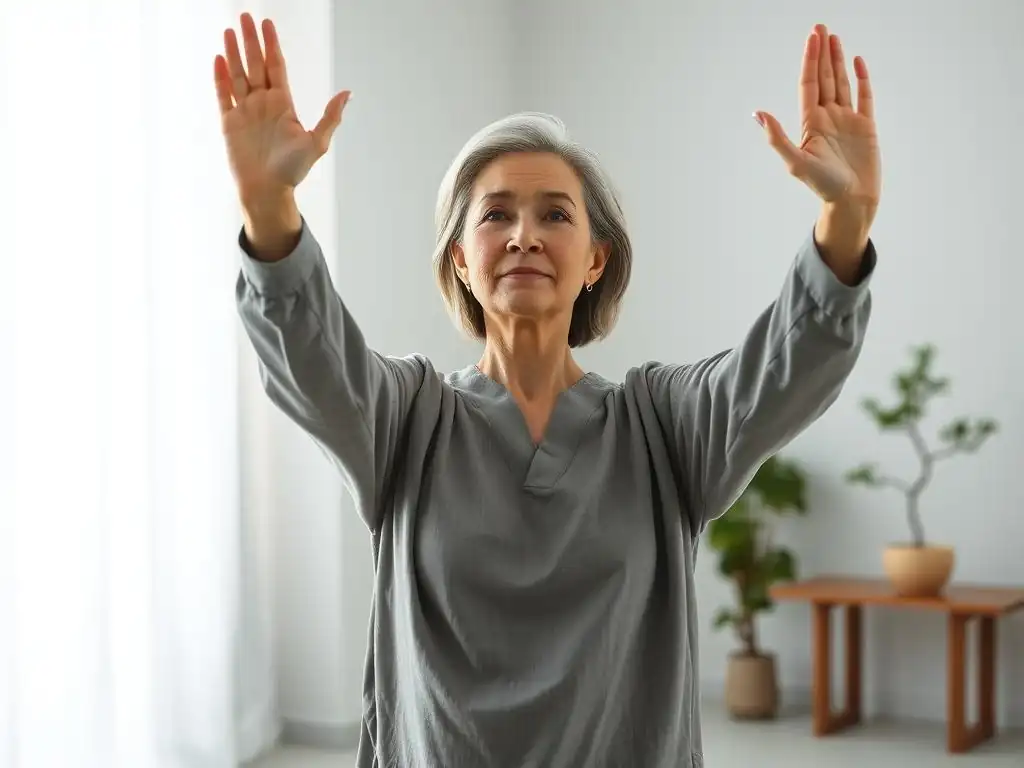
"Breath Observation" (Simple Breath Focus): Anchoring in the Present Moment
One of the simplest yet most powerful Qigong exercises is basic breath observation. This involves sitting or standing comfortably, closing the eyes gently, and simply noticing the natural flow of the breath without trying to change it. Pay attention to the sensations of the breath entering and leaving the nostrils or the rise and fall of the abdomen. This practice, often incorporated at the beginning or end of a Qigong session, serves as an immediate anchor to the present moment, pulling attention away from stressful thoughts and activating the parasympathetic nervous system.
Spending even just 5-10 minutes observing the breath can significantly reduce immediate feelings of stress and anxiety. It helps to quiet the internal dialogue and creates space between oneself and reactive emotional responses. Consistent practice of breath observation trains the mind to be more present and less reactive throughout the day, making it a foundational technique for anyone seeking Qigong for anxiety relief.
"Spinal Cord Breathing" (Activating the Dan Tian): Promoting Energy Circulation and Grounding
Spinal Cord Breathing, also known as Dragon and Tiger Breathing, is a dynamic Qigong exercise that coordinates breath with subtle movements of the spine. While standing with slightly bent knees, the practice involves gently undulating the spine like a wave, often paired with inhaling on an expansion and exhaling on a contraction or vice-versa. This movement is linked to activating the Dan Tian (lower abdomen), considered the body's energy center in Qigong.
This exercise is particularly effective for releasing tension held along the spine and promoting the flow of Qi throughout the central channel. Activating the Dan Tian helps to ground energy, which can be very helpful for individuals who feel scattered or ungrounded due to anxiety. The rhythmic, coordinated movement and breath help to calm the nervous system and build internal stability, contributing to a greater sense of calm and resilience.
"Tapping" (Meridian Activation): Releasing Stagnant Energy and Emotional Blockages
Tapping is a simple yet effective Qigong technique used to stimulate acupuncture points and meridians throughout the body. Using relaxed fists or fingertips, practitioners gently tap specific areas, starting from the head and moving down the body, including the shoulders, arms, chest, abdomen, back, hips, legs, and feet. This rhythmic tapping helps to break up stagnant Qi and blood, which can accumulate in areas of tension or emotional blockage.
Tapping is believed to release physical and emotional stagnation, promoting smoother energy flow. It can feel invigorating yet calming, helping to discharge pent-up energy associated with stress, frustration, or anxiety. Many people report feeling a sense of lightness and release after a full tapping sequence. This technique provides a direct way to physically engage with the body's energy system to support emotional clearing.
Benefits of Qigong for Overall Mental Well-being
Reduced Anxiety and Depression Symptoms Through Qigong
Numerous studies and anecdotal reports highlight the effectiveness of Qigong for anxiety relief and reducing symptoms of depression. The combination of gentle movement, deep breathing, and mindfulness works synergistically to calm the nervous system, reduce stress hormones, and promote a sense of peace. A meta-analysis published in a journal like the Journal of Alternative and Complementary Medicine might review multiple studies, concluding that Qigong practice is associated with statistically significant reductions in self-reported anxiety levels, often comparable to other relaxation techniques.
Specific research has explored the impact of Qigong on populations experiencing clinical anxiety or depression. Findings often indicate improvements in mood, decreased rumination, and enhanced emotional regulation after consistent Qigong practice over a period, such as 8-12 weeks. For example, a study on college students facing academic stress might show a noticeable decrease in test anxiety scores among those who practiced Qigong regularly compared to a control group. This demonstrates the tangible benefits of incorporating Qigong for anxiety relief.
Improved Sleep Patterns and Restorative Rest with Qigong
Sleep disturbances are a common symptom of stress and anxiety. Qigong's ability to calm the nervous system and reduce mental chatter directly contributes to improved sleep quality. By practicing Qigong, individuals can alleviate the physiological arousal that often prevents them from falling asleep or staying asleep. The release of physical tension through gentle movements also prepares the body for rest, while mindful breathing helps to quiet an overactive mind.
Research supports the link between Qigong and better sleep. Studies have shown that regular Qigong practitioners often report falling asleep faster, experiencing fewer nighttime awakenings, and feeling more rested upon waking. For instance, a study involving older adults with insomnia might find that participants who engaged in daily Qigong sessions experienced a significant increase in total sleep time and sleep efficiency compared to a control group receiving standard care. This indicates Qigong's potential as a non-pharmacological aid for sleep issues linked to mental distress.
Enhanced Cognitive Function and Mental Clarity Through Qigong
Beyond emotional benefits, Qigong practice can also sharpen cognitive function and improve mental clarity. The focus and concentration required during Qigong exercises train the mind to be more present and less distracted. Improved circulation resulting from the movements and breathwork is also believed to enhance blood flow to the brain, supporting cognitive processes. Reduced stress levels, a direct outcome of Qigong, also free up mental resources that were previously consumed by worry and tension.
Studies exploring the cognitive effects of Qigong have observed positive outcomes. Research might show improvements in attention span, working memory, and executive function among regular practitioners. For example, a study testing cognitive abilities before and after a period of Qigong training might find that participants demonstrate improved performance on tasks requiring focus and mental flexibility. This suggests that Qigong not only calms the mind but also enhances its capacity and sharpness.
Incorporating Qigong into Daily Life for Sustained Mental Health
Establishing a Consistent Qigong Practice Routine
Consistency is key to reaping the full benefits of Qigong for mental health. Just like any exercise or mindfulness practice, regular engagement yields the best results. Aiming for even 15-20 minutes of Qigong daily or most days of the week can make a significant difference. Finding a specific time that works best for you, whether it's in the morning to start the day with calm or in the evening to unwind, helps in establishing a routine. Consider setting a reminder or linking your Qigong practice to an existing habit, like before breakfast or after work.
Starting small and gradually increasing the duration or complexity of your practice can make it feel less daunting. For example, begin with 10 minutes of simple breathwork and gentle movements, then slowly extend to 20 or 30 minutes as you become more comfortable. Treating your Qigong practice as a non-negotiable appointment with yourself can help solidify it into your daily schedule, building sustained support for your mental well-being.
Beginning with Simple and Accessible Qigong Exercises
You don't need to learn complex forms to start benefiting from Qigong. Many effective exercises are simple and require minimal space or time. Basic breath observation, gentle stretching combined with breath, or simple standing postures like "Holding the Ball" can be practiced anywhere. There are numerous resources available, including books and online videos, offering beginner-friendly routines that focus on core principles like relaxation, breath, and gentle movement.
Focusing on accessibility ensures that you can practice even on busy days. A simple 5-minute routine of mindful breathing and a few gentle stretches can still help to release tension and bring you back to the present moment. As you become more comfortable and experience the benefits, you may feel motivated to explore more complex forms, but starting with the basics makes integration into daily life much easier and less intimidating. This approach makes Qigong for anxiety relief achievable for anyone.
Integrating Qigong Principles into Everyday Activities
The benefits of Qigong extend beyond the formal practice time. You can integrate Qigong principles, such as mindful breathing, relaxed posture, and present moment awareness, into everyday activities. For instance, when feeling stressed at work, take a few moments to notice your breath and consciously relax your shoulders. While walking, pay attention to your posture and the feeling of your feet on the ground, cultivating a sense of groundedness.
Applying Qigong principles throughout the day helps to maintain a state of calm and presence even when not actively practicing. It transforms everyday moments into opportunities for mindfulness and energy cultivation. Noticing tension as it arises and gently releasing it with a conscious breath or subtle adjustment in posture can prevent stress from accumulating, reinforcing the ongoing benefits of your formal Qigong practice.
Scientific Research on Qigong and Mental Health
Studies on Qigong and its Effects on Mood Disorders
Scientific research is increasingly exploring the impact of Qigong on mood disorders like anxiety and depression. Studies utilizing randomized controlled trials (RCTs) have compared the effects of Qigong practice to control groups or other interventions.
For example, a study published in a mental health journal might recruit participants diagnosed with Generalized Anxiety Disorder (GAD) and assign them to either a Qigong group or a control group receiving standard care. The results could show that after a specific intervention period (e.g., 10 weeks), the Qigong group reported significantly lower scores on standardized anxiety scales, such as the Hamilton Anxiety Rating Scale (HARS), compared to the control group.
Another type of study might focus on specific populations, such as cancer patients experiencing anxiety and depression related to their diagnosis and treatment. Research in this area has often found that incorporating Qigong into their care plan leads to improvements in mood, reduction in distress, and enhanced quality of life. While the exact mechanisms are still being explored, these studies provide evidence supporting the use of Qigong as a complementary approach for managing symptoms of mood disorders.
Qigong's Influence on Neurotransmitters and Brain Activity
Emerging research is beginning to investigate how Qigong practice influences brain chemistry and activity. While studies are still in early stages compared to more established practices, some findings suggest potential impacts on neurotransmitters associated with mood regulation. For example, preliminary studies might explore whether regular Qigong practice is associated with changes in levels of serotonin, dopamine, or gamma-aminobutyric acid (GABA), neurotransmitters known to play a role in anxiety and depression.
Neuroimaging studies, such as fMRI, are also starting to examine brain activity during and after Qigong practice. These studies might look at changes in regions of the brain involved in emotional processing, stress response, and attention, such as the amygdala, prefrontal cortex, and anterior cingulate cortex. While more research is needed, these investigations aim to provide a deeper understanding of the neurological basis for Qigong's reported benefits on mental well-being and its specific impact when used as Qigong for anxiety relief.
Research Highlighting Qigong's Impact on Stress Response
Research consistently demonstrates Qigong's effectiveness in mitigating the body's physiological stress response. Studies often measure physiological markers such as heart rate variability (HRV), blood pressure, cortisol levels, and respiration rate before and after Qigong practice or over a period of consistent practice. Findings frequently show that Qigong leads to a decrease in heart rate, lower blood pressure, and improved HRV, which is an indicator of a more resilient nervous system and better stress regulation.
For instance, a study might evaluate cortisol levels in participants experiencing chronic stress. The results could indicate that individuals who participate in a regular Qigong program for several weeks exhibit significantly lower levels of cortisol, particularly in the morning when levels are typically highest, compared to a control group. This reduction in stress hormones provides concrete evidence of Qigong's ability to dampen the physiological effects of stress, directly supporting its role in promoting mental calm and health.
Considerations for Safe and Effective Qigong Practice
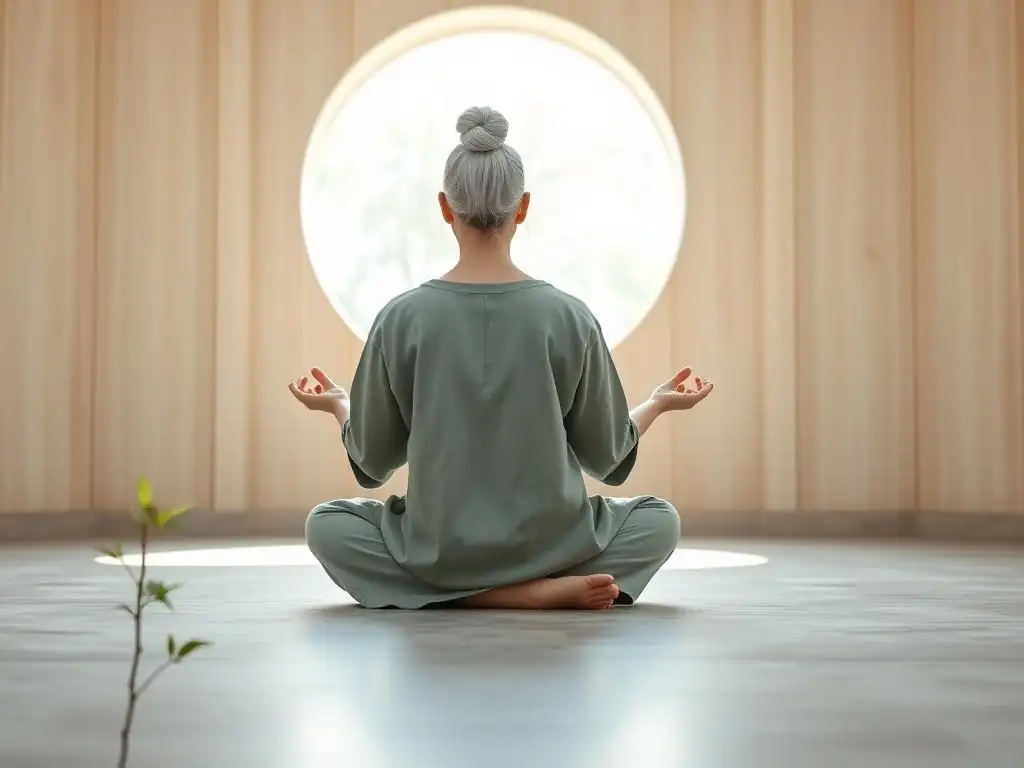
Seeking Guidance from a Certified Qigong Instructor
While many Qigong exercises are gentle, seeking guidance from a certified and experienced instructor is highly recommended, especially when starting out. An instructor can provide personalized guidance on proper posture, alignment, and movement, ensuring you perform the exercises safely and effectively. They can also offer insights into the underlying principles and energetic aspects of Qigong, deepening your understanding and practice.
A qualified instructor can help you adapt practices to any physical limitations or health conditions you may have. They can also guide you on how to work with energy sensations and address any discomfort that might arise. Learning from a knowledgeable source ensures you build a solid foundation and avoid developing habits that could limit the benefits or potentially cause strain. This is particularly important if you are exploring Qigong for anxiety relief and want to maximize its therapeutic potential.
Adapting Qigong Practices to Individual Needs and Limitations
Qigong is a highly adaptable practice. It can be modified to suit individuals of varying fitness levels, ages, and physical conditions. If you have limitations, such as joint issues, mobility challenges, or chronic pain, many exercises can be performed while seated or with modified movements. It's crucial to listen to your body and not push into pain or discomfort. The goal is gentle movement and relaxation, not strenuous exertion.
Discussing any health concerns with your instructor and healthcare provider is important before starting. They can help you identify appropriate exercises and modifications. Embracing the principle of working with your body, rather than against it, is central to Qigong. This personalized approach ensures that Qigong remains a safe, comfortable, and beneficial practice tailored to your unique needs, allowing you to experience its calming effects without strain.
Being Mindful of Physical and Emotional Sensations During Practice
During Qigong practice, it's important to cultivate mindfulness and pay attention to any physical or emotional sensations that arise. Notice areas of tension, feelings of warmth or tingling as energy circulates, or any emotions that surface. Qigong can sometimes bring buried emotions to the surface as blockages are released. Acknowledging these sensations without judgment is part of the healing process.
If strong emotions or physical discomfort arise, it's okay to pause, breathe, or modify the movement. You can also simply observe the sensation with curiosity, allowing it to be present without needing to fix or change it immediately. This mindful awareness fosters a deeper connection with your body and emotions, enhancing the therapeutic benefits of Qigong and supporting your journey towards greater emotional balance.
Qigong as a Complementary Approach to Mental Health Care
Qigong alongside Therapy and Counseling
Qigong can serve as a valuable complementary practice when used alongside traditional mental health treatments like therapy and counseling. While therapy provides a space to process thoughts, feelings, and behavioral patterns, Qigong offers a somatic approach to managing the physical and energetic manifestations of stress, anxiety, and emotional distress. It helps individuals develop tools for self-regulation and grounding in the present moment, which can enhance the work done in therapy sessions.
Many individuals find that Qigong practice makes them more aware of their bodily sensations and emotional states, providing valuable insights they can then explore in counseling. The calming effects of Qigong can also make it easier to engage with challenging topics during therapy. By combining the cognitive and emotional processing of therapy with the mind-body integration of Qigong, individuals can create a more comprehensive and holistic approach to their mental health recovery journey.
Qigong as a Tool for Self-Management and Empowerment
One of the most empowering aspects of Qigong is that it provides individuals with practical tools they can use anytime, anywhere, to manage their mental state. Unlike treatments that are administered externally, Qigong is an internal practice that cultivates self-reliance. Learning simple breathing techniques or short movement sequences gives individuals agency over their stress response and emotional reactions.
When feelings of anxiety or overwhelm arise, having practiced Qigong means you have readily available techniques to help you ground yourself, calm your nervous system, and shift your internal state. This ability to self-manage promotes a sense of empowerment and reduces reliance solely on external support. Consistent Qigong practice builds internal resources and resilience, enabling individuals to navigate life's challenges with greater confidence and equanimity.
Integrating Qigong with other Wellness Practices
Qigong integrates seamlessly with other wellness practices that support mental health. It can be a perfect complement to meditation, yoga, mindfulness, or even physical exercise. Practicing Qigong before meditation can help quiet the mind and prepare the body for stillness. Combining Qigong with yoga can enhance flexibility and energy flow. It can also be used as a warm-up or cool-down for other physical activities.
Furthermore, Qigong principles can enhance practices like journaling or spending time in nature by bringing a greater sense of presence and mindful awareness to these activities. By incorporating Qigong into a broader wellness routine that includes healthy eating, sufficient sleep, and social connection, individuals can create a robust foundation for optimal mental well-being. The synergistic effect of combining Qigong with other healthy habits amplifies its benefits.
The Growing Role of Qigong in Mental Health and Wellness
Increased Recognition of Qigong's Mental Health Benefits
There is a growing global recognition of Qigong's potential benefits for mental health. As research continues to emerge, healthcare professionals and wellness practitioners are becoming more aware of its efficacy, particularly in areas like stress reduction and Qigong for anxiety relief. This increased awareness is leading to more recommendations for Qigong as a complementary therapy.
Wellness programs in various settings, including hospitals, community centers, and workplaces, are beginning to include Qigong classes. This shift reflects a broader acceptance of mind-body practices within mainstream wellness approaches. The accessibility and gentle nature of Qigong make it an attractive option for a wide range of individuals seeking natural ways to support their mental and emotional health.
Expanding Access to Qigong Programs and Resources
The demand for Qigong instruction is leading to an expansion of available programs and resources. While traditional instruction in person remains valuable, the rise of online platforms has made Qigong more accessible than ever before. Many qualified instructors now offer online classes, workshops, and video tutorials, allowing people to learn and practice from the comfort of their homes, regardless of their geographical location.
This expanded access removes significant barriers to entry for many people. It means that someone living in a rural area or with limited mobility can still find reputable instruction. The availability of varied resources, from free introductory videos to in-depth paid courses, allows individuals to find learning methods that suit their budget and learning style, democratizing access to this ancient practice for modern mental health challenges.
Integrating Qigong into Workplace Wellness Initiatives
Forward-thinking organizations are increasingly incorporating Qigong into their workplace wellness programs. Recognizing the significant impact of employee stress and burnout on productivity and well-being, companies are looking for effective interventions. Offering Qigong classes or providing resources on simple Qigong techniques can help employees manage stress, improve focus, and boost overall morale.
Introducing Qigong in the workplace sends a positive message about prioritizing mental health. Short Qigong breaks can be implemented during the workday to help employees reset and re-energize. These initiatives can contribute to a healthier, more productive work environment and demonstrate a commitment to supporting employee mental well-being. Anecdotal evidence from companies that have implemented such programs often reports reduced stress levels and improved employee satisfaction.
Conclusion: Nurturing Mental Resilience Through Qigong
Summary of Qigong's Multifaceted Benefits for Mental Health
Qigong offers a comprehensive and holistic approach to nurturing mental well-being. Through its core principles of gentle movement, breath regulation, and mindfulness, it effectively addresses the physical, emotional, and energetic aspects of stress and anxiety. Qigong for anxiety relief is supported by its ability to calm the nervous system, reduce stress hormones, release physical and emotional tension, improve sleep, and enhance cognitive function.
The practice empowers individuals with self-management tools, integrates well with other therapeutic approaches, and is increasingly supported by scientific research highlighting its positive effects on mood disorders and stress response. Its adaptability makes it accessible to almost anyone, regardless of age or physical condition.
Encouragement to Embrace Qigong for a Balanced and Harmonious Life
Embracing Qigong is an invitation to cultivate inner harmony and build mental resilience. It is a journey towards greater self-awareness and a deeper connection with your body's innate capacity for healing and balance. By dedicating even a small amount of time each day to this ancient practice, you can create a profound positive impact on your mental and emotional health, leading to a more balanced, peaceful, and harmonious life.
Resources for Learning and Practicing Qigong
- Explore reputable Qigong schools or centers in your local area.
- Look for certified instructors offering online classes or workshops.
- Many websites and platforms offer guided Qigong videos for various levels.
- Consider books by experienced Qigong masters for deeper study.
Remember to start gently, be patient with yourself, and enjoy the process of discovering the transformative power of Qigong.
Frequently Asked Questions
### What exactly is Qigong, and how can it benefit my mental health?
Qigong is an ancient Chinese mind-body-spirit practice that combines physical postures, breathing techniques, and focused intention. It can benefit mental health by reducing stress and promoting relaxation.
### How does Qigong specifically address anxiety symptoms?
Qigong helps regulate the nervous system and calm the mind through its slow, deliberate movements and controlled breathing. This can reduce feelings of anxiety and improve overall emotional well-being.
### How often should I practice Qigong to experience anxiety relief?
Consistency is key. While even short sessions can be beneficial, aiming for 15-30 minutes of Qigong practice several times a week can lead to noticeable reductions in anxiety levels.
### Are there any specific Qigong exercises that are particularly effective for anxiety relief?
Certain exercises, like the "Inner Smile" meditation and "Eight Brocades" sequence, are known for their calming and grounding effects. Consult with a qualified instructor for guidance.
### Where can I learn Qigong for anxiety relief, and are there any risks involved?
You can learn Qigong through classes, workshops, or online resources. It's generally safe, but consult your doctor if you have any health concerns, and seek guidance from a certified Qigong instructor.
Final Reflection: Cultivating Inner Peace in a Chaotic World
The ancient practice of Qigong, once relegated to the fringes of wellness, is experiencing a powerful resurgence, offering a potent antidote to the pervasive anxiety of modern life. Its emphasis on mindful movement, breathwork, and energy cultivation provides a tangible pathway to managing stress and fostering inner peace, a necessity in our increasingly demanding world. The simple yet profound techniques detailed in this article offer a practical and accessible tool for anyone seeking to improve their mental wellbeing.
Qigong's influence extends far beyond the individual; it represents a shift in our collective understanding of mental health, moving away from purely pharmaceutical solutions towards a holistic approach that embraces mind-body connection. Its gentle yet powerful methods challenge the fast-paced, often stressful nature of contemporary society, reminding us of the importance of slowing down and connecting with our inner selves. As Lao Tzu wisely observed, Nature does not hurry, yet everything is accomplished.
This philosophy lies at the heart of Qigong, demonstrating that lasting peace and well-being are not achieved through frantic striving, but through mindful cultivation.
Consider incorporating Qigong into your daily routine. Start with just a few minutes of gentle movement and deep breathing, focusing on the sensation of your breath and the flow of energy within your body. Allow yourself to experience the calming effects of this ancient practice, and observe how it subtly yet profoundly shifts your perspective and reduces your anxiety. You don't need to become a master; simply begin the journey of self-discovery and inner peace that Qigong offers. The benefits, both mental and physical, await you.
Unlock Your Inner Calm: Start Your Qigong Journey Today!
Thanks for taking the time to explore the powerful connection between Qigong and mental wellbeing! We hope this article helped you discover the ancient practice's surprisingly modern benefits. Ready to experience them firsthand?
- Begin your Qigong practice with a simple 5-minute routine: Find a quiet space, follow a beginner's video online, and focus on your breath. Even a short session can make a difference!
- Share your experience: Tell us about your first Qigong session – what did you notice? What surprised you? We'd love to hear your thoughts and experiences in the comments below.
- Explore local Qigong classes or workshops: Connect with a community of like-minded individuals and learn from experienced instructors. This will enhance your practice and create a supportive environment for your journey.
Ready to unlock the transformative power of Qigong for your mental and emotional well-being? What small step will you take today to integrate this ancient practice into your life?