
Beyond Pretty Views: How Looking at Nature Reduces Stress Instantly

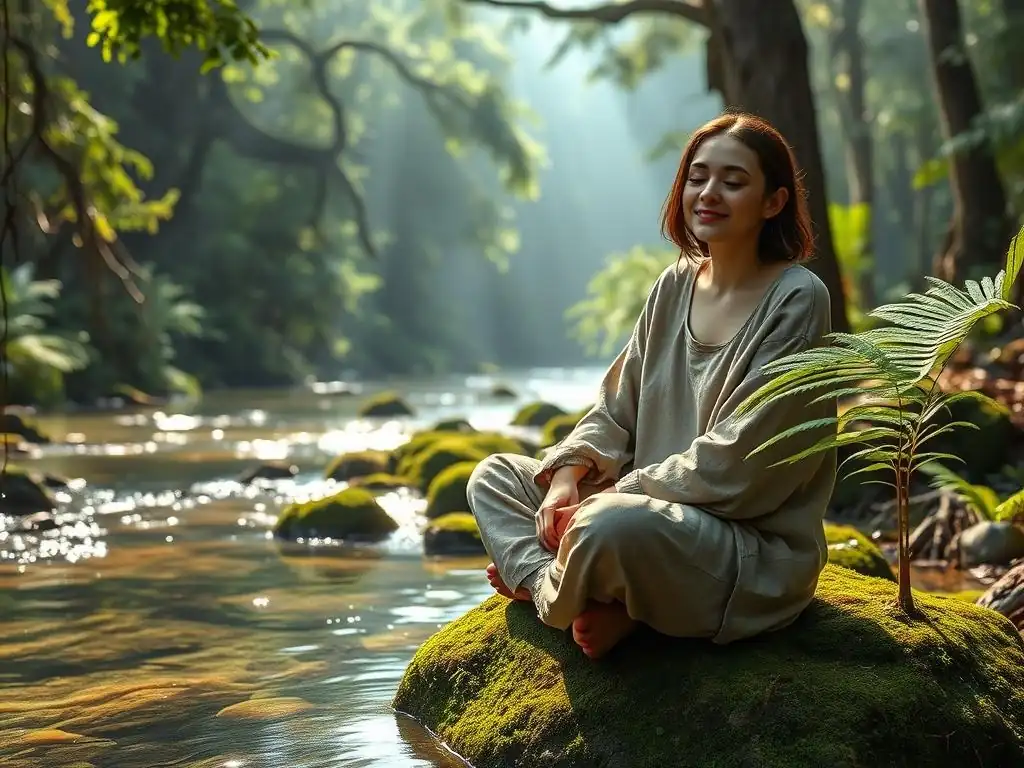
Welcome to Mind Care Guide, a sanctuary for your mental well-being.
Feeling overwhelmed? In today's fast-paced world, stress seems unavoidable. But what if instant relief was just a glance away? Dive into our latest exploration of Nature Stress Reduction Techniques and discover practical, evidence-based methods to harness the calming power of the natural world. Curious to know how simply looking at a tree can lower your heart rate and soothe your mind? Let's explore the profound connection between nature and your inner peace.
Nature's Antidote: How Observing Natural Environments Reduces Stress
- The Nature-Stress Connection: Unveiling the Science
- Practical Techniques for Nature-Based Stress Reduction
- Tailoring Nature's Benefits to Specific Stressors
- Creating a Nature-Rich Environment for Stress Relief
- A Holistic Approach to Nature and Mental Wellness
- Overcoming Barriers to Nature Access
- Tracking Your Progress: Measuring Stress Reduction with Nature
-
Frequently Asked Questions
- How does viewing nature actually reduce stress?
- What specific types of nature are most effective for stress reduction?
- How long do I need to look at nature to experience stress reduction benefits?
- Can I get the same benefits from looking at pictures or videos of nature, if I can't get outside?
- What are some practical "Nature Stress Reduction Techniques" I can easily incorporate into my daily life?
- Final Reflection: Reconnecting with Nature's Restorative Power
- Unleash Your Inner Calm: Connect with Nature Today!
The Nature-Stress Connection: Unveiling the Science
The Psychological and Physiological Mechanisms of Nature's Calming Effect
Exposure to natural environments triggers a cascade of positive physiological and psychological responses in the human body, acting as a powerful antidote to stress. From a physiological standpoint, studies utilizing various nature stress reduction techniques have shown measurable changes. For instance, spending time in green spaces has been linked to a decrease in sympathetic nervous system activity, which is responsible for the "fight or flight" response. Simultaneously, it appears to increase parasympathetic nervous system activity, promoting rest and digestion. This shift helps lower heart rate, blood pressure, and muscle tension, all common physical manifestations of stress.
Psychologically, nature provides a restorative environment that contrasts sharply with the demands of urban or high-stress settings. The Attention Restoration Theory (ART) suggests that natural environments engage our "soft fascination," a state of effortless attention that allows our directed attention (which is easily fatigued by tasks requiring focus) to recover. This restorative process helps clear the mind, reduce mental fatigue, and improve cognitive function, thereby alleviating the psychological burden of stress. The presence of natural elements also evokes feelings of awe, wonder, and tranquility, which can shift perspective and diminish the perceived intensity of stressors.
Visual Nature Exposure and its Direct Impact on Stress Hormones
Even simply looking at nature can initiate a reduction in stress hormones, offering accessible nature stress reduction techniques. Research using brain imaging and biochemical analysis has demonstrated that visual exposure to natural scenes, whether through a window overlooking trees or viewing photographs of landscapes, can influence the body's stress response system. The hypothalamic-pituitary-adrenal (HPA) axis, which regulates cortisol release (the primary stress hormone), appears to be modulated by nature exposure.
Numerous studies have specifically measured cortisol levels before and after participants engage in nature-based activities or even view natural imagery. For example, one study found that students with a view of trees from their dorm windows reported lower stress levels and had lower cortisol levels compared to those with urban views.
While the exact reduction varies based on duration and type of exposure, consistent findings point towards a measurable decrease in circulating cortisol, often cited in the range of a 10% to 20% reduction after relatively short periods (e.g., 20-30 minutes) of nature interaction or viewing. This direct impact on stress hormones underscores the profound physiological effect that nature has on stress management.
Practical Techniques for Nature-Based Stress Reduction
Focused Observation: Mindful Nature Walks for Immediate Calm
Mindful nature walks are among the most effective nature stress reduction techniques, combining physical activity with focused attention on the natural world. This practice involves deliberately engaging your senses as you move through a natural environment. Instead of rushing or letting your mind wander through worries, you focus on the sights, sounds, smells, and textures around you. This could mean noticing the intricate pattern of a leaf, listening to the chirping of birds, feeling the breeze on your skin, or smelling the scent of damp earth after rain.
By anchoring your attention in the present moment and the sensory details of nature, you interrupt the cycle of stressful thoughts and rumination. Even a short 15-20 minute mindful walk can significantly lower feelings of anxiety and promote a sense of calm. The key is intentionality – setting aside distractions like phones and committing to observing the environment without judgment. This simple yet powerful technique leverages nature's inherent ability to soothe the nervous system and bring the mind back to a state of peace.
Leveraging Green Spaces: Urban Parks and Gardens for Mental Well-being
Access to green spaces like urban parks and gardens is crucial for implementing nature stress reduction techniques, especially for those living in built-up areas. These accessible pockets of nature offer a vital escape from the sensory overload and pressures of city life. Even a brief visit, such as spending a lunch break sitting in a park or taking a short walk through a botanical garden, can provide significant mental health benefits.
Studies conducted in urban settings have demonstrated that proximity to green spaces is associated with lower rates of depression and anxiety. For example, research in specific cities has shown that residents living within a certain distance (often cited as within 1 kilometer or half a mile) of a park report better mental health outcomes. Parks provide opportunities for gentle exercise, social interaction (if desired), and simply being in a less artificial environment, all of which contribute to stress reduction. Utilizing these local green spaces regularly is a practical and impactful strategy for enhancing daily mental well-being.
The Circadian Rhythm: How Natural Light Regulates Stress and Mood
Natural light exposure, a fundamental aspect of being in nature, plays a critical role in regulating the body's circadian rhythm, which in turn affects stress and mood. The circadian rhythm is our internal biological clock that governs sleep-wake cycles, hormone release, and other bodily functions. Exposure to natural light, particularly morning light, helps synchronize this clock, signaling to the body when to be alert and when to prepare for rest.
Disruption of the circadian rhythm, often caused by insufficient natural light during the day and excessive artificial light at night, can lead to increased stress, fatigue, and mood disturbances. Spending time outdoors, even on cloudy days, provides the necessary light cues to maintain a healthy rhythm.
For instance, getting 20-30 minutes of natural light shortly after waking can improve sleep quality, which is vital for stress resilience. This simple form of nature stress reduction technique helps regulate cortisol patterns (which should naturally be higher in the morning and lower at night) and supports overall hormonal balance, contributing to reduced stress and improved emotional stability.
Tailoring Nature's Benefits to Specific Stressors
Reducing Anxiety: Nature's Role in Calming the Nervous System
Nature offers powerful nature stress reduction techniques specifically beneficial for alleviating anxiety. The calming properties of natural environments help to quiet the overactive nervous system often associated with anxious states. The gentle stimuli found in nature – the rustling leaves, the flow of water, the vastness of the sky – provide a sense of peace and perspective that can interrupt anxious thought loops.
Being in nature promotes a state of relaxation that counteracts the physiological symptoms of anxiety, such as rapid heart rate and shallow breathing. Engaging in activities like sitting by a lake, walking through a forest, or simply observing birds can shift focus away from internal worries towards external, soothing stimuli.
Research has shown that forest environments, in particular, can lead to significant reductions in anxiety scores compared to urban settings, sometimes by as much as 15-20% in self-reported measures after just a few hours of exposure. Nature provides a non-judgmental and inherently peaceful space that encourages the nervous system to downregulate from a state of alert to one of calm.
Combating Workplace Stress: Integrating Nature into the Workday
Workplace stress is a pervasive issue, but integrating nature stress reduction techniques into the workday can offer significant relief. Even small doses of nature can help mitigate the pressures of deadlines, difficult interactions, and long hours. This doesn't necessarily require leaving the office; it can involve simple adjustments to the work environment and routine.
Strategies include taking short breaks outdoors, such as stepping outside for a few minutes to feel the sun and air, or eating lunch in a nearby park. If outdoor access is limited, bringing nature indoors through plants, natural light maximization, or views of natural scenes can be beneficial. Studies have indicated that employees with views of nature report lower stress levels and higher job satisfaction.
For example, research in office settings has suggested that views of vegetation can lead to up to a 10% improvement in cognitive function and reduced self-reported stress compared to views of buildings or walls. Incorporating nature breaks or elements into the workspace is a practical way to apply nature's calming effects to the daily grind.
Managing Chronic Stress: Nature as a Long-Term Coping Mechanism
For individuals dealing with chronic stress, integrating nature stress reduction techniques into a long-term routine is essential. Nature provides a sustainable and accessible resource for ongoing stress management, offering cumulative benefits over time. Regular engagement with the natural world can help build resilience against stressors and improve overall mental and physical health.
Making nature exposure a consistent part of life, whether through daily walks in a local park, weekend hikes, gardening, or simply spending time in a backyard, reinforces the positive physiological and psychological responses. Over months and years, this consistent exposure can lead to lower baseline stress hormone levels, improved mood regulation, and greater emotional stability.
For instance, studies tracking individuals over time have found that those who regularly spend time in nature report sustained reductions in perceived stress and better coping abilities compared to those with less nature exposure. Nature acts not just as a temporary escape but as a foundational element for building long-term stress resilience.
Creating a Nature-Rich Environment for Stress Relief
Indoor Nature: Plants, Natural Materials, and Biophilic Design
Bringing nature indoors through plants, natural materials, and biophilic design principles is a powerful way to apply nature stress reduction techniques within our built environments. Biophilic design seeks to connect building occupants more closely to nature through direct nature (light, air, plants), indirect nature (natural materials, colors, views), and spatial conditions. Incorporating elements like indoor plants, wooden furniture, stone finishes, and maximizing natural light can transform living and working spaces into more restorative environments.
Indoor plants, for example, not only improve air quality but have been shown to reduce stress levels and increase feelings of calm. Studies have found that simply having plants in a room can lower blood pressure and heart rate. Using natural materials like wood and stone can evoke feelings of warmth and connection to the outdoors, contributing to a sense of tranquility. Even incorporating natural patterns and shapes into decor can have a subtle positive effect. These elements work together to create a more soothing atmosphere that supports mental well-being and provides continuous, passive nature stress reduction.
Nature-Focused Workspaces: Enhancing Productivity and Reducing Stress
Designing workspaces with a focus on nature can significantly enhance employee well-being, productivity, and stress reduction. Applying nature stress reduction techniques in the office environment involves more than just adding a few potted plants; it encompasses thoughtful design choices that prioritize natural elements and views. This includes maximizing natural light, providing views of outdoor green spaces, incorporating indoor plants, using natural materials, and even integrating elements like indoor water features or nature-inspired art.
Research consistently shows the benefits of biophilic design in the workplace. Employees in offices with strong nature connections report lower stress levels, reduced fatigue, and improved mood. Some studies have even indicated a significant boost in creativity and problem-solving abilities. For example, one analysis found that workspaces with natural elements led to a 15% improvement in well-being and a 6% increase in productivity. Creating nature-focused workspaces is an investment in both employee health and organizational performance, demonstrating that stress reduction and productivity can go hand-in-hand.
Virtual Nature: The Benefits of Nature Sounds and Visualizations
When access to physical nature is limited, virtual nature experiences can offer a valuable alternative for applying nature stress reduction techniques. While not a complete substitute for real-world interaction, engaging with nature sounds, videos, and visualizations can still evoke calming responses and help mitigate stress. Listening to recordings of ocean waves, forest sounds, or rain can lower physiological arousal and promote relaxation.
Viewing high-quality nature documentaries or virtual reality nature scenes can also have a positive impact on mood and stress levels. Studies have shown that even brief exposure to nature videos can lead to reductions in anxiety and improved emotional states, particularly in clinical or high-stress environments. For instance, research in healthcare settings has found that patients viewing nature scenes experience reduced pain and anxiety. While the effects may be less profound than direct exposure, virtual nature offers an accessible tool for quick stress relief, especially in situations where getting outdoors is not feasible.
A Holistic Approach to Nature and Mental Wellness
Mindfulness and Nature: Combining Practices for Enhanced Stress Reduction
Combining mindfulness with nature exposure creates a powerful synergy for enhanced nature stress reduction techniques. Mindfulness involves paying attention to the present moment without judgment, while nature provides a rich and calming environment to practice this skill. Engaging in mindful activities in nature amplifies the benefits of both practices.
Practices like mindful walking in a park, meditating by a stream, or simply sitting and mindfully observing the details of a natural landscape deepen the connection to the present moment and the natural world. This combination helps to anchor the mind, quiet internal chatter, and foster a sense of peace. Research suggests that mindful nature experiences can lead to greater reductions in rumination and negative affect compared to practicing mindfulness indoors or simply being in nature passively. This integrated approach offers a holistic path to managing stress and cultivating inner calm.
Long-Term Mental Wellness: The Importance of Regular Nature Immersion
Achieving long-term mental wellness is significantly supported by the consistent practice of nature stress reduction techniques through regular nature immersion. Just as physical health benefits from regular exercise, mental well-being thrives on consistent connection with the natural world. Making nature a non-negotiable part of one's routine builds resilience and provides a continuous source of restoration.
Whether it's a daily walk, weekly hike, or monthly camping trip, integrating nature into your lifestyle yields cumulative benefits. Over time, regular nature immersion can lead to improved mood stability, reduced symptoms of depression and anxiety, better sleep, and enhanced cognitive function. Population-level studies have shown that individuals with greater lifetime exposure to green spaces have better long-term mental health outcomes. Prioritizing regular nature time is not a luxury but a fundamental component of a holistic strategy for sustained mental wellness.
Nature-Based Therapies: Exploring Forest Bathing (Shinrin-Yoku) and Horticultural Therapy
Beyond casual exposure, structured nature-based therapies offer profound nature stress reduction techniques for addressing specific mental health challenges. Two prominent examples are Forest Bathing (Shinrin-Yoku) and Horticultural Therapy. Forest Bathing, originating in Japan, is not about actual bathing but about immersing oneself in the atmosphere of the forest, using all senses to connect with the environment. It involves slow, deliberate walking and mindful observation.
Studies on Forest Bathing have demonstrated significant physiological benefits, including reduced cortisol levels, lower blood pressure, and increased activity of natural killer (NK) cells, which support immune function. Participants often report feeling more relaxed, less stressed, and revitalized. Horticultural Therapy uses gardening and plant-related activities to improve mental and physical health. Engaging with plants through sowing seeds, tending gardens, or arranging flowers can reduce stress, improve mood, increase self-esteem, and provide a sense of purpose. Both therapies highlight the therapeutic potential of intentional interaction with nature under guided conditions.
Overcoming Barriers to Nature Access
Creative Indoor Nature Connections: Bringing the Outdoors In
Lack of easy access to outdoor green spaces is a significant barrier for many seeking nature stress reduction techniques. However, creative indoor strategies can help bridge this gap. Bringing the outdoors in involves incorporating natural elements into home and work environments in thoughtful ways. This goes beyond a single houseplant and includes creating a more nature-infused atmosphere.
Consider options like:
- Adding multiple plants, including varying sizes and types.
- Using natural materials like wood, stone, and cotton in decor.
- Maximizing natural light through clean windows, sheer curtains, and strategic mirror placement.
- Incorporating nature-inspired art or photographs.
- Using diffusers with natural scents like pine or citrus.
These small changes can significantly impact the feeling of a space, making it more calming and restorative. Even without a backyard or nearby park, cultivating an indoor environment rich in natural elements provides continuous, subtle nature stress reduction.
Technology and Nature: Using Soundscapes and Nature Videos for Stress Relief
When physical access is impossible, technology can serve as a valuable tool for accessing nature stress reduction techniques virtually. While not a perfect substitute for the real thing, engaging with high-fidelity nature soundscapes and immersive nature videos can still evoke positive responses and reduce stress.
Listening to ambient sounds of nature, such as rain on a roof, crackling fire, or forest sounds, can help lower physiological arousal and promote relaxation. These can be particularly useful during stressful work tasks or before sleep. Viewing high-quality nature videos, especially those with minimal human presence, can provide a visual escape and trigger feelings of awe and tranquility.
Some studies suggest that even short exposures (e.g., 5-10 minutes) to nature videos can lead to measurable reductions in stress indicators. While it's important to prioritize real nature when possible, technology offers an accessible way to tap into nature's calming power anytime, anywhere.
Urban Nature: Finding Green Spaces in Concrete Jungles
Even in the most urban environments, opportunities exist to find and utilize green spaces for nature stress reduction techniques. While large forests or wilderness areas may be far away, cities often contain various forms of accessible nature. Identifying and utilizing these urban green spaces is key to integrating nature into a busy city life.
Look for:
- Public parks, large and small.
- Community gardens.
- Tree-lined streets for walking.
- Riverside or waterfront paths.
- University campuses with green areas.
- Cemeteries with mature trees and quiet spaces.
- Private gardens visible from public walkways.
Even small patches of green can offer a respite. Making a conscious effort to seek out and spend time in these urban oases, perhaps for a short walk or simply sitting on a bench, can provide significant benefits for stress reduction and mental clarity amidst the urban hustle.
Tracking Your Progress: Measuring Stress Reduction with Nature
Stress Measurement Tools: Monitoring Heart Rate Variability and Cortisol Levels
To understand the effectiveness of nature stress reduction techniques, individuals can utilize various tools to measure their stress levels before and after nature exposure. Objective physiological markers provide concrete data on nature's impact. Heart Rate Variability (HRV) is a key indicator, measuring the variation in time between heartbeats. Higher HRV is generally associated with better stress resilience and parasympathetic nervous system activity, while lower HRV indicates higher stress.
Many wearable fitness trackers and apps now offer HRV monitoring, allowing individuals to see how activities like spending time in nature affect this metric. Cortisol levels, the body's primary stress hormone, can be measured through saliva, blood, or urine tests. While less accessible for daily tracking, comparing cortisol levels after a period of consistent nature exposure versus a period without can provide valuable insights.
For example, some studies have shown cortisol reductions of 10-20% after just 30 minutes in a park compared to an urban setting. While clinical tests might be excessive for personal tracking, being aware of these physiological indicators helps appreciate the tangible impact of nature on stress.
Reflective Practices: Journaling and Noticing Nature's Impact
Beyond physiological measurements, reflective practices like journaling are powerful tools for tracking the subjective impact of nature stress reduction techniques. Journaling allows individuals to record their experiences, feelings, and observations related to their time in nature, providing qualitative data on its effects on stress and mood.
When journaling about nature experiences, consider noting:
- Where you were (e.g., park, backyard, forest).
- How long you spent there.
- What you observed using your senses (sights, sounds, smells, feelings).
- How you felt before the nature experience (e.g., stressed, anxious, tired).
- How you felt during and after the experience (e.g., calmer, refreshed, clearer).
- Any specific thoughts or insights that arose.
Over time, reviewing journal entries can reveal patterns and confirm the positive influence of nature on stress levels and overall well-being. Noticing and acknowledging these changes reinforces the behavior and motivates continued use of nature as a stress management tool.
Setting Achievable Goals: Integrating Nature into Your Daily Routine
Successfully integrating nature stress reduction techniques into your life requires setting realistic and achievable goals. Starting small and building consistent habits is more effective than aiming for infrequent, grand nature excursions. The key is to make nature exposure a regular, manageable part of your daily or weekly routine.
Consider setting goals like:
- Spend 10-15 minutes outside every day (e.g., morning coffee on a porch, short walk during lunch).
- Visit a local park for at least 30 minutes once a week.
- Add one new houseplant each month.
- Take the scenic route home through a tree-lined street or near a body of water.
- Dedicate 5 minutes daily to simply looking out a window at trees or the sky and practicing mindful breathing.
Breaking down the process into small, actionable steps makes it less overwhelming and increases the likelihood of adherence. Regularly achieving these small goals builds momentum and ensures that nature's powerful stress-reducing benefits become a consistent support system in your life.
Frequently Asked Questions
How does viewing nature actually reduce stress?
Viewing nature triggers a physiological response in the body, reducing cortisol levels (the stress hormone) and activating the parasympathetic nervous system, promoting relaxation.
What specific types of nature are most effective for stress reduction?
While personal preference varies, studies suggest that green spaces like forests and parks, and blue spaces like oceans and lakes, are particularly effective due to their calming effect on the mind. The focus is on the restorative environment.
How long do I need to look at nature to experience stress reduction benefits?
Even brief exposure can help! Studies show that even a few minutes of viewing nature can significantly reduce stress levels. Consistent, short breaks are more beneficial than infrequent, long exposures.
Can I get the same benefits from looking at pictures or videos of nature, if I can't get outside?
While not as potent as real-world experiences, virtual nature can still offer some stress-reducing benefits. It provides a visual escape and helps to calm the mind, though the sensory elements are reduced.
What are some practical "Nature Stress Reduction Techniques" I can easily incorporate into my daily life?
Take short walks in a park, look out a window at trees, listen to nature sounds, or even keep houseplants in your home or office. These are all accessible and can positively impact your mental well-being.
Final Reflection: Reconnecting with Nature's Restorative Power
The profound impact of nature on our mental well-being is not merely a pleasant observation; it's a crucial element in navigating the increasingly stressful demands of modern life. We've explored the scientific evidence demonstrating nature's immediate stress-reducing effects, from lowered cortisol levels to improved cognitive function. This isn't just about pretty pictures; it's about harnessing a readily available resource to enhance our mental resilience.
The integration of nature into our daily lives, or even just mindful moments spent observing it, is a powerful antidote to the pervasive anxieties of our time. It's a shift in perspective, a conscious choice to prioritize our mental health. This resonates deeply with me, as I've personally experienced the transformative power of even a short walk in the park. In every walk with nature, one receives far more than he seeks.
- John Muir. This quote perfectly encapsulates the unexpected gifts nature offers, exceeding our initial expectations for relaxation and extending to a deeper sense of peace and connection.
Now, consider how you can incorporate more nature into your own life. It doesn't require a grand expedition; a few minutes spent observing a tree, listening to birdsong, or simply breathing in fresh air can make a significant difference. Choose to prioritize these moments, not as luxuries, but as essential acts of self-care. Embrace the restorative power of nature, and discover the profound impact it can have on your well-being. Let the beauty and tranquility of the natural world be your sanctuary, your refuge, and your source of strength.
Unleash Your Inner Calm: Connect with Nature Today!
Thanks for taking the time to explore the power of nature for stress reduction! We hope you gained valuable insights into how easily you can incorporate nature into your daily life for a calmer, more balanced you.
Ready to take the next step? Here's how:
- Prioritize a Nature Break: Schedule even 5-10 minutes today to step outside, sit in a park, or simply look out a window at greenery. Notice the details – the colors, sounds, smells. This is your primary action towards immediate stress relief.
- Share Your Nature Spot: Tell a friend or family member about your favorite place to connect with nature and encourage them to join you! Spread the calm!
- Explore Nature Photography: Try taking photos of the natural world around you. This mindful activity can enhance your appreciation and connection to nature.
What's one small way you can bring more nature into your day, starting right now?