
Declutter Your Life, Balance Your Mind: The Link Between Clutter and Wellbeing


Welcome to Mind Care Guide.
Feeling overwhelmed? You're not alone. We understand the invisible weight that can drag you down. Did you know that your physical surroundings can have a profound impact on your mental state? In this article, we explore a powerful connection you might not have considered: how to reduce clutter in your life and, in doing so, significantly improve your wellbeing. Intrigued? Let's uncover the surprising link and practical steps you can take to reclaim your space and your peace of mind.
Declutter Your Life, Balance Your Mind: The Link Between Clutter and Wellbeing
- Introduction: Unveiling the Connection Between Clutter and Mental Wellbeing
- The Psychological Impact of Clutter: How Mess Affects Your Mind
- Physical Clutter, Mental Clutter: Understanding the Different Forms
- Reduce Clutter, Improve Wellbeing: Practical Strategies for a Decluttered Life
- The Benefits of a Decluttered Space for Mental Health
- Decluttering for Emotional Health: Releasing the Past
- Maintaining a Clutter-Free Lifestyle: Sustainable Habits for Long-Term Wellbeing
- The Takeaway: Embracing a Decluttered Life for a Balanced Mind
-
Frequently Asked Questions
- How does clutter specifically impact mental well-being?
- What are some practical steps I can take to begin decluttering my space?
- How can decluttering contribute to better focus and productivity?
- Is there a connection between physical clutter and emotional clutter?
- What are some resources available if I'm struggling to declutter on my own?
- Final Reflection: Finding Freedom in the Space Between
- Unleash Your Inner Calm: Start Decluttering Today!
Introduction: Unveiling the Connection Between Clutter and Mental Wellbeing
Have you ever walked into a room overflowing with items and felt an immediate sense of unease? Or perhaps struggled to find something important amidst piles of belongings, feeling your stress levels rise? There's a growing body of thought that suggests our external environment significantly impacts our internal state. The physical space we inhabit—whether it's our home, office, or even car—can have a profound effect on our mental and emotional wellbeing. This article explores the intricate connection between clutter and our psychological health, offering insights and practical strategies on how to reduce clutter and improve wellbeing.
Clutter isn't just about mess; it's about stagnant energy, unresolved decisions, and visual chaos that can translate into mental chaos. For centuries, various philosophies and practices have highlighted the importance of order and cleanliness in fostering inner peace and clarity. In today's fast-paced world, where we are constantly bombarded with information and stimuli, the need for a calm and ordered personal space becomes even more critical. By understanding how clutter affects us, we can take meaningful steps to reduce clutter, improve wellbeing, and cultivate a more balanced and harmonious life.
The Psychological Impact of Clutter: How Mess Affects Your Mind
Clutter's Role in Stress and Anxiety
Research consistently indicates a strong link between living in a cluttered environment and experiencing heightened levels of stress and anxiety. A notable study conducted by the Journal of Environmental Psychology found that women who described their homes as "cluttered" or full of "unfinished projects" displayed higher levels of the stress hormone cortisol throughout the day compared to those who described their homes as "restful" and "restorative." This physiological response suggests that the constant visual reminder of disorder and unfinished tasks can keep our bodies and minds in a state of chronic stress.
Furthermore, the presence of clutter can make simple daily tasks feel overwhelming. The search for misplaced items, the inability to use spaces effectively, and the sheer visual noise contribute to a feeling of being out of control. Psychologists observe that this perceived lack of control, often stemming from a cluttered physical space, can spill over into other areas of life, fueling feelings of anxiety and helplessness. Learning to reduce clutter and improve wellbeing begins with recognizing how profoundly our surroundings affect our nervous system and emotional state.
How Visual Clutter Overloads Cognitive Function
Our brains are constantly processing information from our environment. When faced with a cluttered space, the brain receives an excessive amount of visual stimuli—colors, shapes, textures, and objects—all competing for attention. This overstimulation demands significant cognitive resources, essentially creating a 'tax' on our working memory and ability to focus. Studies, including some using fMRI technology, have shown that when participants perform tasks in cluttered environments, the areas of the brain responsible for processing visual information show increased activity, while those associated with planning and focus may show reduced efficiency.
This cognitive overload makes it harder to concentrate on specific tasks, make decisions, and think creatively. Imagine trying to write an important email at a desk piled high with papers, books, and miscellaneous items. Each item is a potential distraction, pulling your attention away from the task at hand. By reducing visual clutter, we free up cognitive capacity, allowing our brains to function more efficiently and helping us to better focus, remember information, and ultimately reduce clutter, improve wellbeing in our daily cognitive performance.
The Connection Between Clutter and Feelings of Overwhelm
Clutter is often a physical manifestation of unresolved decisions and postponed actions. Each item in a cluttered space represents a choice that hasn't been made: Should I keep this? Where does this go? When will I use this? The sheer volume of these implicit questions can create a pervasive feeling of being overwhelmed, like having a never-ending to-do list hanging over your head. This feeling can be particularly acute when the clutter prevents you from using a space for its intended purpose, such as a dining table buried under mail and papers.
For many, the feeling of overwhelm is so powerful that it becomes a barrier to even starting the decluttering process. The task feels too big, too daunting, leading to procrastination and further accumulation of clutter, creating a vicious cycle. Recognizing that these feelings are common and directly linked to the physical environment is the first step towards breaking free. Understanding this connection is crucial for anyone looking to reduce clutter, improve wellbeing, and regain a sense of control over their surroundings and their emotional state.
Physical Clutter, Mental Clutter: Understanding the Different Forms
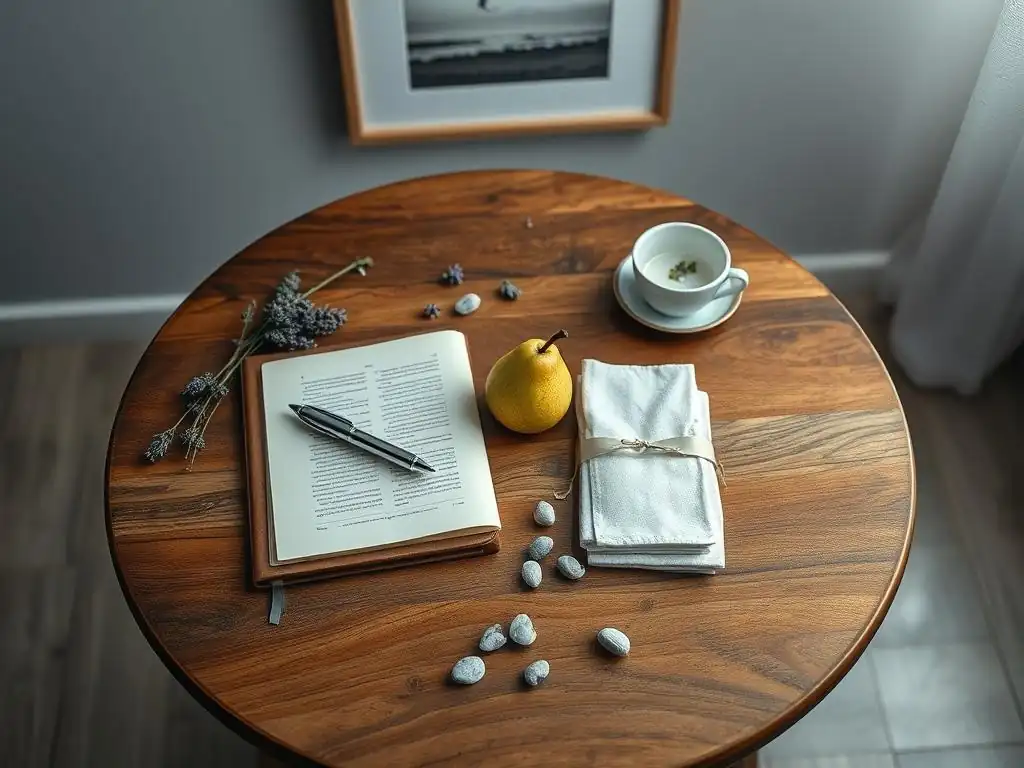
Identifying and Addressing Physical Clutter in Your Home
Physical clutter refers to the accumulation of tangible objects in our living spaces that are unorganized, unused, or unwanted. This can range from piles of clothes on a chair to overflowing drawers, crowded countertops, and storage areas packed to the brim. Identifying physical clutter involves a conscious assessment of each space in your home. Ask yourself: Is this item necessary? Is it used regularly? Does it add value or joy to my life? Often, clutter is simply delayed decision-making manifested in physical form.
Addressing physical clutter requires a systematic approach. It's not just about tidying up; it's about making deliberate choices about what you keep and where it belongs. This often involves sorting items into categories (keep, donate, discard, relocate), designating specific homes for belongings, and establishing routines to put things away. Tackling physical clutter directly impacts your immediate environment, making it easier to navigate and more pleasant to inhabit, which is a foundational step to reduce clutter, improve wellbeing.
Managing Mental Clutter: Mindfulness and Meditation Techniques
Mental clutter refers to the excess of thoughts, worries, to-do lists, and distractions that occupy our minds, making it difficult to focus and experience peace. Just as physical clutter can overwhelm our senses, mental clutter can overwhelm our cognitive capacity, leading to stress, anxiety, and difficulty concentrating. It's the constant stream of internal noise that prevents us from being fully present or thinking clearly. Identifying mental clutter involves becoming aware of your thought patterns and recognizing when your mind is racing or fixated on unproductive worries.
Managing mental clutter often involves practices that help quiet the mind and bring focus to the present moment. Mindfulness techniques, such as paying attention to your breath or bodily sensations, can help you observe thoughts without getting carried away by them. Meditation, even for just a few minutes daily, can train your mind to become less reactive to distracting thoughts and worries. By regularly practicing these techniques, you create mental space, improve focus, and cultivate inner calm, which complements the efforts to reduce clutter and improve wellbeing in your physical space.
Reduce Clutter, Improve Wellbeing: Practical Strategies for a Decluttered Life
Step 1: Start Small - Tackling One Area at a Time
The idea of decluttering an entire home can be incredibly daunting, often leading to inaction. A highly effective strategy to combat this overwhelm is to start small. Choose one specific, manageable area to focus on – perhaps a single drawer, a shelf, or just the top of your desk. Dedicate a short, defined period, like 15 or 30 minutes, to work on this small area. The goal is not perfection, but progress.
Completing a small task provides a sense of accomplishment and builds momentum. Seeing tangible results in a limited area makes the overall goal feel less impossible. For example, successfully clearing and organizing a single kitchen drawer can motivate you to tackle another, then perhaps a small section of a counter. This incremental approach makes the process less stressful and more sustainable, proving that you can reduce clutter, improve wellbeing one small step at a time.
Step 2: The KonMari Method: Decluttering by Category, Not Location
A popular and effective method for decluttering is the KonMari Method, developed by Marie Kondo. Its core principle is to declutter by category rather than by location. Instead of clearing one room at a time, you gather all items of a specific category from across your entire home – for example, all your clothing, or all your books – and sort through them together. This approach allows you to see the sheer volume of what you own in one category, which can be eye-opening and motivating.
The key step in the KonMari Method is to hold each item and ask yourself if it "sparks joy." If it does, you keep it; if not, you thank it for its service and let it go. This focus on what you keep rather than what you discard shifts the mindset from deprivation to appreciation. Working through categories like clothing, books, paper, miscellaneous items (komono), and sentimental items in a specific order helps build decision-making skills and creates a truly curated living space focused on items you value, significantly helping to reduce clutter and improve wellbeing.
Step 3: Creating a System for Organizing and Maintaining Order
Decluttering is only half the battle; maintaining order is crucial for long-term success and sustained wellbeing benefits. Once you've decided what to keep, the next step is to create a logical system for organizing these items and ensuring they have a designated "home." This might involve using containers, drawer dividers, shelving units, or simple labels to make it easy to find things and, more importantly, to put them back where they belong.
Establishing routines is vital for maintenance. This doesn't require hours of work each day. Simple habits like putting items away immediately after use, doing a quick five-minute tidy before bed, or dedicating 15-20 minutes once a week to put things back in their place can prevent clutter from accumulating again. A well-organized system reduces the likelihood of clutter returning, cementing your ability to reduce clutter, improve wellbeing over time and enjoy the lasting peace of a tidy space.
The Benefits of a Decluttered Space for Mental Health
Increased Focus and Productivity Through Decluttering
A clear physical space directly contributes to a clearer mental space, leading to improved focus and productivity. When your environment is free from visual distractions, your brain can allocate more resources to the task at hand rather than processing irrelevant stimuli. For instance, studies on workspace organization suggest that individuals with tidy desks can complete tasks more efficiently and with fewer errors compared to those working in cluttered environments. The absence of distractions makes it easier to enter a state of flow and maintain concentration for longer periods.
Furthermore, a decluttered space means you spend less time searching for misplaced items. The frustration and time wasted looking for keys, documents, or tools can be significant productivity drains. Knowing where everything is allows for smoother transitions between tasks and reduces interruptions. This increased efficiency and reduced frustration not only boost productivity but also contribute to a greater sense of accomplishment and control, reinforcing the positive cycle of 'reduce clutter, improve wellbeing.'
Enhanced Relaxation and Reduced Stress Levels
As previously noted, clutter is a significant source of stress and anxiety for many people. Conversely, a decluttered and organized space promotes feelings of calm and relaxation. Imagine returning home to a serene, orderly environment versus walking into a chaotic, messy one. The former invites you to unwind and recharge, while the latter can immediately trigger feelings of tension and overwhelm. Creating a peaceful sanctuary in your home is essential for mental restoration.
A tidy environment reduces the visual and mental load, allowing your mind to truly rest. It removes the constant reminders of unfinished tasks and disorder that can keep you in a state of low-grade stress. Having designated spaces for relaxation, free from clutter, like a comfortable reading nook or a clear spot for yoga, encourages you to engage in stress-reducing activities. This direct link between physical order and mental peace highlights the powerful effect of being able to reduce clutter and improve wellbeing through environmental changes.
Improved Sleep Quality with a Tidy Environment
The state of our bedroom environment can significantly impact the quality of our sleep. A cluttered bedroom, filled with laundry piles, scattered books, or miscellaneous items, can be a source of visual and mental distraction right before sleep. The presence of disorder can trigger anxiety or keep the mind active, making it harder to fall asleep and stay asleep. The bedroom should ideally be a calm, dark, and cool sanctuary dedicated primarily to rest and intimacy.
Creating a tidy and peaceful bedroom environment promotes relaxation and prepares the mind for sleep. Simple actions like making the bed, putting clothes away, and clearing surfaces can make a significant difference. Some sleep experts recommend removing televisions and other electronics from the bedroom to reduce clutter and distraction further. A serene sleep environment supports the body's natural sleep cycle, leading to deeper, more restorative sleep, which is fundamentally linked to overall mental health and the goal to reduce clutter, improve wellbeing.
Decluttering for Emotional Health: Releasing the Past

Letting Go of Sentimental Items: Journaling and Reframing Memories
Sentimental items often pose the biggest challenge when decluttering because they are tied to our memories and emotions. Keeping every memento can lead to significant clutter, but discarding them can feel like erasing the past. It's important to recognize that letting go of a physical object does not mean letting go of the memory or the person associated with it. The memory resides within you, not solely within the object.
One empathetic approach to releasing sentimental items is through journaling or photography. Before letting an item go, take a picture of it and write down the memories and feelings it evokes. This process honors the item's significance while creating a tangible record that doesn't take up physical space. Reframing memories from being tied to objects to being cherished internal experiences can make the process less painful and highlights how releasing physical clutter can contribute to emotional wellbeing and reduce clutter, improve wellbeing.
Addressing the Root Causes of Clutter Hoarding Tendencies
For some individuals, clutter accumulation stems from deeper psychological issues, such as anxiety, depression, trauma, or hoarding disorder. Hoarding disorder, for instance, is characterized by persistent difficulty parting with possessions due to a perceived need to save them and distress associated with discarding them, regardless of their actual value. This can lead to severely cluttered living spaces that compromise safety and quality of life.
Addressing these root causes is crucial for sustainable decluttering. For individuals with hoarding tendencies or significant emotional attachments to clutter, professional help from therapists specializing in hoarding disorder or trauma can be invaluable. Therapy can help uncover the underlying reasons for the accumulation, develop coping mechanisms, and provide strategies for making decisions about possessions. Understanding and addressing these complex emotional factors is essential to truly reduce clutter and improve wellbeing in a lasting way.
The Power of Minimalism: A Lifestyle Choice for Greater Wellbeing
While not for everyone, embracing principles of minimalism can be a powerful way to reduce clutter and improve wellbeing on a fundamental level. Minimalism is often misunderstood as living with nothing, but at its core, it's about intentionality – living with only what you truly need and value, making space for what matters most. This shift in focus from accumulation to appreciation can drastically reduce the influx of new items that contribute to clutter.
Adopting a minimalist mindset encourages mindful consumption and prioritizes experiences over possessions. It simplifies daily routines, reduces decision fatigue related to managing belongings, and frees up time, energy, and financial resources. While you don't need to become a strict minimalist, incorporating some of its principles – like thinking carefully before buying something new or regularly reviewing your possessions – can significantly contribute to maintaining a clutter-free environment and fostering long-term mental and emotional wellbeing.
Maintaining a Clutter-Free Lifestyle: Sustainable Habits for Long-Term Wellbeing
Establishing Daily and Weekly Decluttering Routines
Achieving a clutter-free space is a significant accomplishment, but maintaining it requires consistent effort through established routines. Think of it less as a one-time event and more as an ongoing practice, similar to physical hygiene. Implementing short, regular decluttering habits is far more effective than infrequent, exhausting marathon sessions. A daily routine might involve spending 5-10 minutes tidying up common areas, putting items back in their designated spots, or clearing surfaces before bed.
Weekly routines can be slightly longer, perhaps 30-60 minutes dedicated to deeper tidying in specific zones, reviewing mail, or processing items that have accumulated during the week. Consistency is key. These small, regular efforts prevent clutter from building up to overwhelming levels again. By integrating these habits into your daily and weekly schedule, maintaining a tidy environment becomes less of a chore and more of a natural part of your life, ensuring you continue to reduce clutter and improve wellbeing.
Avoiding Future Clutter: Mindful Consumption and Purchasing Habits
Preventing clutter from entering your home in the first place is a crucial aspect of maintaining a clutter-free lifestyle. This involves developing mindful consumption and purchasing habits. Before buying something new, ask yourself: Do I truly need this? Where will it live in my home? Do I already own something similar? Consider the lifecycle of the item – its use, storage, and eventual disposal.
Consciously resisting impulse purchases and opting for quality over quantity can significantly reduce the influx of items that might quickly become clutter. Practices like the "one in, one out" rule (where you donate or discard an item every time you bring a new one into your home) can help maintain balance. By being more intentional about what you bring into your physical space, you proactively reduce clutter and improve wellbeing by preventing the problem before it starts.
Seeking Professional Help: When Decluttering Becomes Overwhelming
While many people can make significant progress with personal decluttering efforts, there are times when the task feels impossible or when clutter is a symptom of deeper, unresolved issues. If you feel paralyzed by the amount of clutter, struggle with decision-making regarding possessions, or if the clutter is impacting your safety or relationships, seeking professional help is a sign of strength and a vital step towards improving your situation.
Professional organizers can provide practical, non-judgmental assistance in creating action plans, sorting items, and setting up organizational systems. For individuals whose clutter is linked to mental health conditions like depression, anxiety, ADHD, or hoarding disorder, therapy with a mental health professional is essential. They can help address the underlying psychological factors contributing to the clutter and provide strategies for managing these challenges. Recognizing when you need support and reaching out is a crucial part of the journey to reduce clutter and improve wellbeing.
The Takeaway: Embracing a Decluttered Life for a Balanced Mind
The connection between our physical environment and our mental wellbeing is undeniable. Clutter isn't just an inconvenience; it's a source of stress, anxiety, and cognitive overload that can negatively impact our focus, productivity, sleep, and overall sense of peace. By taking intentional steps to reduce clutter and improve wellbeing, we are not just tidying our homes; we are creating space for clarity, calm, and emotional health.
Embracing a decluttered life is an ongoing process, a journey of mindful choices and sustainable habits. It involves tackling physical mess, managing mental noise, and addressing the emotional attachments we have to our possessions. Whether you start with a single drawer or adopt minimalist principles, every step towards reducing clutter is a step towards cultivating a more balanced mind and a more fulfilling life. The effort invested in creating an ordered external world pays dividends in fostering inner peace and enhancing overall wellbeing.
Frequently Asked Questions
How does clutter specifically impact mental well-being?
Clutter can lead to increased stress levels and feelings of being overwhelmed. It depletes your cognitive resources, making it harder to focus and manage daily tasks.
What are some practical steps I can take to begin decluttering my space?
Start small by focusing on one area at a time, like a drawer or a desk. Employ the "20-minute rule" – declutter for just 20 minutes each day, and donate or discard unwanted items immediately.
How can decluttering contribute to better focus and productivity?
A decluttered environment minimizes distractions, allowing for improved concentration and a clearer mind. This then frees up mental space, leading to enhanced productivity in work and personal life.
Is there a connection between physical clutter and emotional clutter?
Yes, often physical clutter reflects underlying emotional issues, such as procrastination or difficulty letting go. Addressing the physical clutter can be a pathway to resolving emotional baggage.
What are some resources available if I'm struggling to declutter on my own?
Consider seeking help from a professional organizer or therapist, who can provide personalized strategies and support. Online communities and decluttering books can also offer valuable guidance and motivation.
Final Reflection: Finding Freedom in the Space Between
The pervasive nature of clutter in modern life is not merely an aesthetic issue; it's a significant contributor to mental and emotional overwhelm. Our homes, our digital spaces, and even our minds themselves can become cluttered, hindering our ability to focus, relax, and truly thrive. This article explored the undeniable link between physical and mental clutter and its impact on our overall wellbeing.
The journey towards decluttering is not just about discarding possessions; it's about reclaiming control over our lives and fostering a sense of peace. This process has profoundly impacted my own life, teaching me the value of intentionality and mindfulness in all aspects of my existence. A cluttered space reflects a cluttered mind,
a sentiment I've found increasingly true as I've embraced a more minimalist approach. The ongoing influence of this mindful decluttering extends beyond the physical; it's a continuous practice of letting go of what no longer serves me, whether it's material possessions or outdated thought patterns.
Now, I invite you to consider your own spaces – physical and mental. What needs to be released to make room for clarity, peace, and joy? Take a moment to identify one small area where you can begin decluttering, whether it's a drawer, a digital folder, or a persistent negative thought pattern. This small step can be the catalyst for a transformative journey towards a more balanced and fulfilling life. Embrace the freedom that comes with letting go, and discover the profound connection between a decluttered environment and a tranquil mind.
Unleash Your Inner Calm: Start Decluttering Today!
Thanks for taking the time to explore the powerful connection between clutter and wellbeing. We hope you gained valuable insights into how simplifying your space can transform your mind. Ready to take the next step towards a calmer, more balanced you?
- Begin with one small area: Choose a drawer, a shelf, or even just a corner – any space you can realistically tackle in 30 minutes. Focus on letting go of what no longer serves you.
- Share your decluttering journey: Inspire others by sharing your progress on social media (using #MindCareGuideDeclutter) or in the comments below!
- Explore our free downloadable guide: "5 Simple Steps to a Clutter-Free Mind," available exclusively to Mind Care Guide readers (link removed as per instructions).
What small step will you take today to create a more peaceful environment for yourself?