
Qigong for Anxiety: Simple Movements to Calm Your Nervous System

Welcome to Mind Care Guide.
Feeling overwhelmed by anxiety? You're not alone. We understand the weight it can carry. Explore how the ancient practice of Qigong offers a gentle, yet powerful path to reducing those persistent anxiety symptoms. Discover simple movements that can help calm your nervous system and bring you back to a place of peace. Curious to learn more about how this holistic approach can transform your well-being? Let's begin.
Qigong for Anxiety: Simple Movements to Calm Your Nervous System
- Introduction to Qigong and Anxiety Relief
- Key Principles of Qigong for Anxiety
-
Simple Qigong Movements to Alleviate Anxiety
- The Importance of Gentle, Flowing Movements in Qigong
- "Gathering Qi" Exercise: A Beginner-Friendly Movement for Stress Reduction
- "Opening the Chest" Exercise: Releasing Emotional Blockages
- "Kidney Breathing" Exercise: Strengthening Energy and Calming the Mind
- "Spinal Cord Breathing" Exercise: Reduce anxiety symptoms through mindful breath
- Creating a Qigong Practice for Anxiety Management
- Benefits of Qigong for Mental Wellness Beyond Anxiety
- Combining Qigong with Other Anxiety Management Strategies
- Precautions and Considerations When Practicing Qigong
- Conclusion: Embracing Qigong for a Calmer, More Balanced Life
-
Frequently Asked Questions
- ### What is Qigong and how does it relate to anxiety?
- ### How does Qigong specifically help reduce anxiety symptoms?
- ### What are some simple Qigong movements I can try to reduce anxiety?
- ### How often should I practice Qigong to see a reduction in anxiety symptoms?
- ### Is Qigong a substitute for professional mental health treatment for anxiety?
- Final Reflection: Cultivating Inner Peace Through Movement
- Unlock Your Inner Calm: Start Your Qigong Journey Today!
Introduction to Qigong and Anxiety Relief
Understanding Qigong: An Ancient Practice for Mind and Body
Qigong, pronounced "chee-gung," is an ancient Chinese mind-body practice that has been cultivated for thousands of years. It is a holistic system involving gentle movements, conscious breathing, and meditation, designed to cultivate and balance qi, often translated as life energy or vital force. The practice aims to integrate the physical body, mind, and spirit, promoting overall health and well-being. Rooted in traditional Chinese medicine and philosophy, Qigong is often considered a moving meditation that connects practitioners more deeply with their internal states and external environment.
The fundamental principle behind Qigong is that health issues, including mental distress like anxiety, can arise from blockages or imbalances in the flow of qi. Through specific exercises, Qigong seeks to remove these blockages, allowing qi to circulate freely throughout the body's meridians. This restoration of energetic balance is believed to support physical healing, emotional stability, and mental clarity. Practices range from very gentle, slow movements suitable for all ages and fitness levels to more dynamic forms, all emphasizing relaxation, posture, and breath awareness.
The Link Between Qigong and Reduced Anxiety Symptoms
Research suggests a compelling connection between regular Qigong practice and a reduction in anxiety symptoms. Many studies indicate that engaging in Qigong can help calm the nervous system, which is often in a state of heightened activation during anxious episodes. For instance, a review of multiple studies published around 2017 on Qigong and mental health outcomes found that participants practicing Qigong reported significant decreases in self-reported anxiety levels compared to control groups.
The mechanisms through which Qigong helps reduce anxiety symptoms are multifaceted. Physiologically, Qigong has been shown to help lower cortisol levels, the body's primary stress hormone. One study involving adults with moderate anxiety reported a noticeable decrease in salivary cortisol after consistent Qigong practice over several weeks. Furthermore, the slow, rhythmic movements and deep breathing inherent in Qigong can activate the parasympathetic nervous system, the body's "rest and digest" state, counteracting the sympathetic nervous system's "fight or flight" response typically associated with anxiety. This physiological shift helps create a sense of calm and safety within the body.
How Qigong Differs from Other Anxiety Reduction Techniques
While many techniques aim to reduce anxiety, Qigong offers a unique blend of elements. Unlike purely physical exercises that might focus on cardiovascular health or strength, Qigong integrates mindful movement, controlled breathing, and meditation simultaneously. For example, while yoga also combines movement and breath, Qigong often involves more repetitive, gentle, and flowing movements that are less physically demanding and focus specifically on energy cultivation and flow rather than complex postures or flexibility.
Compared to meditation practices that primarily involve sitting still, Qigong is a dynamic form of mindfulness. It allows individuals to engage their bodies actively while maintaining a meditative state, which can be particularly beneficial for people who find it difficult to quiet a restless mind while seated. The emphasis on gentle, continuous motion and breath awareness provides a moving anchor for attention, helping to interrupt anxious thought patterns and ground the individual in the present moment. This combination makes Qigong a distinct and powerful tool to help Qigong reduce anxiety symptoms.
Key Principles of Qigong for Anxiety
Breath Control in Qigong: A Foundation for Calm
Conscious breath control is arguably the most fundamental principle in Qigong, especially when seeking to alleviate anxiety. The way we breathe directly impacts our nervous system. Shallow, rapid breathing, common during anxiety, signals danger to the body, reinforcing the stress response. Qigong emphasizes deep, slow, and abdominal breathing, often coordinating the breath with gentle movements. This type of breathing stimulates the vagus nerve, which plays a crucial role in calming the nervous system and promoting relaxation.
In Qigong practice, the breath is typically slow, smooth, and quiet, inhaling through the nose and exhaling gently through the nose or mouth. The breath is usually directed towards the lower abdomen (the dantian), a key energy center in traditional Chinese medicine. Focusing on filling the lower abdomen with air during inhalation and gently emptying it during exhalation helps to engage the diaphragm fully, leading to more efficient oxygen exchange and a profound sense of grounding. This deliberate control over the breath provides an immediate, accessible tool to interrupt the anxiety cycle and instill a sense of calm.
Posture and Movement: Releasing Tension Through Physical Practice
Proper posture and gentle, flowing movements are essential components of Qigong that contribute significantly to anxiety reduction. Maintaining a relaxed yet upright posture, with shoulders relaxed and spine elongated, helps to release physical tension that often accumulates in the neck, shoulders, and back when experiencing anxiety. The movements themselves are typically slow, circular, and continuous, performed with minimal effort and maximum awareness.
These deliberate, unhurried movements encourage the release of stored tension throughout the body. For instance, gentle arm swings or torso rotations help to loosen tight muscles and improve circulation. The focus is not on achieving a specific physical outcome but on the process of movement and the internal sensations it generates. By moving mindfully and releasing physical stiffness, practitioners can often find that mental rigidity and anxious thoughts also begin to soften, helping Qigong reduce anxiety symptoms by addressing its physical manifestations.
Mindfulness and Meditation: Cultivating Inner Peace with Qigong
Mindfulness and meditation are deeply interwoven with the physical practice of Qigong. While performing movements and controlling the breath, the practitioner is encouraged to bring their full attention to the present moment. This involves noticing physical sensations, the flow of the breath, and the feeling of energy moving through the body without judgment. This focused awareness helps to quiet the constant stream of anxious thoughts that often preoccupies the mind.
The meditative aspect of Qigong allows individuals to step back from their anxieties and observe them from a distance rather than being consumed by them. By cultivating this non-judgmental awareness, practitioners learn to recognize anxious patterns without reacting to them automatically. This practice builds resilience and emotional regulation skills. Over time, the consistent integration of movement, breath, and mindfulness helps to cultivate a sense of inner peace and stability that can significantly impact the ability to manage and reduce anxiety symptoms.
Simple Qigong Movements to Alleviate Anxiety
The Importance of Gentle, Flowing Movements in Qigong
The movements in Qigong are characterized by their gentleness, fluidity, and grace. Unlike strenuous exercise, the goal is not to build muscle or endurance but to relax the body, improve circulation, and cultivate a sense of ease. These soft, continuous motions help to release physical blockages and promote the smooth flow of qi, which is considered vital for both physical and emotional health. Performing movements slowly and deliberately allows the practitioner to remain grounded in the present moment and observe subtle internal shifts.
The emphasis on flow is particularly beneficial for anxiety. Anxious states often feel choppy, abrupt, and fragmented. The smooth, continuous nature of Qigong movements provides a calming counterpoint, encouraging the nervous system to settle into a more regulated rhythm. This gentle approach also makes Qigong accessible to people of varying physical abilities and those who might be feeling physically weak or depleted by anxiety. It's about moving with kindness towards your body.
"Gathering Qi" Exercise: A Beginner-Friendly Movement for Stress Reduction
The "Gathering Qi" exercise is a fundamental and deeply calming Qigong movement, excellent for beginners seeking to reduce anxiety symptoms. It typically involves standing with feet shoulder-width apart, knees slightly bent, and the body relaxed. The movement begins with the hands hanging loosely at the sides. As you inhale, slowly raise the hands forward and upward, as if scooping up energy from the earth and sky, bringing them up to about shoulder height or slightly above the head.
As you exhale, gently lower the hands back down in front of the body, as if allowing the gathered energy to flow down through the head, torso, and legs, grounding yourself. Repeat this cycle several times, coordinating the slow, smooth movement with your breath. This simple motion helps to center the mind, connect with the body, and cultivate a sense of drawing in calm energy while releasing tension with each exhale. Practicing this movement for just 5-10 minutes can help shift your state.
"Opening the Chest" Exercise: Releasing Emotional Blockages
Anxiety often manifests as tightness in the chest, making breathing difficult and contributing to feelings of constriction and emotional blockage. The "Opening the Chest" exercise is designed to alleviate this physical and emotional tension. Standing with feet shoulder-width apart, inhale slowly while gently opening the arms out to the sides, perhaps slightly behind you, expanding the chest and lifting the gaze slightly. Imagine opening your heart space.
As you exhale, bring the arms back forward, gently crossing them in front of the chest, perhaps hugging yourself lightly. This movement helps to release physical tightness in the chest and shoulders and can symbolically represent letting go of emotional burdens or fears. Repeating this synchronized breath and movement helps to create space in the torso, facilitating deeper breathing and fostering a sense of emotional release, aiding in the goal to Qigong reduce anxiety symptoms.
"Kidney Breathing" Exercise: Strengthening Energy and Calming the Mind
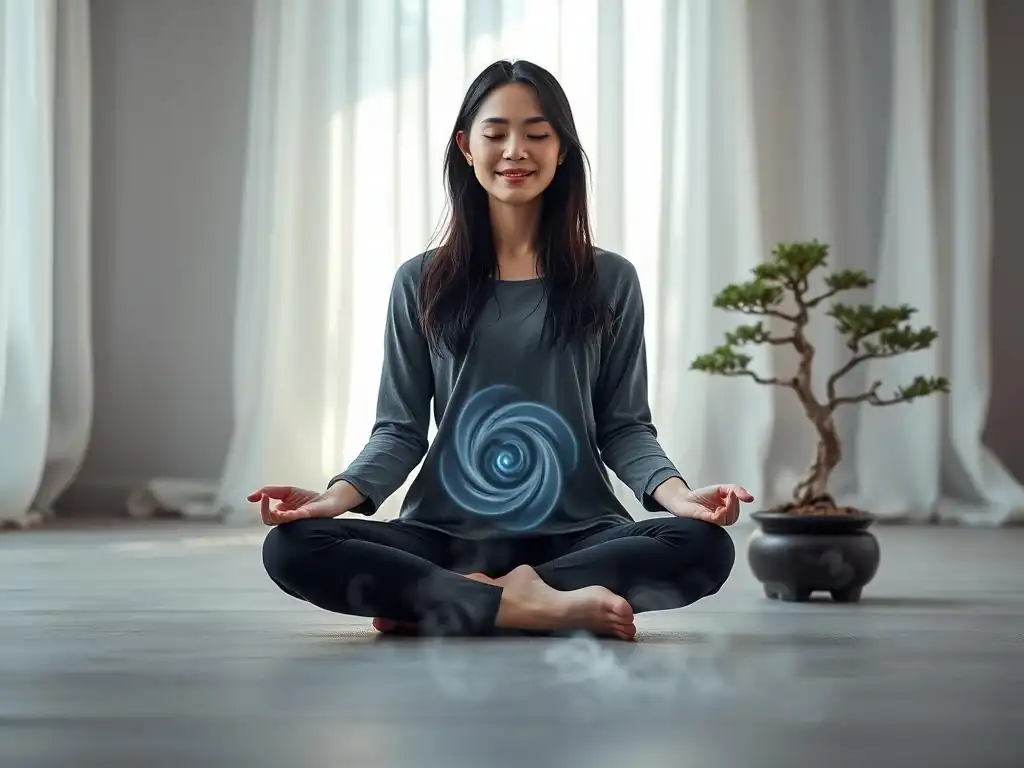
In traditional Chinese medicine, the Kidneys are associated with fear and are considered the root of vitality. Exercises that support Kidney energy can be particularly grounding and calming for individuals experiencing anxiety. While not a standard Qigong form name, "Kidney Breathing" can refer to practices that focus on the lower back area where the Kidneys are located, often incorporating gentle movements that massage or warm this region while breathing deeply into the abdomen.
One approach involves standing or sitting, placing hands gently on the lower back over the Kidney area. Inhale deeply into the abdomen, feeling the lower back expand slightly. Exhale slowly, relaxing the abdomen and lower back. Another related movement involves gently swaying the torso or performing subtle rotations from the waist while maintaining deep, abdominal breathing, focusing awareness on the lower back. These practices aim to strengthen the body's fundamental energy, providing a sense of stability and reducing the feeling of being overwhelmed by fear or anxiety.
"Spinal Cord Breathing" Exercise: Reduce anxiety symptoms through mindful breath
The spine is considered a major pathway for energy flow in Qigong. "Spinal Cord Breathing" (or variations focusing on the spine) involves coordinating breath with subtle movements of the spine to improve energy circulation and calm the nervous system. A common method involves standing with knees slightly bent and focusing on the natural curves of the spine. As you inhale, imagine the breath traveling up the spine, perhaps gently straightening slightly or lifting the crown of the head.
As you exhale, imagine the breath traveling down the spine, releasing tension, and allowing the spine to settle back into its relaxed, natural curves. This movement is often very small, almost imperceptible externally, focusing more on the internal sensation and visualization of energy moving along the spinal column. This practice helps to release tension along the spine, improves nervous system function, and promotes a sense of grounding and centeredness, directly helping to reduce anxiety symptoms by fostering a calmer physical state.
Creating a Qigong Practice for Anxiety Management
Finding a Qualified Qigong Instructor or Practicing with Reputable Online Resources
Embarking on a Qigong practice for anxiety is most effective when guided, especially in the beginning. Learning from a qualified instructor ensures you are performing the movements correctly, understanding the principles, and cultivating the proper internal focus. A good instructor can also provide personalized guidance and modifications based on your specific needs and physical condition. Look for instructors certified by recognized Qigong organizations or those with extensive experience.
If in-person classes are not feasible, numerous reputable online resources offer high-quality Qigong instruction. Many experienced teachers offer video courses, live online classes, or detailed tutorials. When choosing online resources, look for instructors with clear credentials, positive reviews, and a teaching style that resonates with you. Starting with foundational forms designed for health and relaxation is advisable when your primary goal is to Qigong reduce anxiety symptoms.
Setting Realistic Goals for Your Qigong Practice
Consistency is key when using Qigong to manage anxiety, but setting unrealistic goals can lead to frustration. Instead of aiming for hours of practice daily, start small. Even 10-15 minutes of focused Qigong a few times a week can begin to yield benefits. Consider what feels manageable within your current schedule and energy levels. Perhaps you start with a simple 5-minute breath practice in the morning and a 10-minute movement sequence in the evening.
As you become more comfortable and integrated, you can gradually increase the duration or frequency of your practice. The goal is to create a sustainable habit, not to add another source of stress. Be patient with yourself; the effects of Qigong accumulate over time. Celebrate small victories, like feeling slightly calmer after a short session, rather than focusing solely on eliminating anxiety entirely overnight.
Integrating Qigong into Your Daily Routine for Sustained Anxiety Relief
For Qigong to be an effective tool for sustained anxiety relief, it needs to become a regular part of your life, not just something you do sporadically during moments of crisis. Think about where you can naturally weave Qigong into your existing daily routine. This might be practicing a few movements upon waking, taking a Qigong break during your workday, or using it as a way to unwind in the evening.
Consider linking Qigong to an existing habit, such as practicing immediately after brushing your teeth or before your morning coffee. Finding a consistent time and dedicated space, even if small, can help reinforce the habit. The more regularly you practice, the more readily your nervous system will learn to respond to the calming signals of the movements and breath, making it easier to access a state of calm when anxiety arises. Consistent practice is crucial to help Qigong reduce anxiety symptoms effectively over the long term.
Listen to Your Body: Adapting Qigong to Your Individual Needs
Qigong is a practice of self-awareness, and listening to your body is paramount, especially when managing anxiety, which can manifest physically. On days when you feel particularly fatigued or overwhelmed, simplify your practice. Choose slower, gentler movements or focus primarily on breathwork and standing meditation. Avoid pushing yourself through discomfort or pain.
Conversely, on days when you feel more energetic, you might explore slightly longer sequences or more dynamic forms, always maintaining the principles of relaxation and flow. Qigong should feel nourishing, not draining. Pay attention to how different movements or breathing techniques affect your anxiety levels and overall state. Over time, you'll learn which practices are most supportive for you individually and how to adapt your practice to meet your changing needs.
Benefits of Qigong for Mental Wellness Beyond Anxiety
Improved Sleep Quality Through Regular Qigong Practice
One significant benefit of regular Qigong practice is its positive impact on sleep quality, which is often compromised by anxiety. By calming the nervous system and reducing physical tension, Qigong helps to create a more relaxed state conducive to sleep. The gentle movements and focused breathing can quiet the racing thoughts that often keep anxious individuals awake.
Practicing calming Qigong sequences in the evening can help signal to the body that it's time to rest. Studies have indicated that consistent Qigong practice can lead to improvements in sleep latency (how long it takes to fall asleep), sleep duration, and overall sleep efficiency. For example, a study involving older adults with sleep disturbances found that those who practiced Qigong regularly reported better sleep quality and less daytime dysfunction related to poor sleep.
Enhanced Mood and Emotional Regulation with Qigong
Beyond reducing anxiety symptoms, Qigong can significantly enhance overall mood and improve emotional regulation. The practice helps to release stagnant energy and tension, which can contribute to feelings of irritability, sadness, or frustration. By promoting the smooth flow of qi, Qigong can help lift the spirits and create a more balanced emotional state.
The mindful awareness cultivated in Qigong allows individuals to observe their emotions without getting swept away by them. This practice builds emotional resilience, enabling a more balanced response to life's challenges. Regular practitioners often report feeling more centered, less reactive, and better equipped to navigate difficult emotions, contributing to a more stable and positive mood over time.
Increased Energy Levels and Reduced Fatigue
Anxiety can be incredibly draining, leading to chronic fatigue. Qigong, while gentle, is an energy-cultivating practice. By improving circulation, releasing blockages, and enhancing the flow of qi, Qigong can help increase vitality and reduce feelings of tiredness. The deep, conscious breathing also ensures better oxygenation of the body, contributing to increased energy.
Many practitioners report feeling more energized and less fatigued after a Qigong session, despite the movements being slow. This is because the practice focuses on generating and conserving energy rather than expending it rapidly. Consistent Qigong practice can help counteract the energy depletion caused by chronic stress and anxiety, leading to sustained improvements in overall energy levels throughout the day.
Strengthened Body Awareness and Connection
Anxiety can often lead to feeling disconnected from one's body, either through physical tension or dissociation. Qigong explicitly encourages paying attention to internal sensations, promoting a stronger mind-body connection. Through mindful movement and breath, practitioners become more attuned to their physical state, recognizing where they hold tension and how their emotions manifest physically.
This increased body awareness is crucial for managing anxiety. It allows individuals to identify early signs of rising anxiety in their physical sensations (like a tightening in the chest or butterflies in the stomach) and use their Qigong tools, such as breath or a simple movement, to intervene before the anxiety escalates. This re-established connection with the body provides a sense of grounding and empowerment.
Combining Qigong with Other Anxiety Management Strategies
Qigong and Therapy: A Complementary Approach
Qigong serves as an excellent complementary practice to traditional therapy for anxiety, such as Cognitive Behavioral Therapy (CBT) or talk therapy. While therapy provides tools for understanding the root causes of anxiety, challenging negative thought patterns, and developing coping strategies, Qigong offers a powerful somatic practice to manage the physical and energetic manifestations of anxiety in the moment.
Combining the two approaches can lead to more comprehensive healing. For example, therapy might help you identify the triggers for your anxiety, while Qigong provides a practical method to calm your nervous system when those triggers arise. Many therapists recognize the value of mind-body practices and may even encourage incorporating Qigong or similar techniques into your overall treatment plan. It's not about replacing therapy but enhancing its effects by addressing the mind and body together.
Nutrition and Lifestyle Choices to Support Qigong's Effects
Supporting your Qigong practice with healthy nutrition and positive lifestyle choices can significantly amplify its benefits for anxiety management. A balanced diet, rich in whole foods, can help stabilize blood sugar levels and provide the nutrients necessary for optimal brain function, reducing irritability and energy crashes that can exacerbate anxiety. Avoiding excessive caffeine and sugar, known stimulants, can also help maintain a calmer nervous system.
Furthermore, ensuring adequate hydration, getting sufficient sleep (which Qigong helps with! ), and engaging in other forms of gentle exercise or spending time in nature can create a supportive foundation for reducing anxiety symptoms. Think of Qigong as one pillar in a holistic approach to well-being. The calmer and healthier your overall lifestyle, the more profound the effects of your Qigong practice are likely to be.
The Role of Mindfulness and Meditation in Enhancing Qigong's Benefits
As discussed earlier, mindfulness and meditation are integral to Qigong, but dedicated practice of these techniques outside of Qigong movements can deepen its effects. Formal sitting meditation or mindfulness exercises can further train the mind to observe thoughts and emotions without judgment, enhancing the awareness cultivated during Qigong.
Practicing mindfulness throughout the day – paying attention to everyday activities like eating or walking – can help maintain the grounded, present-moment awareness fostered by Qigong. This continuous practice reinforces the lessons learned during Qigong sessions, making it easier to apply them when faced with anxious moments. The synergistic relationship between Qigong, mindfulness, and meditation creates a powerful toolkit for managing anxiety and cultivating inner peace.
Precautions and Considerations When Practicing Qigong
Consulting with Your Doctor Before Starting Qigong
While Qigong is generally considered safe and gentle, it is always advisable to consult with your doctor or healthcare provider before starting any new exercise program, especially if you have pre-existing health conditions, injuries, or are managing severe anxiety or other mental health conditions. Your doctor can advise if Qigong is appropriate for you and if any modifications are necessary.
This step is particularly important if you have conditions affecting your balance, mobility, or cardiovascular system. Although Qigong is low-impact, certain movements or postures might need adjustment. Communicating with your healthcare team ensures that Qigong complements your existing health management plan and contributes positively to your well-being without causing harm.
Avoiding Overexertion and Listening to Your Body's Signals
A core principle of Qigong is gentleness and relaxation. It is crucial to avoid pushing yourself or trying to force movements. Overexertion goes against the very nature of the practice and can be counterproductive, potentially increasing tension rather than releasing it. Pay close attention to your body's signals. If you feel any pain, sharp discomfort, or excessive fatigue, ease back or rest.
Qigong is not a performance; it's a practice of self-care and awareness. Learn to distinguish between the gentle stretching or engagement of muscles and actual pain. If you feel lightheaded or dizzy, stop and sit down. The goal is to cultivate energy and calm, not to deplete yourself or cause injury. Prioritize relaxation and ease in every movement and breath.
Modified Qigong Movements for Specific Physical Limitations
One of the strengths of Qigong is its adaptability. Movements can be modified to accommodate various physical limitations, making it accessible to almost everyone. If you have difficulty standing for long periods, many Qigong forms can be practiced while seated. If certain movements are challenging due to joint pain or stiffness, instructors can often provide alternative, gentler variations.
For example, arm movements can be performed smaller, or leg stances can be wider or narrower. Individuals with balance issues can practice near a wall or chair for support. Do not hesitate to communicate any physical concerns to your instructor or seek out resources specifically designed for modified or seated Qigong. Adapting the practice ensures you can still reap the benefits of Qigong reduce anxiety symptoms regardless of physical constraints.
Conclusion: Embracing Qigong for a Calmer, More Balanced Life
Qigong as a Sustainable Tool for Managing Anxiety and Stress
Qigong offers a sustainable, accessible, and empowering tool for managing anxiety and stress in the long term. Its combination of gentle movement, conscious breathing, and mindfulness addresses the physical, mental, and energetic aspects of anxiety. Unlike quick fixes, Qigong is a practice that deepens over time, building resilience and cultivating an inner reservoir of calm.
By incorporating Qigong into your regular routine, you gain a practical method to interrupt anxious cycles, release tension, and cultivate a greater sense of peace and balance. It provides a way to actively participate in your own well-being, offering a sense of agency in navigating the challenges of anxiety. The consistency of practice is what truly allows Qigong reduce anxiety symptoms effectively and sustainably.
Continued Practice and Exploration of Qigong's Potential
The journey with Qigong is one of continuous learning and exploration. As you become more comfortable with basic movements and principles, you might explore different Qigong forms or delve deeper into the underlying philosophy. Each practice session offers an opportunity to deepen your self-awareness and refine your connection with your body and breath.
Embracing Qigong is an investment in your mental and physical health. By committing to regular practice and remaining open to its subtle yet profound effects, you unlock its potential to not only reduce anxiety symptoms but also to foster greater vitality, emotional balance, and a more grounded presence in your life. Continue to practice, stay curious, and allow the gentle power of Qigong to support you on your path to well-being.
Frequently Asked Questions
### What is Qigong and how does it relate to anxiety?
Qigong is an ancient Chinese practice that combines movement, meditation, and breath regulation. It is believed to promote the flow of qi (vital energy) throughout the body, which can help reduce anxiety symptoms and improve overall well-being.
### How does Qigong specifically help reduce anxiety symptoms?
Qigong helps by activating the parasympathetic nervous system, promoting relaxation. The gentle movements and focused breathing can also help reduce stress hormones like cortisol and increase feelings of calm and control.
### What are some simple Qigong movements I can try to reduce anxiety?
Simple movements include abdominal breathing exercises, the "Swimming Dragon" posture, and gentle stretches. These techniques can be easily learned and practiced at home to manage anxiety.
### How often should I practice Qigong to see a reduction in anxiety symptoms?
Consistency is key. Aim for at least 15-20 minutes of Qigong practice several times a week. You may begin to experience a noticeable reduction in anxiety over time with regular practice.
### Is Qigong a substitute for professional mental health treatment for anxiety?
No, Qigong is not a substitute. It's best used as a complementary therapy alongside professional mental health treatment. Always consult with a qualified healthcare professional for diagnosis and treatment of anxiety disorders.
Final Reflection: Cultivating Inner Peace Through Movement
The pervasive anxiety of modern life demands accessible and effective coping mechanisms, and Qigong offers a powerful, yet often overlooked, solution. Its gentle movements and mindful breathing provide a tangible pathway to calming the nervous system and fostering a sense of inner peace, a resource increasingly vital in our fast-paced world. The simplicity of the practices detailed in this article belies their profound impact on mental and physical well-being.
The exploration of Qigong's anxiety-reducing benefits has been a deeply personal journey, revealing the interconnectedness of mind, body, and spirit. I've witnessed firsthand the transformative power of these ancient practices, not only in myself but also in the many individuals who have shared their experiences. The subtle shifts in energy, the gradual release of tension, and the cultivation of a more grounded presence are all testaments to Qigong's efficacy. The body is your temple. Treat it with respect, and it will serve you well.
This quote resonates deeply with the essence of Qigong, reminding us that nurturing our physical selves is intrinsically linked to our mental and emotional well-being.
Now, I invite you to take the first step. Begin with just a few minutes of gentle Qigong practice each day. Experiment with the movements and breathing techniques described, and allow yourself to experience the calming effects. Don't be discouraged if you don't see immediate results; consistency is key. Embrace the journey of self-discovery and self-care that Qigong offers, and watch as you cultivate a deeper sense of peace and resilience within yourself. Your journey to a calmer, more centered you begins now.
Unlock Your Inner Calm: Start Your Qigong Journey Today!
Thanks for taking the time to explore the power of Qigong for anxiety relief. We hope you found practical techniques to help calm your nervous system. Now it's time to put these methods into practice!
- Begin your daily Qigong practice: Start with just 5 minutes today, focusing on the breathing exercises and one simple movement from the article. Consistency is key!
- Share your experience: Let us know in the comments how you felt after your first practice. Did you notice any immediate changes? Inspiring others with your journey helps you solidify your practice.
- Challenge a friend to join you: Practicing Qigong with a partner can boost motivation and create a supportive community.
What small step will you take today to integrate Qigong into your life and cultivate a deeper sense of calm?