
Finding Inner Calm: How to Achieve Peace in a Busy Life

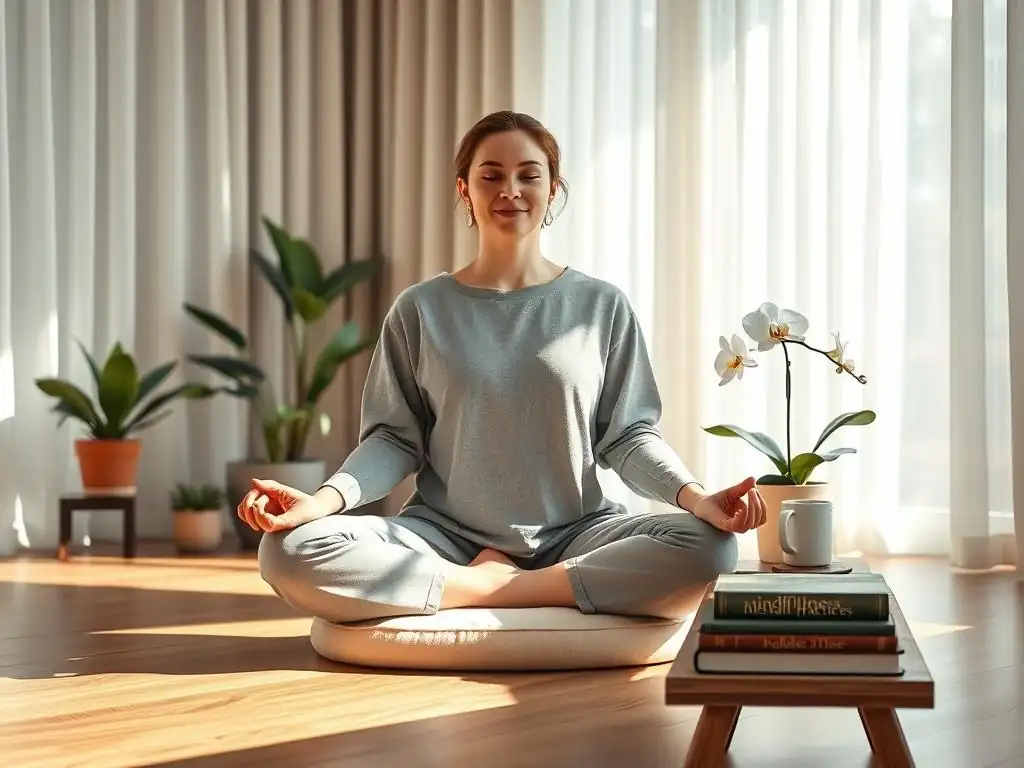
Welcome to Mind Care Guide.
Feeling overwhelmed by the constant demands of a busy life? You're not alone. It's easy to lose sight of your well-being amidst the daily hustle. But what if we told you inner peace is attainable, even now?
Dive into our comprehensive guide on Managing Stress During Busy Life and discover practical strategies to reclaim your calm. We understand the challenges you face, and we're here to help you navigate them, fostering a path towards holistic mental health and self-care. Curious to learn how to weave moments of serenity into your hectic schedule? Let's begin.
Finding Inner Calm: How to Achieve Peace in a Busy Life
- Introduction: The Urgency of Finding Calm Amidst the Chaos
- Understanding Stress in Modern Life: Identifying the Root Causes
- Practical Strategies for Managing Stress During Busy Life
- Creating Boundaries for a Balanced Lifestyle
- Finding Joy in Simple Pleasures: Reconnecting with What Matters
- Seeking Support When Needed: Recognizing the Importance of Connection
- Long-Term Strategies for Sustaining Inner Calm
- Conclusion: Embracing a Calmer, More Balanced Life
-
Frequently Asked Questions
- How does Mind Care Guide define stress in the context of a busy life?
- What are some practical techniques recommended by the Mind Care Guide for managing stress when time is limited?
- How does Mind Care Guide address the importance of self-care when managing stress during a busy period?
- What resources does Mind Care Guide offer for individuals struggling with chronic stress due to a consistently busy lifestyle?
- What are the potential long-term consequences of not managing stress effectively in a busy life, according to Mind Care Guide?
- Final Reflection: Cultivating Inner Peace in a Chaotic World
- Unlock Your Inner Peace: Start Your Journey to Calm Today!
Introduction: The Urgency of Finding Calm Amidst the Chaos
In the whirlwind of modern existence, where demands on our time and energy seem boundless, the concept of finding inner calm can feel like an unattainable luxury. We are constantly bombarded by notifications, deadlines, and the pressure to perform, leaving little room for quiet reflection or simple peace. Yet, in this era of perpetual motion, the need for effective strategies for managing stress during busy life has never been more critical. Ignoring the persistent hum of stress can lead to significant physical and mental health consequences, eroding our well-being one day at a time.
This article serves as a comprehensive guide to navigating the complexities of a hectic lifestyle while cultivating a profound sense of inner peace. We will explore the nature of stress in our contemporary world, delve into practical, actionable techniques for managing stress during busy life, and discuss the importance of setting boundaries, nurturing healthy habits, and seeking support. By integrating these principles into your daily routine, you can transform overwhelming chaos into manageable challenges, paving the way for a calmer, more fulfilling life.
Understanding Stress in Modern Life: Identifying the Root Causes
The Impact of a Hectic Schedule on Mental Well-being
A relentless pace of life, characterized by packed schedules and constant connectivity, profoundly impacts our mental well-being. When we are perpetually busy, the body's stress response system is often activated, leading to elevated levels of stress hormones like cortisol and adrenaline. This chronic activation, without sufficient recovery periods, can disrupt sleep patterns, impair cognitive function such as concentration and memory, and increase irritability and anxiety. The sheer volume of tasks and commitments can create a persistent feeling of being overwhelmed, diminishing our sense of control and contributing to emotional exhaustion, a hallmark of burnout.
Moreover, a hectic schedule often leaves little time for restorative activities essential for mental health, such as spending time with loved ones, engaging in hobbies, or simply resting. This lack of balance can lead to feelings of isolation and detachment, further exacerbating stress and potentially leading to more serious mental health challenges like depression.
Research consistently shows a strong correlation between chronic overwork and increased risk of anxiety disorders; for instance, studies have suggested that working more than 50-55 hours per week significantly increases the risk of stress-related health issues and burnout compared to a standard 40-hour week. The pressure to constantly be "on" in a 24/7 digital world adds another layer, blurring the lines between work and personal life and making it difficult to truly disconnect and recharge.
Recognizing the Symptoms of Chronic Stress
Chronic stress manifests in numerous ways, affecting not just our emotional state but also our physical health and behavior. Emotionally, symptoms can include persistent worry, irritability, difficulty relaxing, feelings of being overwhelmed, and mood swings. You might find yourself feeling anxious or restless more often than not, or experiencing a sense of dread about daily responsibilities. These emotional symptoms often interfere with your ability to enjoy activities or maintain positive relationships, creating a cycle where stress feeds into emotional distress.
Physically, chronic stress can lead to a range of issues, from common complaints like headaches, muscle tension, and fatigue to more serious conditions affecting the digestive system, cardiovascular health, and immune function. Many people experiencing chronic stress report difficulty sleeping, changes in appetite, and increased susceptibility to colds and infections. Behavioral symptoms might include procrastination, avoidance of responsibilities, increased use of substances like alcohol or caffeine to cope, or withdrawing from social activities.
Recognizing these signs early is crucial for effectively managing stress during busy life before it escalates into a crisis. For example, persistent tension headaches occurring several times a week without a clear physical cause could be a significant indicator of ongoing stress.
Common Stress Triggers in a Fast-Paced World
The fast-paced nature of modern life presents a myriad of common stress triggers that impact our daily well-being. Workplace pressures are frequently cited as a primary source, including tight deadlines, heavy workloads, job insecurity, difficult colleagues or supervisors, and the pressure to constantly be available and responsive.
The expectation of instant communication through email and messaging platforms means the workday often extends far beyond traditional hours, making it difficult to switch off and recover. Financial concerns, such as managing debt, job loss, or simply the rising cost of living, are also significant stressors for a large portion of the population; surveys often indicate that financial issues are among the top stress factors reported by adults.
Beyond work and finances, relationship challenges, family responsibilities (like childcare or elder care), health issues (personal or within the family), and major life changes (moving, marriage, divorce) all contribute to stress levels. Even seemingly minor daily hassles, such as traffic jams, technology glitches, or juggling multiple appointments, can accumulate and contribute to a feeling of being constantly overwhelmed.
The constant exposure to news and social media, often filled with negative or anxiety-inducing content, can also act as a subtle but pervasive stressor, contributing to a feeling of unease or helplessness about the state of the world. Identifying these specific triggers is the first step in developing targeted strategies for managing stress during busy life.
Practical Strategies for Managing Stress During Busy Life
Time Management Techniques for Reduced Stress
Effective time management isn't about fitting more into your day; it's about prioritizing what truly matters and creating space for well-being, which is key to managing stress during busy life. Techniques like the Eisenhower Matrix (Urgent/Important) can help you categorize tasks and decide what to do now, schedule for later, delegate, or eliminate entirely.
Setting realistic expectations for what you can achieve in a given timeframe is also vital; overestimating your capacity leads to rushed work and feelings of failure. Breaking down large projects into smaller, manageable steps makes them less daunting and provides a sense of accomplishment as you complete each phase.
Another powerful technique is time blocking, where you allocate specific blocks of time for particular tasks or types of work, including dedicated time for breaks and self-care. This structured approach helps prevent tasks from bleeding into each other and ensures that important, non-urgent activities don't get pushed aside indefinitely. Using tools like calendars, planners, or project management software can support these techniques by providing a visual overview of your commitments and progress. Implementing even simple time management habits can significantly reduce the feeling of being constantly behind, a major source of stress in a busy life.
Prioritizing Tasks and Setting Realistic Goals
Prioritization is the cornerstone of effective time management for managing stress during busy life. Start by identifying your most important tasks – those that align with your core responsibilities and values. The "Pareto Principle," or the 80/20 rule, suggests that roughly 80% of your results come from 20% of your efforts; focus on that vital 20%. Once prioritized, set realistic goals for what you can accomplish each day or week. Avoid the trap of creating overly ambitious to-do lists that are impossible to complete, as this only fosters feelings of inadequacy and increases stress.
Setting realistic goals involves understanding your own capacity and the time required for tasks. It's better to under-promise and over-deliver than the reverse. When setting goals, make them specific, measurable, achievable, relevant, and time-bound (SMART). For example, instead of "work on project," a SMART goal might be "Complete section 1.2 of the project proposal by end of day Tuesday." This clarity helps you stay focused and provides a clear marker for completion, reducing ambiguity and the associated stress.
The Power of Delegation and Saying "No"
In a busy life, learning to delegate tasks when possible and confidently saying "no" are essential skills for managing stress. Delegation isn't a sign of weakness; it's a smart way to distribute workload, empower others, and free up your time for responsibilities only you can handle. Identify tasks that can be effectively completed by colleagues, team members, or even family members and provide clear instructions and necessary resources. This not only lightens your load but can also foster collaboration and build skills in others.
Equally important is the ability to decline requests that do not align with your priorities or capacity. Saying "yes" to everything, whether out of a desire to please or a fear of missing out, quickly leads to an overwhelming schedule and burnout. It's okay, and often necessary, to politely decline new commitments when your plate is already full. Practice saying "no" assertively but kindly, perhaps suggesting an alternative or explaining your current limitations. Protecting your time and energy in this way is a powerful act of self-preservation that significantly aids in managing stress during busy life.
Utilizing Time-Saving Tools and Apps
Leveraging technology can be a significant asset in managing stress during busy life by streamlining tasks and improving organization. A wide array of time-saving tools and apps are available, from simple calendar apps that sync across devices to sophisticated project management software. Task management apps like Todoist or Asana can help you organize your to-do lists, set reminders, and track progress, providing a clear overview of your responsibilities. Calendar tools like Google Calendar or Outlook Calendar are essential for scheduling appointments, blocking out time for focused work, and ensuring you don't miss important deadlines.
Beyond basic organization, consider tools for specific needs. Note-taking apps like Evernote or OneNote can help you quickly capture ideas or information on the go, reducing the stress of forgetting important details. Automation tools can handle repetitive tasks like sending emails or scheduling social media posts. Even using features like email filters or notification management on your phone can reduce distractions and allow for more focused work periods. Experiment with different tools to find what works best for your specific workflow and helps you reclaim precious time.
Mindfulness and Meditation for Inner Peace
Mindfulness and meditation are powerful practices for cultivating inner peace and are highly effective tools for managing stress during busy life. Mindfulness involves paying deliberate attention to the present moment without judgment. This simple act can interrupt the cycle of worrying about the future or ruminating on the past, which are major sources of stress. By focusing on your breath, bodily sensations, or the environment around you, you anchor yourself in the here and now, creating a mental pause button amidst the chaos.
Regular meditation, even for just a few minutes each day, has been shown in numerous studies to reduce stress levels, lower blood pressure, and improve emotional regulation. A meta-analysis of over 200 studies indicated that mindfulness meditation can be effective in reducing symptoms of anxiety and depression. It helps train your mind to observe thoughts and feelings without getting swept away by them, giving you greater control over your reactions to stressful situations. Incorporating these practices provides a dedicated time for mental rest and rejuvenation.
Simple Mindfulness Exercises for Daily Practice
Integrating simple mindfulness exercises into your daily routine doesn't require large blocks of time. Even moments throughout the day can be opportunities to practice. One easy exercise is mindful breathing: Simply take a few slow, deep breaths, focusing entirely on the sensation of the air entering and leaving your lungs.
You can do this while waiting in line, during a commute, or before starting a new task. Another technique is a mindful walk: Pay attention to the physical sensation of walking, the sights and sounds around you, and the feeling of the ground beneath your feet, rather than letting your mind wander to worries.
Mindful eating is another accessible practice. Instead of rushing through meals, take a moment to observe the appearance, smell, and texture of your food. Chew slowly, paying attention to the taste and sensations in your mouth. This not only enhances the experience but also helps you become more attuned to your body's hunger and fullness cues. These small moments of intentional presence add up, building your capacity for mindfulness and providing mini-breaks from the mental clutter of a busy life.
Guided Meditation for Stress Reduction and Relaxation
If you're new to meditation or find it difficult to quiet your mind on your own, guided meditation can be an excellent starting point for stress reduction. Guided meditations involve listening to an instructor who leads you through the process, offering prompts for focusing your attention, relaxing your body, or visualizing calming scenes. This can make it easier to stay focused and prevent your mind from wandering. Many apps, websites, and podcasts offer a wide variety of guided meditations, ranging in length from a few minutes to half an hour or more, catering to different needs and preferences.
Guided meditations specifically designed for stress reduction often focus on techniques like body scans (bringing awareness to different parts of the body to release tension), loving-kindness meditation (cultivating feelings of warmth and compassion), or visualizations of peaceful environments. These structured sessions provide a clear framework and support, making the practice more accessible and effective. Committing to a daily guided meditation, even for 10-15 minutes, can significantly impact your ability to manage stress during busy life, promoting deep relaxation and a greater sense of inner peace.
Creating a Dedicated Meditation Space
While you can technically meditate anywhere, having a dedicated meditation space can make the practice more inviting and consistent. This doesn't require a whole room; it could be a quiet corner, a comfortable chair, or even just a cushion on the floor in a peaceful area of your home. The key is to choose a spot where you feel comfortable and are less likely to be interrupted. Clear the space of clutter and distractions, creating a visually calming environment.
Personalize your meditation space to make it feel sacred and conducive to relaxation. You might add elements like a comfortable cushion or mat, a soft blanket, a candle, incense, or a small plant. Keep distractions like phones or laptops out of this area. Consistently using this dedicated space signals to your mind that it's time to transition into a state of calm and focus, making it easier to drop into meditation and gain the full benefits for managing stress during busy life.
The Importance of Physical Activity for Stress Relief
Physical activity is one of the most effective natural stress relievers available, playing a crucial role in managing stress during busy life. When you exercise, your body releases endorphins, often referred to as "feel-good" neurotransmitters, which have mood-boosting effects and act as natural painkillers. Exercise also helps reduce the levels of stress hormones like cortisol and adrenaline. The physical exertion itself can help you release pent-up tension and energy that might otherwise manifest as anxiety or restlessness.
Beyond the immediate chemical effects, regular physical activity improves sleep quality, which is vital for stress management. It also provides a healthy distraction from worries and allows you to focus your energy on something positive. Engaging in physical activity can improve your self-esteem and confidence, building resilience against future stressors. Whether it's a brisk walk, a vigorous workout, or a gentle yoga session, moving your body is a powerful way to combat the negative effects of stress.
Incorporating Exercise into a Busy Routine
Finding time for exercise in a packed schedule can seem challenging, but it's essential for managing stress during busy life. It doesn't have to be an hour-long gym session every day. Look for opportunities to integrate movement throughout your day. Take the stairs instead of the elevator, walk or bike to work if possible, or go for a brisk walk during your lunch break. Even short bursts of activity, like 10-15 minutes of stretching or jumping jacks, can make a difference.
Schedule your workouts like you would any other important appointment to ensure they happen. Maybe that means waking up 30 minutes earlier, exercising during your commute (if feasible), or dedicating a specific time slot in the evening. Consider breaking up your activity into smaller segments; the CDC recommends at least 150 minutes of moderate-intensity aerobic activity or 75 minutes of vigorous-intensity activity per week, and this can be spread out. Finding an activity you genuinely enjoy makes it easier to stick with, whether it's dancing, hiking, swimming, or playing a sport.
The Mental Health Benefits of Regular Physical Activity
The positive impact of regular physical activity on mental health is well-documented and significant. Consistent exercise is often recommended as a complementary treatment for anxiety and depression due to its mood-regulating effects. It helps to improve focus and concentration, reduce fatigue, and alleviate symptoms of stress. The process of setting and achieving fitness goals can also boost self-efficacy and provide a sense of accomplishment, contributing to a more positive mental outlook.
Beyond the chemical and psychological benefits, physical activity provides a valuable opportunity for mindfulness. Focusing on your body's movements, your breath, or the sensations of exercise can pull you into the present moment, similar to meditation. Activities like yoga or tai chi specifically combine movement with mindfulness and breathwork, offering a holistic approach to stress reduction. Engaging in physical activity with others, such as joining a sports team or taking a group fitness class, also provides social connection, another important buffer against stress.
Different Types of Exercise for Stress Management
Different types of exercise offer unique benefits for managing stress during busy life. Aerobic exercises, such as running, swimming, cycling, or dancing, are excellent for releasing endorphins and reducing tension. They provide a consistent, rhythmic movement that can be very calming and allow your mind to focus on the physical sensation rather than stressors. Aim for activities that elevate your heart rate and make you breathe harder, as these are particularly effective for stress relief.
Strength training, using weights or bodyweight, helps build muscle and bone density but also contributes to stress management. The physical exertion can be a great way to release frustration, and building physical strength can contribute to a feeling of mental resilience. Mind-body practices like yoga, Pilates, and Tai Chi are particularly beneficial for stress reduction as they combine physical postures with breath control, mindfulness, and relaxation techniques. These practices help improve flexibility and balance while calming the nervous system. Finding the type of exercise you enjoy is key to maintaining consistency.
Cultivating Healthy Habits for Emotional Resilience
Building emotional resilience, the ability to bounce back from challenges, is crucial for managing stress during busy life, and it's deeply intertwined with cultivating healthy daily habits. These habits form the foundation upon which you can better withstand pressure and maintain your well-being. Focusing on nutrition, sleep, and limiting harmful substances provides your body and mind with the resources they need to function optimally and cope with stress effectively.
Think of these habits as non-negotiables in your schedule, just as important as work deadlines or appointments. Prioritizing them demonstrates a commitment to your own health, which is essential for long-term stress management. Neglecting these fundamental needs leaves you more vulnerable to the negative impacts of stress, making even minor challenges feel overwhelming.
The Role of Nutrition in Managing Stress
What you eat significantly impacts your mood, energy levels, and ability to cope with stress. A balanced diet rich in whole foods provides the nutrients your brain needs to regulate mood and energy. Complex carbohydrates (like whole grains, fruits, and vegetables) help stabilize blood sugar levels, preventing mood swings and irritability. Lean proteins provide amino acids essential for neurotransmitter production. Omega-3 fatty acids, found in fatty fish, nuts, and seeds, are linked to reduced levels of anxiety and depression.
Conversely, diets high in processed foods, sugar, and unhealthy fats can exacerbate stress symptoms. Sugary foods provide a temporary energy boost followed by a crash, while excessive caffeine can increase anxiety and disrupt sleep. Staying well-hydrated is also crucial, as dehydration can lead to fatigue and difficulty concentrating.
Making conscious choices about your diet is a practical step in managing stress during busy life, providing your body with the necessary fuel to handle demands. For instance, swapping a sugary snack for a handful of almonds or a piece of fruit can help maintain stable energy levels throughout the afternoon slump.
Prioritizing Sleep for Optimal Mental Health
Sleep is not a luxury; it is a fundamental necessity for both physical and mental health, playing a critical role in managing stress during busy life. During sleep, your brain processes information, consolidates memories, and regulates mood and stress hormones. Chronic sleep deprivation impairs cognitive function, increases irritability, and makes you more susceptible to stress and anxiety. Most adults need between 7 and 9 hours of quality sleep per night.
Making sleep a priority means establishing a consistent sleep schedule, even on weekends. Create a relaxing bedtime routine to signal to your body that it's time to wind down. This might include reading, taking a warm bath, or listening to calming music. Ensure your bedroom is dark, quiet, and cool.
Avoid screens (phones, tablets, computers) for at least an hour before bed, as the blue light can interfere with melatonin production. Adequate sleep improves your resilience, making you better equipped to handle daily stressors with a clear mind and stable mood. Studies have shown that even one night of poor sleep can significantly increase stress reactivity the following day.
Limiting Caffeine and Alcohol Consumption
While caffeine and alcohol are often used as coping mechanisms in a busy life, they can actually worsen stress and anxiety in the long run. Caffeine, a stimulant, can increase heart rate and mimic the physical symptoms of anxiety, such as jitters and nervousness. While a morning coffee might help you feel alert, excessive intake, especially in the afternoon or evening, can disrupt sleep patterns, creating a vicious cycle of fatigue and increased stress. Experts often suggest limiting caffeine intake to around 400 milligrams per day (about four cups of coffee) and avoiding it late in the day.
Alcohol might initially feel relaxing, but it is a depressant that can disrupt sleep quality and negatively affect mood. Relying on alcohol to unwind can lead to dependence and exacerbate underlying anxiety or depression. Furthermore, alcohol can interfere with the effectiveness of some stress-management techniques and medications. Being mindful of your consumption of both caffeine and alcohol is an important step in managing stress during busy life and supporting overall emotional well-being.
Creating Boundaries for a Balanced Lifestyle
Setting clear boundaries is not selfish; it's a necessary act of self-care that is fundamental for managing stress during busy life and preventing burnout. Boundaries define where your responsibilities end and where your personal time and energy begin. In a world that often encourages constant availability, establishing these limits is crucial for protecting your mental and physical health. Without boundaries, you risk becoming overextended, resentful, and exhausted, making effective stress management nearly impossible.
Boundaries need to be set in various areas of life, including work, personal relationships, and even your relationship with technology. They communicate your needs and limits to others and, importantly, to yourself. While setting boundaries can feel challenging at first, especially if you're used to always saying "yes," it ultimately leads to greater respect for your time and energy, reduced stress, and a more balanced and sustainable lifestyle.
Setting Boundaries at Work to Prevent Burnout
The workplace is a common area where boundaries are easily blurred, contributing significantly to stress and burnout. Setting boundaries at work involves defining your working hours and sticking to them as much as possible. This might mean avoiding checking emails late at night or on weekends, or declining non-essential tasks when your workload is already high. It's about clearly communicating your availability and limitations to colleagues and supervisors. For example, if your workday ends at 5 PM, make it a practice to sign off and avoid work-related tasks until the next morning, unless there is a genuine emergency.
Another important boundary is managing interruptions. While collaboration is necessary, constant disruptions can fragment your focus and increase stress. You might set specific times for checking emails or messages, use a "do not disturb" sign when focused work is needed, or communicate preferred methods and times for urgent contact. Learning to say "no" or negotiate deadlines when faced with an unmanageable workload is also a critical work boundary. Protecting your non-work time is essential for rest and recovery, enabling better performance and preventing the chronic stress that leads to burnout.
Establishing Boundaries in Personal Relationships
Boundaries are just as important in personal relationships as they are in the workplace for managing stress during busy life. This involves communicating your needs, limits, and expectations to friends and family members. It might mean setting limits on how often you can socialize if you need downtime, or declining requests for favors when you are already overwhelmed. It's about ensuring that your relationships are reciprocal and respectful of your time and energy, rather than draining.
Healthy boundaries in relationships prevent resentment and misunderstanding. They allow you to maintain your individuality and ensure that your own needs are met. This doesn't mean being rigid or unsupportive, but rather finding a balance where you can be there for others without sacrificing your own well-being. For example, if a friend consistently calls late at night with non-urgent issues, you might kindly explain that you need your rest and suggest talking earlier in the day. Clear communication is key to setting and maintaining these boundaries effectively.
Protecting Your Time and Energy
Ultimately, setting boundaries is about protecting your most valuable resources: your time and energy. In a busy world, both are constantly in demand. Consciously deciding how you spend your time and with whom you spend your energy is a powerful form of stress management. This involves being intentional about your commitments and learning to filter out activities or interactions that drain you without providing value or joy.
This might involve scheduling dedicated "me time" in your calendar, just as you would a meeting, and treating it as non-negotiable. It could mean limiting exposure to negative influences, whether that's reducing time spent with pessimistic individuals or curating your social media feed to be more positive. Protecting your time and energy allows you to allocate them towards activities that nourish you, help you recharge, and contribute to your overall well-being, making it easier to navigate the demands of a busy life without succumbing to chronic stress.
Finding Joy in Simple Pleasures: Reconnecting with What Matters
In the rush of managing stress during busy life, it's easy to lose sight of the simple joys that enrich our existence. Reconnecting with what truly matters – the small moments of pleasure, connection, and beauty – is a powerful antidote to stress. These simple pleasures don't require significant time or money; they require presence and appreciation. Making a conscious effort to notice and engage with these moments helps shift your focus from problems and pressures to appreciation and contentment.
Cultivating an awareness of simple pleasures can significantly improve your mood and perspective. It reminds you that even amidst challenges, there are sources of happiness and peace available. Incorporating these moments into your daily or weekly routine provides essential moments of respite and helps maintain a balanced perspective, reinforcing your ability to manage stress effectively.
Engaging in Hobbies and Activities You Enjoy
Making time for hobbies and activities you genuinely enjoy is vital for managing stress during busy life. Hobbies provide an escape from daily pressures, allowing you to focus on something engaging and fulfilling purely for pleasure. Whether it's painting, playing a musical instrument, gardening, reading fiction, or crafting, dedicating time to these pursuits can be incredibly restorative. They tap into different parts of your brain, provide a sense of accomplishment, and offer a creative outlet for expression.
Think back to activities you loved before life became so hectic. Try to carve out even small pockets of time each week to re-engage with them. This dedicated time for enjoyment is not a luxury; it's a necessity for maintaining mental well-being. It provides a counterbalance to the demands of work and responsibilities, reminding you of your passions and providing a source of joy independent of external pressures. Scheduling this time, even if it's just 30 minutes, can ensure it doesn't get squeezed out by other demands.
Spending Time in Nature for Stress Reduction
Spending time in nature has consistently been shown to have significant stress-reducing effects. Whether it's a walk in a local park, hiking in the mountains, spending time by the ocean, or simply sitting in your backyard, connecting with the natural world can lower cortisol levels, reduce blood pressure, and improve mood. The sights, sounds, and smells of nature have a calming effect on the nervous system, providing a break from the sensory overload of urban or indoor environments.
Try to incorporate nature into your routine for managing stress during busy life. This could be a daily walk in a green space, eating your lunch outside, or planning weekend trips to natural areas. Even bringing plants into your home or workspace can offer a touch of nature's calming influence. Studies have indicated that spending just 20-30 minutes in nature can significantly reduce stress hormone levels. Make it a point to disconnect from technology during this time and simply be present in the natural environment.
Cultivating Gratitude and Positive Thinking
Cultivating gratitude involves consciously focusing on the things you are thankful for, no matter how small. This practice can shift your perspective from what's wrong or stressful to what's right and positive in your life. Regularly practicing gratitude has been linked to increased happiness, reduced stress, and improved overall well-being. It helps reframe challenges and fosters a more optimistic outlook.
One simple way to cultivate gratitude is to keep a gratitude journal, writing down three to five things you are grateful for each day. This could be anything from a delicious meal to a supportive friend or a beautiful sunset. Another practice is to express your gratitude to others, which strengthens relationships and boosts your own positive feelings.
Similarly, practicing positive thinking involves consciously challenging negative thoughts and replacing them with more constructive ones. While it's not about ignoring problems, it's about choosing to focus on solutions and possibilities rather than dwelling on difficulties. These practices build emotional resilience and are powerful tools for managing stress during busy life.
Seeking Support When Needed: Recognizing the Importance of Connection

Recognizing when you need support and actively seeking it is a sign of strength, not weakness, and is a vital component of managing stress during busy life. Humans are social creatures, and connection provides a powerful buffer against stress. Trying to navigate overwhelming stress entirely on your own can lead to isolation and exacerbate negative feelings. Reaching out for help, whether from friends, family, support groups, or professionals, provides perspective, emotional comfort, and practical assistance.
Don't wait until you are at a breaking point to seek support. Proactive connection and seeking help when stress levels begin to rise can prevent a crisis. It's important to identify your support network and understand the different types of help available, ensuring you reach out to the right source for your specific needs.
Connecting with Friends and Family for Emotional Support
Your personal network of friends and family can be an invaluable source of emotional support when you're managing stress during busy life. Talking about your feelings and challenges with someone you trust can provide perspective, validation, and comfort. Simply knowing you're not alone in your struggles can significantly reduce the burden of stress. Make an effort to nurture these relationships, even when you're busy.
Schedule regular time to connect with loved ones, whether it's a weekly call, a shared meal, or just a quick chat. Be open and honest about what you're going through, while also being present to listen to their experiences. Social connection releases oxytocin, a hormone that promotes feelings of calm and well-being. Sharing laughter, stories, and support strengthens bonds and creates a resilient network that can help you weather life's storms.
Sometimes, connecting with people who have similar experiences can be particularly helpful for managing stress during busy life, especially if your stress stems from specific challenges like caregiving, a particular health condition, or navigating a certain life transition. Support groups, whether in-person or online, offer a safe space to share your struggles, learn from others' coping strategies, and feel understood by people who truly "get it."
Hearing how others have navigated similar difficulties can provide hope and practical advice. Support groups foster a sense of community and belonging, reducing feelings of isolation that often accompany stress. They can be a valuable supplement to your personal network, offering a unique form of validation and shared wisdom. Many organizations and online platforms host support groups for a wide range of specific stressors and conditions.
When to Seek Professional Help for Stress and Anxiety
While self-care strategies and social support are powerful tools for managing stress during busy life, there are times when professional help is necessary and highly beneficial. If your stress levels are consistently high, significantly impacting your daily life, work, relationships, or health, it may be time to consult a mental health professional. Symptoms like persistent anxiety, panic attacks, chronic fatigue, difficulty sleeping for extended periods, loss of interest in activities you once enjoyed, or thoughts of hopelessness are signs that professional support could be beneficial.
Therapists, counselors, psychologists, or psychiatrists can provide effective strategies for managing stress, such as Cognitive Behavioral Therapy (CBT) or mindfulness-based techniques. They can help you identify the root causes of your stress, develop healthier coping mechanisms, and address any underlying conditions like anxiety or depression.
Seeking professional help is a proactive step towards regaining control and improving your long-term well-being. Don't hesitate to reach out if you feel overwhelmed or unable to cope on your own; resources like the National Alliance on Mental Illness (NAMI) or the Substance Abuse and Mental Health Services Administration (SAMHSA) helplines can provide starting points for finding help.
Long-Term Strategies for Sustaining Inner Calm
Managing stress during busy life is not a one-time fix but an ongoing process that requires consistent effort and adaptation. Developing long-term strategies for sustaining inner calm involves creating a personalized plan, regularly evaluating its effectiveness, and building resilience to navigate future challenges. It's about integrating stress management techniques into the fabric of your life so they become automatic responses rather than reactive measures.
Sustaining calm requires self-awareness and a commitment to prioritizing your well-being amidst life's inevitable ups and downs. It means recognizing that stress will still occur, but you will have a robust set of tools and habits to handle it effectively, preventing it from derailing your peace and balance.
Developing a Personalized Stress Management Plan
A personalized stress management plan is a tailored approach that incorporates the strategies that work best for you in managing stress during busy life. Start by identifying your specific stressors and how they typically affect you. Then, review the practical strategies discussed – time management, mindfulness, exercise, healthy habits, boundaries, simple pleasures, and support – and select the ones that resonate most and seem most feasible to implement in your life.
Your plan might include specific daily or weekly activities, such as:
- [ ] 15 minutes of morning meditation
- [ ] Taking a 20-minute walk during lunch
- [ ] Saying "no" to one non-essential request per week
- [ ] Scheduling one hour for a hobby on Saturday
- [ ] Setting a technology curfew at 9 PM
Write down your plan and keep it somewhere visible. A personalized plan makes stress management concrete and actionable, moving it from an abstract idea to a practical routine.
Regularly Evaluating and Adjusting Your Strategies
Life is dynamic, and your stress levels and triggers may change over time. Therefore, it's crucial to regularly evaluate the effectiveness of your stress management strategies and make adjustments as needed. What worked well last month might not be as effective now. Set aside time periodically – perhaps monthly or quarterly – to check in with yourself. How have you been feeling? Which strategies have you been consistently using? Which ones have fallen by the wayside? Are there new stressors in your life that require a different approach?
Be honest with yourself during this evaluation. If a particular technique isn't helping, don't be afraid to try something new. If a strategy feels overwhelming to maintain, break it down into smaller steps or find a simpler version. The goal is a sustainable approach to managing stress during busy life, not perfection. Adjusting your plan ensures it remains relevant and effective as your circumstances evolve.
Building Resilience for Future Challenges
Sustaining inner calm isn't about eliminating stress entirely, but about building resilience – the capacity to recover quickly from difficulties. Your stress management practices are the building blocks of this resilience. By consistently practicing mindfulness, maintaining healthy habits, nurturing relationships, and setting boundaries, you strengthen your ability to withstand pressure and bounce back from setbacks. Resilience is like a muscle that gets stronger with use.
Embracing a growth mindset – viewing challenges as opportunities for learning and growth rather than insurmountable obstacles – also contributes to resilience. Focus on what you can control, practice self-compassion when things are tough, and remember past instances where you successfully navigated difficulties. Building resilience is a continuous process that equips you with the inner strength and adaptability needed to maintain peace and balance, even when life gets busy and challenging.
Conclusion: Embracing a Calmer, More Balanced Life
Navigating a busy life while maintaining inner calm is an ongoing journey, not a destination. It requires conscious effort, self-awareness, and a commitment to prioritizing your well-being. By understanding the nature of modern stress, implementing practical strategies for managing stress during busy life – from time management and mindfulness to physical activity and healthy habits – and recognizing the vital role of boundaries and support, you equip yourself with the tools needed to transform overwhelm into a sense of control and peace.
Embracing a calmer, more balanced life is within your reach. It involves making small, consistent changes, being patient with yourself, and recognizing that setbacks are a normal part of the process. By integrating these principles and practices into your daily life, you can cultivate resilience, protect your mental and physical health, and discover a profound sense of inner peace that allows you to thrive, even amidst the inevitable demands of a busy world. Your well-being is worth the investment.
Frequently Asked Questions
How does Mind Care Guide define stress in the context of a busy life?
Stress is viewed as the body's response to demands and pressures, often exacerbated by a packed schedule. It's the feeling of being overwhelmed and unable to cope with life's challenges effectively.
What are some practical techniques recommended by the Mind Care Guide for managing stress when time is limited?
The guide suggests incorporating short mindfulness exercises, like deep breathing, into your daily routine. Prioritizing tasks and setting realistic expectations are also key.
How does Mind Care Guide address the importance of self-care when managing stress during a busy period?
Self-care is presented as a vital component of stress management, not a luxury. Even small acts, like a short walk or reading, can have a significant impact.
What resources does Mind Care Guide offer for individuals struggling with chronic stress due to a consistently busy lifestyle?
The website provides links to mental health professionals, articles on coping strategies, and information on support groups. These resources help individuals find personalized care.
What are the potential long-term consequences of not managing stress effectively in a busy life, according to Mind Care Guide?
Ignoring stress can lead to physical and mental health problems, like anxiety, depression, and burnout. The guide emphasizes the importance of early intervention and proactive stress management.
Final Reflection: Cultivating Inner Peace in a Chaotic World
The relentless pace of modern life leaves many feeling overwhelmed and stressed, a pervasive issue impacting our mental and physical well-being. This article explored practical strategies for finding inner calm amidst the chaos, emphasizing the importance of mindfulness, self-care, and setting healthy boundaries. The pursuit of peace isn't a luxury; it's a necessity for navigating the complexities of a busy life and thriving, not just surviving.
The journey towards inner peace is a continuous process, a lifelong commitment to self-awareness and mindful living. It's a journey that has profoundly impacted my own life, teaching me the value of slowing down and appreciating the present moment. As the poet Mary Oliver so eloquently stated: Tell me, what is it you plan to do with your one wild and precious life?
This question serves as a constant reminder to prioritize my well-being and cultivate inner calm, not just for my own benefit, but to be a more present and compassionate individual in the world.
Now, it's your turn. Consider the practices discussed in this article – mindfulness exercises, time management techniques, and the importance of self-compassion. Choose one small step you can take today to integrate these principles into your life. Even a few minutes of mindful breathing can make a significant difference. Embrace the journey towards inner peace; it's a journey worth taking, and the rewards are immeasurable. Start small, be consistent, and watch your life transform.
Unlock Your Inner Peace: Start Your Journey to Calm Today!
Thanks for taking the time to explore ways to find inner peace amidst the everyday hustle. We hope this article provided valuable insights and practical tools for managing stress and cultivating serenity. Now it's time to put them into action!
- Prioritize one calming activity from the article this week. This could be anything from mindful breathing exercises to spending time in nature – make it a consistent part of your routine.
- Share this article with someone you care about. Inspiring others to prioritize their well-being can be just as rewarding as your own self-care journey.
- Leave a comment below and share your favorite stress-reducing technique. Let's build a supportive community committed to finding calm together!
What small step will you take today to cultivate more peace in your life?