
Prevent Burnout: Strategic SelfCare for LongTerm Wellbeing


Welcome to Mind Care Guide, your trusted companion on the journey to lasting mental well-being. Feeling overwhelmed and on the verge of burnout? You're not alone. We understand the pressures of modern life, and that's why we've created this space. Ready to reclaim your energy and find sustainable peace? Delve into our guide on prevent burnout selfcare strategies and discover practical tools to build a healthier, happier you. Let's begin!
Prevent Burnout: Strategic Self-Care for Long-Term Wellbeing
- Understanding Burnout and Its Impact on Mental Health
- Strategic Self-Care Strategies to Prevent Burnout: A Proactive Approach
- Practical Self-Care Techniques for Managing Stress and Preventing Burnout
- Long-Term Wellbeing: Maintaining Self-Care Habits and Preventing Future Burnout
- The Role of Workplace Wellness Programs in Preventing Burnout
- Overcoming Obstacles to Self-Care: Time Constraints, Guilt, and Perfectionism
- Measuring the Effectiveness of Your Self-Care Strategies for Burnout Prevention
- Self-Care and Burnout Prevention: A Holistic Approach to Long-Term Mental Health
-
Frequently Asked Questions
- What is burnout and how does it differ from regular stress?
- Why is self-care important for preventing burnout?
- What are some practical self-care strategies to prevent burnout?
- How often should I practice self-care to effectively prevent burnout?
- What if I'm struggling to implement self-care strategies due to time constraints or other challenges?
- Final Reflection: Cultivating Resilience Through Strategic Self-Care
- Unleash Your Inner Resilience: Start Thriving Today!
Understanding Burnout and Its Impact on Mental Health
Defining Burnout: Symptoms and Stages
Burnout is a state of emotional, physical, and mental exhaustion caused by prolonged stress, often in a work context. It's not just feeling tired; it's a profound sense of depletion that affects your ability to function effectively. The World Health Organization (WHO) officially recognized burnout in its International Classification of Diseases (ICD-11) as an occupational phenomenon resulting from chronic workplace stress that has not been successfully managed. Key symptoms include feelings of energy depletion or exhaustion, increased mental distance from one's job, or feelings of negativism or cynicism related to one's job, and reduced professional efficacy.
Burnout typically progresses through stages, although not everyone experiences them identically. Initially, there might be a compulsion to prove oneself, leading to overwork and neglect of personal needs. As stress mounts, individuals might experience chronic fatigue, difficulty concentrating, and a decline in performance. The later stages can involve feelings of failure, detachment, and cynicism, potentially leading to complete exhaustion and even physical illness. Recognizing these early signs is crucial for implementing prevent burnout selfcare strategies before reaching a critical point.
The Connection Between Burnout and Mental Wellbeing
Burnout has a significant and often detrimental impact on mental wellbeing. Chronic stress and exhaustion can exacerbate existing mental health conditions like anxiety and depression or even trigger their onset. A study published in the Journal of Occupational Health Psychology found a strong correlation between high levels of burnout and increased risk of depressive symptoms. The persistent feeling of being overwhelmed and ineffective erodes self-esteem and can lead to feelings of hopelessness.
Furthermore, burnout can isolate individuals. The detachment and cynicism often associated with later stages can strain relationships with colleagues, friends, and family, removing vital sources of support. This isolation, combined with the emotional and physical toll, creates a vicious cycle that further degrades mental health. Implementing effective prevent burnout selfcare strategies is not just about managing work stress; it's fundamentally about protecting and nurturing your overall mental wellbeing.
Identifying Personal Burnout Triggers
Understanding what specifically contributes to your stress is a critical step in preventing burnout. Triggers can be external, like excessive workload, lack of control over tasks, poor work-life balance, or difficult relationships with colleagues or superiors. They can also be internal, such as perfectionism, a strong need for validation, or difficulty saying no. For example, someone in a high-pressure tech role might find constant tight deadlines and scope creep to be major external triggers, while a healthcare professional might be triggered by emotional demands and long shifts.
Identifying your personal triggers involves self-reflection and often, tracking. Keeping a journal for a week or two, noting down stressful situations, your reactions, and the emotions you felt, can reveal patterns. Did you feel overwhelmed after a specific meeting? Did you feel drained after interacting with a particular person? Recognizing these patterns allows you to develop targeted prevent burnout selfcare strategies. For instance, if meeting overload is a trigger, you might strategize to decline non-essential meetings or propose agenda limits.
Strategic Self-Care Strategies to Prevent Burnout: A Proactive Approach
Prioritizing Physical Wellbeing for Burnout Prevention
Physical health is intrinsically linked to mental resilience. Neglecting your body while trying to cope with stress is counterproductive and accelerates the path towards burnout. Focusing on sleep, nutrition, and exercise forms the foundation of robust prevent burnout selfcare strategies. A balanced physical state provides the energy, clarity, and emotional stability needed to navigate challenges effectively.
Making physical wellbeing a non-negotiable priority requires conscious effort. It means scheduling exercise like appointments, planning meals to ensure adequate nutrition, and creating a consistent sleep routine. For example, research consistently shows that regular moderate exercise, such as 30 minutes of brisk walking most days of the week, significantly reduces stress levels and improves mood by releasing endorphins. Ignoring these physical pillars makes you more vulnerable to the effects of chronic stress.
The Importance of Sleep for Mental Resilience
Adequate sleep is fundamental to cognitive function, emotional regulation, and physical restoration. Chronic sleep deprivation, defined by the CDC as getting less than 7 hours of sleep per 24-hour period regularly, is a major contributor to stress, irritability, and decreased ability to cope. During sleep, the brain processes emotions, consolidates memories, and clears waste products. Lack of sufficient sleep impairs these processes, making you more susceptible to stress and less effective at problem-solving.
Prioritizing sleep means aiming for 7-9 hours per night for most adults. This isn't just about time in bed, but quality sleep. Establishing a consistent sleep schedule, creating a relaxing bedtime routine (like reading or taking a warm bath), and ensuring your bedroom is dark, quiet, and cool can significantly improve sleep quality. Studies indicate that even just one night of poor sleep can negatively impact emotional reactivity the following day, making it harder to manage stressful situations, highlighting why sleep is a core component of effective prevent burnout selfcare strategies.
Nutrition's Role in Combating Burnout
What you eat profoundly impacts your energy levels, mood, and ability to handle stress. A diet high in processed foods, sugar, and unhealthy fats can lead to energy crashes, mood swings, and inflammation, all of which exacerbate stress and contribute to burnout. Conversely, a balanced diet rich in whole foods provides the sustained energy and nutrients necessary for optimal brain function and stress management.
Focusing on nutrient-dense foods like fruits, vegetables, lean proteins, and healthy fats supports both physical and mental health. Omega-3 fatty acids, found in fish like salmon or flaxseeds, are linked to improved mood and reduced anxiety. B vitamins, found in leafy greens and whole grains, are essential for energy production and nervous system function. Staying hydrated by drinking plenty of water throughout the day is also crucial. Making conscious dietary choices is a practical way to implement prevent burnout selfcare strategies, fueling your body and mind to better withstand pressure.
Incorporating Exercise and Movement into Your Daily Routine
Regular physical activity is a powerful antidote to stress and a vital part of prevent burnout selfcare strategies. Exercise releases endorphins, natural mood boosters, and helps reduce levels of stress hormones like cortisol. It also provides a physical outlet for tension and frustration. The benefits aren't limited to intense workouts; even moderate activity can make a significant difference.
Aiming for at least 150 minutes of moderate-intensity aerobic activity or 75 minutes of vigorous-intensity activity per week, as recommended by health guidelines, can substantially improve resilience. This could be brisk walking during lunch breaks, cycling, swimming, or dancing. Even incorporating short bursts of movement throughout the day, like stretching or walking meetings, can help. Finding activities you enjoy makes consistency more likely. A study on healthcare workers, a group prone to burnout, showed that regular exercise programs significantly reduced reported stress levels and improved feelings of personal accomplishment.
Cultivating Emotional Resilience Through Self-Care
Emotional resilience is the ability to adapt well in the face of adversity, trauma, tragedy, threats, or significant sources of stress. It's not about avoiding negative emotions, but about developing the capacity to navigate them effectively and bounce back from challenges. Cultivating this resilience is a cornerstone of prevent burnout selfcare strategies, allowing you to manage stress without becoming overwhelmed.
Developing emotional resilience involves practices that help you understand and process your feelings, regulate your emotional responses, and maintain a positive outlook even during difficult times. This includes techniques like mindfulness, journaling, and setting healthy boundaries. These practices build your internal strength, making you less vulnerable to the emotional depletion characteristic of burnout.
Practicing Mindfulness and Meditation for Stress Reduction
Mindfulness is the practice of bringing your attention to the present moment without judgment. Meditation is a common way to cultivate mindfulness. Regular practice has been shown to reduce stress, anxiety, and symptoms of depression. By training your attention, you become better at observing stressful thoughts and feelings without getting swept away by them. Even a few minutes of mindfulness or meditation daily can have a significant impact.
Research from institutions like the National Institutes of Health (NIH) supports the efficacy of mindfulness-based interventions in reducing perceived stress and improving emotional regulation. Starting with simple practices, like focusing on your breath for five minutes or mindfully eating a meal, can build the foundation. As you become more comfortable, you can explore guided meditations or longer sessions. Incorporating mindfulness into your routine is a powerful way to implement prevent burnout selfcare strategies, creating mental space and calm amidst pressure.
Journaling for Emotional Processing and Self-Reflection
Journaling provides a private space to explore your thoughts and feelings, helping you to process experiences and gain perspective. Writing down your worries can externalize them, making them feel less overwhelming. It can also help you identify patterns in your emotions and behaviors, including your burnout triggers and responses.
Setting aside even 10-15 minutes a few times a week to write freely about your day, your feelings, or specific stressful events can be incredibly therapeutic. You don't need to write perfectly; the goal is simply to get your thoughts out. This practice can lead to insights about your stress levels, helping you understand what's contributing to burnout and how you might respond differently. Journaling is a simple yet effective component of prevent burnout selfcare strategies, fostering self-awareness and emotional clarity.
Setting Healthy Boundaries to Protect Your Energy
One of the most critical aspects of preventing burnout is establishing and maintaining healthy boundaries, both personally and professionally. Boundaries define what is acceptable to you and what is not, protecting your time, energy, and emotional space. Without clear boundaries, it's easy to become overextended, constantly saying yes to demands that deplete you.
This could involve setting clear working hours and sticking to them, saying no to non-essential tasks, limiting email checking after hours, or declining social engagements when you need rest. Setting boundaries requires assertiveness and can feel challenging, but it's essential for preserving your energy. For instance, a study on university employees found that those who felt able to set boundaries around work communication outside of office hours reported lower levels of emotional exhaustion. Learning to say "no" or "not now" is a vital skill in prevent burnout selfcare strategies.
Cognitive Self-Care: Sharpening Your Mind and Preventing Mental Fatigue
Cognitive self-care focuses on keeping your mind healthy, engaged, and free from excessive stress and fatigue. It involves activities that stimulate your intellect, manage mental workload, and allow your mind to rest and recharge. Just as physical exercise keeps your body strong, cognitive self-care keeps your mind sharp and resilient against the mental strain that contributes to burnout.
This aspect of self-care includes managing how you process information, structuring your work and personal life efficiently, and deliberately stepping away from mentally demanding tasks. It's about actively nurturing your mental capacity rather than constantly depleting it. Integrating cognitive practices is a key part of comprehensive prevent burnout selfcare strategies, ensuring your mental energy is sustained.
Engaging in Learning and Creative pursuits
Stimulating your mind through learning or creative activities provides a positive outlet and helps prevent mental stagnation. Learning new skills or exploring subjects of interest keeps your brain active and can provide a sense of accomplishment outside of work-related pressures. Creative pursuits, whether painting, playing music, writing fiction, or even cooking, engage different parts of the brain and can be deeply restorative.
Spending time on hobbies or learning that you genuinely enjoy provides a mental break from stressful routines and fosters a sense of flow. This flow state, where you are fully immersed and energized by an activity, is the opposite of the detachment felt in burnout. Even dedicating just 30 minutes a week to a creative hobby or online course can make a difference.
For example, anecdotal evidence from many individuals reports reduced stress and increased feelings of joy when they consistently engage in a personal creative project. This is a proactive way to implement prevent burnout selfcare strategies by nourishing your intellectual and creative spirit.
Time Management Techniques for Reduced Stress and Increased Productivity
Poor time management is a major source of stress and a direct contributor to feeling overwhelmed, a precursor to burnout. Learning to prioritize tasks, manage your workload effectively, and avoid procrastination can significantly reduce mental pressure. Techniques like the Pomodoro Technique (working in focused bursts with short breaks) or creating daily "to-do" lists can help structure your day and make large tasks feel more manageable.
Implementing effective time management isn't about cramming more into your day, but about working smarter and more intentionally. It involves identifying your most productive hours, batching similar tasks, and scheduling breaks. For instance, blocking out specific times for email or focused work can prevent constant interruptions that fragment your attention and increase mental fatigue. Mastering time management is a practical element of prevent burnout selfcare strategies, giving you a greater sense of control over your schedule and reducing the feeling of being constantly behind.
Detaching from Work: Creating Mental Space and Boundaries
True detachment from work involves more than just leaving the office or closing your laptop; it's about mentally disengaging. In our hyper-connected world, it's easy for work thoughts to spill into personal time, preventing your mind from truly resting. Creating clear mental boundaries is essential for preventing chronic stress and subsequent burnout.
This means consciously deciding not to check work emails or think about work problems during designated personal or family time. Engaging in activities that fully absorb your attention, like spending time in nature, playing with pets, or socializing, helps shift your focus. Establishing a "shutdown ritual" at the end of the workday, such as making a list for the next day or tidying your workspace, can signal to your brain that work is over.
Research indicates that psychological detachment from work during leisure time is strongly associated with lower levels of burnout and better wellbeing. Prioritizing this mental break is a non-negotiable part of prevent burnout selfcare strategies.
Practical Self-Care Techniques for Managing Stress and Preventing Burnout

Managing stress effectively is a core component of preventing burnout. While strategic self-care focuses on building resilience, practical techniques offer immediate ways to cope with stress in the moment and integrate calming practices into your daily life. These are actionable steps you can take regularly to lower your stress levels and maintain a sense of calm.
Incorporating these techniques doesn't require significant time commitments; many can be done in just a few minutes. The key is finding what works for you and making it a consistent part of your routine. These practical approaches complement the broader strategies and are vital for implementing effective prevent burnout selfcare strategies day-to-day.
Relaxation Techniques: Deep Breathing, Progressive Muscle Relaxation, and Visualization
Simple relaxation techniques can quickly lower your heart rate, reduce muscle tension, and calm your nervous system. Deep breathing exercises, such as box breathing (inhaling for a count of four, holding for four, exhaling for four, holding for four), can activate the body's relaxation response almost immediately. Progressive Muscle Relaxation involves tensing and then releasing different muscle groups in the body, helping to release physical tension held due to stress.
Visualization involves creating calming mental images, like picturing yourself in a peaceful place. These techniques require minimal time – often just 5-10 minutes – and can be done anywhere. For example, taking a few minutes for deep breathing before a stressful meeting can significantly reduce anxiety. Regular practice of these techniques builds your ability to relax on demand, making them powerful tools in your prevent burnout selfcare strategies arsenal.
Incorporating Hobbies and Enjoyable Activities into Your Routine
Engaging in hobbies and activities you genuinely enjoy is a powerful way to de-stress and recharge. These activities provide a break from responsibilities and allow you to engage in something purely for pleasure. Whether it's gardening, reading, playing a sport, or crafting, dedicating time to enjoyable pursuits nourishes your soul and reduces feelings of depletion.
Schedule these activities into your week just as you would a work meeting. Even short bursts are beneficial; listening to a favorite podcast during your commute, spending 20 minutes playing a musical instrument, or working on a puzzle in the evening. Research consistently shows that leisure activities are associated with lower stress levels and improved mental health outcomes. Making time for joy is a non-negotiable part of prevent burnout selfcare strategies.
Building a Strong Support System: Connecting with Others
Humans are social beings, and connection is vital for wellbeing. A strong support system of friends, family, colleagues, or community members provides emotional support, practical help, and a sense of belonging. Talking about your stress and challenges with trusted individuals can reduce feelings of isolation and provide new perspectives.
Make an effort to nurture your relationships. Schedule regular time to connect with loved ones, whether it's a weekly coffee date, a phone call, or simply sending a text. Participating in group activities, joining clubs, or volunteering can also expand your social network. A study published in Health Psychology found that social support acts as a buffer against the negative effects of stress. Actively building and maintaining connections is a fundamental element of effective prevent burnout selfcare strategies.
Long-Term Wellbeing: Maintaining Self-Care Habits and Preventing Future Burnout
Preventing burnout is not a one-time fix but an ongoing process. Maintaining long-term wellbeing requires consistency in your self-care practices and a willingness to adapt your strategies as your circumstances change. Building sustainable habits is key to ensuring that you remain resilient against stress and avoid future episodes of burnout.
This involves creating a personalized plan, regularly reviewing its effectiveness, and being proactive about seeking help when needed. Think of self-care as a marathon, not a sprint. It requires dedication and commitment to prioritize your health and happiness over the long haul. Developing this sustained approach is central to comprehensive prevent burnout selfcare strategies.
Creating a Personalized Self-Care Plan for Sustainable Wellbeing
A personalized self-care plan acts as your roadmap for maintaining wellbeing. It should be realistic, flexible, and tailored to your specific needs, preferences, and circumstances. Start by identifying the self-care activities that resonate most with you across physical, emotional, and cognitive domains.
Your plan might include specific actions, such as "Meditate for 10 minutes daily," "Walk for 30 minutes three times a week," "Journal before bed on weekdays," or "Schedule one social outing per week." Write it down and keep it visible. Breaking down goals into small, manageable steps increases the likelihood of sticking to the plan. For example, if daily meditation feels daunting, start with just 3 minutes. This structured approach makes implementing prevent burnout selfcare strategies more sustainable.
Regularly Evaluating and Adjusting Your Self-Care Strategies
Life changes, and so should your self-care plan. What worked last year or even last month might not be effective now. Regularly evaluating how well your strategies are working is crucial for long-term success. Set aside time periodically – perhaps monthly or quarterly – to review your plan.
Ask yourself: Are these activities still helping me manage stress? Are there new stressors in my life that require different approaches? Am I consistently sticking to my plan, and if not, why? Be honest with yourself. Perhaps your work schedule has changed, requiring you to find new times for exercise, or a specific activity is no longer enjoyable. Adjust your plan accordingly. Flexibility and adaptation are key to maintaining effective prevent burnout selfcare strategies over time.
Seeking Professional Support When Needed: Therapy and Counseling for Burnout
Despite your best efforts with self-care, there may be times when you need professional support. Burnout can be complex, and therapy or counseling can provide valuable tools, insights, and coping mechanisms that are difficult to develop on your own. A therapist can help you identify root causes of your stress, develop healthier thought patterns, and learn more advanced stress management techniques.
Don't view seeking help as a sign of weakness, but rather a proactive and courageous step towards recovery and long-term wellbeing. Mental health professionals are trained to help you navigate challenging periods. For instance, Cognitive Behavioral Therapy (CBT) has been shown to be effective in helping individuals manage stress and change negative thinking patterns associated with burnout. Integrating professional support when necessary is a critical component of comprehensive prevent burnout selfcare strategies.
The Role of Workplace Wellness Programs in Preventing Burnout
While individual self-care is essential, the workplace environment plays a significant role in contributing to or mitigating burnout. Supportive workplace cultures and effective wellness programs can significantly impact employees' ability to manage stress and maintain their wellbeing. Understanding and utilizing these resources is a key part of a holistic approach to preventing burnout.
Advocating for and participating in workplace wellness initiatives can create a healthier environment for everyone. It shifts the focus from placing the entire burden of burnout prevention solely on the individual to recognizing the shared responsibility between employees and employers. Recognizing the importance of workplace factors complements individual prevent burnout selfcare strategies.
Advocating for a Supportive and Healthy Work Environment
Creating a supportive work environment requires open communication and sometimes, advocating for change. This could involve discussing workload issues with managers, suggesting improvements to processes, or participating in committees focused on employee wellbeing. A healthy workplace fosters psychological safety, where employees feel comfortable discussing challenges without fear of reprisal.
Employers have a responsibility to provide reasonable workloads, clear expectations, opportunities for control over one's work, recognition for effort, and a supportive culture. Employees can contribute by communicating their needs and participating in initiatives aimed at improving the workplace. For example, advocating for flexible work arrangements or mental health days can help create a culture that supports prevent burnout selfcare strategies.
Utilizing Workplace Resources for Stress Management and Mental Wellbeing
Many workplaces now offer resources aimed at supporting employee wellbeing. These can include Employee Assistance Programs (EAPs) offering confidential counseling services, workshops on stress management or mindfulness, access to mental health apps, or initiatives promoting physical activity like subsidized gym memberships or workplace sports teams.
Take the time to learn about the resources available to you and actively utilize them. Attending a stress reduction workshop offered by your employer, using the EAP for a few counseling sessions, or participating in a workplace fitness challenge can all contribute to your prevent burnout selfcare strategies. These resources are often underutilized but can provide significant support.
Open Communication: Addressing Burnout Concerns with Employers and Colleagues
Open and honest communication about stress and potential burnout is vital. If you are feeling overwhelmed, discuss it with your manager or a trusted colleague. Frame the conversation around finding solutions and maintaining your productivity and health, rather than just complaining.
Prepare to discuss specific challenges and potential adjustments that could help, such as reprioritizing tasks, delegating, or adjusting deadlines. Many employers are becoming more aware of the costs of burnout (e.g., decreased productivity, increased turnover) and are more receptive to finding solutions. Sharing your experiences can also encourage colleagues to open up and seek support, contributing to a more supportive workplace culture that facilitates prevent burnout selfcare strategies collectively.
Overcoming Obstacles to Self-Care: Time Constraints, Guilt, and Perfectionism
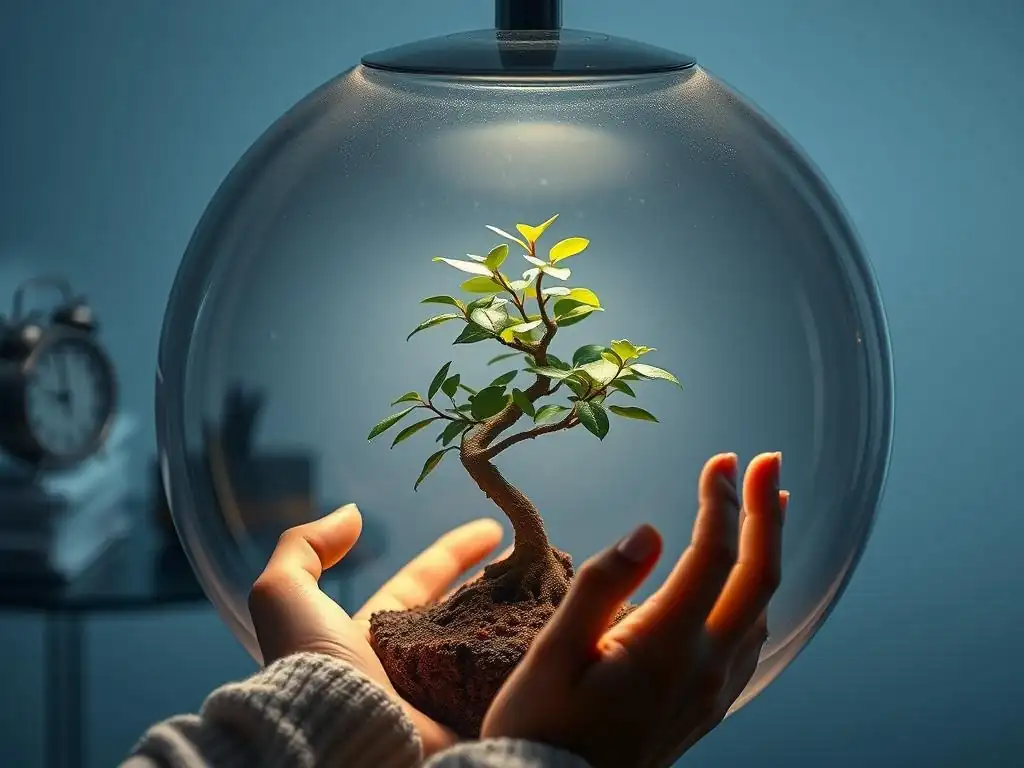
Implementing self-care strategies, especially when you're already feeling stressed or overwhelmed, can be challenging. Common obstacles include feeling like you don't have enough time, feeling guilty for taking time for yourself, and the pressure of perfectionism. Recognizing these barriers is the first step to overcoming them and successfully integrating prevent burnout selfcare strategies into your life.
It's important to remember that self-care is not selfish; it's necessary for your health and ability to function. Addressing these internal and external obstacles requires conscious effort and a shift in mindset. By developing strategies to navigate these challenges, you make your self-care habits more resilient.
Strategies for Integrating Self-Care into a Busy Schedule
The feeling of "no time" is perhaps the most common barrier to self-care. However, self-care doesn't always require large blocks of time. It's often more effective to integrate small, consistent practices throughout your day. Look for pockets of time you can utilize – your commute, a lunch break, 10 minutes before bed, or even 5 minutes between tasks.
Batch similar self-care activities, like listening to a podcast while exercising. Schedule self-care activities in your calendar just like any other appointment. Start small; even 5-10 minutes of mindfulness, stretching, or listening to music can make a difference. Prioritize ruthlessly – what can you say no to or delegate to free up time? Reframing self-care as essential, not optional, helps justify making time for it. This practical approach is key to making prevent burnout selfcare strategies work within a busy life.
Challenging Negative Self-Talk and Prioritizing Your Wellbeing
Negative self-talk, such as thinking "I'm not doing enough," "I should be working harder," or "Taking a break is lazy," fuels guilt and makes prioritizing self-care difficult. Perfectionism can also lead to feeling like self-care has to be elaborate or done perfectly, which can be paralyzing.
Challenge these thoughts by questioning their validity. Are they truly accurate, or are they based on unrealistic expectations? Replace negative self-talk with compassionate and realistic affirmations, such as "Taking care of myself makes me more effective," or "It's okay to rest." Remind yourself that your wellbeing is a priority, not a luxury. Just as you wouldn't expect a car to run without fuel, you can't expect yourself to function optimally without rest and replenishment. Actively challenging these internal barriers is crucial for successful prevent burnout selfcare strategies.
Embracing Imperfection and Practicing Self-Compassion
The pursuit of perfection in self-care can ironically become another source of stress. You might feel like you've failed if you miss a meditation session or eat an unhealthy meal. Embracing imperfection is vital. Self-care is about progress, not perfection. There will be days when you don't follow your plan perfectly, and that's okay.
Practice self-compassion by treating yourself with the same kindness and understanding you would offer a friend who is struggling. Acknowledge that you are doing your best and that setbacks are a normal part of the process. Instead of dwelling on what you didn't do, focus on what you can do next. Forgiving yourself for slip-ups and returning to your self-care habits without judgment reinforces a positive relationship with yourself, which is fundamental to effective prevent burnout selfcare strategies.
Measuring the Effectiveness of Your Self-Care Strategies for Burnout Prevention
How do you know if your self-care efforts are actually helping to prevent burnout? Measuring the effectiveness of your strategies allows you to identify what works best for you and make necessary adjustments. It provides tangible evidence of the impact of your efforts and helps you stay motivated. This reflective process is an active part of refining your prevent burnout selfcare strategies.
Tracking your progress helps you understand the link between specific self-care activities and improvements in your mood, energy levels, and overall stress. It shifts self-care from a vague concept to a concrete practice with measurable outcomes.
Tracking Your Mood, Energy Levels, and Stress Levels
Keeping track of your internal state can provide valuable data on the impact of your self-care. This doesn't need to be complicated. A simple journal, a mood-tracking app, or even a spreadsheet where you rate your mood, energy, and stress levels on a scale of 1 to 10 each day can be insightful.
Note down the self-care activities you engaged in each day alongside your ratings. Over time, you might notice patterns. Did your stress levels decrease on days you meditated? Did your energy increase when you got more sleep? This kind of tracking provides objective feedback on which prevent burnout selfcare strategies are most effective for you.
Identifying What Works and What Doesn't
Based on your tracking, you can identify which self-care techniques yield the most positive results. Perhaps you find that exercise significantly boosts your mood, but journaling feels like a chore. Or maybe mindfulness helps reduce your anxiety before meetings, but doesn't seem to impact your overall energy levels.
Use this information to refine your self-care plan. Double down on the strategies that are working and consider modifying or replacing those that aren't. This iterative process ensures your self-care plan remains relevant and effective. For example, if you found that taking a walk outside during your lunch break consistently lowered your stress score, make that a non-negotiable part of your routine. This data-driven approach strengthens your prevent burnout selfcare strategies.
Celebrating Small Victories and Acknowledging Progress
Recognizing and celebrating your progress, no matter how small, is crucial for maintaining motivation. Successfully sticking to your meditation practice for a week, taking a much-needed break, or simply saying no to an extra task are all victories worth acknowledging.
Take a moment to appreciate the positive impact your self-care efforts are having on your wellbeing. Did you handle a stressful situation more calmly? Did you feel more present during time with family? Acknowledging these improvements reinforces the value of your prevent burnout selfcare strategies and encourages continued effort. This positive reinforcement helps build sustainable habits.
Self-Care and Burnout Prevention: A Holistic Approach to Long-Term Mental Health
Ultimately, preventing burnout and achieving long-term mental health requires a holistic approach that integrates various aspects of self-care. It's not enough to focus solely on physical health or emotional resilience in isolation; true wellbeing comes from nurturing all dimensions of yourself. Prevent burnout selfcare strategies are most effective when they are comprehensive and interconnected.
Embracing a lifestyle that prioritizes your wellbeing involves self-awareness, self-compassion, and a commitment to consistent, varied self-care practices. It's about building resilience from the inside out and creating a buffer against the inevitable stresses of life.
Integrating Physical, Emotional, and Cognitive Self-Care
The most effective self-care plans blend activities that support your physical, emotional, and cognitive health. These areas are interdependent; for example, poor sleep (physical) can negatively impact your mood (emotional) and concentration (cognitive). Similarly, managing stress through mindfulness (emotional/cognitive) can improve sleep quality (physical).
Ensure your personalized plan includes activities from each domain. This might look like: a 30-minute walk (physical), 10 minutes of journaling (emotional), and reading a book for pleasure (cognitive) daily or weekly. A balanced approach ensures you're addressing your needs on multiple levels, building a stronger, more resilient foundation to prevent burnout selfcare strategies from becoming one-dimensional.
The Importance of Self-Awareness and Self-Compassion
Self-awareness is the ability to understand your own emotions, thoughts, and values, and how they influence your behavior. It's fundamental to recognizing the early signs of stress and burnout and understanding your personal triggers. Self-compassion involves being kind and understanding towards yourself, especially when you're struggling or make mistakes.
Developing these qualities allows you to notice when you're approaching burnout and respond with care rather than self-criticism. It enables you to prioritize your needs and make choices that support your wellbeing. Cultivating self-awareness and self-compassion are not just techniques; they are foundational attitudes that underpin effective prevent burnout selfcare strategies.
Embracing a Lifestyle of Wellbeing and Resilience
Preventing burnout is not just about implementing a few techniques; it's about adopting a lifestyle that prioritizes wellbeing. It means making conscious choices daily that support your physical, mental, and emotional health. This includes setting boundaries, managing your time, nourishing your body, engaging in activities you enjoy, and nurturing your relationships.
Building resilience is an ongoing process of adapting to life's challenges while maintaining your wellbeing. By consistently practicing prevent burnout selfcare strategies, you build your capacity to handle stress effectively, recover from setbacks more quickly, and live a more fulfilling life free from the grip of chronic exhaustion. It's a commitment to yourself and your long-term health.
Frequently Asked Questions
What is burnout and how does it differ from regular stress?
Burnout is a state of emotional, physical, and mental exhaustion caused by prolonged or excessive stress. Unlike regular stress, it's characterized by feelings of cynicism and detachment from work and life, along with a sense of ineffectiveness.
Why is self-care important for preventing burnout?
Self-care acts as a buffer against stress, replenishing your energy and resources. Strategic self-care, specifically, helps build resilience and fosters a sustainable approach to managing workload and personal life.
What are some practical self-care strategies to prevent burnout?
Prioritizing sleep, establishing clear boundaries between work and personal life, and engaging in activities you enjoy are crucial. Techniques like mindfulness and exercise can also significantly reduce stress levels.
How often should I practice self-care to effectively prevent burnout?
Self-care should be a consistent and integrated part of your routine, not just a reactive measure. Aim for daily practices, even small ones, to maintain a healthy balance and prevent the accumulation of stress.
What if I'm struggling to implement self-care strategies due to time constraints or other challenges?
Start small by incorporating micro-self-care moments into your day, such as a 5-minute meditation or a short walk. Also, re-evaluate your priorities and delegate tasks where possible to free up time for yourself.
Final Reflection: Cultivating Resilience Through Strategic Self-Care
The relentless pace of modern life, coupled with increasing demands at work and home, makes burnout a pervasive threat. Ignoring the warning signs can lead to debilitating consequences, impacting not only our professional lives but also our overall well-being. This article has explored practical, strategic self-care techniques designed to build resilience and prevent burnout before it takes hold.
The journey towards sustainable well-being is a deeply personal one, requiring consistent effort and self-awareness. It’s not about fleeting moments of indulgence, but about integrating self-care into the fabric of our daily lives. As the renowned psychologist Viktor Frankl wisely observed, >“Between stimulus and response there is a space. In that space is our power to choose our response. In our response lies our growth and our freedom.” This space, this conscious pause, is where strategic self-care finds its power, allowing us to choose responses that nurture our minds, bodies, and spirits, rather than depleting them.
Now, consider your own life. What small, consistent changes can you implement today to prioritize your well-being? Perhaps it's setting aside 15 minutes each morning for mindful meditation, scheduling regular breaks throughout your workday, or committing to a weekly activity that brings you joy. Remember, preventing burnout isn't a luxury; it's an investment in your future happiness and success. Start small, be consistent, and watch your resilience grow.
Unleash Your Inner Resilience: Start Thriving Today!
Thanks for taking the time to explore the power of strategic self-care! We hope you've gained valuable insights into preventing burnout and building lasting wellbeing. Now it's time to put these ideas into action.
- Prioritize ONE self-care activity this week: Choose something from the article that resonates most strongly and schedule it into your calendar. Don't overthink it – even 15 minutes can make a difference!
- Share your self-care wins: Let's build a supportive community! Share your chosen activity and how it made you feel in the comments below. Inspire others to prioritize their wellbeing.
- Explore additional resources: Dive deeper into specific self-care strategies mentioned in the article – there's a wealth of knowledge available to help you tailor a plan to your unique needs.
What small step will you take today to invest in your long-term wellbeing?