
Cultivating Resilience: How Yoga Builds Mental Fortitude

Welcome to Mind Care Guide.
Feeling overwhelmed? You're not alone. We understand the challenges life throws our way, and we're here to help you navigate them with strength and grace. Are you ready to discover a pathway to inner peace and unwavering stability? Dive into this exploration of how yoga builds mental resilience and unlock your potential for a more balanced and fulfilling life. Curious to know how simple poses and mindful breathing can transform your mental landscape? Let's begin this journey together.
- Cultivating Resilience: How Yoga Builds Mental Fortitude
- The Science Behind Yoga's Impact on Mental Fortitude
- Key Yoga Practices for Developing Mental Resilience
- Yoga's Benefits Beyond Stress Reduction: Fostering Psychological Well-being
- Integrating Yoga into Your Life: A Practical Guide to Building Mental Fortitude
- Yoga Builds Mental Resilience: Long-Term Strategies for Sustained Well-being
- Conclusion: Embracing Yoga as a Pathway to Mental Fortitude
-
Frequently Asked Questions
- How does yoga specifically help in building mental resilience?
- Can any type of yoga contribute to improving mental well-being and resilience?
- How often should I practice yoga to notice a significant improvement in my mental resilience?
- What are some specific mental health challenges that yoga can help with in terms of building resilience?
- Is yoga a replacement for professional mental health treatment, or should it be used as a supplementary tool?
- Final Reflection: The Enduring Strength of Mindful Movement
- Unleash Your Inner Strength: Start Your Yoga Journey Today!
Cultivating Resilience: How Yoga Builds Mental Fortitude
Introduction: Understanding the Link Between Yoga and Mental Resilience
Mental resilience is the ability to adapt well in the face of adversity, trauma, tragedy, threats, or significant sources of stress. It means bouncing back from difficult experiences. While some individuals may appear naturally more resilient than others, resilience is not an innate trait but rather a capacity that can be developed and strengthened over time. Engaging in practices that cultivate self-awareness, emotional regulation, and a sense of calm can significantly enhance one's ability to navigate life's challenges.
Yoga, an ancient practice originating in India, offers a powerful pathway to building this crucial mental fortitude. More than just physical exercise, yoga integrates movement (asanas), breath control (pranayama), and meditation to create a holistic mind-body connection. This integrated approach directly addresses many of the underlying factors that contribute to stress, anxiety, and emotional reactivity, paving the way for a more resilient state of being. By consistently engaging in yoga, individuals can learn to observe their thoughts and feelings without being overwhelmed by them, fostering a sense of inner strength and stability that helps them face difficulties head-on.
The Science Behind Yoga's Impact on Mental Fortitude
How Yoga Reduces Stress and Anxiety: A Neurobiological Perspective
The practice of yoga has a profound impact on the body's stress response system, particularly the hypothalamic-pituitary-adrenal (HPA) axis. When faced with stress, the HPA axis triggers the release of stress hormones like cortisol. Chronic stress leads to elevated cortisol levels, which can negatively affect mood, sleep, concentration, and overall health. Studies indicate that regular yoga practice can help regulate the HPA axis, leading to a significant reduction in circulating cortisol levels. This biochemical shift directly contributes to decreased feelings of stress and anxiety.
Furthermore, yoga influences the autonomic nervous system, which controls involuntary bodily functions like heart rate and breathing. It encourages a shift from the sympathetic nervous system ("fight or flight") dominance to the parasympathetic nervous system ("rest and digest") dominance. This is often measurable through a reduction in heart rate, lower blood pressure, and slower, deeper breathing patterns observed during and after a yoga session.
The activation of the parasympathetic system counteracts the physiological effects of stress, promoting a state of calm and relaxation that is foundational for building mental resilience. Research, including studies utilizing neuroimaging, suggests that consistent yoga practice may even influence brain structure and function in areas associated with stress regulation, such as the prefrontal cortex and amygdala.
Yoga and Emotional Regulation: Enhancing Self-Awareness and Control
Emotional regulation is a cornerstone of mental resilience, involving the ability to understand and manage one's emotions effectively. Yoga practices, particularly those incorporating mindfulness and breath awareness, cultivate heightened interoception – the awareness of internal bodily states. By paying attention to physical sensations, practitioners become more attuned to how emotions manifest in the body (e.g., tension in the shoulders, tightness in the chest). This increased self-awareness is the first step in recognizing emotional states as they arise, rather than being swept away by them.
Through the non-judgmental observation encouraged in yoga, individuals learn to create space between an emotion and their reaction to it. This space allows for a more considered response instead of an automatic, potentially reactive one. For instance, feeling frustrated in a difficult pose can become an opportunity to observe the frustration without judgment, rather than abandoning the pose or becoming self-critical. This repeated practice on the mat translates into daily life, improving the capacity to navigate challenging emotions like anger, sadness, or fear with greater calm and control, thereby strengthening emotional resilience.
The Role of Mindfulness in Building Resilience Through Yoga
Mindfulness, often described as paying attention to the present moment without judgment, is a key component embedded within most yoga traditions. It involves bringing awareness to the breath, bodily sensations, thoughts, and feelings as they occur, without trying to change or analyze them. This practice directly counteracts the tendency of the mind to dwell on past regrets or future worries, which are significant sources of stress and anxiety. By anchoring attention in the present, mindfulness cultivated through yoga helps disrupt negative thought loops and reduces rumination.
Consistent mindfulness practice through yoga enhances cognitive flexibility – the ability to switch between different ways of thinking and adapt to new situations. This flexibility is vital for resilience, as it allows individuals to view challenges from multiple perspectives and find creative solutions rather than getting stuck in rigid patterns. Furthermore, mindfulness fosters acceptance of difficult experiences. Instead of resisting or denying discomfort, practitioners learn to acknowledge it with curiosity and compassion. This acceptance reduces the secondary suffering that often arises from fighting reality, enabling individuals to move through adversity with greater ease and grace.
Key Yoga Practices for Developing Mental Resilience
Asanas (Postures) for Grounding and Stability: Building a Strong Foundation
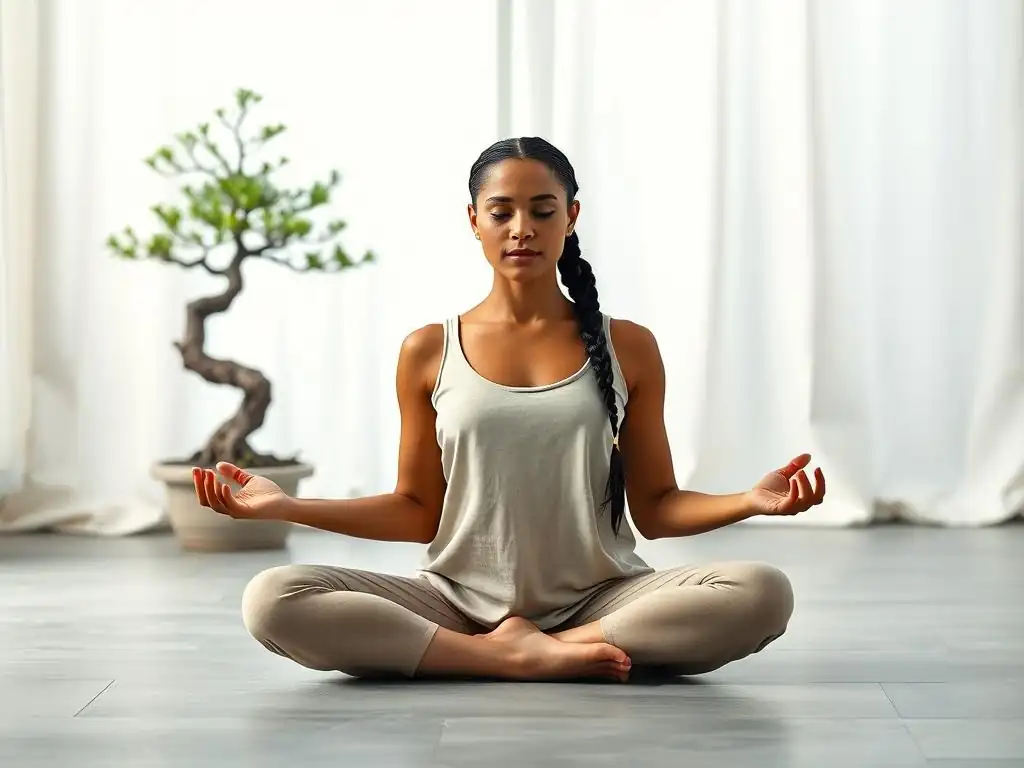
Yoga postures, or asanas, are not merely physical exercises; they are tools for cultivating stability, strength, and awareness in the body, which directly impacts the mind. Grounding poses, in particular, help connect us to the earth, fostering a sense of security and presence that is crucial when feeling overwhelmed or anxious. Holding these postures requires concentration and balance, training the mind to stay focused despite physical discomfort or mental distraction.
Regular practice of grounding asanas builds physical stability, which often mirrors and supports mental and emotional stability. By consciously engaging muscles and aligning the body, practitioners develop a greater sense of being rooted and centered. This physical experience of being grounded can be recalled during times of stress, providing an internal anchor. The focus required to maintain balance in standing poses, for example, redirects mental energy away from worrying thoughts and towards the present moment, enhancing focus and reducing mental clutter.
Tadasana (Mountain Pose): Fostering a Sense of Groundedness and Stability
Tadasana, or Mountain Pose, appears simple but is foundational for cultivating groundedness. Standing tall with feet hip-width apart or together, distributing weight evenly, and feeling the connection of the soles of the feet to the earth creates an immediate sense of stability. Engaging the legs, lifting through the spine, and slightly tucking the tailbone aligns the entire body.
This pose encourages awareness of posture and alignment, bringing the mind into the present experience of the body. By focusing on the feeling of being rooted and strong, Tadasana helps quiet mental chatter and instills a sense of calm confidence. Practicing this pose can be a powerful way to center oneself before facing a challenging situation or simply to reconnect with a feeling of stability throughout the day.
Vrksasana (Tree Pose): Enhancing Balance and Concentration
Vrksasana, or Tree Pose, is a standing balance pose that requires focus and stability. Shifting weight onto one foot, lifting the other, and placing it on the ankle, calf, or inner thigh (avoiding the knee), while bringing hands to heart center or overhead, challenges both physical and mental balance. The wobble and sway are part of the practice, teaching patience and non-judgment.
Maintaining balance in Tree Pose demands concentration, diverting mental energy away from distractions and towards the task at hand. It teaches the ability to find stability amidst subtle shifts and movements, mirroring the resilience needed to adapt to life's changes. Successfully holding the pose, even for a short time, builds a sense of accomplishment and confidence, reinforcing the idea that stability can be found even when standing on one leg.
Uttanasana (Forward Fold): Calming the Nervous System and Relieving Stress
Uttanasana, or Standing Forward Fold, is a pose that can be deeply calming for the nervous system. Bending forward from the hips, allowing the head and neck to relax towards the ground, and potentially bending the knees, releases tension in the spine, hamstrings, and lower back. The inversion aspect, with the head below the heart, can gently lower heart rate.
This pose encourages surrender and letting go of physical and mental tension. The passive stretch and relaxed upper body promote a sense of ease. Focusing on the breath in this position can deepen the calming effect, helping to alleviate stress and quiet a restless mind. It provides a moment of introspection and release, contributing to a greater sense of peace and emotional regulation.
Pranayama (Breathwork) for Calming the Mind and Enhancing Focus
Pranayama, the practice of controlling the breath, is arguably one of the most direct ways yoga builds mental resilience by influencing the nervous system and mental state. The breath is intimately linked to our emotional state; shallow, rapid breathing often accompanies anxiety, while slow, deep breathing promotes relaxation. By consciously regulating the breath, we can directly impact our physiological and psychological state.
Specific pranayama techniques can calm the mind, reduce stress, increase energy, and enhance focus. Learning to control the breath provides a tangible tool for managing stress responses in real-time. When faced with a difficult situation, simply returning to a conscious, regulated breath can interrupt the stress cycle and help regain composure. This ability to self-regulate through breath is a cornerstone of emotional resilience.
Ujjayi Breath (Victorious Breath): Reducing Anxiety and Promoting Relaxation
Ujjayi breath, often translated as "Victorious Breath," is an oceanic-sounding breath created by slightly constricting the back of the throat as you inhale and exhale. This technique elongates the breath and makes it audible, providing a rhythmic, soothing sound that aids concentration and mindfulness. It is commonly used throughout vinyasa yoga practices.
The gentle constriction in the throat helps to slow down the breath, stimulating the vagus nerve, which is a key component of the parasympathetic nervous system. This stimulation promotes relaxation and reduces physiological signs of stress and anxiety, such as rapid heart rate. The audible nature of the breath also serves as an anchor for the mind, helping to quiet distracting thoughts and bring focus to the present moment.
Nadi Shodhana (Alternate Nostril Breathing): Balancing the Nervous System and Enhancing Focus
Nadi Shodhana, or Alternate Nostril Breathing, is a powerful technique for balancing the left and right hemispheres of the brain and calming the nervous system. It involves using the thumb and fingers to close one nostril at a time while inhaling through the other, then switching. This rhythmic, alternating pattern is deeply soothing.
This practice is particularly effective at reducing anxiety and stress while simultaneously enhancing mental clarity and focus. It is believed to balance the Ida and Pingala nadis (energy channels) in yogic philosophy, leading to a sense of harmony and equilibrium. Practicing Nadi Shodhana can help clear the mind, improve concentration, and prepare the mental landscape for meditation or simply navigating a busy day with greater ease.
Bhramari (Bee Breath): Alleviating Stress and Promoting a Sense of Calm
Bhramari, or Bee Breath, involves making a humming sound on the exhale while closing the ears with the fingers. The gentle vibration created by the humming resonates in the head and chest, producing an immediate calming effect. This practice is simple yet profoundly effective for reducing tension.
The humming sound and gentle pressure on the ears help to soothe the nervous system and alleviate stress, anger, and anxiety. The vibration can also help to quiet a busy mind and promote a sense of inner peace. Bhramari is an excellent tool for quickly calming down when feeling overwhelmed or agitated, offering a sense of immediate relief and contributing to improved emotional regulation.
Meditation and Yoga Nidra for Cultivating Inner Peace and Resilience
Meditation, often practiced at the beginning or end of a yoga session, involves training the mind to focus or remain openly aware. Yoga Nidra, or "yogic sleep," is a powerful form of guided meditation that induces a state of deep relaxation while maintaining full consciousness. Both practices are invaluable for cultivating mental resilience by fostering inner peace and self-awareness.
Regular meditation practice helps to quiet the constant stream of thoughts, reducing mental clutter and reactivity. It trains the ability to observe thoughts and emotions without getting caught up in them, fostering a detached awareness that is crucial for navigating challenges without being overwhelmed. Yoga Nidra takes relaxation to a deeper level, releasing physical, mental, and emotional tension and providing a profound sense of rest and rejuvenation. These practices build the capacity to remain calm and centered even amidst external chaos, significantly enhancing mental fortitude.
Yoga's Benefits Beyond Stress Reduction: Fostering Psychological Well-being
Yoga and Self-Acceptance: Embracing Imperfection and Building Self-Esteem
Yoga provides a unique environment for cultivating self-acceptance. On the mat, practitioners are encouraged to listen to their bodies, respect their limits, and let go of judgment or comparison. There is no expectation of perfection; instead, the focus is on the process, the effort, and the present experience. This non-competitive, internally focused approach stands in contrast to many other forms of physical activity.
Through consistent practice, individuals learn to appreciate their bodies for what they can do, rather than focusing on perceived flaws or limitations. Successfully navigating challenging poses or simply showing up on the mat even when tired builds confidence and a sense of agency. This shift in perspective from self-criticism to self-compassion is fundamental in building healthy self-esteem and embracing imperfections, which are essential components of mental resilience.
Yoga for Improved Sleep: Enhancing Cognitive Function and Emotional Stability
Sleep quality is intrinsically linked to mental well-being and resilience. Chronic sleep deprivation can impair cognitive function, exacerbate mood swings, and reduce the ability to cope with stress. Yoga has been shown to significantly improve sleep quality for many individuals, particularly those struggling with insomnia or stress-related sleep disturbances.
The combination of physical activity, stress reduction through breathwork and meditation, and the calming effect on the nervous system helps regulate the sleep-wake cycle. Studies have indicated that regular yoga practice can lead to faster sleep onset, increased total sleep time, and improved sleep efficiency. Better sleep, in turn, enhances cognitive functions like problem-solving and decision-making, improves emotional regulation, and strengthens the mental resources needed to navigate challenges effectively.
While often practiced individually, attending group yoga classes can foster a sense of community and belonging. Sharing a practice space, moving together, and sometimes engaging in partner poses or group discussions creates opportunities for social interaction and connection. This can be particularly beneficial for individuals who experience feelings of isolation or loneliness.
Participating in a yoga community provides a supportive environment where individuals can feel seen and accepted. Sharing experiences, whether verbally or simply through shared presence on the mat, can reduce feelings of being alone in one's struggles. Strong social connections are a well-documented factor in building mental resilience, providing a buffer against stress and offering support during difficult times. The sense of belonging found in a yoga studio can extend beyond the physical space, contributing to overall psychological well-being.
Integrating Yoga into Your Life: A Practical Guide to Building Mental Fortitude

Creating a Consistent Yoga Practice: Tips for Beginners and Experienced Practitioners
Consistency is key when using yoga to build mental resilience. For beginners, starting small is crucial. Aim for two or three shorter sessions per week (even 15-20 minutes) rather than one long one. Find a style that resonates with you – whether it's gentle Hatha, flowing Vinyasa, or restorative Yin. Online resources, local studios, or community centers can offer options.
- [ ] Start with short sessions (15-20 minutes).
- [ ] Choose a style that feels accessible and enjoyable.
- [ ] Schedule practice time like any other appointment.
- [ ] Find an online platform or local class.
- [ ] Be patient and don't expect perfection.
Experienced practitioners might explore deepening their practice through workshops, retreats, or advanced studies. Varying your practice can keep it fresh and engaging. Consider incorporating different aspects like dedicated meditation sessions or longer pranayama practices. Listen to your body and mind, adapting your practice to suit your needs on any given day.
Adapting Yoga for Different Mental Health Challenges:
Yoga can be a supportive tool alongside other treatments for various mental health conditions. However, it's crucial to approach practice with awareness and potentially under the guidance of a professional familiar with trauma-informed or therapeutic yoga.
Yoga for Anxiety: Incorporating calming breathwork and gentle poses.
For anxiety, the focus is often on calming the nervous system. Practices like Nadi Shodhana or Ujjayi breath are highly beneficial. Gentle, grounding poses such as Child's Pose (Balasana), Legs-Up-the-Wall Pose (Viparita Karani), or simple seated meditations can help reduce racing thoughts and physical tension. A slower pace and emphasis on staying present with the breath are key.
Yoga for Depression: Focusing on energizing poses and mood-boosting practices.
When experiencing depression, energizing practices can be helpful, though it's important not to push too hard on low-energy days. Sun Salutations (Surya Namaskar) can be invigorating. Backbends like Cobra Pose (Bhujangasana) or Bridge Pose (Setu Bandhasana) are often considered mood-lifting. Practices that encourage movement and connection to the body can help counteract feelings of lethargy and disconnection.
Yoga for PTSD: Practicing trauma-sensitive yoga with a focus on safety and self-regulation.
Trauma-sensitive yoga prioritizes creating a safe and predictable environment. It emphasizes choice, allowing practitioners to decide which poses to do and how. The focus is on interoception – helping individuals safely inhabit their bodies and notice sensations without judgment. Gentle movement, breath awareness without forceful control, and fostering a sense of empowerment are central to this approach. Finding an instructor specifically trained in trauma-sensitive yoga is highly recommended.
Finding a Qualified Yoga Instructor: Ensuring a Safe and Supportive Environment
Choosing a qualified yoga instructor is important for a safe and beneficial practice, especially when working with mental health considerations. Look for instructors certified by reputable organizations (e.g., Yoga Alliance). Consider their experience, particularly if they have training in specific areas like trauma-informed yoga, restorative yoga, or working with mental health populations.
A good instructor creates a welcoming and non-judgmental space. They offer modifications for poses, respect individual limits, and guide the practice with clear, empathetic language. Don't hesitate to try different classes or instructors until you find someone whose style and approach resonate with you and make you feel safe and supported on your journey to build mental resilience through yoga.
Yoga Builds Mental Resilience: Long-Term Strategies for Sustained Well-being
Maintaining a Mindful Approach: Extending Yoga's Benefits Beyond the Mat
The principles learned on the yoga mat – mindfulness, non-judgment, breath awareness, self-compassion – are not meant to be confined to the practice space. Cultivating mental resilience involves integrating these principles into daily life. This means practicing mindful awareness during everyday activities, observing thoughts and emotions without getting swept away, and responding to challenges with greater presence and less reactivity.
Taking a few conscious breaths before responding to a stressful email, pausing to notice the physical sensations when feeling anxious, or simply bringing full attention to a simple task like washing dishes are ways to extend the benefits of yoga. This ongoing mindful approach helps to reinforce the neural pathways strengthened by practice, making resilience a more automatic response over time.
Combining Yoga with Other Mental Health Practices: A Holistic Approach to Wellness
While yoga builds mental resilience effectively, it is often most powerful when viewed as part of a broader, holistic approach to well-being. For many, combining yoga with other evidence-based mental health practices such as therapy (e.g., Cognitive Behavioral Therapy or Dialectical Behavior Therapy), mindfulness-based stress reduction programs, or counseling can provide comprehensive support.
Yoga can complement therapy by providing tools for self-regulation and emotional processing that can be explored and discussed in sessions. Similarly, mindfulness practices learned in yoga can enhance the effectiveness of therapeutic techniques. Integrating yoga with adequate sleep, balanced nutrition, and supportive social connections creates a robust foundation for sustained mental health and resilience.
Tracking Your Progress and Celebrating Successes: Reinforcing Positive Changes
Building mental resilience through yoga is a journey, and acknowledging progress is important for motivation and reinforcing positive changes. This doesn't require rigid tracking, but simply taking moments to notice shifts. Have you felt calmer in situations that used to trigger significant stress? Are you bouncing back more quickly from setbacks? Do you feel more present and less anxious?
Keeping a simple journal, even just jotting down a few observations after practice or at the end of the day, can help highlight these changes. Celebrating small successes – whether it's maintaining a consistent practice for a week, noticing a moment of calm during a stressful day, or simply showing up on the mat when you didn't feel like it – reinforces the positive impact yoga is having and strengthens the commitment to this path towards greater mental fortitude.
Conclusion: Embracing Yoga as a Pathway to Mental Fortitude
Yoga offers a comprehensive and accessible pathway to cultivating mental resilience. By integrating physical postures, breathwork, and mindfulness, it works on multiple levels to reduce stress, enhance emotional regulation, and foster self-awareness. From the neurobiological effects on stress hormones to the psychological benefits of self-acceptance and improved sleep, the evidence points towards yoga's profound capacity to strengthen the mind.
Embracing a regular yoga practice means choosing to invest in your inner strength, equipping yourself with practical tools to navigate life's inevitable challenges with greater calm, clarity, and fortitude. Yoga truly builds mental resilience, offering not just temporary relief, but a sustainable foundation for lasting well-being.
Frequently Asked Questions
How does yoga specifically help in building mental resilience?
Yoga helps by combining physical postures, breathwork, and mindfulness to regulate the nervous system and reduce stress hormones, thereby enhancing resilience.
Can any type of yoga contribute to improving mental well-being and resilience?
While most yoga styles offer benefits, practices emphasizing mindfulness and restorative poses may be particularly effective for building mental resilience by promoting relaxation and self-awareness.
How often should I practice yoga to notice a significant improvement in my mental resilience?
Consistency is key. Aim for at least 3 times per week for noticeable benefits, but even short, regular sessions can contribute to increased stress tolerance and emotional regulation.
What are some specific mental health challenges that yoga can help with in terms of building resilience?
Yoga can be beneficial for managing anxiety, depression, and stress, helping individuals develop coping mechanisms and build resilience against future mental health challenges.
Is yoga a replacement for professional mental health treatment, or should it be used as a supplementary tool?
Yoga is a complementary practice, not a replacement. It can significantly support mental well-being, but professional help is crucial for individuals with diagnosed mental health conditions.
Final Reflection: The Enduring Strength of Mindful Movement
The practice of yoga, far from being a mere physical exercise, offers a potent antidote to the stresses of modern life. Its ability to cultivate resilience isn't just a trendy wellness concept; it's a deeply rooted practice with profound and lasting effects on our mental and emotional well-being. In a world increasingly characterized by uncertainty and pressure, the tools yoga provides are more vital than ever.
The journey of building mental resilience is a deeply personal one, and yoga has been an invaluable companion on my own path. I've witnessed firsthand how the consistent practice of asana, pranayama, and meditation can transform not only physical strength but also the capacity to navigate challenges with grace and equanimity. This resonates deeply with the ancient wisdom embedded in yoga philosophy, a wisdom that emphasizes the interconnectedness of mind, body, and spirit. Yoga is the journey of the self, through the self, to the self.
- The Bhagavad Gita. This journey, while demanding at times, ultimately leads to a greater understanding of our inner strength and our capacity for growth.
Consider the lessons learned within these pages – the importance of mindful movement, the power of breathwork, and the transformative potential of meditation. Now, I invite you to integrate these practices into your own life. Begin with small steps, a few minutes of mindful breathing each day, a gentle yoga flow, or a quiet moment of meditation. Embrace the journey, be patient with yourself, and discover the enduring strength that resides within you, waiting to be awakened through the transformative power of yoga.
Unleash Your Inner Strength: Start Your Yoga Journey Today!
Thanks for taking the time to explore the powerful connection between yoga and resilience! We hope you gained valuable insights into building your mental fortitude. Now it's time to put that knowledge into action.
- Begin your yoga practice: Even 10 minutes a day can make a difference. Find a beginner's video online or explore a local studio. This is your primary step towards a more resilient you.
- Share your experience: Tell a friend about the benefits of yoga for mental wellbeing—inspire them to join you!
- Explore different yoga styles: Discover which approach best suits your personality and goals. From Vinyasa to restorative, the options are vast and exciting!
Ready to embrace a more resilient and centered you? What style of yoga are you most curious to try?