
The Science of Craving: Understanding Why You Reach for Certain Foods When Stressed


Welcome to Mind Care Guide, your sanctuary for navigating the complexities of mental well-being.
Ever wonder why that pint of ice cream seems irresistible after a particularly stressful day? We understand. In this article, we delve into stress eating habits explained, uncovering the science behind cravings and offering compassionate strategies to break free from the cycle. Are you ready to understand your body's signals and reclaim control? Let's explore together...
The Science of Craving: Understanding Why You Reach for Certain Foods When Stressed
- Introduction: Exploring the Link Between Stress and Food Cravings
- Decoding the Neuroscience of Stress-Induced Cravings
- Identifying Common Stress Eating Triggers and Patterns
- The Psychological Factors Driving Stress Eating
- Breaking the Cycle: Strategies to Manage Stress and Food Cravings
- Alternative Coping Mechanisms for Stress and Emotional Distress
- Conclusion: Cultivating a Healthier Relationship with Food and Stress
-
Frequently Asked Questions
- ### What is stress eating, and how does it differ from regular hunger?
- ### Why do we tend to crave specific types of foods when stressed, like sugary or fatty options?
- ### What are the long-term consequences of consistently engaging in stress eating habits?
- ### How can I identify if I'm engaging in stress eating rather than eating due to genuine hunger?
- ### What are some effective strategies for managing stress eating habits and promoting healthier coping mechanisms?
- Final Reflection: Unraveling the Stress-Food Connection
- Unlock Your Food Freedom: Take Control of Your Cravings Now!
Introduction: Exploring the Link Between Stress and Food Cravings
It's a common scenario: the deadline looms, the argument escalates, or the bills pile up, and suddenly, all you can think about is that carton of ice cream or bag of chips. The connection between stress and food cravings is powerful and often automatic. This phenomenon, widely known as stress eating, isn't just about a lack of willpower; it's a complex interplay of biological, psychological, and environmental factors that drive us towards specific foods during challenging times. Understanding the science behind this link is the first step in managing these impulses and developing healthier coping mechanisms.
Stress Eating Habits Explained: A Mind-Body Perspective
Stress eating habits are deeply rooted in how our mind and body respond to pressure. When faced with stress, our physiological systems activate a fight-or-flight response. While this is beneficial in acute danger, chronic stress keeps these systems on high alert, leading to a cascade of hormonal changes. These changes not only impact our mood and energy levels but also directly influence our appetite and food preferences, often steering us towards high-calorie, palatable foods that offer temporary comfort.
From a psychological standpoint, stress eating can become a learned behavior. We might associate certain foods with relief or distraction from negative emotions. Over time, this association strengthens, making it an almost automatic response when stress arises. Explaining stress eating habits involves recognizing that it's not merely about hunger, but often about seeking emotional regulation or a sense of control when external circumstances feel overwhelming. This mind-body connection is crucial to understanding why these habits form and persist.
The Role of Nutrition in Mental Well-being: Food and Mood Connection
The relationship between what we eat and how we feel is undeniable, forming a critical part of the food and mood connection. Our brains, like all organs, require a steady supply of nutrients to function optimally. Deficiencies or imbalances in essential vitamins, minerals, and fatty acids can impact neurotransmitter production, energy levels, and overall cognitive function, potentially increasing vulnerability to stress and mood disturbances.
Furthermore, the composition of our diet influences our gut microbiome, which has been increasingly linked to mental health through the gut-brain axis. A diet high in processed foods and sugar can negatively affect this delicate ecosystem, potentially exacerbating stress responses and contributing to mood swings. Conversely, a diet rich in whole foods, fiber, and healthy fats can support both physical and mental resilience, demonstrating how nutrition plays a foundational role in managing stress eating habits and promoting overall mental well-being.
Decoding the Neuroscience of Stress-Induced Cravings
The urge to eat specific foods when stressed isn't a random event; it's a carefully orchestrated response by our brain and body. This process involves a complex interplay of hormones and neurotransmitters, each playing a distinct role in driving our cravings and influencing our eating behavior during stressful periods. Understanding these mechanisms provides valuable insight into why stress eating habits are so prevalent.
The Brain's Response to Stress: The HPA Axis and Beyond
When stress hits, the brain's command center, the hypothalamus, triggers the release of corticotropin-releasing hormone (CRH). This signals the pituitary gland to release adrenocorticotropic hormone (ACTH), which in turn prompts the adrenal glands to secrete cortisol, the primary stress hormone. This entire pathway is known as the hypothalamic-pituitary-adrenal (HPA) axis. While acute stress tends to suppress appetite via CRH, chronic stress leads to prolonged cortisol elevation, which increases appetite, particularly for calorie-dense foods.
Beyond the HPA axis, other brain regions are involved. The amygdala, responsible for processing emotions like fear and anxiety, can become hyperactive under stress, influencing our emotional response and potentially driving comfort-seeking behaviors, including eating. The prefrontal cortex, involved in decision-making and impulse control, can become impaired under stress, making it harder to resist tempting foods. This complex neural network orchestrates the powerful urge behind stress eating habits.
Cortisol and the Hunger Hormones: Ghrelin and Leptin's Role
Cortisol's impact on appetite is significant. While short-term stress might suppress hunger, prolonged exposure to elevated cortisol stimulates the appetite. Research shows that higher cortisol levels are associated with increased intake of high-sugar, high-fat foods. This is partly due to cortisol's interaction with other hormones that regulate hunger and satiety.
Ghrelin, often called the "hunger hormone," is produced in the stomach and signals the brain when it's time to eat. Stress can increase ghrelin levels, making us feel hungrier. Leptin, the "satiety hormone," is produced by fat cells and signals the brain when we've had enough. Chronic stress and elevated cortisol can lead to leptin resistance, meaning the brain doesn't receive the signal that we're full as effectively. This hormonal imbalance – increased ghrelin and potentially reduced leptin sensitivity – creates a powerful drive to eat more, contributing significantly to stress eating habits.
Dopamine's Influence: Reward Pathways and Comfort Foods
Dopamine, a neurotransmitter involved in the brain's reward system, plays a crucial role in stress eating. Eating highly palatable foods – typically those high in sugar, fat, or salt – triggers a surge of dopamine, creating a fleeting sense of pleasure and reward. Under stress, the brain seeks ways to alleviate discomfort, and this dopamine rush provides a quick, albeit temporary, escape or distraction.
This creates a positive feedback loop: stress leads to craving, eating comfort food provides a dopamine reward, which temporarily reduces stress and reinforces the behavior. Over time, this can condition the brain to seek out these specific foods whenever stress arises, solidifying stress eating habits as a coping mechanism, even if it's ultimately detrimental to long-term well-being.
Identifying Common Stress Eating Triggers and Patterns

Recognizing the specific situations, emotions, and thought patterns that lead you to eat when stressed is a critical step in changing these behaviors. Stress eating habits often follow predictable patterns, driven by internal and external triggers that prompt the urge to seek comfort or distraction through food.
Recognizing Emotional Eating: Differentiating Stress from Physical Hunger
Emotional eating is the act of eating in response to feelings rather than physical hunger cues. Stress is one of the most common emotional triggers, but others include boredom, sadness, anxiety, or even excitement. Differentiating emotional eating from physical hunger requires paying attention to your body's signals. Physical hunger typically develops gradually, can be satisfied by a variety of foods, and is accompanied by physical signs like stomach rumbling or lightheadedness.
Emotional hunger, conversely, often comes on suddenly, feels urgent, and is usually specific to certain comfort foods. It doesn't necessarily stop when you're full and can lead to feelings of guilt or shame afterward. Learning to pause and ask yourself, "Am I truly hungry, or am I feeling stressed/sad/bored?" is fundamental to identifying and addressing stress eating habits.
Common Food Cravings During Stressful Times: What Does Your Body Want?
When stress eating takes hold, our cravings often narrow down to specific categories of food. Research consistently shows a preference for foods high in sugar and fat, often combined, like ice cream, pastries, or chocolate. Salty snacks like chips or pretzels are also frequent targets. These foods are highly palatable and effectively activate the brain's reward system, providing that temporary relief discussed earlier.
While your body might seem to want these foods for comfort, what it truly needs under stress is support for its physiological response. The intense craving is more about the brain seeking a quick dopamine hit and the body's hormonal signals (like cortisol and ghrelin) driving increased appetite, particularly for calorie-dense options that were evolutionarily beneficial during times of scarcity or intense physical threat. Understanding this distinction is key to explaining stress eating habits beyond simple desire.
Cravings Decoded: Chocolate (Magnesium Deficiency? ), Salty Snacks (Electrolyte Imbalance? ), Sugary Foods (Energy Boost?)
While stress cravings are primarily driven by hormonal and psychological factors, some popular theories link specific cravings to nutrient deficiencies. For instance, the intense craving for chocolate is sometimes linked to a magnesium deficiency. Magnesium is crucial for stress response and many bodily functions, and deficiency can exacerbate anxiety. However, while chocolate (especially dark chocolate) contains magnesium, the amounts are relatively small compared to other sources, and the craving is more likely driven by its sugar/fat content and psychoactive compounds that lift mood.
Similarly, a craving for salty snacks is sometimes attributed to electrolyte imbalances or adrenal fatigue under stress. Stress can impact electrolyte balance, but intense salt cravings are often more about the palatability and crunch factor providing sensory distraction and reward, rather than a precise physiological need for sodium. Sugary food cravings are often explained as a quick energy boost, which is partially true as sugar provides rapid glucose.
However, this leads to blood sugar spikes and crashes, ultimately worsening mood and energy levels. While nutrient needs can play a minor role, the dominant drivers behind stress eating habits and specific cravings are typically the complex interplay of stress hormones, neurotransmitters, and learned emotional associations.
The Psychological Factors Driving Stress Eating
Beyond the biological mechanisms, powerful psychological forces contribute to stress eating habits. Our emotions, learned behaviors, and even our past experiences with food all play a significant role in determining whether we turn to eating as a coping mechanism when stress arises.
Stress and Emotional Regulation: Maladaptive Coping Strategies
Stress eating is often a form of maladaptive emotional regulation. When we experience uncomfortable emotions like anxiety, frustration, or sadness due to stress, we naturally seek ways to feel better. Eating, particularly comfort foods, provides a temporary distraction or numbing effect from these feelings. It's a quick way to shift focus away from the stressor and towards a pleasurable sensation.
However, this strategy doesn't address the root cause of the stress or the underlying emotions. In fact, it often leads to negative feelings like guilt, shame, or disappointment afterward, potentially adding another layer of stress. This reinforces the cycle, making stress eating a go-to, albeit unhelpful, method for managing difficult emotions. Understanding stress eating habits involves recognizing this attempt, however flawed, to regulate emotional states.
The Power of Association: Conditioned Responses to Food and Comfort
Over time, we develop powerful associations between certain foods and specific emotional states or situations. Think about childhood memories of being given a sweet treat to soothe tears, or the cultural association of comfort foods with holidays or difficult times. These experiences condition our brains to link food, especially high-calorie, palatable food, with comfort, safety, or reward.
When stress occurs, these conditioned responses are triggered. The brain recalls the past relief or pleasure associated with eating, prompting the urge to repeat the behavior. This automatic association makes stress eating habits feel almost involuntary, as the learned link between stress and food bypasses conscious decision-making in the moment of distress.
The Impact of Restrictive Diets on Stress Eating Habits: Deprivation and Rebound
Paradoxically, attempts to strictly control food intake through restrictive dieting can sometimes worsen stress eating habits. When individuals constantly restrict certain foods or food groups, they can experience feelings of deprivation, both physically and psychologically. This deprivation can increase cravings for the forbidden foods.
When stress hits, the combination of emotional vulnerability and existing deprivation can make it incredibly difficult to resist these intense cravings. This often leads to a "rebound" effect, where the person overeats the very foods they were trying to avoid. This cycle of restriction, stress, craving, and overeating is a common pattern that explains why rigid dieting can be counterproductive in managing stress eating habits.
Breaking the Cycle: Strategies to Manage Stress and Food Cravings
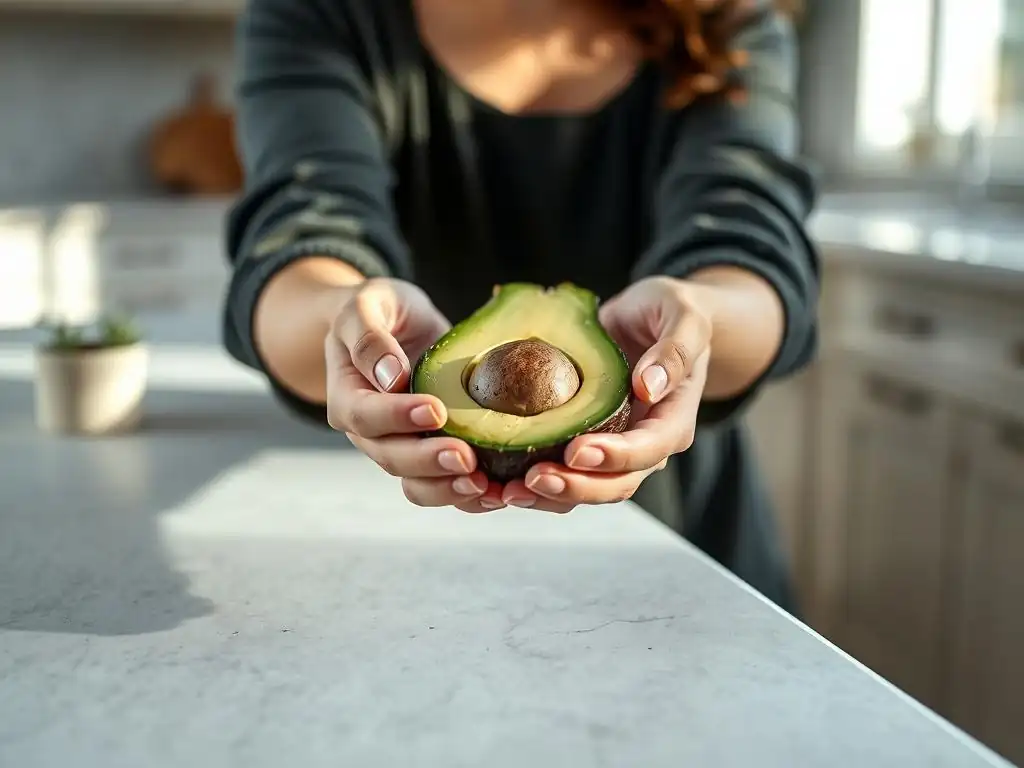
Managing stress eating habits requires a multi-faceted approach that addresses both the biological drivers and the psychological triggers. It's about building awareness, developing healthier coping mechanisms, and fostering a more balanced relationship with both food and stress.
Mindful Eating Techniques: Savoring, Awareness, and Intuitive Eating
Mindful eating is a powerful tool for combating stress eating. It involves paying full attention to the experience of eating – noticing the colors, smells, textures, and tastes of your food. It also means tuning into your body's hunger and fullness cues without judgment.
By practicing mindful eating, you can learn to differentiate between physical hunger and emotional hunger. Techniques include eating slowly, chewing thoroughly, putting down your fork between bites, and asking yourself if you are still hungry or just eating out of habit or emotion. This increased awareness can interrupt the automatic stress-to-eating response, allowing you to make conscious choices about what and how much you eat, thereby helping to manage stress eating habits.
Stress Reduction Techniques: Beyond Food for Comfort
Since stress is the root cause of stress eating, developing effective non-food stress reduction techniques is crucial. Finding healthy ways to cope with stress reduces the initial trigger for cravings.
Meditation and Mindfulness for Emotional Regulation
Practices like meditation and mindfulness train the mind to observe thoughts and feelings without getting swept away by them. Regular meditation can lower cortisol levels and improve emotional regulation, making you less reactive to stress and less likely to turn to food for comfort. Even short mindfulness exercises, like deep breathing or a body scan, can help interrupt the stress-craving cycle in the moment.
Exercise and Physical Activity to Reduce Stress
Physical activity is a well-documented stress reliever. Exercise releases endorphins, which have mood-boosting effects. It also helps reduce the levels of stress hormones like cortisol and adrenaline. Engaging in regular exercise provides a healthy outlet for stress and can decrease the physiological drive to stress eat. Whether it's a brisk walk, yoga, or a gym session, moving your body is a powerful antidote to stress.
Prioritizing Sleep Hygiene for Stress Management
Lack of sleep significantly impacts stress levels and hormone balance, including those related to appetite. Poor sleep increases cortisol and ghrelin while decreasing leptin, a hormonal recipe that dramatically increases appetite and cravings for unhealthy foods. Prioritizing 7-9 hours of quality sleep per night is fundamental for managing stress and regulating the hormones that contribute to stress eating habits. Establishing a consistent sleep schedule and creating a relaxing bedtime routine are key steps.
Nutritional Strategies to Combat Stress Eating
While stress eating is often emotionally driven, optimizing your diet can support your body's stress response and reduce vulnerability to cravings. Smart nutritional choices can help stabilize mood and energy.
Balancing Blood Sugar Levels for Stable Mood
Wild swings in blood sugar can mimic or exacerbate feelings of stress and anxiety, triggering cravings for quick fixes like sugary snacks. Eating balanced meals and snacks containing a mix of complex carbohydrates, protein, and healthy fats helps maintain stable blood sugar levels throughout the day. Avoiding refined sugars and highly processed foods reduces the rollercoaster effect, contributing to more stable energy and mood.
Incorporating Nutrients that Support Stress Response: Magnesium, B Vitamins, Omega-3 Fatty Acids
Certain nutrients play a vital role in supporting the nervous system and the body's stress response. Magnesium is often depleted by stress and is involved in numerous biochemical reactions, including neurotransmitter function; foods like leafy greens, nuts, and seeds are rich sources. B vitamins are essential for energy production and nerve function; whole grains, legumes, and lean proteins are good sources. Omega-3 fatty acids, found in fatty fish, flaxseeds, and walnuts, have anti-inflammatory properties and support brain health, which is crucial for managing stress. Ensuring adequate intake of these nutrients through diet can help buffer the effects of stress.
Meal Planning: Prioritizing Protein, Fiber, and Healthy Fats
Structuring your meals and snacks can significantly impact stress eating habits. Prioritizing protein and fiber at each meal helps you feel fuller for longer, reducing the likelihood of impulsive snacking driven by hunger or low energy. Protein sources include lean meats, fish, beans, and tofu. Fiber is abundant in fruits, vegetables, and whole grains. Including healthy fats from avocados, nuts, seeds, and olive oil also contributes to satiety and supports overall health. Planning meals ahead of time can help ensure you have nutritious options available, making it easier to make healthier choices when stress arises.
Alternative Coping Mechanisms for Stress and Emotional Distress
Developing a repertoire of healthy coping mechanisms is essential for managing stress without resorting to food. These alternatives provide genuine relief and support long-term well-being, unlike the temporary fix offered by stress eating.
Seeking Support: Therapy and Counseling Options
Talking to a mental health professional can provide invaluable support in understanding and managing stress eating habits. Therapists can help identify the underlying causes of stress and emotional eating, teach effective coping strategies, and address any co-occurring issues like anxiety or depression. Cognitive Behavioral Therapy (CBT) and Dialectical Behavior Therapy (DBT) are particularly effective in helping individuals challenge negative thought patterns and develop distress tolerance skills.
Building a Support System: Connecting with Others
Humans are social creatures, and connecting with others is a powerful buffer against stress. Leaning on friends, family, or a support group provides emotional validation and practical help. Sharing your feelings and experiences can reduce the burden of stress and remind you that you're not alone. Engaging in social activities that you enjoy can also serve as a healthy distraction from stressors.
Engaging in Hobbies, Creative Outlets, and Spending Time in Nature
Finding activities that bring you joy and relaxation is vital. Engaging in hobbies like reading, painting, gardening, or playing music can be incredibly therapeutic. Creative outlets allow for self-expression and can help process difficult emotions. Spending time in nature, whether it's a walk in the park or simply sitting outdoors, has been shown to reduce cortisol levels and improve mood. These activities provide positive ways to cope with stress and emotional distress, offering fulfilling alternatives to stress eating habits.
Conclusion: Cultivating a Healthier Relationship with Food and Stress
Understanding the intricate science and psychology behind why stress leads us to crave certain foods is the first crucial step in changing these patterns. Stress eating habits explained reveal a complex interplay of hormones, brain pathways, and learned behaviors, not a simple lack of self-control. By acknowledging these factors with empathy and curiosity, we can begin to build a healthier relationship with both stress and food.
Long-Term Strategies for Managing Stress and Preventing Emotional Eating
Sustaining change requires consistent effort and a commitment to long-term strategies. This includes regularly practicing stress-reduction techniques like mindfulness or exercise, prioritizing adequate sleep, and maintaining a balanced, nutrient-dense diet. It also involves anticipating stressful situations and having a plan in place for how you will cope without turning to food. Building resilience to stress is an ongoing process that strengthens your ability to navigate challenges without relying on emotional eating.
Embracing Self-Compassion and Body Acceptance
Changing stress eating habits is rarely a linear process; there will be setbacks. Approaching these moments with self-compassion rather than harsh self-criticism is essential. Recognize that stress eating is a common coping mechanism, and view slip-ups as learning opportunities rather than failures. Cultivating body acceptance, focusing on health and well-being rather than just weight, can also reduce pressure and improve your overall relationship with food and yourself.
Holistic Well-being: Integrating Mind, Body, and Spirit
Ultimately, managing stress eating habits is part of a broader journey toward holistic well-being. It involves recognizing that our mental, physical, and emotional health are interconnected. Nurturing each aspect – through mindful self-care, healthy lifestyle choices, supportive relationships, and seeking help when needed – creates a strong foundation that helps us navigate stress more effectively. By integrating care for the mind, body, and spirit, we can cultivate lasting resilience and a truly healthy relationship with both stress and the food that nourishes us.
Frequently Asked Questions
### What is stress eating, and how does it differ from regular hunger?
Stress eating is consuming food in response to emotional distress rather than physiological hunger. It's often driven by a need for comfort or distraction and involves cravings for specific foods.
### Why do we tend to crave specific types of foods when stressed, like sugary or fatty options?
Stress triggers the release of cortisol, which can increase cravings for high-calorie foods. These foods stimulate reward pathways in the brain, providing temporary relief from stress.
### What are the long-term consequences of consistently engaging in stress eating habits?
Chronic stress eating can lead to weight gain, increased risk of chronic diseases (like diabetes and heart disease), and further exacerbate feelings of guilt and shame, impacting mental well-being.
### How can I identify if I'm engaging in stress eating rather than eating due to genuine hunger?
Pay attention to your emotional state before eating. Ask yourself if you're truly hungry or if you're feeling stressed, bored, or sad. Mindful eating practices can help.
### What are some effective strategies for managing stress eating habits and promoting healthier coping mechanisms?
Implement stress-reduction techniques like exercise, meditation, or spending time in nature. Replace unhealthy snacks with healthier alternatives and seek support from a therapist or registered dietitian.
Final Reflection: Unraveling the Stress-Food Connection
The science of craving isn't just about understanding why you reach for that chocolate bar after a bad day; it's about reclaiming control over your relationship with food and stress. This understanding is more critical than ever in our fast-paced, pressure-filled world, where stress-related eating disorders and unhealthy coping mechanisms are increasingly prevalent. We've explored the biological and psychological pathways that lead to stress eating, and the implications are far-reaching.
The impact of stress on our dietary choices is profound, shaping not only our physical health but also our mental well-being. It's a cycle that can be difficult to break, but recognizing the underlying mechanisms is the first step towards change. As the saying goes, Knowledge is power,
and understanding the science behind your cravings empowers you to make conscious, healthier choices. This isn't about deprivation; it's about mindful eating and developing healthier coping strategies for stress.
Now, consider your own relationship with food and stress. What triggers your cravings? What healthier alternatives can you implement? This isn't a journey with a destination, but rather a continuous process of self-discovery and mindful adaptation. Take the time to reflect on your habits, experiment with different coping mechanisms, and remember that progress, not perfection, is the key to building a healthier, happier relationship with both food and stress. You have the power to rewrite your story.
Unlock Your Food Freedom: Take Control of Your Cravings Now!
Thanks for taking the time to explore the science behind your cravings! We hope you gained valuable insights into understanding those food urges and how stress plays a role. Now, it's time to put that knowledge into action. Ready to feel more in control of your eating habits?
- Implement one small, mindful eating change this week. This could be anything from drinking a glass of water before reaching for a snack to paying close attention to your hunger cues. Start small, and build from there!
- Share this article with a friend who might benefit from learning more about stress-related eating. Let's support each other in making healthier choices!
- Explore mindful eating techniques: Try a guided meditation focusing on eating awareness. There are many free resources available online.
So, what’s one small step you can take today to cultivate a healthier relationship with food and manage those cravings?