
Finding Peace Outdoors: The Proven Link Between Green Space and Mental Wellbeing

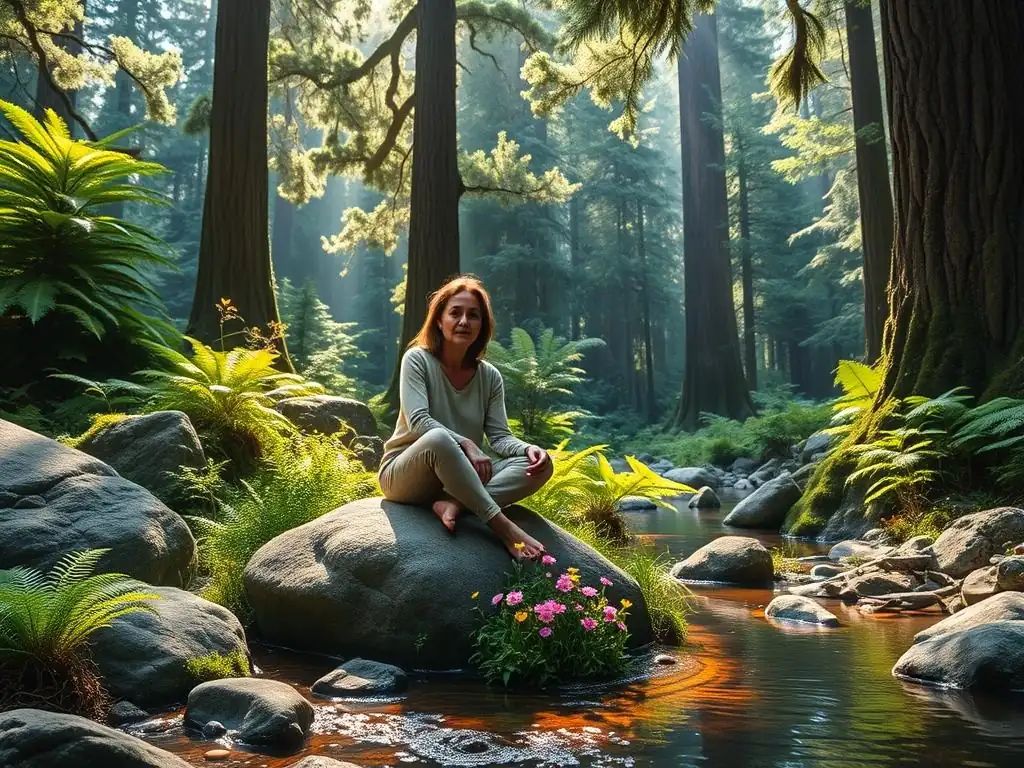
Welcome to Mind Care Guide, a place dedicated to nurturing your mental well-being.
Feeling overwhelmed? Perhaps a breath of fresh air is exactly what you need. Have you ever wondered how a simple walk in nature can drastically improve your mood and reduce stress? Dive into our comprehensive guide exploring the profound nature therapy benefits mental health and discover how connecting with the outdoors can unlock a path to inner peace. Let's explore the rejuvenating power of nature together.
Finding Peace Outdoors: The Proven Link Between Green Space and Mental Wellbeing
- Introduction: Understanding the Power of Nature for Mental Wellness
- Nature Therapy Benefits Mental Health: Exploring the Connection
- Key Benefits of Nature Exposure for Mental Health
- Different Forms of Nature Therapy and Their Mental Health Advantages
- Overcoming Barriers to Accessing Nature and Maximizing Its Benefits
- Practical Tips for Implementing Nature Therapy for Mental Wellbeing
- Conclusion: Embracing the Healing Power of Nature for a Healthier Mind
-
Frequently Asked Questions
- What is Nature Therapy and how does it relate to mental health?
- What are some of the key Nature Therapy benefits for mental health?
- How much time in nature is needed to experience nature therapy benefits?
- What types of activities qualify as Nature Therapy?
- Are there any potential downsides to Nature Therapy or precautions I should take?
- Final Reflection: Reconnecting with Nature, Reconnecting with Ourselves
- Unleash Your Inner Peace: Embrace Nature's Healing Power
Introduction: Understanding the Power of Nature for Mental Wellness
In our fast-paced, digitally-connected world, the demands on our mental health seem to be ever-increasing. Stress, anxiety, and feelings of isolation are common experiences for many. While traditional therapies and self-care practices are vital, there's a growing recognition of a powerful, yet often overlooked, resource for improving mental wellbeing: nature.
Connecting with green spaces, whether it's a sprawling forest or a small city park, offers profound benefits that can help restore balance and peace to our minds. This article delves into the compelling evidence supporting the link between nature exposure and mental health, exploring how simple interactions with the natural world can serve as a powerful form of therapy.
At Mind Care Guide, we advocate for a holistic approach to mental wellness, one that considers all facets of a person's life, including their environment. We believe that while professional support and therapeutic techniques are foundational, integrating natural elements into daily life can significantly enhance overall mental resilience and happiness. The concept that nature therapy benefits mental health isn't new; it's rooted in ancient wisdom and is now being validated by modern science.
By understanding the mechanisms behind this connection and exploring practical ways to incorporate nature into our lives, we can unlock its immense healing potential. This guide aims to provide clear, actionable insights into leveraging the power of green spaces for a healthier mind.
The Growing Need for Nature Therapy in Modern Life
Modern life, particularly in urban environments, often means spending the vast majority of our time indoors, disconnected from the natural world. Long working hours, screen time, and constant stimulation contribute to rising levels of stress, burnout, and mood disorders. The World Health Organization has noted a significant increase in mental health conditions globally, exacerbated by factors like urbanization and lifestyle changes. This growing mental health crisis highlights the urgent need for accessible, effective, and complementary therapeutic approaches.
Nature therapy, or ecotherapy, offers a compelling counterpoint to these modern stressors. It provides a respite from the concrete jungle, reduces sensory overload, and encourages physical activity. Studies suggest that even brief exposure to nature can have measurable positive effects. For instance, research published in environmental psychology journals indicates that spending just 20-30 minutes in a park three times a week can lead to significant reductions in stress markers. As urban populations continue to grow, finding ways to integrate nature therapy benefits mental health into daily routines becomes increasingly crucial for public health.
Mind Care Guide's Perspective on Holistic Wellbeing and Nature
Mind Care Guide views holistic wellbeing as a state of balance across mental, emotional, physical, social, and environmental dimensions. We understand that mental health is not just the absence of illness but the presence of positive states like resilience, purpose, and connection. From our perspective, nature is not merely a backdrop but an active participant in fostering this balance. The healing power of nature is a core tenet of our approach to self-care and recovery support.
Incorporating nature therapy benefits mental health aligns perfectly with our philosophy. We see it as a gentle yet powerful tool that complements traditional therapeutic modalities. Whether through structured ecotherapy programs or simple daily practices like walking in a local park, connecting with nature offers unique advantages. It reduces inflammation, improves sleep patterns, boosts immune function, and fosters a sense of awe and wonder – all elements that contribute significantly to psychological resilience and emotional regulation. Our aim is to empower individuals to discover and utilize these natural resources for their mental and emotional flourishing.
Nature Therapy Benefits Mental Health: Exploring the Connection
The link between nature and mental health is not merely anecdotal; it is supported by a growing body of scientific evidence across various disciplines, including psychology, environmental science, and neuroscience. This connection stems from our evolutionary history, where humans lived in close harmony with the natural environment. Our brains and bodies are, in many ways, still attuned to natural rhythms and stimuli, and separation from these can contribute to mental distress. Understanding this fundamental connection is key to appreciating how nature therapy benefits mental health on a profound level.
Exploring this connection involves looking at both the psychological and physiological impacts of green spaces. Psychologically, nature provides a sense of escape, promotes mindfulness, and reduces rumination. Physiologically, exposure to natural environments can alter brain activity, hormone levels, and even immune responses in ways that are beneficial for mental wellbeing. The concept of ecotherapy encapsulates this understanding, recognizing the therapeutic potential inherent in our relationship with the Earth.
How Green Spaces Positively Impact Psychological Wellbeing
Green spaces offer a unique environment that can significantly enhance psychological wellbeing. They provide a setting that encourages relaxation and reduces mental fatigue, often associated with the directed attention required in urban or work environments. According to Attention Restoration Theory (ART), nature allows our 'directed attention' to rest while engaging 'involuntary attention,' which is effortless and restorative. This process helps replenish cognitive resources, leading to improved focus, creativity, and problem-solving abilities.
Furthermore, exposure to natural environments fosters feelings of calmness and peacefulness. The lack of urban stressors like noise pollution and traffic, combined with the presence of natural stimuli like birdsongs and rustling leaves, creates a tranquil atmosphere. Research, including studies involving fMRI scans, has indicated that viewing natural scenes can activate brain regions associated with calmness and empathy, while urban scenes may activate areas linked to fear and anxiety. This demonstrates a direct neurological basis for how green spaces positively impact our psychological state, reinforcing the idea that nature therapy benefits mental health by altering brain function.
The Science Behind Nature's Calming Effects: The Role of the Autonomic Nervous System
The calming effects of nature are deeply rooted in our physiology, particularly through its influence on the autonomic nervous system (ANS). The ANS regulates involuntary bodily functions like heart rate, breathing, and digestion, and comprises two main branches: the sympathetic nervous system (responsible for the 'fight or flight' response) and the parasympathetic nervous system (responsible for 'rest and digest'). Stress activates the sympathetic system, leading to increased heart rate, blood pressure, and cortisol production.
Spending time in nature has been shown to activate the parasympathetic nervous system, counteracting the stress response. Studies measuring physiological markers demonstrate this effect clearly. For example, participants spending time in a forest compared to an urban setting often exhibit lower heart rates, lower blood pressure, and decreased levels of the stress hormone cortisol. One study reported average cortisol reductions of approximately 10-15% after forest walks compared to city walks. This physiological shift towards a more relaxed state is a key mechanism by which nature therapy benefits mental health, helping to mitigate the damaging effects of chronic stress.
Exploring the Concept of Ecotherapy
Ecotherapy, also known as nature therapy or green therapy, is a formal approach that recognizes the therapeutic value of engaging with nature for mental and emotional healing. It's based on the understanding that humans are part of a larger ecological system and that our connection to the natural world is fundamental to our wellbeing. Ecotherapy encompasses a wide range of practices, from structured wilderness programs and horticultural therapy to simply spending mindful time in parks or natural reserves.
The core principle of ecotherapy is using nature as a co-therapist. The natural environment can provide a safe, non-judgmental space for reflection and healing. Activities within ecotherapy often encourage sensory engagement with nature – noticing the sights, sounds, smells, and textures of the environment. This focus on sensory experience helps ground individuals in the present moment, reducing rumination and fostering mindfulness. By facilitating a deeper connection with the Earth, ecotherapy helps individuals cultivate a sense of belonging, reduce feelings of isolation, and build resilience, demonstrating diverse ways that nature therapy benefits mental health.
Key Benefits of Nature Exposure for Mental Health
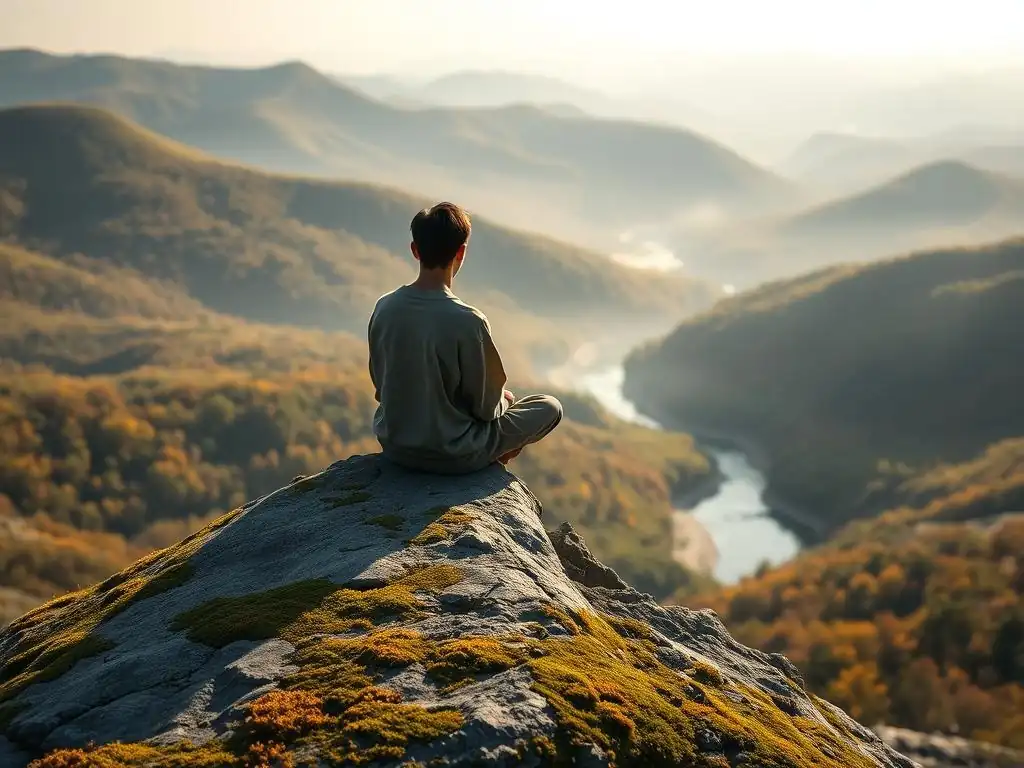
The advantages of spending time in nature are numerous and far-reaching, impacting various aspects of mental health. From reducing the pervasive effects of stress and anxiety to lifting mood and improving cognitive function, the benefits are backed by a growing body of evidence. Recognizing these specific benefits can motivate individuals to prioritize nature connection in their lives.
These key benefits highlight the versatility of nature as a therapeutic tool. Whether seeking relief from daily pressures or looking for ways to enhance cognitive performance, engaging with green spaces offers accessible and effective strategies. The positive outcomes underscore why embracing the healing power of nature is a valuable component of comprehensive mental wellbeing.
Reducing Stress and Anxiety Through Nature Immersion
One of the most well-documented benefits of nature exposure is its ability to significantly reduce stress and anxiety. The calming environment of green spaces provides a stark contrast to the often chaotic and demanding pace of modern life. This reduction isn't just a feeling; it's a physiological response, directly impacting our stress hormone levels and nervous system activity.
Studies have consistently shown that time spent in natural settings leads to decreased self-reported stress levels and observable physiological changes. For example, research comparing walks in urban environments versus natural settings often finds that participants in nature exhibit lower heart rates and blood pressure. This immediate physical relaxation contributes significantly to alleviating feelings of anxiety and tension.
Lowering Cortisol Levels with Outdoor Activities
Cortisol, often dubbed the "stress hormone," plays a crucial role in the body's stress response. While essential in short bursts, chronically elevated cortisol levels can have detrimental effects on both physical and mental health, contributing to anxiety, depression, and impaired cognitive function. Engaging in outdoor activities, particularly in green spaces, has been shown to effectively lower cortisol levels.
A study published in the Frontiers in Psychology journal in 2019 suggested that spending just 20 minutes in nature can be sufficient to significantly reduce cortisol. Participants who spent this time in a park showed a steeper decline in cortisol levels compared to those who spent the same amount of time in an urban environment. This demonstrates a direct, measurable physiological benefit, highlighting how nature therapy benefits mental health by mitigating the biological impact of stress.
The Role of Sunlight and Vitamin D in Mood Regulation
Sunlight exposure plays a complementary role in the mood-boosting effects of being outdoors. When our skin is exposed to sunlight, it synthesizes Vitamin D, often called the "sunshine vitamin." Low levels of Vitamin D have been linked to mood disorders, including seasonal affective disorder (SAD) and depression. While Vitamin D deficiency can be addressed through diet and supplements, spending time outdoors in sunlight is a natural way to promote its production.
Beyond Vitamin D, sunlight also influences the production of serotonin, a neurotransmitter associated with mood regulation. Increased exposure to bright light, particularly natural sunlight, can boost serotonin levels, leading to improved mood and reduced symptoms of depression. While caution regarding sun exposure is necessary, incorporating safe time outdoors adds another layer to how nature therapy benefits mental health by influencing crucial biochemical processes.
Enhancing Mood and Combating Depression with Green Spaces
Beyond simply reducing stress, nature has a powerful capacity to lift spirits and act as an antidote to feelings of sadness and hopelessness associated with depression. The vibrant colors, sounds, and smells of the natural world can stimulate the senses and pull individuals out of negative thought loops.
Engaging with nature provides opportunities for positive experiences, physical activity, and connection – all elements that are often lacking during depressive episodes. Whether it's the simple joy of watching wildlife, the satisfaction of completing a walk, or the sense of peace found in a quiet forest, these experiences can counteract the inertia and low mood characteristic of depression.
Nature's Impact on Serotonin and Dopamine Production
Spending time in nature can positively influence the production of key neurotransmitters in the brain that regulate mood, specifically serotonin and dopamine. As mentioned, sunlight exposure boosts serotonin, contributing to feelings of wellbeing and happiness. Physical activity, often associated with outdoor time (like walking, hiking, or gardening), is also known to increase serotonin levels.
Dopamine, a neurotransmitter involved in pleasure, motivation, and reward, is also influenced by engaging in enjoyable activities. Experiencing the beauty of nature, achieving a physical challenge in the outdoors, or the simple satisfaction of nurturing a plant can all trigger dopamine release. This biochemical effect is a significant factor in how nature therapy benefits mental health, helping to alleviate the low motivation and anhedonia (inability to feel pleasure) often seen in depression.
The Therapeutic Effects of Gardening and Horticulture
Horticultural therapy, the use of gardening and plant-related activities for therapeutic purposes, is a specific form of nature therapy with well-documented benefits for mental health. The process of nurturing plants provides a sense of purpose and responsibility. Watching plants grow, responding to care, offers tangible evidence of progress and hope, which can be particularly uplifting for individuals struggling with depression.
Engaging in gardening activities involves moderate physical exertion, which has inherent mood-boosting effects. Furthermore, working with soil exposes individuals to Mycobacterium vaccae, a harmless soil bacterium that research has suggested may act as a natural antidepressant, potentially increasing serotonin levels. This unique interaction with the microbial world adds another fascinating dimension to how nature therapy benefits mental health through gardening.
Improving Focus and Cognitive Function Through Nature Walks
In our hyper-stimulated world, maintaining focus and avoiding mental fatigue can be challenging. Constant demands on our attention span can lead to burnout and reduced cognitive performance. Nature offers a powerful antidote, providing an environment that allows the mind to rest and rejuvenate its ability to focus.
Taking walks in natural settings has been shown to improve concentration and cognitive function. This effect is particularly noticeable after periods of intense mental effort. The restorative qualities of nature help clear the mind and enhance mental clarity.
Restorative Effects on Attention Span
Attention Restoration Theory (ART), developed by environmental psychologists Rachel and Stephen Kaplan, posits that exposure to nature can restore our capacity for directed attention. Unlike urban environments filled with stimuli that demand our attention (traffic, advertisements, noise), natural settings offer 'soft fascination' – intriguing but not attention-grabbing stimuli (rustling leaves, clouds, flowing water).
This soft fascination allows the brain's executive functions, responsible for directed attention, to rest and recover. Studies using cognitive tests have shown that performance on tasks requiring focused attention improves after spending time in nature compared to spending time in urban environments. This restorative effect on attention span is a key way that nature therapy benefits mental health and cognitive performance.
Nature as a Buffer Against Cognitive Fatigue
Cognitive fatigue results from prolonged use of directed attention, leading to reduced performance, increased distractibility, and irritability. It's a common issue in demanding work or study environments. Nature acts as a powerful buffer against this fatigue by providing an environment conducive to mental recovery.
Even brief exposures to nature, such as looking out a window at a green space or taking a short walk in a park, can help prevent or reduce cognitive fatigue. A study from the University of Michigan found that students performed better on cognitive tests after walking through an arboretum compared to walking down a city street. This highlights the practical benefit of incorporating nature breaks to maintain optimal cognitive function and prevent mental exhaustion.
Different Forms of Nature Therapy and Their Mental Health Advantages
Nature therapy is not a single practice but an umbrella term encompassing various ways of interacting with the natural world for therapeutic benefit. Each form offers unique approaches and advantages, catering to different needs, preferences, and accessibility levels. Exploring these diverse methods reveals the breadth of how nature therapy benefits mental health.
Understanding the different forms of nature therapy allows individuals and practitioners to choose the most suitable approach for specific challenges and goals. Whether it's the mindful calm of forest bathing or the active engagement of horticultural therapy, there's a natural path to explore for enhanced wellbeing.
Forest Bathing (Shinrin-Yoku): A Japanese Practice for Stress Reduction
Shinrin-Yoku, often translated as "forest bathing," is a practice that originated in Japan in the 1980s. It's not about actual bathing but about immersing oneself in the atmosphere of the forest using all five senses. The practice encourages slow, mindful walking and deep sensory engagement with the forest environment, focusing on sights, sounds, smells, touch, and even taste (like clean forest air).
Shinrin-Yoku is specifically designed to reduce stress and promote relaxation. It encourages participants to slow down, breathe deeply, and connect with the present moment within the forest. This deliberate engagement helps to quiet the mind and reduce the mental chatter that often fuels anxiety and stress.
The Physiological Benefits of Phytoncides
One of the proposed mechanisms behind the stress-reducing effects of forest bathing is exposure to phytoncides. These are airborne chemicals emitted by trees and plants, particularly conifers, to protect themselves from insects and fungi. When humans inhale phytoncides, they can have positive physiological effects.
Research, primarily conducted in Japan and South Korea, has indicated that exposure to phytoncides can lower blood pressure, decrease heart rate, and reduce levels of stress hormones like cortisol. Some studies have also shown that phytoncide exposure can boost the activity of natural killer (NK) cells, a type of white blood cell that supports immune function. These physiological impacts contribute significantly to how this specific form of nature therapy benefits mental health by promoting relaxation and potentially enhancing overall physical resilience.
Mindful Immersion in Forest Environments
A core element of Shinrin-Yoku is mindful immersion. This involves intentionally paying attention to one's surroundings without judgment or agenda. Instead of hiking with a destination in mind, the focus is on the journey and the sensory experience – noticing the texture of bark, the pattern of light filtering through leaves, the scent of damp earth, or the sound of a distant birdcall.
This practice of present-moment awareness, similar to mindfulness meditation, helps to interrupt rumination and worry. By grounding oneself in the sensory reality of the forest, individuals can detach from stressful thoughts and cultivate a sense of peace and presence. This mindful component is crucial to unlocking the full stress-reducing potential of forest bathing.
Horticultural Therapy: Cultivating Wellbeing Through Gardening
Horticultural therapy uses gardening and plant-related activities to promote physical and mental health. It is a recognized therapeutic practice employed in various settings, including hospitals, rehabilitation centers, schools, and community programs. Activities can range from planting seeds and nurturing seedlings to harvesting vegetables and arranging flowers.
This form of nature therapy is highly engaging and provides tangible results, which can be incredibly rewarding. The act of caring for living things fosters responsibility and purpose, while the physical activity involved offers exercise and reduces tension. Horticultural therapy programs have shown significant success in improving mood, reducing stress, and enhancing social interaction.
The Therapeutic Process of Nurturing Plants
The process of nurturing plants mirrors and supports personal growth and healing. Caring for a plant requires patience, consistency, and attention. As the plant responds to care and grows, it provides a visible representation of positive change and the rewards of effort. This can be particularly therapeutic for individuals dealing with depression, anxiety, or trauma, offering a sense of hope and accomplishment.
Engaging with the life cycle of plants – from seed to sprout, growth, and harvest – can also help individuals connect with natural rhythms and cycles, providing perspective and a sense of continuity. The simple, repetitive tasks involved in gardening, such as watering, weeding, or potting, can be meditative and grounding, reducing overthinking and promoting a calm state of mind.
Social and Emotional Benefits of Community Gardens
Community gardens provide a powerful example of how horticultural therapy benefits mental health on a social level. These shared green spaces offer opportunities for individuals to connect with others, fostering a sense of community and belonging. Working side-by-side with neighbors on a common project reduces isolation and builds social support networks, which are vital for mental wellbeing.
Beyond social connection, community gardens offer a space for skill-building, sharing knowledge, and enjoying the fruits of collective labor. The shared experience of cultivating food or beauty can be incredibly rewarding and empowering. For individuals recovering from mental health challenges, participating in a community garden can provide a supportive environment for reintegration and rebuilding confidence.
Wilderness Therapy: Addressing Trauma and Promoting Resilience
Wilderness therapy, also known as adventure therapy, is a form of experiential therapy that uses challenging outdoor activities in wilderness settings to address behavioral and mental health issues, often focusing on adolescents and young adults dealing with trauma, addiction, or behavioral difficulties. It typically involves group therapy sessions integrated with activities like hiking, camping, climbing, or canoeing.
The wilderness setting provides a unique environment that removes individuals from their usual stressors and distractions, encouraging introspection and self-reliance. The physical and emotional challenges inherent in outdoor adventure push individuals outside their comfort zones, fostering resilience, problem-solving skills, and a stronger sense of self-efficacy.
The Challenges and Rewards of Outdoor Adventure
Wilderness therapy programs are intentionally challenging. Participants face physical demands like long hikes carrying packs, navigating unfamiliar terrain, and adapting to varying weather conditions. They also face emotional challenges, such as confronting fears, working collaboratively with a group under pressure, and being away from familiar comforts.
Overcoming these challenges, however, yields significant rewards. Successfully completing a difficult hike or mastering a new skill provides a tangible sense of accomplishment and competence. This builds self-esteem and demonstrates to individuals their own capacity for resilience and growth. The shared experience of overcoming adversity with a group also fosters strong bonds and a sense of mutual support, which is invaluable for therapeutic progress.
Building Self-Esteem and Coping Skills in Natural Settings
The natural environment itself plays a therapeutic role in wilderness therapy. Being immersed in nature can reduce stress and create a calm mental state conducive to processing difficult emotions and experiences. The absence of everyday distractions allows for greater focus on therapeutic work and personal reflection.
Within this setting, participants learn and practice crucial coping skills. They develop problem-solving abilities by navigating challenges, improve communication through group dynamics, and build emotional regulation skills by managing frustration or fear in the moment. The success experienced in the wilderness setting translates into increased self-esteem and confidence in their ability to handle challenges outside of therapy, showcasing the profound ways wilderness-based nature therapy benefits mental health, particularly in building long-term resilience.
Overcoming Barriers to Accessing Nature and Maximizing Its Benefits

Despite the compelling evidence that nature therapy benefits mental health, access to green spaces is not equitable. Urbanization, socioeconomic factors, and physical limitations can create significant barriers. Addressing these challenges is crucial to ensuring everyone has the opportunity to experience the healing power of nature.
Fortunately, there are strategies at various levels – from urban planning to individual actions – that can help overcome these barriers and make nature more accessible. By implementing thoughtful design, promoting awareness, and providing resources, we can maximize the reach and impact of nature's therapeutic potential.
Addressing Urban Barriers: Bringing Green Spaces to Cities
Urban environments, while convenient in many ways, often lack sufficient green spaces. Dense construction, limited public land, and focus on infrastructure can leave residents with little access to parks, trees, or natural areas. This "nature deficit" is particularly pronounced in low-income neighborhoods, exacerbating health disparities.
Addressing this requires intentional urban planning and investment in green infrastructure. Creating pocket parks, establishing rooftop gardens, planting street trees, and developing green corridors along waterways or transportation routes can integrate nature into the urban fabric. These efforts not only improve aesthetics but also provide crucial opportunities for urban residents to connect with nature daily.
Creating Pocket Parks and Community Gardens
Pocket parks are small public spaces, often created on vacant lots or underutilized land, that provide a miniature oasis of nature within dense urban areas. Even a small area with trees, benches, and some greenery can offer a moment of respite and connection. These parks are vital for areas where larger parks are inaccessible.
Community gardens, as discussed earlier, serve a dual purpose: providing access to green space and fostering social connection. They transform unused urban land into productive, beautiful areas managed by residents. These gardens offer opportunities for physical activity, access to fresh food, and a shared sense of stewardship, significantly contributing to neighborhood wellbeing and providing localized instances where nature therapy benefits mental health.
Urban Planning for Mental Wellbeing
Integrating mental wellbeing considerations into urban planning is a forward-thinking approach to public health. This involves prioritizing the creation and preservation of green infrastructure, ensuring equitable access to parks and natural areas across all neighborhoods, and designing streets and public spaces that encourage walking and outdoor activity.
Policies that mandate minimum green space per capita or incentivize green building can have a significant impact. For instance, some cities aim for targets like having a park within a 10-minute walk of every resident. Prioritizing tree canopy cover, reducing noise pollution, and creating safe pedestrian and cycling paths that connect to green spaces all contribute to building cities that support the mental health of their inhabitants.
Integrating Nature into Daily Life: Simple Ways to Connect with the Outdoors
Even without immediate access to large natural areas, there are simple, everyday ways to integrate nature into one's life and experience its benefits. Consistency in small doses can be just as impactful as occasional longer excursions.
These practical tips focus on making nature connection a regular, accessible part of your routine, regardless of where you live. The goal is to foster a mindful awareness of the natural world around you, even in seemingly unnatural environments.
Walking in Parks and Nature Reserves
One of the simplest and most effective ways to connect with nature is by taking walks in local parks or nature reserves. Even a 15-20 minute walk can significantly reduce stress and improve mood. Making this a regular habit, perhaps during a lunch break or after work, can provide consistent exposure to the calming effects of green spaces.
Exploring different parks or trails can keep the experience fresh and engaging. Paying attention to the changing seasons, the sounds of birds, or the feel of the air can deepen the connection and enhance the therapeutic benefits. Planning regular walks is a tangible step towards ensuring nature therapy benefits mental health on a consistent basis.
Bringing Nature Indoors: Plants and Natural Light
When outdoor access is limited, bringing elements of nature indoors can still offer benefits. Houseplants not only improve air quality but also provide a visual connection to the natural world. Caring for plants indoors can offer similar therapeutic benefits to gardening on a smaller scale.
Maximizing exposure to natural light indoors is also important. Position your workspace near a window, take breaks to stand in sunlight, or simply open curtains wide. Natural light helps regulate circadian rhythms, which are essential for sleep and mood. While not a replacement for outdoor exposure, incorporating indoor nature elements can provide a valuable supplement.
Making Nature Accessible to All: Addressing Transportation and Financial Constraints
Accessing nature can be challenging for individuals facing transportation barriers, financial constraints, or physical disabilities. Public parks may be far away, transportation costs can be prohibitive, and accessible trails or facilities may be limited.
Addressing these issues requires targeted efforts. This includes improving public transportation routes to parks and natural areas, offering free or low-cost guided nature programs, and investing in the development of accessible trails and facilities that accommodate individuals with mobility challenges. Community initiatives and non-profit organizations often play a vital role in bridging these gaps and ensuring that the benefits of nature therapy are available to everyone, regardless of their circumstances.
Practical Tips for Implementing Nature Therapy for Mental Wellbeing
Ready to incorporate nature therapy into your life? Starting doesn't have to be complicated. It can begin with small, manageable steps that fit into your existing routine. The key is to be intentional about seeking out nature experiences and making them a priority.
These practical tips are designed to help you get started, tailor your approach to your individual needs, and leverage nature as a powerful tool for enhancing your mental wellbeing. Remember that consistency is more important than intensity when beginning.
Creating a Personalized Nature Therapy Plan
Just as you would plan for other aspects of self-care, creating a simple plan for engaging with nature can help ensure consistency. This plan doesn't need to be rigid, but having some ideas in place makes it easier to follow through.
Consider what types of nature experiences you enjoy and what feels accessible to you. Do you prefer active hikes or quiet contemplation in a garden? How much time can you realistically dedicate each week? Tailoring your plan to your preferences increases the likelihood that you'll stick with it and experience the full range of benefits.
Identifying Your Needs and Preferences
Before creating a plan, reflect on your current mental health needs and what you hope to gain from nature therapy. Are you primarily seeking stress reduction, mood improvement, or help with focus? Your goals can help guide your choice of activities.
Consider your preferences regarding the type of natural environment (forest, park, coast, garden), the level of activity (strolling, hiking, sitting), and whether you prefer solitude or company. For example, someone seeking stress reduction might prioritize quiet walks in a nearby park, while someone looking to combat low energy might opt for more vigorous hikes.
Setting Realistic Goals for Outdoor Activities
Setting achievable goals is crucial for building sustainable habits. Instead of aiming for daily lengthy hikes immediately, start small. Perhaps commit to a 15-minute walk in a green space three times a week. As you feel the benefits and the habit forms, you can gradually increase the duration or frequency.
- ~~ Walk for an hour every day~~
- [ ] Walk in a park for 20 minutes, 3 times this week.
- [ ] Spend 10 minutes sitting outdoors during lunch break.
- [ ] Visit a local nature reserve on the weekend.
- [ ] Bring a new plant into my home.
Track your progress loosely – simply noting when you've met your goal can provide a sense of accomplishment and motivation.
Combining Nature with Other Mental Health Practices
Nature therapy doesn't need to replace other mental health practices; it can powerfully enhance them. Integrating nature into existing routines like mindfulness or exercise can deepen their impact and create a more holistic approach to wellbeing.
The natural environment can serve as an ideal setting for various therapeutic activities. Its calming and grounding qualities can facilitate introspection, focus, and physical movement, amplifying the benefits of these practices.
Mindfulness Meditation in Nature
Practicing mindfulness meditation outdoors can be particularly powerful. The natural world provides a rich sensory environment that makes it easier to focus on the present moment – the feeling of the breeze, the sound of leaves, the smell of damp earth.
Find a quiet spot in a park or natural area, sit comfortably, and tune into your senses. Notice the sights, sounds, smells, and physical sensations of being in nature. This combines the proven benefits of mindfulness with the restorative qualities of the natural environment, offering a potent tool for reducing stress and increasing self-awareness.
Yoga and Tai Chi Outdoors
Moving your body in nature can enhance the physical and mental benefits of practices like yoga and Tai Chi. Performing these exercises outdoors connects you to the elements and provides a more stimulating and grounding experience than practicing indoors.
Find a peaceful spot in a park or garden. The uneven ground can challenge balance in new ways, and the fresh air and natural surroundings can deepen relaxation and focus. Combining intentional movement with the natural environment is another excellent example of how nature therapy benefits mental health by integrating physical and environmental elements.
Seeking Guidance from Qualified Professionals
While simple nature exposure can be beneficial on its own, individuals dealing with significant mental health challenges or those interested in structured therapeutic approaches may benefit from seeking guidance from qualified professionals.
Ecotherapists and horticultural therapists are trained to use nature-based interventions in a therapeutic context. They can help individuals identify specific goals, develop personalized nature therapy plans, and process experiences in a safe and supportive environment.
Finding Ecotherapists and Horticultural Therapists
Ecotherapists often have backgrounds in counseling, social work, or psychology, with specialized training in incorporating nature into therapy. Horticultural therapists typically have expertise in both horticulture and therapeutic practices.
Resources for finding qualified professionals may include professional associations like the American Horticultural Therapy Association (AHTA) or directories specific to ecotherapy practitioners. Your current mental health provider may also be able to offer referrals or suggest ways to integrate nature into your existing treatment plan.
Resources from the National Park Service
The National Park Service (NPS) and local park systems offer numerous resources that can support nature-based wellbeing. While not clinical therapy, parks provide accessible natural spaces and often host programs that encourage engagement with nature.
Many parks offer guided walks, educational programs about local flora and fauna, and volunteer opportunities. These activities provide structure, learning, and social interaction within a natural setting. Checking the websites of national, state, or local parks can reveal valuable opportunities to connect with nature and enhance mental wellbeing.
Conclusion: Embracing the Healing Power of Nature for a Healthier Mind
The evidence is clear and compelling: nature therapy benefits mental health in numerous ways. From reducing stress and anxiety by lowering cortisol levels and activating the parasympathetic nervous system, to enhancing mood through neurotransmitter boosts and combating cognitive fatigue by restoring attention, the healing power of nature is a vital resource for mental wellbeing. Whether through structured practices like Shinrin-Yoku and horticultural therapy or simple acts like walking in a park or tending to houseplants, connecting with the natural world offers profound restorative benefits.
At Mind Care Guide, we are committed to promoting holistic approaches to mental health, and embracing nature is an integral part of this vision. We believe that fostering a connection with green spaces should be a fundamental component of self-care and mental health support. By recognizing the proven link between green space and mental wellbeing, we empower individuals to tap into this accessible and powerful therapeutic modality.
Prioritizing nature in our lives is not a luxury but a necessity for cultivating a more balanced, resilient, and peaceful mind. We encourage you to make time for nature, even in small amounts, and experience firsthand how nature therapy benefits mental health. Step outside, breathe deeply, and allow the natural world to support your journey towards greater wellbeing.
Frequently Asked Questions
What is Nature Therapy and how does it relate to mental health?
Nature therapy, also known as ecotherapy, involves engaging with nature to improve mental and emotional wellbeing. Studies have shown a strong connection between spending time in green spaces and reduced stress levels. It leverages nature's restorative properties.
What are some of the key Nature Therapy benefits for mental health?
Nature Therapy can significantly reduce symptoms of anxiety and depression. It promotes relaxation, improves mood, and increases feelings of connection and belonging. Overall, it boosts mental resilience.
How much time in nature is needed to experience nature therapy benefits?
Even small amounts of time in nature can have a positive impact. Research suggests that as little as 20-30 minutes a day can improve mental wellbeing. Consistency is key for experiencing lasting Nature Therapy benefits.
What types of activities qualify as Nature Therapy?
Nature Therapy encompasses a wide range of activities, including walking in a park, gardening, forest bathing (Shinrin-Yoku), and simply observing nature. Anything that connects you with the natural world counts. The key is mindful engagement.
Are there any potential downsides to Nature Therapy or precautions I should take?
For some, allergies or phobias related to nature may present a challenge. It's always wise to be mindful of environmental risks like insects or weather conditions. Start slowly and listen to your body and comfort level.
Final Reflection: Reconnecting with Nature, Reconnecting with Ourselves
The urgent need for accessible green spaces is no longer a luxury, but a vital component of public health. The overwhelming evidence presented in this article demonstrates a powerful and undeniable link between exposure to nature and improved mental wellbeing, a connection that is more crucial than ever in our increasingly urbanized and technology-driven world. Ignoring this connection is ignoring a readily available resource for combating stress, anxiety, and depression.
The profound impact of nature on our mental state is not merely a scientific observation; it's a deeply personal experience. For many, the simple act of walking in a forest, listening to the sounds of a flowing river, or feeling the warmth of the sun on our skin evokes a sense of calm and rejuvenation that is difficult to replicate elsewhere. As the renowned environmentalist, Richard Louv, eloquently stated: Nature deficit disorder is not a clinical diagnosis, but it describes the human costs of alienation from nature.
This quote highlights the pervasive and often unseen consequences of our disconnection from the natural world, a disconnection that impacts not only our individual well-being but also the fabric of our society.
Now, consider your own relationship with nature. What steps can you take today to cultivate a deeper connection with the natural world? Perhaps it's a daily walk in a local park, a weekend hike in the mountains, or simply taking a few minutes each day to observe the beauty of a nearby tree. No matter how small, these actions represent a conscious effort to prioritize your mental health and contribute to a more sustainable and harmonious future. Embrace the restorative power of nature; your mind and spirit will thank you for it.
Unleash Your Inner Peace: Embrace Nature's Healing Power
Thanks for taking the time to explore the incredible connection between nature and mental wellbeing! We hope you’ve discovered new ways to nurture your mind and find tranquility. Ready to take the next step?
- Spend 30 minutes in nature today: Even a short walk in a park or a mindful moment in your garden can make a world of difference. This is your primary action—commit to it!
- Share your nature escape: Inspire others by posting a photo of your peaceful place on social media using #MindCareNature.
- Explore a new green space: Challenge yourself to find a hidden gem nearby – a local trail, botanical garden, or even a quiet street lined with trees.
What small step will you take today to reconnect with the restorative power of nature?