
Gentle Movement, Calm Mind: Exploring Yoga for Stress Reduction

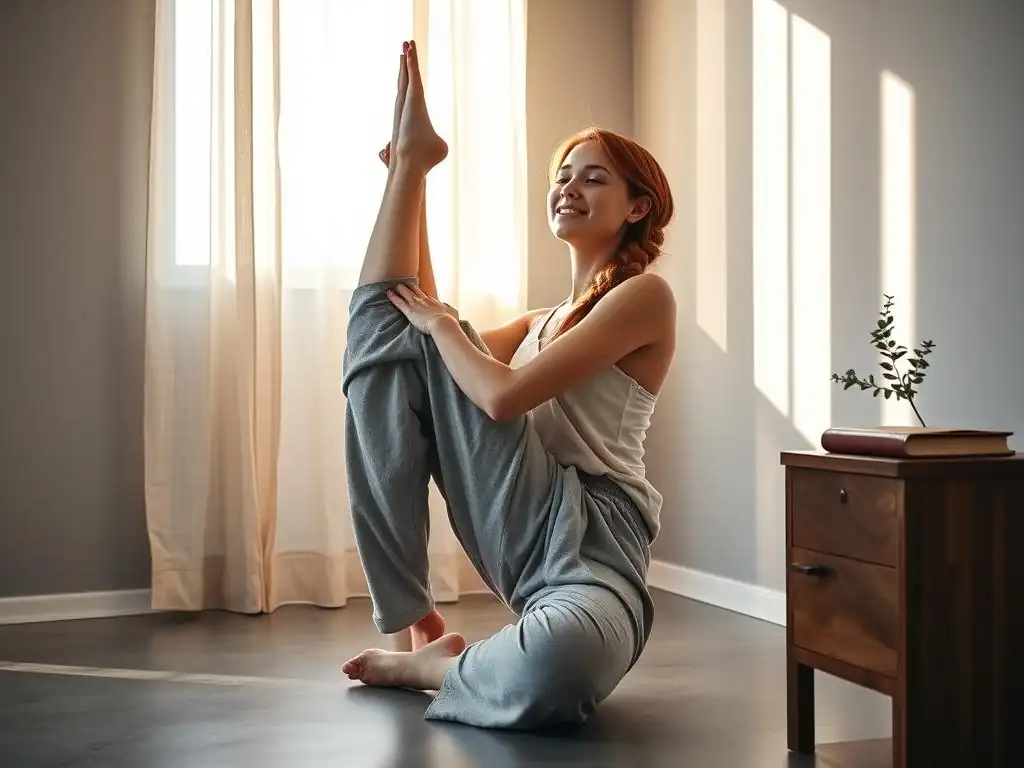
Welcome to Mind Care Guide, your sanctuary for cultivating inner peace.
Feeling overwhelmed by the relentless demands of modern life? You're not alone. We understand the silent struggle with stress, and we're here to illuminate a path toward tranquility. This month, we delve into the profound benefits of Yoga for Stress Reduction, offering practical guidance and mindful techniques to help you reclaim your calm. Discover how gentle movement and focused breathing can unlock a new level of well-being. Eager to learn more about how yoga can ease your stress? Let's begin...
Cultivating Resilience: Yoga and Mindfulness for Stress Reduction
- Foundations of Mindful Movement: Yoga for Stress Reduction
- Benefits of Yoga for Stress Relief: A Holistic Approach
- Yoga Styles for Stress Management: Tailoring Your Practice
- Foundational Yoga Poses for Stress Relief: A Practical Guide
- Establishing a Home Yoga Practice for Stress Reduction
- Integrating Yoga Principles into Daily Life: Beyond the Mat
- Considerations for Practicing Yoga for Stress Reduction
- Resources for Continued Learning and Practice
-
Frequently Asked Questions
- What types of yoga are most effective for stress reduction?
- How does yoga help reduce stress levels?
- How often should I practice yoga to experience stress reduction benefits?
- Are there any potential risks or contraindications associated with yoga for stress reduction?
- Where can I find resources or classes for yoga for stress reduction?
- Final Reflection: Finding Stillness in a Restless World
- Unleash Your Inner Calm: Start Your Yoga Journey Today!
Foundations of Mindful Movement: Yoga for Stress Reduction
The Stress Response: Understanding the Body-Mind Connection
Stress is a complex physiological and psychological reaction that occurs when we perceive a threat or challenge. When faced with a stressful situation, our body activates the "fight-or-flight" response, primarily mediated by the sympathetic nervous system. This cascade involves the release of stress hormones like adrenaline and cortisol, leading to increased heart rate, elevated blood pressure, rapid breathing, and muscle tension.
While this response was crucial for survival in ancestral environments, chronic activation due to modern stressors can have detrimental effects on both physical and mental health, contributing to issues like anxiety, insomnia, digestive problems, and weakened immune function. Understanding this intricate body-mind connection is the first step in managing stress effectively.
The hypothalamic-pituitary-adrenal (HPA) axis plays a central role in the long-term stress response, regulating cortisol release. Prolonged exposure to stressors can disrupt the delicate balance of the HPA axis, leading to dysregulation that impacts mood, energy levels, and cognitive function. For example, persistent high cortisol levels have been associated with impaired memory and difficulty concentrating.
Recognizing the physical manifestations of stress, such as a tight jaw, clenched shoulders, or a racing heart, provides valuable insight into our internal state. By acknowledging these signals, we can begin to explore techniques that can help modulate the stress response and foster a greater sense of calm.
Yoga's Impact: Calming the Nervous System and Reducing Anxiety
Yoga for stress reduction works by directly counteracting the physiological effects of the stress response. Through a combination of physical postures (asanas), breath control (pranayama), and meditation, yoga activates the parasympathetic nervous system, often referred to as the "rest-and-digest" system. This activation helps to lower heart rate, decrease blood pressure, regulate breathing, and reduce the levels of stress hormones circulating in the body. The focus on mindful movement and breath brings awareness to the present moment, helping to quiet the incessant stream of worries that often fuel anxiety.
Regular practice of yoga for stress relief has been shown in numerous studies to significantly reduce perceived stress levels and symptoms of anxiety. For instance, research indicates that consistent yoga practice can lead to a measurable decrease in cortisol levels over time. A study involving individuals with generalized anxiety disorder, for example, reported a notable reduction in anxiety symptoms comparable to other relaxation techniques after a structured yoga program. By providing a practical method to calm the nervous system and cultivate a sense of presence, yoga offers a powerful tool for managing stress and enhancing overall emotional well-being.
Benefits of Yoga for Stress Relief: A Holistic Approach
Physical Well-being: Releasing Tension and Enhancing Sleep Quality
One of the immediate benefits of using yoga for stress reduction is the physical release of tension. Stress often manifests as tightness in specific areas like the neck, shoulders, hips, and lower back. Yoga postures gently stretch and strengthen muscles, promoting flexibility and easing chronic stiffness. Holding poses mindfully encourages practitioners to notice where they hold tension and consciously release it with breath. This physical release can have a profound impact on overall comfort and mobility, reducing common stress-related aches and pains like tension headaches or back discomfort.
Beyond muscle tension, integrating yoga for stress relief into one's routine can dramatically improve sleep quality. Chronic stress is a major contributor to insomnia and disturbed sleep patterns. The calming effect of yoga on the nervous system, combined with the physical relaxation achieved through postures and breathwork, creates an optimal state for falling asleep and staying asleep.
Studies have shown that individuals who practice yoga report fewer sleep disturbances, reduced time to fall asleep, and a greater sense of restfulness upon waking. For example, participants in one study reported an average increase in sleep duration by approximately one hour per night after several weeks of regular yoga practice.
Mental Clarity and Emotional Balance: Fostering Calm and Focus
Yoga for stress reduction isnishes not only the body but also the mind, fostering greater mental clarity and emotional balance. The practice cultivates mindfulness, encouraging practitioners to observe their thoughts and feelings without judgment. This detachment from anxious thought patterns helps to reduce rumination and worry, common features of stress and anxiety. By focusing on the breath and the sensations in the body during practice, the mind becomes less scattered and more centered, improving concentration and cognitive function.
Furthermore, consistent yoga practice can enhance emotional regulation. As individuals become more aware of their internal states through mindful movement and meditation, they develop a greater capacity to navigate challenging emotions without being overwhelmed. This increased emotional resilience allows for a more measured response to stressors, rather than an automatic, reactive one. Many individuals report feeling more patient, less irritable, and generally more optimistic after incorporating yoga for managing stress into their lives. The mat becomes a space to process emotions safely, leading to a greater sense of inner peace and stability that extends beyond the practice itself.
Neuroscientific Insights: Exploring the Mechanisms of Yoga's Effects
Neuroscientific research provides compelling evidence for the effectiveness of yoga for stress reduction by revealing its impact on brain structure and function. Studies utilizing techniques like fMRI (functional magnetic resonance imaging) and EEG (electroencephalography) have shown that regular yoga practice can lead to measurable changes in brain activity and even volume in certain areas. For instance, research indicates that yoga can increase gray matter volume in brain regions associated with self-awareness, compassion, and emotional regulation, such as the insula and prefrontal cortex.
Conversely, yoga has been shown to reduce activity in the amygdala, the brain's primary fear and stress processing center. This reduction in amygdala reactivity contributes to a diminished fight-or-flight response and a reduced tendency to perceive non-threatening situations as dangerous. Furthermore, yoga influences neurotransmitter levels; studies suggest it can increase gamma-aminobutyric acid (GABA) levels in the brain, a neurotransmitter known for its calming effects, similar to the action of some anti-anxiety medications. These findings highlight the profound neurobiological basis for how yoga supports mental well-being and serves as an effective tool for stress reduction.
Yoga Styles for Stress Management: Tailoring Your Practice
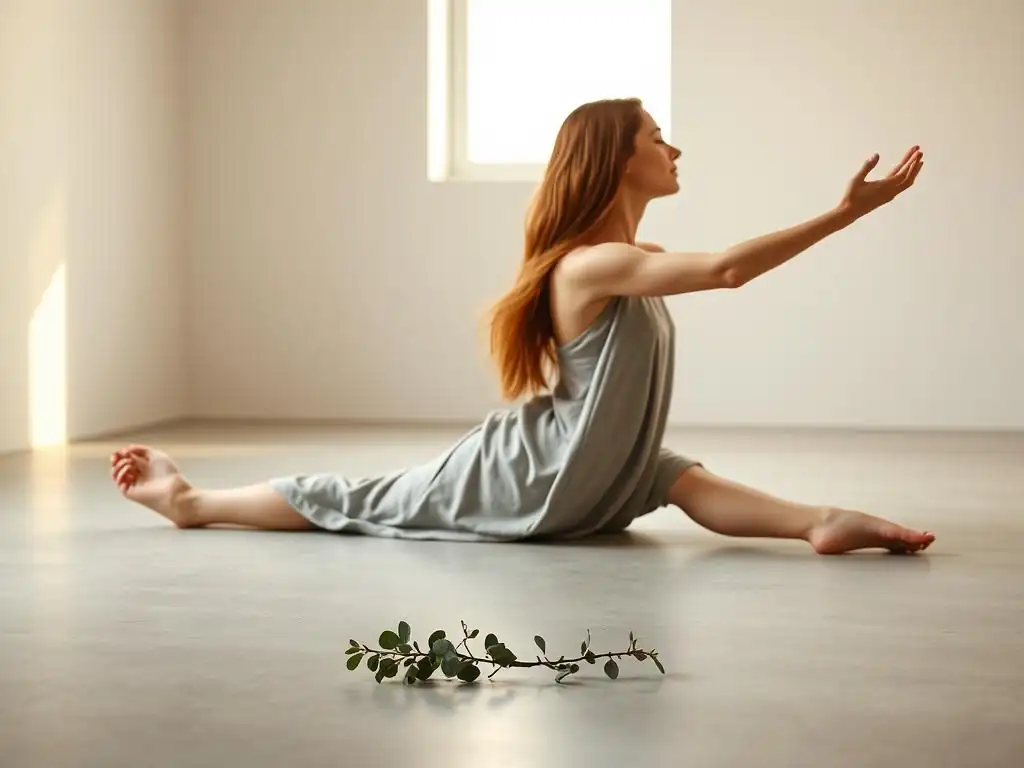
Gentle and Restorative Practices: Hatha, Restorative, Yin, and Yoga Nidra
For individuals specifically seeking yoga for stress reduction and deep relaxation, gentle and restorative styles are often highly recommended. Hatha yoga, a foundational style, involves holding basic postures for several breaths, focusing on alignment and breath awareness. Its slower pace makes it accessible and calming. Restorative yoga uses props like blankets, bolsters, and blocks to support the body in gentle stretches, allowing for complete relaxation and passive release of tension. Sessions often involve holding just a few poses for extended periods, sometimes up to 10-20 minutes per pose, facilitating deep relaxation.
Yin yoga targets the deep connective tissues like fascia, ligaments, and joints by holding passive poses for longer durations, typically 3-5 minutes. This style encourages introspection and mindfulness as practitioners sit with physical and emotional sensations that arise. Yoga Nidra, or "yogic sleep," is a state of conscious deep relaxation guided by verbal instruction, often performed lying down. It systematically guides the practitioner through different levels of relaxation, promoting profound rest and reducing anxiety. These styles are particularly effective for calming an overactive mind and body, making them excellent choices for severe stress or burnout.
Mindful Movement Styles: Vinyasa, Kundalini, and Somatic Yoga
While gentle styles excel at relaxation, more dynamic or mindful movement styles can also be highly effective yoga for stress reduction, especially for those who benefit from moving energy through the body. Vinyasa yoga connects breath to movement, flowing from one pose to the next. The rhythmic, meditative quality of the flow can help quiet the mind by focusing attention on the present moment and physical sensations. While potentially more physically demanding, the emphasis on breath (Ujjayi breath) throughout the practice maintains a grounding element that counters stress.
Kundalini yoga combines physical postures, dynamic movements, breathwork, meditation, and chanting. Its practices are often vigorous and designed to awaken energy, but the strong focus on breath and mantra can be deeply centering and help to clear mental clutter associated with stress. Somatic yoga focuses on mindful, gentle movements aimed at releasing chronic muscular tension patterns that are often linked to stress and trauma. By increasing proprioception and interoception (awareness of the body's position and internal state), somatic practices empower individuals to consciously release tension held within the body, contributing significantly to stress relief.
Personalizing Your Practice: Choosing a Style that Resonates
Choosing the right style of yoga for stress reduction is a personal journey, and what works for one person may not work for another. It's important to consider your current physical and mental state, your goals, and your preferences. If you are feeling highly anxious or depleted, a gentle or restorative style might be more beneficial initially to help calm the nervous system.
If you find that movement helps you process stress, a mindful Vinyasa or Kundalini class might be a better fit. Many people find value in exploring different styles before settling on one or two that feel most supportive.
Experimentation is key. Try a few classes or online videos from different styles. Pay attention to how you feel during and after the practice – does it leave you feeling calmer, more energized, or simply more present? Consider factors like the teacher's approach, the class environment, and the pace of the practice. The most effective yoga for stress relief is the practice that you can consistently commit to because it genuinely resonates with you and meets your needs on any given day. Remember, the goal is not perfect poses, but finding a sustainable way to cultivate calm.
Foundational Yoga Poses for Stress Relief: A Practical Guide
Accessible Poses for Stress and Anxiety Reduction
Incorporating simple, accessible yoga poses into your routine can provide immediate benefits for stress and anxiety reduction. These poses can be practiced almost anywhere and require little to no equipment. The key is to move slowly and mindfully, focusing on your breath throughout. Even a few minutes dedicated to these foundational postures can shift your state from feeling overwhelmed to feeling more grounded and centered.
Mountain Pose (Tadasana): Grounding and Centering
Mountain Pose, or Tadasana, is a seemingly simple standing pose that is foundational for grounding and centering. Stand with your feet hip-width or together, distributing your weight evenly through all four corners of your feet. Engage your leg muscles gently, lift through the crown of your head, and let your arms hang naturally by your sides or bring your palms together at heart center. Close your eyes or soften your gaze.
Focus on the sensation of your feet rooted to the earth and your spine lengthening upwards. This pose helps to cultivate presence and stability, serving as an anchor when feeling scattered by stress. Practice holding Tadasana for 5-10 deep breaths, noticing the subtle shifts in your body and mind.
Forward Fold (Uttanasana): Releasing Tension in the Back and Neck
Forward Fold, or Uttanasana, is excellent for releasing tension often held in the back, hamstrings, and neck, common areas affected by stress. From a standing position (like Tadasana), exhale and hinge from your hips, allowing your torso to fold over your legs. You can keep a generous bend in your knees, especially if your hamstrings are tight. Let your head hang heavy, releasing tension in the neck.
You can hold opposite elbows with your hands or let your hands rest on the floor, blocks, or your shins. Feel the stretch along the back of your legs and spine. This inversion (head below the heart) can also have a calming effect on the nervous system. Stay here for 5-8 breaths, focusing on releasing tension with each exhale.
Supported Bridge Pose (Setu Bandha Sarvangasana): Calming and Uplifting
Supported Bridge Pose, or Setu Bandha Sarvangasana, is a gentle backbend that is both calming and subtly uplifting, helping to counter feelings of fatigue and anxiety. Lie on your back with your knees bent and feet flat on the floor, hip-width apart. Slide your hips slightly towards your heels. On an exhale, press into your feet and lift your hips off the floor. For a supported version, slide a block or a firm cushion under your sacrum (the flat bone at the base of your spine) at a comfortable height.
Allow your weight to rest on the support. Let your arms rest by your sides, palms up or down. This pose gently opens the chest and shoulders, areas that can become tight with stress, while the support allows for deep relaxation. Remain in Supported Bridge for 1-5 minutes, focusing on soft, steady breathing.
Safe and Effective Practice: Alignment and Breath Awareness
Practicing yoga for stress reduction safely and effectively requires attention to two key elements: alignment and breath awareness. Proper alignment in postures helps prevent injury and ensures that the pose is effectively targeting the intended areas of the body, allowing for deeper release and benefit. While striving for perfect alignment isn't the goal, understanding the basic principles for each pose is important. Listening to your body's signals and avoiding forcing yourself into shapes that cause pain is paramount. It's better to modify a pose using props or gentle variations than to push beyond your body's current capacity.
Emphasizing Proper Form and Mindful Breathing
Focusing on proper form doesn't mean achieving a textbook-perfect pose; it means finding a variation that feels stable and sustainable for your body on that day. Using props is a sign of intelligence and self-care, not weakness. A block under your hands in Forward Fold, a blanket under your knees in kneeling poses, or a strap to extend your reach can make poses more accessible and comfortable, allowing you to relax into them rather than straining.
Simultaneously, mindful breathing is the thread that connects the physical movement to the mental and emotional benefits of yoga for stress relief. Paying attention to the inhale and exhale grounds you in the present moment and activates the parasympathetic nervous system. Deep, conscious breathing helps to regulate the nervous system, reduce heart rate, and calm the mind, making the physical practice much more impactful for stress reduction.
Adapting Poses for Individual Needs and Limitations
Adapting yoga poses for individual needs and limitations is crucial for a safe and beneficial practice, especially when using yoga for managing stress where the body might already be holding tension or experiencing fatigue. Every body is different, and physical capabilities can vary greatly due to factors like age, injuries, chronic conditions, or simply daily fluctuations in energy levels. A qualified yoga instructor can offer modifications using props or alternative postures that allow you to experience the benefits of a pose without putting undue strain on vulnerable joints or muscles.
For example, if standing poses aggravate knee pain, practicing similar shapes seated in a chair can provide many of the same benefits of stretching and strengthening. If wrist issues make weight-bearing poses challenging, modifications can shift weight to forearms or fists, or alternative poses can be substituted. The principle is to meet your body where it is and practice with compassion.
By adapting poses, you ensure that your yoga practice remains a source of support and healing, rather than adding another layer of physical stress. This adaptability is key to making yoga for stress reduction a sustainable part of your well-being routine.
Establishing a Home Yoga Practice for Stress Reduction
Creating a Sanctuary: Designing a Calming Practice Space
Establishing a dedicated space for your home yoga practice can significantly enhance its effectiveness for stress reduction. While you don't need an entire room, designating a specific area helps to create a sense of ritual and separation from daily distractions. Choose a spot that is relatively quiet and free from clutter. Even a small corner in a living room or bedroom can work. Ensure there's enough space to fully extend your limbs in all directions.
Making the space calming involves paying attention to sensory details. Soft lighting, perhaps from a lamp rather than harsh overhead lights, can create a soothing atmosphere. Consider adding elements like a plant, a small candle (practicing fire safety! ), or a calming piece of art.
Having your yoga mat rolled out and easily accessible removes a barrier to practice. Keep any props you might use, like blocks, straps, or blankets, neatly stored nearby. This designated "sanctuary" becomes a visual cue for your mind and body to transition into a state of calm and focus, making your yoga for stress relief practice more intentional and beneficial.
Structuring a Practice: Sample Sequences for Stress Relief
Structuring a home yoga practice for stress reduction doesn't require memorizing complex sequences. Simple, consistent routines are often the most effective. A basic sequence might include:
- 5 minutes: Sitting quietly, focusing on breath (Mindful Breathing or simple counting).
- 10 minutes: Gentle warm-up: Cat-Cow (Marjaryasana to Bitilasana), gentle neck rolls, shoulder circles, seated twists.
- 15 minutes: Core poses for stress relief: Downward-Facing Dog (Adho Mukha Svanasana) (modified if needed), Standing Forward Fold (Uttanasana), Warrior II (Virabhadrasana II), Triangle Pose (Trikonasana), Tree Pose (Vrksasana).
- 10 minutes: Calming poses: Child's Pose (Balasana), Supported Bridge Pose (Setu Bandha Sarvangasana), Legs-Up-the-Wall Pose (Viparita Karani).
- 5-10 minutes: Savasana (Corpse Pose) for final relaxation.
This structure can be modified based on available time. Even a 15-minute practice incorporating breathwork, a few gentle stretches, and Savasana can be highly effective for managing stress. The key is consistency. Aim for a few short practices throughout the week rather than waiting for a large block of time.
Integrating Mindfulness: Meditation and Breathwork Techniques
Integrating mindfulness, meditation, and specific breathwork techniques (pranayama) significantly enhances the power of yoga for stress reduction. While physical postures help release tension in the body, these practices directly train the mind to be more present and less reactive to stressors. Simple mindfulness can be practiced by bringing non-judgmental awareness to sensations during poses or transitions. Meditation doesn't require sitting for hours; even 5-10 minutes of seated meditation, focusing on the breath, can calm the nervous system.
Specific pranayama techniques are potent tools for stress relief. Ujjayi breath ("victorious breath"), where you gently constrict the back of the throat to create an ocean-like sound on the inhale and exhale, helps regulate breath and focus the mind. Nadi Shodhana (Alternate Nostril Breathing) is renowned for balancing the nervous system and promoting a sense of calm.
A simple technique like Dirga Pranayama (Three-Part Breath), filling the belly, ribs, and chest sequentially, can immediately slow down a racing heart and mind. By consciously incorporating these breath and mindfulness practices, your home yoga for stress reduction becomes a truly holistic approach to well-being.
Integrating Yoga Principles into Daily Life: Beyond the Mat
Breath Awareness: Utilizing Pranayama in Stressful Moments
One of the most accessible ways to integrate the principles of yoga for stress reduction into daily life is through conscious breath awareness and utilizing simple pranayama techniques during stressful moments. We often hold our breath or breathe shallowly when under pressure, exacerbating the stress response. Becoming aware of your breath pattern throughout the day is the first step. Notice how your breath changes when you receive a difficult email, face a challenging task, or are stuck in traffic.
Once you notice your breath becoming shallow or rapid, consciously shift to a slower, deeper rhythm. Simple techniques like taking three slow, deep breaths – inhaling fully into the belly and exhaling completely – can immediately signal to your nervous system that you are safe, interrupting the fight-or-flight response.
Practices like Box Breathing (inhaling for a count of four, holding for four, exhaling for four, holding for four) can be done discreetly anywhere and are highly effective for quickly calming the mind and body. By consciously using your breath as an anchor, you empower yourself to navigate daily stressors with greater ease, extending the benefits of yoga for managing stress far beyond the time spent on your mat.
Cultivating Presence: Enhancing Self-Awareness and Emotional Regulation
Yoga cultivates presence by training the mind to focus on the here and now – the sensations in the body, the rhythm of the breath, the feeling of the mat beneath you. This practice of being present can be carried into daily life, significantly enhancing self-awareness and emotional regulation. When faced with a stressful situation or difficult emotion, the ability to pause, notice what is happening in your body and mind without immediate reaction, is a direct result of cultivating presence through yoga for stress reduction.
This heightened self-awareness allows you to recognize early signs of stress or emotional reactivity before they escalate. Instead of being swept away by anger, frustration, or anxiety, you can observe these feelings as temporary states. This detachment provides the space needed to choose a more skillful response rather than acting impulsively.
For example, if a colleague's comment triggers irritation, instead of reacting defensively, you might notice the tension in your jaw, the heat in your chest, and choose to take a conscious breath before responding thoughtfully. This capacity for mindful response is a powerful benefit of integrating the presence cultivated in yoga for stress relief into everyday interactions.
Long-Term Well-being: Yoga as a Foundation for Resilience
Viewing yoga for stress reduction not just as a temporary fix but as a foundation for long-term well-being builds resilience. Resilience is the capacity to bounce back from adversity, adapt to change, and maintain well-being in the face of stress. Regular yoga practice systematically strengthens the physical, mental, and emotional resources needed for resilience. Physically, it builds strength and flexibility, making the body more capable of handling physical manifestations of stress. Mentally, it trains focus and equanimity, reducing reactivity to stressful thoughts. Emotionally, it increases self-awareness and the ability to process feelings constructively.
Making yoga a consistent part of your lifestyle, whether through daily short practices or longer weekly sessions, creates a cumulative effect. Over time, the nervous system becomes less prone to overreacting to minor stressors. The mind develops a greater capacity for calm and clarity. The body holds less chronic tension. This ongoing cultivation of inner strength and balance equips individuals to navigate life's inevitable challenges with greater stability and grace. Yoga for managing stress becomes an empowering self-care practice that builds a robust foundation for enduring well-being and a more peaceful life.
Considerations for Practicing Yoga for Stress Reduction
Self-Awareness: Listening to Your Body and Preventing Injury
Practicing yoga for stress reduction effectively hinges on cultivating deep self-awareness and committing to listening to your body's signals to prevent injury. While yoga is generally safe, pushing too hard, ignoring pain, or attempting poses beyond your current level can lead to strains or sprains, which would counter the goal of stress relief. Stress itself can sometimes make us less attuned to our physical sensations, making mindful practice even more important.
Pay close attention to any sharp or pinching sensations, which are different from the stretch or effort of building strength. Modify poses if needed, use props liberally, and take rest whenever your body calls for it, even if the class or sequence suggests otherwise. Remember that yoga is not a competition, and your practice will vary from day to day depending on your energy levels and physical state. Approaching your practice with kindness and curiosity towards your body, rather than judgment or ambition, is key to making yoga for stress relief a sustainable and beneficial endeavor.
Seeking Guidance: Consulting Professionals When Necessary
While home practice is valuable, seeking guidance from qualified professionals is essential, especially when using yoga for stress reduction to address significant anxiety, chronic stress, or physical limitations. A certified yoga instructor can provide personalized guidance on alignment, offer modifications tailored to your specific needs, and help you understand how different practices might affect you. They can also guide you through more complex breathwork or meditation techniques safely.
Furthermore, if you are experiencing severe or persistent stress, anxiety, or symptoms of depression, it is crucial to consult with a healthcare provider or mental health professional. Yoga can be a powerful complementary tool for stress management, but it is not a substitute for medical or psychological treatment. Discussing your intention to use yoga for stress relief with your doctor or therapist can ensure it integrates safely and effectively with any other care you are receiving.
Yoga for Specific Needs: Addressing Anxiety, Depression, and Trauma
Yoga for stress reduction can be particularly beneficial for individuals managing specific mental health challenges like anxiety, depression, and trauma, but it requires a mindful and sometimes specialized approach. For anxiety, practices that emphasize grounding, slow movement, and calming breathwork (like Nadi Shodhana) are often helpful. Restorative and Yin yoga can also be very supportive.
For depression, practices that are gently energizing while still being accessible might be beneficial, alongside breathwork that helps uplift mood. However, it's important to be sensitive to energy levels, which can fluctuate significantly with depression. For individuals with a history of trauma, a trauma-informed yoga practice is highly recommended. These classes prioritize creating a safe and predictable environment, offering numerous choices and modifications, and focusing on present-moment awareness without triggering past experiences. Seeking instructors with specific training in these areas ensures that the practice is supportive and therapeutic, rather than potentially overwhelming.
Resources for Continued Learning and Practice
Online Platforms: Reputable Yoga Classes and Guided Meditations
The digital age offers a wealth of resources for continuing your journey with yoga for stress reduction. Numerous online platforms provide access to a wide variety of yoga classes, guided meditations, and tutorials suitable for all levels and styles. Look for platforms with certified and experienced instructors, clear class descriptions, and options to filter by style, duration, and focus (e.g., "stress relief," "anxiety," "relaxation"). Many platforms offer trial periods, allowing you to explore different teachers and styles before committing.
Beyond full classes, many apps and websites offer short guided meditations and specific breathwork exercises that can be incorporated into your daily routine. These resources make it convenient to practice yoga for managing stress anytime, anywhere, fitting movement and mindfulness into busy schedules. Always check the credentials of instructors and the overall reputation of the platform to ensure quality and safety.
Local Communities: Connecting with Studios and Experienced Instructors
Connecting with local yoga studios and experienced instructors offers invaluable benefits that online resources cannot fully replicate. Practicing in a studio provides a sense of community and shared experience, which can be supportive, particularly when addressing stress and isolation. Instructors in a studio setting can offer real-time feedback, hands-on adjustments (with permission), and personalized modifications based on observing your practice.
Building a relationship with a local studio or a specific teacher allows for a deeper understanding of the practice and how it can be tailored to your evolving needs for stress reduction. Many studios offer beginner workshops or specialized classes focused on topics like stress management, gentle yoga, or trauma-informed practice. Don't hesitate to call studios, ask about their class offerings, and inquire about instructors' experience and certifications.
Further Exploration: Recommended Books and Scientific Articles
For those who wish to deepen their understanding of how yoga supports stress reduction, exploring recommended books and scientific articles can be highly insightful. Many excellent books delve into the philosophy, practice, and therapeutic applications of yoga, offering detailed explanations of postures, breathwork, and meditation techniques specifically for managing stress and anxiety. Look for authors who are both experienced practitioners and knowledgeable about the physiological and psychological effects of yoga.
Additionally, staying informed about scientific research provides evidence-based support for the benefits of yoga for stress relief. Searching academic databases for studies on "yoga and stress," "yoga and anxiety," "yoga and cortisol," or "yoga and nervous system" can yield fascinating insights into the mechanisms behind its effectiveness. Reputable sources often include studies published in peer-reviewed journals. While some articles may be technical, abstracts and introductions often provide accessible summaries of the findings, reinforcing the powerful role yoga can play in cultivating a calmer mind and a more resilient life.
Frequently Asked Questions
What types of yoga are most effective for stress reduction?
Gentle forms like Hatha, Restorative, and Yin yoga are often recommended. These styles emphasize mindfulness, breathing, and gentle stretches, promoting relaxation.
How does yoga help reduce stress levels?
Yoga reduces stress through a combination of physical postures, breathing techniques (pranayama), and mindfulness. These practices help regulate the nervous system and lower cortisol levels.
How often should I practice yoga to experience stress reduction benefits?
Even short, regular sessions (15-30 minutes) several times a week can be beneficial. Consistency is key; aim for at least 3 times a week to see noticeable results.
Are there any potential risks or contraindications associated with yoga for stress reduction?
While generally safe, individuals with certain medical conditions (e.g., back pain, high blood pressure) should consult their doctor before starting. Listen to your body and modify poses as needed.
Where can I find resources or classes for yoga for stress reduction?
"Mind Care Guide" provides a wealth of information and resources. You can also find local yoga studios, online classes, and certified instructors specializing in stress-reducing yoga practices.
Final Reflection: Finding Stillness in a Restless World
The pervasive stress of modern life demands effective coping mechanisms, and the ancient practice of yoga offers a powerful antidote. Its ability to quiet the mind and soothe the body is not merely a trend; it's a vital tool for navigating the complexities of our increasingly demanding world. The benefits extend far beyond simple relaxation, impacting our mental clarity, physical health, and overall well-being.
The exploration of yoga's stress-reducing properties throughout this article highlights its enduring relevance. It's not just about physical postures; it's about cultivating a mindful awareness that permeates every aspect of our lives. Yoga is not about touching your toes; it's about what you learn on the way down.
This quote perfectly encapsulates the journey of self-discovery and inner peace that yoga facilitates, a journey that continues to resonate deeply within our increasingly fragmented society. The practice offers a pathway to reconnect with ourselves and find a sense of calm amidst the chaos.
Now, consider your own life. Where do you feel the weight of stress bearing down? What small steps can you take today to incorporate the principles of gentle movement and mindful breathing into your daily routine? Perhaps it's a five-minute meditation before bed, a short yoga sequence during your lunch break, or simply taking a few deep breaths when feeling overwhelmed. Embrace the opportunity to cultivate inner peace, one breath, one pose, one moment at a time. The journey to a calmer, more centered you begins with a single step.
Unleash Your Inner Calm: Start Your Yoga Journey Today!
Thanks for taking the time to explore the power of yoga for stress reduction with us! We hope you discovered valuable techniques to incorporate into your daily life. Now it's time to put your newfound knowledge into action.
- Begin your yoga practice today: Even 10 minutes of gentle stretching and mindful breathing can make a significant difference. Find a quiet space and try one of the poses we discussed.
- Share your experience: Connect with others on our community forum and share your journey, tips, and challenges. Let's build a supportive space for mindful movement together.
- Explore deeper: Research different yoga styles to find what resonates with you most. Consider trying a local class to learn from experienced instructors and connect with a community.
Ready to embrace a calmer, more centered you? What small step will you take today to prioritize your wellbeing?