
Deepen Your Connection: Why a Couples Retreat is Your Next Investment


Welcome to Mind Care Guide, a sanctuary for your mental well-being.
Feeling disconnected? Longing for deeper understanding and connection with your partner? You're not alone. This month, we delve into how a carefully chosen couples retreat boost wellbeing and reignite the spark. Discover practical strategies, expert insights, and inspiring stories that will leave you wondering, "Could this be the key to a stronger, more fulfilling relationship?" Let's explore the transformative power of shared experiences and unlock the path to lasting happiness together.
Deepen Your Connection: Why a Couples Retreat is Your Next Investment
- Is a Couples Retreat the Key to Enhanced Wellbeing? Exploring the Benefits
-
Top Couples Retreats to Boost Your Wellbeing: A Curated Selection
- Option 1: The "Reconnect & Reignite" Retreat at The Couples Resort - Focus on Intimacy and Communication
- Option 2: The "Mindful Connection" Retreat at Esalen Institute - Stress Reduction and Emotional Intelligence
- Option 3: The "Adventure & Grow" Retreat with Backroads - Shared Experiences and Teamwork
- How a Couples Retreat Can Boost Wellbeing: Addressing Specific Relationship Challenges
- Investing in Your Relationship: The Long-Term Benefits of a Couples Retreat
- Choosing the Right Couples Retreat for Your Needs: Key Considerations
- Maximizing Your Couples Retreat Experience: Tips for Lasting Change
- Couples Retreats: A Powerful Tool for Relationship Wellbeing and Growth
-
Frequently Asked Questions
- How can a couples retreat actually boost wellbeing?
- What are the key benefits of attending a couples retreat for my mental health?
- Is a couples retreat only for couples experiencing serious relationship problems?
- What kind of activities can I expect at a couples retreat designed to improve wellbeing?
- How can I ensure the couples retreat I choose is effective in enhancing our wellbeing?
- Final Reflection: Investing in Love, Investing in Yourselves
- Unlock Deeper Connection: Your Next Steps to a Stronger Relationship
Is a Couples Retreat the Key to Enhanced Wellbeing? Exploring the Benefits
Understanding the Strain on Modern Relationships and the Need for Dedicated Connection Time
Modern life presents significant challenges to maintaining a strong and vibrant relationship. The relentless pace of work, the constant demands of technology, financial pressures, and the complexities of balancing family life can leave couples feeling disconnected and drained. Studies suggest that a significant percentage of couples, perhaps approaching 50%, report that communication issues are their primary source of conflict.
This lack of dedicated, quality time together erodes the emotional foundation of the relationship, leading to increased stress, decreased intimacy, and a general decline in shared wellbeing. The cumulative effect of these daily pressures can make it difficult for partners to truly connect on a deeper level, often leaving important emotional needs unmet and fostering a sense of drifting apart rather than growing together.
Furthermore, the expectation to "have it all" – a successful career, a perfect family life, and a thriving social circle – often means that the relationship itself falls lower on the priority list. Couples may find themselves living parallel lives, sharing the same space but not truly sharing experiences or emotional intimacy. This deficit in meaningful connection is not just a minor inconvenience; it can significantly impact individual mental health and overall relationship satisfaction.
Recognizing this strain is the first step towards addressing it, and it highlights the critical need for intentional, focused time away from daily distractions to nurture the partnership and actively work on strengthening the bond. A couples retreat offers precisely this kind of dedicated space and time.
The Increasing Popularity of Couples Retreats as a Proactive Wellness Strategy
In recent years, there has been a noticeable shift in how couples approach relationship health. Moving beyond reactive measures when problems arise, many are now embracing proactive strategies to enhance their connection and prevent issues before they escalate. This is where the concept of a couples retreat to boost wellbeing has gained significant traction.
What was once considered a last resort for struggling pairs is now seen as a valuable investment in the long-term health and happiness of the relationship, akin to investing in individual physical or mental fitness. The market for relationship-focused wellness experiences has expanded, reflecting this growing demand, with options ranging from intensive therapeutic programs to relaxed, connection-focused getaways designed purely for rejuvenation.
This growing trend reflects a broader understanding that a healthy relationship is a cornerstone of overall wellbeing. Couples are recognizing that dedicating time and resources to strengthening their partnership yields benefits that extend far beyond the relationship itself, positively impacting individual stress levels, mental health, and even physical health.
The increasing array of specialized retreats caters to diverse needs, whether couples are seeking to improve communication, reignite intimacy, navigate a specific challenge like parenting or life transitions, or simply reconnect and enjoy each other's company without the pressures of home. This proactive approach signifies a commitment to building resilience and ensuring the relationship remains a source of support and joy.
Top Couples Retreats to Boost Your Wellbeing: A Curated Selection
Option 1: The "Reconnect & Reignite" Retreat at The Couples Resort - Focus on Intimacy and Communication
The "Reconnect & Reignite" retreat is specifically designed for couples looking to deepen their emotional and physical connection and improve how they communicate their needs and desires. Typically structured over a few days, the program includes intensive workshops led by experienced relationship therapists or coaches. These sessions often focus on practical skills such as active listening, expressing appreciation, and understanding each other's love languages.
The goal is to provide concrete tools that couples can take home and integrate into their daily lives, moving beyond surface-level interactions to more meaningful and intimate exchanges. The environment is usually set in a romantic and secluded location, minimizing external distractions and creating a safe space for vulnerability and growth.
Complementing the therapeutic workshops, this retreat often incorporates elements aimed at enhancing intimacy and pleasure. This might include guided sensual massage therapy sessions, designed to help couples reconnect physically in a mindful and loving way, or structured activities that encourage playful interaction and shared experiences. Romantic dinners and leisure time are also integral, providing opportunities for couples to simply enjoy each other's company in a relaxed setting, putting into practice the communication skills they are learning. Packages for such retreats might start around $3,500 per couple for a 3-night stay, including accommodation, meals, and program activities.
Option 2: The "Mindful Connection" Retreat at Esalen Institute - Stress Reduction and Emotional Intelligence
The "Mindful Connection" retreat approach, often found at centers like the Esalen Institute known for their focus on holistic practices, emphasizes reducing stress and cultivating emotional intelligence within the relationship. These retreats typically integrate practices like daily meditation sessions, which help individuals calm their minds and become more present, a crucial element for attentive connection with a partner.
Yoga sessions, sometimes tailored for couples, can help foster a sense of shared presence and gentle physical connection, promoting relaxation and reducing tension that might be held in the body. The core of the program often lies in mindfulness-based communication training, teaching couples to listen without judgment, express themselves authentically, and respond to their partner with greater compassion and understanding.
The philosophy behind this type of retreat is that individual wellbeing is intrinsically linked to relational wellbeing. By reducing personal stress through mindfulness and developing greater emotional self-awareness, individuals are better equipped to show up fully and empathetically in their relationship. The tranquil setting, often in nature, provides a peaceful backdrop conducive to introspection and shared quietude.
These retreats might span 5 days or more, with packages starting around $2,800 per couple, depending on accommodation choices and the specific program. They are particularly beneficial for couples seeking to navigate stress together, improve their emotional responsiveness, and build a calmer, more understanding partnership.
For couples who thrive on activity and shared experiences, the "Adventure & Grow" retreat style, exemplified by companies like Backroads, offers a dynamic way to strengthen their bond through teamwork and overcoming challenges together. These retreats often involve guided outdoor activities such as hiking, biking, or kayaking in scenic locations.
The focus is less on traditional therapy sessions and more on building connection through shared goals and mutual support in a non-therapeutic context. Navigating a challenging trail together, cheering each other on during a climb, or simply enjoying the beauty of nature side-by-side fosters a sense of partnership and creates lasting shared memories.
Beyond the physical activities, these retreats frequently incorporate elements of cultural immersion or unique local experiences, providing new contexts for interaction and discovery as a couple. Evening discussions, perhaps around a campfire, allow for reflection on the day's adventures and how the teamwork and communication skills used in the outdoors can translate back to the relationship.
This type of retreat is ideal for couples who feel most connected when they are active and exploring together. Pricing can vary significantly based on location, duration, and included activities, but packages might start around $6,000 per couple for a week-long adventure, covering guides, most meals, activities, and accommodation.
How a Couples Retreat Can Boost Wellbeing: Addressing Specific Relationship Challenges

Communication Breakdown: Learning Active Listening and Empathy Techniques
One of the most common reasons couples seek external support is a breakdown in communication. Daily stressors and unresolved conflicts can lead to patterns of misunderstanding, defensiveness, or simply not truly hearing what the other person is saying. A couples retreat specifically addresses this by dedicating significant time to teaching and practicing effective communication skills. Workshops often introduce techniques like active listening, where one partner focuses entirely on understanding the other without interrupting or formulating a response, and then reflects back what they heard. This simple yet powerful technique ensures that both partners feel heard and validated.
Furthermore, retreats teach empathy techniques, helping couples step into each other's shoes and understand perspectives different from their own. Exercises might involve role-playing difficult conversations or guided discussions designed to uncover underlying emotions and needs. By providing a structured and safe environment, free from the usual triggers and distractions, couples can practice these new skills immediately.
For example, a couple struggling with disagreements over finances might learn to use "I" statements to express their feelings ("I feel worried when I see our bank balance") rather than accusatory language ("You spend too much money"), fostering a more productive and empathetic dialogue. This direct focus on communication skills is a primary way a couples retreat can boost wellbeing by resolving tension and fostering understanding.
Rekindling the Spark: Addressing Intimacy and Passion Loss
Over time, the initial passion and intimacy in a relationship can wane due to routine, stress, or unresolved emotional distance. A couples retreat provides a dedicated space and time to reignite that spark. Retreats focused on intimacy often include workshops or guided discussions that explore topics like desire, vulnerability, and creating shared romantic experiences.
They might offer sessions on sensual touch, guided exercises to increase physical connection, or discussions about emotional intimacy – the feeling of being truly seen and understood by your partner. The goal is not just physical intimacy, but also rebuilding the emotional closeness that is essential for a vibrant relationship.
Away from the distractions of home, couples can rediscover each other in a new light. The romantic setting often associated with retreats naturally lends itself to increased closeness. Structured activities might encourage playful interaction, shared vulnerability, or simply dedicated time for cuddling and affection. For instance, a retreat might include a guided session on non-verbal communication and touch, helping couples explore new ways to express affection and desire. By intentionally focusing on intimacy, both emotional and physical, a couples retreat can significantly boost wellbeing by bringing back joy, excitement, and deep connection into the relationship.
Conflict is inevitable in any relationship, but the way couples handle conflict significantly impacts their wellbeing. Destructive patterns like yelling, withdrawing, or becoming defensive can erode trust and leave both partners feeling hurt and resentful. Couples retreats dedicated to conflict resolution provide a safe space to identify these patterns and learn healthier alternatives.
Therapists or facilitators guide couples through understanding the root causes of their conflicts, which are often deeper than the surface issue being argued about. They teach techniques for fighting fair, such as taking breaks when discussions become too heated, focusing on the specific issue at hand, and avoiding personal attacks.
A key element is learning how to listen to your partner's perspective during a disagreement without immediately trying to defend yourself or counter their points. Retreats often use structured exercises to practice these skills, such as having one partner speak while the other listens without interruption, then switching roles. They also teach how to find mutually agreeable solutions rather than needing one person to "win."
For example, a couple arguing about household chores might learn to collaboratively create a chore chart that feels equitable, rather than one partner feeling resentful or the other feeling nagged. Mastering healthy conflict resolution is a crucial way a couples retreat can boost wellbeing by reducing stress and building resilience.
Building a Stronger Foundation: Strengthening Trust and Commitment
Beyond addressing specific issues, a couples retreat inherently works to strengthen the foundational elements of trust and commitment that are vital for long-term wellbeing. By dedicating time, effort, and financial resources to the relationship, couples are making a powerful statement of commitment to each other and to the future of their partnership.
The shared experience of working through challenges, learning new skills, and reconnecting on a deeper level builds a sense of shared purpose and resilience. Trust is often built or rebuilt through vulnerability and authenticity, and the safe environment of a retreat encourages partners to open up and be real with each other.
Activities designed to foster teamwork or shared vulnerability, such as guided discussions about fears or aspirations, or even physical challenges that require mutual support, can significantly deepen trust. Retreats focusing on commitment might include exercises exploring shared values, future goals, and the vision for the relationship. For example, couples might be guided through creating a shared mission statement for their partnership.
This process reinforces their bond and reminds them why they chose each other. By actively investing in their foundation, a couples retreat can boost wellbeing by creating a secure and trusting base from which the couple can navigate life's challenges together.
Investing in Your Relationship: The Long-Term Benefits of a Couples Retreat
Improved Communication and Conflict Resolution Skills: Real-Life Application
One of the most enduring benefits of a couples retreat is the acquisition of practical communication and conflict resolution skills that can be applied immediately and consistently back home. It's not just about learning techniques in a controlled environment; it's about integrating them into the daily rhythm of the relationship.
Couples who attend retreats often report a marked improvement in their ability to discuss sensitive topics calmly and effectively. For instance, a couple who previously defaulted to arguing might start using 'timeout' signals learned at the retreat when a discussion gets too heated, allowing them to return later with a clearer perspective.
The ability to listen actively and respond empathetically fundamentally changes the dynamic of disagreements. Instead of escalating conflict, couples become better equipped to understand the underlying needs and emotions driving the issue. This leads to fewer arguments, quicker resolutions, and less residual resentment. A study, or anecdotal evidence from retreat facilitators, often suggests that couples who practice these skills consistently after a retreat experience a significant reduction in the frequency and intensity of their conflicts, contributing directly to a calmer and more harmonious home environment, thereby proving that a couples retreat can boost wellbeing long after it ends.
Enhanced Intimacy and Emotional Connection: Fostering Deeper Bonds
Beyond improved communication, a retreat often catalyzes a profound enhancement in intimacy and emotional connection. The dedicated time away from daily distractions allows couples to reconnect on a level that is often difficult amidst work, chores, and social obligations. The activities and discussions focused on vulnerability, shared experiences, and physical closeness help to break down barriers that may have formed over time. Couples report feeling closer, more understood, and more desired after attending a retreat focused on intimacy.
This enhanced connection isn't just a temporary feeling; it's built on a renewed understanding and appreciation for each other. Couples learn how to prioritize quality time, express affection more freely, and maintain physical intimacy as an integral part of their relationship health. Simple practices learned at a retreat, like dedicating 15 minutes each day to uninterrupted conversation or scheduling regular date nights, can have a lasting impact. This deeper emotional and physical bond strengthens the relationship's resilience and significantly contributes to both partners' individual and shared wellbeing, demonstrating the power of a couples retreat to boost wellbeing through connection.
Reduced Stress and Increased Wellbeing: Creating a Healthier Relationship Dynamic
Ultimately, the cumulative effect of improved communication, better conflict resolution, and enhanced intimacy is a significant reduction in relationship stress and an overall increase in wellbeing for both partners. A relationship that is a source of support and joy, rather than tension and conflict, positively impacts every other area of life. When couples feel securely connected and capable of navigating challenges together, they are better equipped to handle external stressors from work, family, or health issues.
The skills and insights gained at a retreat empower couples to create a healthier, more positive relationship dynamic. They learn to be a team, supporting each other through difficulties and celebrating successes together. This sense of partnership reduces individual burdens and fosters a feeling of shared strength. The investment in a couples retreat pays dividends by creating a foundation for a happier, more resilient future together, proving that a couples retreat can truly boost wellbeing by transforming the relationship itself into a powerful resource for health and happiness.
Choosing the Right Couples Retreat for Your Needs: Key Considerations
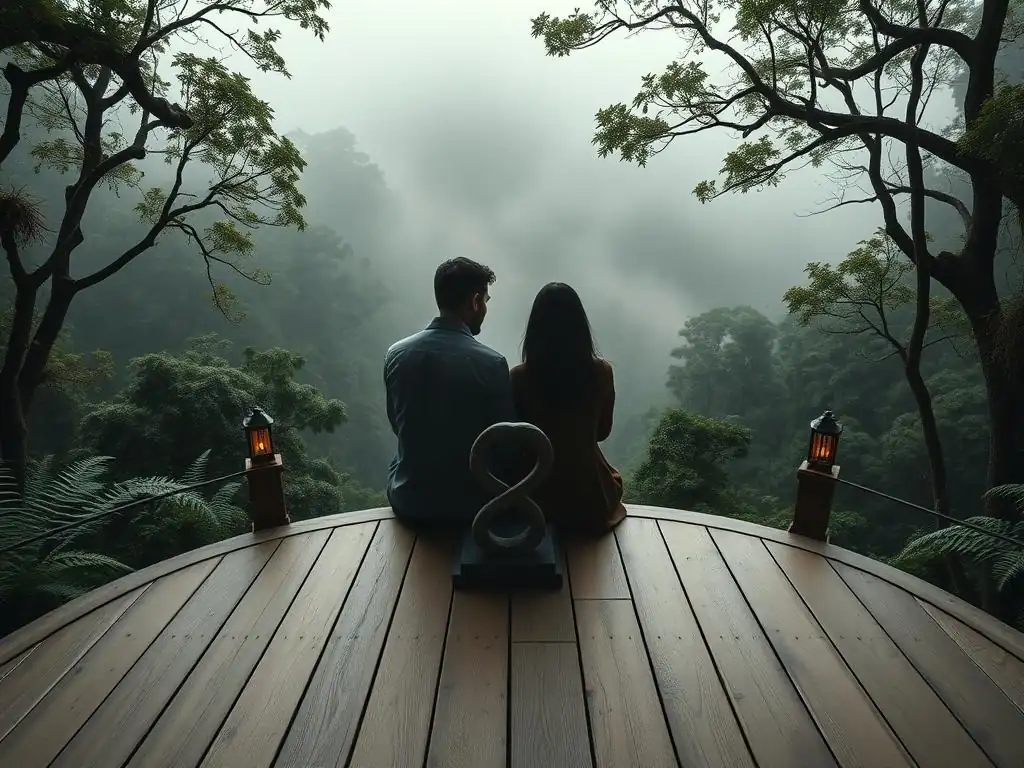
Defining Your Relationship Goals: What Do You Hope to Achieve?
Before booking a couples retreat, it's crucial to have an open and honest conversation with your partner about what you both hope to gain from the experience. Different retreats focus on different aspects of relationship health – some are intensive and therapeutic, targeting specific issues like infidelity or significant conflict, while others are more relaxed and focused on reconnection, communication, or shared experiences. Clearly defining your goals will help you narrow down the options. Are you primarily seeking to improve communication?
Do you want to reignite intimacy? Are you navigating a major life transition? Or are you simply looking for dedicated time away to strengthen your bond?
Discussing your goals ensures that both partners are aligned in their expectations and are invested in the process. For example, if communication is a major issue, look for retreats with a strong emphasis on communication workshops and practical skill-building. If you feel disconnected and stressed, a retreat focusing on mindfulness, relaxation, and shared quiet time might be more suitable. Taking the time to articulate your shared vision for the retreat experience is the first step towards choosing the option that will most effectively help your couples retreat boost wellbeing.
Budget and Location: Finding a Retreat That Fits Your Needs
Couples retreats vary significantly in price, duration, and location. Establishing a realistic budget is an essential step in the selection process. Retreats can range from a weekend getaway costing a couple of thousand dollars to a week-long immersive experience costing upwards of $5,000 or more, depending on the program intensity, accommodation luxury, and included amenities. Consider what you are comfortable investing in this experience. Remember that this is an investment in your relationship's long-term health, which has intangible but significant value.
Location is another practical consideration. Do you prefer a retreat that is easily accessible by car, or are you looking for an exotic destination that feels like a true escape? The environment can also play a role; some couples thrive in a mountain setting, while others prefer the beach or a quiet rural locale.
Consider travel costs and time off work as part of the overall budget and planning. Finding a retreat that aligns with both your financial capacity and logistical preferences ensures that the planning process itself doesn't become a source of stress, allowing you to focus on how the couples retreat will boost wellbeing.
Reviews and Testimonials: Learning from Other Couples' Experiences
Once you have a few potential retreats in mind based on your goals, budget, and location preferences, take the time to research reviews and testimonials from other couples who have attended. Look for feedback on the effectiveness of the program facilitators, the quality of the workshops, the atmosphere of the retreat center, and whether couples felt they gained valuable tools and insights. Pay attention to comments that specifically address the issues you are hoping to work on. For instance, if you're concerned about conflict resolution, look for reviews that mention positive outcomes in that area.
While every couple's experience is unique, reading testimonials can provide valuable insights into what a retreat is truly like and whether it aligns with your expectations. Many retreat websites feature testimonials, but it's also helpful to look for independent reviews on travel sites or forums. Learning from the experiences of others can help you make a more informed decision and feel more confident that the chosen couples retreat will effectively boost wellbeing for your relationship.
Maximizing Your Couples Retreat Experience: Tips for Lasting Change
Setting Intentions and Goals: Preparing for a Transformative Experience
To get the most out of your couples retreat, it's beneficial to set clear intentions and goals beforehand, beyond the initial discussion during the selection process. This involves reflecting individually and together on what you personally hope to achieve and what you hope to achieve as a couple. What specific patterns do you want to change? What new behaviors do you want to adopt? Writing down these intentions can help you stay focused during the retreat and approach the experience with purpose.
This preparation might also involve having a conversation about potential challenges or anxieties you might have about the retreat process. Addressing these concerns beforehand can help you enter the retreat with a more open mindset. Consider it like preparing for an important journey; the more thought and planning you put in upfront, the smoother and more impactful the experience is likely to be. Approaching the retreat with clear intentions helps ensure that the time and effort invested truly helps your couples retreat boost wellbeing.
Engaging Fully in the Activities: Embracing Vulnerability and Openness
The true value of a couples retreat comes from actively participating in all the planned activities, even those that might feel uncomfortable or challenging. This requires embracing vulnerability and being open to new perspectives and experiences. Whether it's participating in a group discussion, trying a new mindfulness exercise, or sharing deeply personal feelings with your partner in a guided session, leaning into the process is key. Resistance or hesitation can limit the potential for growth and connection.
Trust the facilitators and the process. They are there to guide you through potentially sensitive topics and activities in a safe and supportive environment. Be honest with yourself and your partner, and allow yourself to be present in the moment. Remember that vulnerability is a strength in relationships, and the retreat setting is designed to encourage it. Full engagement ensures you absorb the lessons and practice the skills, maximizing the potential for the couples retreat to boost wellbeing significantly.
Continuing the Connection at Home: Implementing What You've Learned
The real test of a couples retreat's effectiveness lies in how well you integrate the lessons and practices into your daily life after you return home. The retreat provides the tools and the initial momentum, but maintaining the positive changes requires ongoing effort.
Before leaving the retreat, discuss with your partner how you plan to keep the connection alive and continue practicing the skills you've learned. This might involve scheduling regular check-ins, dedicating time for date nights, continuing mindfulness practices together, or setting aside specific time each week to discuss finances or other potential conflict areas using the new communication techniques.
Think about specific, actionable steps you can take. For example, if you learned active listening, commit to practicing it during challenging conversations. If you rediscovered physical intimacy, plan regular time for closeness. Having a plan and holding each other accountable (gently and supportively) is crucial for translating the retreat experience into lasting positive change. The investment in a couples retreat only truly boosts wellbeing in the long term if the commitment to the relationship continues actively back in the comfort and challenge of your everyday lives.
Couples Retreats: A Powerful Tool for Relationship Wellbeing and Growth
Summarizing the Benefits and Encouraging Action
A couples retreat offers a powerful opportunity to step away from the demands of everyday life and dedicate focused time and energy to nurturing your relationship. From addressing communication breakdowns and rekindling intimacy to learning healthy conflict resolution and strengthening trust, the benefits are numerous and far-reaching. By investing in a couples retreat, couples gain valuable tools, deeper understanding, and renewed connection that can significantly reduce stress and boost overall wellbeing for both partners and the relationship as a whole. It's a proactive step towards building a more resilient, joyful, and fulfilling partnership.
Considering the pressures on modern relationships, taking intentional action to strengthen your bond is not a luxury, but a vital component of holistic wellbeing. The array of available retreats means there is likely an option that fits your specific needs, goals, and budget.
A Final Thought on Prioritizing Your Relationship Health
Your relationship is one of the most significant factors influencing your overall happiness and mental health. Prioritizing its wellbeing is an investment with immeasurable returns. While a couples retreat requires time, effort, and financial commitment, the potential for growth, deeper connection, and lasting positive change makes it a worthwhile consideration for any couple looking to strengthen their bond and ensure their relationship remains a source of support, love, and wellbeing for years to come. Take the step today to explore how a couples retreat can boost wellbeing in your life together.
Frequently Asked Questions
How can a couples retreat actually boost wellbeing?
A couples retreat provides a dedicated space and structured activities to reconnect and address relationship issues, leading to improved communication and a stronger bond, thus boosting overall wellbeing.
What are the key benefits of attending a couples retreat for my mental health?
Retreats offer a chance to reduce stress, improve communication skills, and foster emotional intimacy, all of which contribute significantly to your and your partner's individual and shared mental health.
Is a couples retreat only for couples experiencing serious relationship problems?
No, retreats are beneficial for all couples, regardless of relationship status. They offer opportunities for proactive growth, strengthening existing bonds, and preventing future issues, ultimately boosting wellbeing.
What kind of activities can I expect at a couples retreat designed to improve wellbeing?
Expect a mix of guided discussions, therapeutic exercises, mindfulness practices, and recreational activities. These are designed to promote open communication, emotional vulnerability, and a deeper understanding of each other.
How can I ensure the couples retreat I choose is effective in enhancing our wellbeing?
Look for retreats led by qualified therapists or counselors, with a program tailored to your specific needs and goals. Read reviews and testimonials to ensure it aligns with your expectations for relationship improvement and personal growth.
Final Reflection: Investing in Love, Investing in Yourselves
The modern world demands much of us, often leaving little time for the most important relationship: the one we share with our partner. A depleted well-being in one partner inevitably impacts the other, creating a ripple effect that diminishes the joy and connection at the heart of any relationship. Prioritizing a couples retreat isn't a luxury; it's a strategic investment in the foundation of your happiness and future together.
The impact of prioritizing connection is profound and far-reaching. It's not just about escaping the daily grind; it's about actively rebuilding intimacy, rediscovering shared passions, and strengthening the bonds that hold your relationship together. The best and most beautiful things in the world cannot be seen or even touched - they must be felt with the heart.
– Helen Keller. This quote beautifully encapsulates the essence of a successful couples retreat: fostering a deeper, more intuitive understanding and appreciation for your partner, beyond the surface level of daily life.
Now, consider this: what small, consistent investment could yield such significant returns in joy, understanding, and lasting love? Take a moment to reflect on the areas in your relationship where reconnection would be most beneficial. Then, take the leap. Plan that retreat. Invest in yourselves, and watch as your love story unfolds with renewed passion and depth. The journey towards a stronger, more fulfilling relationship begins with a single, intentional step.
Unlock Deeper Connection: Your Next Steps to a Stronger Relationship
Thanks for taking the time to explore the importance of couples retreats! You've learned how investing in your relationship can lead to profound growth and lasting happiness. Ready to take the next step?
- Book a couples retreat today! Research options that fit your budget and desired experience. Don't delay the chance to reconnect and reignite the spark.
- Share this article with a partner who could benefit from this valuable insight. Let's spread the word about prioritizing relationship health!
- Start a conversation: Discuss with your partner what you've learned and how you can both actively contribute to a stronger, more fulfilling relationship.
Ready to create a deeper, more meaningful connection with your partner? What's the first step you'll take towards a stronger relationship?